
The Ashigaru's Role in Shaping Samurai Warfare Tactics

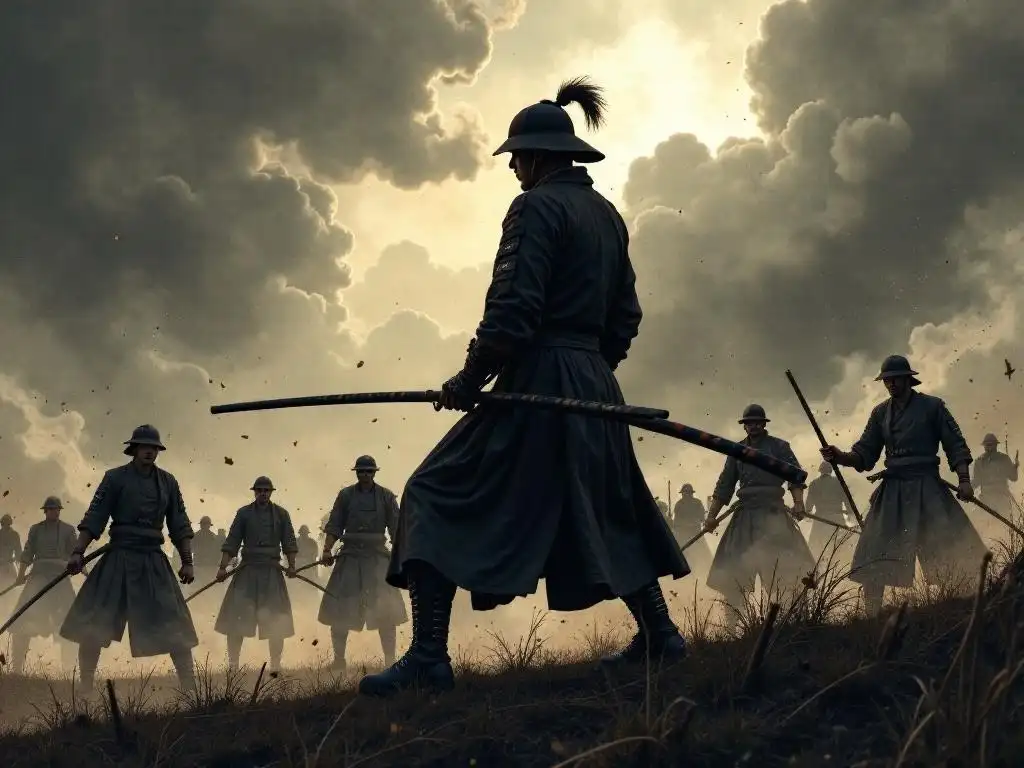
Welcome to Feudal Japan History, where we embark on a captivating journey through the intricate tapestry of Japan’s feudal era. Delve into the dynamic interplay between the Ashigaru and the samurai, as we unveil how these foot soldiers profoundly influenced warfare tactics during this pivotal time. With expert insights and in-depth articles, we invite you to explore the rich cultural and societal nuances that shaped Japan's military landscape. Are you ready to discover the untold stories of the Ashigaru and their impact on samurai strategy? Let’s dive deeper into the fascinating world of military history!
The Ashigaru, a pivotal yet often overlooked component of feudal Japan's military structure, significantly influenced the evolution of samurai warfare tactics. These foot soldiers, who emerged during the Kamakura period, played a crucial role in the battlefield dynamics of the time. This article delves into the multifaceted role of the Ashigaru, exploring their social status, military functions, and the ways in which their presence reshaped samurai strategies. By examining the intricate relationship between Ashigaru and samurai, we can gain a deeper understanding of the complexities of military history in feudal Japan.
Introduction to Ashigaru in Feudal Japan
The term Ashigaru translates to "light foot," a fitting description for these infantry soldiers who were typically less armored and armed compared to their samurai counterparts. Their rise in prominence marks a significant shift in military organization during feudal Japan, allowing for a more versatile and adaptable approach to warfare.
Definition and Origin of Ashigaru
The Ashigaru originated as conscripted farmers and laborers, initially serving as a supplement to the samurai elite. Over time, they evolved into a distinct military class. Their primary role was to provide support on the battlefield, often engaging in skirmishes and serving as a frontline defense. The Ashigaru's ability to mobilize quickly and adapt to various combat scenarios made them invaluable in an era characterized by frequent conflict.
The Social Status of Ashigaru in Samurai Society
While the Ashigaru did not enjoy the same social status as samurai, their role in society began to change as their contributions to military campaigns became more recognized. Many Ashigaru were granted land and titles for their service, leading to a gradual elevation of their social standing. This transformation reflected broader societal shifts in feudal Japan, where merit and loyalty became increasingly valued alongside traditional lineage.
The Evolution of Samurai Warfare Tactics
As the role of the Ashigaru expanded, so too did the tactics employed by samurai forces on the battlefield. Understanding this evolution is essential to grasping the full impact of Ashigaru on samurai warfare.
Historical Context of Samurai Warfare
Samurai warfare was traditionally characterized by individual combat and the honor of the warrior. However, as conflicts escalated and armies grew larger, the need for more organized and strategic approaches became apparent. The introduction of Ashigaru units allowed for the development of new tactics that emphasized teamwork, mobility, and adaptability.
Key Changes in Tactics Over Time
The integration of Ashigaru into samurai forces led to several key tactical innovations, including:
- Formation Strategies: Ashigaru units could be deployed in formations that maximized their numbers and effectiveness, often serving as shields for samurai archers and cavalry.
- Use of Gunpowder Weapons: With the introduction of firearms in the late 16th century, Ashigaru became essential in utilizing these weapons effectively, leading to significant changes in battlefield dynamics.
- Flexibility in Combat: The Ashigaru's ability to quickly adapt to various combat situations allowed samurai tactics to evolve from rigid formations to more fluid strategies, enabling greater responsiveness in battle.
Through these adaptations, the Ashigaru not only supported the samurai but also fundamentally altered the nature of warfare in feudal Japan, demonstrating their lasting influence on military tactics and strategy.
The Ashigaru's Influence on Samurai Tactics
The Ashigaru played a pivotal role in shaping samurai warfare tactics, marking a transition in Japan's military landscape from the rigid class-based structure of earlier periods to a more fluid and adaptable approach. Traditionally viewed as foot soldiers, Ashigaru were originally composed of lower-class peasants. However, their increasing importance on the battlefield led to significant changes in the way samurai strategized and executed combat. As the Ashigaru became equipped with both weaponry and training, they helped to diversify the tactical options available to samurai commanders.
The influence of Ashigaru on samurai tactics can be seen in several key areas, including the introduction of mass infantry formations and guerrilla warfare strategies. Their ability to operate in larger numbers allowed for tactics that emphasized speed and mobility, challenging the more traditional samurai approach of individual dueling. As a result, battles began to incorporate elements of combined arms, where the coordination of Ashigaru and samurai forces became essential for success.
How Ashigaru Became Integral to Samurai Armies
The integration of Ashigaru into samurai armies was driven by several factors, including the need for larger fighting forces and the evolving nature of warfare during the Sengoku period. As feudal lords sought to expand their territories, they required a reliable source of infantry that could be rapidly mobilized. This led to the recruitment of Ashigaru, who were often conscripted from local villages and trained to serve in military campaigns.
Over time, Ashigaru gained recognition for their effectiveness on the battlefield. They underwent training that focused on key combat skills, such as marksmanship and formation tactics. This newfound status allowed them to become more than mere support troops; they emerged as crucial components in the strategy of their samurai lords. The increasing reliance on Ashigaru for frontline combat roles signified a shift in the military hierarchy, leading to a more egalitarian approach within the samurai ranks.
The Transition from Peasant to Warrior: Tactics and Training
The transition from peasant to warrior was not merely a change in title; it involved significant tactical adaptations and rigorous training. Ashigaru received instruction in various combat techniques, often learning from seasoned samurai. This training included the use of basic weaponry, such as spears (yari) and firearms (teppō), as well as essential battlefield maneuvers.
As Ashigaru became more skilled, they were taught to operate in organized formations, which allowed them to present a more formidable front against enemy forces. This shift in tactics from individual combat to coordinated group efforts underscored the importance of teamwork and discipline among Ashigaru, highlighting their evolving role within samurai armies.
Ashigaru Combat Techniques and Strategies
Ashigaru combat techniques and strategies significantly influenced the conduct of warfare during the feudal era. Their contribution to tactics was characterized by adaptability and resourcefulness, which allowed them to employ various methods to achieve victory in battle.
Primary Weapons Used by Ashigaru
The primary weapons employed by Ashigaru included the spear (yari), which was favored for its reach and effectiveness in mass formations, and the firearm (teppō), which began to play a critical role in warfare during the late 16th century. The introduction of gunpowder weapons changed the dynamics of battle, enabling Ashigaru to engage enemies from a distance and disrupt traditional samurai charges.
Additionally, Ashigaru utilized a variety of other weapons, such as swords (katana) and polearms, enhancing their versatility on the battlefield. This range of weaponry allowed them to adapt to different combat scenarios, whether fighting in close quarters or engaging in ranged skirmishes.
Formation and Deployment in Battle
Ashigaru formations were crucial in maximizing their effectiveness during engagements. The most common formation was the "shrink," which allowed for a tight-knit group of Ashigaru to present a united front against enemy forces. This formation facilitated coordinated attacks and made it difficult for opponents to penetrate their ranks.
Deployment strategies also evolved, with Ashigaru positioned to exploit terrain advantages and create diversions. Their ability to rapidly move and reorganize on the battlefield became essential in responding to changing conditions during combat, allowing samurai commanders to implement more complex tactics.
The Role of Ashigaru in Flanking and Ambush Tactics
Ashigaru excelled in flanking and ambush tactics, which were critical in achieving surprise against more heavily armored samurai forces. By utilizing their agility and knowledge of the terrain, Ashigaru could outmaneuver opponents, striking from unexpected angles and disrupting formations.
These tactics often involved small groups of Ashigaru executing hit-and-run assaults or baiting enemies into traps. Their ability to conduct guerrilla-style warfare not only enhanced their effectiveness as soldiers but also forced samurai to adapt their strategies, further solidifying the Ashigaru's influence on samurai warfare tactics during the feudal era.
Case Studies: Notable Battles Involving Ashigaru
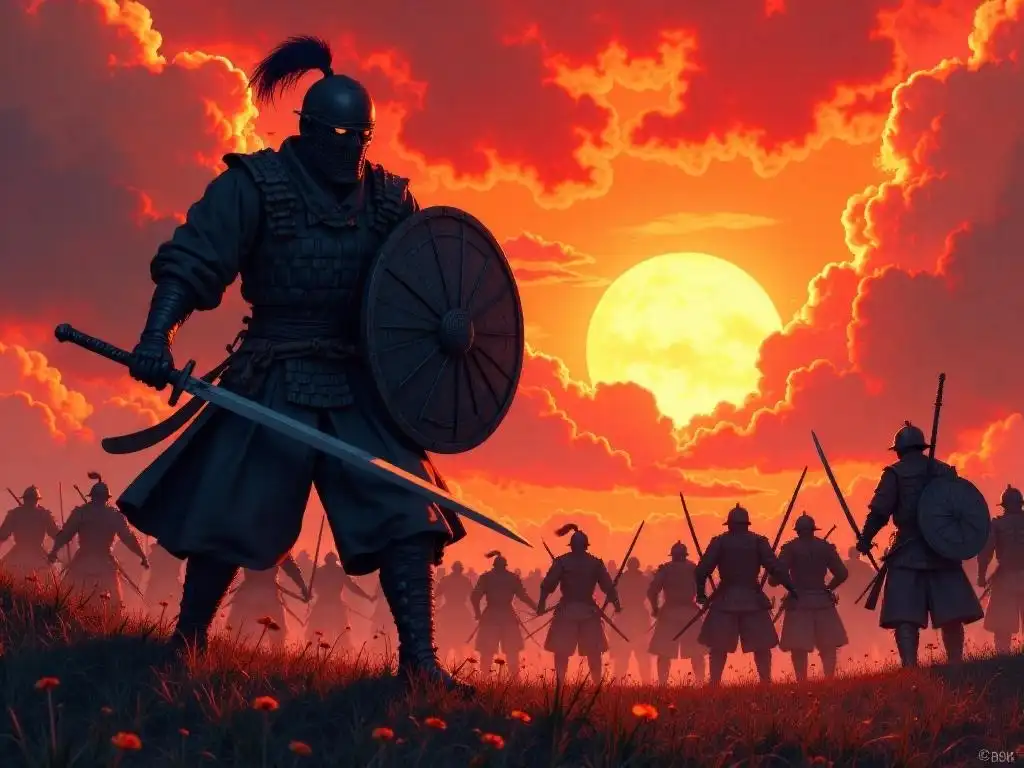
The role of Ashigaru in shaping samurai warfare tactics can be best understood through specific historical battles where their influence was prominent. These battles not only highlight the tactical capabilities of the Ashigaru but also demonstrate how their integration into military strategy transformed traditional samurai warfare. Below are two notable case studies that illustrate this point.
The Battle of Nagashino: A Turning Point in Warfare
The Battle of Nagashino, fought in 1575, is often regarded as a pivotal moment in Japanese military history. This confrontation between the forces of Tokugawa Ieyasu and Takeda Katsuyori marked a significant shift in the application of firearms on the battlefield.
At Nagashino, the Ashigaru played a crucial role in utilizing the newly acquired matchlock guns, or tanegashima. The Tokugawa forces strategically positioned their Ashigaru behind wooden palisades, allowing them to unleash a devastating volley of gunfire against the charging Takeda cavalry. This innovative use of firearms was revolutionary; it demonstrated how the Ashigaru could effectively counter traditional samurai tactics, which heavily relied on mounted charges and close combat.
The outcome of this battle not only showcased the effectiveness of Ashigaru as infantry but also influenced subsequent military strategies. The success at Nagashino highlighted the need for discipline and training among Ashigaru, leading to their increased importance in later conflicts and the evolution of warfare in feudal Japan.
The Role of Ashigaru in the Siege of Osaka
The Siege of Osaka (1614-1615) further exemplifies the essential role of Ashigaru in samurai warfare tactics. During this protracted conflict, the forces of Tokugawa Ieyasu sought to suppress the powerful Toyotomi clan, which had established a stronghold in Osaka Castle.
Ashigaru units were integral to the siege operations, serving not only as frontline troops but also in logistical and support roles. They were tasked with breaching the castle walls, manning siege weapons, and conducting reconnaissance missions. Their versatility in various combat roles allowed samurai commanders to focus on strategic planning and leadership.
Moreover, the Siege of Osaka illustrated the developing hierarchical relationship between the Ashigaru and samurai. While samurai traditionally held the upper hand in terms of status and tactics, the reliance on Ashigaru for effective siege warfare indicated a shift towards a more collaborative military structure. This evolution contributed significantly to the operational tactics employed in future conflicts.
The Shift in Military Organization: Ashigaru and the Samurai
The introduction and integration of Ashigaru into the samurai military framework signified a notable shift in the organization of Japanese warfare. This transformation not only enhanced the tactical capabilities of samurai forces but also redefined military hierarchies and strategies.
The Impact of Ashigaru on Military Hierarchies
Historically, Ashigaru were viewed as lower-ranking soldiers compared to the elite samurai class. However, as warfare evolved, particularly during the Sengoku period, the importance of Ashigaru grew significantly. They became essential to the success of military campaigns, leading to a gradual but marked shift in military hierarchies.
With the rise of Ashigaru, samurai commanders began to recognize their contributions beyond mere fodder for battle. This acknowledgment led to the establishment of a more structured military organization where Ashigaru received training and were organized into units with specific roles. The recognition of their capabilities allowed for a more flexible and responsive military force, ultimately benefiting samurai leaders during conflicts.
This shift also encouraged a sense of loyalty and camaraderie among the ranks, as Ashigaru were often recruited from the same localities as the samurai, creating a more unified fighting force. Consequently, the traditional class distinctions began to blur, as effective tactics relied on the cooperation of both Ashigaru and samurai.
Comparison of Ashigaru Tactics with Samurai Strategies
The tactical approaches of Ashigaru and samurai differed significantly, reflecting their roles in the battlefield. Samurai tactics were heavily influenced by bushido, the way of the warrior, emphasizing individual combat skills, honor, and mounted warfare. In contrast, Ashigaru tactics were primarily focused on collective action, adaptability, and the effective use of firearms and formations.
While samurai often engaged in direct, close-quarters combat, Ashigaru units utilized massed formations to maximize firepower. The Ashigaru's ability to deploy guns effectively from behind cover transformed traditional battlefield engagements. Their strategies often involved skirmishing, flanking maneuvers, and coordinated volleys, which were starkly different from the samurai's reliance on individual prowess and cavalry charges.
The successful incorporation of Ashigaru tactics into the broader strategies of samurai commanders ultimately revolutionized the conduct of warfare in feudal Japan, leading to more sophisticated military operations and heralding a new era in the history of Japanese combat.
Legacy of Ashigaru in Japanese Military History
The Ashigaru, originally foot soldiers drawn from the peasantry, played a pivotal role in the evolution of military tactics during Japan's feudal era. Their rise in prominence began in the late 15th century, as the demand for a more versatile and numerous fighting force became evident. Unlike the elite samurai class, Ashigaru were more accessible and could be trained quickly, allowing for larger armies that could adapt to various battlefield conditions. This democratization of warfare contributed significantly to changes in tactics and strategies that would shape samurai engagements.
Ashigaru soldiers were not just mere infantry; they were often equipped with firearms, such as the arquebus, which they utilized effectively during the Sengoku period. Their integration into military formations allowed for innovative tactics that combined traditional samurai combat styles with new weaponry. This blending of approaches led to the development of more complex battlefield strategies, emphasizing mobility and coordinated attacks. Over time, the Ashigaru became essential to the success of many warlords, influencing the structure and tactics of samurai warfare.
The Lasting Influence on Modern Japanese Warfare
The legacy of the Ashigaru extends beyond the feudal era and can be traced in modern Japanese military practices. The principles of mass mobilization and flexible tactics that were pioneered by the Ashigaru have influenced contemporary military doctrines. For instance, the emphasis on training regular soldiers to operate as cohesive units reflects the Ashigaru's role in military history, where discipline and unity were crucial for effectiveness.
Additionally, the Ashigaru's adaptation to new technologies, such as firearms, foreshadowed how modern armies must embrace innovation. The ability to quickly train soldiers in the use of new weaponry, along with the strategic integration of various combat roles, remains relevant in today’s military operations. Thus, the Ashigaru's influence can be seen in the way modern Japan approaches defense and military preparedness.
How Ashigaru Tactics Inform Contemporary Military Studies
The study of Ashigaru tactics provides valuable insights for contemporary military scholars and strategists. Their use of formations, such as the "kisho" or "square," exemplifies the importance of organization in battle. Analytical frameworks derived from these historical practices can enhance understanding of modern tactical maneuvers.
Moreover, the Ashigaru's role in psychological warfare—using sheer numbers and coordinated assaults to demoralize opponents—offers lessons in the significance of morale and troop cohesion. By examining how Ashigaru soldiers influenced samurai tactics, military academies can derive principles applicable to current warfare, emphasizing adaptability and strategic innovation in an ever-evolving battlefield.
Conclusion: The Lasting Impact of Ashigaru on Samurai Warfare Tactics
The Ashigaru were not merely supplementary forces in the samurai-dominated military landscape; they were transformative agents that reshaped the nature of warfare in feudal Japan. Their contributions significantly altered the tactics employed by samurai, leading to a more dynamic and multifaceted approach to combat.
Summary of Ashigaru's Role and Influence
The Ashigaru's influence on samurai tactics is profound. Their ability to adapt to new technologies, such as firearms, and their strategic roles within larger formations highlighted the necessity of flexibility and innovation in military engagements. This evolution not only empowered the Ashigaru but also compelled samurai leaders to rethink their approaches to warfare, leading to more effective strategies and outcomes.
Final Thoughts on Their Contribution to Feudal Japan's Military Evolution
Ultimately, the Ashigaru's legacy serves as a reminder of the complexities of military history. Their integration into samurai warfare reflects broader societal changes and technological advancements that shaped Japan during the feudal era. Understanding the Ashigaru's role enriches our comprehension of military evolution in Japan, showcasing how even the most humble beginnings can lead to significant shifts in tactical paradigms. Their lasting impact continues to resonate in both historical studies and modern military practices, affirming the importance of inclusivity and adaptability in any fighting force.
- Introduction to Ashigaru in Feudal Japan
- The Evolution of Samurai Warfare Tactics
- The Ashigaru's Influence on Samurai Tactics
- Ashigaru Combat Techniques and Strategies
- Case Studies: Notable Battles Involving Ashigaru
- The Shift in Military Organization: Ashigaru and the Samurai
- Legacy of Ashigaru in Japanese Military History
- Conclusion: The Lasting Impact of Ashigaru on Samurai Warfare Tactics
Frequently Asked Questions
What were the Ashigaru in feudal Japan?
The Ashigaru were foot soldiers who played a crucial role in the military structure of feudal Japan, providing support to the samurai during battles.
How did the Ashigaru influence samurai tactics?
The influence of Ashigaru on samurai tactics was significant; their mobility and use of gunpowder weapons introduced new strategies that enhanced the effectiveness of samurai forces.
What were the primary functions of Ashigaru in warfare?
The Ashigaru served various functions, including skirmishing, holding the line, and providing missile support, which complemented the samurai's combat skills.
Initially regarded as lower-class soldiers, the social status of Ashigaru gradually improved, leading to opportunities for land ownership and increased respect within society.
What role did Ashigaru training play in samurai warfare?
Ashigaru training was essential in preparing these soldiers for the realities of battle, focusing on discipline, weapon use, and tactics, which ultimately shaped the dynamics of samurai warfare.
Final Reflection: The Enduring Legacy of Ashigaru in Samurai Warfare
The influence of the Ashigaru on samurai tactics is not merely a historical footnote; it is a testament to how adaptability and innovation can reshape the very foundations of warfare. In examining their role, we uncover a narrative that speaks to the importance of every soldier, regardless of rank, in the evolution of military strategy.
The Ashigaru, often viewed as the foot soldiers of feudal Japan, were instrumental in the transition from traditional samurai combat to more versatile and effective tactics that would define the era. Their contributions remind us that even the seemingly humble can wield significant power in shaping history.
Culturally, the Ashigaru represent the democratization of warfare, where skill and strategy took precedence over noble birth. Their ability to adapt and innovate in the face of changing battle conditions has left an indelible mark on the social fabric of Japan. As we reflect on their legacy, we are reminded of the words of Sun Tzu: In the midst of chaos, there is also opportunity.
This notion resonates deeply today, as we navigate our own complexities and challenges, echoing the Ashigaru's spirit of resilience and ingenuity.
As we move forward, let us take a moment to reflect on the lessons learned from the Ashigaru's influence on samurai tactics. Consider how adaptability and collaboration can enhance our own lives, whether in personal endeavors or professional pursuits. Embrace the idea that every role, no matter how seemingly small, contributes to the greater whole. In doing so, we honor the legacy of the Ashigaru and empower ourselves to forge new paths in our own journeys.
Unveil the Legacy: Shape Your Own Tactics Today!
Thank you for diving into the fascinating world of the Ashigaru and their profound impact on Samurai warfare tactics! Your interest enriches our understanding of this pivotal period in history. Now, let’s take that knowledge and put it into action!
Here are some specific ways you can explore further and engage with this captivating topic:
- Join a local historical reenactment group to experience the strategies and techniques used by Ashigaru firsthand.
- Read books or watch documentaries about Samurai warfare to deepen your understanding of this rich history.
- Share your insights with others or on social media; discuss how the Ashigaru's role might influence modern military strategies.
What new strategy or lesson do you think the Ashigaru's approach could inspire in today’s world?