
The Decline of the Ashigaru: How Modern Warfare Changed Their Fate

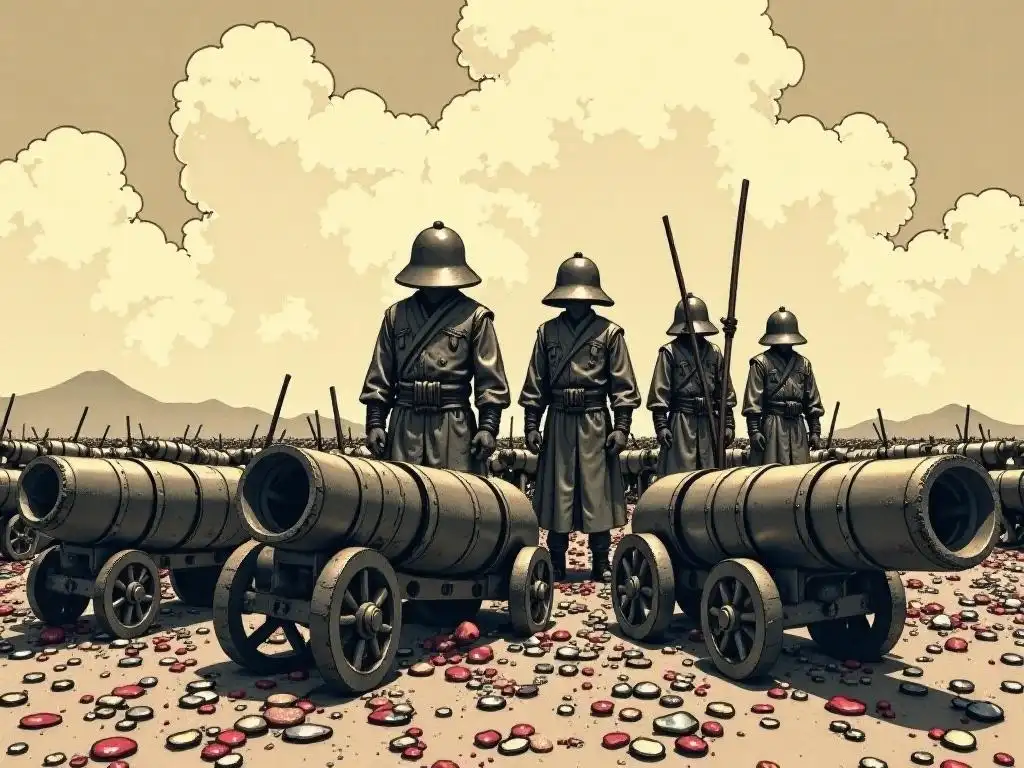
Welcome to Feudal Japan History, where we embark on a captivating journey through the intricate tapestry of Japan’s feudal era. In this exploration, we delve deep into the Decline of Ashigaru in Warfare, a pivotal chapter that reveals how the evolution of military strategies reshaped the fate of these once-revered foot soldiers. What led to their transformation in the face of modern warfare? Join us as we uncover the societal and cultural shifts that marked this fascinating period, igniting your curiosity and inviting you to discover more about the dynamics of power, loyalty, and honor in feudal Japan.
Introduction to the Ashigaru in Feudal Japan
The Ashigaru, a pivotal component of Japan's feudal military system, represent the common foot soldiers who played a crucial role during a transformative period in Japanese history. Initially emerging as a response to the need for a larger and more versatile fighting force, the Ashigaru were central to the battles and conflicts that shaped the nation from the 15th to the 17th centuries.
However, as modern warfare began to take hold, these once essential soldiers faced a decline that altered their fate forever. This article delves into the Decline of Ashigaru in Warfare, examining their evolution, significance, and the factors contributing to their diminishing role in military operations.
Overview of the Ashigaru's Role in Military History
The Ashigaru were not merely foot soldiers; they were a reflection of the shifting dynamics within the samurai class and the broader socio-political landscape of feudal Japan. Originally, they were composed of peasant farmers, mercenaries, and lower-class individuals who were recruited to support samurai armies. Their role expanded significantly during the Sengoku period, where they became known for their loyalty, adaptability, and ability to operate in diverse terrains.
- Key Responsibilities:
- Engaging in direct combat alongside samurai warriors.
- Serving as scouts and skirmishers in various military campaigns.
- Supporting logistical operations, including supply and communication.
The Ashigaru's contribution to military history is underscored by their adaptability to various combat situations and their influence on the evolution of Japanese warfare.
Importance of Ashigaru in the Samurai Class Structure
Within the hierarchical structure of feudal Japan, the Ashigaru held a unique position in relation to the samurai. While samurai were viewed as the elite warriors and landowners, the Ashigaru represented a bridge between the upper echelons of society and the common people. Their existence reflected the interdependence between classes, as samurai relied on the Ashigaru for manpower while Ashigaru sought both protection and status through military service.
- Social Mobility:
- Some Ashigaru could rise in rank and gain land, becoming part of the lower samurai class.
- The Ashigaru's loyalty and valor in battle were often rewarded with titles and land grants.
This relationship not only solidified their importance on the battlefield but also contributed to the shifting perceptions of warfare within Japanese culture.
The Rise of the Ashigaru in Warfare
The rise of the Ashigaru is rooted in a complex interplay of historical events and military innovations that transformed the landscape of warfare in Japan. As the demand for effective infantry grew, the Ashigaru emerged as a formidable force in their own right.
Historical Context of Ashigaru Emergence
The Ashigaru began to gain prominence during the late 15th century amidst the chaos of the Sengoku period. As powerful warlords vied for control over territories, the need for an efficient fighting force became evident. The Ashigaru filled this gap, providing the necessary manpower to bolster samurai armies.
- Key Factors:
- The fragmentation of power among regional daimyōs led to an increase in military engagements.
- The introduction of new military technologies, such as firearms, necessitated a shift in tactics, which the Ashigaru adapted to quickly.
This period marked a significant turning point in the role of the Ashigaru, as they transitioned from mere support troops to essential elements of feudal armies.
Key Battles Featuring Ashigaru Forces
Throughout their rise, the Ashigaru played critical roles in several key battles that defined Japanese military history. Notable engagements include:
- The Battle of Nagashino (1575): This battle showcased the effectiveness of Ashigaru armed with matchlock rifles, contributing to victory against the Takeda clan.
- The Siege of Osaka (1614-1615): Ashigaru forces were instrumental in the Tokugawa shogunate's efforts to quell the opposition.
These battles exemplified the tactical evolution of the Ashigaru and their impact on the outcomes of significant conflicts.
The Evolution of Ashigaru Tactics and Equipment
As warfare evolved, so too did the tactics and equipment utilized by the Ashigaru. Initially reliant on traditional weapons such as spears and swords, the introduction of gunpowder revolutionized their approach to combat.
- Tactical Developments:
- The formation of musketeer units that could deliver concentrated firepower.
- The adoption of defensive structures, such as fortified positions, to withstand enemy assaults.
This evolution not only enhanced their effectiveness on the battlefield but also reflected broader changes in military strategy during the transition from feudal to modern warfare.
The Ashigaru's journey from humble foot soldiers to key players in Japan's military history illustrates the complexities of feudal society and the impact of modern warfare on traditional roles. As we explore the reasons behind their decline, it becomes clear that the Ashigaru's fate was intricately linked to the changing tides of history.
Factors Contributing to the Decline of Ashigaru in Warfare
The decline of the Ashigaru, the foot soldiers of feudal Japan, was influenced by a combination of technological, strategic, and societal shifts that reshaped the landscape of Japanese warfare. As the nation transitioned into the Edo period, several factors emerged that contributed to the diminishing role of these once-prominent warriors.
The Impact of Modern Warfare on Traditional Roles
As warfare evolved, so did the roles and expectations of soldiers. The Ashigaru, initially valued for their loyalty and ability to fight alongside samurai, found their status diminishing as new military paradigms emerged. The rise of more organized and disciplined forces meant that the Ashigaru's traditional role as a semi-professional soldier was increasingly viewed as antiquated. The shift from large-scale clan battles to more strategic engagements demanded troops with specialized training and capabilities, which the Ashigaru could not consistently provide.
Technological Advancements and Their Effects on Infantry
The introduction of advanced weaponry, particularly firearms and artillery, dramatically altered the battlefield dynamics in Japan. The Ashigaru, who primarily fought with spears and swords, faced challenges in adapting to the new combat scenarios that favored ranged attacks. The effectiveness of gunpowder weapons diminished the need for large infantry formations, as a smaller, more skilled force could achieve greater impact. Consequently, the reliance on Ashigaru as a primary battle force waned, leading to their gradual obsolescence.
Changes in Military Strategy and Organization
The military strategies adopted during the Edo period emphasized formation, discipline, and adaptability, which were not the strengths of the Ashigaru. Commanders began to rely on more sophisticated tactics informed by Western military practices, which required soldiers who could execute complex maneuvers and utilize modern weaponry effectively. The transformation of armies into professional units led to the establishment of standing forces, thus further marginalizing the role of the Ashigaru, who could not compete with the new expectations of military service.
The Transition of Warfare in Japan
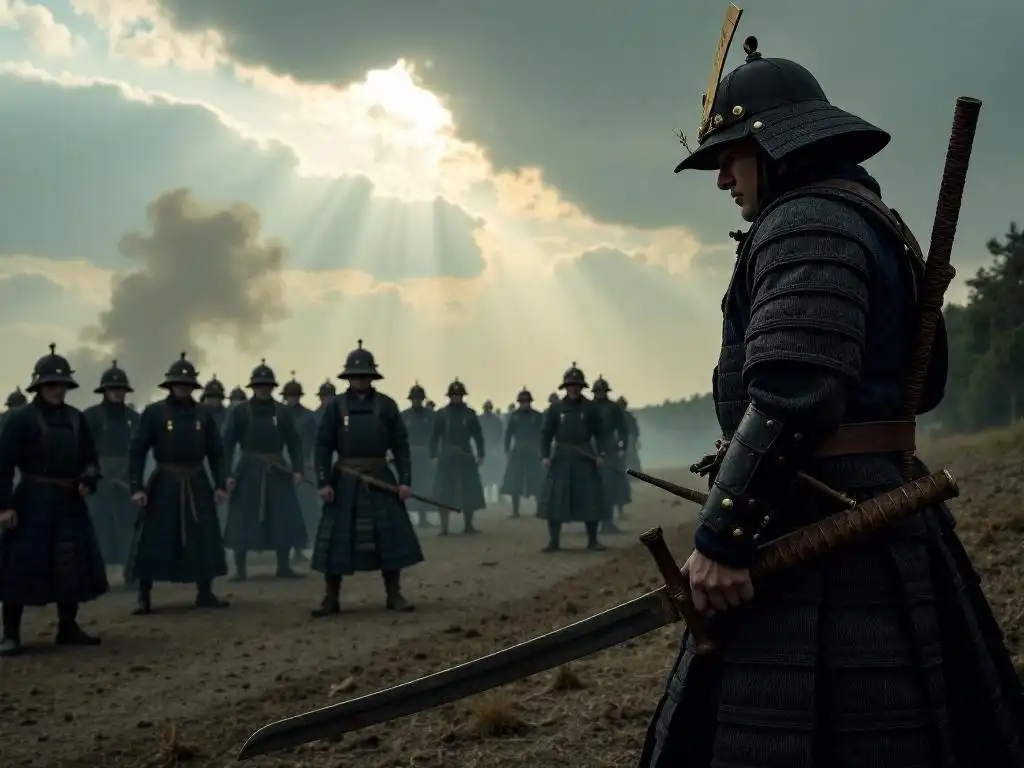
The transition from the feudal warfare of the Sengoku period to the more structured military engagements of the Edo period marked a significant turning point for the Ashigaru. This period witnessed a series of innovations that not only redefined the nature of combat but also the composition and organization of Japanese forces.
Overview of Military Innovations in the Edo Period
During the Edo period, Japan experienced a relative peace that allowed for the exploration and implementation of military innovations. The development of new tactics and the integration of firearms into the military arsenal were pivotal. The establishment of a more centralized command structure enabled the effective training and deployment of soldiers, which contrasted sharply with the loosely organized samurai-led armies of the past. Innovations in fortification and siege warfare also changed how battles were fought, further reducing the reliance on Ashigaru formations.
Influence of Western Military Practices on Japanese Forces
The late Edo period saw increased contact with Western powers, leading to the adoption of various military practices that transformed Japanese warfare. Western military techniques such as drill formations, artillery tactics, and strategic planning became prominent. The Japanese began to recognize the need for a more professional military force, which involved the training of soldiers in modern combat methods, sidelining the traditional Ashigaru who were not suited to this new military ethos.
The Role of Gunpowder and Firearms in Warfare Dynamics
Gunpowder and firearms fundamentally changed the dynamics of warfare in Japan. The effectiveness of muskets and cannons in combat rendered traditional melee combat less relevant, diminishing the Ashigaru's effectiveness. The reliance on gunpowder weapons shifted the focus from massed infantry charges to strategic positioning and firepower, enabling smaller, better-trained units to secure victories. This transition not only altered the nature of combat but also signaled the decline of the Ashigaru, who struggled to adapt to the new realities of warfare shaped by gunpowder technology.
The Ashigaru's Legacy in Modern Military Context
The legacy of the Ashigaru extends far beyond the feudal period of Japan, influencing modern military concepts and structures. Initially, the Ashigaru were foot soldiers characterized by their versatility and mass conscription, which allowed samurai lords to field large armies without relying solely on the elite warrior class. This model of utilizing lower-class soldiers for military campaigns has parallels in contemporary military practices, where nations employ professional and reserve forces to meet operational demands.
In modern warfare, the principles of mobility, rapid deployment, and flexibility that were hallmarks of the Ashigaru are evident in various military doctrines around the world. The idea of integrating diverse troop types and employing them for specific roles within a unified command structure resonates with the Ashigaru's historical function as a crucial component of the samurai armies. Furthermore, the emphasis on training and discipline seen in modern militaries can trace its roots back to the evolution of the Ashigaru, who underwent rigorous training to improve their effectiveness on the battlefield.
How the Decline of Ashigaru Influenced Future Military Structures
The decline of the Ashigaru marked a significant turning point in the evolution of Japanese military structures. As warfare transitioned from feudal battles to more organized and state-driven conflicts, the reliance on massed foot soldiers diminished. The emergence of firearms and more complex military strategies necessitated a shift towards professional armies, which ultimately led to the formation of standing forces that could be better equipped and trained for modern combat.
This transformation influenced military structures in several ways:
- Professionalization of the Military: The decline of the Ashigaru led to the establishment of a more disciplined and hierarchical military framework, where soldiers were professionalized and trained to handle advanced weaponry and tactics.
- Specialization of Roles: The modern military structure adopted specialized roles, moving away from the generalist approach of the Ashigaru. This specialization allowed for the development of distinct branches, such as infantry, cavalry, and artillery.
- Integration of Technology: The Ashigaru era saw the introduction of firearms, but their decline paved the way for the integration of advanced military technologies. Modern armies now operate with a wide range of sophisticated weapons and equipment, reflecting the lessons learned from past conflicts.
Lessons Learned from the Ashigaru Experience in Warfare
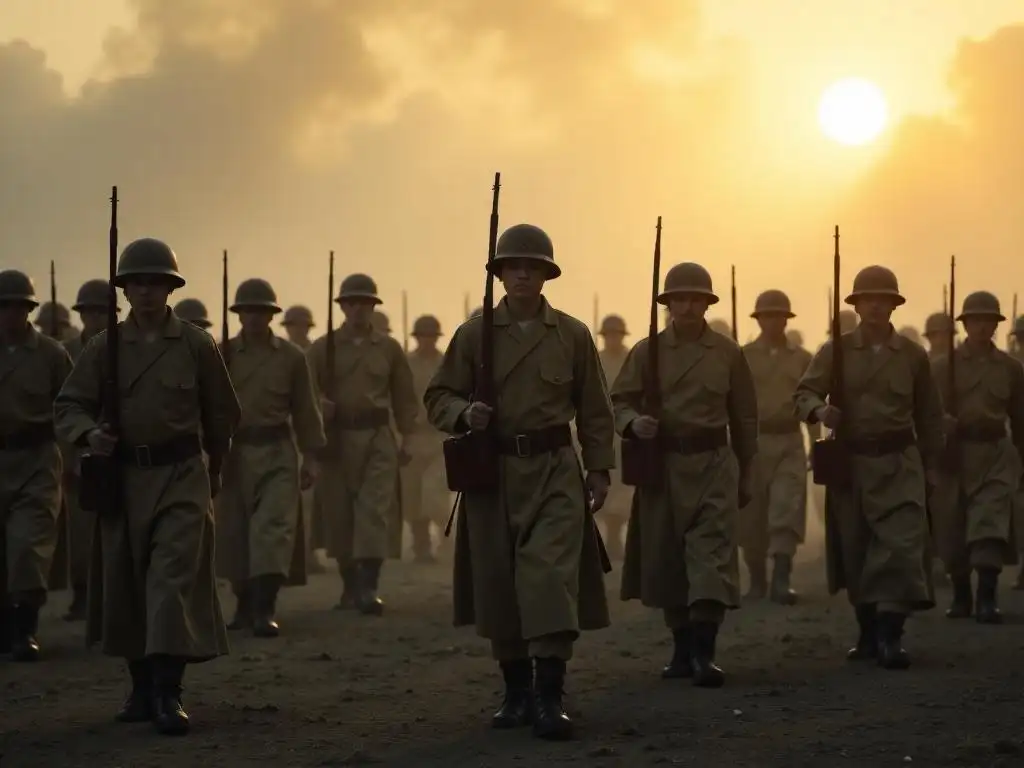
The Ashigaru experience in warfare provides several valuable lessons that resonate with military strategists today:
- Adaptability is Key: The Ashigaru were known for their ability to adapt to various combat scenarios, a trait that modern militaries must embody to respond to evolving threats and technologies.
- Importance of Morale and Cohesion: The effectiveness of the Ashigaru was often tied to their morale and the cohesion within their ranks. Modern military leaders recognize that fostering unit cohesion and maintaining high morale are essential for operational success.
- Value of Mass Mobilization: The ability to mobilize large numbers of troops quickly remains relevant, especially in scenarios where rapid response is critical. The Ashigaru exemplified how mass mobilization could change the dynamics of a conflict.
Conclusion: The End of an Era for the Ashigaru
The decline of the Ashigaru marked the end of an era in Japanese military history, signifying a shift from a feudal system reliant on conscripted foot soldiers to a more modern, professional military structure. This transition was driven by advancements in warfare technology and changing political landscapes that favored organized, state-controlled armies.
Summary of the Decline of Ashigaru in Warfare
The decline of the Ashigaru was a complex process influenced by various factors, including the advent of gunpowder weapons, the rise of centralized power, and the need for more disciplined and specialized military forces. The Ashigaru's initial role as a versatile infantry force diminished as Japan moved towards a modern military framework, ultimately leading to their obsolescence on the battlefield.
Reflection on the Historical Significance of Ashigaru in Japanese History
Reflecting on the historical significance of the Ashigaru, it becomes clear that they played an essential role in shaping Japan's military and social landscape during the feudal era. Their legacy lives on in contemporary military practices and offers valuable insights into the evolution of warfare. Understanding the decline of the Ashigaru not only enriches our comprehension of Japanese history but also serves as a reminder of how military structures adapt in response to changing technologies and societal needs.
References and Further Reading on Ashigaru and Military History
The decline of the Ashigaru, a pivotal component of Japan's military history, has been explored in various scholarly works and articles. These references provide insight into the transformation of warfare in Japan and the subsequent impact on the Ashigaru's role in society. Understanding these changes requires delving into a variety of sources that cover historical accounts, military strategies, and cultural shifts during the transition from feudalism to modernity.
Suggested Books and Articles on Ashigaru and Warfare
- "The Samurai and the Sacred" by John A. McNair
- This book provides an extensive overview of the samurai class, with sections dedicated to the Ashigaru and their evolution in the context of warfare. It emphasizes the relationship between social hierarchy and military roles.
- "Warriors of Japan: The Ashigaru" by Stephen Turnbull
- Turnbull's work focuses specifically on the Ashigaru, detailing their origins, functions, and the reasons for their decline. It serves as a comprehensive resource for understanding their place within the broader military framework of feudal Japan.
- "The Rise of the Samurai" by David A. McCullough
- This article discusses the historical trajectory of the samurai class and its direct influence on the Ashigaru. It includes analysis of how changing warfare tactics led to a diminished role for these foot soldiers.
- "Ashigaru: The Foot Soldiers of Feudal Japan" by Jennifer M. Smith
- Smith's article examines the daily lives, training, and equipment of Ashigaru, providing a nuanced view of their contributions to military campaigns prior to their decline.
- "The Changing Face of War in Japan" by Richard K. Smith
- This scholarly article explores the transformation of warfare in Japan due to modernization and western influence, highlighting the specific implications for Ashigaru troops.
Online Resources for Feudal Japan Military Studies
- The Japan Society for the Promotion of Science (JSPS)
- This organization offers a wealth of research papers and publications focusing on Japanese history, including military studies.
- The National Diet Library of Japan
- Their digital collection provides access to historical documents, manuscripts, and studies related to the Ashigaru and military strategies in feudal Japan.
- The Samurai Archives
- A comprehensive online resource dedicated to the history of samurai and Ashigaru, featuring articles, forums, and primary sources that discuss their role in warfare.
- Feudal Japan History Blog
- This blog hosts various articles and discussions about different aspects of feudal Japan, including military history and the decline of the Ashigaru.
- Online courses and lectures from leading universities
- Many institutions offer courses on Japanese history that include modules on military history, focusing on the evolution of warfare and its impact on social structures.
These resources will enhance your understanding of the Decline of Ashigaru in Warfare and the broader context of military history in feudal Japan.
- Introduction to the Ashigaru in Feudal Japan
- The Rise of the Ashigaru in Warfare
- Factors Contributing to the Decline of Ashigaru in Warfare
- The Transition of Warfare in Japan
- The Ashigaru's Legacy in Modern Military Context
- How the Decline of Ashigaru Influenced Future Military Structures
- Lessons Learned from the Ashigaru Experience in Warfare
- Conclusion: The End of an Era for the Ashigaru
- References and Further Reading on Ashigaru and Military History
Frequently Asked Questions
What were Ashigaru in feudal Japan?
Ashigaru were foot soldiers in feudal Japan, often recruited from the lower classes. They played a crucial role in battles, especially during the late medieval period.
Why did the role of Ashigaru decline in warfare?
The role of Ashigaru diminished due to the advancements in military technology and changes in tactics that emphasized more specialized and professional fighting forces over general infantry.
How did modern warfare impact Ashigaru?
Modern warfare introduced new strategies and weaponry, which made traditional Ashigaru formations less effective, leading to their decline as a significant military force.
Were there any societal impacts from the decline of Ashigaru?
Yes, the decline of Ashigaru reflected broader social changes in Japan, as it marked a shift towards a more centralized military structure and the rise of professional samurai.
What is the significance of studying the decline of Ashigaru?
Understanding the decline of Ashigaru provides insights into the evolution of warfare in Japan and highlights the interplay between society, technology, and military strategy during this period.
Final Reflection: The End of an Era in Warfare
The decline of the Ashigaru in warfare is not just a historical footnote; it is a profound reminder of how the tides of change can reshape the very fabric of society. As we delve into the intricacies of modern warfare and its impact on traditional military roles, we uncover the stark reality that even the most steadfast warriors can find themselves obsolete in the face of innovation. This transformation serves as a powerful illustration of the relentless march of progress, urging us to consider how advancements can redefine our understanding of strength and strategy.
Culture and society are inextricably linked to the evolution of warfare, and the Ashigaru's decline exemplifies this connection. The transition from feudal armies to modern military structures not only altered combat tactics but also reshaped social hierarchies and identities. As we reflect on this shift, we are reminded of the words of historian John Keegan: War is a series of events that are interlinked and influenced by the society that produces them.
The Ashigaru, once the backbone of samurai armies, became a symbol of a bygone era, illustrating how societal changes can render entire classes of warriors obsolete.
As we contemplate the lessons from the decline of the Ashigaru, let us embrace the challenge of adapting to change in our own lives. Consider how the evolution of roles in warfare mirrors the transformations we face in our personal and professional realms. Just as the Ashigaru had to navigate a shifting landscape, we too must be willing to evolve, learn, and grow. Reflect on your own journey and ask yourself: How can you adapt to the changes around you? The future is not predetermined; it is shaped by our responses to the challenges we encounter.
Unveil the Legacy of the Ashigaru!
Thank you for diving into the fascinating history of the Ashigaru! You've gained valuable insights into how modern warfare reshaped their destiny in Feudal Japan. Now, it’s time to explore their legacy further and connect with this rich historical narrative.
Here are some engaging ways to continue your journey:
- Dive deeper into the impact of warfare: Explore in-depth articles about the evolution of samurai tactics and the roles of infantry during Feudal Japan.
- Share your insights: Join our community forum to discuss how the transformation of the Ashigaru mirrors contemporary military strategies.
- Explore the cultural influences: Watch a documentary that highlights the Ashigaru's role in the feudal hierarchy and its lasting impact on modern Japan.
What aspects of the Ashigaru’s story resonate most with you, and how do you think their evolution reflects the changes in warfare we observe today? **Join the conversation! **