
Armor of the Ancients: Unraveling the Secrets of Samurai Armor Construction


Welcome to Feudal Japan History, where we embark on a fascinating journey through the intricate tapestry of Japan's feudal era. Here, you'll uncover the rich historical, cultural, and societal aspects that shaped this remarkable period. In our featured article, "Armor of the Ancients: Unraveling the Secrets of Samurai Armor Construction," we delve into the craftsmanship and techniques that defined the iconic samurai armor. Prepare to be captivated as we unveil the secrets behind these legendary warriors' protective gear and invite you to explore the depths of military history that await you!
The construction of samurai armor is a fascinating blend of artistry, craftsmanship, and martial practicality that has evolved over centuries. As a symbol of the samurai warrior's status and prowess, armor played a critical role not only in combat but also in the cultural narrative of feudal Japan.
This article aims to delve into the intricate techniques involved in samurai armor construction, shedding light on the historical significance, materials, and styles that defined this unique aspect of Japanese military history. By exploring various construction techniques, we aim to provide a comprehensive understanding of how these remarkable protective garments were crafted, their evolution over time, and their impact on samurai warfare and culture.
Introduction to Samurai Armor
Samurai armor, known as "yoroi," served as much more than mere protection in battle; it was a manifestation of the samurai's identity, values, and social standing. The elaborate designs and vibrant colors of the armor often reflected the clan's heritage and the warrior's personal achievements.
The Historical Significance of Samurai Armor
The historical significance of samurai armor extends beyond its functional purpose. It encapsulates the rich traditions of the samurai class and their role in Japanese society. Armor was not just a means of defense; it was also a canvas for artistic expression, showcasing intricate embellishments and craftsmanship that symbolized honor and bravery. Furthermore, the evolution of armor styles mirrored the changing dynamics of warfare and the sociopolitical landscape of Japan.
Overview of Samurai Armor Construction Techniques
The construction of samurai armor involved various techniques that combined practicality with aesthetics. From the layering of materials to the intricate lacing patterns, each piece of armor was meticulously crafted to ensure both mobility and protection. Key techniques included:
- Kusazuri: The segmented hanging plates that offered flexibility.
- Sode: The shoulder guards designed for ease of movement.
- Kabuto: The helmet, often adorned with unique crests and emblems.
Understanding these techniques provides insight into the craftsmanship that defined samurai armor.
The Evolution of Samurai Armor
Over the centuries, samurai armor underwent significant changes, influenced by advancements in warfare, technology, and cultural shifts.
Early Armor Styles: From O-Yoroi to Do-Maru
The earliest forms of samurai armor, such as O-Yoroi, were designed for mounted combat and featured broad shoulders and large plates. As warfare evolved and infantry tactics became more prevalent, armor styles transitioned to the Do-Maru, which was lighter and more form-fitting, allowing for greater agility on the battlefield.
Influences on Samurai Armor Design Through the Ages
Various factors influenced the design of samurai armor throughout history, including:
- Trade with other cultures: Introducing new materials and techniques.
- Technological advancements: Such as the introduction of firearms.
- Social changes: Reflecting the shifting roles of the samurai in society.
These influences shaped not only the armor's functionality but also its aesthetic appeal.
Key Materials Used in Samurai Armor Construction
Samurai armor was constructed using a variety of materials to achieve the perfect balance of protection and mobility. Key materials included:
- Iron and Steel: Essential for the main plates and protective layers.
- Leather: Used for flexibility and comfort.
- Silk and Cotton: Employed in the lacing and padding for added comfort and support.
Each material played a crucial role in the overall effectiveness of the armor, showcasing the ingenuity of samurai armor construction techniques.
Detailed Samurai Armor Construction Techniques
Samurai armor, known as yoroi, represents a remarkable blend of functionality and artistry, developed through centuries of warfare in feudal Japan. The construction of samurai armor involved meticulous craftsmanship and expertise in various techniques that ensured the protection and mobility of the samurai on the battlefield. Each component of the armor was designed with specific construction techniques that catered to both defensive needs and the unique aesthetics reflective of the samurai's status and clan. Here, we delve into the various elements involved in crafting this iconic protective gear.
Techniques for Crafting the Do (Body Armor)
The do, or body armor, is the central piece of samurai armor, designed to protect the torso. The construction of the do primarily involved the use of layers of materials, typically including iron plates (known as mune), leather, and silk. Techniques such as:
- Lacquering: This was essential for waterproofing the armor and providing a decorative finish. Multiple layers of lacquer were applied to enhance durability.
- Lacing: The plates were held together with odoshi, a technique that involved interlacing cords made from silk or leather. This allowed flexibility while maintaining structural integrity.
- Shaping: Blacksmiths would heat and hammer iron plates to create the desired curvature, ensuring a close fit to the body for enhanced protection.
The overall design of the do often included intricate motifs that not only served aesthetic purposes but also conveyed messages about the wearer’s bravery and lineage.
Methods for Creating Sode (Shoulder Guards)
The sode or shoulder guards are critical for protecting the arms and shoulders during combat. The construction methods for sode typically involved:
- Segmented Design: The sode were made from overlapping plates, allowing for a full range of motion while providing adequate protection. This segmentation also helped in deflecting blows.
- Attachment Techniques: Sode were attached to the do using kote (sleeves) or by lacing them directly to the main body armor. This connection was crucial for maintaining overall mobility.
- Custom Fitting: Craftsmen often tailored the sode to fit the individual samurai, ensuring that they did not restrict movement while still providing robust protection.
This careful attention to detail in the construction of sode reflects the samurai’s need for agility in battle.
The Art of Making Kabuto (Helmets)
The kabuto, or helmet, is perhaps one of the most recognizable elements of samurai armor. Its construction involved several key techniques:
- Metalworking: The kabuto was typically crafted from iron or steel, shaped through hammering and welding. Different styles of kabuto had unique features such as crests or ornamental flares.
- Padding and Linings: Interior padding was added for comfort and to absorb shock during combat. This padding was often made from cloth or leather and could be adjusted for a better fit.
- Decoration: Helmets were often adorned with crests ( mon) or decorative elements that represented the samurai's clan. These embellishments not only enhanced the helmet's aesthetic appeal but also served as a psychological tool on the battlefield.
The craftsmanship of the kabuto was a testament to the samurai’s identity and status, making it a focal point of their armor.
Construction of Kote (Sleeves) and Haidate (Thigh Guards)
The kote and haidate are essential components that protect the arms and thighs, respectively. Their construction techniques include:
- Layered Fabrication: Both kote and haidate were constructed using a combination of chainmail and padded fabric, providing both flexibility and defense against strikes.
- Articulated Design: The design often featured hinged plates or articulated sections that allowed for movement while protecting vulnerable areas. This was crucial for maintaining agility during combat.
- Secure Fastening: The kote were fastened around the arms with ties or straps, while the haidate were secured around the waist, ensuring they remained in place during battle.
These elements of construction ensured that the samurai could maneuver effectively while remaining protected in crucial areas.
The Role of Aesthetics in Samurai Armor
The aesthetic design of samurai armor played a significant role alongside its functional aspects. The armor was not merely a protective gear but also a symbol of the samurai's identity and values.
Decorative Elements and Symbolism in Armor Design
Decorative elements on samurai armor often included intricate patterns, colors, and clan symbols. These elements served multiple purposes:
- Clan Representation: Many armors were adorned with a mon (family crest), signifying the wearer’s allegiance and heritage. This was particularly important during battles as it helped identify allies and foes.
- Spiritual Significance: Some designs incorporated motifs believed to provide protection or convey spiritual messages, such as dragons or tigers, which were thought to embody strength and courage.
- Personal Expression: Samurai often customized their armor to reflect their personal style or achievements, making each piece unique.
These aesthetic choices were integral to the samurai's identity and pride, showcasing their social status and personal values.
The Influence of Clan Identity on Armor Construction
Clan identity heavily influenced the construction and design of samurai armor. Different clans had distinct styles and preferences that were evident in their armor:
- Distinctive Features: Each clan developed unique characteristics in their armor, such as specific colors or shapes, making it easy to identify a samurai’s allegiance during battles.
- Cultural Significance: Armor construction reflected the clan's history and values. For instance, clans with a strong warrior culture might prioritize heavier, more protective designs, while others might favor lighter, more mobile configurations.
- Historical Evolution: As clans rose and fell in power, their armor designs evolved, reflecting changes in warfare strategies and cultural influences.
Through this lens, samurai armor serves as a historical document, revealing the rich tapestry of feudal Japan's warrior class and their clan affiliations.
Training and Skill Development in Armor Making
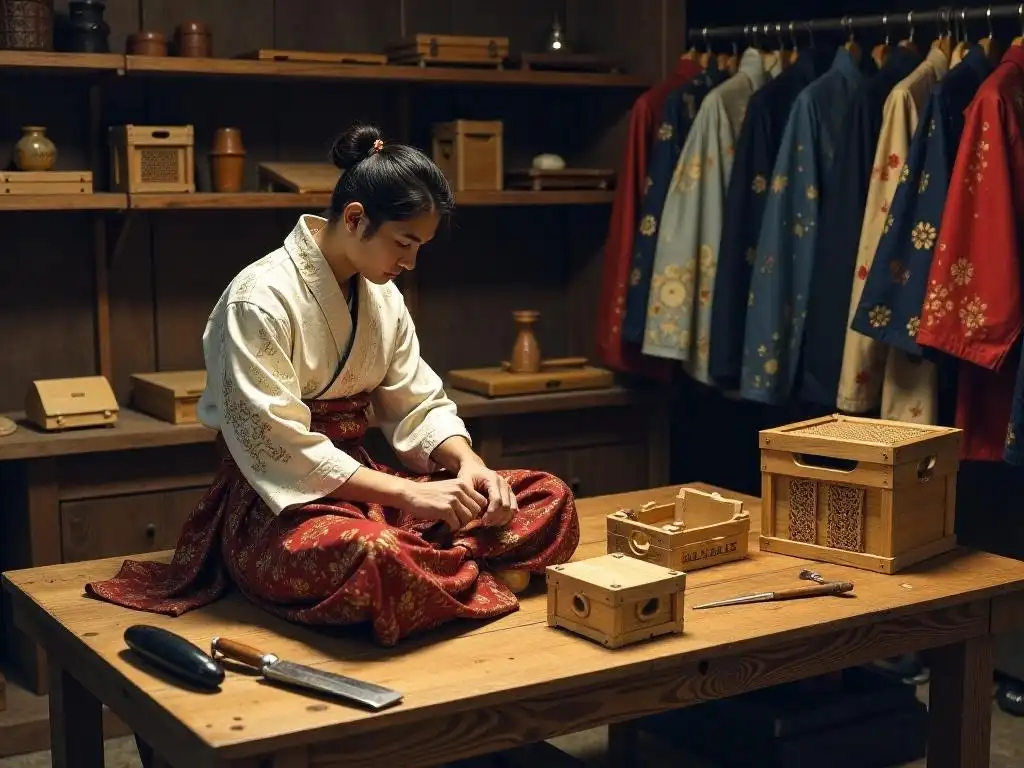
The art of samurai armor construction was not just about craftsmanship; it was a rigorous training process that demanded dedication and skill. Armor smiths, known as "tōken," underwent extensive apprenticeships that could last several years. During this time, they learned the intricacies of metallurgy, the properties of various materials, and the techniques required to create armor that was both protective and aesthetically pleasing.
Training involved hands-on experience where apprentices assisted master smiths in forging and assembling armor pieces. This included the knowledge of traditional tools, such as hammers and anvils, and the ability to manipulate heated metal with precision. As the apprentices advanced, they were entrusted with more complex tasks, gradually honing their skills in the delicate balance between form and function.
Moreover, the skill development extended beyond mere technical abilities. Armor smiths had to understand the specific requirements of their clients—the samurai—who had unique preferences based on their rank, clan, and personal style. The ability to customize armor according to these specifications was a valuable skill that set experienced smiths apart from their peers.
The Role of Armor Smiths in Feudal Japan
Armor smiths played a crucial role in feudal Japanese society, serving as not only craftsmen but also as cultural artisans. Their work was integral to the samurai class, which relied on high-quality armor for protection in battle and as a symbol of status. Each armor piece was a reflection of the samurai’s identity, often adorned with clan motifs and personalized designs.
The armor smith's responsibilities included selecting the right materials, such as iron, leather, and silk, to create armor that was durable yet lightweight. They utilized various construction techniques, such as lacing and riveting, to ensure flexibility and mobility for the wearer. The smiths also had to stay abreast of evolving warfare tactics and adapt their designs accordingly, integrating innovations that enhanced protection while maintaining comfort.
In many cases, armor smiths enjoyed a prestigious status in society, with some being honored as artisans in the imperial court. They were often associated with specific clans or warlords, leading to a close relationship between armor makers and their patrons. This connection not only influenced the design and functionality of the armor but also cultivated a spirit of competition among smiths to produce the finest armor for their lords.
Traditional Skills Passed Down Through Generations
The techniques and knowledge of samurai armor construction were meticulously passed down through generations, ensuring the preservation of this ancient craft. Family traditions played a pivotal role in this transfer of skills, with many armor smiths inheriting the family business and the associated secrets of their craft. This generational knowledge included not only technical skills but also cultural insights and artistic sensibilities that defined samurai armor.
Mentorship was a key aspect of this educational process. Experienced masters would take on apprentices, teaching them the nuances of armor construction, including the importance of aesthetics in armor design. This relationship fostered a sense of pride and responsibility among apprentices, who aspired to honor their family legacy by mastering the craft.
As the art of armor making evolved, so did the transmission of knowledge. Workshops and guilds formed, creating communal spaces where smiths could share techniques and innovations. This collaborative environment ensured that traditional skills were not only preserved but also adapted to meet the changing demands of warfare and aesthetics.
Comparisons with Armor from Other Cultures
The study of samurai armor construction techniques invites comparisons with armor from other cultures, highlighting both similarities and differences in design philosophy, materials, and functionality.
Samurai Armor vs. European Knight Armor
While both samurai and European knight armor were designed for protection in battle, their construction techniques and underlying philosophies differed significantly. Samurai armor, known as "yoroi," emphasized mobility, allowing for quick movement during combat. It was typically made from smaller, overlapping plates that provided flexibility, enabling the samurai to engage in swift maneuvers.
In contrast, European knight armor was often heavier and more rigid, focusing on maximum protection through solid plates and chainmail. While this provided substantial defense against blunt force, it limited mobility, which could be a disadvantage in more agile combat scenarios.
Furthermore, the aesthetic aspects of the two types of armor also differed. Samurai armor often featured intricate designs and clan symbols, embodying a warrior's status and identity. European knight armor, while sometimes ornate, was predominantly functional and utilitarian, prioritizing defense over personal expression.
Unique Features of Samurai Armor Compared to Chinese Armor
When comparing samurai armor to Chinese armor, several unique features emerge that distinguish the two traditions. Samurai armor was characterized by its modular design, allowing for easy repairs and adjustments. This modularity was particularly advantageous for the samurai, who often faced evolving threats on the battlefield.
Chinese armor, on the other hand, traditionally utilized materials such as leather and lamellar plates, which were often heavier and less flexible. The design of Chinese armor generally focused on full coverage and often included features like sleeves and skirts for comprehensive protection.
Additionally, samurai armor frequently incorporated elements such as the "kabuto" (helmet) with its distinctive crest, which served both a functional and symbolic purpose. In contrast, Chinese armor often had a more standardized look, emphasizing uniformity across troops rather than individual expression.
Overall, the construction techniques and designs of samurai armor reflect a blend of functionality, artistry, and cultural significance that continues to be celebrated in modern interpretations of Japan's feudal history.
The Legacy of Samurai Armor Today
The legacy of samurai armor extends far beyond the feudal period of Japan, influencing modern culture, art, and martial practices. With its intricate designs and practical construction, samurai armor has become a symbol of Japan's rich history and the samurai's enduring spirit. Today, the craftsmanship and techniques used in armor construction are celebrated not only as historical artifacts but also as sources of inspiration for contemporary artisans and designers.
In modern Japan, traditional armor is often showcased in museums and cultural festivals, serving as a reminder of the samurai's noble heritage. Additionally, the aesthetic elements of samurai armor continue to influence various fields, including fashion and graphic design, where motifs and patterns are integrated into modern clothing and artistic expressions.
Modern Interpretations of Samurai Armor Construction
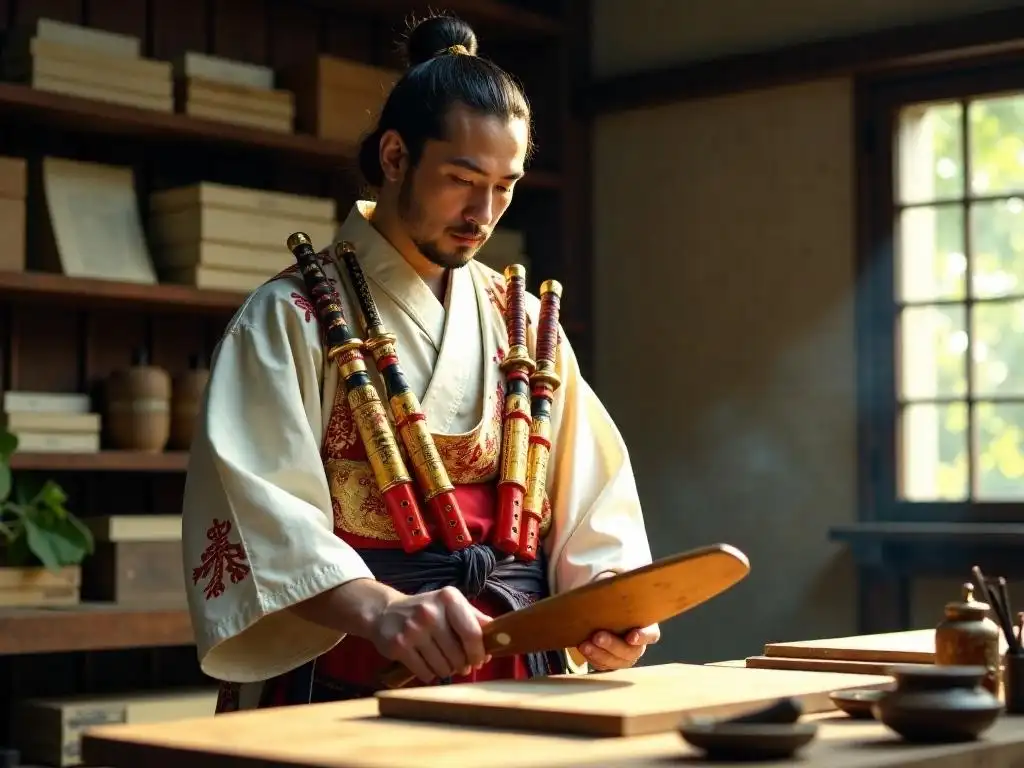
Modern interpretations of samurai armor construction focus on preserving traditional techniques while adapting them to contemporary needs and materials. Artisans and craftspeople, often trained in the ancient arts, are reviving the methods used by their ancestors, which include techniques like lamination, lacing, and metalwork, but utilizing modern materials such as lightweight composites and advanced textiles.
Some contemporary practitioners are exploring the fusion of traditional armor with modern protective gear, creating hybrid designs that maintain the aesthetic and historical significance of samurai armor while enhancing functionality and comfort for modern users. This innovation not only pays homage to the past but also ensures that the techniques and philosophies behind samurai armor construction remain relevant in today’s society.
The Impact of Samurai Armor on Contemporary Martial Arts
Samurai armor has left an indelible mark on contemporary martial arts, particularly in disciplines such as Kendo and Kenjutsu, where practitioners often wear protective gear inspired by traditional samurai armor. The design and structure of this protective gear are influenced by the principles of samurai armor construction, focusing on mobility, protection, and psychological warfare.
In Kendo, for example, the "bogu" (protective gear) emulates the layered structure of samurai armor, offering vital protection while allowing practitioners to move freely. The philosophies underpinning the use of armor in samurai combat also resonate within martial arts teachings today, emphasizing discipline, respect, and the warrior spirit. This connection between past and present ensures that the legacy of samurai armor continues to thrive within martial arts communities around the world.
Conclusion: The Lasting Impact of Samurai Armor Construction Techniques
The techniques of samurai armor construction have not only shaped the past but also continue to influence various aspects of modern culture, martial arts, and craftsmanship. As artisans and martial artists strive to preserve these methods, they contribute to a dynamic cultural heritage that honors the legacy of the samurai.
The Cultural Heritage of Samurai Armor in Modern Japan
In modern Japan, samurai armor is celebrated as a vital part of the national identity. Festivals, exhibitions, and educational programs often showcase the artistry and historical significance of armor, fostering a sense of pride among Japanese citizens. This cultural heritage is preserved through the efforts of skilled craftsmen who continue to produce traditional armor, ensuring that the knowledge and techniques are passed down to future generations.
Moreover, the study and appreciation of samurai armor have gained international recognition, drawing enthusiasts and researchers worldwide who seek to understand the intricate craftsmanship and historical context behind these remarkable artifacts. This growing interest has led to a cultural exchange that enriches both Japanese heritage and global understanding of feudal Japan.
Final Thoughts on the Art of Samurai Armor Craftsmanship
The art of samurai armor craftsmanship embodies a unique blend of functionality, aesthetics, and cultural significance. As we unravel the secrets of samurai armor construction, we discover an intricate world where art meets warfare, tradition meets innovation, and history meets modernity. The continuing fascination with samurai armor serves as a testament to the enduring legacy of the samurai spirit, inspiring generations to explore the depths of Japan's feudal past while celebrating the craftsmanship that defined it.
By appreciating the beauty and complexity of samurai armor, we not only honor the warriors of the past but also enrich our understanding of the cultural narratives that shape Japan today.
- Introduction to Samurai Armor
- The Evolution of Samurai Armor
- Detailed Samurai Armor Construction Techniques
- The Role of Aesthetics in Samurai Armor
- Training and Skill Development in Armor Making
- Comparisons with Armor from Other Cultures
- The Legacy of Samurai Armor Today
- Modern Interpretations of Samurai Armor Construction
- The Impact of Samurai Armor on Contemporary Martial Arts
- Conclusion: The Lasting Impact of Samurai Armor Construction Techniques
Frequently Asked Questions
What are the main materials used in samurai armor construction?
The primary materials for samurai armor included iron, leather, and silk, which were crafted to provide both protection and flexibility on the battlefield.
How did the design of samurai armor evolve over time?
The design of samurai armor evolved significantly due to changes in battle tactics and cultural influences, with styles transitioning from earlier lamellar armor to the more complex plate armor seen in later periods.
What role did aesthetics play in samurai armor?
Aesthetics were crucial in samurai armor, as it not only served a protective function but also reflected the status, wealth, and individuality of the samurai wearing it, often featuring elaborate designs and family crests.
Are there any specific construction techniques unique to samurai armor?
Yes, samurai armor construction techniques included methods like lacing, which allowed for flexibility and movement, and layering, where multiple materials were used to enhance durability and protection.
How did samurai armor influence modern Japanese culture?
Samurai armor has left a lasting impact on Japanese culture, symbolizing honor and bravery, and continues to inspire modern designs in art, fashion, and even film.
Final Reflection: The Timeless Legacy of Samurai Armor Construction
The intricate techniques of samurai armor construction not only reflect the artistry of a bygone era but also resonate profoundly in today's world. As we delve into the craftsmanship and cultural significance of these ancient armors, we uncover a narrative that transcends time, reminding us of the resilience and ingenuity that define human history. The meticulous methods employed in creating samurai armor serve as a testament to the dedication and skill of artisans, highlighting the importance of preserving traditional crafts in an ever-evolving society.
Culture is a living tapestry, woven from the threads of our past, and the legacy of samurai armor continues to influence contemporary art and design. The principles of functionality and aesthetics found in these armors have inspired modern creators, encouraging a fusion of tradition and innovation. As the renowned historian John M. Manjiro once said, To understand the past is to shape the future.
This sentiment rings true as we explore how the techniques of samurai armor construction not only inform our appreciation of history but also guide contemporary practices in craftsmanship and cultural preservation.
As we reflect on the lessons embedded in the art of samurai armor construction, I invite you to consider how these principles can be applied in your own life. Embrace the spirit of dedication and creativity that defined the samurai artisans, and seek to cultivate your own skills and passions with the same fervor. Whether through art, craftsmanship, or any other pursuit, let the legacy of the samurai inspire you to forge your own path, honoring the past while shaping a vibrant future.
Embrace the Legacy: Discover Your Samurai Spirit
Thank you for diving into the fascinating world of Samurai armor with us! By understanding the craftsmanship behind these legendary pieces, you’ve taken a step toward honoring a timeless culture and its values.
Now, it’s your turn to channel that inspiration into action:
- Visit a local museum or exhibit featuring Samurai armor to experience these magnificent creations up close.
- Share your newfound knowledge with friends or on social media—initiate discussions about the artistry and significance of Samurai culture!
- Consider exploring traditional crafts, such as creating a piece of art inspired by armor, to connect with this rich history on a personal level.
What aspect of Samurai culture resonates with you the most, and how will you incorporate it into your life?