
How Ashigaru Shaped the Future of the Samurai Class

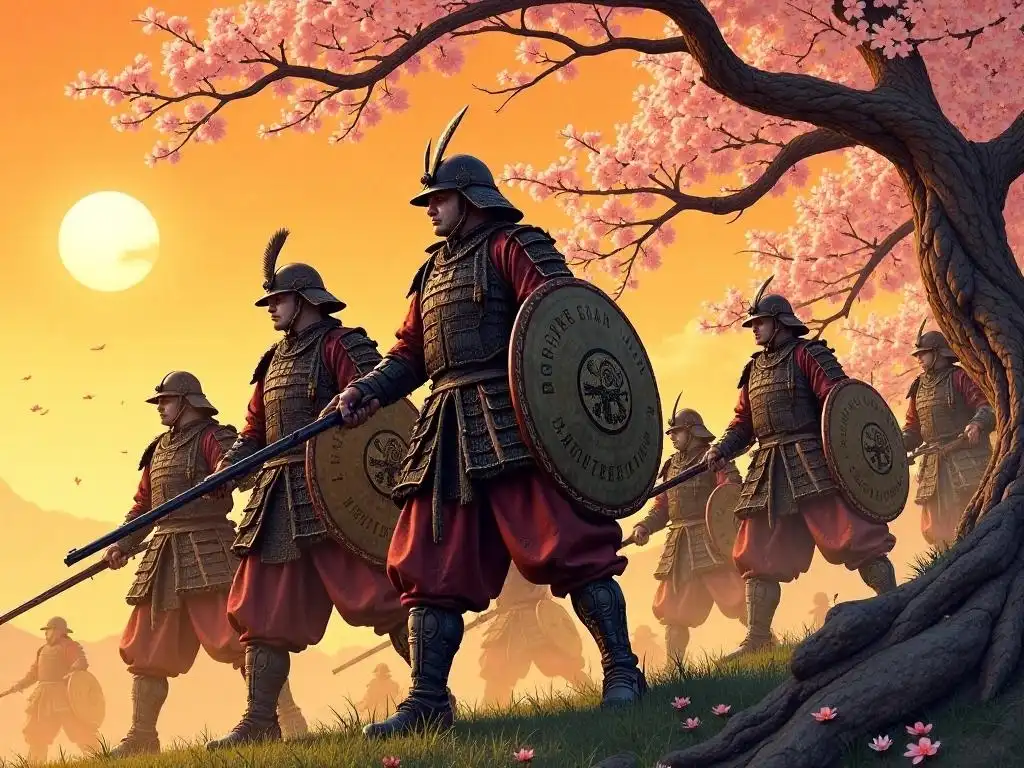
Welcome to Feudal Japan History, where we embark on a fascinating journey through the intricate tapestry of Japan’s feudal era. Prepare to delve deep into the impact of Ashigaru on Samurai, a pivotal force that reshaped the very foundation of the Samurai class. What secrets lie in the relationship between these foot soldiers and their elite counterparts?
As you navigate our expertly crafted articles, you'll uncover the profound cultural and societal shifts that defined a time of honor, strategy, and resilience. Join us as we unveil the stories that have shaped Japan's military history and continue to resonate today. Your exploration begins now!
- Introduction to Ashigaru and Samurai in Feudal Japan
- Historical Context of Ashigaru
- The Military Role of Ashigaru
- The Economic Impact of Ashigaru on Samurai
- Cultural Influence of Ashigaru on Samurai Ethos
- Case Studies: Notable Ashigaru Leaders and Their Impact
- The Legacy of Ashigaru in Modern Japanese Culture
- Conclusion: The Enduring Impact of Ashigaru on the Samurai Class
- References and Suggested Readings
- Frequently Asked Questions
- Final Reflection: The Enduring Legacy of Ashigaru on Samurai Culture
- Unveil the Legacy of Ashigaru – Take Action Today!
Introduction to Ashigaru and Samurai in Feudal Japan
The feudal era of Japan, a period marked by social hierarchy, military governance, and cultural evolution, saw the rise of two pivotal classes: the samurai and the ashigaru. Understanding these groups and their interactions provides crucial insights into Japan's historical landscape. The samurai, renowned as the warrior elite, upheld the values of honor, loyalty, and martial prowess.
In contrast, the ashigaru served as foot soldiers, often stemming from the peasant class, yet their role was far from secondary. This article delves into the impact of ashigaru on samurai, examining how these foot soldiers, through their evolution and contributions, not only shaped military tactics but also influenced the social and cultural dynamics of the samurai class itself.
Overview of the Samurai Class
The samurai class emerged during the late Heian period (794-1185) and evolved significantly throughout the Kamakura (1185-1333) and Muromachi (1336-1573) periods. Characterized by their code of conduct known as Bushido, samurai were not only warriors but also landholders and political leaders.
- Key Characteristics of Samurai:
- Warrior Ethos: Adhered to principles of honor, loyalty, and courage.
- Land Ownership: Often held land granted by their lords, which established their economic power.
- Cultural Influence: Contributed to the development of arts, literature, and philosophy during their rule.
The samurai's role was not solely martial; they were also integral to the governance of Japan, often serving as administrators and local leaders in the feudal system. Their societal status was fortified by their martial skills and the loyalty they commanded from their retainers, including the ashigaru.
Definition and Role of Ashigaru
The term ashigaru refers to the foot soldiers who became prominent in the 15th century, especially during the Sengoku period (1467-1603). Initially, these soldiers were lower-class individuals, often peasants, who took up arms in times of conflict.
- Roles and Responsibilities:
- Infantry Support: Ashigaru provided essential infantry support in battles, often forming the backbone of samurai armies.
- Tactical Flexibility: They were more adaptable than the heavily armored samurai, allowing for diverse military strategies.
- Economic Impact: As the need for ashigaru grew, their status began to rise, leading to shifts in the feudal structure.
The evolution of ashigaru from mere foot soldiers to vital components of military strategy highlights their importance in the overall structure of feudal warfare. They not only supported samurai in battle but also participated in the economic and social realms, which ultimately affected the samurai class.
Importance of Studying the Impact of Ashigaru on Samurai
Studying the impact of ashigaru on samurai is essential for understanding the complexities of feudal Japanese society. The dynamic between these two classes reveals how military needs can influence social structures and cultural identities.
- Reasons for Study:
- Military Evolution: Insights into how ashigaru contributed to changes in warfare tactics and strategies.
- Social Mobility: Examination of how the rise of ashigaru affected social hierarchies and the status of samurai.
- Cultural Interactions: Understanding the cultural exchanges that occurred between samurai and ashigaru, including shifts in values and lifestyles.
By exploring the relationship between ashigaru and samurai, we can gain a deeper understanding of Japan's feudal era, uncovering the intricate layers of military history, societal evolution, and cultural development. The narratives of these two classes not only illuminate their roles on the battlefield but also weave a broader tapestry of Japan's historical journey.
Historical Context of Ashigaru
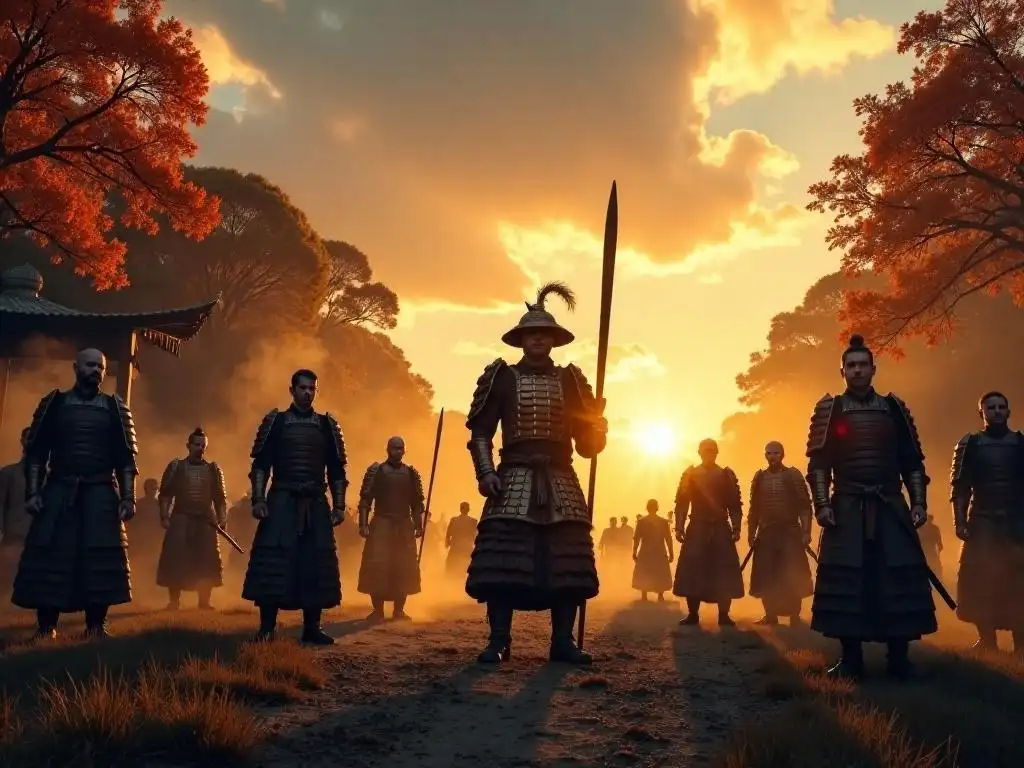
The Ashigaru, foot soldiers who became an integral part of Japan’s military structure during the feudal era, emerged as a significant force in shaping the future of the samurai class. This section delves into their origins, societal roles, and the transformative impact they had within the broader context of Japanese history.
Emergence of Ashigaru in the 15th Century
The term "Ashigaru" first appeared in the 15th century, during a time when Japan was experiencing significant social upheaval and political fragmentation. Initially, these warriors were conscripted peasants or local militia, often equipped with basic weapons such as spears, bows, and, later, firearms.
- Key Factors for Emergence:
- Warfare Evolution: The rise of new military tactics necessitated a larger and more flexible fighting force. Traditional samurai, bound by codes of honor and loyalty, could not meet the demand for mass infantry.
- Increased Political Instability: The feudal lords (daimyōs) sought to bolster their forces amidst the ongoing conflicts, leading to the recruitment of Ashigaru from lower social strata.
As they became more organized, Ashigaru units were often employed in battles as a support force to the samurai, allowing for a more diverse and strategic approach to warfare.
The social structure of feudal Japan was rigidly hierarchical, with samurai at the top and commoners, including Ashigaru, at the bottom. Despite their lowly status, Ashigaru played a crucial role in altering the dynamics of this class system.
- Class Distinctions:
- Samurai: The elite warrior class, bound by a strict code of conduct (bushido), and responsible for leadership in battle.
- Ashigaru: Initially viewed as mere foot soldiers, they often lacked the privileges of the samurai but were instrumental in military campaigns.
The interactions between Ashigaru and samurai challenged traditional notions of class. As Ashigaru gained prominence in warfare, some even earned the right to ascend in social status, blurring the lines between the classes. This shift paved the way for a more meritocratic system, where valor and skill could elevate an individual beyond their birth status.
Rise of Ashigaru during the Sengoku Period
The Sengoku Period (1467-1603) marked a decisive era for the Ashigaru, as the constant warfare among daimyōs led to their increased significance on the battlefield.
- Factors Contributing to Their Rise:
- Military Innovation: The introduction of firearms (arquebuses) revolutionized combat, allowing Ashigaru to be effective infantry despite their lack of formal training.
- Tactical Versatility: Ashigaru units were often utilized in various roles, from skirmishers to the frontline, showcasing their adaptability and importance in different combat scenarios.
During this period, the Ashigaru's status began to evolve. As they demonstrated loyalty and effectiveness, many received land grants and were recognized as retainers of their lords, thus elevating their position within the feudal hierarchy.
The impact of Ashigaru on the samurai class cannot be overstated. Their rise not only changed the nature of warfare in Japan but also transformed the social landscape, leading to a more inclusive military culture that valued skill and loyalty over noble birth.
The Ashigaru emerged from humble beginnings to become a formidable force in the feudal military structure, significantly influencing the samurai class and shaping the future of warfare in Japan. Their evolution reflects broader societal changes that continue to resonate in Japan's historical narrative.
The Military Role of Ashigaru
The Ashigaru, often viewed as the foot soldiers of feudal Japan, played a pivotal role in shaping the military landscape during the samurai era. Emerging during the late Heian period and gaining prominence in the Sengoku period, Ashigaru were primarily conscripted peasants or lower-class warriors who served under samurai lords. Their military role was not only essential for the battlefield but also contributed significantly to the evolution of the samurai class itself. This section delves into their combat training, tactical advantages, and how their combat styles contrasted with those of the samurai.
Combat Training and Skills of Ashigaru
While often regarded as less skilled than their samurai counterparts, Ashigaru soldiers underwent rigorous training that enabled them to become effective combatants. Their training typically focused on:
- Basic Weaponry Skills: Ashigaru were trained to wield a variety of weapons, including:
- Yari (spear): This was the primary weapon, allowing them to engage effectively at a distance.
- Naginata (polearm): Used for its reach and versatility.
- Teppo (matchlock gun): Introduced in the 16th century, this weapon required training in handling and firing techniques.
- Formation Drills: Ashigaru were drilled in the use of formations, such as the kisho and kakuyuu, which allowed them to function cohesively as units on the battlefield. This training emphasized teamwork and discipline, critical for their effectiveness in larger battles.
- Physical Conditioning: Endurance and physical fitness were emphasized, as Ashigaru often had to march long distances and engage in prolonged combat. Training included running, climbing, and carrying weights to build stamina.
Despite their lower social status, these training regimens allowed Ashigaru to become competent soldiers who could hold their own in battle, often outnumbering samurai in many engagements.
Tactical Advantages of Ashigaru in Warfare
The introduction of Ashigaru into the feudal military framework brought several tactical advantages that positively impacted samurai strategies:
- Numerical Superiority: Ashigaru could be fielded in greater numbers than samurai, allowing for larger formations and the ability to overwhelm opponents through sheer force. This numerical advantage was critical during the Sengoku period when battles often involved thousands of troops.
- Flexibility in Combat: Unlike the heavily armored samurai, Ashigaru were typically less encumbered, which allowed them greater mobility. They could quickly adapt to changing battlefield conditions, making them valuable for flanking maneuvers and surprise attacks.
- Integration of Firearms: With the adoption of firearms, Ashigaru units began to incorporate gunpowder weapons into their tactics. This shift altered traditional combat strategies and created new forms of warfare, where massed volleys of gunfire could decimate enemy ranks before hand-to-hand combat ensued.
- Skirmishing Roles: Many Ashigaru served as skirmishers, utilizing their speed and agility to harass enemy lines, disrupt formations, and scout ahead of larger samurai forces. Their ability to fight in loose formations was a tactical shift that complemented the rigid styles of samurai warfare.
These tactical advantages not only transformed the battlefield dynamics but also underscored the evolving role of Ashigaru in the samurai hierarchy.
Comparison of Ashigaru and Samurai Combat Styles
The combat styles of Ashigaru and samurai were distinct, reflecting their different roles and training within the feudal military system:
| Feature | Ashigaru Combat Style | Samurai Combat Style |
|---|---|---|
| Weaponry | Primarily used spears, guns, and naginata | Primarily used katana and various bladed weapons |
| Armor | Lightly armored or unarmored | Heavily armored with intricate armor |
| Formation | Flexible formations, often in large groups | Rigid formations, emphasizing individual prowess |
| Combat Focus | Group tactics and ranged attacks | Individual dueling and honor-driven combat |
| Mobility | Highly mobile, able to maneuver quickly | Less mobile due to heavy armor |
The Ashigaru's focus on flexibility and collective tactics contrasted sharply with the samurai's emphasis on individual skill and honor. This divergence in combat styles underscored the evolving nature of warfare in feudal Japan and highlighted the Ashigaru's growing importance within the military hierarchy.
The Ashigaru's military role was crucial in shaping the future of the samurai class. Their training, tactical advantages, and unique combat styles not only complemented but also challenged the established norms of samurai warfare, leading to a more dynamic and effective military structure in feudal Japan.
The Economic Impact of Ashigaru on Samurai

The role of Ashigaru in feudal Japan extended beyond mere foot soldiers; they significantly influenced the economic landscape of the samurai class. This impact can be traced through various dimensions of the feudal economy, resource management, and land ownership, all of which reshaped the power dynamics within the samurai hierarchy.
Ashigaru Contributions to Feudal Economy
Ashigaru were pivotal in bolstering the feudal economy through their involvement in agricultural production and military service. As the primary infantry, they provided the necessary manpower that allowed samurai lords (daimyō) to focus on governance and territorial expansion. Their contributions can be categorized as follows:
- Labor in Agriculture: Many Ashigaru were originally farmers themselves. They often returned to their land after military campaigns, ensuring that agricultural production continued. This dual role as soldiers and farmers helped maintain the food supply essential for sustaining armies and local populations.
- Tax Collection and Labor Services: Ashigaru often assisted in the collection of taxes from peasant populations. By acting as intermediaries between the samurai and the commoners, they facilitated the flow of resources, which allowed daimyō to fund their military endeavors and maintain their castles.
- Economic Mobility: The Ashigaru class offered a pathway for commoners to rise in social status. Successful Ashigaru could be rewarded with land or titles, contributing to a shift in wealth distribution within the samurai class. This mobility allowed for a more diverse economic base, as new wealth created by Ashigaru could be reinvested into local economies.
Resource Allocation and Wealth Distribution
The economic contributions of Ashigaru led to significant changes in resource allocation and wealth distribution among the samurai class. The following points illustrate this shift:
- Redistribution of Wealth: As Ashigaru gained importance, the wealth that was traditionally concentrated among high-ranking samurai began to see a more equitable distribution. Successful Ashigaru could acquire land, which allowed them to generate income and support themselves, thereby easing the economic burden on their samurai lords.
- Increased Military Funding: With Ashigaru providing essential military services, samurai could allocate more resources towards training and equipping their troops. This increased funding resulted in better-armed and organized forces, which were crucial during the constant warfare of the Sengoku period.
- Investment in Infrastructure: The economic stability brought on by the contributions of Ashigaru allowed for investments in infrastructure. Roads, bridges, and irrigation systems were developed, enhancing trade routes and agricultural efficiency. This infrastructure directly benefited both the samurai and the Ashigaru, as it facilitated movement and commerce.
Influence on Samurai Land Ownership and Management
The rise of Ashigaru also influenced how land was owned and managed within the samurai class. Key aspects include:
- Land Grants and Titles: The success and loyalty of Ashigaru during military campaigns often resulted in land grants from their daimyō. This practice not only incentivized Ashigaru to perform well on the battlefield but also led to a more complex structure of land ownership, where lower-ranking samurai could gain land traditionally reserved for higher-ranking lords.
- Management Practices: Ashigaru who became landowners brought different management practices to the samurai class. Their experience as commoners provided them with insights into efficient agricultural techniques and peasant management, which improved overall productivity on the land they controlled.
- Shifts in Power Dynamics: The increasing influence of Ashigaru on land ownership introduced a new layer to the samurai hierarchy. As they acquired land and wealth, the traditional boundaries of power began to blur, leading to a more fluid social structure that emphasized merit and loyalty over hereditary privilege.
The economic impact of Ashigaru on the samurai class was profound and multifaceted, affecting agriculture, wealth distribution, and land management. Their contributions not only shaped the military capabilities of the samurai but also transformed the socio-economic landscape of feudal Japan.
Cultural Influence of Ashigaru on Samurai Ethos

The Ashigaru, often regarded as the foot soldiers of feudal Japan, played a pivotal role not only on the battlefield but also in shaping the cultural ethos of the samurai class. Their integration into the military structure of the samurai brought about significant changes that influenced the social and cultural fabric of Japan during the feudal era. This section delves deeper into how this relationship evolved and its lasting impact on samurai ethos.
Ashigaru in Samurai Literature and Arts
The representation of Ashigaru in literature and arts during the feudal period illustrates their considerable influence on samurai culture. Notably, various literary works, including Noh and Kabuki plays, depict Ashigaru not merely as common foot soldiers but as integral figures within the samurai narrative.
- Themes of Valor and Loyalty: Many narratives highlight the bravery of Ashigaru, emphasizing their loyalty to samurai lords. This portrayal contributed to a broader understanding of loyalty that permeated samurai culture.
- Artistic Representations: Artists often depicted Ashigaru in battle scenes alongside samurai, showcasing their importance in warfare. These images underscored the idea that every warrior, regardless of rank, contributed to the collective honor of the samurai class.
Through these artistic and literary expressions, Ashigaru became symbols of resilience and dedication, thus enhancing the samurai’s image and ethos in society.
Changes in Bushido: The Way of the Warrior
The incorporation of Ashigaru into the military hierarchy brought about a transformation in Bushido, the samurai code of conduct. Traditionally, Bushido emphasized ideals such as honor, bravery, and loyalty, but the influence of Ashigaru introduced new elements that reshaped this code.
- Inclusivity and Social Mobility: The Ashigaru's rise from lower social classes to becoming respected warriors influenced the samurai’s perception of class structure. This shift allowed for a more inclusive understanding of bravery and loyalty, breaking down rigid class barriers within the military.
- Pragmatism Over Idealism: The Ashigaru, often seen as pragmatic fighters focused on survival and tactical efficiency, introduced a more practical approach to combat. This shift encouraged samurai to adapt their strategies and philosophies, emphasizing the importance of flexibility alongside traditional ideals of honor.
As Bushido evolved, it began to encompass a broader range of values, incorporating lessons learned from the Ashigaru experience, ultimately enriching the samurai ethos in the process.
Evolution of Samurai Identity through Ashigaru Integration
The integration of Ashigaru into the samurai class contributed significantly to the evolution of samurai identity. Their presence and contributions were crucial in redefining what it meant to be a warrior in Japan.
- Redefining Honor and Valor: The samurai identity began to encompass not only noble birth and elite status but also the valor and dedication demonstrated by Ashigaru. This redefinition allowed for a more diverse representation of what constituted a warrior, fostering a sense of unity among soldiers of varying backgrounds.
- Mutual Respect and Collaboration: As Ashigaru gained recognition for their contributions, a culture of respect began to form between samurai and Ashigaru. This relationship fostered collaboration on the battlefield, where tactics and strategies were shared, leading to more effective military units.
The evolution of samurai identity, influenced by the Ashigaru, allowed for a more complex understanding of loyalty, honor, and the warrior spirit, ultimately shaping the future of the samurai class throughout Japan's feudal history.
Case Studies: Notable Ashigaru Leaders and Their Impact
The Ashigaru played a pivotal role in the military structure of feudal Japan, often serving as foot soldiers who bridged the gap between the peasantry and the elite samurai class. Their contributions were significant, particularly during the Sengoku period when Japan was embroiled in constant conflict. This section delves into notable Ashigaru leaders and the lasting impact they had on the samurai class and military tactics.
Example 1: Kato Kiyomasa
Kato Kiyomasa (1562–1611) is one of the most revered figures among the Ashigaru, known for his exceptional military prowess and strategic acumen. Originally beginning his career as a low-ranking Ashigaru, Kiyomasa quickly ascended the ranks due to his remarkable skills in battle and leadership qualities.
Key Contributions:
- Innovative Tactics: Kiyomasa was renowned for implementing innovative battlefield tactics, particularly in the use of gunpowder and firearms. His adeptness at utilizing Ashigaru in combined arms operations helped to integrate them more effectively into samurai-led forces.
- Siege Warfare: He played a crucial role in several sieges, most notably the Siege of Fukuyama in 1582. His strategies not only led to victory but also set precedents for future military campaigns, emphasizing the importance of disciplined infantry.
- Promotion of Ashigaru: Kiyomasa's rise through the ranks inspired many Ashigaru, demonstrating that skill and bravery could lead to social mobility. His legacy encouraged the samurai to acknowledge the importance of the Ashigaru in warfare.
Example 2: Saito Toshimitsu
Saito Toshimitsu, also known as Saito Dōsan, was a notable Ashigaru leader during the late 15th century. His story exemplifies the potential of Ashigaru to influence the political landscape of Japan.
Key Contributions:
- Political Ascendancy: Saito began his career as an Ashigaru and eventually became a powerful warlord. His ability to rally Ashigaru troops and lead them in battle demonstrated the strategic importance of these soldiers, eventually leading to his control over Mino Province.
- Cultural Impact: Saito's leadership underscored a shift in the perception of Ashigaru from mere foot soldiers to critical players in military and political affairs. His success helped to cement the idea that loyalty and skill could prevail over noble birth.
- Integration of Ashigaru into Samurai Culture: Saito’s story played a significant role in integrating Ashigaru into the broader samurai culture, influencing how they were viewed by the samurai class. This cultural shift was vital for the evolution of the samurai identity.
Lessons Learned from Ashigaru Contributions to Samurai Warfare
The contributions of Ashigaru leaders like Kato Kiyomasa and Saito Toshimitsu offer critical insights into the evolution of samurai warfare and the military culture of feudal Japan.
- Emphasis on Tactical Innovation: The Ashigaru demonstrated that effective tactics and adaptability were essential for success in warfare. Their ability to use new technologies, such as firearms, paved the way for strategic advancements in samurai battles.
- Social Mobility and Loyalty: The rise of Ashigaru leaders illustrates the potential for social mobility within the rigid class system of feudal Japan. Their loyalty and service were rewarded, fostering a culture of meritocracy that began to permeate samurai society.
- Integration of Forces: The collaboration between Ashigaru and samurai is a testament to the effectiveness of combined arms strategy. This integration allowed for more flexible and resilient military formations, fundamentally altering the nature of warfare in Japan.
- Cultural Legacy: The changing perceptions of Ashigaru not only transformed military strategies but also influenced the cultural identity of the samurai class. The acknowledgment of Ashigaru contributions helped to redefine honor and valor in the context of warfare.
The impact of Ashigaru on the samurai class was profound, reshaping military strategies, social structures, and cultural norms within feudal Japan. Their legacy continues to be studied and celebrated as a vital part of Japan's military history.
The Legacy of Ashigaru in Modern Japanese Culture

Representation of Ashigaru in Popular Media
The representation of Ashigaru in popular media has evolved significantly over the years, capturing their essence and importance in Japan's feudal history. Various forms of media, including films, television shows, literature, and video games, have portrayed Ashigaru as not only foot soldiers but also as pivotal figures that contributed to the rise of the samurai class.
- Film and Television: Productions such as "The Last Samurai" and numerous samurai dramas (jidaigeki) depict Ashigaru as integral to the military structure, highlighting their loyalty and valor. In these works, Ashigaru are often romanticized, showcasing their struggles and triumphs alongside the samurai.
- Literature: Historical novels and manga frequently delve into the lives of Ashigaru, providing narratives that humanize these warriors. For instance, the series "Haru no Hikari" explores the everyday lives of Ashigaru, offering readers a glimpse into their motivations and experiences during times of war.
- Video Games: The influence of Ashigaru is also evident in popular video games such as "Total War: Shogun 2," where players can command armies that include Ashigaru units. This not only educates players about their role in warfare but also reflects their strategic importance in battles.
Ashigaru Influence on Contemporary Military Practices
The legacy of Ashigaru has transcended the feudal era, influencing contemporary military practices in Japan and beyond. The structured organization and tactics developed during the Ashigaru period laid the groundwork for modern military strategies.
- Tactical Innovations: The Ashigaru were known for their adaptability and the ability to execute coordinated maneuvers. These tactical innovations can be seen mirrored in modern military training exercises, emphasizing teamwork and flexibility in combat scenarios.
- Recruitment and Training: The Ashigaru represented a shift from a purely noble warrior class to a more inclusive military structure. This concept of recruitment based on merit rather than birth has resonated in contemporary military practices, encouraging diverse enlistment and professional training.
- Cultural Influence: The values of loyalty and discipline that were paramount among Ashigaru continue to inform the ethos of modern Japanese Self-Defense Forces. Their historical significance is often invoked in training programs to instill a sense of duty and honor among soldiers.
Reflection on Ashigaru's Role in Shaping Japan's National Identity
The Ashigaru have played a crucial role in shaping Japan's national identity, serving as a symbol of resilience and the evolution of the warrior class. Their legacy is interwoven into the fabric of Japanese culture and history.
- Symbol of the Common Man: The Ashigaru's rise from commoners to respected warriors reflects Japan's complex social dynamics. This transformation has contributed to a national narrative that values determination and the potential for upward mobility, resonating with the Japanese identity today.
- Cultural Heritage: Festivals and reenactments often celebrate the Ashigaru, showcasing their contributions to Japanese history. These events foster a sense of pride and continuity, connecting modern society with its historical roots.
- Educational Impact: The study of Ashigaru in schools and cultural programs emphasizes their significance in Japan's military heritage. This educational focus helps instill an appreciation for historical figures who shaped the nation's past and serves as a reminder of the complexities of class and warfare.
The legacy of Ashigaru extends far beyond their time, influencing contemporary culture, military practices, and the national identity of Japan. Their impact is a testament to their significance in the historical narrative of the samurai and the broader societal transformations of feudal Japan.
Conclusion: The Enduring Impact of Ashigaru on the Samurai Class
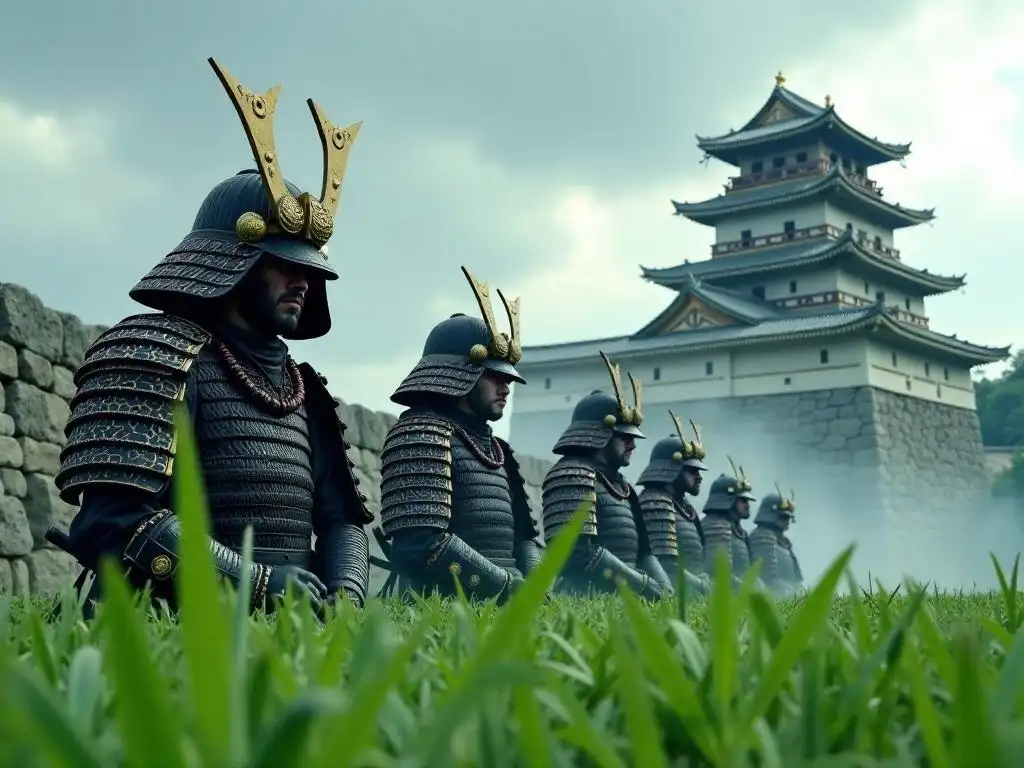
The Ashigaru, initially considered low-ranking foot soldiers, played a pivotal role in shaping the future of the Samurai class during Japan's feudal era. Their evolution from untrained peasants to skilled warriors significantly influenced military tactics, social dynamics, and the very structure of samurai society. As we explore the enduring impact of Ashigaru, it becomes evident that their contributions were instrumental in the development of a more complex and effective military system.
Summary of Key Points on Ashigaru's Influence
-
Military Organization and Tactics
The Ashigaru introduced flexible and adaptable tactics that complemented the samurai's traditional combat methods.
- Formation Changes: The use of mass infantry formations allowed for greater battlefield coordination.
- Weaponry Evolution: Their adoption of firearms and spears facilitated new combat strategies that the samurai had to integrate into their own warfare practices.
-
Social Mobility and Class Dynamics
The rise of the Ashigaru created new pathways for social mobility within the feudal system.
- From Peasants to Warriors: Many Ashigaru were drawn from the peasantry, and their successful military service often led to land grants and higher social status.
- Influence on Samurai Ideals: This shift began to blur the rigid class distinctions, fostering a sense of meritocracy within the samurai class.
-
Cultural Exchange and Integration
The Ashigaru contributed to a cultural synthesis that enriched the samurai ethos.
- Training and Discipline: Exposure to different fighting styles and training regimens enhanced the martial skills of samurai, leading to a more diverse approach to warfare.
- Ideological Shifts: The Ashigaru's experiences on the battlefield influenced samurai philosophy, integrating concepts of loyalty and honor from their ranks.
Final Thoughts on the Importance of Ashigaru in Japanese History
The Ashigaru's role in the evolution of the samurai class cannot be overstated. Their impact transcended mere military contributions; they reshaped societal structures, challenged existing norms, and facilitated a flow of ideas that ultimately influenced the trajectory of Japanese history.
As Japan transitioned through various epochs, the legacy of the Ashigaru endured, reminding us that even the most humble beginnings can lead to profound transformations. Understanding their influence allows us to appreciate the complexities of the feudal era and the intricate relationships that defined it. Thus, the study of the impact of Ashigaru on Samurai remains a vital area of exploration for scholars and enthusiasts of Japanese history, highlighting a crucial chapter in the evolution of one of the world's most iconic warrior classes.
References and Suggested Readings
Academic Sources on Ashigaru and Samurai
To gain a deeper understanding of the impact of Ashigaru on Samurai, it is essential to consult various academic sources that delve into the intricacies of their roles, relationships, and contributions during the feudal era of Japan. Here is a compilation of notable scholarly works that provide valuable insights:
-
"Warriors of the Rising Sun: A History of the Japanese Military" by James B. Wood
This book offers an extensive overview of the military structure of Japan, including the evolution of the Ashigaru and their influence on the Samurai class. Wood’s analysis highlights the strategic importance of Ashigaru in various battles and how their presence shifted the dynamics of power among the Samurai.
-
"The Samurai: A Military History" by Stephen Turnbull
Turnbull's work is a comprehensive exploration of Samurai warfare, highlighting the transition from traditional Samurai armies to the incorporation of Ashigaru. The author discusses the implications of this shift on the Samurai's social standing and military tactics.
-
"Ashigaru: The Foot Soldiers of Feudal Japan" by John M. McGowan
This focused study examines the life and roles of Ashigaru, providing context to their significant contribution to Japanese warfare and the emerging power structures that challenged the Samurai's dominance.
-
"The Making of Samurai Culture: From the 12th to 15th Century" by William Wayne Farris
Farris explores how the Ashigaru not only supported the Samurai in battle but also influenced cultural developments during the feudal period, affecting the Samurai's identity and societal roles.
Recommended Literature for Further Exploration
For those interested in a broader cultural and historical context, the following literature offers significant contributions to understanding the impact of Ashigaru on Samurai and their place in Japanese history:
-
"Samurai and the Sacred: The Role of Religion in the Samurai Class" by Michael P. McNally
This book discusses how the Samurai’s relationship with Ashigaru was influenced by religious beliefs and practices, shaping their moral codes and conduct in battle.
-
"The Last Samurai: The Life and Battles of Saigo Takamori" by Mark Ravina
Ravina’s biography of one of Japan’s most famed Samurai provides insights into the tensions between traditional Samurai values and the rise of Ashigaru as a formidable military force.
-
"Feudal Japan: A History from the Dawn of the Samurai to the Present" by Ian Buruma
Buruma’s work offers a sweeping view of Japanese history, placing the Ashigaru and Samurai within the larger narrative of Japan’s political and cultural evolution.
-
"The Age of the Samurai: Japan's Feudal Era" by Richard J. Smethurst
This comprehensive overview provides context to the societal changes during the feudal era, emphasizing the interplay between social classes, including the Ashigaru and Samurai.
These references and suggested readings will equip readers with a nuanced understanding of how Ashigaru shaped the future of the Samurai class, providing a rich tapestry of knowledge that spans military strategy, cultural analysis, and historical developments.
Frequently Asked Questions
What were Ashigaru in feudal Japan?
Ashigaru were foot soldiers in the Japanese feudal system, typically serving samurai lords. They played a crucial role in military campaigns and were often made up of lower-class farmers.
How did Ashigaru contribute to the success of samurai armies?
The impact of Ashigaru on samurai armies was significant; they provided numerical strength and flexibility in battle. Their ability to adapt to various tactics helped samurai lords maintain control over their territories.
Yes, Ashigaru could achieve a degree of social mobility by demonstrating bravery and skill in battle. Successful Ashigaru could be rewarded with land or even elevated to the status of a samurai.
What was the relationship between Ashigaru and samurai?
The relationship was typically one of master and subordinate. Ashigaru were often seen as lesser warriors, but their contributions were essential for the success of samurai-led military operations.
How did the role of Ashigaru evolve over time?
Over time, the role of Ashigaru evolved from simple foot soldiers to more professional troops. They became integral to the military structure, influencing the tactics and strategies employed by samurai.
Final Reflection: The Enduring Legacy of Ashigaru on Samurai Culture
The impact of Ashigaru on Samurai culture is a testament to how social structures can evolve and redefine power dynamics. As we explore the historical significance of the Ashigaru, we uncover their vital role in shaping the samurai class and the very fabric of feudal Japan. Today, this relationship resonates with contemporary discussions about the importance of inclusivity and the recognition of diverse contributions within hierarchical systems. The Ashigaru remind us that even those who seem to occupy the lower rungs of society can wield immense influence and drive transformative change.
The legacy of the Ashigaru continues to influence our cultural and social landscape, highlighting the importance of recognizing the contributions of all individuals, regardless of their status. The Ashigaru were not merely foot soldiers; they were the backbone of the samurai's military prowess and a symbol of resilience. The strength of the samurai was not only in their swords but in the loyalty and courage of those who stood beside them.
This observation emphasizes how the Ashigaru's role was pivotal, not just in battle but in shaping the identity and values of the samurai class. Their story encourages us to reflect on the often-overlooked narratives that contribute to our collective history.
As we conclude this exploration, I invite you to reflect on the lessons learned from the Ashigaru's journey. Consider how you can apply these insights in your own life, whether by acknowledging the contributions of those around you or by embracing the idea that every role, no matter how seemingly small, holds the potential for significant impact. Let us honor the legacy of the Ashigaru by fostering a culture of appreciation and empowerment, ensuring that every voice is heard and valued in our own communities.
Unveil the Legacy of Ashigaru – Take Action Today!
Thank you for diving into the fascinating history of how Ashigaru influenced the future of the Samurai class. Your interest highlights the intricate connections that shaped Japan's rich feudal past. Now, it’s time to take action and deepen your understanding!
Here are a few ways you can further explore this captivating topic:
- Read a book or watch a documentary about the samurai and Ashigaru to uncover the nuances of their relationship.
- Join an online community focused on the history of feudal Japan to share insights and engage with fellow enthusiasts.
- Create a timeline detailing the development of Ashigaru and its impact on samurai culture to visualize their evolution.
What do you find most surprising about the Ashigaru's influence on the Samurai class? **Share your thoughts in the comments below! **