
Pirates of the Inland Sea: The Wokou and Their Impact on Japan


Welcome to Feudal Japan History, where we embark on a captivating journey through the intricate tapestry of Japan’s feudal era. Here, we delve deep into the shadows of history, exploring the pivotal moments and remarkable figures that shaped a nation. Today, we shine a spotlight on the enigmatic Wokou pirates—their daring exploits and profound influence on Japan's military landscape. Are you ready to uncover the secrets of the Pirates of the Inland Sea and their lasting legacy? Join us as we navigate through the tumultuous waters of this fascinating period in history!
- Introduction to the Wokou Pirates and Their Influence on Japan
- Historical Context of the Wokou Pirates
- The Nature of Wokou Activities
- Wokou Pirates Influence on Japan's Society
- Military Responses to Wokou Piracy
- The Decline of Wokou Piracy
- Conclusion: The Lasting Legacy of Wokou Pirates on Japan
- References and Suggested Reading on Wokou Pirates and Japanese History
- Frequently Asked Questions
- Final Reflection: The Enduring Legacy of the Wokou Pirates in Japan
- Embark on Your Journey Through History!
Introduction to the Wokou Pirates and Their Influence on Japan
The Wokou pirates, a formidable force in the maritime history of Japan, emerged during the late medieval period, predominantly between the 13th and 16th centuries. These notorious raiders, often composed of Japanese and foreign elements, operated primarily in the Inland Sea and along the coasts of Japan, as well as in neighboring regions such as Korea and China.
Their activities not only instigated local conflicts but also influenced Japan's socio-political landscape, trade dynamics, and international relations. Understanding the Wokou's impact is crucial for grasping the complexities of Japan's feudal era, as their piracy challenged the established order and highlighted the vulnerabilities of coastal settlements.
This article aims to provide a comprehensive exploration of the Wokou pirates, shedding light on their origins, activities, and the broader implications of their presence in Japan. By examining various facets of their influence, we will uncover the multifaceted legacy of these pirates and how they contributed to shaping Japan's historical narrative.
Overview of the Wokou Pirates
The term "Wokou" (倭寇), literally meaning "Japanese pirates," encompasses a diverse group of maritime raiders primarily active during the late 14th to the early 16th century. While they were predominantly Japanese, many Wokou crews also included Chinese and Korean pirates, reflecting a complex tapestry of regional interactions and conflicts.
The Wokou were known for their swift and agile ships, which allowed them to execute surprise attacks on coastal towns and shipping routes. Their targets often included merchant vessels and ports, where they sought to plunder valuable goods, including rice, textiles, and precious metals. The peak of Wokou activity coincided with periods of political instability in Japan, particularly during the Ashikaga Shogunate, when central authority was weakened, enabling piracy to flourish.
The Wokou used various tactics to conduct their raids, including ambushes and hit-and-run strategies. Their ability to adapt and exploit weaknesses in coastal defenses made them a persistent threat, prompting local governments to seek solutions to counter their influence.
Significance of Wokou in Japanese History
The impact of the Wokou pirates on Japanese history is profound and multifaceted. Their activities not only disrupted trade and commerce but also influenced the development of Japan's naval capabilities and coastal defenses. As coastal communities faced increasing threats from these pirates, they were compelled to strengthen their fortifications and naval strategies.
Moreover, the Wokou played a role in the evolution of diplomatic relations in East Asia. Their incursions often prompted responses from neighboring countries, leading to military alliances and conflict. For instance, the Ming dynasty in China took significant measures to curb Wokou raids, which included deploying naval forces and establishing diplomatic negotiations with Japan.
On a cultural level, the Wokou influenced the perception of piracy in Japan. Their notoriety contributed to the romanticized image of pirates in Japanese folklore and literature, which persists to this day. Additionally, the Wokou's legacy can be seen in the way they highlighted the vulnerabilities of feudal Japan, setting the stage for future conflicts and changes in governance.
Aim of the Article: Exploring Wokou Pirates' Influence on Japan
This article aims to delve deeper into the intricate dynamics surrounding the Wokou pirates and their influence on Japan. By exploring their origins, tactics, and historical significance, we will uncover how these maritime raiders shaped not only the military landscape but also the cultural and political fabric of feudal Japan.
Our exploration will include:
- A detailed examination of Wokou raids and their impact on coastal communities.
- An analysis of the responses from Japanese authorities and neighboring nations.
- Insights into the legacy of the Wokou in Japanese culture, literature, and historical narratives.
Through this comprehensive approach, we seek to provide a nuanced understanding of the Wokou pirates' influence on Japan, illustrating their role as catalysts for change within the broader context of Japanese history.
Historical Context of the Wokou Pirates
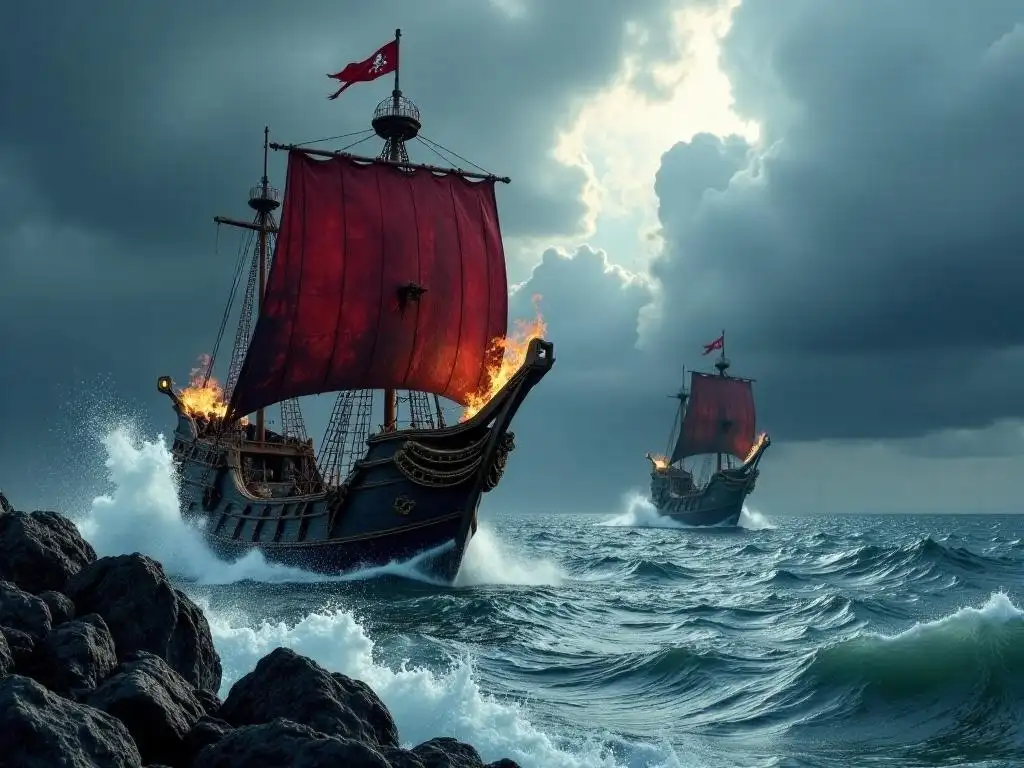
The Wokou pirates, often referred to as Japanese pirates, were a significant force in the maritime history of Japan from the late 13th century to the 16th century. Their activities not only impacted naval warfare but also shaped trade and socio-political relations in Japan and its neighboring regions. To understand their influence comprehensively, it is crucial to delve into their origins, the surge of their activity, and the key locations where they operated.
Origins of the Wokou: Who Were They?
The term "Wokou" (倭寇), meaning "dwarfs" or "Japanese pirates," was used primarily by the Chinese to describe these marauders. The Wokou were composed of various groups, including:
- Japanese pirates: Many were samurai and ronin (masterless samurai) who turned to piracy due to economic hardships or political unrest in Japan.
- Chinese collaborators: Some Wokou included Chinese fishermen and traders who joined forces with Japanese pirates, often seeking profit from raids.
- Korean pirates: Elements from Korea also participated, driven by similar motivations of profit and retaliation against foreign threats.
The socio-economic conditions during the Kamakura and Muromachi periods in Japan, marked by instability and civil conflict, created an environment ripe for the emergence of such piracy. As feudal lords (daimyō) fought for territory and power, these outlaws found opportunities to disrupt trade routes and engage in plunder.
The Rise of Wokou Activity in the 14th to 16th Centuries
The Wokou's influence peaked from the late 14th century through the 16th century. Several factors contributed to this rise:
- Weak Central Authority: The decline of the Ashikaga shogunate led to fragmented power among local daimyō, which diminished central control over coastal defenses. This allowed Wokou activity to flourish as local lords often lacked the resources to combat them effectively.
- Trade Disruption: The Wokou targeted both Japanese and foreign vessels, disrupting trade routes, especially those linking Japan with Korea and China. Their raids on merchant ships not only caused economic losses but also instigated diplomatic tensions between nations.
- Military Innovation: The Wokou adapted to naval warfare by utilizing fast, maneuverable ships and engaging in guerrilla tactics, which made them formidable opponents on the water. This adaptability allowed them to evade capture and continue their raids, significantly impacting maritime security.
- Cultural Exchange: Despite their notoriety, the activity of the Wokou also facilitated cultural exchange between Japan and neighboring countries. Some Wokou returned with goods and ideas that influenced Japanese society, such as new technologies and trade practices.
As a result, the Wokou became a prominent feature of Japan's maritime landscape, with their operations extending beyond mere piracy to encompass complex interactions involving commerce, diplomacy, and cultural exchange.
Key Locations of Wokou Operations in Japan
The operational footprint of the Wokou was extensive, with several key locations serving as bases for their activities:
- Shikoku and Kyushu: These islands were critical due to their proximity to the Korean Peninsula and China. Coastal towns served as launch points for raids and as safe havens for pirates to regroup.
- Nagasaki: This port city became a significant hub for Wokou trade and piracy. The strategic location allowed easy access to Chinese and Korean shipping routes.
- Seto Inland Sea: The intricate network of islands and waterways made this area ideal for Wokou operations, enabling them to conduct surprise attacks on unsuspecting vessels.
- Ise Bay: Known for its rich fishing grounds, the bay was frequently targeted by Wokou seeking to plunder fishing fleets and trade ships navigating the area.
The Wokou pirates emerged from a confluence of social turmoil, economic necessity, and maritime opportunity. Their activities not only disrupted regional trade but also left a lasting impact on Japan's military and cultural landscape, shaping the course of Japanese history during the feudal era.
The Nature of Wokou Activities

The Wokou, often referred to as "Japanese pirates," were not solely a product of Japanese society but rather a complex amalgamation of various cultural influences and maritime practices during the late 13th to 16th centuries. These pirates primarily operated in the waters of the Inland Sea, where their activities significantly impacted trade, security, and international relations in East Asia. Understanding the nature of Wokou activities requires an exploration of their piracy types, the involvement of external pirates, and their interactions with coastal communities.
Types of Piracy: Raids and Trade Disruption
Wokou piracy can be categorized into two primary types: raids and trade disruption.
- Raids:
- The Wokou conducted daring raids along the Japanese coastline, targeting coastal villages and settlements. These raids were often characterized by:
- Surprise Attacks: Wokou would approach swiftly using fast, maneuverable ships, catching communities off guard.
- Looting and Destruction: Their main objective during these raids was often to loot valuables, including food, weapons, and textiles. They would frequently burn down buildings to erase evidence of their incursions.
- Kidnapping for Ransom: Captives were taken during raids to be sold or ransomed back to their families, increasing the fear and instability among coastal populations.
- The Wokou conducted daring raids along the Japanese coastline, targeting coastal villages and settlements. These raids were often characterized by:
- Trade Disruption:
- Beyond mere raids, Wokou activities significantly disrupted trade routes in the region.
- Interception of Trade Ships: They targeted merchant vessels, particularly those carrying goods between Japan, China, and Korea. This interception led to significant economic losses for merchants and local economies.
- Impact on International Trade: The fear of Wokou attacks forced merchants to avoid certain routes, diminishing trade opportunities and altering trade patterns in the region.
- Influence on Policy: This disruption led to changes in maritime law and strategies among feudal lords and the central government, as they sought to protect their economic interests.
- Beyond mere raids, Wokou activities significantly disrupted trade routes in the region.
The Role of Chinese and Korean Pirates in Wokou Groups
Interestingly, the Wokou were not composed solely of Japanese individuals; they included a significant number of Chinese and Korean pirates. This multicultural aspect of Wokou groups contributed to their effectiveness and adaptability in piracy.
- Collaboration with Local Pirates:
- Many Wokou groups formed alliances with Chinese and Korean pirates, leveraging their local knowledge and connections. This collaboration enabled them to conduct more extensive raids and navigate complex political landscapes.
- Diverse Techniques and Tactics:
- The inclusion of Chinese and Korean members brought various maritime techniques and combat styles, enhancing the Wokou's capabilities. For instance, Chinese pirates often utilized larger junks equipped for long-distance raids, while Korean pirates introduced naval tactics that emphasized speed and agility.
- Economic Motivations:
- Economic desperation in regions like Ming China during the 14th and 15th centuries led many to resort to piracy. The allure of Wokou activities provided both a means of survival and an opportunity to amass wealth, which further fueled their numbers and influence.
Interaction with Japanese Coastal Communities
The relationship between the Wokou and Japanese coastal communities was complex, characterized by both resistance and occasional collaboration.
- Fear and Hostility:
- Coastal communities lived under constant threat from Wokou raids, which instilled fear and prompted local leaders to take defensive measures. Towns fortified their structures and organized local militias to protect against possible attacks.
- Example: The coastal town of Hirado became a focal point for local resistance, where inhabitants fortified their defenses and established watch systems.
- Economic Interdependence:
- Despite the fear they instilled, some coastal communities found themselves economically intertwined with Wokou activities.
- Black Market Trade: Local merchants sometimes engaged in black-market trade with Wokou, providing them with supplies in exchange for protection or a share of looted goods. This symbiotic relationship highlighted the complicated dynamics of survival during times of upheaval.
- Cultural Exchange:
- The presence of Wokou also led to cultural exchanges between pirates and local populations. The infusion of foreign ideas, techniques, and goods influenced local traditions and practices, demonstrating that even in conflict, there can be a flow of cultural interaction.
The nature of Wokou activities reveals a multifaceted narrative of piracy that significantly influenced Japan's coastal societies and broader regional dynamics during the feudal era. The blending of various cultural influences and the complex relationships with local communities underscore the importance of the Wokou in shaping Japan's historical landscape.
Wokou Pirates Influence on Japan's Society
The Wokou, notorious pirates of the 14th to 16th centuries, played a significant role in shaping Japan’s society during the feudal era. Their activities not only disrupted maritime trade but also facilitated cultural exchanges and instigated social changes along the coastal regions of Japan. Understanding their multifaceted influence is essential to grasp the complexities of Japan's history during this tumultuous period.
Economic Impact: Trade Disruptions and Opportunities
The Wokou pirates significantly impacted Japan's economy through both trade disruptions and the creation of new economic opportunities. These pirates primarily targeted merchant vessels, leading to a considerable decline in maritime trade.
- Trade Disruptions:
- The raids conducted by the Wokou resulted in a sharp decrease in trade routes between Japan and neighboring countries, especially China and Korea. This disruption led to increased costs for merchants and a scarcity of goods.
- Many coastal towns, which relied heavily on trade, faced economic decline as shipping routes became perilous.
- Opportunities from Piracy:
- Despite the negative effects, the Wokou also opened new avenues for local economies. Some coastal communities began to engage in smuggling and piracy themselves, capitalizing on the chaos.
- The instability led to the emergence of a black market for goods that were hard to acquire due to the threat of Wokou attacks.
The result was a complex economic landscape where fear of piracy coexisted with the potential for profit, leading to an adaptation in trade practices.
Cultural Exchange: Influence on Japanese Art and Language
The presence of the Wokou also fostered a remarkable cultural exchange between Japan and other regions, particularly through their interactions with Chinese and Korean cultures.
- Artistic Influence:
- Wokou encounters with foreign traders and their plundering of coastal towns led to the introduction of new artistic techniques and styles. Many Japanese artisans began to incorporate elements from Chinese and Southeast Asian art into their work.
- The themes of piracy and naval battles became prevalent in Japanese woodblock prints, reflecting both the fears and fascination with these marauders.
- Linguistic Contributions:
- The interactions between Wokou pirates and local populations also contributed to the evolution of the Japanese language. New terms associated with maritime activities and trade emerged, enriching the vernacular.
- Additionally, the Wokou introduced various foreign words and phrases that entered Japanese, illustrating the cultural syncretism that occurred during this period.
The cultural exchange was a dual-edged sword, as it both enriched Japanese society and highlighted the tensions brought about by piracy.
The Wokou's influence extended into the social fabric of Japan's coastal communities, inducing notable changes in societal structures and behaviors.
- Fear and Insecurity:
- The relentless raids fostered a climate of fear among coastal inhabitants. Communities fortified their defenses and developed strategies for protection against potential pirate attacks.
- This fear often led to social stratification, as wealthier merchants could afford better security measures, while poorer communities remained vulnerable.
- Adaptation Strategies:
- In response to the threat of piracy, coastal towns began to establish militias and defense networks. These groups comprised local fishermen and farmers who banded together to protect their livelihoods.
- The Wokou raids prompted a shift in local economies, with communities increasingly relying on self-sustaining practices and less on external trade.
Through these adaptations, Japanese society not only learned to live with the threat of piracy but also evolved in ways that strengthened their communal bonds and resilience.
The Wokou pirates' influence on Japan during the feudal era is a testament to the interplay between disruption and opportunity, fear and adaptation. The legacy of their actions continues to resonate in Japan’s historical narrative, underscoring the complex dynamics of maritime interactions in the region.
Military Responses to Wokou Piracy
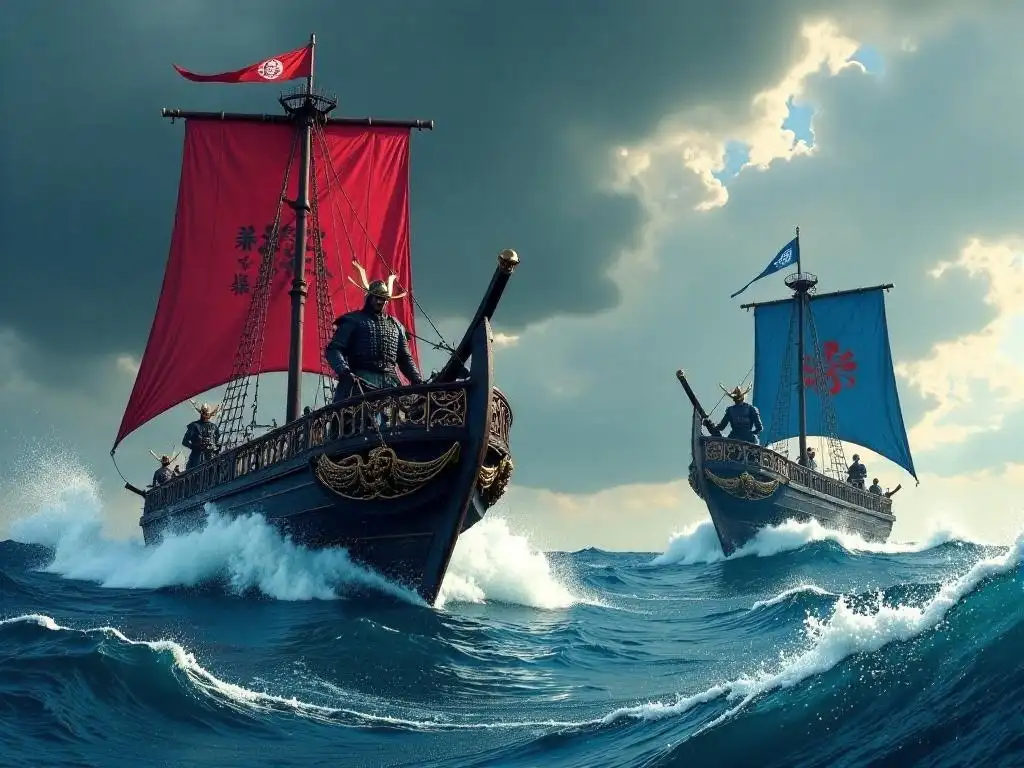
The emergence of Wokou piracy during the late 13th to the 16th centuries posed significant threats to Japan’s coastal security and economic stability. The Japanese military response evolved as the government recognized the need to counteract these raiders effectively. This section delves into the naval strategies employed, key battles fought, and the involvement of the samurai class in combating the Wokou.
To counter the Wokou threat, the Japanese adapted various naval strategies, combining traditional tactics with innovative approaches suited to the maritime environment.
- Formation of Coastal Defense Fleets:
- Local daimyō (feudal lords) began organizing their own fleets to patrol the coasts.
- These fleets often consisted of smaller, faster vessels capable of pursuing Wokou ships effectively.
- Use of Intelligence and Information Networks:
- Coastal communities developed information networks to report Wokou sightings, enabling rapid military responses.
- This early warning system was crucial for mobilizing local forces before a pirate attack could escalate.
- Adoption of Advanced Shipbuilding Techniques:
- The Japanese incorporated ship designs that enhanced speed and maneuverability, such as the "Atakebune", a type of large warship.
- These ships were equipped with features such as reinforced hulls and larger sails, allowing for better performance in naval engagements.
- Alliances with Regional Powers:
- Japanese authorities sought alliances with neighboring states, including the Ryukyu Kingdom, to share intelligence and resources against common Wokou foes.
- This cooperation extended to joint military operations, pooling naval assets to present a united front.
Several significant naval battles characterized the struggle against Wokou piracy, illustrating the intensity of the conflict and the evolving tactics employed.
- Battle of Kizaki (1566):
- This notable engagement saw a coalition of samurai-led forces confronting a fleet of Wokou pirates.
- The battle emphasized the importance of naval formations and the element of surprise, as the defenders utilized shallow waters to their advantage.
- Siege of Hirado (1572):
- Hirado, a strategic port, became a focal point for Wokou raids. The siege involved a concerted effort by Japanese forces to reclaim control.
- This operation showcased the integration of land and naval forces, with samurai warriors leading ground assaults supported by naval bombardments.
- The Naval Expansions of Toyotomi Hideyoshi:
- Under Hideyoshi’s rule, Japan launched several expeditions aimed at securing its maritime borders.
- The campaigns included extensive naval operations to disrupt Wokou supply lines and bases, resulting in temporary defeats for pirate factions.
The Role of Samurai in Combating Wokou
The samurai class played a crucial role in the military responses to Wokou piracy, acting as both warriors and leaders in naval engagements.
- Leadership in Naval Campaigns:
- Many daimyōs, often samurai themselves, took the initiative to lead their forces against Wokou pirates, organizing local militias and naval fleets.
- Their experience in land warfare translated into effective leadership on the water, where tactical acumen was vital.
- Training and Tactics:
- Samurai trained not only in traditional martial arts but also in naval combat techniques, learning to adapt their skills for shipboard engagements.
- Tactics included boarding enemy vessels, utilizing archery from ships, and employing surprise attacks during naval skirmishes.
- Cultural Significance:
- The fight against Wokou piracy became emblematic of the samurai’s role as protectors of their domains and the broader Japanese society.
- Successful engagements against pirates were celebrated, enhancing the samurai's reputation and reinforcing their social status.
The military responses to Wokou piracy were multifaceted, involving innovative naval strategies, significant battles, and the active participation of the samurai. These efforts not only aimed to eliminate the immediate threat posed by the Wokou but also laid the groundwork for the evolving nature of Japan’s naval warfare in the years to come.
The Decline of Wokou Piracy
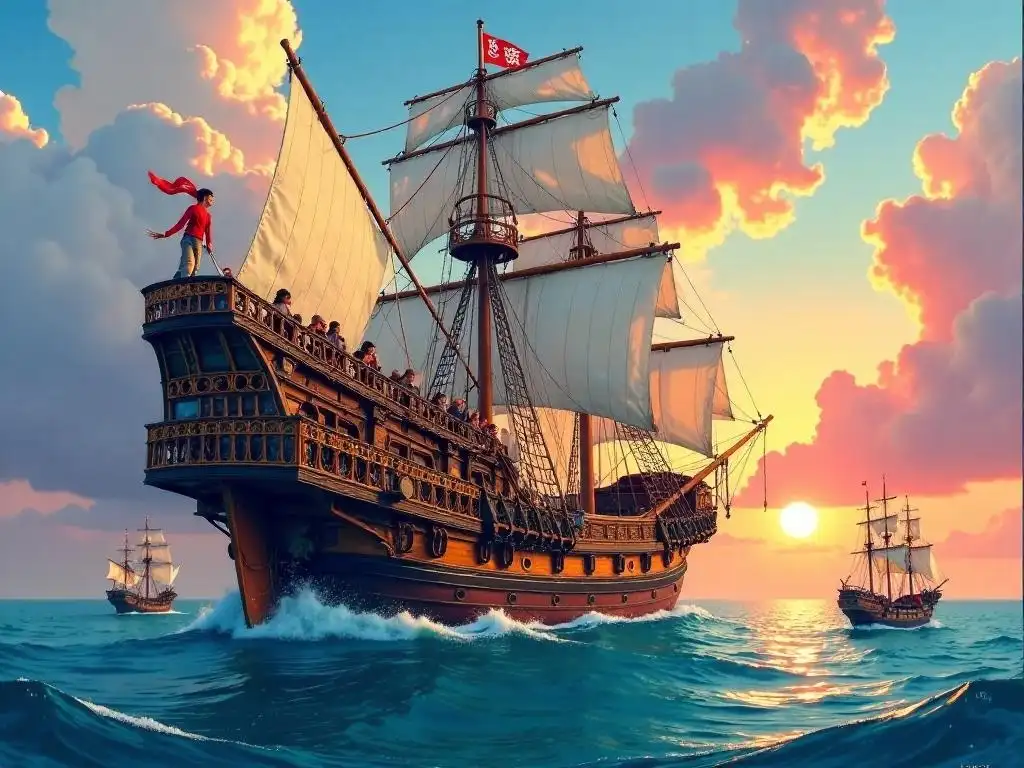
The decline of Wokou piracy in Japan during the late 16th century marks a significant shift in the nation's maritime history. The Wokou, often described as "Japanese pirates," were notorious for their raiding activities along the coasts of Japan and the surrounding regions. However, various factors contributed to the diminishing influence of these pirates, transforming the landscape of naval warfare and trade in the region.
Factors Leading to the Reduction of Wokou Activities
Several interrelated factors played a pivotal role in the reduction of Wokou activities:
-
Increased Naval Enforcement
As the threat posed by the Wokou became more evident, local daimyō (feudal lords) began to bolster their naval capabilities. The establishment of dedicated naval forces allowed for more effective monitoring and patrolling of coastal waters. Notable developments included:
- Construction of larger and more formidable ships.
- Improved naval tactics and strategies to combat piracy.
-
Changes in Trade Dynamics
The shift in trade routes also had a significant impact on Wokou activities. With the rise of centralized trade policies, especially under the Tokugawa shogunate, the focus shifted to controlling key trading posts rather than engaging in piracy. This change resulted in:
- Decreased economic incentive for piracy, as trade became more regulated.
- Increased cooperation among regional powers to guard against piracy.
-
Military Campaigns Against Pirates
The late 16th century saw a series of military campaigns aimed specifically at eradicating Wokou piracy. These campaigns were characterized by:
- Collaborative efforts between various daimyō to launch assaults on Wokou strongholds.
- The utilization of local samurai forces to root out pirate factions.
-
Declining Support from Foreign Powers
Initially, some Wokou factions received support from foreign powers, including the Portuguese and Spanish, who sought to exploit the chaos of piracy for their own gain. However, as Japan began to isolate itself during the Edo period, this external support dwindled, leading to:
- A weakened operational capacity for the Wokou.
- The loss of critical alliances that had previously bolstered their activities.
The Role of Centralized Power in Japan’s Response
The establishment of centralized power in Japan, particularly under the Tokugawa shogunate, played a crucial role in addressing the Wokou threat. The shogunate's policies were characterized by:
-
Strict Maritime Regulations
The Tokugawa regime implemented stringent laws governing maritime activities. These regulations aimed to control trade and reduce piracy, including:
- Banning unauthorized oceanic voyages.
- Imposing harsh penalties on individuals caught engaging in piracy or supporting Wokou activities.
-
Establishment of a Unified Naval Command
The shogunate created a more unified naval command structure, enabling coordinated efforts against piracy. This included:
- The appointment of naval leaders with the authority to mobilize forces against Wokou.
- Enhancement of intelligence networks to monitor pirate movements.
-
Promotion of National Unity
By fostering a sense of national identity, the Tokugawa shogunate encouraged regional leaders to view Wokou as a common enemy. This shift in perspective resulted in:
- Collaborative military efforts that transcended traditional rivalries among daimyō.
- Enhanced loyalty to the shogunate, which further marginalized Wokou influence.
Lasting Effects of Wokou Influence on Japanese Society
Despite their decline, the Wokou pirates left an indelible mark on Japanese society, influencing various facets of culture and governance:
-
Cultural Narratives and Folklore
The exploits of the Wokou became embedded in Japanese folklore, inspiring tales of bravery, treachery, and adventure. These narratives contributed to:
- A romanticized view of piracy that persists in popular culture today.
- Artistic expressions in literature and theater, reflecting the complex relationship between pirates and society.
-
Maritime Traditions
The Wokou's activities highlighted the importance of maritime trade and defense in Japanese society. As a result:
- Coastal communities developed robust maritime traditions, emphasizing the need for vigilance and preparedness.
- The legacy of Wokou piracy informed naval strategies that evolved over subsequent generations.
-
Political Realignment
The response to Wokou piracy catalyzed a broader political realignment in Japan. The focus on centralization and control under the Tokugawa shogunate helped shape modern governance, leading to:
- The establishment of a strong bureaucratic state, which sought to maintain order and prevent the rise of similar threats.
- A legacy of centralized authority that influenced Japan's trajectory into the modern era.
The decline of Wokou piracy was not merely a result of military suppression; it was intertwined with broader socio-political changes that reshaped Japan's maritime landscape and societal dynamics. The Wokou's enduring influence continues to be felt in Japan's cultural narratives and historical consciousness.
Conclusion: The Lasting Legacy of Wokou Pirates on Japan

The Wokou pirates, often romanticized as the marauders of the Inland Sea, played a pivotal role in shaping Japan's historical landscape during the late medieval period. Their activities not only disrupted trade and security but also influenced cultural exchanges and military strategies that would resonate through subsequent eras.
Summary of Wokou’s Historical Impact
The Wokou were primarily active between the 13th and 16th centuries, engaging in piracy along the coasts of Japan and targeting Chinese shipping routes. Their raids instigated significant reactions from both the Japanese government and neighboring countries, leading to the establishment of various naval defenses and the strengthening of local armies. Notably, their incursions prompted the following developments:
- Military Innovations: In response to the threat posed by the Wokou, Japanese warlords began to invest in naval technology and the training of sailors. This included the construction of stronger ships and the development of artillery, which significantly shifted Japan's military capabilities.
- Political Alliances: The fear of Wokou piracy led to new alliances among feudal lords, as they recognized the need for collective security. These alliances often resulted in temporary unifications that would alter the power dynamics of the period.
- Cultural Exchange: The Wokou's interactions with foreign traders brought about an exchange of goods, ideas, and technologies. This influx enriched Japanese culture, introducing new concepts and items that would influence art, trade, and even cuisine.
The legacy of the Wokou pirates extends deeply into Japan’s naval warfare history. Their aggressive tactics and experiences contributed to the evolution of Japanese naval strategy. Key influences include:
- Adoption of Guerrilla Tactics: The Wokou utilized hit-and-run strategies that were later adopted by Japanese forces. This form of asymmetric warfare became a hallmark of naval engagements, allowing smaller fleets to challenge larger, more established naval powers.
- Increased Maritime Awareness: The persistent threat of Wokou raids heightened awareness of maritime security among local rulers. This led to the establishment of coastguard units and an emphasis on protecting shipping routes, which laid the groundwork for Japan's future naval endeavors.
- Integration of Foreign Techniques: As the Wokou interacted with Chinese and Portuguese vessels, Japanese shipbuilders and commanders began to integrate foreign naval techniques and ship designs, leading to a more sophisticated approach to naval warfare.
Further Research Directions on Wokou and Japanese History
To deepen the understanding of the Wokou and their impact on Japan, several areas warrant further exploration:
- Economic Analysis of Wokou Raids: Investigating the economic repercussions of the Wokou's piracy on local trade and commerce could provide insights into how these activities reshaped Japanese economic policies.
- Cultural Exchanges and Their Effects: Detailed studies on specific cultural exchanges initiated by the Wokou can illuminate how these interactions influenced Japanese art, language, and societal norms.
- Comparative Studies with Other Piracies: Drawing parallels between the Wokou and other historical pirate groups worldwide could enrich the narrative of piracy's role in global maritime history.
- Regional Focus on Wokou Activities: A closer regional analysis of specific areas affected by Wokou raids, such as Kyushu and Shikoku, can yield localized historical accounts that enhance the broader understanding of their influence.
The Wokou pirates, with their complex legacy, serve as a significant chapter in Japan's military history, demonstrating the intricate interplay between piracy, trade, and national security. Exploring their impact provides a fascinating lens through which to view the evolution of Japan during a transformative period.
References and Suggested Reading on Wokou Pirates and Japanese History
Historical Texts and Primary Sources
When delving into the history of the Wokou pirates and their impact on Japan, it is crucial to consult historical texts and primary sources that provide firsthand accounts and insights. Some notable works include:
- "The Chronicles of Japan" (Nihon Shoki): This ancient text, compiled in the 8th century, offers a rich narrative of Japan's early history, including references to maritime activities and piracy.
- "The Taiheiki": A 14th-century historical narrative detailing the tumultuous period of the Nanboku-chō and the rise of various military powers, including the Wokou.
- "The Records of the Three Kingdoms": Though primarily focused on Chinese history, this text provides context on the interactions between Japan and neighboring countries during the Wokou's prominence.
In addition to these texts, several accounts written by contemporary historians during the Wokou era can shed light on their activities and influence. These documents often describe the pirates' raids, tactics, and interactions with local authorities.
Recommended Academic Articles and Journals
For a deeper understanding of the Wokou pirates and their influence on Japan, the following academic articles and journals are recommended:
- "Piracy in the East China Sea: Historical Perspectives": This article explores the socio-political dynamics of piracy in East Asia, focusing on the Wokou's operations and their effects on Japanese coastal communities.
- "Wokou and the Transformation of Japanese Maritime Policy": An insightful analysis of how the threat posed by the Wokou pirates led to significant changes in Japan's maritime laws and military strategies.
- "The Cultural Impact of the Wokou Pirates on Japan": This journal article examines how the Wokou influenced cultural exchanges between Japan and China, as well as the development of maritime trade routes.
Additionally, journals such as the Journal of Military History and Asian Studies Review often publish articles related to naval warfare and piracy, providing valuable context regarding the Wokou's role in Japanese history.
Online Resources for Further Exploration of Wokou Influence on Japan
The internet offers a variety of resources for those interested in learning more about the influence of Wokou pirates on Japan. These include:
- Digital Archives of Japanese History: Many universities and institutions have digitized collections of historical documents and maps that detail the Wokou's activities. Websites such as the National Diet Library of Japan provide access to these primary sources.
- Historical Blogs and Websites: Platforms like "Wokou: The Pirates of Japan" feature articles and discussions on the Wokou, including their origins, activities, and lasting impact on Japanese society.
- Virtual Exhibits: Museums such as the Tokyo National Museum offer online exhibits that showcase artifacts related to the Wokou, including weapons, trade goods, and artworks that reflect their influence.
By exploring these resources, readers can gain a comprehensive understanding of the Wokou pirates' influence on Japan, enriching their knowledge of this fascinating period in Japanese history.
Frequently Asked Questions
What were the Wokou pirates?
The Wokou pirates were a group of Japanese and Chinese pirates active during the late 13th to early 16th centuries, primarily raiding coastal areas in Japan and parts of China.
How did the Wokou influence Japan's trade?
The Wokou pirates significantly impacted Japan's trade by disrupting merchant ships, forcing the Japanese government to enhance coastal defenses and regulate maritime activities to protect commerce.
What cultural influences did the Wokou bring to Japan?
The Wokou pirates facilitated the introduction of foreign cultures and goods, including new technologies and ideas, which contributed to the cultural exchange between Japan and neighboring regions.
What role did the Wokou play in Japan's military history?
The activities of the Wokou pirates led to the development of military strategies and the strengthening of naval forces, as feudal lords sought to defend their territories against these raiders.
How did the Wokou impact Japan's political landscape?
The presence of the Wokou pirates prompted shifts in political power, as local lords gained influence by protecting their regions from piracy, leading to changes in the feudal hierarchy in Japan.
Final Reflection: The Enduring Legacy of the Wokou Pirates in Japan
The influence of the Wokou pirates on Japan remains a compelling narrative that intertwines with the nation’s historical and cultural evolution. Their audacious exploits not only challenged the status quo of maritime trade but also reshaped the socio-political landscape of the time. Today, as we navigate a world increasingly defined by globalization and maritime security, the lessons drawn from the Wokou's legacy resonate profoundly. Their story serves as a reminder of the complexities of power, trade, and cultural exchange, urging us to reconsider how we view historical narratives and their implications in our modern context.
The Wokou pirates were more than mere marauders; they were catalysts for change, sparking shifts in trade practices and international relations. Their actions prompted the Japanese government to adapt and evolve, leading to a more robust maritime policy and a deeper understanding of foreign interactions. As we reflect on their impact, we can see echoes of their influence in contemporary discussions about piracy, trade routes, and national security. History is not a burden on the memory but an illumination of the soul.
This quote encapsulates the essence of understanding the Wokou's role in shaping Japan, reminding us that history informs our present and future.
As we conclude this exploration of the Wokou pirates' influence on Japan, I invite you to reflect on how historical narratives shape our understanding of identity and culture. Consider how the lessons learned from the past can inspire you to engage with the complexities of today's globalized world.
Whether through fostering dialogue about cultural exchange or advocating for more nuanced perspectives on historical events, each of us has the power to contribute to a richer understanding of our shared human experience. Embrace the spirit of inquiry and let the legacy of the Wokou guide you toward a more informed and engaged future.
Embark on Your Journey Through History!
Thank you for diving into the intriguing world of the Wokou and their profound impact on Japan! You've gained insights into a captivating chapter of history, and now it’s time to take further steps on this exciting adventure.
Here’s how you can continue exploring and enriching your understanding:
- Join our community by signing up for our newsletter, where you’ll receive exclusive content about Feudal Japan and its historical figures delivered directly to your inbox.
- Explore related articles on our site to broaden your perspective and discover more about other pivotal events and cultures from the era.
- Share your thoughts with friends or fellow history enthusiasts on social media, encouraging them to learn about the Wokou’s fascinating legacy.
As you reflect on the Wokou's influence, consider which aspects of their story spark your curiosity the most, and how their actions continue to shape Japan today.