
Naval Warfare Tactics: How the Samurai Conquered the Seas

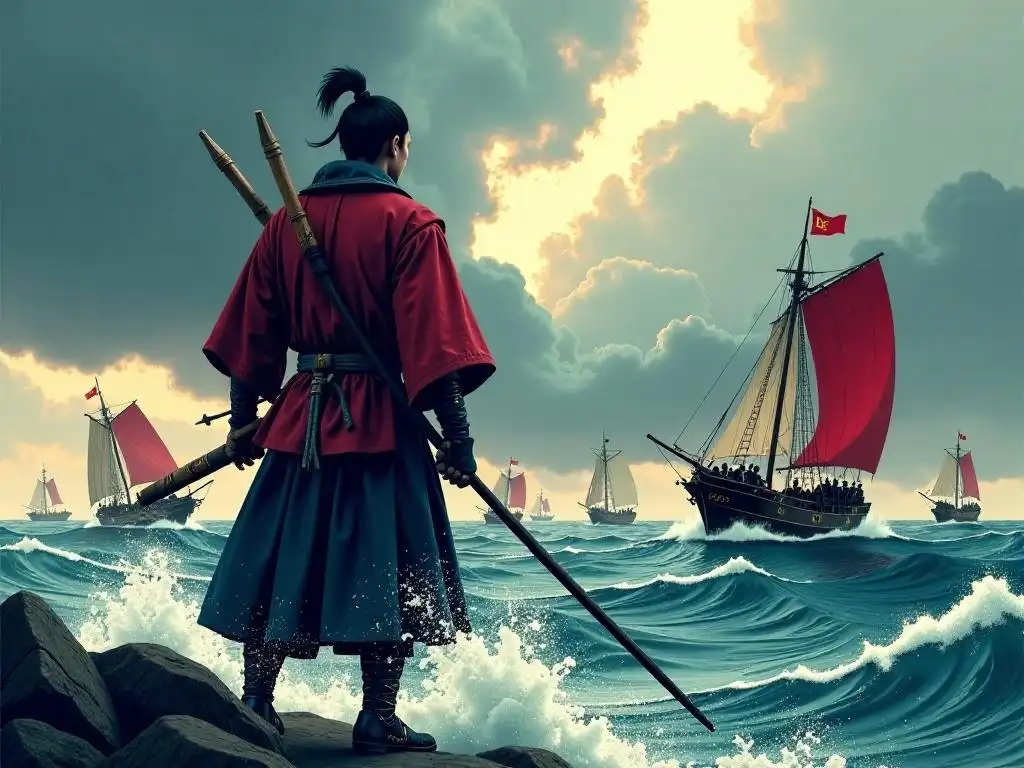
Welcome to Feudal Japan History, where we embark on a captivating journey through the intriguing narratives of Japan’s feudal era. Here, we delve deep into the Samurai naval warfare tactics, revealing the strategies that allowed these legendary warriors to not only conquer the land but also master the seas. What secrets lay behind their maritime prowess? Join us as we unravel the complexities of military history and explore the cultural and societal influences that shaped these remarkable tactics. Your adventure into the past starts now—read on to discover the untold stories of the Samurai's naval dominance!
- Introduction to Samurai Naval Warfare Tactics
- Historical Context of Samurai Naval Warfare
- Core Tactics Used in Samurai Naval Warfare
- Notable Samurai Naval Battles
- Cultural Significance of Naval Warfare for the Samurai
- Evolution of Samurai Naval Warfare Tactics
- Conclusion: Legacy of Samurai Naval Warfare Tactics
- References and Further Reading on Samurai Naval Warfare Tactics
-
Frequently Asked Questions
- What were the primary naval warfare tactics used by the Samurai?
- How did geography influence Samurai naval strategies?
- What role did ship design play in Samurai naval warfare?
- How did the Samurai code influence their conduct in naval battles?
- What were some of the significant naval battles involving Samurai?
- Final Reflection: The Enduring Legacy of Samurai Naval Warfare Tactics
- Embrace the Legacy of Naval Warfare!
During Japan's feudal era, the samurai were not only renowned for their prowess on land but also demonstrated remarkable skill in naval warfare. This article delves into the intricate strategies and tactics employed by the samurai during maritime conflicts, exploring how they adapted their martial skills to the challenges of naval engagements.
As we navigate through the historical context, it becomes clear that samurai naval warfare tactics were not merely an extension of their combat abilities but rather a sophisticated system that influenced both their societal structure and Japan’s military history as a whole. This comprehensive exploration aims to shed light on the lesser-known yet vital aspects of samurai naval warfare, showcasing how these warriors conquered the seas, defended their territories, and shaped Japan's maritime legacy.
Naval warfare in feudal Japan emerged as a critical component of the broader military strategies employed by the samurai. The extensive coastline and numerous islands of Japan created a unique landscape for naval engagements, leading to the development of specialized vessels and tactics. Key features of this era included:
- Types of Vessels:
- Atakebune: Large, heavily armed ships designed for combat.
- Sankō: Smaller, faster vessels used for scouting and quick assaults.
- Naval Battles: Significant events like the Genpei War (1180-1185) illustrated the importance of naval power, with pivotal naval battles such as the Battle of Dan-no-ura showcasing the samurai's tactical innovations.
- Strategic Locations: Control over vital sea routes and ports was essential for trade and military logistics, emphasizing the strategic significance of naval prowess.
The evolution of naval warfare tactics during this period reflected the samurai's adaptability and resourcefulness in the face of maritime challenges, ultimately shaping Japan's military landscape.
Naval tactics were crucial for the samurai for several reasons:
- Defense of Territories: Protecting coastal regions from rival clans was paramount. Mastery of naval tactics allowed samurai to safeguard their lands against invasions.
- Trade and Commerce: Control over sea routes facilitated trade with neighboring countries, enhancing the wealth and power of samurai clans. Effective naval strategies ensured secure passage for merchant vessels.
- Political Power: Successful naval campaigns could elevate a clan's status and influence, leading to greater political control within the feudal system.
- Cultural Significance: Naval warfare was interwoven with samurai culture, reflecting their code of honor and discipline. The ability to command ships and lead crews was a testament to a samurai's leadership qualities.
Understanding the samurai's naval warfare tactics provides a deeper insight into their role in Japan's feudal society and the evolution of military strategies during this transformative period. The legacy of their maritime endeavors continues to resonate in Japan's historical narrative.
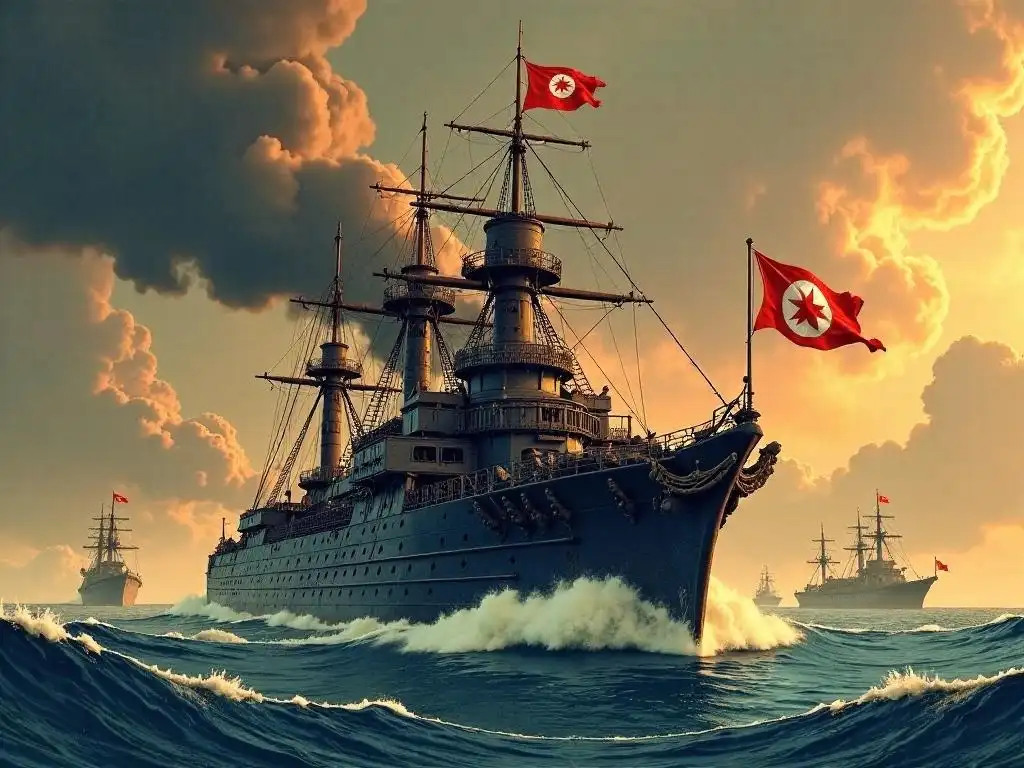
The naval warfare tactics employed by the samurai during Japan's feudal era are deeply intertwined with the historical context of their rise and the socio-political landscape of the time. Understanding this context is crucial to grasp how these tactics were developed and executed.
The Rise of the Samurai Class
The samurai class emerged in the late Heian period (794-1185) as a warrior elite, initially serving noble families. Their rise was fueled by the need for protection against rival clans and the diminishing power of the imperial court. The samurai were not only skilled in land-based warfare but also adapted to naval confrontations, particularly during the Kamakura period (1185-1333) when maritime conflicts became increasingly common.
- Feudal Structure: The feudal system in Japan created a hierarchy where samurai served as vassals to powerful daimyōs (feudal lords). This relationship allowed samurai to gain resources and training in various forms of combat, including naval engagements.
- Cultural Influence: The samurai's bushido code emphasized loyalty, honor, and martial prowess. This cultural framework encouraged the samurai to master diverse forms of warfare, including tactics that would be effective at sea.
- Technological Advancements: The introduction of new shipbuilding techniques and naval technologies, such as the development of the "atakebune" (a type of large warship), enabled samurai to extend their military capabilities onto the water.
Several notable conflicts highlight the strategic use of samurai naval warfare tactics. These battles not only showcase the military acumen of the samurai but also illustrate the evolution of naval strategies during the feudal era.
- The Genpei War (1180-1185): This conflict between the Taira and Minamoto clans marked a significant moment in samurai naval warfare. The naval battles of Dan-no-ura (1185) were pivotal, where the Minamoto used superior tactics and knowledge of the tides to defeat the Taira, demonstrating the importance of naval strategy in achieving victory.
- The Mongol Invasions (1274 and 1281): The samurai faced the formidable Mongol fleets during these invasions. Despite being outnumbered, the samurai employed guerrilla tactics and familiar local knowledge to disrupt the Mongol supply lines and communication. The strategic use of the "kamikaze" or divine winds, which destroyed a significant portion of the Mongol fleet, is emblematic of how environmental factors were leveraged in naval warfare.
- The Onin War (1467-1477): Although primarily a land conflict, the Onin War saw increased skirmishes along rivers and coastal areas. Samurai naval tactics during this period involved fast-moving boats for reconnaissance and surprise attacks, reflecting a transition towards more dynamic naval operations.
Japan's unique geography significantly shaped the naval warfare strategies employed by the samurai. With its extensive coastline and numerous islands, the strategic use of naval forces became essential for both defense and expansion.
- Coastal Navigation: The samurai utilized their knowledge of local waters, including currents and tides, to gain tactical advantages. Many battles were fought in narrow straits where maneuverability was key.
- Island Warfare: The presence of various islands allowed for the establishment of fortified positions and bases. The samurai often launched raids from these islands, utilizing their ships to strike quickly and retreat before a counterattack could be mounted.
- Trade Routes: Control of trade routes also influenced naval tactics. The samurai recognized the economic implications of maritime dominance, leading to strategic engagements that targeted enemy supply lines and trade ships.
The historical context of samurai naval warfare is a tapestry woven with the rise of the samurai class, key conflicts that showcased their naval prowess, and the geographical factors that influenced their strategies. By understanding these elements, one can appreciate the complexity and effectiveness of samurai naval warfare tactics during Japan's feudal era.
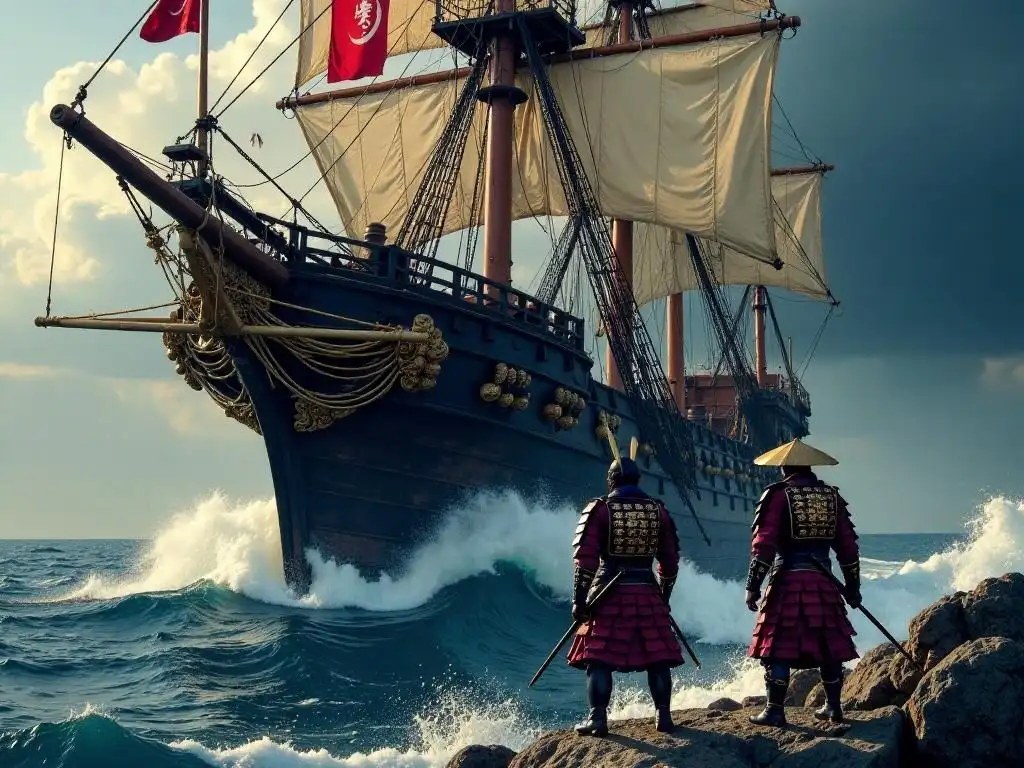
The samurai's approach to naval warfare was marked by a combination of innovation, strategic thinking, and adaptability. As maritime conflicts became increasingly integral to Japan’s feudal power struggles, samurai adapted their tactics to overcome challenges posed by the sea. Here, we delve into the core tactics that defined samurai naval warfare, focusing on their ship design, strategic formations, and combat techniques.
Ship Design and Construction Techniques
The design and construction of ships during the feudal era were pivotal to the effectiveness of samurai naval operations. Early Japanese ships, such as the "atakebune," were designed for both speed and combat efficiency.
- Hull Design: The atakebune featured a flat-bottomed hull, allowing for agile maneuverability in shallow waters. This design enabled samurai to navigate rivers and coastal areas effectively.
- Materials Used: Typically constructed from durable wood, these vessels utilized local materials, which were abundant and well-suited for the maritime environment.
- Size and Capacity: These ships were large enough to carry a significant number of troops and supplies, often allowing for a complement of 40 to 100 warriors. This capacity was crucial during large-scale naval campaigns.
The samurai also focused on the aesthetics of ship design, often adorning their vessels with clan emblems and colors to instill pride and signify allegiance.
Strategic Formation and Maneuvering
The success of samurai naval warfare relied heavily on strategic formations and adept maneuvering during battle. Their tactics reflected a deep understanding of both the sea and the enemy.
- Phalanx Formation: Samurai often employed a phalanx-like formation, where ships would align closely to create a formidable front. This tactic allowed for concentrated firepower from archers and missile troops, maximizing their offensive capabilities.
- Flanking Maneuvers: Utilizing the agility of their ships, samurai would execute flanking maneuvers to surprise and outmaneuver larger enemy fleets. This tactic was particularly effective against slower vessels.
- Hit-and-Run Tactics: Samurai naval commanders frequently employed hit-and-run tactics, attacking quickly from unexpected angles and withdrawing before the enemy could effectively respond. This approach minimized risks and maximized impact.
These strategic formations and maneuvers showcased the samurai's ability to adapt traditional land warfare tactics to the maritime context, demonstrating their versatility as warriors.
Use of Weaponry and Combat Techniques at Sea
The integration of weaponry and combat techniques into naval engagements was a defining aspect of samurai naval warfare. Their proficiency in various forms of combat played a crucial role in their maritime success.
- Archery and Firearms: Samurai were skilled archers, and they utilized bows effectively from ship decks. The introduction of firearms in the 16th century further enhanced their combat capabilities, allowing them to engage enemies from a distance.
- Boarding Techniques: Close-quarters combat often determined the outcome of naval battles. Samurai developed specific boarding techniques, including the use of grappling hooks and boarding planks, to engage in hand-to-hand combat once ships were locked together.
- Naval Strategy: Skilled commanders would often employ psychological tactics, such as feigned retreats or the strategic use of banners, to mislead the enemy, creating opportunities for surprise attacks.
These weaponry and combat techniques not only reflect the samurai's martial prowess but also highlight their adaptability in the face of evolving naval warfare scenarios.
Samurai naval warfare tactics were characterized by innovative ship designs, strategic formations, and effective combat techniques. Their mastery of these elements allowed them to conquer the seas and solidify their power during Japan's feudal era, making significant contributions to the military history of the period.
The feudal era in Japan was marked by significant naval engagements that showcased the prowess of the samurai beyond land warfare. These battles not only influenced the outcomes of conflicts but also shaped the political landscape of the time. Below, we explore some of the most notable samurai naval battles that defined Japan's maritime history.
The Battle of Dan-no-ura: A Turning Point
The Battle of Dan-no-ura, fought in 1185, stands as one of the most decisive naval battles in Japanese history. This battle was part of the larger Genpei War between the Taira and Minamoto clans. The conflict took place in the straits off the coast of Honshu, near the present-day city of Shimonoseki.
- Background: The Taira, who had dominated Japanese politics for decades, faced a resurgence from the Minamoto clan. The Minamoto sought to reclaim power and eliminate the Taira threat.
- Tactics Employed:
- The Taira fleet, commanded by Taira no Tomomori, utilized large ships known as atakebune that were heavily armed and designed for combat.
- The Minamoto forces, led by Minamoto no Yoshitsune, employed smaller, more maneuverable vessels that excelled in quick strikes and tactics.
- Outcome: The battle ended in a catastrophic defeat for the Taira, leading to their eventual downfall. The Minamoto's victory not only solidified their power but also marked a significant shift in the control of Japan.
The Battle of Dan-no-ura was not just a naval battle; it was a decisive moment that shaped the future of the samurai class and the political landscape of Japan.
Naval warfare played a crucial role in the Genpei War, which lasted from 1180 to 1185. This conflict highlighted the significance of maritime strategies in the broader context of feudal power struggles.
- Strategic Importance:
- Control over sea routes was essential for transporting troops, supplies, and reinforcements. Both clans understood that dominance over the waters could provide a strategic advantage in land engagements.
- Key Naval Strategies:
- The Taira employed a defensive strategy, attempting to maintain control of coastal areas and engage in direct confrontations.
- The Minamoto, on the other hand, adopted a more aggressive approach, utilizing hit-and-run tactics and leveraging their smaller ships to outmaneuver the Taira forces.
- Influence on Military Tactics: The naval confrontations during this period led to innovations in shipbuilding and naval tactics among the samurai, laying the groundwork for future maritime warfare in Japan.
Naval engagements during the feudal era had profound implications for the power dynamics within Japan. The outcomes of battles like Dan-no-ura not only determined the fate of clans but also influenced the social and political fabric of the country.
- Shift in Power:
- The defeat of the Taira clan at crucial naval battles allowed the Minamoto clan to establish the Kamakura Shogunate, marking the beginning of military rule in Japan.
- Cultural Ramifications:
- The rise of the samurai class was significantly tied to their successes in naval warfare, which enhanced their status and solidified their role as the military elite of Japan.
- Long-term Effects:
- The lessons learned from these naval engagements influenced Japanese warfare for generations, emphasizing the importance of naval power in securing and maintaining feudal authority.
The samurai naval warfare tactics employed during these notable battles not only shaped the course of conflicts but also laid the foundations for the evolution of military strategies in feudal Japan. Understanding these dynamics offers crucial insights into the historical significance of naval warfare in the samurai era.
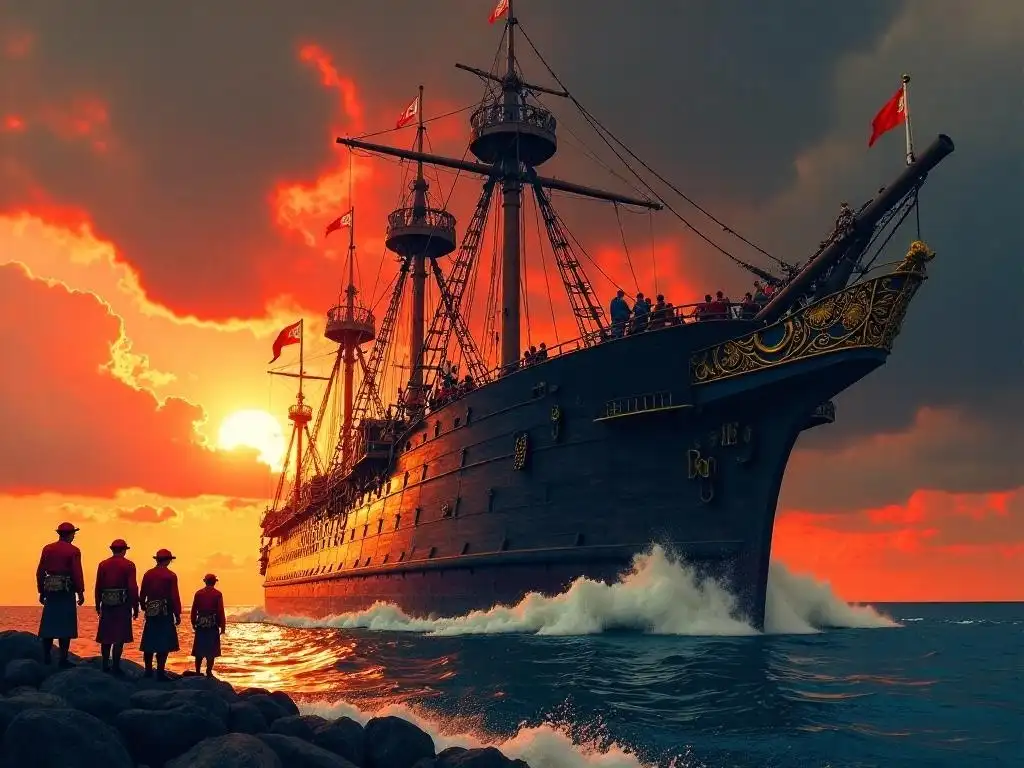
Naval warfare during the feudal era of Japan was not merely a series of battles fought on water; it held profound cultural significance for the samurai class. As the samurai transitioned from land-based warfare to naval engagements, their tactics and strategies evolved, reflecting their values and societal roles.
The sea represented both a physical and symbolic frontier for the samurai. It was a realm that required not just martial skill but also a deep understanding of navigation, weather patterns, and the psychology of warfare. This transition highlighted the adaptability of the samurai, who were traditionally known for their prowess on land. The ability to master naval tactics became a point of pride and a measure of their warrior spirit.
The samurai code, known as bushido, played a crucial role in shaping naval warfare tactics. At its core, bushido emphasized honor, loyalty, and courage, values that were critical in the face of the unpredictable nature of sea battles. The samurai were trained to view every engagement as a reflection of their character and duty.
Key Aspects of Bushido in Naval Warfare:
- Honor in Battle: Fighting at sea was often seen as a test of one’s honor. Engaging the enemy on the water required not only physical skill but also strategic acumen. Defeat could bring shame, so samurai sought to uphold their honor through decisive victories.
- Loyalty to the Lord: Naval engagements were often conducted in service of their daimyō (feudal lord). The samurai's loyalty motivated them to develop effective tactics that would ensure their lord’s dominance over rival clans.
- Courage in Adversity: The unpredictability of naval combat, including treacherous weather and enemy tactics, demanded immense bravery. Samurai were trained to confront these challenges head-on, often leading from the front during naval battles.
These values influenced their approach to naval warfare, fostering an environment where strategy was not just about winning but also about preserving the samurai ethos.
Naval warfare has been a recurrent theme in samurai literature and folklore, showcasing its importance in the cultural narrative of feudal Japan. Stories of naval battles are often infused with lessons on bravery, strategy, and the consequences of warfare.
Notable Works and Themes:
- The Tale of the Heike: This epic narrative recounts the Genpei War, highlighting significant naval battles between the Taira and Minamoto clans. The text emphasizes the heroism of samurai warriors and the tragic fate that often befell them, reflecting the tumultuous nature of naval engagements.
- Folklore Legends: Various legends speak of mythical sea creatures and divine interventions during battles, illustrating the blend of reality and spirituality in samurai naval warfare. These stories often served to instill a sense of respect for the sea and its dangers.
- Poetry and Songs: Samurai poets and bards often composed works that celebrated naval victories and lamented losses at sea. These compositions not only documented historical events but also served to inspire future generations of warriors.
Overall, the cultural significance of naval warfare for the samurai extends beyond military strategy. It encompasses a rich tapestry of values, beliefs, and artistic expressions that shaped the identity of the samurai class during Japan's feudal era. The exploration of these themes offers a deeper understanding of how the samurai adapted to and embraced the challenges posed by naval warfare.
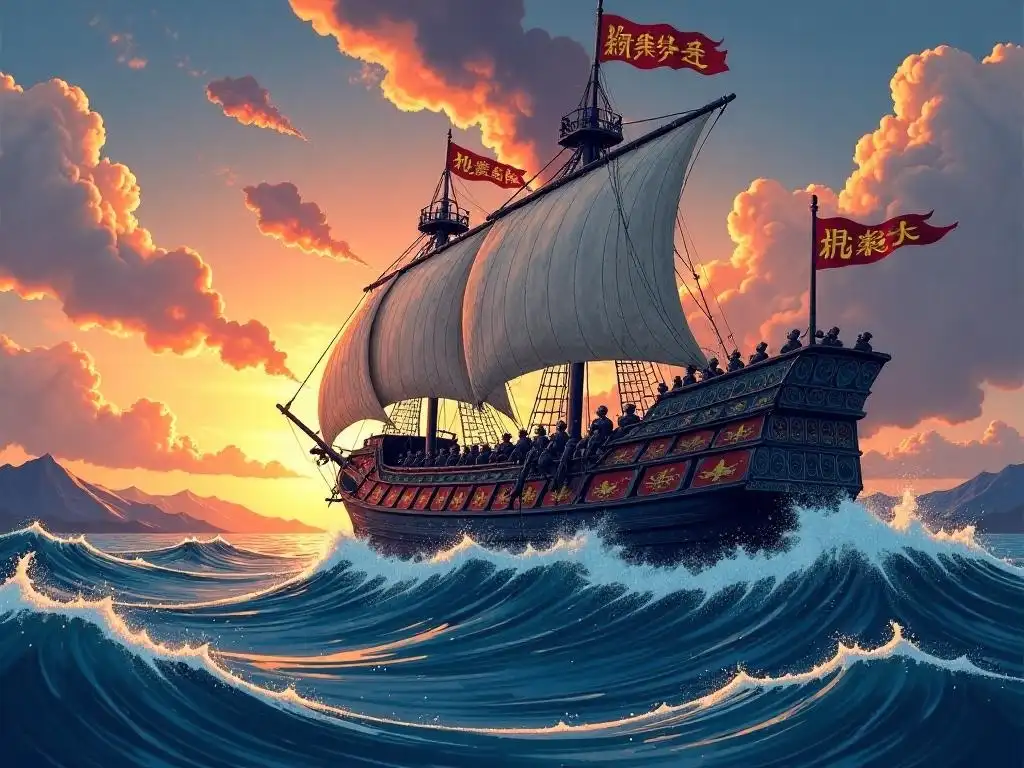
The evolution of Samurai naval warfare tactics is a fascinating aspect of Japan's military history that reflects the adaptive nature of the samurai in response to the changing dynamics of warfare. During the feudal era, the samurai, traditionally known for their prowess in land battles, gradually recognized the strategic importance of naval power. This evolution can be traced through various historical phases, each marked by significant developments in tactics, technology, and maritime organization.
Adaptation to Changing Warfare Technologies
As Japan transitioned from the Heian period (794-1185) to the Kamakura period (1185-1333), warfare technologies began to evolve. The introduction of new ship designs and weaponry significantly impacted samurai naval tactics.
- Ship Design: Early samurai ships were primarily small vessels, such as "sampan" and "waki-bune," which were suitable for coastal raids. However, as naval conflicts intensified, larger ships like the "atakebune" were developed. These vessels had greater carrying capacities and were equipped with multiple rows of oars, enabling faster maneuverability and better stability in combat.
- Weaponry: The samurai adapted their weaponry for naval engagements, incorporating fire arrows and cannon-like devices. The use of "teppo" (matchlock guns) on ships marked a significant transformation in naval tactics, allowing for ranged attacks against enemy vessels.
- Tactical Formations: The samurai began to employ tactical formations similar to land battles, utilizing "kōbō" (flanking maneuvers) and "kōdan" (phalanx formations) during naval skirmishes. This strategic adaptation allowed for coordinated attacks and improved combat effectiveness on the water.
- Naval Alliances: Recognizing the importance of collaboration, samurai clans often formed alliances to strengthen their naval capabilities. The Minamoto and Taira clans, for example, utilized joint naval fleets during pivotal conflicts such as the Genpei War (1180-1185) to gain supremacy over rival factions.
The Edo period (1603-1868) marked a significant decline in samurai naval power, influenced by various socio-political factors and shifts in military strategy.
- Isolationist Policies: Under the Tokugawa shogunate, Japan adopted a policy of sakoku, or isolation, which limited international trade and naval engagements. This isolation diminished the need for a powerful naval force and reduced the samurai's roles in maritime warfare.
- Shift in Military Focus: The emphasis on land warfare during the Edo period further contributed to the decline of samurai naval tactics. The shogunate prioritized the development of a strong army over naval forces, leading to a lack of investment in shipbuilding and naval technology.
- Emergence of New Forces: As the samurai class lost its maritime prominence, new naval forces emerged, including the daimyo's private fleets and the rising influence of the Dutch and Portuguese traders. These foreign powers introduced advanced naval technologies, further eroding the samurai's dominance at sea.
- Cultural Transformation: The Edo period heralded a cultural shift where the samurai increasingly engaged in peace-time activities, such as the arts and governance, rather than military endeavors. This cultural transformation contributed to the gradual obsolescence of traditional samurai naval warfare tactics.
While the samurai once held significant influence over naval warfare in Japan, a combination of technological advancements, socio-political changes, and cultural transformations ultimately led to their decline in naval power by the end of the Edo period. The legacy of samurai naval warfare tactics, however, remains a critical chapter in the broader narrative of Japan's military history.
The legacy of Samurai naval warfare tactics extends far beyond the confines of Japan's feudal era. The strategies employed by these formidable warriors during naval engagements not only shaped the course of Japanese maritime history but also laid the groundwork for various modern naval doctrines. The combination of unique tactics, weaponry, and cultural elements contributed to a distinctive approach to warfare at sea that is still studied and admired today.
The influence of Samurai naval warfare tactics can be seen in several aspects of contemporary naval strategies. Key elements include:
- Asymmetrical Warfare: Samurai tactics often involved leveraging speed and agility to outmaneuver larger vessels. This principle is echoed in modern asymmetrical warfare strategies, where smaller, agile ships are used to disrupt larger fleets.
- Integrated Command Structure: The hierarchical organization of Samurai fleets, with clear roles and responsibilities, mirrors modern naval command structures that emphasize coordination and communication in complex operations.
- Psychological Warfare: The use of intimidation, particularly through the display of naval prowess and the symbolic presence of Samurai, is a tactic that continues to resonate in modern naval engagements, where psychological operations play a key role.
- Innovative Weaponry: The adaptation of traditional weaponry, such as the katana and bow, for naval use informed future developments in naval arms. The evolution of weapon technology seen today can trace its roots back to these early innovations.
The synergy between these tactics and modern naval strategies illustrates the enduring relevance of Samurai practices in contemporary maritime operations. The lessons learned from their engagements can provide valuable insights for naval tacticians and military historians alike.
Reflections on the Samurai's Maritime Legacy
The Samurai's maritime legacy is not solely defined by their victories or defeats but also by the cultural and societal implications of their naval endeavors. Key reflections include:
- Cultural Exchange: The Samurai's interactions with foreign entities during maritime engagements fostered cultural exchanges that enriched Japanese society. These encounters introduced new ideas, technologies, and even foreign martial arts, influencing the evolution of Japanese culture.
- Symbolism of the Samurai: The portrayal of the Samurai as not only warriors but also as protectors of their homeland solidified their status within Japanese society. Their naval exploits contributed to the mythos surrounding the Samurai, reinforcing ideals of honor, bravery, and loyalty.
- Historical Narratives: The romanticized tales of Samurai naval battles have transcended historical accounts to become an integral part of Japan's national identity. Such narratives continue to inspire literature, film, and art, perpetuating the image of the Samurai as iconic figures in both Japanese and global culture.
The Samurai's naval warfare tactics and their broader implications reveal a complex legacy that continues to influence both military strategy and cultural identity. As we reflect on their maritime history, it is clear that the lessons learned from this era are invaluable in understanding the evolution of naval warfare and the enduring spirit of the Samurai.
Suggested Books and Articles
-
"Samurai and the Sea: A Historical Perspective"
This book offers a comprehensive analysis of the maritime strategies employed by the samurai, highlighting key battles and the evolution of naval warfare tactics throughout the feudal period in Japan. It includes detailed accounts of naval battles and the role of samurai leaders.
-
"The Art of War in Japan: Naval Strategies of the Samurai"
A thorough examination of how samurai warfare principles were applied at sea, this publication explores tactical formations, the use of ships, and the impact of naval encounters on Japan's political landscape.
-
"Feudal Japan: A History"
This text provides an overview of the feudal era in Japan, contextualizing naval warfare within the broader military strategies of the time. It also includes sections on technological advancements that influenced naval combat.
-
"Warriors of the Waves: The Samurai Navy"
A detailed exploration of the samurai's naval forces, this article dissects the types of vessels used and the tactics employed in various naval engagements, backed by historical records and expert commentary.
-
"Tactics on Water: The Samurai's Naval Engagements"
This scholarly article focuses on specific naval battles fought by samurai, analyzing their tactics, ship designs, and the outcomes of these battles in the context of Japan's feudal conflicts.
Online Resources for Further Exploration
-
National Museum of Japanese History
The museum's website provides access to numerous digital exhibitions and articles related to Japan's maritime history, including samurai naval tactics. Visitors can explore historical artifacts and documents that shed light on the samurai's naval endeavors.
-
Japan Society
This organization offers a wealth of online resources about Japanese culture and history, including articles and lectures focused on military history and naval warfare tactics of the samurai. Their database includes expert interviews and research papers.
-
The Samurai Archives
A well-curated online repository that hosts a variety of articles, essays, and forums discussing samurai culture, including specific sections on naval warfare. It serves as a great platform for discussions and insights from historians specializing in this field.
-
YouTube Channels (e.g., "History of Japan")
Several educational channels provide engaging content on the samurai period, including videos dedicated to naval warfare tactics. These videos often include animated reconstructions of battles, making the tactics more comprehensible.
-
Online Journals
Journals like the Journal of Japanese Studies and Asian Studies Review frequently publish articles on military history, including samurai naval warfare tactics. Search their archives for articles that delve into specific battles and strategic analyses.
By exploring these resources, readers can gain a deeper understanding of how samurai naval warfare tactics were developed and executed, enriching their knowledge of this fascinating aspect of Japan's feudal history.
Frequently Asked Questions
The Samurai utilized tactics such as boarding enemy ships, archery, and flanking maneuvers to gain the upper hand in naval battles.
The coastal geography of Japan, with its numerous islands and bays, shaped the tactics that Samurai employed, allowing for hit-and-run attacks and ambushes.
Ship design was crucial, with Samurai favoring fast, agile vessels that allowed for quick maneuvers and effective boarding strategies during combat.
The Bushido code emphasized honor and loyalty, which influenced Samurai to engage in naval battles with a sense of duty and a commitment to their lords.
Notable battles like the Battle of Dan-no-ura showcased the effectiveness of Samurai naval tactics, highlighting their ability to adapt and innovate in maritime warfare.
The strategies and philosophies of Samurai naval warfare tactics remain profoundly relevant today, as they offer timeless lessons in discipline, adaptability, and strategic foresight. In an era where modern conflicts are increasingly complex and multifaceted, the principles that guided the Samurai in their maritime endeavors continue to resonate. Their ability to blend tradition with innovation serves as a powerful reminder of how historical practices can inform contemporary strategies in both military and civilian contexts.
The impact of Samurai naval warfare tactics extends far beyond the battlefield; it has woven itself into the fabric of cultural identity and national pride. The stories of these warriors inspire not only military leaders but also individuals seeking to navigate their own challenges with courage and honor.
As noted by historian John W. Dower, “The Samurai spirit is not just about the sword; it’s about the heart and mind that wield it.” This observation underscores the profound influence that these tactics have had on shaping values and ethics in society, encouraging a sense of resilience and strategic thinking that is essential in today’s world.
As we reflect on the lessons drawn from the Samurai's mastery of naval warfare, I invite you to consider how these principles can be applied in your own life. Embrace the spirit of adaptability and strategic planning in your personal and professional endeavors. Whether you are facing challenges at work, navigating relationships, or pursuing your passions, let the wisdom of the Samurai guide you.
Take a moment to reflect on your own journey and ask yourself: How can I embody the tenacity and strategic insight of the Samurai in my daily life? The answers may lead you to new horizons and uncharted waters.
Thank you for diving into the fascinating world of Samurai naval tactics and their mastery of the seas! You’ve gained valuable insights into how these legendary warriors shaped maritime history. Now it’s time to take that knowledge further and engage with this intriguing topic.
Here’s how you can continue your journey:
- Explore a related theme: Read more about the land-based warfare strategies of the Samurai, and discover how their skills translated from the battlefield to the sea.
- Share your newfound knowledge: Discuss this article with friends or family—what are your thoughts on how these tactics can be applied in modern contexts?
- Join the conversation: Visit our forum for in-depth discussions on historical naval battles and the lessons we can learn from them today.
What aspect of Samurai naval tactics resonates with you the most, and how do you think their strategies could inspire contemporary approaches to conflict?