
Siege Warfare in Samurai Japan: Strategies and Innovations

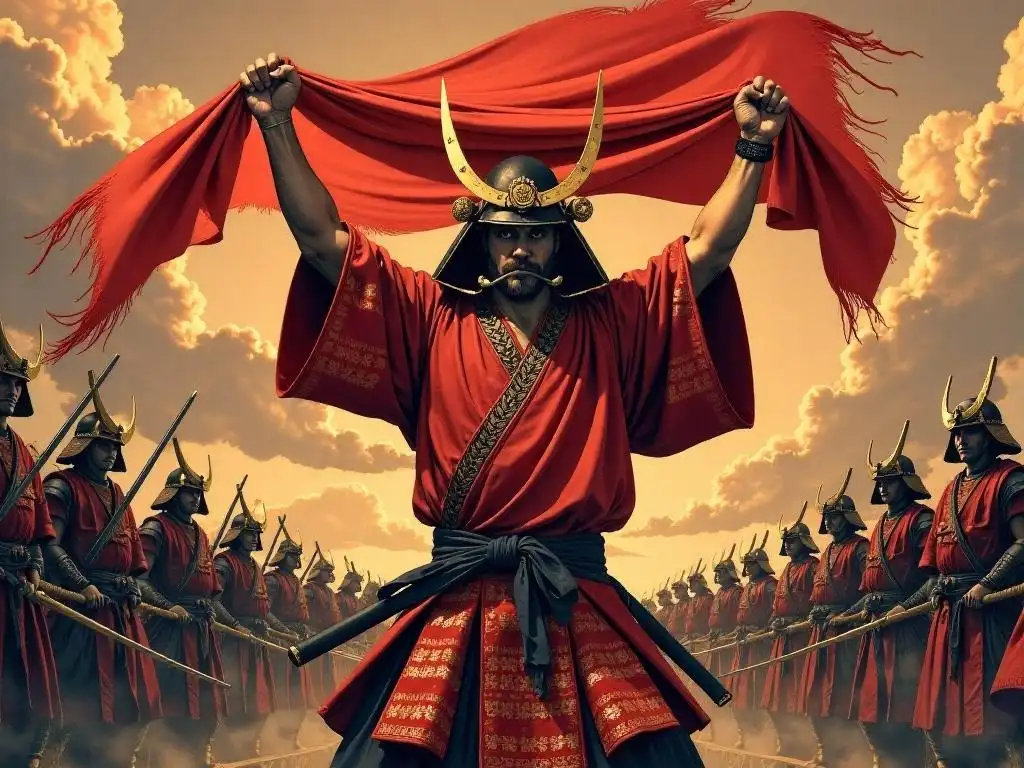
Welcome to Feudal Japan History, where the echoes of the past come alive through our in-depth exploration of one of history's most fascinating eras. Here, we invite you to delve into the world of Samurai siege warfare strategies, a pivotal aspect of military history that shaped the battles and fortifications of feudal Japan. Discover the ingenious tactics and innovative approaches that defined these fierce warriors as they faced the relentless challenges of siege warfare.
As you journey through our expertly crafted articles, prepare to unveil the secrets of a time when honor and strategy intertwined in the most captivating ways. Your adventure into the heart of feudal Japan begins now—read on to uncover the strategies that turned the tide of war!
- Introduction to Samurai Siege Warfare Strategies
- Key Characteristics of Samurai Siege Warfare
- Innovations in Samurai Siege Warfare
- Famous Sieges in Samurai History
- Analysis of Samurai Siege Warfare Strategies
- Conclusion on the Legacy of Samurai Siege Warfare
- Frequently Asked Questions
- Final Reflection: The Enduring Legacy of Samurai Siege Warfare Strategies
- Unleash Your Inner Strategist: Engage with Samurai Siege Tactics!
Introduction to Samurai Siege Warfare Strategies
The feudal era of Japan, marked by its distinct samurai culture, was not only characterized by individual duels and battlefield confrontations but also by the complex and strategic nature of siege warfare. This article delves into Samurai siege warfare strategies, exploring how these elite warriors adapted their tactics to lay siege to enemy fortifications and defend their own. Understanding the intricacies of siege warfare provides insight into the broader military strategies employed during this period, highlighting the innovations and methodologies that evolved as a response to the challenges of warfare in a land of islands and mountainous terrain.
In this comprehensive exploration, we will examine the various strategies employed by samurai during sieges, the significance of these tactics in the context of their overall military campaigns, and the historical backdrop that shaped their approach to warfare.
Overview of Siege Warfare in Feudal Japan
Siege warfare in feudal Japan was a multifaceted endeavor that involved both psychological and physical elements. Unlike open-field battles, sieges required a different set of strategies and technologies. Key aspects of siege warfare included:
- Fortifications: Castles and walled cities were designed to withstand prolonged attacks. The construction of these structures, with thick walls and strategic layouts, played a crucial role in defense.
- Siege Engines: The samurai employed various siege engines, such as tortoises (mobile shields) and catapults, to breach enemy defenses. These innovations were crucial for overcoming fortified positions.
- Psychological Warfare: The samurai also engaged in psychological tactics, including intimidation and misinformation, to weaken the resolve of the defenders.
The combination of these elements defined the nature of sieges and shaped the outcomes of many conflicts during this turbulent period.
Importance of Siege Warfare in Samurai Tactics
Siege warfare was integral to the broader tactics employed by samurai leaders. The ability to conduct successful sieges could determine the rise and fall of clans and their territories. Here are some reasons why siege warfare held such importance:
- Territorial Expansion: Successful sieges allowed clans to expand their territories, gaining strategic advantages over rivals.
- Resource Control: Capturing fortified locations often meant gaining control over vital resources, including food, weapons, and trade routes.
- Political Power: The ability to lay siege effectively enhanced a samurai leader's reputation and political standing, influencing alliances and rivalries.
Siege warfare was not merely a military tactic; it was a critical component of the samurai's strategic framework that influenced the political landscape of feudal Japan.
Historical Context of Samurai Warfare
To fully appreciate the evolution of siege warfare strategies among the samurai, it is essential to understand the historical context in which these warriors operated. The period known as the Sengoku Jidai, or the Warring States period (approximately 1467 to 1603), was marked by constant conflict among rival clans. During this era, the following factors contributed to the development of siege warfare:
- Political Fragmentation: With Japan divided into numerous domains, clans constantly vied for power, leading to frequent sieges as a means of asserting dominance.
- Technological Advancements: The introduction of firearms in the late 16th century revolutionized siege tactics, prompting adaptations in both offense and defense.
- Cultural Significance: The samurai code of honor, known as Bushido, influenced their approach to warfare, emphasizing valor, loyalty, and strategic cunning in both open battles and sieges.
This historical backdrop not only shaped the samurai's approach to siege warfare but also laid the foundation for the strategies and innovations that would define their military legacy.
Key Characteristics of Samurai Siege Warfare
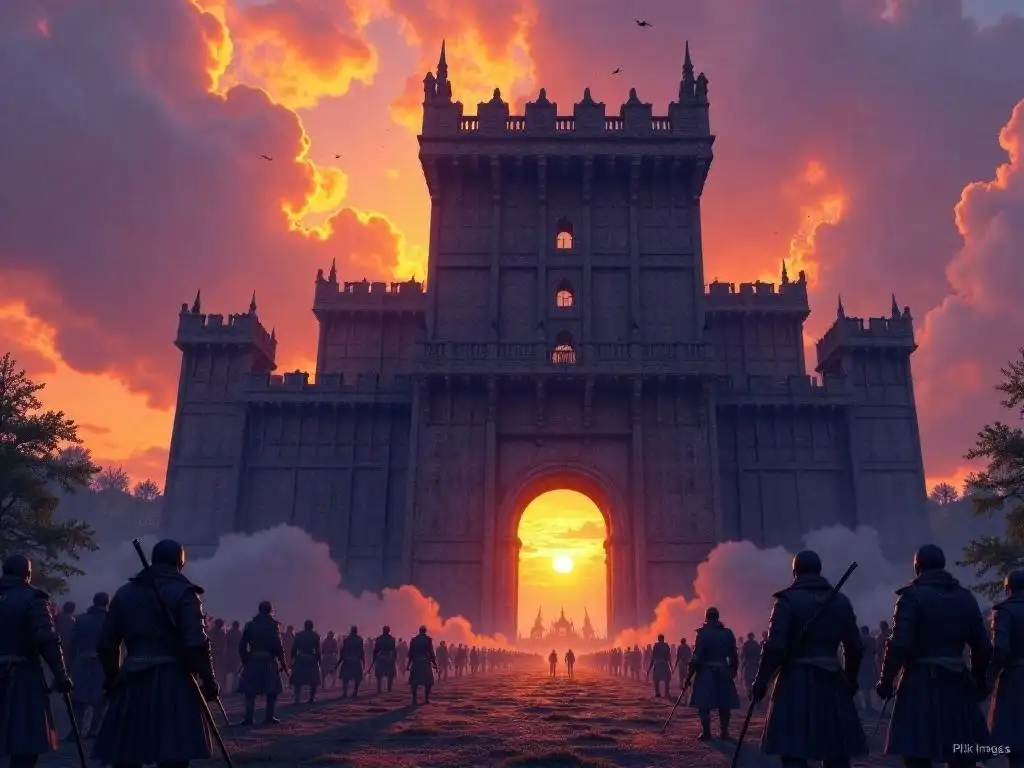
Samurai siege warfare strategies were marked by a unique blend of tactical ingenuity and adherence to bushido, the way of the warrior. This era saw the rise of fortified castles and the implementation of various offensive and defensive maneuvers that defined Japan's military landscape from the late 12th century until the early 17th century. Understanding the characteristics of these strategies reveals how samurai adapted to the challenges of siege warfare, influencing both military outcomes and the social structure of feudal Japan.
Defensive Structures Used by Samurai
The defensive capabilities of samurai during sieges were heavily reliant on the design and construction of fortifications. Key features of these defensive structures included:
- Castle Design: Castles in feudal Japan were built with multiple layers of defenses, including moats, stone walls, and strategically placed towers. For example, the famous Himeji Castle exemplifies the classic Japanese castle architecture with its complex layout, which made it challenging for besieging forces to penetrate.
- Earthworks: Earthworks, or earthen ramparts, were used to create elevated positions that provided defenders with a vantage point over attackers. These structures could be quickly constructed and were often reinforced with wooden palisades.
- Gates and Entry Points: Samurai strategically fortified gates with heavy wooden doors and intricate locking mechanisms. These entry points were often the focus of assaults during sieges, necessitating robust defensive measures to protect against battering rams and other siege engines.
- Natural Terrain: Defenders often selected locations that utilized the natural landscape, such as hills or rivers, to enhance their fortifications. This advantage made it difficult for besieging armies to launch effective assaults without suffering significant casualties.
Offensive Strategies Employed in Siege Warfare
Samurai siege warfare strategies were not solely defensive; they also included several offensive tactics aimed at breaking enemy lines and capturing fortified positions:
- Psychological Warfare: The use of psychological tactics, including intimidation and misinformation, played a significant role in siege warfare. Samurai would often employ deceptive tactics, such as feigned retreats, to lure opponents into ambushes.
- Siege Engines: The introduction of siege engines like the tsukubō (a type of catapult) and the battering ram allowed samurai to apply direct pressure on fortifications. These innovations were critical in overcoming stone walls and gates.
- Night Raids: Stealthy night raids were a common tactic employed by samurai to exploit weaknesses in enemy defenses. These surprise attacks aimed to create confusion and chaos within the besieged fortress, often leading to breaches in defenses.
- Use of Archers and Firearms: Samurai utilized skilled archers positioned on elevated platforms to rain arrows onto besieged defense, targeting both soldiers and resources within the castle. The later introduction of firearms further changed the dynamics, allowing for ranged attacks that could penetrate traditional defenses.
Role of Fortifications in Samurai Siege Tactics
Fortifications played a pivotal role in shaping the effectiveness of samurai siege warfare strategies. The presence and design of fortifications directly influenced the tactics employed by both besiegers and defenders:
- Strategic Importance: Fortifications not only served as military bases but also as symbols of power and control. A well-fortified castle could deter potential sieges and project strength, while a weakly defended position could invite attacks and result in swift downfall.
- Supply Lines and Resources: The location of fortifications often dictated supply lines for both the besieging and defending forces. Control over these resources was crucial; for instance, besieged samurai often relied on stored provisions, while attackers sought to cut off these supplies to force a surrender.
- Adaptation to Technology: As military technology evolved, so did the design of fortifications. Samurai were quick to adapt their strategies to incorporate advancements, such as thicker walls to withstand cannon fire or designs that minimized dead space where attackers could easily take cover.
- Cultural Significance: Beyond their military function, fortifications were also culturally significant. They represented the feudal hierarchy and the power dynamics of the time. The construction and maintenance of these structures often involved local populations, further intertwining military strategy with societal structure.
The examination of samurai siege warfare strategies reveals a complex interplay of defense, offense, and fortification. The innovations and tactics developed during this era not only shaped military outcomes but also had lasting impacts on the sociopolitical landscape of feudal Japan. Understanding these characteristics provides insight into the broader narrative of Japan's military history.
Innovations in Samurai Siege Warfare
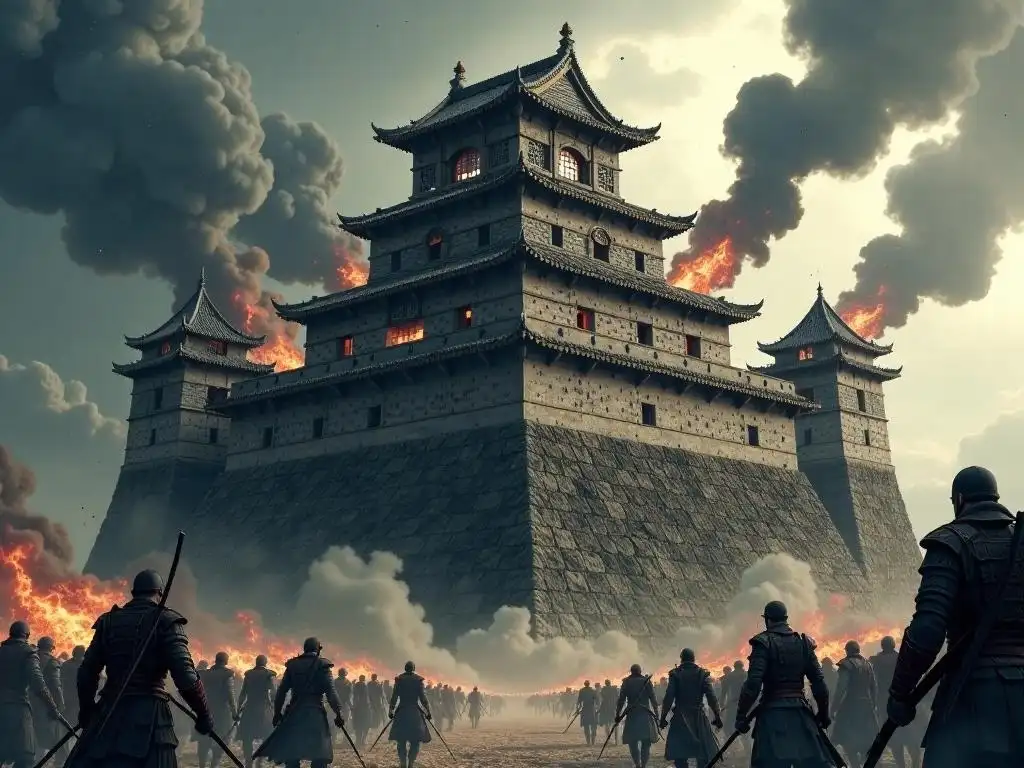
The innovation of siege warfare strategies during Japan's feudal era marked a significant evolution in military tactics, particularly within the samurai class. These innovations were driven by a combination of technological advancements, strategic adaptations to the terrain, and the development of psychological tactics designed to undermine the morale of the enemy. Each of these elements contributed to a more sophisticated approach to siege warfare, allowing samurai commanders to effectively besiege fortified positions and achieve their military objectives.
Technological Advancements in Siege Weaponry
The advancement of siege weaponry played a crucial role in shaping samurai siege warfare strategies. During the feudal period, the introduction and refinement of various siege engines allowed samurai forces to effectively breach the defenses of enemy castles and fortifications. Some notable developments include:
- Bamboo and Wooden Catapults: Known as "kōkō", these devices were crafted from bamboo and wood, providing a lightweight yet effective means of launching projectiles over castle walls.
- Stone Throwers: Larger versions of catapults, these siege engines hurled heavy stones or incendiary materials, causing significant damage to fortifications and instilling fear among defenders.
- Siege Towers: Constructed to provide a mobile platform for troops to scale walls, siege towers allowed samurai to engage enemies from elevated positions, thus increasing their chances of breaching defenses.
These technological advancements were not only pivotal in enhancing the offensive capabilities of samurai forces but also promoted further innovation in defensive strategies by castle builders, leading to the construction of more robust fortifications.
Strategic Use of Terrain in Sieges
The strategic use of terrain in siege warfare was a hallmark of samurai military tactics. Commanders meticulously analyzed the battlefield to leverage natural features that could provide tactical advantages. Key considerations included:
- Natural Barriers: Rivers, mountains, and forests were utilized to restrict enemy movements and supply lines, making it difficult for defenders to receive reinforcements or escape.
- High Ground: Seizing elevated terrain allowed samurai forces to launch effective assaults while minimizing their exposure to enemy fire. This advantage was particularly crucial during long sieges, where morale and resources could dwindle.
- Concealment and Ambush: Utilizing dense foliage or hidden paths, samurai could approach enemy fortifications undetected, setting the stage for surprise attacks or feigned retreats designed to lure defenders into traps.
By incorporating these tactical considerations into their siege strategies, samurai commanders could maximize their effectiveness while minimizing casualties.
Development of Psychological Warfare Techniques
Psychological warfare emerged as a vital component of samurai siege strategies, aimed at demoralizing defenders and compelling them to surrender without direct confrontation. Techniques included:
- Misinformation Campaigns: Samurai often spread false rumors about the strength and numbers of their forces, creating an impression of overwhelming might that could intimidate defenders.
- Display of Power: The strategic use of banners, flags, and the loud sounds of war drums served to instill fear and uncertainty among the enemy. The visual spectacle of a large, well-organized army could dissuade defenders from resisting.
- Night Raids and Psychological Operations: Conducting surprise attacks during the night or at odd hours disrupted the sleep and morale of defenders, leading to paranoia and decreased readiness.
These psychological tactics not only complemented physical assaults but also emphasized the samurai's understanding of warfare as a multifaceted discipline, where victory could be achieved through both force and cunning.
The innovations in samurai siege warfare strategies reflect a comprehensive understanding of military tactics that integrated technology, terrain analysis, and psychological manipulation. These elements not only shaped the outcomes of individual sieges but also contributed to the broader military legacy of the samurai during Japan’s feudal era.
Famous Sieges in Samurai History

The Siege of Takamatsu Castle
The Siege of Takamatsu Castle, which occurred from 1582 to 1583, exemplifies the intricate strategies employed by samurai during the feudal era. This siege was initiated by the forces of Toyotomi Hideyoshi against the stronghold of the Takeda clan, led by the resolute commander, Takamatsu Yoshihiro.
The castle's unique geographical position, surrounded by water on three sides, provided a significant advantage in defense. However, the siege showcased Hideyoshi's ingenuity in siege warfare strategies, particularly through the use of kido, or siege tunnels. These underground passages allowed his troops to bypass the castle's defenses and launch surprise attacks from within.
During the siege, Hideyoshi employed various tactics:
- Blockade: Cut off supplies and reinforcements to weaken the defenders.
- Psychological Warfare: Utilized loud noises and feigned attacks to instill fear and confusion among the defenders.
- Culminating Assault: After months of attrition, Hideyoshi launched a full-scale assault that ultimately led to the castle's surrender.
The fall of Takamatsu Castle was significant, as it demonstrated the effectiveness of coordinated siege tactics and marked a pivotal moment in Hideyoshi's rise to power.
The Siege of Osaka Castle
The Siege of Osaka Castle (1614-1615) stands as one of the most notable examples of samurai siege warfare strategies in Japanese history. This conflict involved the Tokugawa shogunate's forces besieging the castle held by Toyotomi Hideyori, the son of the late Toyotomi Hideyoshi. The siege unfolded in two main campaigns, with the first being a failed attempt at capturing the castle.
In the second campaign, the Tokugawa army, led by Ieyasu Tokugawa, implemented several strategies that showcased their military might:
- Massive Troop Deployment: The Tokugawa shogunate amassed a large army, estimated to number around 200,000 soldiers, to overwhelm the defenses.
- Siege Artillery: They utilized cannon fire to breach the castle walls, a relatively new innovation in samurai warfare.
- Cutting Supply Lines: The besieging forces effectively isolated the castle, severing supply routes and diminishing morale among the defenders.
The final assault in 1615 led to the castle's destruction and the death of Hideyori, effectively ending the Toyotomi lineage and solidifying Tokugawa power for generations.
The Siege of Fushimi Castle
The Siege of Fushimi Castle, occurring in 1600, was a critical event during the turbulent period leading up to the Battle of Sekigahara. Fushimi Castle, originally built by Toyotomi Hideyoshi, was under the control of the pro-Toyotomi forces when Tokugawa Ieyasu sought to secure the region for himself.
Key strategies employed during this siege included:
- Speed and Surprise: Tokugawa forces launched a rapid assault, catching the defenders off guard.
- Utilization of Terrain: The Tokugawa army capitalized on the surrounding landscape to position their forces advantageously.
- Divide and Conquer: By engaging various factions within the castle's defenders, Tokugawa was able to create confusion and dissent.
Despite a valiant defense, Fushimi Castle ultimately fell to Tokugawa forces, leading to significant shifts in power dynamics in Japan. The siege not only demonstrated the effectiveness of rapid military tactics but also foreshadowed the larger conflict at Sekigahara, where the fate of Japan would be further determined.
Analysis of Samurai Siege Warfare Strategies
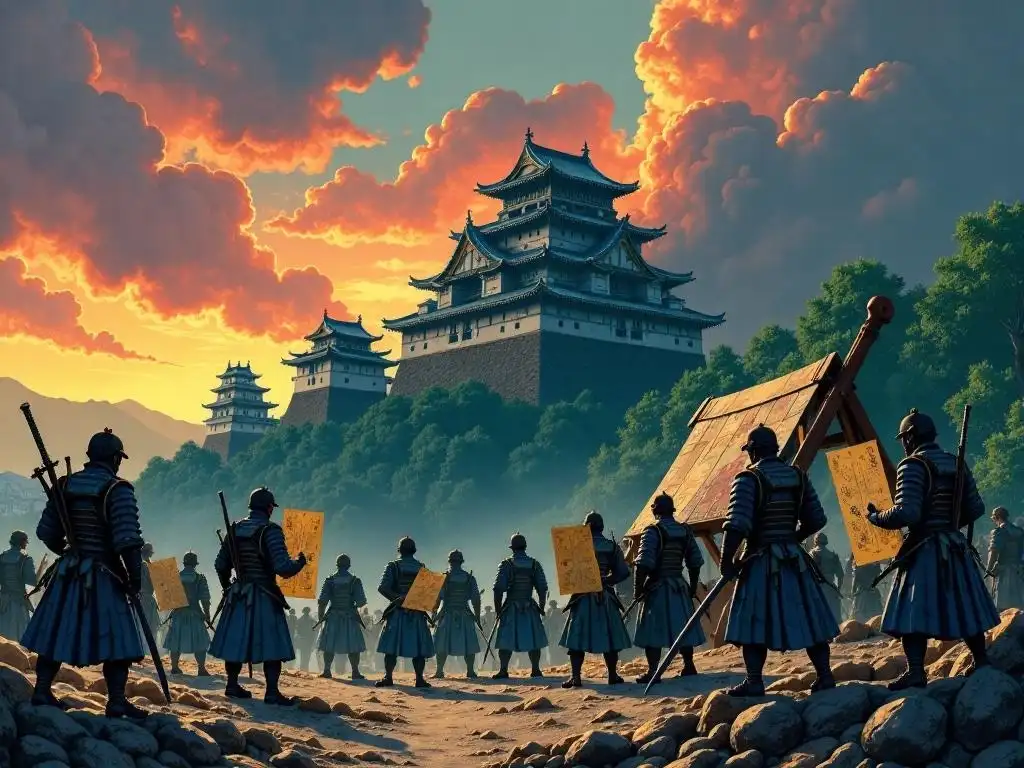
The analysis of Samurai siege warfare strategies reveals a complex interplay between military tactics, cultural values, and technological advancements that defined Japan's feudal era. Samurai siege warfare was not merely an application of brute force; it involved meticulous planning, psychological warfare, and the use of innovative strategies that distinguished it from contemporary Western practices.
Comparative Study of Samurai and Western Siege Tactics
The siege tactics employed by Samurai warriors can be contrasted with those of their Western counterparts, showcasing distinct methodologies and philosophies.
- Philosophical Differences:
- Honor and Ritual: Samurai warfare was heavily influenced by the Bushido code, emphasizing honor, loyalty, and ritual. This often dictated the approach to sieges, favoring direct confrontations over prolonged blockades.
- Objective and Strategy: While Western siege tactics often aimed for attrition through starvation and exhaustion, Samurai strategies focused on quick, decisive engagements. This was partly due to the cultural value placed on personal combat and honor.
- Tactical Innovations:
- Use of Fortifications: Samurai utilized intricate fortifications (e.g., yagura towers and tenshu castles) that provided defensive advantages and facilitated counter-siege operations. This is comparable to Western castles, but Samurai fortifications often incorporated unique designs to suit Japan’s terrain.
- Psychological Warfare: Samurai commanders employed tactics designed to demoralize enemies, such as the use of naginata and katana displays, as well as nighttime raids to instill fear. In contrast, Western sieges often relied on heavy artillery bombardments.
- Technology and Adaptation:
- Gunpowder and Firearms: The introduction of firearms in the late 16th century transformed siege warfare in Japan. The Samurai adapted strategies to incorporate gunpowder in their tactics, using it for both offense and defense, mirroring developments in Western military technology.
Effectiveness of Samurai Siege Strategies
The effectiveness of Samurai siege strategies can be assessed through several key factors that contributed to their success or failure during various conflicts:
- Speed and Mobility: Samurai siege operations often emphasized rapid movement and adaptability. The ability to quickly mobilize forces and adapt to changing circumstances on the battlefield was crucial, especially in a landscape characterized by mountainous terrain and dense forests.
- Cooperation with Local Populations: Samurai commanders frequently sought alliances with local populations, leveraging their knowledge of the terrain and resources. This collaboration not only provided logistical support but also increased the psychological impact of the siege on the defenders.
- Siege Equipment and Innovations: The use of various siege engines, such as kibune (floating siege towers) and bōkai (mobile wooden towers), exemplified the innovative spirit of Samurai warfare. These technologies allowed for effective assaults on fortified positions while minimizing casualties.
- Historical Examples: The successful sieges of Kamakura (1333) and Osaka (1614) illustrate the application of these strategies. The Siege of Osaka, in particular, showcased the culmination of Samurai siege innovations, where both traditional tactics and gunpowder technology were employed effectively.
Long-term Impact of Siege Warfare on Samurai Society
The evolution of siege warfare had profound implications for Samurai society, shaping its military, political, and cultural landscape:
- Shift in Power Dynamics: Successful sieges often led to the consolidation of power among prominent Daimyo (feudal lords). The outcomes of these sieges could significantly alter territorial control and influence, leading to the rise and fall of various clans.
- Cultural Representation: The portrayal of sieges in literature and art became a significant part of Samurai culture. Epic tales of bravery during sieges contributed to the mythos of the Samurai, reinforcing their status within society and influencing future generations.
- Military Reforms and Training: The lessons learned from siege warfare prompted reforms in military training and organization. Samurai began to incorporate siege tactics into their overall strategy, leading to a more sophisticated understanding of warfare that included both offensive and defensive capabilities.
- Legacy of Innovation: The technological advancements developed during the sieges laid the groundwork for future military innovations in Japan. The adaptability of Samurai strategies demonstrated the importance of continuous evolution in response to changing warfare dynamics.
The analysis of Samurai siege warfare strategies reveals a rich tapestry of military ingenuity, cultural values, and historical significance that shaped not only the course of battles but also the very fabric of Japanese society during the feudal era.
Conclusion on the Legacy of Samurai Siege Warfare
Summary of Key Strategies and Innovations
The legacy of samurai siege warfare is characterized by a rich tapestry of strategies and innovations that not only reflect the martial prowess of the samurai but also their adaptability to changing circumstances. Key strategies included:
- Use of Fortifications: The samurai utilized fortified castles as strongholds, employing both natural terrain and man-made defenses. These fortifications were often strategically located to control vital routes and resources. For example, the Himeji Castle showcases advanced defensive architecture, including multiple layers of walls and a complex layout to confuse attackers.
- Psychological Warfare: Samurai leaders understood the importance of morale in warfare. They often employed tactics such as deceptive maneuvers and surprise attacks to instill fear in their enemies. The infamous Night Raids highlighted this approach, where stealth and timing were crucial for success.
- Siege Engines and Technology: The introduction of siege engines, such as catapults and battering rams, marked a significant evolution in siege tactics. These tools allowed samurai to breach enemy fortifications more effectively, transforming the dynamics of siege warfare. Innovations in artillery, like the Tanegashima, further enhanced their capabilities in long-range confrontations.
- Coalition Strategies: During major conflicts, such as the Sengoku period, samurai clans often formed alliances to strengthen their siege efforts. This collaborative approach allowed for the pooling of resources and manpower, increasing the chance of success. Notable sieges, such as the Siege of Osaka, exemplified the effectiveness of coalition strategies in achieving military objectives.
The Enduring Influence of Samurai Siege Warfare in Modern Military History
The principles and strategies developed during the samurai era have left an indelible mark on modern military tactics. The emphasis on fortifications, psychological warfare, and the integration of technology in siege operations continues to resonate in contemporary military doctrines.
- Modern Fortifications: The concept of fortified positions remains relevant, with military installations today reflecting the need for strong defensive structures, akin to those built by samurai. This includes the use of bunkers and fortified bases in conflict zones.
- Psychological Operations (PSYOPS): The psychological elements of siege warfare, such as intimidation and misinformation, have evolved into modern psychological operations. Military strategies today often include tactics designed to undermine enemy morale, similar to the approaches used by samurai.
- Technological Advancements: The innovations in siege technology during the samurai period paved the way for modern artillery and siege equipment. Today's military forces employ advanced weaponry and technology that can trace their conceptual roots back to the innovations of samurai siege warfare.
The study of samurai siege warfare strategies provides invaluable insights into the evolution of military tactics. Their legacy not only enriches our understanding of feudal Japan but also serves as a foundation for contemporary military practices around the world.
Frequently Asked Questions
What were the main strategies used in samurai siege warfare?
Samurai utilized a combination of defensive and offensive tactics, including flooding, fire attacks, and psychological warfare to weaken enemy morale during sieges.
How did technology influence siege warfare in feudal Japan?
The introduction of gunpowder weapons and cannonry transformed traditional siege strategies, allowing for more effective breaching of castle walls and altering the dynamics of warfare.
What role did castles play in samurai siege warfare?
Castles served as both defensive strongholds and administrative centers, with their designs specifically aimed at withstanding sieges and protecting lords and their retainers.
Were there any notable sieges in samurai history?
Yes, notable sieges include the Siege of Osaka (1614-1615), which showcased advanced tactics and the determination of samurai, ultimately leading to the Tokugawa shogunate's consolidation of power.
How did samurai leadership affect siege outcomes?
Effective leadership was crucial; skilled daimyos could inspire loyalty and strategic planning, often determining the success or failure of a siege through their decisions and tactics.
Final Reflection: The Enduring Legacy of Samurai Siege Warfare Strategies
The intricate strategies and innovations of samurai siege warfare are not merely relics of the past; they resonate profoundly in today's world of military tactics and strategic thinking. As we explore the complexities of these historical practices, we uncover timeless lessons in adaptability, resilience, and the importance of understanding one’s environment. The ingenuity displayed by samurai commanders during sieges serves as a striking reminder of how creativity and strategic foresight can turn the tide of conflict.
Culture and society are continually shaped by the lessons of history, and the legacy of samurai siege warfare is no exception. The principles of siege tactics, such as the use of terrain and psychological warfare, have influenced modern military strategies and continue to inspire leaders across various fields. As Sun Tzu wisely stated, In the midst of chaos, there is also opportunity.
This quote encapsulates the essence of the samurai approach, highlighting how challenges can be transformed into advantages through careful planning and execution.
As we reflect on the significance of samurai siege warfare strategies, I invite you to consider how these historical insights can be applied to your own life. Embrace the lessons of adaptability and strategic thinking in your daily challenges, whether in personal endeavors or professional pursuits. By learning from the past, we can navigate the complexities of the present and forge a path toward a more resilient future. Let the spirit of the samurai inspire you to confront obstacles with creativity and courage, transforming your own sieges into opportunities for growth and success.
Unleash Your Inner Strategist: Engage with Samurai Siege Tactics!
Thank you for exploring the captivating world of siege warfare in Samurai Japan! We hope you gained valuable insights into the innovative strategies and tactics that shaped battles during this historical era. Now, let's turn that knowledge into action!
- Explore further by delving into specific samurai battles and their unique siege strategies. Discover how these ancient tactics can inspire modern problem-solving!
- Join the conversation by sharing your thoughts and insights in the comments below. Which strategies do you believe would be effective in today's world?
- Consider teaching the next generation! Create an engaging project about samurai warfare and share it with friends or your local community to spark interest in this rich history.
What aspect of samurai siege warfare captivates you the most, and how do you think these ancient strategies could apply to contemporary conflicts?