
Weapons of the Samurai: A Deep Dive into Blades and Their Craftsmanship

Welcome to Feudal Japan History, where we invite you to journey through the captivating epochs of Japan's feudal era. Unravel the intricate tapestry of historical, cultural, and societal elements that shaped a nation. This week, we delve into the fascinating realm of samurai weapons craftsmanship history. Discover how the artistry and precision behind these legendary blades not only defined the samurai's prowess in battle but also reflected the soul of an entire culture. Are you ready to explore the secrets behind the steel? Read on to unlock the legacy of the samurai and their extraordinary weapons!
- Introduction to Samurai Weapons Craftsmanship History
- The Evolution of Samurai Weapons
- Key Types of Samurai Weapons
- The Craftsmanship of Samurai Blades
- The Cultural Significance of Samurai Weapons
- Preservation and Legacy of Samurai Weapons Craftsmanship
- Conclusion: The Lasting Impact of Samurai Weapons Craftsmanship History
-
Frequently Asked Questions
- What are the main types of samurai weapons discussed in the article?
- How did the craftsmanship of samurai weapons evolve over time?
- What role did the samurai class play in the development of weaponry?
- What materials were commonly used in samurai weapon crafting?
- Why is the history of samurai weapons craftsmanship significant today?
- Final Reflection: The Enduring Legacy of Samurai Weapons Craftsmanship
- Unveil the Legacy of Samurai Craftsmanship!
Introduction to Samurai Weapons Craftsmanship History
The samurai, Japan's iconic warrior class, are renowned not only for their martial prowess but also for the exquisite craftsmanship of their weapons. In this article, we will delve into the intricate world of samurai weapons craftsmanship history, exploring the rich traditions and techniques that shaped these legendary blades. From the forging processes to the cultural significance behind each weapon, we will uncover the artistry and skill involved in creating tools that were not merely instruments of war but also symbols of honor, status, and identity within samurai society.
As we navigate through this exploration, we will highlight the pivotal role that these weapons played in the samurai's life, reflecting the broader cultural and societal values of feudal Japan. Join us on this journey as we dissect the craftsmanship behind these formidable weapons, revealing how their design and construction speak volumes about the era's history and the warriors who wielded them.
Overview of Samurai Culture and Warfare
The samurai emerged during the late Heian period (794-1185) as a distinct class of military nobility, serving powerful lords known as daimyōs. Their culture was steeped in a code of ethics called Bushidō, which emphasized loyalty, honor, and discipline. This code not only guided their actions on the battlefield but also dictated their conduct in everyday life, fostering a deep-seated respect for their weapons.
Key Aspects of Samurai Culture
- Bushidō: The way of the warrior, outlining values such as loyalty, honor, and self-discipline.
- Zen Influence: Many samurai practiced Zen Buddhism, which shaped their mindset and approach to combat.
- Artistic Pursuits: Samurai were often well-versed in the arts, including poetry, calligraphy, and tea ceremonies, reflecting their multifaceted identities.
In warfare, the samurai utilized various tactics and strategies, often engaging in battles that required both individual skill and collective coordination. The weapons they wielded were not just tools of destruction; they were extensions of their very being, crafted to reflect their personal and familial identities.
Importance of Weapons in Samurai Society
Weapons held a profound significance in samurai society, serving as both practical tools for combat and symbolic artifacts representing status and identity. The most notable weapon, the katana, is celebrated not only for its effectiveness in battle but also for its aesthetic beauty and the meticulous craftsmanship involved in its creation.
Symbolism of Samurai Weapons
- Identity and Status: A samurai's weapons were a reflection of their rank and lineage. Higher-ranking samurai often possessed ornate weapons that showcased their wealth and skill.
- Ceremonial Significance: Weapons were often involved in various rituals, including the katana-sumi ceremony, where a new blade was blessed for use in battle.
- Cultural Heritage: The craftsmanship of samurai weapons is an art form that has been passed down through generations, embodying the skills and traditions of master smiths.
The craftsmanship of samurai weapons is intricately tied to the broader historical and cultural tapestry of feudal Japan. Understanding the significance of these weapons offers valuable insights into the samurai's way of life, their values, and the enduring legacy of their craftsmanship. As we continue this exploration, we will uncover the specific techniques and artistry that defined the making of these legendary blades.
The Evolution of Samurai Weapons
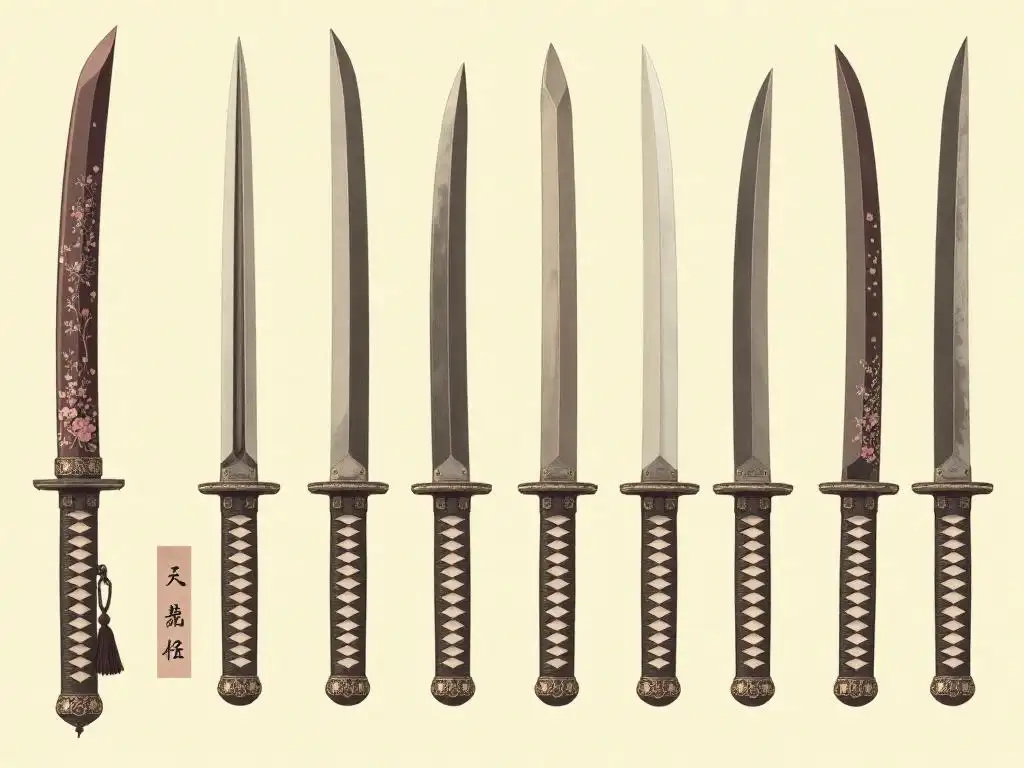
The evolution of samurai weapons is a rich tapestry woven through centuries of innovation, cultural exchange, and warfare. Understanding this evolution provides insight not only into the tools of battle but also into the societal values and technological advancements of the time. This section explores the historical progression of samurai weaponry, highlighting key developments and influences.
Early Samurai Weapons: A Historical Perspective
During the Heian period (794-1185), the samurai class began to establish itself as a distinct social order. The early samurai relied heavily on basic weapons such as spears (yari) and bows (yumi). These weapons were crucial for both hunting and battlefield engagements.
- Spears (Yari): The yari was a versatile weapon, allowing for both thrusting and throwing. Its effectiveness in cavalry charges and infantry formations made it a staple in early samurai warfare.
- Bows (Yumi): The yumi was crafted using a unique asymmetrical design, which improved its range and power. Samurai archers were highly trained, often using their bows with remarkable precision in battle.
As the samurai class evolved, so did their weaponry, driven by the need for more effective combat tools. The introduction of ironworking allowed for stronger and more durable weapons, paving the way for the iconic katana.
The Influence of Chinese and Korean Techniques
The craftsmanship of samurai weapons was significantly influenced by techniques from neighboring cultures, particularly China and Korea. This cross-cultural exchange enriched the development of samurai arms in several ways:
- Chinese Swordmaking: The Tang dynasty’s metallurgy techniques had a profound impact on Japanese swordsmithing. The use of high-carbon steel, which allowed for sharper and more resilient blades, became a primary focus for Japanese artisans.
- Korean Influence: The importation of Korean swords and the subsequent adaptation of their designs led to the creation of the tachi, a precursor to the katana. This influence is evident in the curvature and blade length, which provided slashing advantages in combat.
The ongoing interaction between Japan and its neighbors not only advanced weapon craftsmanship but also fostered the samurai's status as elite warriors, further embedding the importance of weaponry in their identity.
The Transition from Basic Arms to Sophisticated Blades
As the samurai class solidified its power during the Kamakura period (1185-1333), the demand for more sophisticated weapons arose. This period marked a pivotal transition from basic arms to intricately crafted blades.
- The Katana: Developed during the late 13th century, the katana became the quintessential samurai weapon. Its unique design featured a curved, single-edged blade, which allowed for swift, powerful cuts. The katana's craftsmanship involved a complex folding process that enhanced the blade's strength, flexibility, and sharpness.
- Tanto and Wakizashi: In addition to the katana, the tanto (dagger) and wakizashi (short sword) became essential parts of the samurai's arsenal. The trio of these swords represented the samurai’s honor and status, with each weapon serving specific combat and ceremonial purposes.
- Technological Innovations: The evolution of weaponry was not solely about design; it also involved advancements in metallurgy and heat treatment. Techniques such as quenching and tempering became essential in producing blades capable of withstanding the rigors of battle.
This transition from basic arms to sophisticated blades reflects the broader changes in samurai warfare, encapsulating the blend of artistry and functionality that defines the craftsmanship history of samurai weapons. By understanding this evolution, we can appreciate the artistry and cultural significance embedded in each blade forged during Japan's feudal era.
Key Types of Samurai Weapons
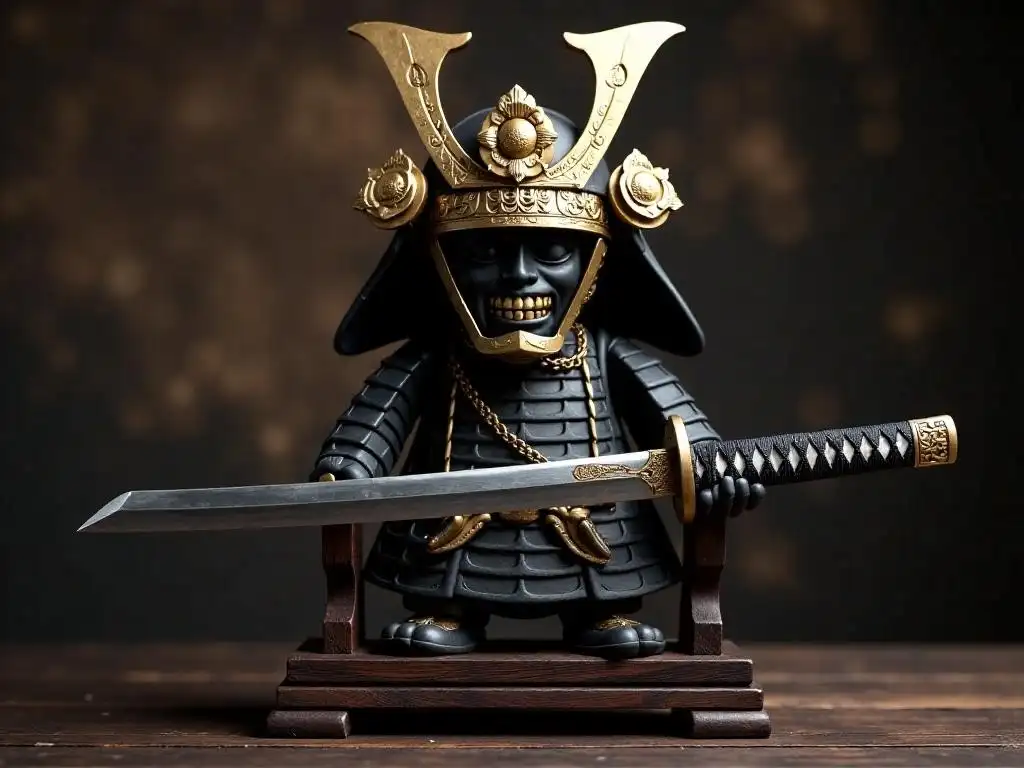
The samurai, as the elite warrior class of feudal Japan, wielded a variety of weapons that not only served practical purposes in battle but also carried significant cultural and symbolic weight. Understanding the key types of samurai weapons provides insight into their warfare strategies, craftsmanship, and the societal values of the time.
Katana: The Iconic Sword of the Samurai
The katana is perhaps the most recognized weapon associated with the samurai, revered for its elegance and lethal efficiency. This curved, single-edged sword embodies the spirit of the samurai and is often considered a symbol of their honor and discipline.
Design Features and Symbolism
The katana is characterized by several distinct design features:
- Curved Blade: The curvature allows for smoother cutting motions and increased slashing power.
- Length: Typically ranging from 60 to 80 cm, the blade length is designed for quick, decisive strikes.
- Tsuba (Guard): The tsuba serves as a handguard and is often ornately decorated, reflecting the owner's status and personality.
- Tsuka (Handle): Wrapped in traditional materials like silk, the tsuka provides a secure grip and is often adorned with family crests or motifs.
Symbolically, the katana represents the samurai's soul, embodying their virtues of loyalty, bravery, and personal honor. The act of drawing the sword, known as "nukitsuke," is a ritual that highlights the importance of the weapon in samurai culture.
The Craftsmanship Behind the Katana
The craftsmanship of the katana is a meticulous process that has been refined over centuries. Key elements of this craftsmanship include:
- Tamahagane Steel: The primary material used, created by smelting iron sand, which results in a high-quality steel known for its durability and ability to hold a sharp edge.
- Forging Techniques: Master swordsmiths employ folding techniques to enhance the steel's strength and flexibility. This process can involve folding the steel over a dozen times.
- Heat Treatment: The blade undergoes differential heat treatment, resulting in a hard edge combined with a softer spine, allowing for both sharpness and resilience.
- Finishing: Polishing the katana is an art in itself, requiring several grades of stones to achieve a mirror finish while highlighting the blade's unique patterns, known as "hamon."
The combination of these elements results in a weapon that is not only functional but also a piece of art, reflecting the intense dedication of the craftsman.
Other Notable Samurai Weapons
While the katana stands out as the most iconic samurai weapon, several other weapons played crucial roles in samurai warfare, each with its unique characteristics and uses.
Wakizashi: The Companion Blade
The wakizashi is a shorter sword, typically ranging from 30 to 60 cm. It is often paired with the katana, together known as daisho.
- Purpose: The wakizashi served as a backup weapon and was used for close combat, allowing for quick, agile movements.
- Cultural Significance: Carrying both the katana and wakizashi symbolized the samurai's status and readiness to fight. The wakizashi was often drawn in situations where the katana was impractical, such as in tight quarters.
Tanto: The Dagger of the Samurai
The tanto is a traditional dagger with a blade length of less than 30 cm.
- Design: The tanto features a sturdy blade and a strong point, making it effective for thrusting attacks.
- Use in Combat: Along with being a weapon, the tanto was also used for ritual suicide (seppuku) as a means of preserving honor.
- Craftsmanship: Like the katana, the tanto is crafted using similar techniques, often with beautiful decorations that signify the owner's lineage or achievements.
Naginata: The Polearm Weapon
The naginata is a polearm that combines a curved blade with a long wooden shaft.
- Versatility: The naginata is designed for both slashing and thrusting, allowing the wielder to keep opponents at bay while delivering powerful strikes.
- Tactical Use: It was particularly effective against mounted opponents, making it a favored weapon among foot soldiers and women warriors in samurai households.
- Cultural Representation: The naginata is often associated with female samurai, known as Onna-bugeisha, who were trained in its use and embodied the samurai spirit.
The rich diversity of samurai weapons, from the iconic katana to the versatile naginata, illustrates the complex nature of warfare and craftsmanship in feudal Japan. Each weapon tells a story of the samurai's dedication to their craft, their code of honor, and the intricate artistry that defines their legacy.
The Craftsmanship of Samurai Blades
The artistry involved in creating Samurai blades is as revered as the warriors who wielded them. Craftsmanship in samurai weapons goes beyond mere functionality; it embodies cultural significance, tradition, and a deep connection to Japan's history. The intricate process of crafting these blades has been passed down through generations, ensuring that the spirit of the samurai lives on in each piece.
Traditional Techniques in Sword Making
The traditional techniques employed in the making of samurai swords are rooted in centuries of practice. Each step in the crafting process is meticulously executed, showcasing not only the skill of the swordsmith but also the spiritual belief that a sword represents the soul of its owner.
Tamahagane Steel: The Heart of a Samurai Sword
At the foundation of every authentic samurai sword is tamahagane steel, a high-quality steel produced from iron sand. This steel is unique due to its purity and the specific process of its creation.
- Iron Sand Collection: The first step involves gathering iron-rich sand, which is often sourced from riverbeds.
- Tatara Process: The iron sand is then smelted using a tatara furnace, where it undergoes a process of oxidation and reduction to yield tamahagane. This method can take up to 72 hours, producing a limited amount of steel.
- Quality and Variability: The tamahagane produced varies in quality, with different grades influencing the final blade's characteristics. The swordsmith carefully selects the best pieces, ensuring the blade possesses both strength and beauty.
"Tamahagane is not just steel; it is the essence of the samurai's spirit and craftsmanship."
Folding and Forging Methods: Creating Resilience
Once the tamahagane steel is ready, the next critical stages involve folding and forging. These techniques are essential for enhancing the blade's resilience and flexibility.
- Folding Process: The steel is heated and repeatedly folded, often up to 16 times. This action not only removes impurities but also creates layers within the metal, a process that contributes to the blade's strength and unique aesthetic patterns known as hada.
- Differential Hardening: This technique involves applying clay to different sections of the blade before quenching it in water. The result is a blade with a hard edge and a softer spine, which allows for both sharpness and durability.
- Polishing: After forging, the blade undergoes extensive polishing to reveal the beautiful grain of the steel and to ensure its sharpness. This process can take weeks, as each layer is meticulously polished.
Master Craftsmen: The Role of the Togishi
The craftsmanship of samurai weapons is not solely the responsibility of the swordsmith; master craftsmen known as togishi play a crucial role in the final stages of blade creation.
Training and Apprenticeship in Sword Crafting
Becoming a togishi requires years of dedicated training and apprenticeship.
- Apprenticeship Duration: Aspiring craftsmen typically undergo a rigorous apprenticeship lasting anywhere from 5 to 10 years. During this time, they learn the nuances of polishing techniques, blade care, and the historical significance of each sword.
- Skills Development: Apprentices practice on lesser-quality blades before advancing to more prestigious works. They learn to appreciate the subtleties of each blade's character and the importance of preserving its integrity.
- Cultural Knowledge: In addition to technical skills, togishi are educated in the cultural and historical contexts of the swords they work on, ensuring that every blade is treated with the respect it deserves.
The craftsmanship of samurai weapons is a profound blend of technical skill, cultural heritage, and artistic expression. Each blade tells a story, encapsulating the spirit of the warrior and the legacy of Japan's feudal era. As we explore the history of samurai weapons craftsmanship, we uncover the dedication and artistry that define these remarkable pieces of history.
The Cultural Significance of Samurai Weapons
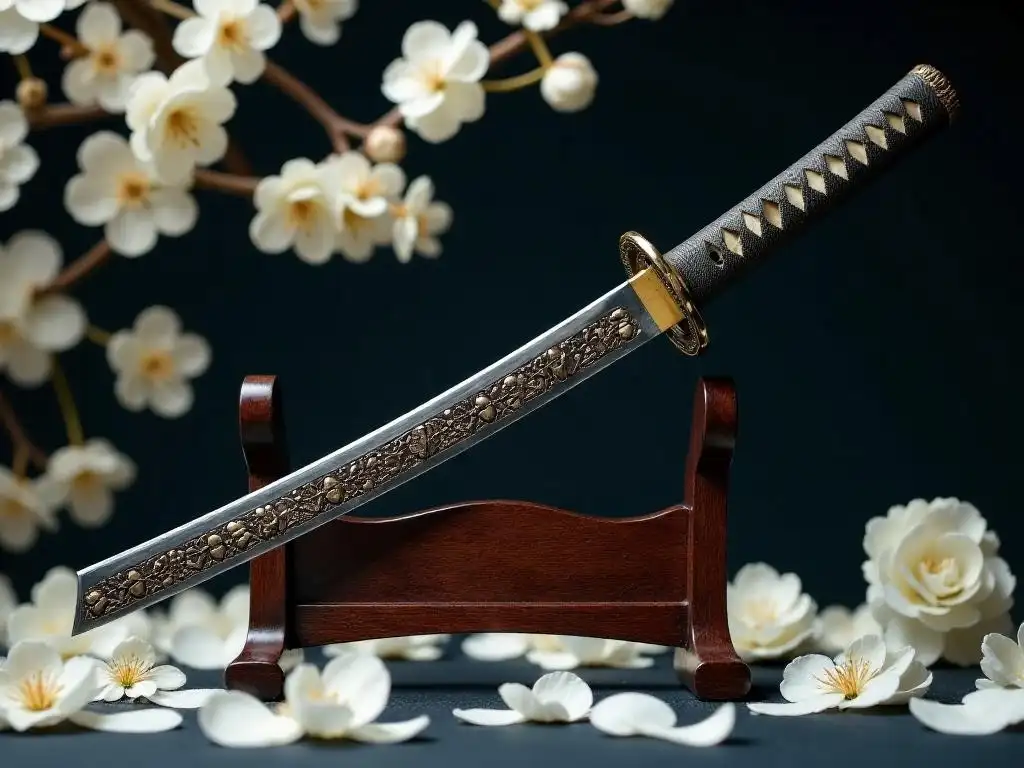
The weapons of the samurai, particularly their swords, are not merely tools of war; they embody a rich tapestry of cultural, spiritual, and social significance that permeated feudal Japan. Samurai weapons craftsmanship history reflects the intricate relationship between the warrior class and their weapons, which were seen as extensions of their identity and philosophy.
Weapons as Symbols of Honor and Status
Throughout the feudal period in Japan, samurai weapons served as powerful symbols of honor and status within society. The katana, in particular, was revered not just for its effectiveness in battle, but also for its aesthetic beauty and the craftsmanship that went into its making. Each blade was meticulously forged, often taking months or even years to complete, highlighting the skill and dedication of the swordsmith.
- Hierarchy and Prestige: The type and quality of a samurai's weapon often reflected their rank and standing within the social hierarchy. A high-ranking samurai would possess ornate, well-crafted weapons, while lower-ranking warriors might have simpler designs. This distinction created a visual representation of social status that was immediately recognizable.
- Ceremonial Importance: Weapons were also central to various rituals and ceremonies. For instance, the presentation of a new sword to a samurai was a significant event, symbolizing a rite of passage and the acceptance of responsibility. These ceremonies underscored the deep-rooted connection between the samurai and their weapons as symbols of their loyalty and honor.
- Legacy and Ancestry: Many samurai families passed down their weapons through generations, creating a lineage of honor associated with each blade. The act of inheriting a sword carried immense weight, as it was seen as a transfer of not only the weapon itself but also the family's legacy and values.
The Role of Weapons in Samurai Philosophy and Bushido
The philosophy of bushido, which translates to "the way of the warrior," intricately intertwined with the craftsmanship and use of samurai weapons. This code of conduct emphasized virtues such as loyalty, honor, and courage, which were deeply reflected in the samurai's relationship with their weapons.
- Spiritual Connection: For samurai, their weapons were viewed as sacred objects. The katana was often regarded as a soul of the samurai, embodying their spirit and essence. The process of crafting these weapons was considered a divine act, imbuing them with a spiritual significance that transcended their physical form.
- Discipline and Mastery: Mastery over one’s weapon was not just about physical prowess but also about mental discipline. Samurai trained rigorously to hone their skills, embodying the principle of kaizen, or continuous improvement. This relentless pursuit of mastery reflected their commitment to the bushido code, where the cultivation of character was as important as martial skills.
- Moral Implications: The use of weapons was also bound by moral considerations. Samurai were taught to wield their swords with respect and restraint, using them only when necessary to uphold their honor or protect their lord. This ethical framework distinguished the samurai warrior from mere mercenaries, reinforcing their role as protectors of society.
The cultural significance of samurai weapons extends far beyond their practical function in warfare. They are emblematic of status, honor, and the philosophical ideals that defined the samurai class, intricately woven into the historical fabric of feudal Japan. The craftsmanship involved in creating these weapons not only reflects artistic skill but also the profound respect and reverence that samurai held for their tools of warfare.
Preservation and Legacy of Samurai Weapons Craftsmanship
The craftsmanship of samurai weapons, particularly swords, is not merely a relic of the past; it is a vibrant legacy preserved and cherished both in Japan and around the world. The traditional methods of forging and shaping these iconic weapons have been meticulously honed over centuries, reflecting the profound relationship between the samurai and their blades. The preservation of this craftsmanship goes beyond mere techniques; it encompasses a rich cultural heritage that continues to influence modern sword-making practices.
The Decline of Samurai Weapons in Modern Japan
Following the Meiji Restoration in 1868, Japan underwent significant modernization, leading to the decline of the samurai class and, consequently, their weapons. The government's disbandment of the samurai, along with the prohibition of wearing swords in public, marked a pivotal moment in the history of samurai weapons craftsmanship.
- Impact of Westernization: The influx of Western firearms and military technology rendered traditional samurai weapons less relevant on the battlefield. The focus shifted from traditional combat to modern warfare, which required different types of armaments.
- Cultural Shift: The samurai's status as warriors was replaced by a new societal structure, and the emphasis on bushido—the samurai code—began to wane. As a result, the demand for traditional swords and weapons diminished, leading to a decline in the number of skilled craftsmen.
- Survival of Techniques: Despite the decline, some artisans remained dedicated to preserving the ancient techniques of sword-making. These craftsmen often faced challenges in keeping their craft alive, as fewer apprentices were willing to dedicate themselves to such labor-intensive practices.
The decline of samurai weapons in modern Japan serves as a reminder of the shifting tides of culture and technology. However, the resilience of traditional craftsmanship has ensured that these skills have not been lost entirely.
Contemporary Craftsmen and the Revival of Traditional Techniques
In recent decades, there has been a notable revival of interest in traditional samurai weapons craftsmanship. Contemporary craftsmen, often referred to as tōkō, have emerged as guardians of this ancient art, dedicated to reviving and maintaining the techniques passed down through generations.
- Training and Apprenticeships: Many modern craftsmen undergo extensive training, often starting as apprentices under master swordsmiths. This apprenticeship can last several years, during which they learn about the intricacies of metallurgy, blade geometry, and the specific forging techniques employed by their predecessors.
- Cultural Organizations: Various cultural organizations and associations, such as the Nihon Bijutsu Token Hozon Kyokai (Society for the Preservation of Japanese Art Swords), work to promote the significance of samurai weapons craftsmanship. They host exhibitions, workshops, and educational programs to raise awareness about the historical and artistic value of these weapons.
- Integration of Modern Techniques: While traditional methods remain at the core of their work, some craftsmen are also integrating modern techniques and materials to enhance the quality and durability of their swords. This blend of old and new ensures that the craftsmanship can adapt to contemporary needs while still honoring its historical roots.
- Global Appreciation: The resurgence of interest in samurai swords has also led to a global appreciation of the craftsmanship involved. Collectors, martial artists, and enthusiasts from around the world seek out authentic samurai weapons, further driving the demand for skilled artisans.
The revival of traditional techniques is not just about maintaining a craft; it is about preserving a significant aspect of Japan's cultural heritage. Through the dedication of contemporary craftsmen, the legacy of samurai weapons craftsmanship continues to thrive, ensuring that the art remains alive for future generations to appreciate and admire.
Conclusion: The Lasting Impact of Samurai Weapons Craftsmanship History
Reflection on the Importance of Craftsmanship in Japanese Culture
The craftsmanship of samurai weapons is not merely a reflection of practical utility; it embodies the very essence of Japanese culture and its historical evolution. The meticulous attention to detail in the creation of swords, such as the katana, is a testament to the samurai's philosophy of perfection, discipline, and honor.
The traditional methods employed by swordsmiths, known as tōkō artisans, reveal a deep reverence for their craft. Each blade is forged through an intricate process that often spans several weeks, utilizing a combination of techniques steeped in centuries of tradition. This includes the folding of steel, which not only enhances the blade's strength but also creates a beautiful pattern that is unique to each sword.
Moreover, the craftsmanship of samurai weapons serves as a cultural artifact that tells the story of Japan’s feudal era. The artistry evident in the tsuba (handguard), tsuka (handle), and saya (scabbard) showcases not only functional design but also aesthetic beauty. These elements were often adorned with symbols and motifs representing the samurai's clan, beliefs, and personal identity.
In a broader context, the significance of craftsmanship in Japan can be traced through various industries, from pottery to textile making, where artisans take pride in the dedication to their craft. This cultural ethos is encapsulated in the concept of monozukuri, which emphasizes the spirit of creation and the pursuit of excellence.
The Enduring Fascination with Samurai Weapons Today
The allure of samurai weapons continues to captivate people around the world, transcending time and geography. From collectors to martial artists, the interest in these blades is fueled by both their historical significance and the romanticism surrounding the samurai ethos.
Today, numerous exhibitions and museums showcase samurai weapons, drawing attention to their craftsmanship and historical context. Events such as sword-making demonstrations and workshops provide enthusiasts with a firsthand experience of the techniques used by traditional artisans. These activities not only preserve the knowledge of samurai weaponry but also foster a deeper appreciation for the art of Japanese sword making.
Moreover, the representation of samurai weapons in popular culture—be it in films, anime, or video games—has solidified their status as iconic symbols of strength and honor. This modern fascination often intertwines with a romanticized view of the samurai as noble warriors, further enhancing the mystique of their weapons.
The craftsmanship of samurai weapons is a crucial element of Japan's cultural heritage, and its impact resonates through history to the present day. The ongoing interest in these blades underscores their significance, not just as tools of war but as masterpieces of art and engineering that continue to inspire and intrigue.
Frequently Asked Questions
What are the main types of samurai weapons discussed in the article?
The article covers various samurai weapons, including katanas, wakizashis, and naginatas, each with its own unique features and craftsmanship history.
How did the craftsmanship of samurai weapons evolve over time?
The craftsmanship of samurai weapons evolved significantly, influenced by cultural exchanges, technological advancements, and the demands of warfare during different historical periods.
What role did the samurai class play in the development of weaponry?
The samurai class was pivotal in the development of weaponry, as their status and skills drove innovations in blade design and manufacturing techniques throughout Japan's feudal era.
What materials were commonly used in samurai weapon crafting?
Craftsmen commonly used high-quality steel, often layered to improve durability and sharpness, along with other materials like wood for hilts and leather for grips in samurai weapon crafting.
Why is the history of samurai weapons craftsmanship significant today?
The history of samurai weapons craftsmanship is significant as it reflects the cultural values, artistic expression, and technological advancements of feudal Japan, influencing modern martial arts and craftsmanship techniques.
Final Reflection: The Enduring Legacy of Samurai Weapons Craftsmanship
The craftsmanship of samurai weapons is not merely a relic of the past; it is a testament to the artistry and precision that continues to resonate in today's world. As we explore the intricate history and techniques behind these iconic blades, we uncover a rich tapestry of cultural significance that transcends time. The samurai's commitment to their craft reflects a profound dedication to excellence that remains relevant in our pursuit of mastery in various fields today.
Craftsmanship is an expression of identity, and the legacy of samurai weapons has profoundly shaped both cultural and social landscapes. The meticulous attention to detail and the spiritual connection to the materials used in crafting these weapons serve as a reminder of the importance of heritage and tradition. As we navigate a rapidly changing world, the principles embodied in samurai craftsmanship encourage us to honor our roots while striving for innovation. The sword is the soul of the samurai,
a saying that encapsulates the deep connection between the warrior and their weapon, urging us to reflect on what we hold dear in our own lives.
As we conclude this exploration of samurai weapons craftsmanship, I invite you to reflect on the lessons embedded within this rich history. Consider how the dedication to craft, the pursuit of excellence, and the respect for tradition can influence your own journey. Whether in your personal endeavors or professional aspirations, let the spirit of the samurai inspire you to forge your path with intention and integrity. Embrace the art of craftsmanship in all that you do, and carry forward the legacy of those who came before us.
Unveil the Legacy of Samurai Craftsmanship!
Thank you for immersing yourself in the fascinating world of Samurai weapons! You've discovered the artistry and tradition that define these extraordinary blades. Now, it's time to take that inspiration further and deepen your understanding of this rich history.
Here are some engaging actions to embark on your journey:
- Explore a local martial arts class that focuses on traditional Japanese swordsmanship to experience the mastery behind the blades firsthand.
- Visit a museum or exhibit dedicated to the history of feudal Japan; immerse yourself in the artifacts and stories that shaped this era.
- Share your newfound knowledge with friends or on social media! Start a discussion about your favorite Samurai weapon and its significance.
What aspect of Samurai weaponry intrigues you the most — the craftsmanship of the sword, the philosophy of the warrior, or its historical significance? Your insights could spark an enlightening conversation!