
The Art of Naval Diplomacy in Feudal Japan

Welcome to Feudal Japan History, where we embark on a captivating journey through the intricate tapestry of Japan's feudal era. Dive deep into the fascinating world of naval diplomacy in feudal Japan, a critical yet often overlooked facet of military history that shaped the nation's interactions with its neighbors. Discover how the strategic maneuvers and alliances on the high seas influenced not only battles but also the very fabric of Japanese society.
Are you ready to unravel the secrets of this maritime diplomacy? Join us as we explore the art of naval strategy, unveiling stories that will challenge your understanding and ignite your curiosity!
The concept of naval diplomacy in feudal Japan encompasses a fascinating intersection of maritime strategy, international relations, and cultural exchange. As Japan transitioned into its feudal era, spanning from the late 12th century to the mid-19th century, the seas became not only a battlefield for rival clans but also an arena for negotiation, trade, and alliance-building.
The intricate web of relationships forged through maritime activities played a crucial role in shaping the political landscape of the time, influencing everything from economic prosperity to territorial expansion. This article delves into the multifaceted aspects of naval diplomacy during this period, providing insights into its significance, development, and the key historical events that shaped its course.
Understanding the Concept of Naval Diplomacy
Naval diplomacy refers to the strategic use of naval forces to influence international relations without direct military confrontation. In feudal Japan, this concept was embodied in several key practices:
- Trade Agreements: Maritime routes opened channels for trade, leading to treaties that benefited both Japanese clans and foreign nations.
- Alliance Formation: Naval power was essential for establishing and maintaining alliances with other clans and foreign entities.
- Cultural Exchange: The movement of ships facilitated not only the transfer of goods but also ideas, technologies, and cultural practices between Japan and its trading partners.
Importance of Naval Power in Feudal Japan
The significance of naval power in feudal Japan cannot be overstated. It served multiple purposes:
- Defense: Coastal regions required protection from piracy and foreign invasions, necessitating a strong naval presence.
- Expansion: Clans utilized naval forces to project power beyond their territories, engaging in expeditions that could yield new lands and resources.
- Economic Growth: Control of maritime routes was vital for trade, allowing clans to amass wealth and resources through commerce.
To fully appreciate the art of naval diplomacy in feudal Japan, one must consider the historical backdrop that fostered its development.
The Rise of the Samurai and Maritime Activities
The emergence of the samurai class during the Kamakura period (1185-1333) marked a transformative era for Japan. As these warrior elites gained power, their influence extended to maritime activities.
- Piracy and Privateering: Some samurai engaged in acts of piracy, seizing opportunities to enrich themselves and their clans.
- Naval Warfare: Clans began to build specialized ships, leading to organized naval battles that were crucial in the power struggles of the time.
Key Historical Events Influencing Naval Diplomacy
Several pivotal events shaped the landscape of naval diplomacy in feudal Japan:
- The Mongol Invasions (1274 and 1281): These invasions highlighted the necessity of a strong navy, as the Japanese successfully repelled the Mongol fleets with both military might and favorable weather conditions.
- The Rise of the Portuguese (16th Century): The arrival of European traders introduced new technologies and trade opportunities, prompting Japanese clans to adapt their naval strategies.
Through these historical lenses, the intricate dynamics of naval diplomacy in feudal Japan reveal a complex narrative that intertwines military prowess with economic and cultural exchanges, setting the stage for the fascinating exploration that follows.
The Role of Maritime Trade in Diplomacy
Maritime trade played a pivotal role in the diplomacy of feudal Japan, significantly influencing international relations and the socio-economic landscape of the period. The extensive coastline of Japan and its access to the rich waters of the Pacific Ocean facilitated trade with various neighboring countries, including China, Korea, and the Ryukyu Islands. These trade routes were not only conduits for goods but also crucial channels for cultural exchange, political alliances, and military strategies.
The flow of goods such as silk, ceramics, and spices from Japan to other nations helped to establish and strengthen diplomatic ties. In return, imports like Chinese tea, metal tools, and Korean textiles enriched Japanese culture and economy. The interdependence fostered by trade cultivated a sense of cooperation among nations, positioning maritime trade as a cornerstone of diplomatic relations in feudal Japan.
Trade Routes and Their Impact on International Relations
The trade routes established during the feudal era had a profound impact on international relations, shaping the political landscape of East Asia. Two primary maritime routes were significant:
- The Northern Route: Connecting Japan to Korea and parts of China, this route facilitated the exchange of goods and ideas. It was instrumental in forging alliances, particularly with the Goryeo and later the Joseon Dynasty in Korea, where mutual interests in trade and military support often aligned.
- The Southern Route: Linking Japan with the Ryukyu Islands and further to Southeast Asia, this route opened up opportunities for trade with nations such as the Ming Dynasty in China and the diverse cultures of the Malay Archipelago. The Ryukyu Kingdom acted as a crucial intermediary, enhancing Japan's diplomatic reach and economic prosperity.
The accessibility and control of these routes directly influenced Japan's diplomatic strategies, enabling it to project power and negotiate favorable terms with its trade partners. The wealth generated from maritime trade allowed feudal lords (daimyos) to enhance their military capabilities and invest in naval fleets, further solidifying their positions in both trade and diplomacy.
Key Trade Partners of Feudal Japan
Feudal Japan's economic landscape was enriched through its relationships with several key trade partners. Among them, the most prominent included:
- China: The Ming Dynasty was a vital partner, providing luxury goods and cultural exchanges. Diplomatic missions were often sent to China, aimed at reinforcing ties and securing trade privileges.
- Korea: Close geographical proximity facilitated trade and cultural exchange. The relationship between Japan and Korea fluctuated, but trade remained a constant avenue for diplomacy.
- Ryukyu Islands: Serving as a crucial link between Japan and other Asian markets, the Ryukyu Kingdom played a significant role in maritime diplomacy. Their strategic location allowed for the flow of goods and the establishment of treaties that benefited both parties.
- Southeast Asia: The trade with nations such as the Philippines and the Malay Archipelago introduced new commodities to Japan and expanded its diplomatic influence throughout the region.
These partnerships were characterized by a blend of trade, cultural exchange, and military alliances, shaping Japan's position in the regional hierarchy of power during the feudal era.
Naval diplomacy in feudal Japan was not merely about military might; it encompassed a range of strategies aimed at fostering alliances and ensuring trade routes remained open. The daimyos employed various tactics to navigate the complex landscape of diplomacy, often leveraging their naval capabilities to enhance their political influence.
Alliances Formed Through Maritime Influence
Alliances in feudal Japan were often solidified through maritime influence, with naval power serving as both a deterrent and an incentive for cooperation. By demonstrating naval strength, daimyos could negotiate favorable terms with potential allies or intimidate rivals into submission.
For example, during the 16th century, the powerful daimyos of the Sengoku period recognized the importance of forming alliances through sea power. The maritime prowess of figures like Toyotomi Hideyoshi was instrumental in establishing diplomatic relations with Korea, which was often sought for military alliances and trade agreements.
Moreover, the ability to project naval power enabled these leaders to secure treaties that favored Japanese trade interests, thereby ensuring a steady influx of goods and resources. The establishment of such alliances was crucial for maintaining stability and fostering economic growth amidst the competitive landscape of feudal Japan.
Use of Naval Power in Negotiations and Conflicts
Naval power was a critical element in negotiations and conflicts during feudal Japan. Control of the seas not only provided access to vital trade routes but also served as a bargaining chip in diplomatic discussions. The ability to deploy naval forces could significantly shift the balance of power in negotiations, compelling adversaries to concede to terms favorable to Japan.
For instance, in the late 16th century, the Japanese invasions of Korea (Imjin War) showcased the use of naval power to achieve strategic objectives. The Japanese fleet, although ultimately facing setbacks, demonstrated the potential of maritime strength to influence regional politics and assert dominance.
Additionally, the presence of a formidable navy allowed Japan to protect its trade interests from piracy and foreign incursions, ensuring the security of its economic lifelines. This military capability often translated into diplomatic leverage, as nations sought to avoid conflict with a power that could disrupt their trade and stability.
In essence, the art of naval diplomacy in feudal Japan was characterized by a nuanced interplay of trade, alliances, and military strategy, all of which underscored the importance of maritime influence in shaping the nation's historical trajectory.
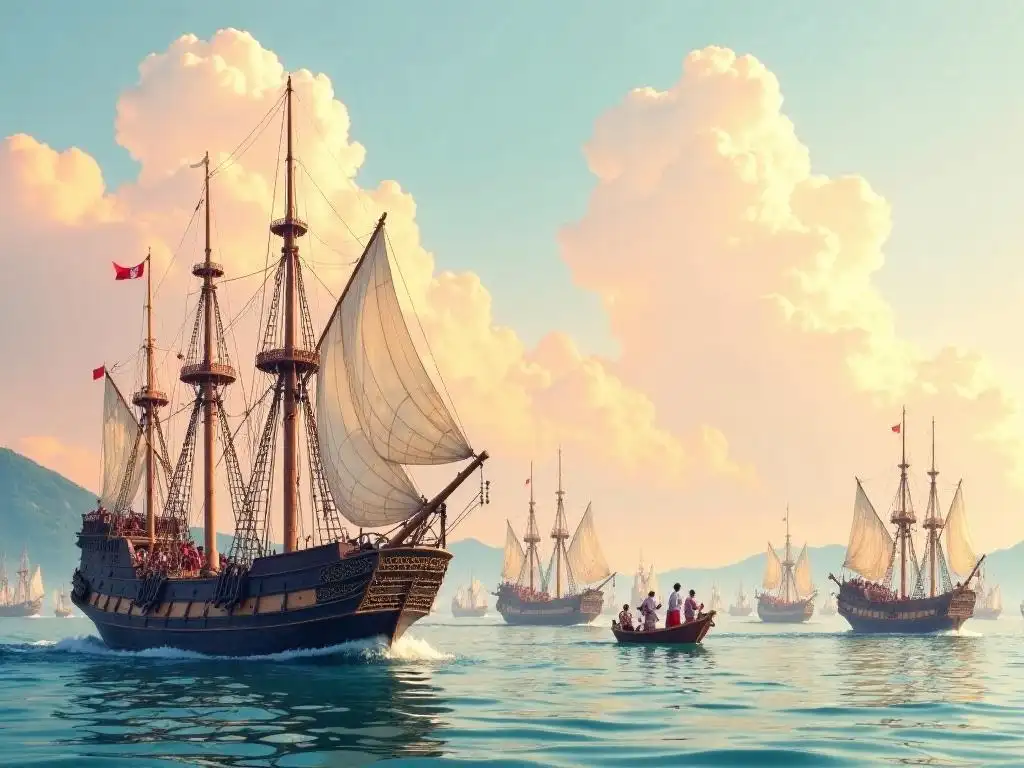
Naval diplomacy in feudal Japan was characterized by strategic alliances, trade negotiations, and military engagements that shaped the nation's relations with neighboring states. This section explores two significant case studies: Japan's relationship with Korea and its engagement with the Ming Dynasty of China. Each case highlights the intricate balance between diplomacy and military power during this era, demonstrating how naval capabilities underpinned Japan's diplomatic strategies.
The Relationship with Korea: A Diplomatic Overview
The relationship between Japan and Korea during the feudal era was complex, marked by both conflict and cooperation. Initially, Japanese pirate ships, known as Wokou, raided the Korean coastline in the late 14th and early 15th centuries, leading to strained relations. However, these incursions also set the stage for diplomatic engagements, as Korea sought to protect its interests.
In the late 15th century, diplomatic missions were established between Japan and Korea, primarily facilitated by the Ashikaga shogunate. These missions aimed to strengthen trade ties and establish a formal diplomatic relationship. Notably, the Korean envoy, Jeong In-ji, visited Japan in 1483, which marked a significant step toward peaceful diplomatic relations. This dialogue was essential for fostering mutual understanding and minimizing conflicts.
Despite the diplomatic overtures, tensions resurfaced during the late 16th century, culminating in the Imjin War (1592-1598), when Japan launched invasions of Korea under Toyotomi Hideyoshi's command. The naval component of this conflict showcased Japan's ambitions and the importance of maritime power in asserting its influence in the region. The eventual defeat of Japanese forces highlighted the limitations of naval diplomacy and the shifting balance of power in East Asia.
Engagement with the Ming Dynasty: Naval Interactions
Japan's interactions with the Ming Dynasty were equally significant in the realm of naval diplomacy. During the 16th century, the Ming Dynasty sought to strengthen its maritime defenses against piracy, which led to a complex relationship with Japan. While Japan engaged in trade with the Ming through Nagasaki, the Ming government was cautious, viewing Japanese traders with suspicion due to their connections to piracy.
The Shimazu clan of Satsuma played a vital role in facilitating trade with the Ming. Their naval capabilities allowed them to establish a foothold in the Ryukyu Islands, which served as a crucial point for conducting trade with China. This engagement was marked by a series of diplomatic missions that aimed to solidify trade agreements and ensure security against piracy.
The relationship was further complicated by the Japanese invasions of Korea, which were perceived as a direct threat to the Ming's stability. The Ming's naval response was substantial, leading to a coalition of forces that ultimately repelled Japanese advances. This military engagement underscored the importance of naval strength in international relations and the role of diplomacy in navigating conflict.
Naval diplomacy in feudal Japan not only influenced political and military strategies but also left a lasting impact on Japanese culture. The interplay between naval warfare and cultural expression reflected societal attitudes towards maritime power and international relations, as seen through various artistic and literary forms.
The Influence of Naval Warfare on Japanese Culture
Naval warfare and diplomacy significantly influenced Japanese culture, particularly during the Sengoku period (1467-1603). The necessity for naval power to protect trade routes and assert dominance over neighboring territories led to a fascination with maritime themes in art and literature.
The samurai class, often romanticized in literature, began to view naval engagements as critical to their identity and honor. Works like "The Tale of the Heike" not only depicted land battles but also included naval confrontations, emphasizing the valor and importance of naval warriors. The rise of the daimyo as powerful feudal lords also encouraged the construction of fleets, which were symbolically represented in various art forms, showcasing their military prowess and diplomatic ambitions.
Art and Literature Reflecting Naval Relations
The artistic representation of naval diplomacy in feudal Japan can be observed in various mediums, from paintings to poetry. Ukiyo-e prints, for example, often depicted scenes of naval battles and trade interactions, capturing the vibrancy of maritime life and the significance of naval power. Artists such as Hokusai and Hiroshige created iconic images that not only celebrated the beauty of the sea but also chronicled the realities of naval encounters.
In literature, the emergence of haiku and narrative poetry often reflected themes of longing and conflict related to maritime journeys. The works of poets such as Matsuo Bashō captured the essence of the sea, intertwining personal experiences with broader themes of naval diplomacy. These cultural expressions reveal how naval engagements were not merely military events but also profound experiences that shaped the collective consciousness of the Japanese people.
Through these cultural lenses, the art of naval diplomacy in feudal Japan is understood not just as a series of political maneuvers but as a vital part of the nation's identity and heritage, illustrating the deep connections between warfare, diplomacy, and culture.
Naval diplomacy in feudal Japan reveals several lessons that remain relevant for contemporary diplomatic practices. One of the primary lessons is the importance of strategic alliances. During the feudal era, clans often formed coalitions to strengthen their maritime capabilities and counterbalance more powerful rivals. This practice underlines the need for nations today to build alliances and partnerships to enhance their own security and influence in international waters.
Another significant lesson is the role of naval power in asserting national interests. The feudal lords, or daimyō, understood that control of sea routes was essential for trade and resource acquisition. By leveraging naval strength, they could protect their interests and exert pressure on adversaries. Modern states can draw parallels, recognizing that maintaining a capable navy is crucial for safeguarding trade routes and asserting influence in contested waters.
Additionally, the use of diplomacy alongside military power was a hallmark of feudal Japan's naval engagements. Diplomats often accompanied naval forces to negotiate terms and secure peace. This dual approach highlights the importance of integrating military readiness with diplomatic efforts, allowing nations to navigate complex geopolitical landscapes effectively.
The Legacy of Maritime Strategies in Modern Japan
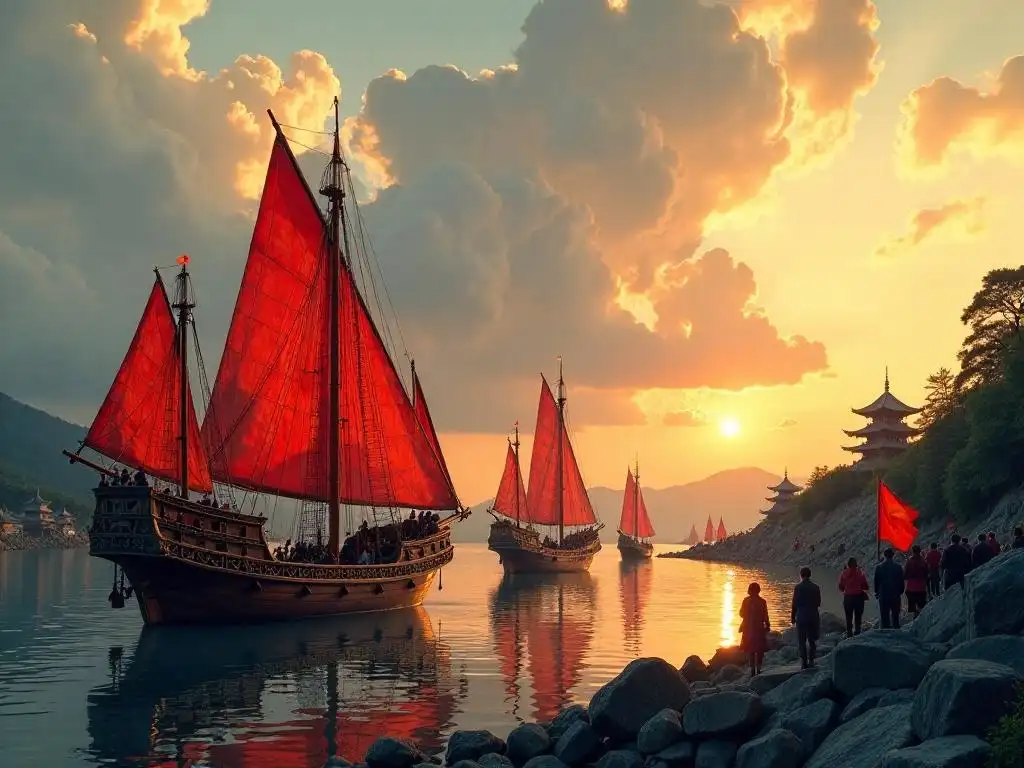
The maritime strategies developed during feudal Japan have left a lasting impact on modern Japanese naval doctrine. The historical emphasis on swift naval maneuvers and decisive engagements can be seen in the Japan Maritime Self-Defense Force's contemporary operations. Modern Japan continues to value agility and flexibility in its naval strategy, reflecting the lessons of its feudal past.
Moreover, the historical reliance on alliances is mirrored in Japan's current regional partnerships, particularly in the Asia-Pacific. The legacy of past coalitions, such as those formed against the Mongol invasions, underscores the significance of collaborative security arrangements in addressing contemporary maritime challenges, including piracy and territorial disputes.
The cultural reverence for the sea, rooted in feudal traditions, also persists in Japan's national identity. This connection influences modern maritime policies and the public's perception of naval power as a means of protecting Japan's sovereignty and promoting peace in the region.
Implications for Contemporary Maritime Diplomacy
The principles of naval diplomacy established in feudal Japan hold critical implications for modern maritime diplomacy. As nations face increasingly complex security environments, the need for a balanced approach combining naval strength and diplomatic engagement has never been more pronounced. The lessons drawn from feudal Japan can guide contemporary strategies in various ways.
First, the practice of maintaining open communication and conducting regular negotiations alongside military preparedness fosters trust and reduces the likelihood of conflict. Nations today must prioritize dialogue and collaboration to address maritime disputes, drawing inspiration from the diplomatic efforts of feudal leaders.
Second, the historical importance of naval power as a tool for influence emphasizes the need for nations to invest in their naval capabilities. A robust navy not only deters aggression but can also facilitate humanitarian missions and disaster response, enhancing a country's standing on the global stage.
Lastly, the historical context of maritime diplomacy in feudal Japan underscores the significance of regional cooperation in addressing shared challenges. Modern states should look to establish frameworks for multilateral maritime security that reflect the collaborative spirit of feudal alliances, ensuring collective responses to contemporary threats.
Conclusion
Summarizing the Importance of Naval Diplomacy in Feudal Japan
Naval diplomacy in feudal Japan was a critical component of the era's military and political landscape. It shaped alliances, influenced trade, and established the foundation for maritime strategies that continue to resonate today. The interplay between naval power and diplomacy allowed feudal lords to navigate complex geopolitical environments, securing their interests and maintaining stability within their domains.
The lessons learned from this period are invaluable for modern nations as they seek to balance military readiness with diplomatic efforts in an increasingly interconnected world. Understanding the importance of naval diplomacy in feudal Japan not only enriches our historical perspective but also provides practical insights for contemporary maritime relations.
Future Research Directions in Naval Warfare Studies
Future research in naval warfare studies should focus on several key areas to deepen our understanding of naval diplomacy and its evolution. First, comparative studies examining naval strategies across different cultures and historical periods can illuminate varying approaches to maritime diplomacy.
Second, exploring the technological advancements in naval warfare and their impact on diplomatic relationships would provide insights into how modern innovations influence traditional strategies. Additionally, investigating the role of non-state actors in contemporary maritime diplomacy could reveal new dynamics and challenges faced by nation-states in the global arena.
Finally, a thorough analysis of case studies from both historical and contemporary contexts will enhance our comprehension of successful and unsuccessful diplomatic efforts in maritime environments. By pursuing these research directions, scholars can contribute to a more nuanced understanding of naval diplomacy and its critical role in shaping international relations.
- Introduction to Naval Diplomacy in Feudal Japan
- Historical Context of Naval Diplomacy
- The Role of Maritime Trade in Diplomacy
- Strategies of Naval Diplomacy
- Case Studies of Naval Diplomacy in Feudal Japan
- Cultural Aspects of Naval Diplomacy
- Lessons Learned from Naval Diplomacy in Feudal Japan
- The Legacy of Maritime Strategies in Modern Japan
- Implications for Contemporary Maritime Diplomacy
- Conclusion
- What is naval diplomacy in the context of feudal Japan?
- How did naval diplomacy impact Japan's trade relations?
- Were there any notable events related to naval diplomacy in feudal Japan?
- How did cultural exchanges occur through naval diplomacy?
- What role did feudal lords play in shaping naval diplomacy?
Frequently Asked Questions
Naval diplomacy refers to the strategic use of naval power and maritime relationships to achieve political goals during the feudal era in Japan, influencing trade and military alliances.
Naval diplomacy significantly enhanced trade relations by securing safe maritime routes, enabling the exchange of goods and fostering economic growth among feudal lords and coastal communities.
Yes, events such as the Mongol invasions in the late 13th century showcased Japan's reliance on naval diplomacy and military preparedness, demonstrating the importance of naval power in defending the nation.
Naval diplomacy facilitated cultural exchanges by allowing merchants and envoys to travel between regions, leading to the sharing of ideas, customs, and technologies that enriched Japanese society.
Feudal lords played a crucial role by investing in naval capabilities, forming alliances, and participating in maritime trade, which collectively enhanced the political landscape of feudal Japan through effective naval diplomacy.
The intricate dance of naval diplomacy in feudal Japan remains profoundly relevant today, illustrating how strategic maritime interactions can shape political landscapes. As we navigate an increasingly interconnected world, the lessons from Japan's past remind us that diplomacy is not merely about negotiation on land but also about the control and influence over the seas. The historical significance of naval diplomacy in feudal Japan serves as a powerful reminder that the oceans are not just barriers but bridges that connect nations and cultures.
The impact of naval diplomacy in feudal Japan extends far beyond its historical context; it continues to resonate in contemporary discussions about maritime security and international relations. The strategic alliances formed and the conflicts navigated during this period laid the groundwork for modern diplomatic practices. As historian John W. Hall aptly noted, The sea is a realm of both opportunity and peril, where the art of diplomacy must be as fluid as the waters themselves.
This observation underscores the ongoing relevance of naval diplomacy, emphasizing the need for adaptability and foresight in our current geopolitical climate.
As we reflect on the lessons from the art of naval diplomacy in feudal Japan, I invite you to consider how these principles can be applied in your own life. Think about the relationships you cultivate and the ways you navigate conflicts—whether in personal, professional, or global contexts.
Embrace the spirit of diplomacy, recognizing that effective communication and strategic collaboration can lead to harmonious outcomes. Let us carry forward the wisdom of the past as we forge our paths in the present and future, ensuring that we, too, can navigate the waters of our own diplomatic endeavors with grace and purpose.
Thank you for diving into the fascinating world of naval diplomacy in feudal Japan! We hope you’ve gained valuable insights into how these strategic alliances shaped history. Now, it’s time to act on that knowledge and explore further!
Here are some engaging steps to deepen your understanding and appreciation of this pivotal topic:
- Explore primary source documents or historical texts about feudal Japan’s naval strategies to enrich your knowledge.
- Share your thoughts! Start a conversation with friends or on social media about how naval diplomacy continues to influence international relations in today's world.
- Join a history club or an online forum focused on feudal Japan to connect with fellow enthusiasts and experts.
What aspect of naval diplomacy resonates most with you, and how do you think it continues to shape modern diplomatic practices?