
Beyond the Blade: Uncommon Weapons of Feudal Japan and Their Uses

Welcome to Feudal Japan History, where we embark on a captivating journey through the intricate tapestry of Japan's feudal era. Here, we delve deep into the uncommon weapons of feudal Japan, revealing the fascinating stories behind these lesser-known armaments and their strategic significance on the battlefield. Prepare to be intrigued as we uncover the unique craftsmanship and cultural implications of these weapons, inviting you to explore a world where every artifact tells a tale of valor and ingenuity. Join us in this exploration, and let the adventure begin!
Introduction to Uncommon Weapons of Feudal Japan
The feudal era of Japan, stretching from the late 12th century to the early 19th century, is often romanticized through the image of the samurai wielding their iconic katana. However, the landscape of weaponry during this period was far more diverse and intricate than the traditional sword. This article delves into the uncommon weapons of feudal Japan, exploring their unique designs, historical significance, and tactical applications in battle. By shedding light on these lesser-known armaments, we aim to provide a comprehensive understanding of how they shaped warfare and influenced the culture of the time.
The Historical Context of Feudal Japan Weaponry
During the feudal period, Japan was a complex tapestry of warring clans and shifting allegiances. The samurai class emerged as the military nobility, and their combat strategies were heavily influenced by the socio-political climate of the time. Weapons were not only tools of war but also symbols of status and honor.
The evolution of weaponry was closely tied to advancements in technology and the tactical needs of the battlefield. As conflicts escalated and new challenges arose, the samurai adapted by incorporating a variety of weapons into their arsenal, leading to the development of many uncommon weapons that played pivotal roles in warfare.
Importance of Diverse Weapons in Samurai Warfare
The reliance on diverse weapons in samurai warfare cannot be overstated. While the katana remains the most recognized symbol of the samurai, warriors often carried multiple weapons to suit different combat scenarios. The strategic use of various armaments allowed samurai to capitalize on their opponents' weaknesses, creating a dynamic and unpredictable battlefield. For instance, polearms like the naginata offered reach and versatility, while throwing weapons provided tactical advantages from a distance. This diversity not only enhanced combat effectiveness but also reflected the samurai's adaptability and resourcefulness in the face of evolving warfare.
Overview of Uncommon Weapons Used in Feudal Japan
Defining Uncommon Weapons in the Samurai Arsenal
Uncommon weapons in feudal Japan refer to those armaments that, while effective, did not achieve the same level of fame or recognition as the katana. These weapons often included tools that were adapted for specific purposes or employed by particular classes of warriors. Examples include the tanto (dagger), tetsubō (heavy wooden staff), and the shuriken (throwing star). Each of these weapons had unique characteristics and uses, showcasing the ingenuity of Japanese weapon makers and the adaptability of samurai combat techniques.
Differences Between Common and Uncommon Weapons
The distinction between common and uncommon weapons in feudal Japan can be characterized by several factors:
| Criteria | Common Weapons | Uncommon Weapons |
|---|---|---|
| Popularity | Widely recognized (e.g., katana) | Less known, specialized use |
| Usage | Standard in combat | Context-specific or tactical |
| Craftsmanship | High, but often mass-produced | Unique designs, often artisanal |
| Cultural Significance | Deeply rooted in samurai culture | Often overlooked, yet vital |
Understanding these differences allows for a deeper appreciation of the varied weaponry that characterized the samurai's approach to combat and their broader military strategies during the feudal era.
Types of Uncommon Weapons of Feudal Japan
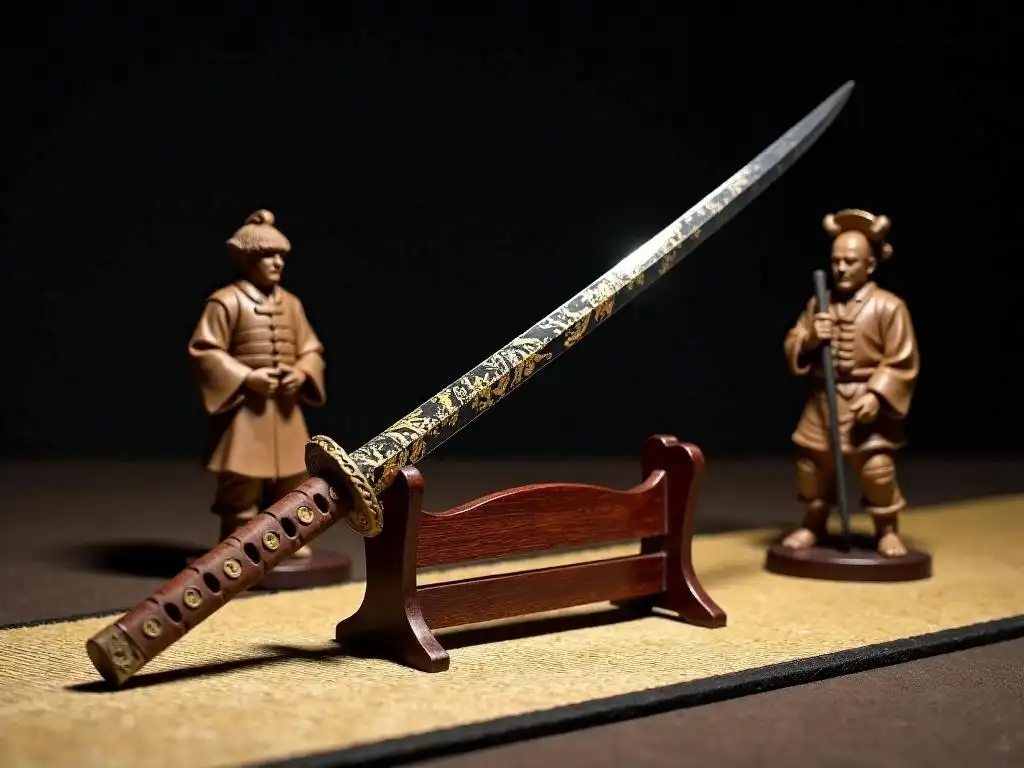
Feudal Japan was characterized by a rich tapestry of martial traditions, and beyond the famed katana, various uncommon weapons played pivotal roles in warfare and personal defense. These weapons were not only functional but often carried deep cultural significance, reflecting the values and aesthetics of the time. Here, we explore some of these unique armaments that shaped the battlefield and martial practices of the era.
The Naginata: A Versatile Polearm
The naginata is a long, curved blade mounted on a wooden pole, typically ranging from 5 to 8 feet in length. This weapon combines the cutting power of a sword with the reach of a spear, making it especially effective against mounted opponents. Samurai women also wielded naginata for self-defense, showcasing its versatility in both martial and domestic spheres.
The naginata's design allows for sweeping strikes, thrusting attacks, and defensive maneuvers. It is often associated with the warrior monks of the Tendai sect, who were known for their expertise in this weapon. Throughout history, the naginata evolved into a symbol of honor and grace, reflecting the user's skill and discipline.
The Tantojutsu: The Art of the Dagger
Tantojutsu refers to the techniques and practices surrounding the use of the tanto, a small dagger traditionally used by samurai. With a blade measuring between 6 to 12 inches, the tanto was favored for its concealability and ease of use in close quarters.
In feudal Japan, the tanto served multiple purposes, including a tool for ritual suicide (seppuku) and as a sidearm for self-defense. The art of using the tanto emphasizes quick, precise movements and the ability to strike effectively from unexpected angles. Mastery of tanto techniques showcases a practitioner's understanding of timing and distance, making it a revered skill among samurai.
The Tetsubo: The Iron Club
The tetsubo, or iron club, is a heavy, blunt weapon made of wood and often reinforced with iron. Ranging from 3 to 6 feet in length, the tetsubo was designed for powerful striking rather than cutting. It was particularly effective against armored opponents, as its weight could deliver devastating blows to the body.
Historical accounts suggest that the tetsubo was favored by certain warrior clans, especially during times of civil strife. The weapon's intimidating presence and ability to incapacitate opponents made it a feared choice in the feudal arsenal. Additionally, its simplicity allowed for various fighting styles, from swings to thrusts, adapting easily to the user’s preferences.
The Shuriken: The Hidden Star
Shuriken, often referred to as "hidden stars," are small, star-shaped throwing weapons that were commonly used by ninja and samurai alike. Made from metal or wood, these weapons were designed for distraction or injury rather than outright killing.
Shuriken came in different forms, including the traditional four-pointed star and other variations designed for specific throwing techniques. Mastery of shuriken involved skillful throwing and a deep understanding of angles and aerodynamics. While not as lethal as other weapons, shuriken served as effective tools for stealth and surprise, highlighting the strategic thinking of feudal warriors.
The Bo Shuriken: The Throwing Spike
The bo shuriken is a type of throwing spike that varies in length and can be made from metal or wood. Often cylindrical, these spikes were employed in covert operations and could be easily concealed.
The use of bo shuriken required precision and practice, as the user aimed to hit vital points on an opponent with swift, accurate throws. This weapon was commonly associated with ninjutsu, the martial art of the ninja, emphasizing stealth and agility. The ability to carry multiple bo shuriken allowed for tactical versatility, enabling warriors to engage foes from a distance or create distractions during combat.
The Cultural Significance of Uncommon Weapons
Uncommon weapons in feudal Japan were not merely tools of war; they were imbued with cultural significance and symbolism. Their use reflected the values of the samurai code (bushido) and played a vital role in martial arts, illustrating the intricate relationship between weaponry and society.
Symbolism and Status of Uncommon Weapons in Samurai Culture
In samurai culture, weapons were often seen as extensions of the warrior's spirit and identity. Uncommon weapons like the naginata and tetsubo were symbols of status, skill, and heritage. The ownership and mastery of such weapons communicated a warrior's rank and experience, while their design often incorporated intricate craftsmanship that showcased the artistry of the era.
Moreover, certain weapons were associated with specific clans or regions, further embedding them within the fabric of feudal society. The cultural significance of these weapons transcended their physical forms, becoming emblems of loyalty, honor, and the martial ethos that defined the samurai way of life.
Uncommon Weapons in Feudal Japanese Martial Arts
The practice of martial arts in feudal Japan was deeply intertwined with the use of uncommon weapons. Schools of martial arts developed specific techniques for weapons like the naginata, tanto, and shuriken, each emphasizing distinct principles and philosophies.
Training in these weapons fostered discipline, respect, and a profound understanding of combat dynamics. Various martial arts systems, such as naginatajutsu and tantōjutsu, evolved, each preserving the techniques and traditions associated with these unique armaments. The incorporation of uncommon weapons into martial arts underscored the holistic approach of feudal warriors, blending physical skill with mental fortitude and ethical conduct.
Conclusion: The Legacy of Uncommon Weapons in Feudal Japan
The legacy of uncommon weapons in feudal Japan extends far beyond their utilitarian purposes in warfare. These weapons reflect the rich tapestry of Japanese culture, artistry, and philosophy. Many of these arms were not merely tools of battle but also symbols of status, craftsmanship, and regional identity. The intricate designs of weapons like the tanto and the naginata reveal the aesthetic values of the time, merging functionality with beauty.
Moreover, the techniques developed for wielding these uncommon weapons have influenced martial arts throughout history. While the katana is often celebrated for its lethality, other weapons like the tetsubo (iron staff) and the yari (spear) showcase the versatility and strategic diversity in combat. These arms highlight the adaptability of samurai tactics and the importance of innovative weaponry in achieving victory on the battlefield.
The enduring fascination with these uncommon weapons continues today, as modern practitioners of martial arts seek to rediscover and integrate these historical techniques into their training. The interest in weapons that were once overshadowed by the more famous katana illustrates a broader appreciation for Japan’s martial heritage and the complex narratives that these weapons embody.
How Uncommon Weapons Influenced Modern Japanese Martial Arts
Modern Japanese martial arts owe much to the diverse weaponry of feudal Japan. Many contemporary disciplines, such as kendo, aikido, and kenjutsu, incorporate techniques and philosophies that originated with the use of these uncommon arms. For instance, the naginata, a polearm that combines cutting and thrusting techniques, is still practiced in modern martial arts as a way to cultivate balance, coordination, and strategic thinking.
Additionally, the principles behind the use of the yari and tanto have been integrated into various martial arts curricula. Practitioners often study these weapons to understand distance, timing, and the psychological aspects of combat. The teachings derived from these historical practices provide a rich source of knowledge, enabling martial artists to connect with Japan’s feudal past and apply those lessons to contemporary training.
Furthermore, the resurgence of interest in these uncommon weapons has led to specialized schools and workshops dedicated to their study, helping to preserve the techniques and traditions associated with them. This blend of historical context and practical application fosters a deeper appreciation for Japan’s martial heritage.
The Enduring Fascination with Uncommon Weapons of Feudal Japan
The allure of uncommon weapons from feudal Japan persists in popular culture, martial arts, and historical scholarship. Movies, anime, and literature frequently depict these unique arms, sparking interest and curiosity among new generations. For instance, the portrayal of the tanto in films and video games often romanticizes its role, drawing attention to its historical significance and craftsmanship.
Cultural festivals and reenactments also celebrate these weapons, allowing enthusiasts to engage with history actively. Events featuring demonstrations of naginatajutsu or sojutsu (spear fighting) provide audiences with insights into the skills and training that these weapons required. Such activities contribute to a broader understanding of Japan's martial past and the societal values embedded within it.
Furthermore, scholarly works on the subject continue to emerge, exploring the cultural, technological, and martial significance of these uncommon weapons. This ongoing academic interest reflects a commitment to preserving and understanding Japan’s feudal history, ensuring that the stories of these weapons—and the warriors who wielded them—remain alive for future generations.
References and Further Reading on Feudal Japan Weaponry
For those interested in delving deeper into the world of uncommon weapons from feudal Japan, there are numerous resources available. Below is a selection of recommended books, articles, and museums that provide valuable insights into this fascinating aspect of Japanese military history.
Recommended Books and Articles
- "The Art of Japanese Swordsmanship" by Stephen Turnbull – This book provides a comprehensive overview of Japanese martial arts, including detailed discussions on various weapons and their historical contexts.
- "Samurai Weapons: Tools of the Warrior" by John M. McCafferty: – A focused exploration of the different weapons used by samurai, highlighting their construction, use in battle, and cultural significance.
- "Warriors of Japan: The Samurai" by Paul H. R. Smith: – This book presents an in-depth look at the warrior class and the diverse weaponry they employed, including uncommon arms.
Notable Museums and Exhibits on Feudal Japanese Arms
- The Tokyo National Museum – Known for its extensive collection of samurai armor and weapons, the museum frequently hosts exhibits that delve into the history and craftsmanship of Japan’s martial culture.
- The Samurai and Japanese Armor Museum in Osaka – This museum features a wide array of arms and armor, offering insights into the artistry and techniques employed in their creation.
- The Kyoto National Museum – Regularly showcases exhibits on feudal Japan, including rare weaponry and artifacts that illustrate the military history of the era.
These resources collectively enhance our understanding of the uncommon weapons of feudal Japan, shedding light on their historical, cultural, and martial significance.
- Introduction to Uncommon Weapons of Feudal Japan
- The Historical Context of Feudal Japan Weaponry
- Importance of Diverse Weapons in Samurai Warfare
- Overview of Uncommon Weapons Used in Feudal Japan
- Types of Uncommon Weapons of Feudal Japan
- The Cultural Significance of Uncommon Weapons
- Conclusion: The Legacy of Uncommon Weapons in Feudal Japan
- References and Further Reading on Feudal Japan Weaponry
- What are some uncommon weapons of feudal Japan discussed in the article?
- How did these uncommon weapons influence Japanese warfare?
- What cultural significance do these weapons hold in feudal Japanese society?
- Are there any specific uses for these uncommon weapons that differ from traditional swords?
- How can one learn more about the historical context of these weapons?
Frequently Asked Questions
What are some uncommon weapons of feudal Japan discussed in the article?
The article highlights several unique weapons, such as the naginata, a polearm, and the tanto, a small dagger, emphasizing their historical significance and usage in battle.
How did these uncommon weapons influence Japanese warfare?
These lesser-known weapons provided tactical advantages, allowing warriors to engage enemies in varied combat scenarios, showcasing the diversity of martial techniques during feudal Japan.
What cultural significance do these weapons hold in feudal Japanese society?
Weapons like the naginata were not only tools of war but also symbols of status and honor, often associated with the samurai class and their philosophical beliefs about combat.
Are there any specific uses for these uncommon weapons that differ from traditional swords?
Yes, weapons such as the tanto were often used in close-quarter combat and self-defense, while the naginata was effective for both slashing and thrusting, offering versatility in battle.
How can one learn more about the historical context of these weapons?
The article provides a comprehensive exploration of their history, cultural importance, and tactical applications, making it a valuable resource for those interested in feudal Japan.
Final Reflection: Embracing the Uncommon in Feudal Japan's Weaponry
The exploration of uncommon weapons of feudal Japan reveals a rich tapestry of ingenuity and cultural significance that resonates even today. As we delve into the diverse arsenal that extended beyond the well-known katana, we uncover the profound impact these unique weapons had on warfare, strategy, and identity. The lessons learned from these historical artifacts remind us that true strength often lies in the unexpected and the unconventional.
The influence of these uncommon weapons continues to shape our understanding of martial arts and historical narratives. The intricate designs and innovative uses of weapons like the tetsubo and the naginata reflect a society that valued adaptability and creativity in the face of conflict. In the midst of chaos, there is also opportunity.
This quote encapsulates the spirit of feudal Japan, where every weapon served a purpose beyond mere combat, fostering a culture of resilience and resourcefulness that still inspires modern practitioners of martial arts and historians alike.
As we reflect on the lessons from these uncommon weapons, I invite you to consider how you can apply the principles of adaptability and creativity in your own life. Whether in personal challenges or professional endeavors, embracing the unconventional can lead to unexpected solutions and growth. Let the legacy of feudal Japan's diverse weaponry inspire you to look beyond the ordinary and to find strength in the unique paths you forge.
Unveil the Mysteries of Feudal Japan's Weaponry!
Thank you for spending time with us to explore the fascinating world of uncommon weapons from Feudal Japan. We hope you gained valuable insights into the intricacies and uses of these unique tools of warfare. Now, it's time to take action and deepen your journey into this intriguing history!
- Dive deeper: Explore the captivating stories behind each weapon by visiting our extensive collection of articles on feudal warfare techniques.
- Share your knowledge: Discuss what you learned with friends or fellow history enthusiasts on social media; challenge them to uncover their favorite weapons from this era!
- Join the community: Subscribe to our newsletter for exclusive insights and updates on the latest research in the history of Feudal Japan.
Which unique weapon will you explore further, and how do you believe it influenced the course of history?