
Ashigaru in the Sengoku Period: Key Players in Japan's Warring States

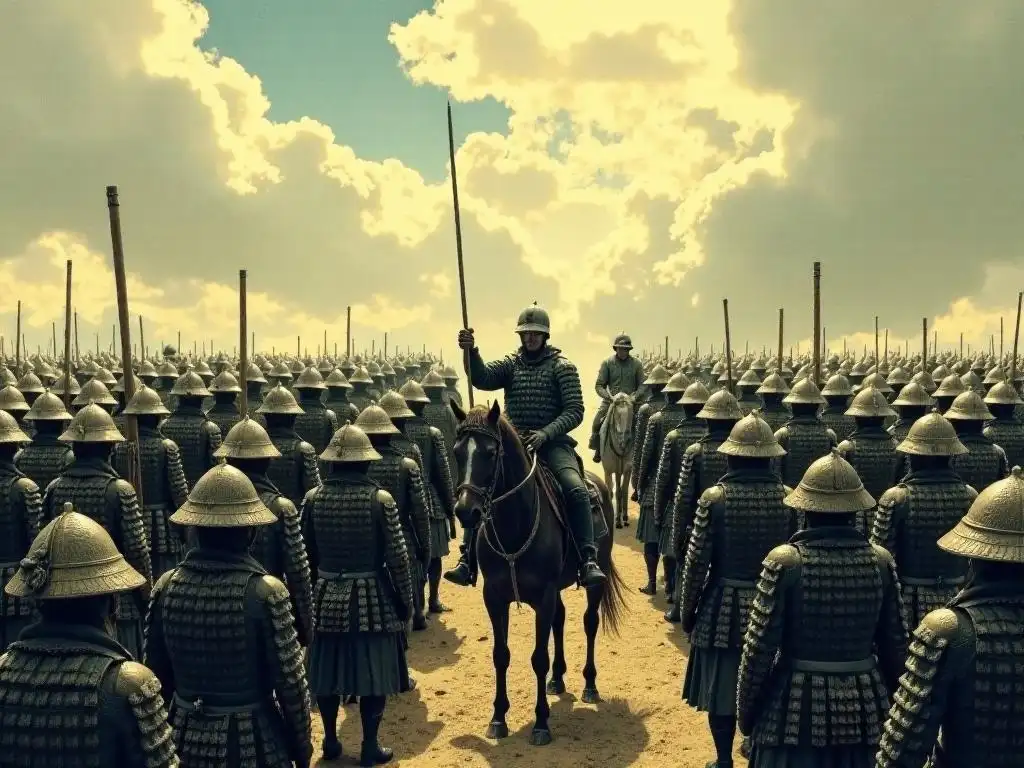
Welcome to Feudal Japan History, where we embark on a captivating journey through the intricate tapestry of Japan’s feudal era. Delve into the Ashigaru role in Sengoku Japan, a fascinating exploration of these often-overlooked foot soldiers who played a pivotal part in the Warring States period. What secrets lie behind their rise to prominence, and how did they influence the tides of battle? As you navigate through our expert-driven articles, prepare to uncover the rich historical, cultural, and societal layers that define this transformative time. Your adventure into the heart of military history begins now—let's dive deeper!
Introduction to Ashigaru in Sengoku Japan
The Ashigaru, a term that translates to "light foot," played a pivotal role in the military landscape of Sengoku Japan, particularly during the tumultuous Warring States period (1467–1615). This era was characterized by near-constant military conflict as various feudal lords, known as daimyōs, vied for power and control over territories.
The Ashigaru were not merely foot soldiers; they were the backbone of the samurai armies, often comprising a diverse mix of social classes, including farmers, townspeople, and even outcasts. Their significance extends beyond mere numbers; they adapted to the evolving tactics of warfare and contributed to the transformation of military strategies that defined this era.
The rise of the Ashigaru can be closely tied to the changing dynamics of warfare in Japan. As traditional samurai warfare began to shift towards more organized and strategic formations, the Ashigaru emerged as essential participants in battles, providing the daimyōs with the manpower necessary to execute their grand plans. Understanding the role of the Ashigaru not only sheds light on military history but also reveals insights into the social fabric of feudal Japan, including the interactions between different classes and the military's impact on societal structures.
Understanding the Sengoku Period
The Sengoku Period, often referred to as the "Warring States" period, was a time of significant upheaval and transformation in Japan. Emerging from the late Muromachi period, this era saw a breakdown of central authority, leading to the fragmentation of power among numerous feudal lords. The political landscape was marked by:
- Civil Wars: Numerous battles and skirmishes erupted as daimyōs sought to expand their territories and influence.
- Rise of the Samurai: While samurai had long been warriors of noble birth, the Sengoku period saw the rise of non-aristocratic warriors, including Ashigaru, who were crucial to the success of military campaigns.
- Military Innovation: The introduction of firearms and new tactics revolutionized warfare, requiring armies to adapt quickly.
The social, economic, and political consequences of this period were profound. As daimyōs consolidated power, they often relied on the Ashigaru not only for military support but also for maintaining order within their domains. This relationship between the samurai elite and the Ashigaru played a critical role in shaping the future of Japan, influencing the eventual unification under leaders like Oda Nobunaga, Toyotomi Hideyoshi, and Tokugawa Ieyasu.
As we delve deeper into the Ashigaru role in Sengoku Japan, we will explore their origins, tactical significance, and the evolving perceptions of these warriors within the broader context of Japanese history.
The Emergence of Ashigaru: Origins and Evolution
The Ashigaru emerged as a distinctive class of foot soldiers during the early years of the Sengoku Period (1467-1603), a time marked by political fragmentation and civil war in Japan. Initially, these soldiers were primarily composed of lower-class farmers and peasants, who sought to serve powerful local lords (daimyō) in exchange for protection or compensation. This development was a significant shift from earlier military structures, where samurai warriors dominated the battlefield as elite cavalry.
The term "Ashigaru" translates to "light foot," and it is believed that their name reflects their role as agile infantrymen, as opposed to the heavily armed samurai. Their emergence can be traced back to the need for greater manpower in increasingly large-scale battles. The advent of gunpowder weaponry, particularly the introduction of firearms such as the arquebus, further enhanced the importance of foot soldiers. As battles became more complex and required new tactics, Ashigaru were trained to utilize these weapons effectively.
Over time, the role of the Ashigaru evolved from that of mere conscripts to vital components of the samurai's military forces. They began to receive more formal training and were organized into units, allowing them to operate with greater cohesion and effectiveness on the battlefield. This evolution marked a significant transition in Japanese warfare, as the Ashigaru became indispensable in the armies of various daimyō.
The Role of Ashigaru in Sengoku Japan
In the chaotic landscape of Sengoku Japan, the Ashigaru played a crucial role in shaping military strategies and outcomes. As the demand for soldiers surged due to the continuous conflict among rival clans, Ashigaru became an essential part of the feudal military hierarchy. Their contributions can be categorized into several key areas:
- Manpower: With the rise of large-scale battles, the sheer number of Ashigaru was vital to maintaining the strength of an army. Their ability to fill ranks allowed samurai to focus on elite combat without depleting their resources.
- Flexibility: Ashigaru units were often used for various roles, including skirmishing, flanking maneuvers, and even as a first line of defense, demonstrating adaptability in combat scenarios.
- Support Troops: They were commonly deployed to support samurai cavalry through the use of firearms, providing a critical range element that complemented the melee-focused samurai.
The Ashigaru's evolution from an auxiliary force to an integral part of the military landscape exemplified the changing nature of warfare in this era. Their presence and participation in battles not only impacted immediate military outcomes but also laid the groundwork for future changes in Japan's social and political order.
Military Functions of Ashigaru
The military functions of Ashigaru were diverse and multifaceted. They often served in various capacities, directly influencing the strategies employed by their commanders. Some of their primary functions included:
- Infantry Assault: Ashigaru were primarily utilized as frontline infantry, engaging directly with enemy forces during battles. Their training emphasized both melee combat and the use of firearms, allowing them to adapt to different combat situations.
- Skirmishing: Armed with lighter weapons, Ashigaru were effective as skirmishers, utilizing hit-and-run tactics to disrupt enemy formations and gather intelligence on opposing forces.
- Firearm Units: The introduction of firearms in the Sengoku Period transformed the battlefield. Ashigaru units were trained to operate matchlock guns, significantly enhancing their effectiveness and allowing them to provide ranged support to samurai units.
- Logistical Support: Beyond direct combat, Ashigaru also played essential roles in logistics, including supply transport and fortification construction. Their involvement in these areas was crucial for maintaining the operational capacity of armies during campaigns.
Through these functions, Ashigaru contributed significantly to the military effectiveness of the forces they served, shaping the outcomes of many critical battles during the Sengoku Period.
Ashigaru as Foot Soldiers: Training and Equipment
The training and equipment of Ashigaru reflected their role as essential foot soldiers within the samurai-led armies. Unlike the samurai, who underwent rigorous and extensive training, the training for Ashigaru was more varied and often depended on the resources available to their lords. Key aspects of their training and equipment included:
- Training: While Ashigaru usually started as untrained peasants, many received basic military training, which included:
- Weapon Handling: Learning the use of weapons such as spears, swords, and firearms.
- Drill and Tactics: Instruction in formations and battlefield tactics to ensure coordination during combat.
- Equipment: The equipment of Ashigaru was typically less elaborate than that of samurai but was still functional and designed for effectiveness in battle. Common gear included:
- Armor: Light armor made from leather or iron, providing some protection while allowing for mobility.
- Weapons: Ashigaru primarily wielded:
- Bows and Arrows: Traditional ranged weapons that remained popular.
- Spears (Yari): Effective for both thrusting and throwing.
- Firearms: As gunpowder weapons became more prevalent, many Ashigaru units were equipped with matchlock guns, significantly enhancing their combat capabilities.
Through their training and equipment, Ashigaru were able to perform their military roles effectively, contributing to the overall strategies of their daimyō and the outcome of the conflicts in which they participated.
Ashigaru in the Context of Samurai Warfare
The relationship between Ashigaru and samurai was complex and multifaceted, particularly during the Sengoku Period. While samurai were often considered the elite warriors of Japan, the Ashigaru played a pivotal role in the larger context of samurai warfare. Their integration into the military structure had several implications:
- Support to Samurai: Ashigaru served as essential support troops, enabling samurai to focus on high-stakes combat. By filling the ranks, they allowed samurai to engage in more strategic maneuvers without losing their own lives or resources.
- Tactical Innovations: The inclusion of Ashigaru in battles led to the development of new tactics that combined the strengths of both infantry and cavalry. For example, samurai could use Ashigaru as a buffer, allowing them to charge into battle while Ashigaru provided ranged support.
- Social Mobility: The role of Ashigaru also reflected changing social dynamics within feudal Japan. As they gained importance on the battlefield, some Ashigaru were able to rise in status, earning land or titles through valor and loyalty. This shift challenged traditional notions of class and loyalty in samurai-dominated society.
- Cultural Integration: The Ashigaru's presence in warfare also influenced cultural perceptions of military service. Their essential role contributed to a growing recognition of the value of foot soldiers in military conflicts, leading to a more inclusive understanding of what constituted a warrior in Sengoku Japan.
The Ashigaru were not merely subordinate foot soldiers; they were key players in the evolution of samurai warfare, demonstrating the adaptability and resilience of Japan's military structure during a tumultuous era. Their contributions helped shape the very fabric of Sengoku society and its approach to warfare.
Key Figures in Ashigaru History
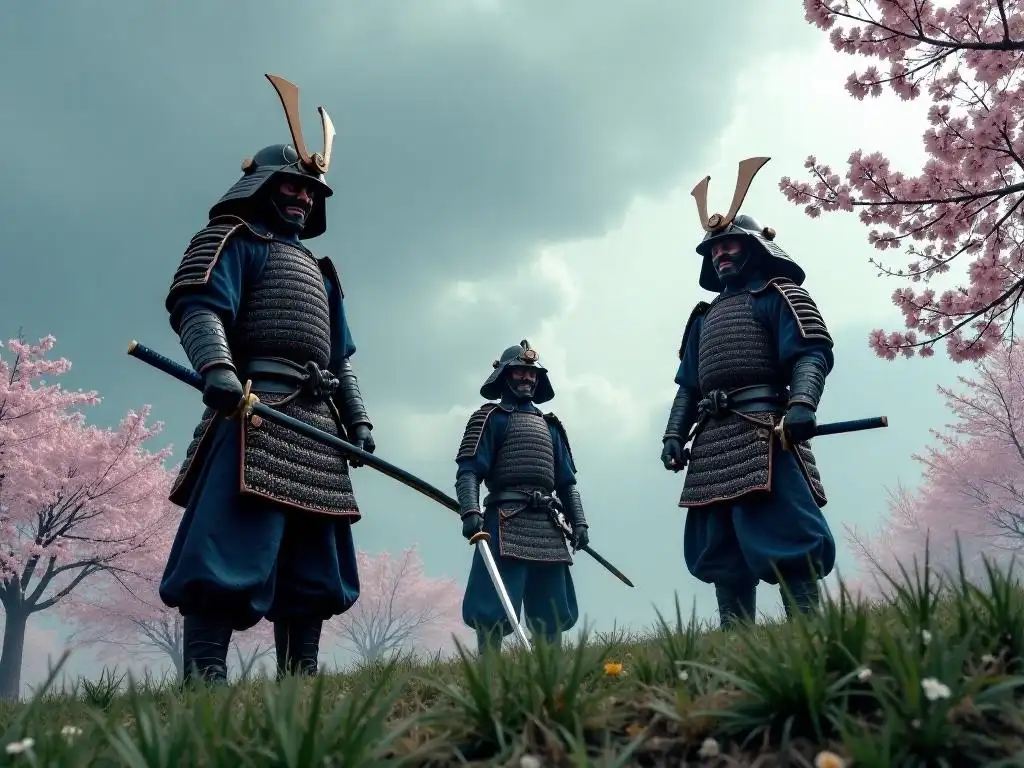
The Sengoku period of Japan, often referred to as the "Warring States" era, was marked by significant military conflict and political instability. Within this tumultuous landscape, the Ashigaru emerged as crucial figures. These foot soldiers, originally drawn from the peasantry, played a pivotal role in the battles and power dynamics of the time. Their evolution from commoners to integral components of feudal armies reshaped the military structure of Japan. Not only did they bolster the ranks of samurai forces, but they also influenced the outcomes of many key battles, thus marking their significance in the annals of military history.
Notable Ashigaru Leaders and Their Impact
Several Ashigaru leaders rose to prominence during the Sengoku period, showcasing their military acumen and leadership abilities. One notable figure is Kato Kiyomasa, who, although primarily a samurai, began his career as an Ashigaru. His rise through the ranks exemplifies the potential for Ashigaru to attain significant military positions. Kiyomasa's strategic prowess during the Siege of Fukuyama and his later campaigns against the Koreans during the Imjin War highlighted how Ashigaru could influence major military efforts.
Another key figure is Kuroda Yoshitaka, who commanded Ashigaru forces effectively and contributed to the success of the Toyotomi clan. His ability to organize and lead mixed units of Ashigaru and samurai demonstrated the tactical versatility that these foot soldiers brought to the battlefield. The contributions of such leaders illustrate that Ashigaru were not merely foot soldiers but vital components of the military elite.
The Influence of Ashigaru on Samurai Clans
The integration of Ashigaru into the samurai clans had profound implications for the balance of power during the Sengoku period. As Ashigaru began to form organized units, they provided a reliable source of manpower that allowed samurai clans to expand their military capabilities. The Oda clan, for example, capitalized on the Ashigaru's numbers to achieve victories against rival clans, showcasing their effectiveness in both offensive and defensive operations.
Furthermore, the relationship between Ashigaru and samurai underwent a transformation. As Ashigaru gained experience and demonstrated their loyalty and effectiveness, they were often rewarded with land or titles, which altered the traditional class dynamics. This shift not only solidified the Ashigaru's role in military affairs but also influenced clan politics and alliances, as samurai recognized the importance of these foot soldiers in maintaining their power and status.
The social status of Ashigaru in feudal Japan was complex and multifaceted. Initially considered lowly foot soldiers, their roles evolved significantly throughout the Sengoku period. This transformation reflected broader changes in Japanese society and military organization, as the need for effective, disciplined soldiers became paramount in an age characterized by constant warfare.
Class Structure and the Rise of Ashigaru
The class structure of feudal Japan was rigid, traditionally dominated by the samurai class at the top, followed by peasants, artisans, and merchants. However, during the Sengoku period, the demand for soldiers led to a reevaluation of social hierarchies. Ashigaru, who often came from peasant backgrounds, began to ascend within this structure, gaining respect and recognition for their military contributions.
As the role of Ashigaru expanded, their status improved, allowing them to gain land and even samurai status in some cases. The rise of Ashigaru as a distinct military class added a new dimension to the social fabric of Japan, challenging traditional norms and expectations. This phenomenon illustrated the fluidity of social roles during this period of upheaval and change.
The Transition from Peasants to Warriors
The transition of Ashigaru from peasants to warriors was marked by several key developments. Initially, Ashigaru were drawn from the peasant class, often recruited in times of war due to their availability and basic training. Over time, they received more formal military training and became organized into units that operated alongside samurai.
This transition was not merely a change in occupation; it represented a significant shift in identity. Many Ashigaru saw military service as a means of improving their social standing and securing economic stability. As they fought valiantly in numerous battles, their valor and commitment began to redefine perceptions of their capabilities. This evolution solidified the Ashigaru's position as essential contributors to the military successes of their clans, fundamentally altering their place within the societal hierarchy of feudal Japan.
The Ashigaru's Contribution to Military Strategies
During the Sengoku period, the Ashigaru emerged as a crucial component of Japan's military landscape. Originally serving as foot soldiers of lower status, they evolved into versatile and essential fighters who contributed significantly to the military strategies of their warlords. Their adaptability allowed for the effective implementation of various tactics, which were pivotal in the often chaotic and fluid battlegrounds of this era.
One of the key contributions of the Ashigaru was their ability to form large infantry units that complemented the cavalry forces of the samurai. As battles became more complex, the Ashigaru played a vital role in flanking maneuvers and creating defensive lines, often using their numbers to overwhelm enemy positions. The introduction of firearms in the late Sengoku period further enhanced their tactical value, as they were trained to operate matchlock guns, allowing for coordinated volleys that could devastate enemy formations.
Moreover, the Ashigaru were instrumental in the development of siege warfare tactics. Their training enabled them to engage effectively in both offensive and defensive roles during sieges, showcasing their versatility. This adaptability not only solidified their role in military strategies but also contributed to the overall effectiveness of the samurai-led forces during the tumultuous years of the Warring States.
Tactical Innovations Introduced by Ashigaru
The Ashigaru were not merely foot soldiers; they were also innovators in tactical approaches during the Sengoku period. One notable innovation was the effective use of sōhei (warrior monks) tactics, which emphasized mobility and surprise attacks. The Ashigaru often employed guerilla warfare strategies, leveraging their knowledge of local terrain to conduct ambushes and raids on enemy supply lines.
Additionally, the Ashigaru introduced the concept of combined arms tactics, integrating infantry, cavalry, and artillery into cohesive units. This approach allowed for greater flexibility on the battlefield, enabling commanders to respond dynamically to shifting circumstances. Their proficiency with firearms, particularly the tanegashima (a type of matchlock gun), revolutionized combat, as they could engage enemies from a distance, providing cover for advancing troops.
The organization of Ashigaru into specialized units also marked a tactical shift. By forming groups such as yari (spear) and naginata (polearm) units, they could exploit specific enemy weaknesses, enhancing their overall combat effectiveness. This innovation not only demonstrated the Ashigaru's importance but also highlighted their role in shaping military strategies that would influence future conflicts in Japan.
Ashigaru in Key Battles of the Sengoku Era
The Ashigaru played pivotal roles in several key battles throughout the Sengoku period, demonstrating their significance in military operations. One of the most notable conflicts was the Battle of Nagashino in 1575, where Ashigaru units armed with firearms helped secure a decisive victory for Tokugawa Ieyasu against the Takeda clan. Their coordinated volleys of gunfire were instrumental in breaking the Takeda cavalry charge, showcasing the transformative impact of firearms in warfare.
Another significant engagement was the Siege of Takamatsu in 1582, where Ashigaru forces participated in both offensive and defensive operations. Their ability to adapt to siege warfare allowed their commanders to maintain pressure on the besieged, ultimately leading to the fall of the fortification.
Furthermore, during the Battle of Sekigahara in 1600, the Ashigaru's contributions were crucial in the shifts of power that would lead to the establishment of the Tokugawa shogunate. Their loyalty and effectiveness in battle played a significant role in determining the outcome of this pivotal event in Japanese history, solidifying their status as key players within the military ranks.
Challenges Faced by Ashigaru During the Warring States
Despite their contributions, the Ashigaru faced numerous challenges during the Sengoku period. As lower-ranked soldiers, they often contended with issues of recognition and respect from higher-ranking samurai. This hierarchy within the military created barriers that made it difficult for Ashigaru to gain acknowledgment for their efforts and sacrifices on the battlefield.
The Struggles for Recognition and Respect
The social structure of feudal Japan placed the samurai class at the top, often overshadowing the contributions of the Ashigaru. Despite their pivotal roles in battles, many Ashigaru struggled to gain respect from their noble counterparts. This lack of recognition was exacerbated by the inherent class distinctions within the military hierarchy, where samurai viewed themselves as elite warriors, often dismissing the Ashigaru as mere foot soldiers.
Furthermore, the Ashigaru's status as conscripted or hired soldiers often led to feelings of insecurity regarding their place in the military and society at large. Many Ashigaru were drawn from lower socioeconomic backgrounds and were seen as expendable, which contributed to their struggles for acknowledgment. As a result, their contributions to military victories were often overshadowed in historical narratives, leaving their legacy underappreciated.
The Impact of Warfare on Ashigaru Lives
The harsh realities of warfare significantly impacted the lives of the Ashigaru. Many faced the constant threat of death or injury, as battles were brutal and unforgiving. The psychological toll of combat, combined with the physical dangers, created a challenging existence for these foot soldiers. Moreover, the instability of the Sengoku period meant that many Ashigaru were frequently displaced, forced to leave their homes and families to serve in conflicts.
Additionally, the aftermath of battles often left Ashigaru with few rewards. Unlike samurai, who could gain land or titles, the Ashigaru often returned to their previous lives without any significant gains, despite risking their lives in service. This lack of socio-economic mobility further perpetuated their struggles, as they remained trapped in a cycle of poverty and violence.
Ultimately, while the Ashigaru were key players in the military strategies of Sengoku Japan, their contributions came with profound personal costs, shaping their experience during this tumultuous period in Japanese history.
The Legacy of Ashigaru in Japanese Military History
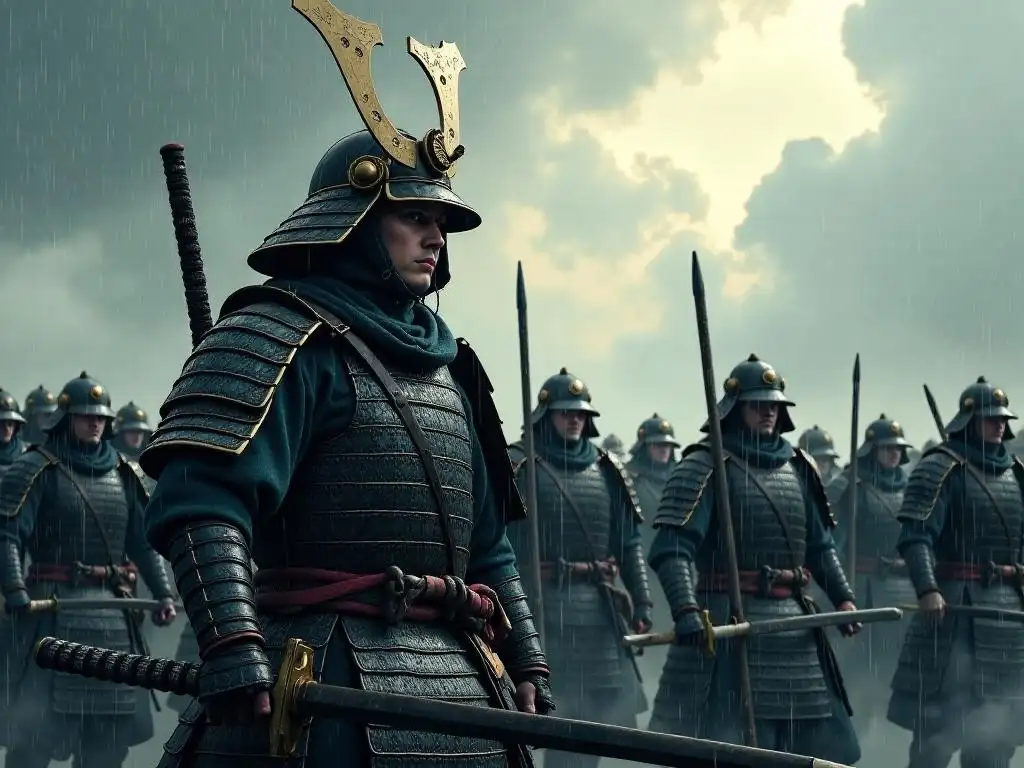
The Ashigaru played a pivotal role in shaping the military landscape of Sengoku Japan, leaving a lasting legacy that influenced subsequent generations and military organization. Initially viewed as foot soldiers, their significance evolved dramatically during the tumultuous Warring States period. Ashigaru were primarily drawn from the lower classes, including farmers and laborers, which allowed daimyo (feudal lords) to amass large armies that could be quickly mobilized.
Their adaptability and versatility in combat became a hallmark of their legacy. Equipped with a variety of weapons, including spears, swords, and later, firearms, Ashigaru were instrumental in battles such as the famous Battle of Nagashino in 1575, where their use of muskets changed the dynamics of warfare. As the Sengoku period progressed, the Ashigaru became more structured, often organized into units that could conduct coordinated strategies and tactics, thereby increasing their effectiveness on the battlefield.
The legacy of Ashigaru extends beyond their immediate military contributions; they also played an essential role in the social fabric of feudal Japan. As the demand for skilled soldiers grew, the Ashigaru began to gain recognition and status, blurring the rigid class lines that defined Japanese society. This transformation laid the groundwork for the eventual rise of the samurai class, as many Ashigaru sought to elevate their status and become part of the warrior elite.
The Decline of the Ashigaru Role Post-Sengoku Period
With the unification of Japan under Tokugawa Ieyasu in the early 17th century, the role of the Ashigaru began to decline significantly. The establishment of a centralized government led to a more structured and hierarchical military system, where the samurai emerged as the dominant force in warfare. The Ashigaru, once crucial for their numbers and flexibility, found themselves relegated to a secondary position within the military framework.
The Tokugawa shogunate implemented policies that emphasized stability and peace, which decreased the need for large standing armies. As a result, many Ashigaru were either integrated into samurai households or returned to their previous occupations as farmers. The transition from a feudal military structure to a more bureaucratic one diminished the Ashigaru's influence, as the focus shifted to maintaining order rather than engaging in widespread conflict.
Additionally, with the advent of modern warfare and the introduction of Western military practices in the late 19th century, the traditional role of the Ashigaru became obsolete. The Meiji Restoration further transformed the military, leading to the establishment of a conscript army that no longer relied on the Ashigaru model. This change marked the end of an era, as the legacy of the Ashigaru faded into history, highlighting the evolution of Japan's military practices.
Modern Interpretations and Cultural Representations of Ashigaru
In contemporary times, the Ashigaru have been reinterpreted and represented in various cultural mediums, including literature, film, and video games. Their portrayal often reflects a romanticized view of the Sengoku period, emphasizing their bravery, camaraderie, and struggles as foot soldiers. This modern interpretation serves to highlight the complexities of their role in a time marked by conflict and chaos.
Popular culture has depicted Ashigaru in a variety of ways, from valiant warriors fighting for their lords to tragic figures caught in the tide of history. Films such as "The Last Samurai" and anime series often feature Ashigaru characters who embody the spirit of loyalty and resilience, drawing attention to their contribution to the broader narrative of Japan's feudal era.
Moreover, historical novels and games frequently explore their stories, allowing audiences to engage with the Ashigaru's legacy in interactive and immersive ways. This resurgence of interest in Ashigaru not only serves to educate modern audiences about their significance but also fosters a deeper appreciation for the diverse roles that individuals played in Japan's military history.
Conclusion: The Enduring Importance of Ashigaru in Sengoku Japan
The Ashigaru were more than mere foot soldiers; they were key players in the power struggles of Sengoku Japan, influencing the course of history through their bravery, adaptability, and sheer numbers. Their role in the military organization during this period laid the foundations for future military practices and societal structures in Japan.
Despite their decline after the Sengoku period, the legacy of the Ashigaru persists in modern interpretations, reminding us of the diverse narratives that make up Japan's rich historical tapestry. The Ashigaru symbolize the shifting dynamics of class and power, reflecting how even those from humble beginnings can impact the course of history.
Understanding the Ashigaru's contributions provides valuable insight into the complexities of feudal Japan and the evolution of its military history, affirming their enduring importance in the narrative of Sengoku Japan. As we explore this era, the Ashigaru stand as a testament to the human spirit amidst conflict, embodying the resilience and determination that characterized one of Japan's most tumultuous periods.
References for Further Reading on Ashigaru Role in Sengoku Japan
To deepen your understanding of the Ashigaru and their significant role during the Sengoku period, consider exploring the following resources. These texts provide comprehensive insights into the military, social, and political aspects of the era, as well as the evolution of the Ashigaru class.
-
Books
-
"Samurai and the Sacred: The Rituals of the Samurai" by Stephen Turnbull
This book delves into the cultural and spiritual aspects of samurai life, including the roles of lower-ranking warriors like the Ashigaru. Turnbull's work provides a contextual backdrop that enhances understanding of the Ashigaru's position within the samurai hierarchy.
-
"The Samurai: A New History of the Warrior Class" by Jonathan Lopez-Vera
This historical account explores the transformation of the samurai class during the Sengoku period, shedding light on the contributions and importance of Ashigaru as foot soldiers in these tumultuous times.
-
"Warriors of Japan: The Role of the Samurai" by William Scott Wilson
Offering a detailed narrative of the military strategies and social dynamics, this book articulates the Ashigaru's crucial function in the larger framework of samurai warfare.
-
-
Academic Journals
-
"The Role of Ashigaru in the Warring States: An Analysis of Military Strategies"
This scholarly article examines specific battles and military formations where Ashigaru played pivotal roles, providing statistical data and analysis that highlight their contributions.
-
"Feudal Society in Japan: The Structure of Power"
This journal article discusses the social stratification of feudal Japan, including the Ashigaru's status, recruitment, and the impact of their military service on societal dynamics.
-
-
Documentaries and Lectures
-
"The Warring States of Japan: A Time of Turmoil"
This documentary explores the Sengoku period, featuring segments that focus on the Ashigaru's battlefield experiences and societal roles, providing visual and narrative context for their significance.
-
"Sengoku Period: The Rise of the Ashigaru" - A Lecture Series by Dr. Hiroshi Tanaka
This lecture series offers an in-depth look at the Ashigaru's evolution, covering recruitment practices, training, and their impact on the feudal military system.
-
-
Online Resources
-
The Sengoku Period Wiki
A comprehensive online resource that provides detailed articles on various aspects of the Sengoku period, including sections dedicated to the Ashigaru, their tactics, and notable figures.
-
Feudal Japan History Blog
This blog features posts that delve into specific battles and the contributions of the Ashigaru, offering insights and analysis suitable for both casual readers and serious historians.
-
By engaging with these references, readers can gain a more nuanced understanding of the Ashigaru's role in Sengoku Japan, enriching their knowledge of this fascinating period in Japanese history.
- Introduction to Ashigaru in Sengoku Japan
- Understanding the Sengoku Period
- The Emergence of Ashigaru: Origins and Evolution
- The Role of Ashigaru in Sengoku Japan
- Key Figures in Ashigaru History
- The Social Status of Ashigaru in Feudal Japan
- The Ashigaru's Contribution to Military Strategies
- Challenges Faced by Ashigaru During the Warring States
- The Legacy of Ashigaru in Japanese Military History
- Conclusion: The Enduring Importance of Ashigaru in Sengoku Japan
- References for Further Reading on Ashigaru Role in Sengoku Japan
Frequently Asked Questions
What were the Ashigaru in Sengoku Japan?
The Ashigaru were foot soldiers in the Sengoku period, primarily used by samurai clans. They played a crucial role in military strategies and were often recruited from the peasantry.
How did the role of the Ashigaru evolve during the Sengoku period?
Initially viewed as low-ranking troops, the Ashigaru gained importance, often being equipped with firearms and trained in battle tactics, becoming essential to clan armies.
What was the main function of Ashigaru in battles?
The main function of the Ashigaru was to provide infantry support, engaging in direct combat, flanking enemy positions, and protecting the samurai during battles.
While primarily seen as commoners, some Ashigaru could rise in status through valor in battle or loyalty, sometimes receiving land or titles, thus altering their social standing.
How did the Ashigaru contribute to the unity of clans during the Sengoku period?
The Ashigaru helped in building loyalty and unity within clans, as they often fought alongside samurai and other soldiers, fostering a sense of communal identity and purpose.
Final Reflection: The Enduring Legacy of Ashigaru in Sengoku Japan
The role of Ashigaru in Sengoku Japan is not just a historical footnote; it is a testament to the power of adaptability and resilience in the face of chaos. As we navigate our own tumultuous times, the lessons learned from these foot soldiers remind us that even those in seemingly minor roles can significantly influence the course of history. The Ashigaru, once mere farmers turned warriors, exemplify how ordinary individuals can rise to prominence and shape the future through courage and determination.
Culturally and socially, the Ashigaru have left an indelible mark on Japan's collective memory. Their evolution from peasant to soldier reflects the broader societal shifts during the Sengoku period, where class boundaries blurred, and new opportunities arose amidst conflict. This transformation resonates today, as we witness similar dynamics in our own societies, where the underrepresented can emerge as pivotal players in shaping change. In times of war, the ordinary becomes extraordinary.
This quote encapsulates the spirit of the Ashigaru and serves as a reminder of the potential that lies within each of us.
As we reflect on the Ashigaru's legacy, let us consider how we can embody their spirit of perseverance in our own lives. Take a moment to think about the roles you play in your community and how you can contribute to positive change. Whether you are a leader or a supporter, your actions matter. Embrace the lessons of the past and recognize that every contribution, no matter how small, can lead to significant transformations. The story of the Ashigaru is a call to action for us all: to rise, adapt, and make our mark in the world.
Empower Your Understanding of Ashigaru: Take Action Now!
Thank you for diving into the fascinating role of Ashigaru during Japan's Sengoku Period! By exploring this crucial aspect of feudal history, you’ve gained valuable insights into the lives of these key players. Now, let's transform this knowledge into action!
Here’s how you can deepen your understanding and connect with this rich history:
- Join a historical reenactment group or participate in online forums to discuss Ashigaru tactics and their lives during the Sengoku Period with fellow enthusiasts.
- Visit local museums or explore online exhibits that highlight samurai culture and the significant role of Ashigaru in shaping Japan's history.
- Share your newfound knowledge with friends by writing a blog post or organizing a discussion, sparking curiosity about the complexities of feudal Japan.
What aspect of the Ashigaru’s impact on Japanese warfare intrigues you the most, and how do you think it reflects on contemporary military strategies?