
Ashigaru in Popular Culture: Their Legacy in Modern Japan

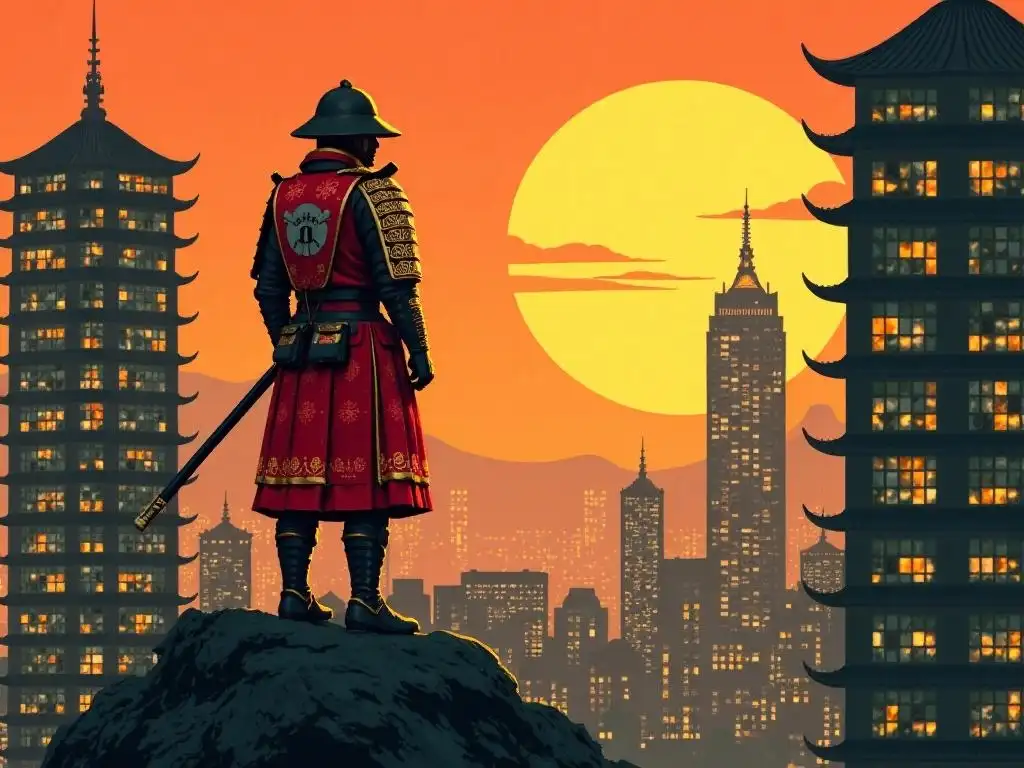
Welcome to Feudal Japan History, where we embark on a captivating journey through the intricate tapestry of Japan’s feudal era. In our featured article, “Ashigaru in Popular Culture: Their Legacy in Modern Japan,” we delve into the fascinating influence of the ashigaru—the foot soldiers who once shaped the battlefield and now echo in contemporary culture. What remnants of their legacy can you find in today’s media, art, and society? Join us as we unravel these connections and inspire your curiosity to explore the rich historical narratives that continue to resonate.
- Introduction to Ashigaru in Popular Culture
- Historical Context of Ashigaru
- Ashigaru's Representation in Modern Media
- Cultural Symbols and Legacy of Ashigaru
- The Significance of Ashigaru Influence in Modern Culture
- Conclusion: The Lasting Legacy of Ashigaru in Modern Japan
- Frequently Asked Questions
- Final Reflection: The Enduring Legacy of Ashigaru in Modern Culture
- Embrace the Legacy of Ashigaru: Take Action Today!
Introduction to Ashigaru in Popular Culture
The legacy of the Ashigaru, the foot soldiers of Japan's feudal era, extends far beyond the battlefields of the past. Their impact on Japanese society, culture, and even modern media is profound and multifaceted.
This article delves into the Ashigaru influence in modern culture—an exploration that highlights how these humble warriors have shaped contemporary understanding of loyalty, bravery, and social structure in Japan. By examining their historical role and the ways in which they are represented in today’s art, literature, and popular culture, we can gain insight into the enduring significance of these soldiers and their contributions to the rich tapestry of Japanese history.
Defining Ashigaru and Their Historical Role
The term Ashigaru refers to the foot soldiers who emerged during the late Heian period and became prominent during the Sengoku period (1467-1603). Initially, Ashigaru were lower-class peasants who served as infantry for samurai clans, often wielding simple weapons like spears and arquebuses. Over time, they evolved from being mere support troops to key players on the battlefield, showcasing skills that earned them respect and recognition.
- Key Characteristics:
- Social Status: Primarily drawn from the peasant class, Ashigaru represented the lower echelons of feudal society.
- Military Tactics: They were integral in the development of new military strategies, particularly in mass formations and coordinated attacks.
- Cultural Significance: Their role transcended the battlefield, influencing societal norms and perceptions of loyalty and service.
The Ashigaru's adaptability and effectiveness in warfare made them indispensable during Japan's tumultuous feudal conflicts, and their legacy continues to resonate in various aspects of Japanese culture today.
Overview of Ashigaru Influence in Modern Culture
The influence of Ashigaru extends into various realms of modern Japanese culture, from literature and film to video games and anime. This section explores how the image and ideals of the Ashigaru have been reinterpreted and celebrated in contemporary society.
- Literature and Film:
- Historical Novels: Many authors portray Ashigaru as complex characters, highlighting their struggles, bravery, and the societal changes they experienced.
- Movies: Films set in feudal Japan often depict Ashigaru as pivotal figures, showcasing their valor in battles and their role in the rise and fall of samurai clans.
- Video Games and Anime:
- Character Design: Ashigaru often appear as playable characters or NPCs, embodying themes of honor and sacrifice.
- Story Arcs: Their narratives frequently emphasize personal growth, loyalty, and the conflict between duty and personal desires.
- Cultural Festivals and Events:
- Many regions in Japan celebrate the history of Ashigaru through festivals, reenactments, and exhibitions that pay homage to their contributions in shaping the nation.
Through these various mediums, the Ashigaru not only serve as a reminder of Japan's feudal past but also as symbols of resilience and dedication that resonate with modern audiences. The continued fascination with their legacy highlights the importance of understanding historical figures in shaping cultural identity and national pride.
Historical Context of Ashigaru
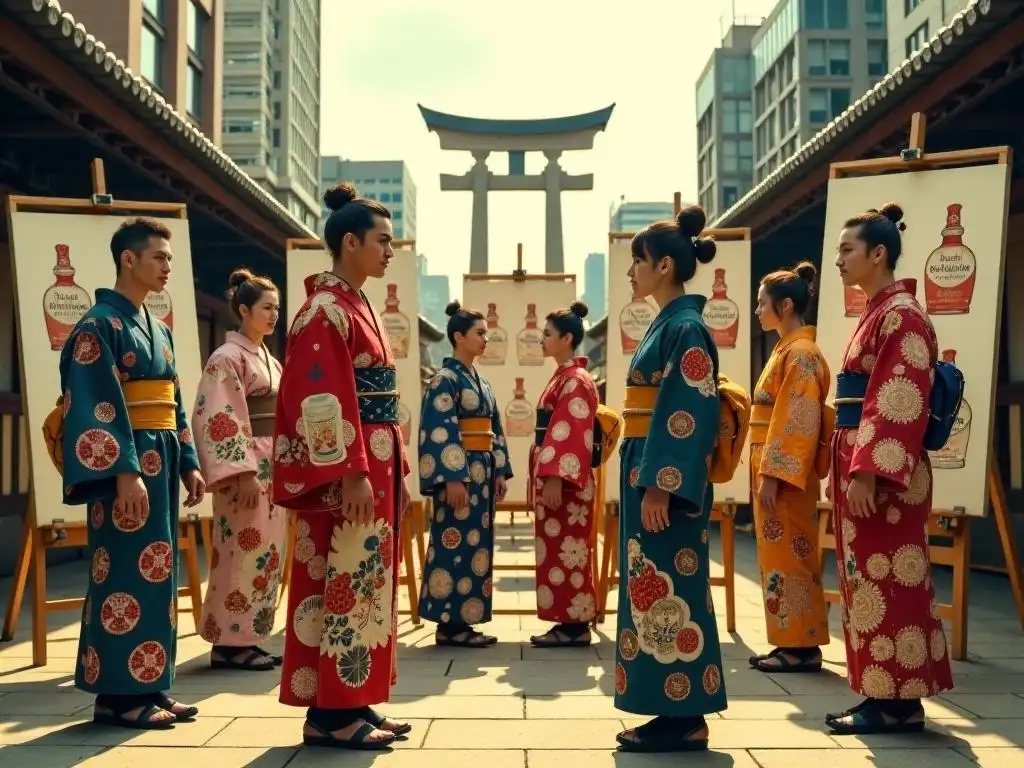
The Ashigaru, a class of foot soldiers in feudal Japan, emerged during a transformative period of the country’s history. Understanding their historical context is crucial for comprehending their influence in modern culture. This section delves into their origins, roles, and contributions throughout Japan's feudal era.
The Emergence of Ashigaru in Feudal Japan
The term "Ashigaru" translates to "light foot," indicating their initial role as lightly armed infantry. Their emergence can be traced back to the late 15th century, during the tumultuous Sengoku period, a time characterized by civil wars and power struggles among regional lords (daimyō).
- Origins:
- Initially, Ashigaru were often peasant conscripts or retainers of samurai, recruited to bolster the ranks of noble armies.
- Their numbers increased as the demand for soldiers grew, fueled by constant warfare and the need for larger and more diverse military forces.
- Equipment and Tactics:
- Unlike heavily armored samurai, Ashigaru typically wore simpler attire, carrying weapons such as spears (yari) and arquebuses (tanegashima).
- Their flexibility and mobility allowed for innovative tactics, including the use of combined arms in battle formations.
- Social Mobility:
- Over time, the Ashigaru could rise in status through valor in battle, gaining land or even samurai status, which blurred the rigid class distinctions of the era.
The emergence of Ashigaru marked a significant shift in military organization, laying the groundwork for their lasting impact on Japanese culture.
The Evolving Role of Ashigaru in the Samurai Hierarchy
As Japan transitioned from a feudal society to a more centralized state, the role of Ashigaru evolved significantly within the military hierarchy.
- Integration into Samurai Armies:
- By the late 16th century, Ashigaru were fully integrated into the samurai armies, often forming the backbone of military might in battles.
- Their numbers could outmatch the samurai, making them essential for large-scale confrontations.
- Command and Leadership:
- With their growing importance, Ashigaru began to have dedicated leaders, known as "Ashigaru Taisho," who commanded small units. This was a notable shift from their earlier status as mere foot soldiers.
- Some Ashigaru gained recognition and respect, leading to a more structured military hierarchy that included them in strategic planning.
- Cultural Representation:
- The evolving role of Ashigaru not only transformed military tactics but also influenced cultural depictions of warfare in Japan. They became symbols of the common man's valor and resilience.
The integration and evolution of Ashigaru in the samurai hierarchy reflected broader societal changes, making them integral to Japan's military legacy.
Contributions of Ashigaru to Japanese Warfare
The contributions of Ashigaru to Japanese warfare were multifaceted and left an indelible mark on military strategies and practices.
- Innovative Warfare Techniques:
- Ashigaru were instrumental in the adoption of gunpowder weapons, notably the arquebus, which revolutionized warfare in Japan.
- Their use of pike formations and coordinated infantry tactics laid the groundwork for future military strategies.
- Role in Key Battles:
- Ashigaru played pivotal roles in significant battles such as the Battle of Nagashino (1575), where their effective use of firearms helped secure a victory for Tokugawa Ieyasu against the Takeda clan.
- Their contributions often turned the tide of battle, demonstrating their tactical importance beyond mere numbers.
- Cultural Legacy:
- The valor and bravery of Ashigaru have been immortalized in various forms of Japanese art and literature, from ukiyo-e prints to modern anime and films.
- Their legacy is evident in contemporary portrayals of warriors, where the Ashigaru archetype represents the spirit of the common soldier who contributes to the greater cause.
The contributions of Ashigaru to Japanese warfare reflect not only their military effectiveness but also their lasting cultural influence, signifying their importance beyond the battlefield.
Ashigaru's Representation in Modern Media

Ashigaru in Film and Television
The portrayal of Ashigaru in film and television has significantly shaped the perception of these foot soldiers in modern culture. As the common foot soldiers of the samurai class during Japan's feudal era, Ashigaru are often depicted in various narratives that highlight their valor, struggles, and societal roles. Their representation in visual media not only reflects historical accuracy but also serves to romanticize and dramatize their experiences.
Notable Films Featuring Ashigaru Characters
Several films have brought the Ashigaru to the forefront, showcasing their integral role in Japanese history. Notable films include:
- "Kagemusha" (1980): Directed by Akira Kurosawa, this film features Ashigaru as pivotal characters, illustrating their loyalty and bravery during battles. The film's rich cinematography and storytelling highlight the complexities of feudal warfare and the lives of these soldiers.
- "The Last Samurai" (2003): Although set in a later period, this film draws heavily from the legacy of the Ashigaru, depicting them as part of the traditional warrior ethos. Their influence is evident in the way they are portrayed alongside samurai, emphasizing the cultural significance of these foot soldiers in the transition from feudalism to modernization.
- "13 Assassins" (2010): This film showcases a more gritty and realistic portrayal of Ashigaru, presenting them as crucial players in a rebellion against tyranny. The film highlights their camaraderie and the moral dilemmas they face in battle.
These films contribute to an ongoing narrative that positions the Ashigaru not merely as soldiers but as essential figures within the broader context of Japanese history.
Representation of Ashigaru in TV Series
Television series have also explored the lives of Ashigaru, often utilizing their stories to delve into themes of honor, sacrifice, and the impact of war on society. Some notable series include:
- "Shogun" (1980): Based on James Clavell's novel, this miniseries features Ashigaru prominently, depicting their roles in the power struggles of feudal Japan. The series effectively captures the cultural and social dynamics of the time, showcasing the importance of these soldiers in the larger narrative.
- "Samurai Warriors" (2004): This animated series presents a fictionalized account of historical events, including the lives of Ashigaru. Their characterization as brave and loyal fighters adds depth to the story, making them relatable to modern audiences.
- "Taiga Dramas": These historical dramas produced by NHK often include Ashigaru characters as central figures in their narratives. By exploring their lives, the series sheds light on the often-overlooked contributions of these soldiers to Japan's history.
The representation of Ashigaru in television not only entertains but also educates viewers about the historical context in which these soldiers operated, reinforcing their legacy in modern culture.
Ashigaru in Literature
The literary world has also embraced the Ashigaru, offering diverse interpretations that reflect both historical accuracy and creative imagination. Their influence is evident in various genres, from historical novels to contemporary fiction.
Historical Novels Depicting Ashigaru
Several historical novels have prominently featured Ashigaru, providing insights into their lives and the socio-political landscape of feudal Japan. Notable works include:
- "The Tale of the Heike": This classic text chronicles the rise and fall of the Taira and Minamoto clans, with Ashigaru playing critical roles in the conflicts portrayed. The narrative offers a glimpse into the lives of these soldiers, highlighting their valor and challenges.
- "Cloud of Sparrows" by Takashi Matsuoka: This novel intricately weaves the lives of Ashigaru within a broader narrative of conflict and culture in 19th-century Japan. It explores themes of loyalty, honor, and the clash between tradition and modernization.
These historical novels serve to preserve the legacy of the Ashigaru, providing readers with a nuanced understanding of their contributions to Japanese history.
Modern Interpretations of Ashigaru in Fiction
In contemporary literature, the Ashigaru are often reimagined and reinterpreted, reflecting modern themes and societal issues. Some notable examples include:
- "The Samurai's Garden" by Gail Tsukiyama: While primarily focused on samurai, the book offers a poignant exploration of the lives of common soldiers, including Ashigaru. It provides a personal perspective on the impact of war and the human condition.
- "The Last Ashigaru" by Kenzo Hirata: This novel presents a fictionalized account of the life of a young Ashigaru, exploring his struggles and aspirations during the tumultuous era of the Sengoku period. The novel emphasizes themes of identity and belonging, resonating with contemporary readers.
Through these modern interpretations, the legacy of the Ashigaru continues to thrive, influencing contemporary discussions around honor, duty, and societal roles in both historical and fictional contexts. Their enduring presence in literature highlights the significance of understanding and appreciating their contributions to Japan's rich cultural heritage.
Video Games Featuring Ashigaru
The representation of Ashigaru in video games provides a fascinating lens through which the legacy and cultural significance of these foot soldiers can be explored. As foundational figures in Japan's military history, Ashigaru are often depicted in various gaming genres, from strategy games to action role-playing titles. Their portrayal not only highlights their historical role but also incorporates elements of fantasy and folklore, making them appealing to modern audiences.
In many video games, Ashigaru are portrayed as versatile infantry units, reflecting their historical function as common soldiers who could be trained quickly and employed in large numbers. This representation allows players to engage with Japan's feudal military strategies, offering both a historical perspective and an immersive gameplay experience.
Gameplay Mechanics and Character Design of Ashigaru
The gameplay mechanics associated with Ashigaru often emphasize their adaptability and collective strength. Many games feature Ashigaru as a type of unit that can be upgraded and trained to enhance their effectiveness in battle. This mechanic mirrors historical practices where Ashigaru could be equipped with various weapons, such as spears and firearms, and adapted to different combat scenarios.
Character design plays a significant role in how Ashigaru are represented in modern video games. Developers often draw inspiration from historical attire and armor, incorporating traditional elements to create visually accurate representations. This attention to detail not only provides authenticity but also enriches the player's experience.
Additionally, the design of Ashigaru characters often includes distinct traits that reflect their social status as common soldiers. From their simple, utilitarian armor to their expressions, which can range from determination to fear, these design choices lend a humanizing aspect to the Ashigaru, portraying them as relatable figures rather than mere cannon fodder in the grand narrative of feudal warfare.
Examples of Popular Video Games with Ashigaru Elements
Several popular video games prominently feature Ashigaru elements, showcasing their influence in modern culture:
-
Total War: Shogun 2
This strategy game allows players to control various clans during Japan's Sengoku period. Ashigaru units are crucial for building armies, and players can experience the tactical challenges faced by these soldiers on the battlefield.
-
Nioh Series
Nioh integrates Ashigaru into its narrative, presenting them as adversaries that players must confront. The game combines action RPG mechanics with historical themes, allowing players to engage with the lore surrounding these foot soldiers.
-
Samurai Warriors Series
In this hack-and-slash franchise, players can control various historical figures, including Ashigaru. The game emphasizes the role of these soldiers in large-scale battles, showcasing their significance in the tumultuous era of feudal Japan.
-
Onimusha Series
This action-adventure series features Ashigaru as part of its historical backdrop, blending fantasy elements with Japan's rich history. Players encounter these soldiers in their journey through a world inspired by feudal warfare and myth.
These examples illustrate how Ashigaru continue to be a relevant and captivating subject in modern gaming, bridging the gap between Japan's feudal past and contemporary culture. Through these representations, players gain insight into the life and challenges of Ashigaru, reinforcing their enduring legacy.
Cultural Symbols and Legacy of Ashigaru
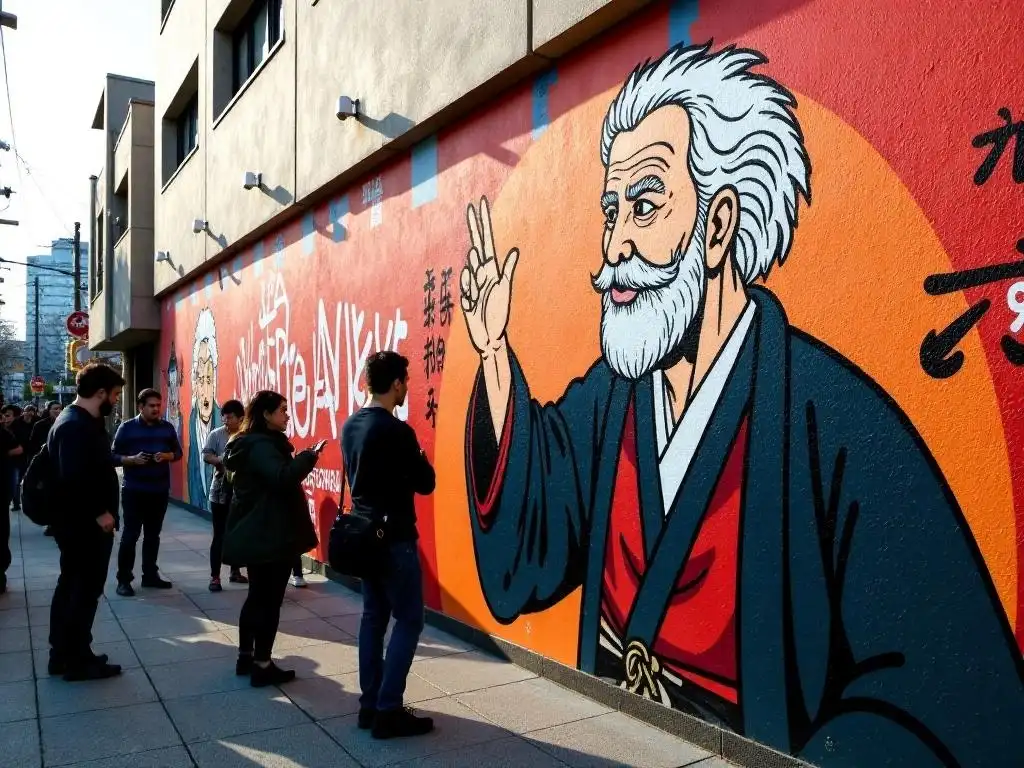
Ashigaru in Japanese Festivals and Traditions
The legacy of the Ashigaru, the foot soldiers of feudal Japan, is deeply woven into the fabric of various Japanese festivals and traditions. These events often celebrate historical battles, regional pride, and the valor of the Ashigaru, reflecting their significance in Japanese culture.
One notable example is the Kanda Matsuri, held in Tokyo, which features parades that include participants dressed as Ashigaru. This festival, celebrated every two years in May, showcases the historical importance of the Ashigaru in the Edo period, where they played a crucial role in the defense of the city.
Another festival, the Gion Matsuri in Kyoto, features floats that depict various warriors, including Ashigaru. These floats serve as a reminder of the martial traditions of the past and the role of these foot soldiers in protecting their domains.
In many regions, local festivals often include reenactments of famous battles, with participants donning Ashigaru armor and weapons, thus providing a living history lesson and keeping the Ashigaru's legacy alive in the public consciousness.
Art and Crafts Inspired by Ashigaru
The cultural impact of Ashigaru extends into the realm of art and crafts, where their image and stories inspire various forms of expression. Traditional Japanese art forms such as ukiyo-e (woodblock prints) prominently feature Ashigaru, often depicting them in battle scenes or as part of the samurai retinue.
For instance, the famous ukiyo-e artist Utagawa Kuniyoshi created works that celebrated the exploits of Ashigaru, portraying them as heroic figures alongside samurai. These prints not only highlight the Ashigaru's role in warfare but also serve to immortalize their contributions to Japanese society.
In contemporary crafts, artisans create replicas of Ashigaru armor and weapons, which are popular among collectors and enthusiasts. These crafts often incorporate traditional techniques and materials, ensuring that the skills required to produce such works are preserved.
Furthermore, the aesthetic of Ashigaru has influenced modern design, with elements of their armor and attire appearing in fashion and graphic design, showcasing their lasting impact on Japanese visual culture.
The Influence of Ashigaru on Contemporary Japanese Identity
The Ashigaru's influence in modern culture is evident in various aspects of Japanese identity today. As symbols of resilience and loyalty, they are often invoked in discussions about national pride and historical legacy.
In popular media, including anime and film, Ashigaru characters are frequently portrayed, reflecting their enduring appeal. These portrayals often emphasize themes of camaraderie, bravery, and sacrifice, resonating with contemporary audiences who seek to connect with Japan's rich historical narrative.
Moreover, the Ashigaru's legacy can be seen in the values upheld by modern organizations and communities, where teamwork and dedication are celebrated. Schools and military organizations often reference the Ashigaru's spirit to inspire commitment and unity among their members.
The educational sector also plays a role in preserving this legacy, with history lessons and cultural programs that highlight the Ashigaru's contributions to Japan's feudal era. This ensures that future generations appreciate and understand the significance of these historical figures in shaping Japan's cultural landscape.
Overall, the Ashigaru's influence in modern culture is a testament to their important role in Japan's history, serving as a bridge between the past and the present, and continuing to inspire a sense of identity among the Japanese people.
The Significance of Ashigaru Influence in Modern Culture
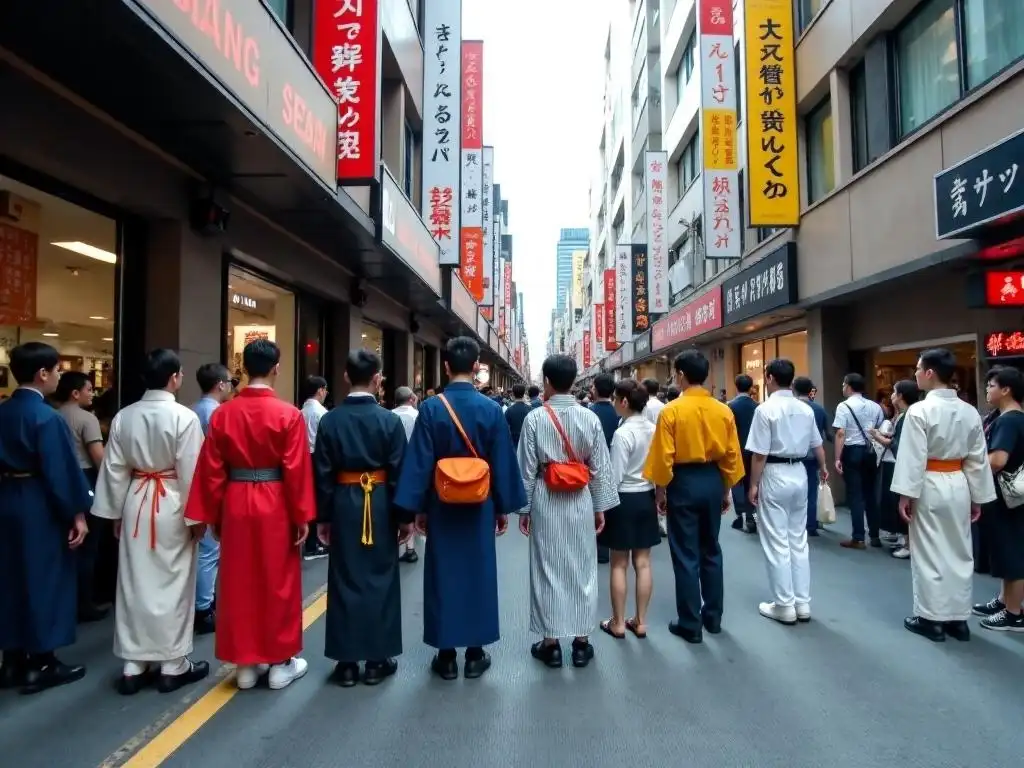
The legacy of the Ashigaru, the foot soldiers of feudal Japan, extends far beyond the battlefield. Their influence permeates various aspects of modern Japanese culture, from literature and film to art and national identity. As symbols of the common man, Ashigaru represent resilience and adaptability, qualities that resonate with contemporary societal values. This section explores how Ashigaru have become cultural icons and their significance in shaping modern Japan's identity and narrative.
Ashigaru as a Symbol of Common Soldiers
The Ashigaru were not noble samurai but rather commoners who took up arms during the tumultuous periods of feudal Japan. This duality has made them an enduring symbol of the ordinary person’s contribution to society and warfare.
- Historical Context: Initially, the Ashigaru were viewed largely as expendable, but over time they gained recognition for their role in battles. Their evolution from mere foot soldiers to essential components of military strategy reflects a societal shift that values the contributions of all individuals, regardless of their social class.
- Cultural Representation: In modern literature and cinema, Ashigaru often embody the spirit of the underdog. Works like "The Last Samurai" and various manga portray Ashigaru as characters who overcome adversity, highlighting their bravery and loyalty. This portrayal resonates with audiences who appreciate narratives of resilience and determination.
- Symbolic Significance: The Ashigaru's representation as common soldiers also serves to democratize the narrative of Japan's military history. They remind us that behind every great samurai legend, there were countless ordinary individuals whose sacrifices contributed to the broader tapestry of Japan's past.
The Reinterpretation of Ashigaru in Japanese Nationalism
The reinterpretation of Ashigaru within the context of Japanese nationalism showcases their evolving role in shaping national identity.
- Cultural Heritage: During the Meiji Restoration, there was a concerted effort to redefine the samurai ethos, which included a revival of interest in Ashigaru as a representation of the nation’s military roots. This was part of a broader movement to instill national pride and unity among the populace.
- Modern Nationalism: In contemporary Japan, Ashigaru are often invoked in discussions about national identity and pride. They symbolize a return to traditional values and the importance of the common citizen in the narrative of the nation. This has been particularly evident in media focusing on historical events that feature Ashigaru prominently, reinforcing their role in Japan's historical consciousness.
- Cultural Festivals: Various festivals and reenactments celebrate the legacy of the Ashigaru, such as historical parades featuring participants dressed as these foot soldiers. These events not only honor Japan’s military past but also serve to educate the public, fostering a sense of community and shared history.
Comparisons with Other Cultural Icons in Japan
The Ashigaru can be compared to other cultural icons within Japan, illustrating their unique place in the national consciousness.
- Samurai vs. Ashigaru: While samurai are often idealized as the epitome of honor and skill, Ashigaru represent the grassroots aspect of Japan’s martial history. This contrast highlights different facets of Japanese identity, where honor is not solely reserved for the elite but also for the common soldier.
- Comparison with Legendary Figures: Similar to figures like Yamato Takeru or Minamoto no Yoshitsune, Ashigaru are celebrated not for their noble lineage but for their bravery and tenacity. This comparison underscores the narrative that valor can arise from any social class, thus democratizing the heroic archetype in Japanese culture.
- Influence in Modern Media: Ashigaru have found a place alongside other cultural icons, such as Kappa and Tengu, in anime and video games. Their depiction in these media often emphasizes their roles as relatable, everyday heroes, bridging the gap between historical significance and modern entertainment.
The Ashigaru's influence in modern culture is profound, serving as a testament to the enduring legacy of common soldiers in shaping Japan's historical narrative. Their representation in various cultural expressions highlights the importance of recognizing the contributions of all individuals to the nation's identity and history.
Conclusion: The Lasting Legacy of Ashigaru in Modern Japan
The influence of Ashigaru in modern Japan is a multifaceted legacy that resonates through various aspects of contemporary culture. These foot soldiers, who played crucial roles during Japan's feudal era, have transcended their historical context to become symbols of resilience, adaptability, and the common man's contribution to society. Their presence in popular culture serves as a testament to their enduring impact on Japanese identity and values.
Reflections on Ashigaru Influence in Contemporary Society
In today's Japan, the Ashigaru influence in modern culture can be observed in several domains, particularly in media, literature, and even fashion. Characters inspired by Ashigaru often appear in anime and manga, embodying traits such as loyalty, bravery, and the struggle for personal honor. These narratives allow audiences to connect with the historical context while also reflecting contemporary issues of social stratification and the value of the individual within a collective society.
For instance, the portrayal of Ashigaru in video games often emphasizes their role as the underdog, fostering themes of perseverance and strength despite facing overwhelming odds. Titles such as Total War: Shogun 2 highlight the Ashigaru’s tactical importance on the battlefield, showcasing how these soldiers can turn the tide of war. This not only honors their historical significance but also inspires modern players to appreciate the strategic depth that these foot soldiers brought to warfare.
Moreover, the Ashigaru influence is evident in the resurgence of interest in traditional Japanese crafts and martial arts. Many practitioners of Iaido or Kendo draw inspiration from the disciplined training and combat techniques of the Ashigaru, emphasizing respect for history and cultural heritage. This movement fosters a deeper appreciation for the sacrifices made by these soldiers and the societal structures they supported.
Future Perspectives on Ashigaru in Popular Culture
Looking ahead, the Ashigaru influence in modern culture is likely to evolve further as new forms of media emerge. As Japan continues to embrace global storytelling methods, the reinterpretation of Ashigaru in international contexts holds potential for greater cultural exchange. This could lead to a more profound understanding of Japan’s feudal history among global audiences, fostering an appreciation for the nation's rich tapestry of military and social history.
In film and literature, there is an opportunity to explore untold stories of the Ashigaru, focusing on their lives beyond the battlefield. Documentaries and historical dramas could delve into the personal narratives of these soldiers, highlighting their experiences and contributions to society. This approach not only preserves the legacies of the Ashigaru but also offers a more nuanced view of Japan’s feudal era.
Additionally, the incorporation of Ashigaru themes in modern fashion and design is on the rise. Designers are increasingly drawing inspiration from the armor and attire of these foot soldiers, creating contemporary pieces that pay homage to their historical roots. This intersection of history and modernity may lead to a growing trend that celebrates traditional aesthetics while remaining relevant to today’s fashion landscape.
The Ashigaru's legacy is poised to remain a critical aspect of Japan’s cultural identity. Their influence permeates various spheres, affirming their place in both historical scholarship and popular culture. As society continues to reflect on the past, the Ashigaru will undoubtedly inspire future generations to honor the values of courage, loyalty, and perseverance that they exemplified.
Frequently Asked Questions
What were Ashigaru in feudal Japan?
Ashigaru were foot soldiers in the Japanese feudal system. They played a crucial role in warfare and were often recruited from the lower classes, serving under the samurai.
How did Ashigaru influence modern culture?
The legacy of Ashigaru is seen in various aspects of modern Japanese culture, from literature and film to art and fashion, reflecting their enduring impact on national identity.
Are there any popular media that feature Ashigaru?
Yes, Ashigaru have been depicted in various films, anime, and video games, showcasing their historical significance and often romanticized portrayals in popular culture.
What is the significance of Ashigaru in Japanese history?
Ashigaru were significant for their military contributions during the feudal era, helping to shape military strategies and playing a role in the unification of Japan under powerful clans.
How can I learn more about Ashigaru and their cultural impact?
You can explore expert-driven articles on dedicated websites like "Feudal Japan History," which provide in-depth insights into the Ashigaru influence and their legacy in modern culture.
Final Reflection: The Enduring Legacy of Ashigaru in Modern Culture
The influence of Ashigaru in modern culture is a testament to how historical figures can shape contemporary identities and narratives. As we explore the echoes of these foot soldiers in today’s society, it becomes clear that their legacy transcends time, reminding us of the resilience and adaptability that define the human experience. The Ashigaru, once the backbone of feudal Japan's military, now serve as symbols of perseverance and cultural richness, influencing everything from literature to film and fashion.
The Ashigaru's impact on our cultural landscape is profound and multifaceted. Their stories resonate with themes of loyalty, courage, and transformation, which continue to inspire artists and creators across various mediums. As we see their representation in modern media, we are reminded of the power of storytelling to connect past and present. History is not a burden on the memory but an illumination of the soul.
This quote encapsulates how the Ashigaru's legacy enriches our understanding of identity and culture, serving as a bridge between generations.
As we reflect on the Ashigaru's influence in modern culture, I invite you to consider how the lessons from their legacy can be applied in your own life. Think about the qualities of resilience and adaptability that they embody, and how you can harness these traits in your personal journey. Whether through creative expression or everyday challenges, let the spirit of the Ashigaru inspire you to forge your own path and contribute to the rich tapestry of culture that continues to evolve.
Embrace the Legacy of Ashigaru: Take Action Today!
Thank you for joining us on this fascinating exploration of the Ashigaru’s role in popular culture and their enduring legacy in modern Japan. We hope you gained valuable insights into how these historic foot soldiers continue to shape narratives today.
Now, let's build on that knowledge and take action! Here’s how you can deepen your understanding and appreciation of this intriguing subject:
- Dive deeper into their history: Explore a selection of insightful books and documentaries about the Ashigaru to enhance your knowledge.
- Join the conversation: Share your thoughts on social media and tag us! Engage with fellow history enthusiasts by using #AshigaruLegacy.
- Visit a museum: Check out exhibitions celebrating samurai culture or feudal history in your area. Sometimes, the best lessons come from firsthand experiences!
What aspect of Ashigaru culture resonates with you the most, and how do you see their legacy influencing today's society?