
The Ashigaru's Contribution to the Samurai Code of Honor

Welcome to Feudal Japan History, where the rich tapestry of Japan's feudal era unfolds before your eyes. Here, we dive deep into the intricate layers of historical, cultural, and societal narratives that shaped a nation. In our featured article, we explore the compelling theme of the ashigaru samurai honor code, revealing how these lesser-known warriors significantly influenced the esteemed values of the samurai class.
What secrets lie within this code, and how did it redefine honor in the battlefield? Join us as we embark on this journey through time, and uncover the profound legacy left by the ashigaru. Your adventure into the heart of military history starts here!
- Introduction to the Ashigaru and the Samurai Honor Code
- The Role of Ashigaru in the Samurai Code of Honor
- Key Principles of the Samurai Honor Code
- The Interplay Between Ashigaru and Samurai
- Historical Examples of Ashigaru Upholding the Samurai Honor Code
- The Legacy of Ashigaru in Modern Interpretations of Samurai Honor
- Conclusion: Understanding the Ashigaru's Role in Shaping Samurai Honor
- Frequently Asked Questions
- Final Reflection: The Enduring Legacy of Ashigaru in the Samurai Honor Code
- Embrace the Spirit of the Ashigaru!
Introduction to the Ashigaru and the Samurai Honor Code
The complex interplay between the ashigaru and the samurai class during Japan's feudal era is a crucial aspect of understanding the broader narrative of military history in this period. The ashigaru, originally foot soldiers of lower status, evolved significantly in both their role and their relationship with the samurai, the elite warrior class.
This article delves into the significant contributions of ashigaru to the samurai code of honor, exploring how these foot soldiers not only supported samurai in battle but also embodied elements of the honor code that defined the samurai ethos. By examining the roles, duties, and societal perceptions of ashigaru, we can better appreciate their influence on the principles that governed the samurai, ultimately revealing a more nuanced understanding of honor and loyalty in feudal Japan.
Overview of Ashigaru in Feudal Japan
The ashigaru were an essential component of the military forces in feudal Japan, emerging prominently during the late 15th century. Initially, they were drawn from the peasantry and served as foot soldiers, often poorly equipped compared to their samurai counterparts. Over time, however, the role of the ashigaru evolved, particularly during the Sengoku period (1467–1603), when the need for larger armies became paramount.
- Origins and Evolution:
- Initially, ashigaru were used primarily for logistical support.
- By the Sengoku period, they became frontline soldiers, equipped with weapons like the yari (spear) and the teppo (matchlock gun).
- Social Status:
- While they were commoners, successful ashigaru could rise through the ranks, earning titles and land.
- This mobility contrasted sharply with the rigid hierarchy of the samurai class.
The ashigaru's role was pivotal not only on the battlefield but also in the broader context of military strategy and governance. Their loyalty and effectiveness made them invaluable to feudal lords, and they often played crucial roles in the outcomes of significant battles.
Importance of Samurai Honor Code in Japanese Society
The samurai honor code, known as Bushido, encapsulated the ethical and moral framework that guided the actions and behaviors of the samurai. This code was not merely a set of rules but a way of life that emphasized virtues such as loyalty, bravery, and honor.
- Core Principles of Bushido:
- Loyalty: The unwavering commitment to one's lord and clan.
- Honor: The importance of maintaining personal and family reputation.
- Courage: The valor shown in battle and facing adversity.
The significance of the samurai honor code extended beyond the battlefield. It influenced various aspects of Japanese society, including:
- Cultural Practices:
- The code shaped art, literature, and philosophy, permeating everyday life.
- Social Hierarchy:
- The values of Bushido reinforced the samurai's status while dictating the behavior expected of all classes, including the ashigaru.
Understanding the samurai honor code provides critical insights into the values that defined feudal Japan. The contributions of ashigaru to this code illustrate how even those of lower status could embody elements of honor and loyalty, thereby enriching the samurai ethos and the broader cultural landscape of the era.
The Role of Ashigaru in the Samurai Code of Honor
Definition and Evolution of Ashigaru
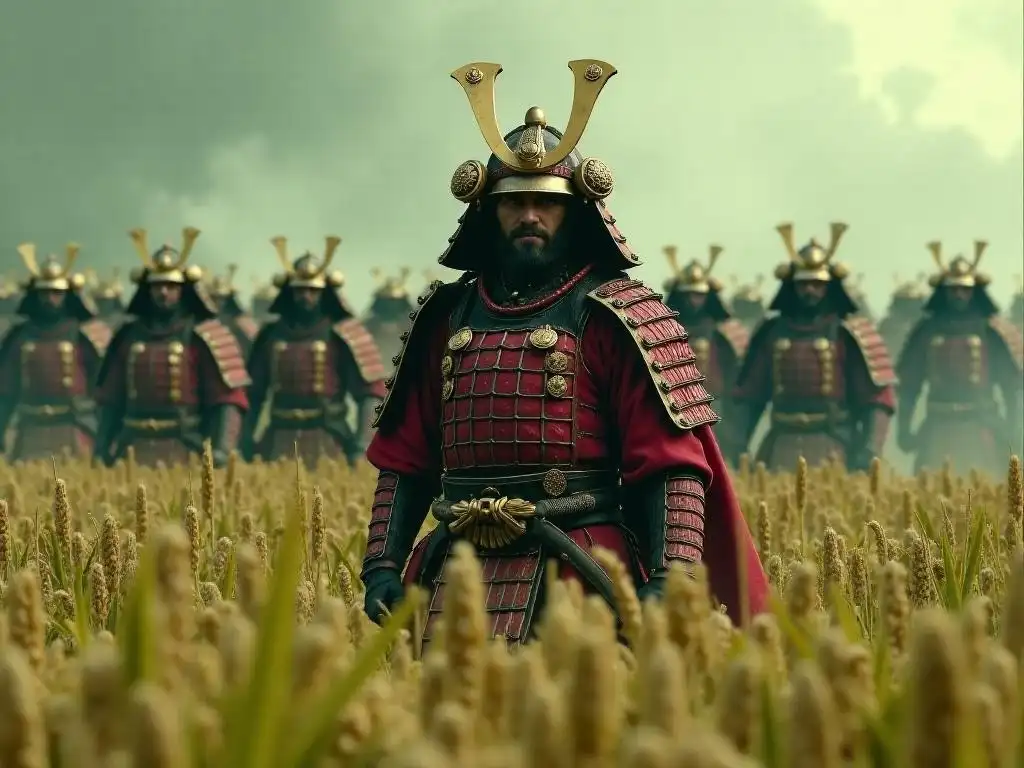
The term ashigaru, originating from the Japanese words for "foot" (足, ashi) and "to be light" (軽, karu), refers to the foot soldiers who played a crucial role in Japan's feudal military structure. Emerging during the late Heian period (794-1185), the ashigaru were initially composed of conscripted peasants and lower-class individuals. Over time, they evolved into a more organized and professional fighting force, particularly during the Sengoku period (1467-1603), when constant warfare necessitated a larger military contingent.
The evolution of the ashigaru can be traced through several phases:
- Early Formation:
- Initially served as unarmored infantry.
- Primarily armed with simple weapons such as spears (yari) and bows (yumi).
- Sengoku Period:
- Became integral to samurai armies, often forming the backbone of larger forces.
- Adopted firearms (tanegashima) and developed more sophisticated tactics.
- Post-Sengoku Development:
- With the establishment of the Tokugawa shogunate, the role of ashigaru shifted toward policing and maintaining order rather than warfare.
- Their status evolved, allowing them to gain land and titles, blurring class distinctions within the samurai hierarchy.
Ashigaru's Position Within the Samurai Hierarchy
In the complex hierarchy of feudal Japan, the ashigaru held a unique place. While they were technically of lower social status than the samurai, their contributions to military campaigns afforded them certain respect and recognition. The following points illustrate their position:
- Social Status:
- Ashigaru were often drawn from the peasant class but could achieve upward mobility through acts of valor in battle.
- Some distinguished ashigaru were granted the title of "samurai" if they demonstrated loyalty and bravery, reflecting the fluidity of social class during warfare.
- Military Role:
- They served as foot soldiers in samurai armies, executing orders and engaging directly in combat.
- Their training included not just combat techniques but also the samurai's ethical code, contributing to the broader cultural ethos of honor.
- Cultural Integration:
- As ashigaru fought alongside samurai, they absorbed ideals of loyalty, bravery, and honor, which were central to the samurai ethos.
- Their presence in battles often exemplified the collective spirit and duty that characterized samurai honor.
Contribution of Ashigaru to Samurai Values
The ashigaru's contributions to the samurai code of honor are multifaceted, affecting both the battlefield and the broader societal context. Here are key aspects of their influence:
- Valor and Sacrifice:
- Ashigaru often fought with great courage despite being at a disadvantage compared to their armored counterparts.
- Their willingness to face danger reinforced ideals of loyalty and courage within the samurai code, serving as examples of the spirit of sacrifice.
- Community and Loyalty:
- Many ashigaru were local villagers who fought to defend their homeland, fostering a sense of community.
- This local loyalty was mirrored in the samurai's commitment to their lords, strengthening the network of allegiances that defined feudal Japan.
- Moral Exemplification:
- By embodying virtues such as discipline and respect, ashigaru served as role models for younger samurai and aspiring warriors.
- Their commitment to the samurai honor code helped solidify the values of bushido (the way of the warrior) among all ranks.
The role of ashigaru in the samurai code of honor is a testament to their importance in the feudal military structure of Japan. Through their evolution, position in the hierarchy, and contributions to samurai values, the ashigaru not only supported the samurai in battle but also enriched the cultural and ethical landscape of feudal Japan. Their legacy continues to be acknowledged as a significant aspect of samurai history and honor.
Key Principles of the Samurai Honor Code
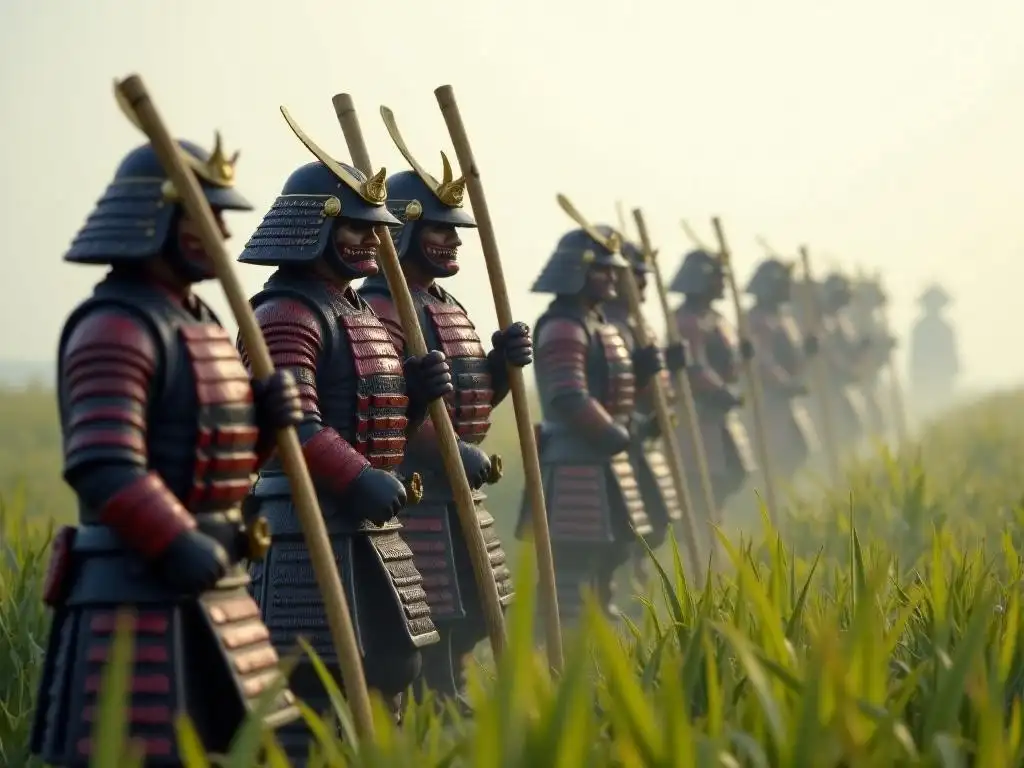
The samurai honor code, known as Bushido, is a complex set of principles that governed the behavior and ethics of the samurai class in feudal Japan. This code not only defined the samurai's conduct in battle but also their interactions with society, emphasizing values such as loyalty, courage, and honor. The ashigaru, who served as foot soldiers and were often drawn from the peasantry, played a significant role in upholding these values, contributing to the broader ethos associated with the samurai.
Bushido: The Way of the Warrior
Bushido, which translates to "the way of the warrior," encompasses a philosophy that prioritizes certain virtues essential for a samurai's conduct. It serves as a guideline for ethical behavior in various aspects of life, extending beyond the battlefield. The core tenets of Bushido include:
- Rectitude (Gi): The ability to make the right decision in moral dilemmas.
- Courage (Yū): Not only physical bravery but also the courage to uphold one's convictions.
- Benevolence (Jin): The duty to care for others and act with compassion.
- Respect (Rei): Proper demeanor and respect towards others, regardless of their social standing.
- Honesty (Makoto): The importance of being truthful and sincere in all dealings.
Loyalty and Duty: Ashigaru's Commitment
The ashigaru were instrumental in the military campaigns of the samurai, serving with an intense sense of loyalty and duty. Their commitment to their lords was reflected in several ways:
- Service to the Daimyō: Ashigaru pledged allegiance to their daimyo (feudal lord), often fighting valiantly in battles to uphold their lord's honor and territory.
- Sacrifice for the Collective: Despite their lower status, ashigaru were willing to sacrifice their lives for the greater good of their clan, embodying the samurai's value of loyalty.
- Camaraderie Among Soldiers: The bond formed among ashigaru fostered a collective responsibility, reinforcing their loyalty to each other and their samurai commanders.
This unwavering commitment to duty and loyalty illustrates how ashigaru not only served as warriors but also as a vital component of the samurai's honor code.
Courage and Honor: How Ashigaru Embodied Samurai Ideals
Courage and honor were not solely the domain of samurai; ashigaru also embodied these ideals in various ways:
- Facing Adversity: In the heat of battle, ashigaru displayed remarkable courage, often facing overwhelming odds. Their willingness to fight alongside samurai demonstrated how they internalized the samurai's valor.
- Upholding Honor in Defeat: Even in moments of defeat, ashigaru adhered to the code of honor by retreating with dignity rather than shame, reflecting the principle of maintaining one's honor at all costs.
- Personal Honor: Many ashigaru sought personal honor through acts of valor in battle, striving to earn respect not only from their samurai commanders but also from peers and the society at large.
The courage and honor exhibited by ashigaru were crucial in shaping the overall narrative of the samurai code, reinforcing the notion that honor transcended social hierarchies in feudal Japan.
The contributions of ashigaru to the samurai honor code are profound, highlighting their essential role in the military and cultural fabric of feudal Japan. Their loyalty, duty, courage, and commitment to honor served to reinforce the ideals of Bushido, demonstrating that honor was a collective pursuit shared among all warriors, regardless of rank or status.
The Interplay Between Ashigaru and Samurai
The relationship between ashigaru and samurai during Japan's feudal era is essential for understanding the complexities of the samurai honor code and military hierarchy. Ashigaru, the foot soldiers of the samurai class, played a pivotal role in both the battlefield dynamics and the moral fabric of samurai culture. Their position, often viewed as subordinate, was integral to the development of the social and military structures that defined feudal Japan.
Military Structure: Ashigaru's Role in Battles
The ashigaru were primarily composed of peasant soldiers who were recruited to serve in the armies of the samurai. Their inclusion in the military structure allowed for a more extensive and diverse fighting force, which was crucial during significant conflicts such as the Sengoku period.
- Composition and Organization:
- Ashigaru were typically armed with spears (yari), bows (yumi), and later, firearms (tanegashima).
- They were organized into units that complemented the samurai cavalry, providing essential support during battles.
- Flexibility in their deployment allowed commanders to adapt strategies based on terrain and enemy tactics.
- Tactical Deployment:
- The ashigaru often formed the frontline in battles, absorbing the initial shock of combat and protecting the more valuable samurai.
- Their ability to hold ground and engage in skirmishes was vital for the overall success of samurai-led armies.
- Hierarchy and Loyalty:
- Although ashigaru were lower in status, loyalty was a significant aspect of their role. They were expected to uphold the samurai code of honor, which emphasized duty, courage, and fidelity.
- The relationship between ashigaru and their samurai lords often fostered a sense of camaraderie, where ashigaru could earn respect and recognition through bravery in battle.
Training and Influence: Learning the Samurai Code
The training of ashigaru was an essential element in the perpetuation of the samurai honor code. While their training differed significantly from that of samurai, it was designed to instill core values that resonated with the samurai ethos.
- Basic Combat Training:
- Ashigaru were taught fundamental combat skills, including weapon handling, formations, and battlefield tactics.
- This training often involved learning to respect the samurai’s way of life, including adherence to the bushido code, albeit in a more simplified form.
- Cultural Assimilation:
- The close proximity of ashigaru to samurai facilitated the exchange of ideas and values, allowing ashigaru to absorb elements of bushido, such as loyalty and honor.
- Many ashigaru aspired to achieve samurai status, motivating them to embody the principles of the samurai code in their actions.
- Influence on Samurai Values:
- The presence of ashigaru on the battlefield reinforced the ideals of courage and loyalty within samurai ranks.
- Their willingness to fight alongside samurai and uphold the honor of their lords contributed to the overall perception of honor as a communal value rather than an individual one.
Ashigaru's Impact on Samurai Strategies and Tactics
The tactical contributions of ashigaru significantly influenced how samurai strategized and executed military operations. Their presence on the battlefield allowed for innovative approaches to warfare that shaped the feudal military landscape.
- Adaptation of Tactics:
- Samurai commanders began to incorporate the unique strengths of ashigaru into their strategies, recognizing their value as a flexible and numerous fighting force.
- The use of ashigaru in mass formations, particularly with spears, created a formidable phalanx that could counteract cavalry charges effectively.
- Integration of Firearms:
- With the introduction of firearms in the late 16th century, ashigaru became instrumental in the evolution of battlefield tactics, utilizing gunpowder weaponry to change the dynamics of warfare.
- Samurai leaders had to adapt their strategies to integrate ashigaru units armed with guns, leading to new formations and approaches to combat.
- Psychological Warfare:
- The sheer numbers of ashigaru could intimidate enemy forces, contributing to the psychological aspect of warfare. The visibility of ashigaru in large formations often deterred opponents before the battle even commenced.
- Their willingness to fight fiercely also served as a motivating factor for samurai, reinforcing the values of bravery and honor on the battlefield.
The interplay between ashigaru and samurai was fundamental to the development of the samurai honor code. The contributions of ashigaru in military structure, training, and tactical innovation not only shaped the battlefield realities of feudal Japan but also ensured that the core ideals of loyalty and honor were upheld across all levels of the military hierarchy. Understanding this dynamic allows for a deeper appreciation of the complexities within the samurai ethos and the broader historical narrative of feudal Japan.
Historical Examples of Ashigaru Upholding the Samurai Honor Code
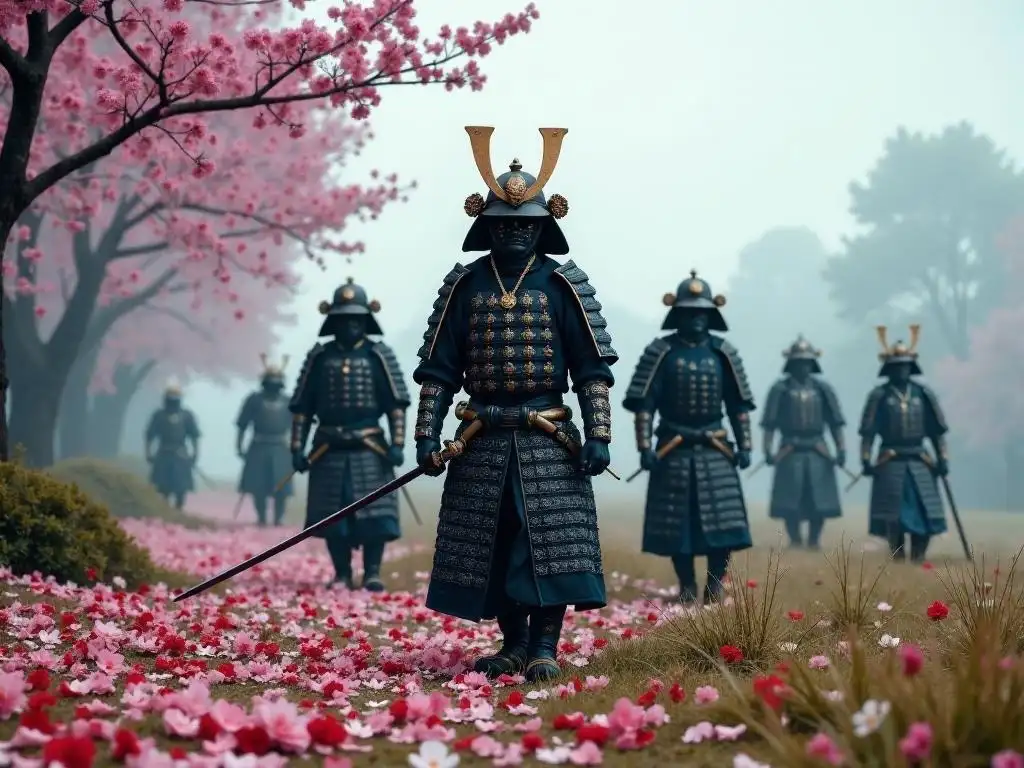
The ashigaru, often regarded as the foot soldiers of feudal Japan, played a crucial role in upholding the samurai code of honor. Despite their lower social status, their actions in various historical contexts demonstrated a deep commitment to the principles that governed samurai behavior. This section examines notable battles, case studies of loyalty and bravery, and the lessons learned from the contributions of ashigaru to the samurai honor code.
Notable Battles Involving Ashigaru
Throughout Japan's feudal era, there were significant battles where ashigaru showcased their dedication to the samurai honor code. Here are some key examples:
- Battle of Nagashino (1575): This battle is a prime example of ashigaru playing a pivotal role in a larger military strategy. Under the command of Oda Nobunaga, ashigaru utilized firearms effectively against the cavalry charges of Takeda forces. Their disciplined formation and unwavering bravery not only turned the tide of battle but also demonstrated their commitment to their samurai leaders.
- Battle of Sekigahara (1600): As one of the most decisive battles in Japanese history, the involvement of ashigaru was critical. Many ashigaru fought valiantly for their lords, adhering to the samurai honor code even in the face of overwhelming odds. Their loyalty was evident as they stood firm despite the shifting allegiances that marked the battle.
- Siege of Osaka (1614-1615): During this conflict, ashigaru proved their worth not just as soldiers but as loyal followers of their samurai leaders. Their contributions in the siege demonstrated their readiness to lay down their lives, adhering to the samurai principles of loyalty and sacrifice.
Case Studies of Ashigaru Loyalty and Bravery
The loyalty and bravery of ashigaru are exemplified through various individual stories and accounts. Here are some notable case studies:
- The Story of Kato Kiyomasa's Ashigaru: One of the most famous tales involves the ashigaru who served under the renowned warlord Kato Kiyomasa. During a campaign, an ashigaru was severely injured yet continued to fight, refusing to abandon the battlefield and his commander. This act of bravery not only inspired his fellow soldiers but also reflected the deep-seated values of loyalty and courage that the samurai code espoused.
- The Loyalty of Ashigaru at the Battle of Kawanakajima: In the series of battles between Uesugi Kenshin and Takeda Shingen, ashigaru units displayed remarkable bravery. Reports indicate that during one engagement, a group of ashigaru, outnumbered and encircled, chose to fight to the last man rather than surrender, thus embodying the samurai's ideal of honor in combat.
- Ashigaru in Service to Women: Not only did ashigaru serve their male samurai lords, but there are accounts of ashigaru showing loyalty to women of the samurai class. During the Siege of Osaka, some ashigaru dedicated themselves to protecting the families of their lords, showcasing their adherence to the broader aspects of the samurai honor code, which included respect and protection for women.
Lessons Learned from Ashigaru Contributions
The contributions of ashigaru to the samurai honor code provide valuable insights into the social dynamics of feudal Japan. Here are some key lessons learned:
- Valuable Role of Lower Ranks: The ashigaru’s actions highlight that honor and loyalty were not solely the domain of the samurai. Their dedication to their lords demonstrates that honor can be found at all levels of the military hierarchy.
- The Importance of Training and Discipline: The effective use of tactics, especially in battles like Nagashino, showcases the importance of training and discipline among ashigaru. Their ability to adapt and utilize firearms reflects a commitment to the samurai ideals of strategic warfare.
- Camaraderie and Collective Honor: The bonds formed among ashigaru fostered a sense of camaraderie that was crucial in battle. Their collective commitment to their lords and to each other emphasized that honor is often a shared value, cultivated in the heat of conflict.
- Resilience and Sacrifice: The stories of ashigaru loyalty underline the theme of resilience in the face of adversity. Their willingness to sacrifice for their lords not only reinforced the samurai honor code but also created a legacy of bravery that continued to be celebrated in Japanese culture.
The historical examples of ashigaru contributions to the samurai honor code underscore the complex and often overlooked role they played in Japan’s feudal history. Their loyalty, bravery, and commitment to their samurai leaders serve as a testament to the enduring values of honor and sacrifice that defined this era.
The Legacy of Ashigaru in Modern Interpretations of Samurai Honor
Cultural Representations of Ashigaru in Media
The portrayal of ashigaru in various forms of media significantly influences the modern understanding of the samurai honor code. From films to literature and video games, these representations often romanticize the role of ashigaru, emphasizing their loyalty, bravery, and dedication. For instance, in many historical dramas, ashigaru are depicted as the unsung heroes of battle, often overshadowed by the more glamorous samurai. This portrayal serves to highlight the concept of honor not just among the elite samurai but also among the foot soldiers who played a critical role in warfare.
In contemporary video games, such as the Total War series, ashigaru units are depicted as essential components of a samurai army, showcasing their tactical importance in battles. These representations often imbue ashigaru with a sense of honor and duty, aligning them closely with the samurai’s bushido code. This not only elevates their status but also reinforces the idea that honor extends beyond birthright or status, making it accessible to all warriors, regardless of rank.
Key Examples of Ashigaru in Media:
- Film: The Last Samurai presents ashigaru as integral to the samurai's fight against modernization.
- Literature: Novels like Musashi showcase ashigaru's perspective, emphasizing their role in the broader narrative of samurai honor.
- Video Games: Titles such as Ghost of Tsushima depict ashigaru in combat, emphasizing their loyalty and martial skills.
The Influence of Ashigaru on Contemporary Samurai Philosophy
The legacy of ashigaru extends into contemporary discussions about samurai philosophy, particularly regarding the interpretation of honor. In modern contexts, the values associated with ashigaru—such as loyalty, perseverance, and humility—are increasingly recognized as vital components of the samurai honor code. This shift highlights a more inclusive understanding of honor, which appreciates the contributions of all warriors, not just the elite samurai.
Modern martial arts schools often draw upon the principles exemplified by ashigaru. Many practitioners strive to embody the spirit of the ashigaru, focusing on discipline, respect, and community. This reflects a broader cultural movement that seeks to democratize the concept of honor, emphasizing that true honor is rooted in actions and character rather than social status.
Influential Concepts Derived from Ashigaru:
- Loyalty: The unwavering commitment of ashigaru to their lords is mirrored in contemporary loyalty to teachers and peers in martial arts.
- Perseverance: Ashigaru's tenacity in battle serves as a model for overcoming challenges in modern life.
- Humility: The recognition of ashigaru's contributions encourages a humble approach to personal achievements and honors.
The legacy of ashigaru not only enriches the historical narrative of the samurai honor code but also shapes contemporary interpretations of honor, making it a vital aspect of both historical studies and modern martial practices. The recognition of ashigaru within the samurai tradition continues to inspire and inform discussions about honor, loyalty, and the warrior spirit in today’s society.
Conclusion: Understanding the Ashigaru's Role in Shaping Samurai Honor
Reflection on Ashigaru's Contribution to the Samurai Code
The ashigaru, originally foot soldiers, played a pivotal role in the development and reinforcement of the samurai code of honor, known as Bushido. While often viewed as lower-ranking warriors compared to the samurai, the ashigaru's contributions significantly influenced the ethical framework that governed not just samurai conduct but also the broader military culture of feudal Japan.
- Loyalty and Service: The ashigaru were known for their unwavering loyalty to their lords. This commitment to service reinforced the samurai's own ideals of fidelity and honor. Ashigaru who exhibited bravery and dedication were often recognized and rewarded, which motivated samurai to uphold similar values.
- Camaraderie and Brotherhood: The shared experiences of ashigaru during battles fostered a sense of camaraderie. This collective bond mirrored the samurai's emphasis on loyalty to one another, further embedding the principles of honor and mutual respect into the fabric of military life.
- Adaptation of Military Strategies: As the ashigaru evolved from mere foot soldiers to more skilled warriors, they began to adopt and adapt the samurai's tactics and honor codes. Their ability to integrate these principles into their own practices helped to democratize the samurai ethos, making it more accessible and influential across different strata of warriors.
Through these contributions, the ashigaru not only shaped their own identities but also played a crucial role in the evolution of the ashigaru samurai honor code, blending their own experiences with the established samurai traditions.
Final Thoughts on the Importance of Honor in Feudal Japan
Honor was a fundamental aspect of life in feudal Japan, especially within the military hierarchy. The samurai honor code was not merely a set of rules but a guiding philosophy that dictated conduct in both personal and martial realms. This code was deeply intertwined with the cultural and social fabric of the time, influencing various facets of Japanese society.
- Moral Framework: The emphasis on honor provided a moral framework that guided individuals in their interactions, decisions, and conflicts. It instilled values such as courage, integrity, and respect, which were essential for maintaining social order.
- Legacy of Honor: The principles of honor established during the feudal era continue to resonate in contemporary Japanese culture. Modern interpretations of honor may not strictly adhere to the samurai code, but the underlying principles of loyalty and respect remain influential.
- Ashigaru's Legacy: The contributions of the ashigaru to the samurai honor code serve as a reminder of the interconnectedness of all warriors in feudal Japan. Their legacy highlights that honor is not solely the domain of the elite but is a value that permeates all levels of society.
The ashigaru were instrumental in shaping the samurai honor code, creating a rich tapestry of values that defined not only the samurai but also the wider military community in feudal Japan. Understanding their role allows for a more nuanced appreciation of the complexities of honor in this historical context.
Frequently Asked Questions
What are ashigaru in the context of feudal Japan?
Ashigaru were foot soldiers in feudal Japan, typically from the lower classes, who played a crucial role in the military structure of samurai clans.
How did the ashigaru contribute to the samurai honor code?
The ashigaru contributed to the samurai honor code by embodying values such as loyalty and bravery, which helped to strengthen the overall military ethos of the samurai class.
What is the significance of honor in the samurai code?
Honor is central to the samurai code, reflecting ideals of bravery, integrity, and loyalty, which were critical for maintaining social order and personal reputation in feudal Japan.
Did the ashigaru have their own code of conduct?
While the ashigaru adhered to the samurai code, they often had a more practical and flexible approach to honor, focusing on duty and service rather than strict adherence to traditional samurai ideals.
How did the relationship between ashigaru and samurai evolve over time?
Over time, the relationship between ashigaru and samurai evolved from one of subordination to collaboration, as the ashigaru gained recognition for their contributions and became integral to the military success of samurai clans.
Final Reflection: The Enduring Legacy of Ashigaru in the Samurai Honor Code
The contributions of the ashigaru to the samurai code of honor remain profoundly relevant today, as they remind us of the intricate layers of loyalty, duty, and service that define our own moral landscapes. In a world where individualism often overshadows collective responsibility, the ashigaru's role as the backbone of the samurai class illustrates the importance of every member in a society, regardless of their rank or status. Their sacrifices and unwavering commitment to their lords exemplify a timeless principle: honor is not solely reserved for the elite but is woven into the very fabric of community.
The legacy of the ashigaru continues to influence our cultural and social dynamics, highlighting the value of humility and service in our daily lives. Their story serves as a poignant reminder that honor is not just a lofty ideal but a lived experience that shapes our interactions and relationships. As the historian John W. Hall once said, The samurai code was not merely a set of rules; it was a way of life that transcended social barriers and defined the essence of honor.
This perspective invites us to reflect on how we can embody the principles of loyalty and integrity in our own contexts, fostering a culture of respect and mutual support.
As we contemplate the lessons from the ashigaru's contributions to the samurai honor code, I encourage you to reflect on your own values and the role you play within your community. Consider how you can embody the spirit of service and honor in your daily actions, recognizing that every individual has the power to contribute meaningfully to the greater good. Let us strive to honor the legacy of the ashigaru by cultivating a sense of duty and respect in our lives, ensuring that the principles of honor continue to resonate through generations to come.
Embrace the Spirit of the Ashigaru!
Thank you for exploring the profound contributions of the Ashigaru to the Samurai code of honor! By understanding their role, you’ve uncovered a vital part of Japan’s storied past. Now, let’s take this knowledge further and breathe life into these lessons of loyalty, honor, and resilience.
Here are some **meaningful actions** you can take right now:
- Reflect on Your Values: Take a moment to identify what honor and loyalty mean to you. Write them down and think about how you can embody these principles in your daily life.
- Share the Legacy: Discuss the fascinating history of the Ashigaru with friends or on social media to raise awareness about their significant contributions.
- Join the Community: Explore local historical reenactments or workshops focused on Feudal Japan and immerse yourself in the culture.
How will you embody the essence of the Ashigaru in your own journey toward honor and resilience?