
Craftsmanship of the Samurai: The Making of Legendary Blades


Welcome to Feudal Japan History, where we invite you on a captivating journey through the echoes of Japan's feudal era. Here, you will uncover the profound artistry and intricate samurai sword craftsmanship techniques that transformed simple metal into legendary blades. As you delve into our featured article, "Craftsmanship of the Samurai: The Making of Legendary Blades," prepare to be fascinated by the skill and dedication that shaped not just weapons, but also the very soul of a warrior culture. Are you ready to explore the secrets behind these magnificent creations? Your adventure begins now!
Introduction to Samurai Sword Craftsmanship
The samurai sword, known as the katana, is not merely a weapon but a symbol of honor, skill, and artistry that epitomizes the ethos of the samurai class in feudal Japan. The craftsmanship involved in creating these legendary blades is a meticulous process steeped in tradition, reflecting the values and aesthetics of a society that revered both martial prowess and artistic expression. This article delves into the intricate techniques employed in samurai sword craftsmanship, exploring the historical and cultural significance of these blades, which have become iconic symbols of Japan's rich military history.
Overview of Samurai Swords in Feudal Japan
Samurai swords played a crucial role in the lives of the samurai, functioning as both weapons and symbols of status. The katana, with its distinctive curved blade and single edge, became the weapon of choice for the samurai due to its effectiveness in combat and its ability to be drawn and struck in a single motion.
- Key Features of Samurai Swords:
- Blade Design: The curvature enhances cutting ability.
- Materials: High-quality steel, often folded to create a strong, resilient blade.
- Tsuba (Guard): Decorative and functional, protecting the hand during combat.
The craftsmanship involved in creating these swords not only ensured their effectiveness in battle but also imbued them with a spiritual significance, as each blade was believed to carry the soul of its maker.
Importance of Craftsmanship in Samurai Culture
In samurai culture, craftsmanship transcended mere functionality; it was an expression of the maker's dedication and skill. The artisanal techniques employed in sword-making were highly respected, and the process itself was often shrouded in spiritual significance.
- Philosophy of Craftsmanship:
- Dedication: Craftsmen, known as tosho, would often dedicate their lives to perfecting their skills.
- Spiritual Connection: The act of creating a sword was seen as a spiritual journey, with rituals performed to bless the blade.
This reverence for craftsmanship fostered a culture where swords were not only tools of war but also works of art, often passed down through generations as treasured heirlooms.
Historical Context of Samurai Sword Making
The art of sword-making in Japan has evolved significantly over the centuries, shaped by various historical events and cultural shifts. Understanding this evolution provides insights into the craftsmanship techniques that define samurai swords today.
Evolution of Sword Making Techniques
The techniques used in samurai sword-making have undergone numerous transformations since their inception. Early swords were influenced by Chinese designs, but as Japan's unique culture developed, so too did its sword-making techniques.
- Key Developments:
- Tamahagane Steel: The introduction of tamahagane, a high-carbon steel, revolutionized blade production.
- Folding Technique: The practice of folding steel to create layered blades, enhancing strength and flexibility.
These advancements allowed craftsmen to produce swords that were not only functional but also aesthetically pleasing, as the patterns formed during folding became characteristic of high-quality swords.
Influence of Warfare on Sword Craftsmanship
Warfare has always been a driving force behind the evolution of samurai sword craftsmanship. As combat techniques and battlefield strategies evolved, so did the design and functionality of swords.
- Impact of Warfare:
- Adaptation: Swords were adapted to meet the demands of changing combat styles, such as the rise of mounted warfare.
- Practicality vs. Aesthetics: While functionality remained paramount, the aesthetic qualities of swords increasingly became important as symbols of status among samurai.
The interplay between warfare and craftsmanship not only shaped the physical characteristics of swords but also influenced the cultural narratives surrounding the samurai and their weapons, solidifying the katana's status as a legendary blade.
Key Techniques in Samurai Sword Craftsmanship
The craftsmanship of samurai swords, or katana, is a revered art form that embodies centuries of tradition and meticulous skill. Master swordsmiths utilize a variety of techniques that have been honed over generations, resulting in blades that are not only functional weapons but also exquisite pieces of art. The key techniques involved in samurai sword craftsmanship include traditional forging methods, the use of tamahagane steel, differential hardening, and extensive polishing processes.
Traditional Forging Methods
Traditional forging methods in samurai sword making involve a series of intricate steps that require immense skill and precision. The process begins with the heating of iron and steel in a forge, where the materials are repeatedly hammered and folded. This technique serves several purposes:
- Purification of Steel: Repeated folding helps to remove impurities from the metal, enhancing its quality.
- Creating Layers: Folding the steel multiple times creates layers, which contribute to the blade's strength and flexibility.
- Enhancing Aesthetics: The visible layers in the finished blade result in a unique and beautiful grain pattern, known as “hada.”
The most notable forging method is the “tatara”, a traditional Japanese smelting furnace used to produce tamahagane, the steel crucial for katana making. Master swordsmiths often work in teams, each specializing in different aspects of the forging process, ensuring that each sword meets the highest standards of quality.
The Role of Tamahagane Steel in Blade Making
Tamahagane steel is considered the soul of the samurai sword, playing a critical role in the quality and performance of the blade. This high-carbon steel is produced from iron sand, which is smelted in a tatara and refined through a labor-intensive process. Key aspects of tamahagane include:
- Composition: Tamahagane is characterized by its unique carbon content, which varies throughout the ingot. This variability allows swordsmiths to select specific sections of the steel for different parts of the blade.
- Properties: The steel's composition contributes to the katana's sharpness, durability, and ability to hold an edge, making it ideal for combat.
- Cultural Heritage: The production of tamahagane is steeped in tradition, with techniques passed down through generations, reflecting the deep respect for craftsmanship in Japanese culture.
Differential Hardening Techniques
One of the most innovative techniques in samurai sword craftsmanship is differential hardening. This process involves applying clay to different parts of the blade before the quenching stage, which creates varying hardness levels across the sword. The key points include:
- Clay Application: Swordsmiths apply a thicker layer of clay to the spine of the blade, while a thinner layer is applied to the edge. This creates a temperature differential when the blade is heated and then quenched in water.
- Hardness Variation: The edge becomes harder and more resilient, while the spine remains softer and more flexible. This balance allows the blade to absorb shock during use, reducing the risk of breakage.
- Visual Effects: The resulting hamon, or temper line, is not only a functional feature but also adds aesthetic beauty to the blade, showcasing the skill of the swordsmith.
Polishing and Finishing Processes
The final stages of samurai sword craftsmanship involve polishing and finishing, which are crucial for both functionality and aesthetics. Each katana goes through a meticulous polishing process that enhances its sharpness and visual appeal. The steps include:
- Using Water Stones: Polishing is done with various grades of water stones, which gradually refine the blade's surface. This process can take weeks to complete.
- Creating a Sharp Edge: The goal is to achieve an exceptionally sharp edge that can cut through various materials with ease.
- Highlighting Features: Polishing also brings out the blade's grain patterns and the hamon, emphasizing the artistry involved in its creation.
The finishing touches may include adding a handle (tsuka), guard (tsuba), and scabbard (saya), which are also crafted with attention to detail, contributing to the overall beauty and functionality of the sword.
Cultural Significance of Samurai Swords
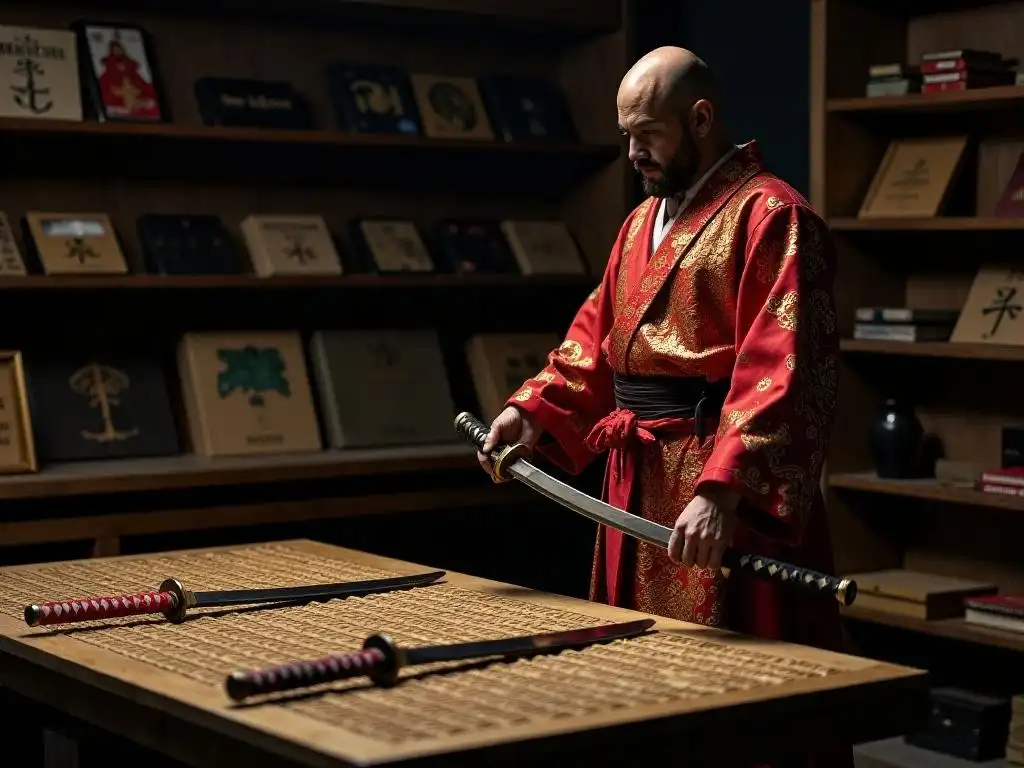
Samurai swords are more than just weapons; they are profound cultural symbols in Japanese society. The craftsmanship behind these blades reflects deep-rooted traditions and the values held by the samurai class. Understanding the cultural significance of these swords involves exploring their symbolism and their relationship to samurai identity.
Symbolism of the Samurai Sword in Japanese Society
In Japanese society, the samurai sword is steeped in symbolism, representing honor, loyalty, and the samurai's code of conduct, known as Bushido. Key symbolic aspects include:
- Honor and Status: The sword is a symbol of a samurai's honor and social status. Carrying a katana signified a warrior's right to bear arms and his commitment to uphold the values of the samurai.
- Spiritual Connection: Samurai believed that their swords possessed a soul, known as “tachi”, linking the blade's spirit to the warrior's own. This belief imbued the sword with a sense of reverence.
- Cultural Heritage: The katana is a vital part of Japan's cultural heritage, embodying the aesthetic and philosophical principles of Japanese craftsmanship and artistry.
The Sword as a Reflection of Samurai Identity
The samurai sword also serves as a powerful reflection of samurai identity, encapsulating the warrior's skills, values, and legacy. Important aspects include:
- Personal Expression: Each sword is unique, often customized to reflect the personality and status of its owner. This personal connection to the sword enhances its significance.
- Legacy and Tradition: The craftsmanship and artistry involved in sword making are tied to the samurai's legacy. Many families passed down swords through generations, symbolizing continuity and honor.
- Warrior Ethos: The sword embodies the samurai's ethos, representing not just a weapon, but a way of life rooted in discipline, loyalty, and respect.
The samurai sword craftsmanship techniques are a blend of traditional forging, the use of specialized materials, and intricate finishing processes that yield not just weapons but cultural artifacts of immense significance. Understanding these techniques and their cultural implications enriches our appreciation of Japan's feudal history and the enduring legacy of the samurai.
The Master Craftsman: Role and Training
The role of a master craftsman in the production of samurai swords is crucial, blending artistry with technical skill. These artisans, known as tōkō, not only forged blades but also upheld the cultural significance attached to these legendary weapons. The samurai sword, or katana, is revered not only as a tool of war but also as a symbol of honor, loyalty, and the samurai's way of life. Thus, the craftsmanship involved in its creation reflects a deep understanding of both material and meaning.
Training as a swordsmith is extensive and rigorous, often beginning in the early years of a young artisan's life. The journey to mastery requires years of dedication, focusing not only on the physical act of forging but also on the historical and philosophical aspects of the craft. Each blade is a narrative, telling the story of its maker and the era from which it originates. The master craftsman embodies the synthesis of tradition and innovation, ensuring that each sword produced meets the high standards expected by the samurai class.
Journey to Becoming a Master Swordsmith
The path to becoming a master swordsmith is long and demanding, typically beginning in childhood. Young apprentices usually start around the age of 15, entering the workshop of an established master. This period of training lasts anywhere from a decade to several decades, during which apprentices learn the intricacies of metallurgy, forging techniques, and the historical context of the swords they are creating.
As apprentices progress, they are taught to recognize various types of steel and their properties, an essential skill for achieving the desired characteristics in the final blade. They also learn about tatara, the traditional Japanese furnace used to smelt iron sand into steel, which is the foundation for crafting quality swords. The journey encompasses not just practical skills but also the philosophical and spiritual dimensions of sword making, emphasizing respect for the craft and the materials involved.
Apprenticeship and Skills Development
During the apprenticeship, the focus is on mastering fundamental skills that are integral to swordsmithing. Apprentices start with basic tasks, gradually taking on more complex responsibilities as they demonstrate their proficiency. Key skills developed during this time include:
- Forging Techniques: Learning to shape the blade through hammering and folding, which is essential for creating the distinctive hada (grain pattern) of the steel.
- Heat Treatment: Understanding how to properly heat and cool the blade to achieve the right balance of hardness and flexibility, a critical factor in sword performance.
- Polishing and Finishing: Gaining expertise in the final stages of sword making, which involve polishing the blade to a mirror finish and applying protective coatings.
This process fosters a deep connection between the apprentice and the craft, instilling a sense of pride and accomplishment as they progress toward becoming a master swordsmith.
Famous Swordsmiths of the Feudal Era
Numerous swordsmiths gained fame during Japan's feudal era, producing blades that are still celebrated today. Some of the most renowned include:
- Masamune: Often considered the greatest swordsmith in Japanese history, his blades are known for their exquisite beauty and unparalleled sharpness. Masamune's work exemplifies the ideal fusion of form and function.
- Muramasa: Known for producing swords that were said to possess a spirit of their own, Muramasa's blades were both feared and revered. His swords are often associated with a violent legacy, adding to their mystique.
- Jinpachi: A lesser-known but influential swordsmith, Jinpachi's swords were favored by several samurai clans and are noted for their exceptional craftsmanship and durability.
These artisans left a lasting legacy, influencing generations of swordsmiths and contributing to the cultural heritage of Japan.
The Anatomy of a Samurai Sword
Understanding the anatomy of a samurai sword is essential to appreciate the craftsmanship involved in its creation. Each component of the sword is meticulously designed and constructed to enhance its functionality and aesthetic appeal. The main parts of a samurai sword include the blade, tang, handle, guard, and scabbard.
Components of the Samurai Sword
- Blade (Nagasa): The cutting edge of the sword, typically ranging from 2 to 3 feet in length. The blade's curvature and geometry play a significant role in its cutting ability.
- Tang (Nakago): The part of the blade that extends into the handle. The tang is crucial for balance and control, allowing the wielder to maneuver the sword effectively.
- Handle (Tsuka): Wrapped in a material such as silk or cotton, the handle provides grip and comfort. The length of the handle can vary to accommodate different fighting styles.
- Guard (Tsuba): A decorative yet functional piece that protects the hands from sliding onto the blade. Tsubas come in various designs, often reflecting the owner's personality or clan.
- Scabbard (Saya): The protective covering for the blade, usually made of wood and lacquered for durability. The scabbard is not only practical but also often features intricate designs.
Each of these components is crafted with precision, reflecting the skill and dedication of the swordsmith.
Understanding Blade Geometry and Its Impact on Performance
Blade geometry significantly affects a sword's performance, influencing factors such as cutting ability, balance, and handling. The curvature of the blade, known as sori, determines how the sword interacts with the target during a cut. A more pronounced curve allows for a slicing motion, while a straighter blade provides thrusting capability.
Additionally, the thickness and taper of the blade impact its strength and flexibility. A well-designed blade will achieve a balance between hardness and resilience, allowing it to withstand the rigors of battle. The angle of the edge, known as kiri, also plays a role in cutting efficiency, with sharper angles facilitating cleaner cuts.
The craftsmanship and attention to detail in blade geometry are what transform a simple piece of metal into a formidable weapon, making the study of these techniques essential for understanding samurai sword craftsmanship.
Modern Interpretations of Samurai Sword Craftsmanship
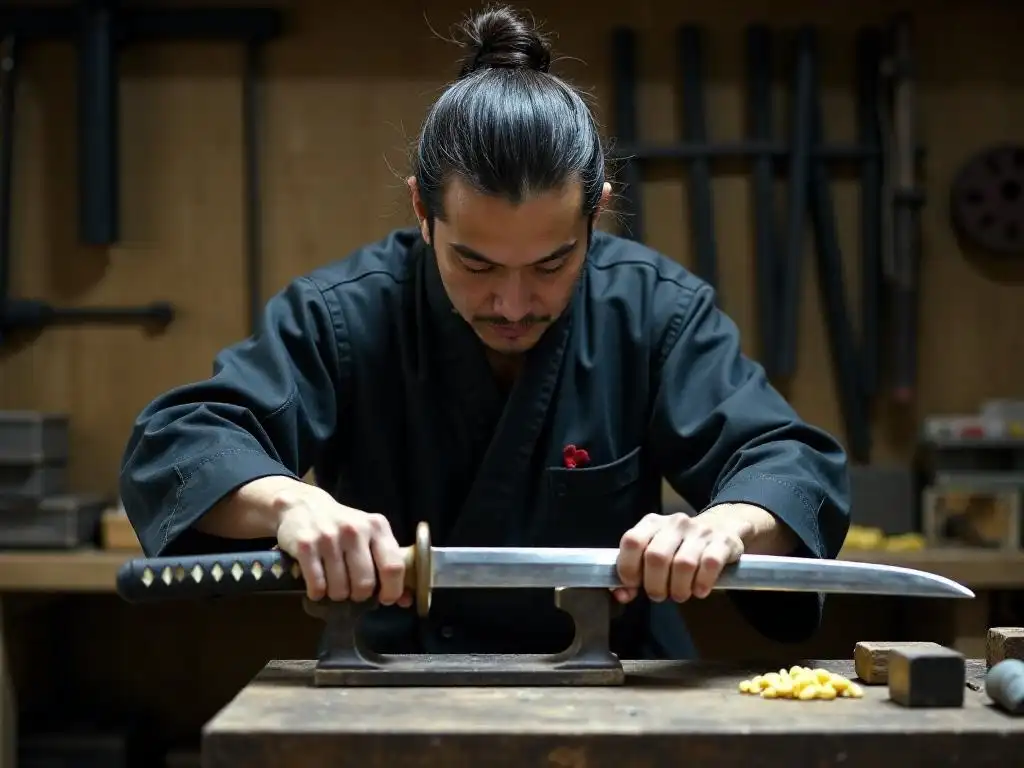
In recent years, the craftsmanship of samurai swords has undergone a renaissance, as artisans and creators seek to preserve and reinterpret traditional techniques in modern contexts. This revival is not merely a nostalgic return to the past; it has adapted to contemporary aesthetic demands and market trends while still honoring the historical significance and intricate methods of sword-making. Modern smiths often incorporate advanced technologies, like digital forging, alongside traditional methods, ensuring that the timeless artistry of samurai swords remains relevant.
The aesthetic appeal of samurai swords has also led to collaborations between traditional craftsmen and contemporary artists, resulting in unique pieces that blend old-world craftsmanship with modern design sensibilities. These new interpretations often showcase innovative materials and techniques, attracting a wider audience interested in both history and art. As a result, samurai sword craftsmanship continues to evolve, bridging the gap between past and present while retaining its cultural significance.
Continuation of Traditional Techniques Today
Despite the modernization of sword-making, many artisans remain dedicated to preserving the traditional techniques that have defined samurai sword craftsmanship for centuries. These techniques, passed down through generations, include the meticulous processes of tamahagane steel forging, differential hardening, and the intricate polishing methods that reveal the blade's true beauty.
Artisans often belong to schools or lineages that emphasize the importance of these traditional methods, ensuring that the knowledge is not lost. Workshops and training programs are established to teach apprentices the art of sword-making, fostering a deep respect for the craft. Events like sword exhibitions and competitions further promote traditional craftsmanship, allowing new generations to appreciate the intricacies involved in creating a samurai sword.
The dedication to these time-honored practices is evident in the meticulous attention to detail that modern craftsmen apply, ensuring that each blade not only serves as a weapon but also as a work of art. This commitment helps maintain the integrity of samurai sword craftsmanship, allowing it to flourish even in a rapidly changing world.
Influence of Samurai Swords in Contemporary Culture
The influence of samurai swords transcends their functional use in combat; they have become symbols of honor, artistry, and cultural identity in contemporary culture. Films, literature, and video games frequently feature samurai swords, contributing to their romanticized status and introducing their allure to new audiences worldwide.
Moreover, the aesthetic of samurai swords has found a place in fashion and design, with motifs inspired by the blades appearing in various products, from jewelry to high-end fashion. This cultural crossover underscores the deep-rooted significance of samurai swords in Japanese history and their potential to inspire creative expression.
Additionally, martial arts schools that focus on disciplines like Kendo and Iaido often emphasize the historical importance of the samurai sword, teaching students not only the techniques but also the philosophy and spirit behind the craftsmanship. This educational aspect reinforces the enduring legacy of samurai swords and their craftsmanship within modern society.
Conclusion: The Enduring Legacy of Samurai Sword Craftsmanship
The craftsmanship of samurai swords represents more than mere weapon-making; it embodies a rich historical narrative intertwined with the cultural fabric of Japan. The techniques and philosophies behind sword-making have shaped not only martial practices but also artistic expressions and societal values.
Lasting Impact on Japanese Heritage
Samurai sword craftsmanship is an integral part of Japan's heritage, reflecting the values of discipline, respect, and mastery. This legacy is preserved not only through the physical blades but also through the stories and traditions that accompany them. The cultural significance of these swords continues to resonate within Japan, influencing art, literature, and even philosophy.
The enduring legacy of samurai sword craftsmanship also plays a vital role in fostering a sense of national pride. As Japan navigates its modern identity, the samurai sword remains a powerful symbol of resilience and artistry, connecting contemporary society with its storied past.
The Future of Samurai Sword Making Techniques
Looking ahead, the future of samurai sword making techniques appears promising, balancing tradition with innovation. As new materials and technologies emerge, artisans are likely to explore creative avenues that honor the past while embracing the possibilities of modern craftsmanship.
Sustainability practices are also becoming increasingly important, with some craftsmen focusing on using eco-friendly materials and methods. This shift not only aligns with global trends but also reflects a growing consciousness about preserving the art of sword-making for future generations.
Samurai sword craftsmanship is poised to thrive, as it continues to inspire both traditional artisans and modern creators alike. The blend of historical significance and contemporary relevance ensures that the legacy of these legendary blades will endure, captivating future generations with their beauty and craftsmanship.
References and Further Reading on Samurai Sword Craftsmanship
For those interested in delving deeper into the intricate world of samurai sword craftsmanship, a wealth of resources is available that explore both historical context and the techniques employed by master swordsmiths. These references provide an in-depth understanding of the artistry, cultural significance, and technological advancements involved in the creation of legendary blades.
Recommended Books and Resources on Samurai Weaponry
-
"The Craft of the Japanese Sword" by Leon Kapp, Hiroko Kapp, and Yoshindo Yoshihara
This book offers a detailed overview of the traditional techniques of sword-making in Japan, focusing on the tools, materials, and processes used by artisans. The authors, including a renowned swordsmith, provide insights into the philosophical aspects of craftsmanship.
-
"Japanese Swords: Their History, Styles, and Craftsmanship" by John M. Yumoto
An essential read for anyone interested in the history of Japanese swords, this book covers the evolution of sword design and craftsmanship from ancient times to the modern era. It includes stunning photographs of notable blades alongside expert commentary.
-
"The Samurai Sword: A Handbook" by John M. Yumoto
This comprehensive guide explores the anatomy of the samurai sword, detailing its components, styles, and the significance of each part in the context of samurai culture. It serves as an excellent reference for both collectors and historians.
-
"The Way of the Sword: The Samurai's Path" by Tetsuro Shimizu
This resource discusses not only the craftsmanship of swords but also the philosophical and martial principles underlying samurai culture. It incorporates anecdotes and historical narratives that bring the subject to life.
-
"Steel and Silk: The Martial Arts of Japan" by David K. Houghton
This book presents a broader exploration of Japanese martial arts, including the role of the samurai sword within various fighting styles. It highlights the relationship between martial practice and sword-making techniques.
Essential Documentaries and Films on Feudal Japan and Samurai Swords
-
"The Last Samurai" (2003)
This epic film, starring Tom Cruise, provides a dramatic portrayal of the samurai's way of life during the transition to modern Japan. While it's a fictional narrative, it emphasizes the beauty and importance of samurai swords and craftsmanship.
-
"Samurai: The Last Warrior" (2005)
A documentary that examines the life and culture of the samurai, focusing on their code of honor and the role of the sword as a symbol of status and power. It includes interviews with historians and craftsmen.
-
"The Art of the Japanese Sword" (2001)
This documentary showcases the meticulous process of sword-making, featuring master artisans as they forge blades using traditional techniques. Viewers gain insight into the dedication and skill required to create these legendary weapons.
-
"Kurosawa's Dreams" (1990)
A visually stunning film by Akira Kurosawa that touches upon various aspects of Japanese culture, including samurai philosophy. The short segment featuring samurai swords emphasizes their cultural significance and craftsmanship.
-
"A Samurai's Journey: The Story of the Samurai" (2015)
This documentary explores the historical evolution of the samurai and their weapons, particularly the katana, through expert interviews and historical reenactments, providing context to the craftsmanship involved.
These resources and films collectively enrich the understanding of samurai sword craftsmanship techniques, offering both historical context and artistic appreciation for one of Japan's most iconic symbols.
- Introduction to Samurai Sword Craftsmanship
- Overview of Samurai Swords in Feudal Japan
- Historical Context of Samurai Sword Making
- Key Techniques in Samurai Sword Craftsmanship
- Cultural Significance of Samurai Swords
- The Master Craftsman: Role and Training
- The Anatomy of a Samurai Sword
- Modern Interpretations of Samurai Sword Craftsmanship
- Conclusion: The Enduring Legacy of Samurai Sword Craftsmanship
- References and Further Reading on Samurai Sword Craftsmanship
Frequently Asked Questions
What are the key samurai sword craftsmanship techniques?
The samurai sword craftsmanship techniques include folding, tempering, and polishing, which contribute to the sword's strength, sharpness, and aesthetic appeal.
How does the folding process enhance a samurai sword?
The folding process creates multiple layers of steel, which helps eliminate impurities and ensures a stronger and more flexible blade.
Why is tempering important in sword making?
Tempering is crucial as it reduces brittleness, allowing the sword to withstand impact while maintaining a sharp edge. This process is vital for a sword's durability.
What role does polishing play in samurai sword craftsmanship?
Polishing not only enhances the sword's visual appeal but also reveals the hamon, or temper line, which is a signature of quality craftsmanship in samurai swords.
How did cultural aspects influence sword making in feudal Japan?
The cultural aspects in feudal Japan emphasized aesthetics and spiritual significance, leading craftsmen to create swords that were not just weapons but also works of art.
Final Reflection: The Timeless Art of Samurai Sword Craftsmanship
The craftsmanship of the samurai sword is not just a relic of the past; it embodies a profound philosophy that resonates deeply in today's world. As we navigate an era dominated by mass production and digital convenience, the meticulous techniques and dedication behind samurai sword-making remind us of the value of patience, skill, and artistry. The legendary blades crafted by skilled artisans are not merely weapons; they are symbols of honor, discipline, and the relentless pursuit of perfection.
The influence of samurai sword craftsmanship extends far beyond the realm of martial arts and weaponry; it has permeated our cultural landscape, inspiring artists, craftsmen, and enthusiasts alike. The intricate processes and spiritual significance behind each blade serve as a powerful reminder of the importance of craftsmanship in our lives. As the renowned swordsmith Masamune once said, The sword is a reflection of the soul of the maker.
This sentiment encapsulates the essence of the samurai spirit, urging us to appreciate the artistry and dedication that go into every creation, whether it be a blade or a work of art.
As you reflect on the lessons drawn from the craftsmanship of the samurai, consider how you can incorporate these principles into your own life. Embrace the pursuit of excellence in your endeavors, cultivate patience in your craft, and honor the traditions that shape your identity. Let the legacy of the samurai inspire you to forge your own path with integrity and passion, ensuring that the art of craftsmanship continues to thrive in a world that often overlooks its significance.
Unleash Your Inner Craftsman: Take Action Today!
Thank you for diving into the fascinating world of Samurai craftsmanship with us! We hope you found inspiration in the legendary processes behind these exceptional blades. Now it's time to transform that inspiration into action.
Here are some steps you can take to further explore and celebrate the art of the Samurai:
- Start your own blade-making journey: Whether through a local workshop or an online course, take that first step towards mastering this ancient craft.
- Join a community: Connect with fellow enthusiasts and craftsmen in forums or social media groups dedicated to the artistry of blades and Samurai culture.
- Share your knowledge: Write about your favorite aspects of Samurai craftsmanship on your blog or social media to spark discussions and inspire others.
As you embark on this journey, consider this question: How will you incorporate the principles of Samurai craftsmanship into your own passions and creative endeavors?