
Exploring the Everyday Life of an Ashigaru Soldier

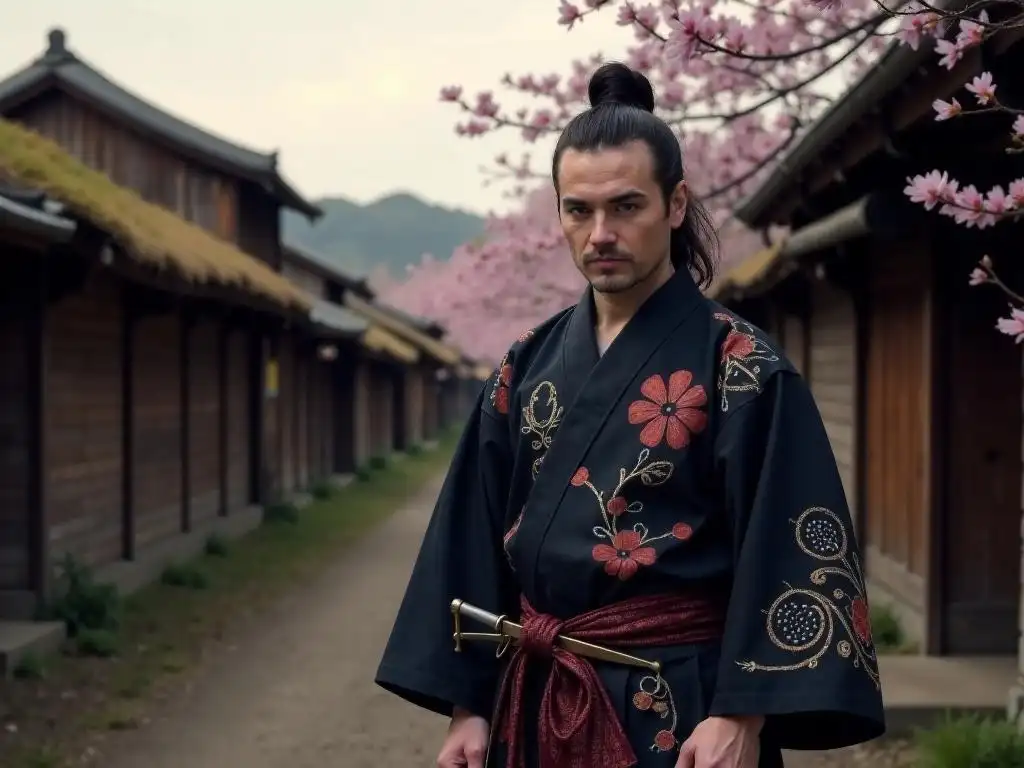
Welcome to Feudal Japan History, where we invite you to journey back in time to uncover the rich tapestry of Japan's feudal era. In this captivating exploration, we delve into the everyday life of an Ashigaru soldier, revealing the untold stories of those who stood on the front lines of history. What did it truly mean to be an Ashigaru?
What challenges did they face as they navigated the complexities of loyalty, duty, and survival in a tumultuous age? Prepare to satisfy your curiosity and deepen your understanding as we unveil the fascinating realities of these remarkable warriors. Let’s embark on this enlightening adventure together!
Introduction to Ashigaru Soldiers
The life of an Ashigaru soldier during Japan's feudal era presents a fascinating glimpse into the military structure and societal dynamics of the time. Ashigaru, often referred to as foot soldiers, played a pivotal role in the samurai-led armies that dominated Japan from the 12th to the 19th centuries.
Unlike the elite samurai who were bound by strict codes of conduct and social status, Ashigaru soldiers were typically commoners, recruited from the peasant class, and their experiences provide valuable insight into the broader cultural and historical context of feudal Japan. Understanding the everyday life of Ashigaru soldiers is essential not only for grasping military history but also for appreciating the intricate social fabric of the period.
Definition and Role of Ashigaru in Feudal Japan
Ashigaru were foot soldiers who served under samurai lords, or daimyo, during the feudal period. Originally, they were armed peasants who provided a crucial support role in battles, often wielding simple weapons such as spears (yari) and bows (yumi). Over time, their role evolved, and they became more integrated into the military hierarchy.
- Key Responsibilities:
- Engaging in frontline combat
- Serving as archers or spearmen
- Carrying out logistical tasks like transporting supplies
The Ashigaru's adaptability and importance in large-scale battles made them a vital component of the samurai's military strategy.
Historical Context of Ashigaru Soldiers in Japanese Warfare
The emergence of Ashigaru soldiers is closely tied to the socio-political changes of the Kamakura period (1185-1333) and the subsequent Muromachi period (1336-1573). As warfare became more widespread, the need for a larger, more versatile fighting force grew.
- Key Historical Developments:
- Rise of the Ashigaru: Initially seen as inferior to samurai, their numbers swelled during the Sengoku period (1467-1603) when daimyos needed vast armies to compete for territory.
- Military Reforms: The introduction of firearms in the late 16th century further transformed their role, and Ashigaru became the primary infantry units within the armies.
This historical backdrop highlights how Ashigaru soldiers transitioned from mere support troops to pivotal players on the battlefield.
Daily Life of an Ashigaru Soldier
The daily life of an Ashigaru soldier was a blend of military discipline, camaraderie, and the harsh realities of feudal warfare. Understanding their routines and conditions sheds light on the challenges they faced and the resilience they exhibited.
Morning Routine of an Ashigaru
An Ashigaru's day typically began at dawn, with a structured morning routine designed to prepare them physically and mentally for the day ahead.
- Typical Activities:
- Physical Training: Early morning exercises to build strength and endurance.
- Weapon Maintenance: Inspecting and maintaining their weapons, ensuring they were battle-ready.
- Communal Breakfast: Sharing a simple meal, often consisting of rice and pickled vegetables, fostering camaraderie among soldiers.
This routine not only prepared them for combat but also reinforced the bonds between the soldiers.
Training and Drills: A Day in the Life
Training was a critical component of an Ashigaru's life, often comprising rigorous drills and tactical exercises.
- Drill Components:
- Formation Practice: Learning various battle formations and tactics to maximize effectiveness in combat.
- Weapon Skills: Regular practice with spears and bows to enhance proficiency.
- Mock Battles: Engaging in simulated combat scenarios to prepare for actual warfare.
These drills were essential for maintaining discipline and ensuring that Ashigaru soldiers could perform effectively under the stresses of battle.
Living Conditions: Barracks and Camps
The living conditions of Ashigaru soldiers varied significantly depending on their location and the nature of their service.
- Typical Living Arrangements:
- Barracks: In times of relative peace, they might reside in barracks near their lord’s castle, sharing close quarters with fellow soldiers.
- Field Camps: During campaigns, they lived in temporary camps, often constructed from simple materials like bamboo and thatch, which provided minimal shelter from the elements.
Despite the often harsh conditions, these environments fostered a sense of community and shared purpose among the Ashigaru soldiers.
The life of an Ashigaru soldier was marked by a blend of rigorous military training, communal living, and the realities of warfare, providing a unique perspective on the feudal era in Japan. Understanding their daily experiences is essential for appreciating the larger historical narrative of this period.
Duties and Responsibilities of Ashigaru Soldiers
Ashigaru soldiers played a crucial role in the military structure of feudal Japan, especially during the Sengoku period (1467-1603). As the foot soldiers of samurai armies, their duties and responsibilities varied widely, reflecting both their importance on the battlefield and their integral roles within the broader societal framework.
Combat Duties: The Role of Ashigaru in Battles
In combat, Ashigaru soldiers were primarily deployed as infantry. Their primary weapon was the yari, or spear, which allowed them to engage effectively in close quarters and formation fighting. They often fought in organized ranks, using their numbers to overwhelm opponents. The Ashigaru were crucial during mass battles, where their ability to hold the line was vital for the success of samurai cavalry and higher-ranking warriors.
Additionally, Ashigaru were sometimes equipped with matchlock firearms (tanegashima), which emerged in the 16th century. This adaptation marked a significant evolution in their combat role, allowing them to engage enemies from a distance. Despite their lower status compared to samurai, their combat duties were critical, and they received training to improve their martial skills, which included practicing with swords and participating in mock battles.
Non-Combat Duties: Logistics and Support
Beyond the battlefield, Ashigaru soldiers had significant non-combat responsibilities, particularly in logistics and support roles. They were often tasked with transporting supplies, such as food, weapons, and other equipment necessary for military campaigns. This logistical support was essential for maintaining the operational readiness of samurai forces.
Moreover, Ashigaru were involved in the construction and maintenance of fortifications and camps, ensuring that their armies had secure bases from which to launch operations. Their contributions in these areas allowed samurai leaders to focus more on strategic planning and combat tactics, highlighting the Ashigaru's importance beyond direct engagement in battles.
Seasonal Responsibilities: Farming and Local Duties
Outside of military engagements, many Ashigaru soldiers returned to their agrarian roots during peacetime. They were often farmers who cultivated rice and other crops, which not only sustained their families but also provided food for the samurai class. This seasonal duality emphasized their role as both warriors and essential contributors to the local economy.
In addition to farming, Ashigaru were frequently called upon to perform local duties such as law enforcement or participating in community projects. Their involvement in these activities reinforced their ties to their villages and regions, making them integral figures in both military and civilian life.
Equipment and Weapons Used by Ashigaru Soldiers
The equipment and weapons used by Ashigaru soldiers evolved significantly over time, reflecting changes in warfare and technology during the feudal era.
Standard Weapons of an Ashigaru Soldier
The most common weapon for an Ashigaru soldier was the yari (spear), which provided a balance of reach and versatility in combat. Additionally, many Ashigaru carried tanto (daggers) or short swords, allowing for close-quarters combat when necessary.
As firearms became more prevalent, Ashigaru also adapted to using tanegashima, matchlock guns that required training to operate effectively. This shift not only diversified their combat capabilities but also made them a formidable presence on the battlefield.
Armor and Protective Gear: What Did They Wear?
In terms of protective gear, Ashigaru typically wore simpler armor compared to their samurai counterparts. Their armor often consisted of do (chest armor) made from leather or iron, along with sode (shoulder guards) and kabuto (helmets). While the armor was less ornate, it provided essential protection during engagements.
The distinctive kebiki-odoshi lacing technique used in their armor construction allowed for relative mobility, which was vital for foot soldiers engaged in rapid maneuvers. Many Ashigaru also wore socks and sandals, enabling them to traverse various terrains in Japan.
Evolution of Ashigaru Equipment Over Time
The equipment of Ashigaru soldiers evolved significantly throughout the feudal era, influenced by changes in warfare tactics and technology. In the early Sengoku period, Ashigaru primarily relied on traditional melee weapons and basic armor. As battles increasingly involved gunpowder weaponry, their gear adapted to include firearms and more specialized training in their use.
By the late Sengoku period, the introduction of more advanced armaments, such as cannon and improved firearms, transformed the battlefield dynamics, necessitating further changes in Ashigaru equipment. This evolution reflects a broader trend within Japanese military history, showcasing the adaptability and resilience of Ashigaru as essential components of the feudal military system.

The Ashigaru soldiers occupied a unique position within the feudal social structure of Japan. They were primarily foot soldiers who served the samurai class, yet their social status was markedly different from that of the elite samurai warriors. Ashigaru were often drawn from the lower classes, including peasants and commoners, which influenced their status in the hierarchy. Despite their lower rank, they played a crucial role in the military campaigns of feudal lords, particularly during the Sengoku period, when large-scale conflicts became prevalent.
Class Structure within the Samurai System
Within the broader samurai system, the class structure was rigidly defined. At the top were the daimyos, powerful feudal lords who owned large estates and commanded the loyalty of samurai warriors. Below them were the samurai themselves, elite fighters who enjoyed privileges, such as the right to bear arms and access to higher education. Ashigaru, while part of the military framework, were classified as non-samurai and did not share the same level of societal respect or privileges. However, some Ashigaru could rise through the ranks, gaining land and status by demonstrating valor in battle.
Comparison with Samurai and Other Warrior Classes
The life of an Ashigaru soldier was starkly different from that of a samurai. While samurai were trained from a young age in martial arts, strategy, and the code of bushido, Ashigaru typically received basic military training and had to rely on their physical endurance and collective effort on the battlefield. The samurai's lifestyle was often characterized by a focus on honor, arts, and culture, whereas Ashigaru soldiers were more concerned with survival and the practicalities of warfare.
In terms of equipment, Ashigaru were generally less well-equipped than their samurai counterparts. They often carried simpler weapons, such as spears (yari) and arquebuses, as opposed to the swords (katana) favored by samurai. This disparity further emphasized their role as the backbone of the army, providing essential manpower rather than elite combat prowess.
The Influence of Ashigaru on Local Society
Despite their lowly status, Ashigaru soldiers had a significant impact on local society. Many were drawn from the local peasant population, which meant that their experiences and needs echoed the broader issues faced by rural communities. Their involvement in military campaigns often brought changes to local governance, as daimyos relied on Ashigaru for both defense and control of their territories.
Moreover, Ashigaru soldiers contributed to the dissemination of new techniques and technologies, such as the use of firearms in warfare. This not only affected military tactics but also influenced local economies, as communities adapted to support the needs of the soldiers and their lords. Consequently, the role of Ashigaru extended beyond the battlefield, shaping social dynamics and cultural practices within their communities.
Experiences and Challenges Faced by Ashigaru Soldiers
The life of an Ashigaru soldier was fraught with challenges that affected both their physical well-being and mental state. Their experiences varied widely, influenced by factors such as the nature of their service, the campaigns they participated in, and their individual circumstances.
Psychological Aspects of Being an Ashigaru
Being an Ashigaru soldier came with significant psychological burdens. Many faced the anxiety of being on the front lines, where the fear of death and injury was a constant companion. The pressure to perform well in battle, coupled with the lack of social status, often led to feelings of inadequacy and despair. The camaraderie developed among Ashigaru soldiers, however, provided a sense of belonging and mutual support, helping them cope with the stresses of warfare.
Additionally, Ashigaru were often caught between their loyalty to their lords and the realities of their humble origins. This duality could lead to internal conflict, as they grappled with their roles as soldiers and their identities as commoners.
Challenges on the Battlefield and Beyond
The battlefield posed numerous challenges for Ashigaru soldiers. They faced the dangers of combat, including injury, death, and the psychological toll of warfare. The chaotic nature of battles, particularly in the Sengoku period, required Ashigaru to adapt quickly to shifting dynamics and tactics. Their lack of training compared to samurai meant that they had to rely on teamwork and sheer numbers to be effective.
Beyond the battlefield, Ashigaru soldiers also dealt with the harsh realities of military life, including inadequate provisions, poor living conditions, and the risk of being abandoned by their lords. These factors contributed to a sense of instability and vulnerability, making their experiences all the more challenging.
Impact of War on the Everyday Life of an Ashigaru
The impact of war on the everyday life of an Ashigaru soldier was profound. Many were forced to leave their families and farms to join military campaigns, disrupting their previous way of life. This separation often led to economic hardship for their families, as the absence of the primary breadwinner could destabilize local economies.
Moreover, the continuous cycles of war meant that Ashigaru soldiers frequently faced relocation, shifting allegiances, and changing living conditions. Their participation in conflicts not only affected their own lives but also left lasting scars on the communities they returned to, perpetuating cycles of violence and instability. Despite these hardships, the life of an Ashigaru soldier was pivotal in shaping the military landscape of feudal Japan, as they were integral to the functioning of the samurai-dominated society.
Conclusion: The Legacy of Ashigaru Soldiers in Feudal Japan
The legacy of Ashigaru soldiers in feudal Japan is a testament to their crucial role in shaping the military landscape of the era. Emerging from the lower classes, Ashigaru became essential foot soldiers in the samurai armies, demonstrating that military service offered a pathway to social mobility and recognition. Their evolution from mere conscripts to respected warriors illustrates the dynamic nature of Japanese society during the feudal period.
The Ashigaru were pivotal in numerous conflicts, including the Sengoku period, where their numbers and effectiveness helped secure victories for various daimyō (feudal lords). Their tactics, training, and adaptability laid the groundwork for modern Japanese military practices. Although their prominence waned with the unification of Japan and the rise of the samurai class, the Ashigaru soldiers remain an enduring symbol of the common man's contribution to Japan's military history.
Lasting Influence on Japanese Military History
The influence of Ashigaru soldiers transcended their immediate historical context, impacting the development of military doctrine and strategy in Japan. With their emphasis on mass infantry tactics, the Ashigaru exemplified a shift from traditional samurai warfare, which often focused on individual prowess and chivalry. This transformation was crucial in the evolution of warfare in Japan, as it highlighted the importance of discipline, training, and cohesion among troops.
Moreover, the Ashigaru's use of firearms in the late 16th century marked a significant departure from earlier combat methods. The introduction of matchlock guns not only altered battlefield dynamics but also prompted changes in tactics and formation. As Ashigaru adapted to these new technologies, they played a role in the broader acceptance and integration of firearms into Japanese warfare, influencing military strategies for generations to come.
Reflection on the Life of an Ashigaru Soldier Today
Today, the life of an Ashigaru soldier serves as a fascinating reflection of the complexities of feudal Japanese society. Their experiences highlight the intersection of class, warfare, and culture, providing insight into the everyday realities faced by these soldiers. As modern-day historians and enthusiasts explore the lives of Ashigaru, they uncover stories of resilience, camaraderie, and the pursuit of honor, which resonate even in contemporary discussions about military service and duty.
The Ashigaru's legacy continues to inspire popular culture, literature, and reenactments, fostering a greater appreciation of Japan's feudal past. This exploration not only honors those who served but also invites reflection on the broader themes of loyalty, sacrifice, and the human experience within the framework of war.
Further Reading and Resources on Ashigaru Soldiers
For those intrigued by the life of an Ashigaru soldier and their significance in feudal Japan, a wealth of literature and resources is available. These materials offer in-depth insights into their roles, experiences, and impact on Japanese history, catering to both casual readers and serious scholars.
Recommended Books and Articles
-
“The Samurai: A Military History” by Stephen Turnbull
This comprehensive book provides detailed accounts of the samurai and their foot soldiers, including the Ashigaru, exploring their military strategies and cultural significance.
-
“Ashigaru: The Foot Soldiers of Feudal Japan” by David E. Jones
This work focuses specifically on the Ashigaru, detailing their evolution, training, and the pivotal role they played in various conflicts.
-
“Warriors of Medieval Japan” by Anthony J. Bryant
This book examines the broader context of Japanese warfare during the medieval period, including the societal implications of the Ashigaru.
-
Scholarly Articles
Numerous articles in academic journals delve into specific aspects of Ashigaru life, their military tactics, and their societal roles, providing a deeper understanding of their significance.
Documentaries and Online Resources for Enthusiasts
-
Documentary Series: “The Samurai: Warriors of Japan”
This series offers an engaging visual exploration of samurai culture, including segments dedicated to the Ashigaru soldiers and their daily lives.
-
Online Lectures and Webinars
Platforms like Coursera and edX often host lectures on Japanese history, where expert historians discuss the Ashigaru and their contributions.
-
Virtual Museums and Exhibits
Many museums in Japan offer virtual tours and exhibits focusing on feudal history, showcasing artifacts related to Ashigaru soldiers and their military equipment.
-
Podcasts
History-focused podcasts frequently cover topics related to feudal Japan and the Ashigaru, providing accessible discussions that often include expert interviews and historical narratives.
Exploring these resources will deepen your understanding of the life of an Ashigaru soldier and their lasting impact on Japanese history.
- Introduction to Ashigaru Soldiers
- Daily Life of an Ashigaru Soldier
- Duties and Responsibilities of Ashigaru Soldiers
- Equipment and Weapons Used by Ashigaru Soldiers
- Social Status and Hierarchy of Ashigaru Soldiers
- Experiences and Challenges Faced by Ashigaru Soldiers
- Conclusion: The Legacy of Ashigaru Soldiers in Feudal Japan
- Further Reading and Resources on Ashigaru Soldiers
- What was the role of an Ashigaru soldier in feudal Japan?
- How did the life of an Ashigaru soldier differ from that of a samurai?
- What kind of training did an Ashigaru soldier undergo?
- What were the living conditions like for an Ashigaru soldier?
- Did Ashigaru soldiers have opportunities for advancement?
Frequently Asked Questions
What was the role of an Ashigaru soldier in feudal Japan?
An Ashigaru soldier served as a foot soldier in the feudal military system, primarily supporting samurai and participating in various battles throughout Japan.
How did the life of an Ashigaru soldier differ from that of a samurai?
While samurai were often of noble birth with higher social status, Ashigaru soldiers were typically commoners who received less training and lower pay, but played a crucial role in warfare.
What kind of training did an Ashigaru soldier undergo?
Ashigaru soldiers received basic military training, focusing on weapons proficiency, tactics, and physical conditioning, although their training was not as extensive as that of a samurai.
What were the living conditions like for an Ashigaru soldier?
The living conditions for an Ashigaru soldier were often harsh, with limited resources and basic accommodations, as they typically lived in temporary camps during military campaigns.
Did Ashigaru soldiers have opportunities for advancement?
Yes, through acts of bravery or exceptional service, Ashigaru soldiers could gain recognition and potentially be rewarded with land or higher status, offering a path to improve their social standing.
Final Reflection: The Enduring Legacy of the Ashigaru Soldier's Life
The life of an Ashigaru soldier is not merely a historical curiosity; it serves as a profound reminder of the resilience and adaptability required in the face of adversity. Today, as we navigate a world filled with challenges, the lessons learned from the everyday experiences of these foot soldiers resonate deeply. Their struggles, sacrifices, and unwavering commitment to their duties highlight the importance of perseverance and loyalty in our own lives. In a time where the complexities of modern existence often overshadow the simplicity of dedication, the Ashigaru's story stands as a beacon of inspiration.
The cultural and social landscape continues to be shaped by the narratives of those who came before us, including the Ashigaru soldiers. Their lives reflect the broader themes of class, honor, and the human spirit's capacity for growth amidst hardship. As we explore their daily routines and the societal structures they navigated, we uncover the threads that connect us to our past. History is not a burden on the memory but an illumination of the soul.
This quote encapsulates the essence of understanding the life of an Ashigaru soldier, reminding us that their experiences enrich our collective consciousness and offer valuable insights into our own lives.
As you reflect on the lessons drawn from the life of an Ashigaru soldier, I invite you to consider how these principles of resilience, duty, and honor can be woven into your own narrative. Embrace the challenges you face, and let the spirit of the Ashigaru inspire you to forge ahead with courage and determination. In doing so, you not only honor their legacy but also empower yourself to create a meaningful and impactful life.
Step into the Shoes of Ashigaru Soldiers!
Thank you for delving into the fascinating world of the everyday life of an Ashigaru soldier! Your curiosity unlocks the rich tapestry of Feudal Japan. Now, it's time to take your interest further and engage with this historical period in a more hands-on way. Here’s how you can dive deeper:
- Explore local museums or historical sites that feature exhibits on Feudal Japan to see artifacts and stories firsthand.
- Join a reenactment group or an online community to connect with history enthusiasts and share your insights and experiences.
- Consider reading historical fiction that highlights the perspective of Ashigaru soldiers, immersing yourself in their daily struggles and triumphs.
Are you ready to uncover more stories from the past? What aspects of an Ashigaru’s life intrigue you the most, and how might they shape your understanding of history today?