
The Last Samurai: Myth vs. Reality in the Late Edo Period

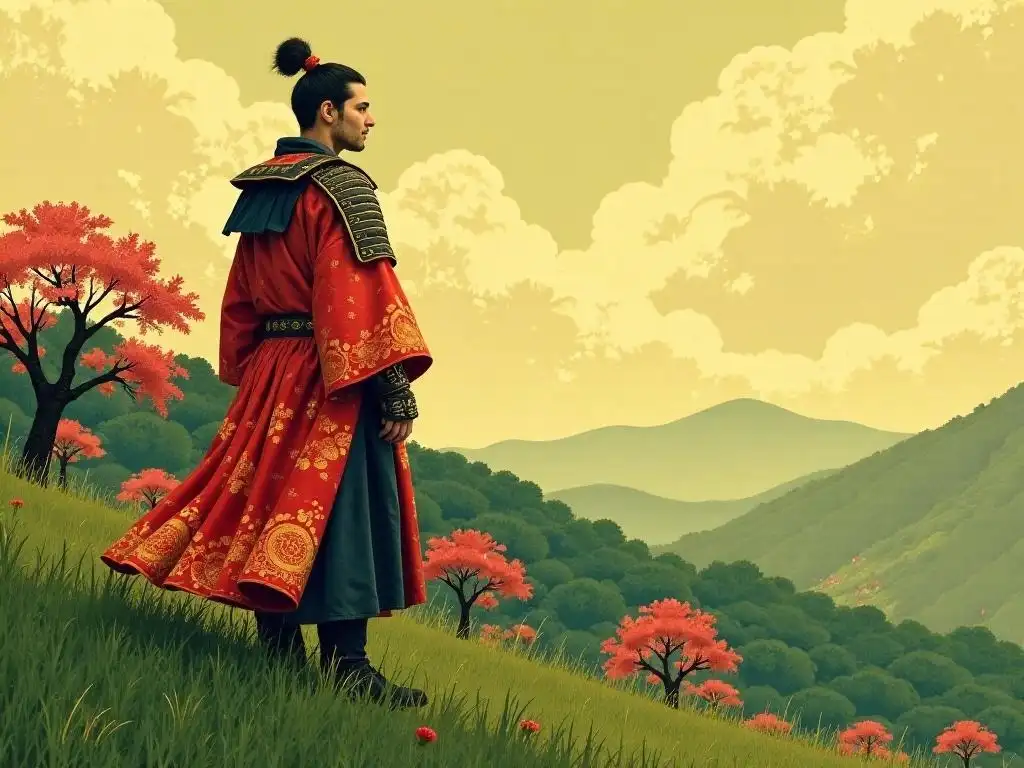
Welcome to Feudal Japan History, where we embark on a captivating journey through the intricate tapestry of Japan's feudal era. Here, history comes alive as we delve into the Last Samurai historical analysis, unraveling the myths and realities that defined the late Edo period. Are you ready to challenge your perceptions and discover the truths behind one of Japan's most iconic figures? Join us as we explore the compelling narratives that shaped a nation, igniting your curiosity and inviting you to uncover the hidden stories of this fascinating time. Dive in and let's explore together!
Introduction to the Last Samurai Historical Analysis
The narrative of the "Last Samurai" is a captivating blend of history, myth, and cultural representation that has intrigued scholars and enthusiasts of Japan's feudal era. This complex topic encapsulates the final throes of the samurai class during the Late Edo Period, a time when the traditional values and martial prowess of these warriors faced profound transformations.
This article aims to dissect the Last Samurai historical analysis, examining the realities of samurai life, the socio-political landscape of the time, and the mythologized versions that have emerged in popular culture. By exploring these aspects, we will illuminate the true legacy of the samurai and clarify the distinction between historical fact and romanticized fiction.
Overview of the Late Edo Period in Japan
The Late Edo Period, spanning from the early 19th century until the Meiji Restoration in 1868, was characterized by a unique stability under the Tokugawa shogunate, yet it also faced significant societal challenges. Key features of this era include:
- Isolationism: Japan maintained a policy of sakoku (national seclusion), limiting foreign influence and trade.
- Economic Changes: An expanding merchant class emerged, leading to shifts in power dynamics.
- Social Strain: Despite the rigid class structure, dissatisfaction grew among the samurai, farmers, and merchants.
This period set the stage for the samurai's eventual decline as the Meiji Restoration ushered in modernization and a departure from feudal traditions, challenging the very existence of the samurai class.
Importance of Samurai in Feudal Japan
The samurai were not merely warriors; they were a vital part of Japan's cultural and political fabric. Their importance can be summarized through several key aspects:
- Bushido Code: The samurai adhered to a strict ethical code, emphasizing loyalty, honor, and discipline.
- Political Role: Samurai served as military leaders and administrators, wielding significant influence over local and national governance.
- Cultural Contributions: They were patrons of arts, education, and philosophy, shaping Japan's cultural landscape.
Understanding the samurai's multifaceted role during the Late Edo Period is crucial to grasping the significance of the myths surrounding the "Last Samurai."
The Myth of the Last Samurai
The concept of the "Last Samurai" is rife with romanticism and dramatization, often overshadowing the historical truths. This section will delve into the popular myths that have emerged and their implications on our understanding of samurai history.
Popular Cultural Representations of the Last Samurai
Films, novels, and other media have significantly shaped the perception of the "Last Samurai." Notable representations include:
- Movies: Films like "The Last Samurai" (2003) popularized the narrative of the noble warrior fighting against modernization.
- Literature: Novels often dramatize samurai battles and honor codes, creating an allure around their lifestyle.
These portrayals, while entertaining, often oversimplify or distort the realities faced by samurai during the Late Edo Period.
Key Myths Surrounding the Last Samurai Narrative
Several key myths persist in the narrative of the "Last Samurai," including:
- Noble Resistance: The idea that samurai fought solely for their honor against foreign influence overlooks the complexities of their motivations.
- The Last Stand: The romanticized notion of a final heroic battle fails to account for the broader societal changes affecting the samurai class.
- Cultural Superiority: The belief that samurai were inherently superior in values and ethics compared to their contemporaries is a misleading simplification.
Understanding these myths helps to demystify the legacy of the samurai and fosters a more nuanced view of their historical context.
Influence of Western Media on Samurai Myths
Western media has played a pivotal role in shaping the global perception of samurai culture. This influence can be traced through various channels:
- Hollywood Films: Often depict samurai as solitary heroes, reinforcing the myth of the "Last Samurai" as a singular noble figure.
- Literature and Art: Western interpretations frequently highlight the romantic aspects of samurai life, overshadowing the harsh realities of their existence.
- Cultural Misunderstandings: These portrayals can lead to misconceptions about Japanese culture and history, leading to a simplified view of complex societal structures.
By critically analyzing these influences, we can better appreciate the layers of myth and reality that define the narrative of the samurai in the Late Edo Period.
The Reality of Samurai Life in the Late Edo Period
The Late Edo Period, spanning from 1603 to 1868, was a time of relative peace in Japan known as the Pax Tokugawa. However, the samurai, often romanticized as noble warriors, faced a reality that was far more complex. While the samurai were a privileged class, their roles and daily lives were heavily influenced by the political, social, and economic changes occurring during this time.
Social Status and Role of Samurai
During the Late Edo Period, samurai held a distinct social status, positioned above the peasantry but below the ruling class of daimyōs and the shogunate. This hierarchical structure was deeply entrenched in the feudal system, which emphasized loyalty and service. Samurai were expected to uphold the principles of bushidō, or "the way of the warrior," which dictated their conduct, emphasizing honor, loyalty, and martial prowess.
Despite their elevated status, many samurai faced economic hardships, especially as the need for warfare diminished. The Tokugawa shogunate's policies promoted civil order, which reduced the frequency of armed conflicts. As a result, many samurai found themselves struggling to maintain their status, leading to a duality in their existence: revered as warriors yet often forced to adapt to more civilian roles, such as bureaucrats or teachers.
Daily Life and Responsibilities of Samurai
The daily life of a samurai in the Late Edo Period encompassed both martial training and administrative duties. Samurai were expected to maintain their skills through rigorous training in various martial arts and weaponry, often practicing swordsmanship and archery. However, as peace prevailed, many samurai took on responsibilities that involved governance, tax collection, and community leadership.
Their responsibilities also extended to their families and retainers. Samurai had to provide for their households, ensuring that their families adhered to the values of honor and respect. This often included arranging marriages and managing household affairs. The samurai code demanded that they lead by example, instilling virtues in their children and serving as moral guides in their communities.
The Economic Context of Samurai Warfare
The economic landscape of the Late Edo Period played a crucial role in shaping samurai life. The shogunate implemented a strict class system, which limited the economic mobility of samurai. Many samurai were paid stipends in rice, a currency that fluctuated in value based on agricultural yield. With the decline in military engagements, the economic strain on samurai became pronounced, leading to widespread dissatisfaction.
Additionally, the rise of merchant classes and the flourishing of commerce changed the traditional power dynamics. Merchants began to accumulate wealth, often surpassing samurai in economic standing. This shift contributed to a growing resentment among samurai, who viewed their declining status with concern. The economic context thus became a significant factor in the eventual unrest that characterized the end of the Edo period.
The Last Samurai: Historical Figures and Events
The concept of the "Last Samurai" is steeped in historical significance, drawing from real-life figures and events that defined the twilight of the samurai era. While popular culture often romanticizes this notion, understanding the historical context reveals a more nuanced reality.
Real-Life Inspirations for the Last Samurai Myth
The myth of the Last Samurai is often attributed to the late samurai who resisted the overwhelming changes brought about by modernization and Western influence in Japan. A pivotal figure in this narrative is Saigō Takamori, a samurai leader who played a crucial role during the Meiji Restoration. His resistance to the Meiji government's efforts to abolish the samurai class became emblematic of the struggle against modernization.
Saigō's rebellion, known as the Satsuma Rebellion of 1877, is frequently romanticized as the last stand of the samurai ethos. However, the reality is that many samurai were caught between tradition and the inevitable changes that modernization brought. They faced challenges in adapting to a new society that favored military conscription and Western-style governance, making their resistance both a personal and collective struggle.
Key Figures: Who Were the Last Samurai?
In addition to Saigō Takamori, several other key figures contributed to the narrative of the Last Samurai. Figures such as Katsu Kaishu and Ōkubo Toshimichi were instrumental in navigating the complexities of the transformation from a feudal society to a modern nation-state. Their differing perspectives on modernization highlighted the internal conflicts within the samurai class.
Katsu Kaishu, known for his diplomatic skills, advocated for adaptation and cooperation with the new government, whereas Ōkubo Toshimichi supported the dismantling of the samurai class to promote national unity. These contrasting ideologies among the last samurai illustrate the varied responses to the changing landscape of Japan, emphasizing that the myth of the Last Samurai is intertwined with real historical figures who faced unprecedented challenges.
Major Battles and Conflicts Involving Samurai
The Late Edo Period culminated in significant conflicts that involved samurai, most notably the Boshin War (1868-1869). This civil war was a struggle between imperial forces, representing the new government, and the Tokugawa shogunate's loyalists, including many samurai. The battles fought during this time, such as the Battle of Toba-Fushimi and the Battle of Hakodate, showcased the samurai's martial skills but also highlighted their declining effectiveness in modern warfare.
These conflicts marked the end of the samurai's traditional role as warriors. The introduction of conscription and Western military tactics rendered the samurai's combat style increasingly obsolete. As the Meiji Restoration progressed, the samurai's role transitioned from that of elite warriors to mere historical figures, symbolizing a bygone era of Japanese history. The legacy of these battles continues to shape Japan's cultural landscape, contributing to the enduring fascination with the samurai and their place in history.
The Evolution of Samurai Warfare
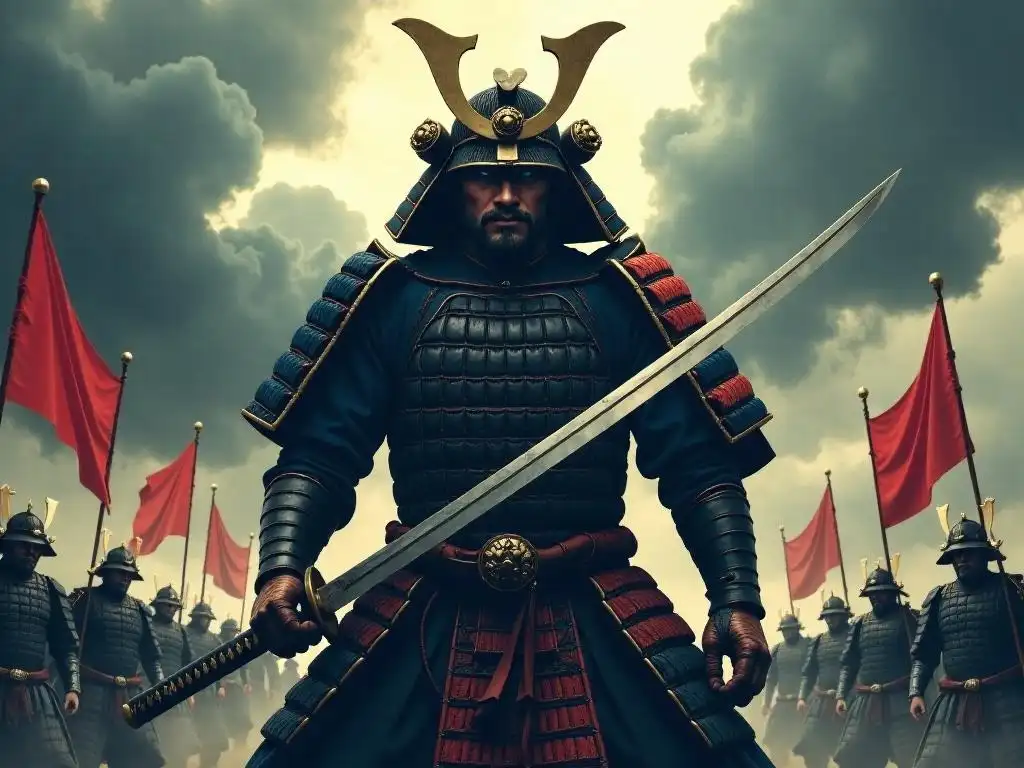
The evolution of samurai warfare is a captivating journey that reflects the broader transformations within Japanese society from the Heian period through to the Late Edo period. Initially, samurai engaged in direct confrontations with an emphasis on individual valor, reflecting the warrior code of honor. The focus was primarily on melee combat, utilizing weapons such as the katana and yari (spear). As warfare progressed, so did the tactics and formations employed by samurai warriors.
This evolution was influenced by the shift from feudal to more centralized forms of governance. During earlier periods, samurai were private retainers who fought for their lords in localized conflicts. However, by the Late Edo period, Japan entered a prolonged era of peace known as the Pax Tokugawa, which drastically altered the nature of warfare. The samurai transitioned from battlefield warriors to bureaucratic officials and landowners, which transformed their role and the methods of combat.
Traditional Samurai Tactics and Strategies
Traditional samurai tactics revolved around the principles of direct engagement, emphasizing the importance of individual skill and tactical cunning. Battles were often characterized by:
- Kumite (Duel): One-on-one combat was a hallmark of samurai warfare, where personal honor was at stake. Warriors sought to prove their prowess through skilled swordsmanship.
- Formation and Discipline: Samurai troops utilized formations like the "tachi," which allowed for coordinated movements and collective striking power during larger battles.
- Psychological Warfare: Psychological tactics played a crucial role, including the use of intimidation and propaganda to demoralize opponents before battles commenced.
These tactics were honed through generations of warfare, showcasing a blend of martial skill and strategic planning.
Changes in Warfare During the Late Edo Period
The Late Edo period marked a significant departure from traditional samurai warfare due to various social and political changes. With the establishment of the Tokugawa shogunate, Japan experienced over two centuries of relative peace, known as the Edo period. This stability resulted in several key changes:
- Decline of Large-Scale Battles: The frequency of large-scale conflicts diminished, leading to a focus on smaller skirmishes and policing duties rather than outright warfare.
- Adoption of Firearms: The introduction of firearms, such as matchlocks, began to change the dynamics of combat, requiring samurai to adapt their tactics in response to this new technology.
- Shift in Role: Many samurai transitioned into roles as administrators and scholars, reflecting a societal shift where martial prowess was no longer the sole virtue of a samurai.
These changes ultimately led to a transformation in the perception of warfare, moving away from the glorified image of the battlefield samurai.
The Impact of Foreign Influence on Samurai Warfare
Foreign influence played a pivotal role in shaping samurai warfare during the Late Edo period. The arrival of Western powers, particularly in the mid-19th century, introduced new technologies and ideas that challenged traditional samurai practices. Key impacts included:
- Introduction of Modern Military Techniques: Exposure to Western military strategies prompted the samurai to adopt new training methods and organizational structures, integrating Western artillery and strategic concepts into their military practices.
- Cultural Exchange: The influx of Western culture led to a reevaluation of the samurai's role in society. As Japan began to modernize, the samurai were faced with the need to reconcile their historical identity with contemporary military practices.
- End of the Samurai Era: The culmination of these influences led to the decline of the samurai class, particularly following the Meiji Restoration, which sought to modernize Japan's military and abolish the feudal system.
The interaction with foreign powers ultimately reshaped the battlefield and the identity of the samurai, leading to the end of an era.
Comparing Myths and Realities: A Detailed Analysis
The myths surrounding the samurai, particularly in popular culture, often romanticize their role and combat prowess during the Late Edo period. A detailed analysis reveals significant discrepancies between these cultural narratives and historical realities.
Contrasting Cultural Myths with Historical Facts
Cultural myths often portray samurai as invincible warriors bound by an unwavering code of honor. However, historical facts tell a different story:
- Heroic Battles vs. Bureaucratic Life: While popular portrayals emphasize heroic battles, many samurai spent their later years in bureaucratic roles, managing land and local governance rather than engaging in combat.
- Bushido Misinterpretation: The romanticized version of Bushido, the samurai code, often overlooks its practical application in daily life and governance, focusing instead on the glories of combat.
- Reality of Warfare: Contrary to the myth of the samurai as master swordsmen who were always successful, historical accounts show a more nuanced picture of defeat, retreat, and strategic withdrawal.
These contrasts highlight the complexities of samurai life that are often oversimplified in cultural narratives.
The Role of Bushido in Shaping Samurai Identity
Bushido, often referred to as the "way of the warrior," has been a fundamental aspect of samurai identity. However, its interpretation has evolved over time.
- Ethical Framework: Originally, Bushido emphasized loyalty, honor, and personal courage, serving as a guiding principle for samurai behavior both on and off the battlefield.
- Cultural Symbolism: In the Late Edo period, Bushido became a cultural symbol, ingraining itself into the social fabric of Japan and influencing the samurai’s transition from warriors to bureaucrats.
- Modern Interpretations: In contemporary times, Bushido has been romanticized and often misinterpreted, leading to a glorified view of the samurai that may not accurately reflect historical realities.
Understanding the role of Bushido in shaping samurai identity provides insight into how they navigated their changing roles during the Late Edo period.
How Myths Have Shaped Modern Perceptions of Samurai
Myths surrounding the samurai have significantly influenced modern perceptions, often overshadowing the historical realities of their existence.
- Media Representation: Films, literature, and art have crafted an image of the samurai as noble and honorable fighters, leading to a widespread romanticization that persists today.
- Cultural Identity: These myths have become ingrained in Japanese cultural identity, shaping national pride and the global fascination with samurai culture.
- Educational Impact: The portrayal of samurai in modern education often emphasizes these myths, sometimes at the expense of a more nuanced understanding of their historical context and societal contributions.
The interplay between myth and reality continues to shape how samurai are viewed both in Japan and around the world, often leading to misconceptions that obscure their true historical significance.
Conclusion: Understanding the Legacy of the Last Samurai
The legacy of the Last Samurai extends far beyond the battlefields of the late Edo period, influencing contemporary Japanese culture and identity. The romanticized image of the samurai as noble warriors adhering to a strict code of honor—Bushido—continues to resonate in modern Japan. This idealization has been perpetuated through literature, film, and education, shaping not only how Japanese people view their past but also how they perceive concepts of honor and duty in contemporary society.
Moreover, the historical realities of the Last Samurai offer valuable insights into the socio-political dynamics of the time. The transition from feudalism to modernity in Japan was not merely a political shift; it also involved a cultural transformation. The samurai's role evolved from that of military leaders to representatives of a bygone era, their values and traditions interwoven into Japan's national identity. Thus, understanding the Last Samurai's legacy is crucial for comprehending the complexities of Japan's historical narrative.
The Lasting Impact of Samurai on Japanese Culture
The samurai's influence on Japanese culture is profound and multifaceted. Their ethos, encapsulated in the principles of Bushido, has permeated various aspects of life, from martial arts to business practices. For instance, traditional arts such as tea ceremonies, calligraphy, and ikebana (flower arranging) reflect the aesthetics and discipline valued by samurai.
In literature, the samurai figure has been romanticized in countless works, from classic novels like "Musashi" by Eiji Yoshikawa to modern interpretations in manga and anime. These portrayals not only celebrate the samurai's martial prowess but also explore themes of honor, sacrifice, and loyalty. Such representations contribute to the enduring fascination with samurai culture both in Japan and abroad.
Additionally, the samurai's impact extends to global perceptions of Japan. The image of the samurai as skilled warriors has become a cultural export, influencing Western literature, films, and even video games. This cross-cultural exchange underscores the samurai's role in shaping Japan's international identity and highlights the universality of their values.
Reflections on the Historical Analysis of the Last Samurai
The historical analysis of the Last Samurai reveals a complex interplay between myth and reality. While popular culture often emphasizes the romanticized aspects of the samurai, rigorous scholarship uncovers the socio-economic realities of their decline and the tumultuous changes in Japanese society during the late Edo period.
For example, the samurai class faced significant challenges as Japan transitioned to a more centralized government and modernized military system. This transition often led to disillusionment among samurai, who found their roles diminished in a rapidly changing world. Such nuances are essential for a comprehensive understanding of their legacy.
Moreover, examining the Last Samurai through various lenses—historical, cultural, and sociopolitical—enriches our appreciation of their significance. It encourages critical thinking about how history is remembered and represented, prompting us to question the narratives that shape our understanding of the past.
Further Reading and Resources on Samurai Warfare
To delve deeper into the subject of samurai warfare and the historical context of the Last Samurai, a range of resources is available for enthusiasts and scholars alike. Below are curated recommendations that provide comprehensive insights.
Recommended Books and Articles
-
"Samurai: The Last Warrior" by John Man
This book offers a vivid portrayal of the samurai's life, exploring their code of honor and the societal changes they faced during the Edo period.
-
"Bushido: The Soul of Japan" by Inazo Nitobe
A classic text that examines the ethical values of the samurai, providing context for their cultural significance.
-
"The Samurai: A Military History" by Stephen Turnbull
This work details the evolution of samurai warfare, tactics, and the socio-political environment of feudal Japan.
-
"The Last Samurai: A Historical Analysis" by John S. Brown
A critical examination of the myths surrounding the Last Samurai, contrasting romanticized narratives with historical facts.
Documentaries and Films for Deeper Understanding
-
"The Last Samurai" (2003)
While a dramatized portrayal, this film presents a fascinating narrative that highlights the clash of cultures during the samurai's last stand.
-
"Samurai: Behind the Blade" (2006)
A documentary that explores the history, culture, and martial traditions of the samurai, providing a visual context to their legacy.
-
"The Samurai and the Swastika" (2010)
This documentary investigates the connections between samurai culture and its adaptations during the 20th century, offering an intriguing perspective on their enduring influence.
-
"The Way of the Samurai" (2012)
This film dives into the philosophies and practices of samurai warfare, showcasing the skills and disciplines that define the samurai ethos.
These readings and visual resources serve as valuable tools for anyone interested in exploring the complexities of samurai warfare and the enduring legacy of the Last Samurai in Japan's historical narrative.
- Introduction to the Last Samurai Historical Analysis
- The Myth of the Last Samurai
- The Reality of Samurai Life in the Late Edo Period
- The Last Samurai: Historical Figures and Events
- The Evolution of Samurai Warfare
- Comparing Myths and Realities: A Detailed Analysis
- Conclusion: Understanding the Legacy of the Last Samurai
- Further Reading and Resources on Samurai Warfare
- What is the main theme of "The Last Samurai: Myth vs. Reality in the Late Edo Period"?
- How does the article define the role of samurai during the Late Edo Period?
- What myths surrounding the Last Samurai are addressed in the article?
- How does the article illustrate the cultural aspects of the Late Edo Period?
- Why is a historical analysis of the Last Samurai important?
Frequently Asked Questions
What is the main theme of "The Last Samurai: Myth vs. Reality in the Late Edo Period"?
The article explores the historical accuracy of the Last Samurai narrative, contrasting mythical elements with the realities of the Late Edo Period in Japan.
How does the article define the role of samurai during the Late Edo Period?
The piece highlights how samurai were not just warriors but also political figures and cultural icons, contributing significantly to societal structures in feudal Japan.
What myths surrounding the Last Samurai are addressed in the article?
The article examines common misconceptions, such as the portrayal of samurai as solely noble warriors, and emphasizes the complexity of their roles and societal changes during this era.
How does the article illustrate the cultural aspects of the Late Edo Period?
It discusses the cultural flourishing, including art, literature, and philosophy, showing how these elements influenced the samurai's identity and the broader Japanese society.
Why is a historical analysis of the Last Samurai important?
Understanding the Last Samurai through a historical lens allows for a more nuanced view of Japan's feudal era, helping to distinguish between legend and fact in the context of Japanese history.
Final Reflection: The Last Samurai - Bridging Myth and Reality
The exploration of the Last Samurai serves as a powerful reminder of how history can be both celebrated and distorted. In our modern world, where narratives often clash with facts, understanding the true essence of the samurai during the late Edo period is crucial. The romanticized image of the samurai, steeped in honor and valor, often overshadows the complex realities of their existence. This duality invites us to question not only the stories we tell about the past but also how those stories shape our present and future.
Cultural narratives have a profound impact on our collective consciousness, influencing how we perceive honor, duty, and sacrifice. The legacy of the samurai continues to resonate, inspiring countless works of art, literature, and film that often blur the lines between fact and fiction. As we reflect on these influences, we are reminded of the words of historian John W. Dower: The samurai are a potent symbol of Japan's past, but their legacy is often more about myth than reality.
This observation highlights the importance of distinguishing between the romanticized ideals and the historical truths that define the samurai's role in Japanese society.
As we conclude our journey through the myth and reality of the Last Samurai, I invite you to reflect on the lessons embedded in this historical analysis. Consider how the narratives we embrace can shape our identities and values. In a world where the past is often reinterpreted, let us strive to seek truth and understanding, allowing the rich tapestry of history to inform our actions and beliefs. Embrace the complexities of our shared heritage, and let them guide you toward a deeper appreciation of both the myths and the realities that define us.
Unveil the Truth About the Last Samurai!
Thank you for joining us on this exploration of the fascinating world of the Last Samurai and the realities of the late Edo period. We hope you’ve gained valuable insights into the myths and truths surrounding these legendary figures. Now, it’s time to take your passion a step further!
- Delve deeper into Samurai culture! Read our in-depth articles on the traditions, values, and daily lives of these remarkable warriors.
- Join the conversation! Share your thoughts and experiences in our community forum, where fellow history enthusiasts gather to discuss and debate a wide range of topics.
- Experience history firsthand! Consider visiting local museums or cultural exhibitions that showcase samurai artifacts and their fascinating stories.
What aspect of Samurai culture surprises you the most, and how does it reshape your understanding of their legacy?