
The Anatomy of a Samurai Sword: Understanding Its Components and Purpose

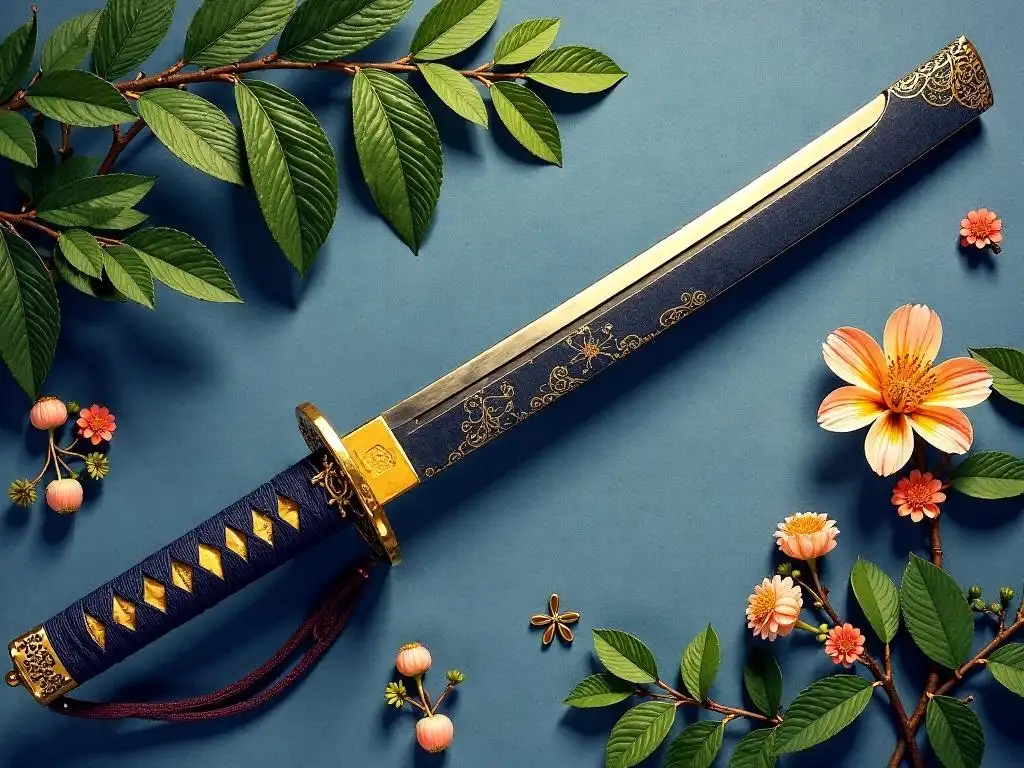
Welcome to Feudal Japan History, where we invite you on a fascinating journey through the intricate tapestry of Japan’s feudal era. Here, we delve deeply into the rich historical, cultural, and societal aspects that shaped this unique period. Prepare to uncover the secrets behind the legendary samurai sword in our featured article, "The Anatomy of a Samurai Sword: Understanding Its Components and Purpose."
What makes this iconic weapon not just a tool of war, but a symbol of honor and artistry? As you explore the depths of our content, we promise you'll find answers that ignite your curiosity and broaden your understanding of military history like never before.
Introduction to the Samurai Sword
The samurai sword, often referred to as the katana, is not merely a weapon but a symbol of the samurai's honor, status, and artistry in feudal Japan. This article delves into the intricate anatomy of a samurai sword, exploring its various components and their purposes, as well as the cultural significance these weapons held in Japanese society. Understanding the samurai sword is crucial for grasping the broader historical and cultural context of the samurai class, which played a pivotal role in shaping Japan's military history.
The craftsmanship behind each sword reflects not only the technical skills of its maker but also the philosophical underpinnings that guided the samurai way of life. The keyword "anatomy of a samurai sword" will be explored throughout this article, detailing both the physical elements and their deeper meanings.
Overview of the Samurai Sword in Feudal Japan
In feudal Japan, the samurai sword was an essential tool for combat, but it also served as an emblem of the samurai's identity and loyalty. The samurai, a warrior class that emerged during the Heian period, wielded their swords with pride, often viewing them as extensions of their own spirit. The craftsmanship of a samurai sword was a meticulous process, involving the fusion of art and functionality. Swords like the katana became iconic, not just for their sharpness and design, but for the stories and traditions they embodied.
Significance of the Samurai Sword in Japanese Culture
The samurai sword transcended its role as a weapon; it was a cultural artifact steeped in tradition. Its significance can be observed in various aspects of Japanese culture:
- Symbol of Honor: The sword represented the samurai's honor and commitment to their code of conduct, known as bushido.
- Spiritual Connection: Many samurai believed that their swords were imbued with spiritual significance, often treating them as sacred objects.
- Artistic Expression: The artistry involved in crafting a samurai sword reflected the skill and dedication of the swordsmith, elevating the sword to a form of art.
The samurai sword's deep-rooted significance in Japanese culture makes it a fascinating subject of study, bridging the gap between warfare and artistry.
The Basic Components of a Samurai Sword
Understanding the anatomy of a samurai sword involves examining its key components, each designed with specific functions and cultural meanings.
Blade (Tachi)
The blade, or tachi, is arguably the most critical part of the samurai sword. Typically curved and single-edged, it was designed for slashing and cutting. The quality of the blade was determined by the steel used and the forging techniques applied. A well-crafted tachi could cut through armor and deliver lethal blows.
Handle (Tsuka)
The handle, known as the tsuka, is where the samurai grips the sword. Wrapped in rayskin and silk or cotton, the tsuka provides both comfort and a secure hold during combat. The design of the tsuka not only serves functional purposes but also reflects the personal style and identity of the samurai.
Guard (Tsuba)
The guard, or tsuba, plays a crucial role in the samurai sword's design. It protects the hand from sliding onto the blade during combat and adds balance to the overall weapon. Tsubas are often intricately designed, showcasing various motifs that can signify family crests or personal beliefs.
Scabbard (Saya)
The scabbard, known as the saya, houses the blade when not in use. Made from wood and often lacquered for protection, the saya also serves aesthetic purposes. The design and craftsmanship of the saya can reflect the samurai’s status and aesthetic preferences, further highlighting the importance of the sword in feudal Japan.
Each component of the samurai sword plays a vital role, both practically and symbolically, contributing to the legacy of these remarkable weapons in Japan's military history.
Detailed Examination of Each Component
The samurai sword, known as the katana, is a masterpiece of craftsmanship and engineering that has stood the test of time. Each component of the sword plays a crucial role in its functionality, aesthetics, and the culture of the samurai. Understanding these components not only gives insight into the weapon itself but also reflects the values and practices of the feudal Japanese warrior class. Below, we explore the main parts of a samurai sword in detail.
The Blade: Types and Characteristics
The blade of the samurai sword is arguably its most crucial component. Traditionally, the katana features a curved, single-edged blade that is known for its sharpness and strength. Blade characteristics include:
- Types of Blades:
- Shinogi-zukuri: The most common blade shape, characterized by a ridge line that runs along the length of the blade.
- Kiriha-zukuri: A blade with a flat surface, used mostly for thrusting.
- Tachi: An older style with a deeper curve, typically longer than the katana.
- Steel Composition: The blade is forged from high-carbon steel, which allows for a hard edge and a softer spine, creating flexibility and resilience.
- Hamon: The temper line that appears on the blade, showcasing different hardness levels achieved during the cooling process, and serves both aesthetic and functional purposes.
The blade's design not only affects its appearance but also its performance and suitability for various combat techniques.
The Handle: Design and Functionality
The handle, or tsuka, of the samurai sword is designed for both comfort and control. Key features include:
- Construction: Typically made from wood and wrapped in a traditional material like silk or cotton, the handle is often adorned with intricate designs.
- Length: The length of the tsuka varies, allowing for different grip styles and maneuvers depending on the user's preference.
- Tsuba: The guard at the base of the handle helps prevent the user's hand from slipping onto the blade during combat.
The handle's design is essential for providing the samurai with the agility and control needed for effective swordplay.
The Guard: Protecting the Hand
The guard, or tsuba, serves multiple important functions:
- Protection: It prevents the hand from sliding onto the blade during strikes, which could lead to injury.
- Balance: The tsuba contributes to the overall balance of the sword, ensuring that it feels stable in the user's hand.
- Aesthetic Appeal: Often intricately designed, tsubas can reflect the owner's status or personal beliefs.
The guard is not just a functional component but also a canvas for artistic expression, showcasing the samurai's identity.
The Scabbard: Protection and Aesthetics
The scabbard, or saya, is equally important to the samurai sword. Its primary roles include:
- Protection: It protects the blade from environmental damage such as rust and scratches, preserving its sharpness and integrity.
- Aesthetics: Often lacquered and decorated, the saya can be a reflection of the owner's status and taste.
- Ease of Drawing: The design of the scabbard influences how smoothly the blade can be drawn, which is critical during combat situations.
The scabbard thus serves both practical and cultural functions, enhancing the samurai's overall experience with their weapon.
The Purpose of Each Component in Combat
Understanding the purpose of each component of the samurai sword is essential to grasping the nuances of samurai combat. Each part is carefully designed to enhance combat effectiveness, reflecting the sophisticated martial culture of feudal Japan.
How Blade Design Influences Fighting Techniques
The design of the blade directly influences the fighting techniques employed by samurai.
- Curvature: The curvature of the katana allows for powerful slicing motions, making it effective for quick, sweeping strikes.
- Length and Weight: Variations in blade length and weight can dictate the style of combat; longer blades may favor reach, while shorter blades can provide speed and maneuverability.
Ultimately, the blade's characteristics shape the samurai's approach to combat, allowing for a diverse range of techniques.
The Role of Handle and Grip in Samurai Fighting Styles
The handle of the sword is critical in executing various fighting styles.
- Grip Techniques: Different grips can change the dynamics of a strike, affecting both power and precision.
- Control: A well-designed handle allows for quick transitions between offensive and defensive maneuvers.
The handle's functionality is paramount in allowing the samurai to adapt their fighting style to different opponents and situations.
Importance of the Guard in Defensive Maneuvers
The tsuba is not only a decorative element but also plays a crucial role in defense.
- Blocking: The tsuba can be used to block incoming attacks, providing an additional layer of protection for the user.
- Control Over Opponent’s Blade: It allows the user to manipulate the opponent's weapon, creating openings for counter-attacks.
The guard's design enhances the samurai's ability to defend against various threats during combat.
Scabbard Functions Beyond Protection
While the primary function of the scabbard is to protect the blade, it serves additional purposes:
- Quick Draw: A well-designed saya allows for a faster and smoother draw, crucial in combat situations where speed is vital.
- Tactical Advantage: The ability to conceal the sword until the moment of need adds a strategic layer to its use.
The scabbard, therefore, is an integral part of the samurai's weaponry, impacting both their readiness and effectiveness in battle.
The Cultural Significance of the Samurai Sword
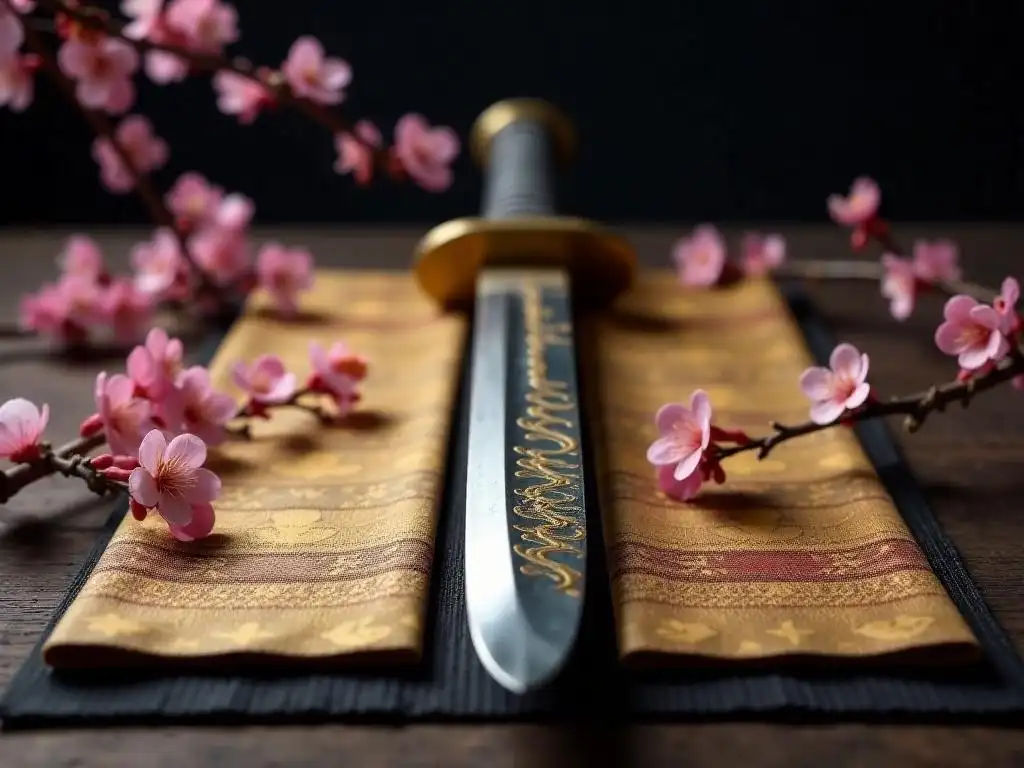
The samurai sword, known as the katana, is much more than just a weapon; it is a profound cultural artifact that embodies the values, beliefs, and aesthetics of feudal Japan. The katana symbolizes the spirit of the samurai, representing honor, loyalty, and the warrior's code known as Bushido. It is intricately linked to the identity of the samurai class and serves as a tangible connection to Japan’s historical narrative.
Crafted with exceptional skill, each katana is not only a tool for combat but also a work of art that reflects the craftsmanship and tradition of its maker. The intricate designs and careful attention to detail in the blade and its fittings speak to the cultural artistry of the time, as well as the samurai's deep respect for their weapon. The katana is often seen as an extension of the samurai himself, symbolizing the inseparable bond between the warrior and his sword.
Symbolism of the Samurai Sword in Japanese Society
In Japanese society, the katana is imbued with a rich array of symbolism. It is often associated with the concepts of life and death, representing both the protection of one’s honor and the potential for violence. The blade is seen as a protector of the soul, with the belief that it can ward off evil spirits. In battle, the katana is a tool of righteousness, wielded by those who uphold justice.
The significance of the katana extends beyond the battlefield; it is also a symbol of spiritual connection. Samurai often believed that their swords were imbued with a spirit, known as "tachi," and that each blade carried its own unique essence. This belief led to rituals and ceremonies aimed at honoring and sanctifying the sword, further embedding it in the cultural fabric of Japan.
The Samurai Sword as a Status Symbol
The samurai sword served as a status symbol, setting the samurai class apart from other societal groups in feudal Japan. Ownership of a katana was restricted to the samurai, and the quality of the sword often indicated the rank and prestige of its owner. High-ranking samurai would carry multiple blades, each intricately designed and forged from the finest materials, showcasing their wealth and power.
Moreover, the sword was often passed down through generations, becoming a family heirloom that carried historical significance. The craftsmanship and lineage of a sword could elevate a samurai's status, making it a pivotal element in the social hierarchy of feudal Japan. The ritual of "daisho," which refers to the pairing of the katana and its shorter counterpart, the wakizashi, further exemplifies the sword's importance as a symbol of the samurai's dual role as both a warrior and a nobleman.
Conclusion: The Legacy of the Samurai Sword
The legacy of the samurai sword continues to resonate through history, shaping perceptions of the samurai and their culture. The katana is not merely a weapon; it is a symbol of the values and aesthetics that defined the samurai era. The craftsmanship and artistry involved in its creation have elevated the katana to an icon of Japanese culture, celebrated for both its beauty and functionality.
The Enduring Influence of Samurai Swords in Modern Culture
Today, the influence of the samurai sword persists in various aspects of modern culture. From films and literature to martial arts and fashion, the katana has become a symbol of strength and honor worldwide. It evokes a romanticized image of the samurai and their code of conduct, inspiring countless stories and artistic expressions.
Furthermore, the practice of sword-making has been revived in contemporary Japan, with artisans dedicated to preserving the traditional techniques and craftsmanship. Modern martial arts schools continue to teach the use of the katana, ensuring that the spirit of the samurai lives on in the hearts of enthusiasts and practitioners around the globe.
Final Thoughts on the Anatomy of a Samurai Sword
Understanding the anatomy of a samurai sword goes beyond its physical components; it encompasses the rich cultural heritage and historical significance that the katana embodies. Each part of the sword, from the blade to the hilt, is steeped in meaning and tradition, making it an essential aspect of not only Japanese military history but also of its cultural identity. As we explore the anatomy of the samurai sword, we uncover the profound connection between the weapon and the warrior, highlighting the enduring legacy of a symbol that continues to captivate the world.
References for Further Reading
Exploring the anatomy of a samurai sword provides a fascinating glimpse into the craftsmanship and cultural significance of these iconic weapons. For those who wish to delve deeper into this subject, a variety of resources are available that cover the historical context, construction techniques, and the role of samurai swords in Japanese society. Below are some recommended books and online resources that can enhance your understanding of samurai weaponry.
Recommended Books on Samurai Weaponry
-
"The Samurai Sword: A Handbook" by John M. Yumoto
This comprehensive guide offers detailed insights into the history, construction, and preservation of samurai swords. Yumoto's expertise makes it an essential read for both enthusiasts and collectors.
-
"The Sword of the Samurai: The Classic Japanese Sword" by J. W. L. G. H. Stokes
This book emphasizes the artistry and techniques used in sword-making, providing a blend of historical context and practical knowledge about samurai swords.
-
"Japanese Swords: Cultural Icons of a Nation" by Greg Mohr
Mohr explores the significance of swords in Japanese culture, discussing their symbolic meanings and the impact they had on the samurai class throughout history.
-
"The Art of the Japanese Sword" by Jo M. McCarthy
A detailed examination of the aesthetic and functional aspects of samurai swords, this book highlights the artistry involved in their creation and the cultural heritage they represent.
-
"The Craft of the Japanese Sword" by Leon Kapp, Hiroko Kapp, and Yoshindo Yoshihara
This book goes in-depth into the traditional methods of sword-making, featuring interviews with master craftsmen and step-by-step descriptions of the forging process.
Online Resources for Samurai Sword Enthusiasts
-
The Nihonto Message Board
A vibrant online community where collectors and enthusiasts discuss various aspects of Japanese swords, including authentication, maintenance, and historical significance.
-
The Japanese Sword Museum
This museum's website offers a wealth of information on samurai swords, including virtual exhibits, historical context, and educational resources about sword-making techniques.
-
SFI (Sword Forum International)
An online forum dedicated to all types of swords, including a special section for Japanese swords. Users can ask questions, share knowledge, and connect with fellow enthusiasts.
-
The Samurai Sword Guide
This comprehensive website features articles on the history, types, and care of samurai swords, making it a valuable resource for anyone interested in learning more about these weapons.
-
YouTube Channels on Japanese Sword Making
Numerous channels feature videos from master swordsmiths demonstrating the forging process, providing visual insight into the craftsmanship behind samurai swords.
By exploring these resources, readers can gain a deeper understanding of the anatomy of a samurai sword and its significance within the broader context of Japan's feudal history.
- Introduction to the Samurai Sword
- The Basic Components of a Samurai Sword
- Detailed Examination of Each Component
- The Purpose of Each Component in Combat
- The Cultural Significance of the Samurai Sword
- Conclusion: The Legacy of the Samurai Sword
- References for Further Reading
Frequently Asked Questions
What are the main components of a samurai sword?
The anatomy of a samurai sword includes key parts such as the blade, tsuka (handle), tsuba (guard), and saya (scabbard). Each component serves a specific functional and aesthetic purpose.
How did the design of samurai swords evolve over time?
The design evolved due to changes in battle tactics, materials, and aesthetic preferences. Early swords were primarily functional, while later designs emphasized artistry and symbolism.
What role did samurai swords play in Japanese culture?
Samurai swords were not just weapons; they symbolized status, honor, and the way of the samurai. They were often seen as an extension of a samurai's spirit and identity.
How are samurai swords crafted?
Crafting a samurai sword involves a meticulous process of forging, tempering, and polishing. Master swordsmiths utilize traditional techniques to ensure both strength and beauty in the final product.
What is the significance of the tsuba on a samurai sword?
The tsuba serves multiple purposes: it protects the hand, balances the sword, and often features intricate designs that reflect the owner's personality and cultural beliefs.
Final Reflection: The Enduring Legacy of the Samurai Sword
The anatomy of a samurai sword is not merely a study of its physical components; it represents a profound connection to history, culture, and the values of honor and craftsmanship that resonate even today. In an era where technology often overshadows traditional artistry, the samurai sword stands as a testament to the enduring human spirit and the relentless pursuit of perfection. Its intricate design and purposeful construction remind us that every object can carry deep meaning and significance.
Culturally, the samurai sword has transcended its utilitarian purpose to become a symbol of discipline, respect, and the warrior ethos. The legacy of the samurai continues to influence modern martial arts, art, and even popular culture, where the sword is often depicted as a powerful emblem of strength and honor. The sword is the soul of the samurai.
This quote encapsulates the essence of the samurai's relationship with their sword, highlighting how it embodies their values and beliefs, shaping their identity and purpose.
As you reflect on the anatomy of a samurai sword, consider how its lessons can be applied to your own life. Embrace the principles of dedication, craftsmanship, and respect in your pursuits, whether they be personal or professional. Let the samurai's commitment to excellence inspire you to hone your skills and embody the values that define your character. In doing so, you not only honor the legacy of the samurai but also forge your own path toward mastery and purpose.
Unleash the Spirit of the Samurai!
Thank you for immersing yourself in the intricate world of the samurai sword. Understanding its components not only deepens your knowledge of feudal Japan but also connects you to the rich heritage of craftsmanship and honor. Now that you're equipped with insights, it’s time to take inspired action!
- Explore the artistry of sword-making by visiting a local blacksmith or attending a historical reenactment event. Witness firsthand how the samurai sword comes to life!
- Share your newfound knowledge with friends or on social media. Let others in on the fascinating details you've discovered and spark their curiosity!
- Join an online community focused on samurai culture. Engage with enthusiasts who share your passion and exchange insights about this storied weapon.
What aspect of the samurai sword fascinated you the most, and how will you incorporate this newfound appreciation into your life?