
Feudal Japan’s Military Hierarchy: Understanding the Samurai’s Place

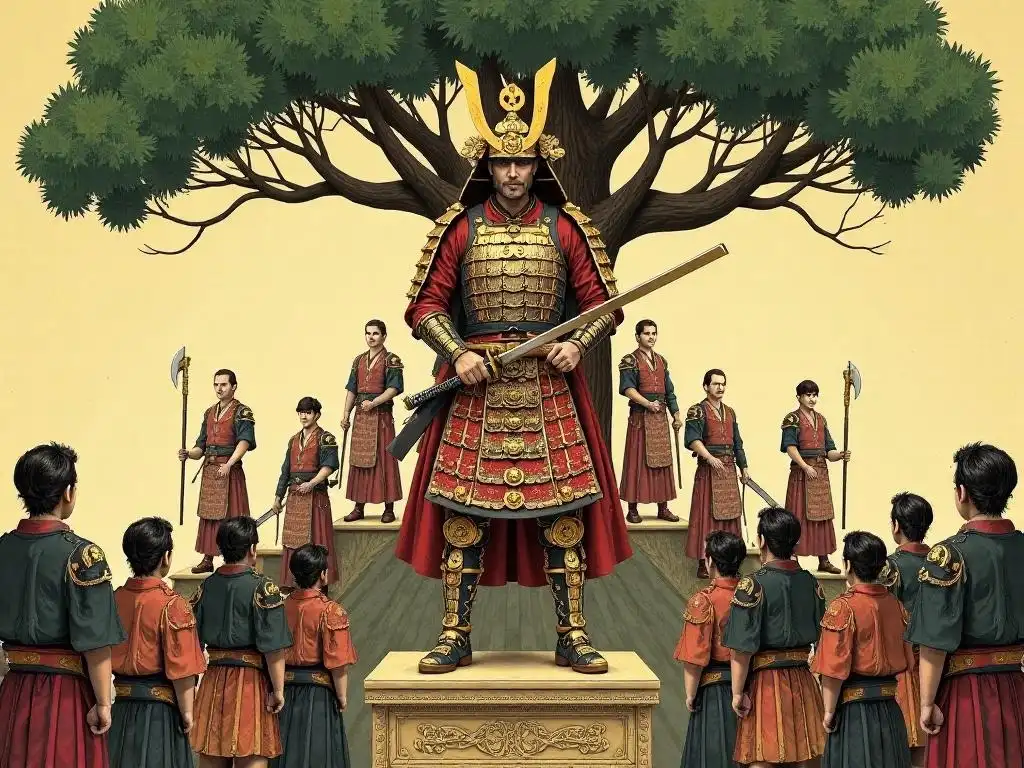
Welcome to Feudal Japan History, where we embark on an extraordinary journey through the tales and traditions of Japan's feudal era. Here, you’ll uncover the intricate layers of military history, with our spotlight on the captivating samurai military hierarchy explained. What secrets lie within the ranks of these legendary warriors? Join us as we delve deep into the power dynamics, cultural significance, and societal roles that defined the samurai’s place in history. Prepare to be intrigued and inspired as we unravel the complexities of a world shaped by honor, duty, and unyielding strength. Your adventure begins now!
- Introduction to Feudal Japan's Military Hierarchy
- The Structure of Samurai Military Hierarchy Explained
- The Evolution of the Samurai Military Hierarchy
- The Responsibilities and Duties of Samurai
- The Cultural Significance of Samurai Military Hierarchy
- Case Studies: Famous Samurai and Their Hierarchical Roles
- Conclusion: The Lasting Impact of Samurai Military Hierarchy
- Frequently Asked Questions
- Final Reflection: The Enduring Legacy of Samurai Military Hierarchy
- Unleash the Warrior Within: Step into the World of the Samurai!
Introduction to Feudal Japan's Military Hierarchy
Feudal Japan, a period spanning from the 12th to the 19th century, was marked by a complex social structure dominated by a military hierarchy that defined the roles and responsibilities of its warriors, particularly the samurai. Understanding the intricacies of this hierarchy is essential for grasping the socio-political dynamics of the time, as it significantly influenced the governance and cultural development of Japan.
The samurai, as the elite warrior class, played a pivotal role in this system, serving not only as military leaders but also as stewards of the land and protectors of their lords. This article delves into the samurai military hierarchy, exploring their ranks, duties, and the broader implications of their role within the feudal framework.
Overview of the Samurai's Role in Feudal Japan
The samurai were more than just skilled warriors; they were integral figures in the feudal system, embodying the values of loyalty, honor, and discipline. They were initially formed as a warrior class to protect the interests of the nobility and maintain order during a time of constant warfare and political strife. Over the centuries, their role evolved, and they became the ruling elite in many regions, often wielding significant political power alongside their military responsibilities.
- Key Functions of the Samurai:
- Military Leadership: Samurai served as generals and captains in battles, strategizing and leading troops into combat.
- Land Management: Many samurai were granted land (known as han) by their lords, which they managed and governed, ensuring agricultural productivity and loyalty to their daimyo (feudal lord).
- Cultural Patronage: They were also patrons of the arts, promoting cultural practices such as tea ceremonies, poetry, and the martial arts, which solidified their status within society.
The samurai's status and duties were often dictated by their rank within the military hierarchy, which structured their relationships with both their superiors and subordinates.
Importance of Understanding Samurai Military Hierarchy
Grasping the samurai military hierarchy is crucial for several reasons. Firstly, it reveals the complexity of feudal Japan's social order, which was not merely a system of governance but a way of life that permeated every aspect of society. Understanding this hierarchy allows us to appreciate how power dynamics shifted over time, particularly during periods of conflict and peace.
- Key Reasons for Understanding the Hierarchy:
- Political Insight: The military hierarchy influenced political alliances and conflicts, shaping the course of Japanese history.
- Cultural Legacy: The values and codes of conduct established by the samurai still resonate in modern Japanese culture, affecting everything from martial arts to business ethics.
- Historical Context: Recognizing the structure of the samurai hierarchy aids in understanding historical texts and literature from the period, providing deeper insights into the motivations and actions of historical figures.
The samurai military hierarchy is not just a historical concept; it is a lens through which we can examine the broader societal structures of feudal Japan, offering lessons that extend beyond the battlefield into the realm of cultural identity and governance.
The Structure of Samurai Military Hierarchy Explained
The Feudal System in Japan
The feudal system in Japan, which emerged during the Heian period (794-1185), became firmly established in the Kamakura period (1185-1333). This hierarchical framework dictated political power and social structure, where land ownership and military service formed the basis of relationships between various classes. The system was characterized by a complex web of loyalty and obligation, known as "Giri."
At the pinnacle of the structure were the Emperor and the Shogun. Although the Emperor was considered a divine figure, the real political power was held by the Shogun, who ruled on behalf of the Emperor. The Shogun maintained control over the Daimyo, the feudal lords who governed vast estates and commanded their own samurai. This decentralized power structure allowed for local governance while retaining the overarching authority of the Shogunate.
The samurai, as the warrior class, played a crucial role in this hierarchy. Their loyalty to their Daimyo was paramount, and in return, they received land or stipends for their military services. This relationship fostered a sense of duty, with samurai expected to uphold Bushido, the code of conduct emphasizing honor, loyalty, and martial prowess.
The feudal system not only dictated military organization but also influenced social customs, cultural practices, and economic systems throughout Japan.
Key Components of Samurai Military Hierarchy
Understanding the samurai military hierarchy requires a closer examination of its key components. The structure can be visualized as a pyramid, with the Shogun at the top, followed by the Daimyo, samurai, and other warriors. Each layer represents different roles and responsibilities, creating a well-organized and efficient military force.
Daimyo: The Feudal Lords
The Daimyo were the powerful feudal lords who controlled large domains and had their own military forces. They played a vital role in the samurai military hierarchy, as they acted as the primary employers of samurai. Each Daimyo was responsible for maintaining peace and order within their territory, collecting taxes, and overseeing the welfare of their subjects.
Daimyo were often engaged in conflicts with one another during the Sengoku period (1467-1603), a time of civil war and political fragmentation. This warfare led to the rise of powerful clans, and alliances were often forged through marriage or military partnerships. The loyalty of samurai to their respective Daimyo was not just a matter of duty; it was also a reflection of the political landscape of the time.
Daimyo had vast resources at their disposal, allowing them to equip and train their samurai effectively. They also established personal relationships with their warriors, fostering a bond of loyalty and devotion that was essential for military campaigns.
Samurai: The Warrior Class
The samurai were the elite warrior class of feudal Japan, revered for their martial skills and adherence to the code of Bushido. They served the Daimyo and were responsible for conducting military operations, protecting their lord's domain, and maintaining order within society.
Samurai were trained from a young age in various martial arts, including kenjutsu (swordsmanship), iaijutsu (the art of drawing the sword), and other battlefield tactics. Their training was rigorous and disciplined, preparing them for the challenges of warfare. Additionally, many samurai were well-educated, often studying literature, philosophy, and the arts, which enriched their cultural contributions.
The samurai were distinguished by their distinct armor and weapons, notably the katana, which became a symbol of their status and identity. The relationship between a samurai and their Daimyo was one of mutual respect; samurai were expected to demonstrate unwavering loyalty, while Daimyo were obliged to protect their samurai and their families.
Ashigaru: The Foot Soldiers
The Ashigaru were the foot soldiers of the samurai military hierarchy. Originating as commoners, they were often conscripted or recruited by the Daimyo to bolster their forces. Ashigaru played a crucial role in battles, providing essential manpower for military campaigns.
While they were not as highly regarded as samurai, Ashigaru underwent training and were equipped with weapons such as spears and matchlock guns. Their role evolved significantly during the Sengoku period, where they became increasingly important in large-scale battles due to their numbers and ability to form disciplined formations.
The Ashigaru could aspire to become samurai through valor in battle or by gaining the favor of a Daimyo, which further blurred the lines between the classes in the military hierarchy. Their contributions were vital to the success of many campaigns and demonstrated the fluidity of social status within the feudal system.
Ronin: The Masterless Samurai
Ronin were samurai who had lost their masters, often due to death or the downfall of their Daimyo. This status of being "masterless" carried significant stigma in feudal Japan, as loyalty was a core value of the samurai code. Ronin had to navigate a challenging existence, often resorting to mercenary work or banditry to survive.
The plight of the ronin is a poignant aspect of the samurai military hierarchy. Many ronin sought to regain their honor by finding a new master or proving their skills in battle. Historical figures such as Miyamoto Musashi, a renowned swordsman and strategist, rose to prominence as ronin, highlighting the potential for individual agency even within a rigid social structure.
The ronin's existence reflects the complexities of loyalty and honor in samurai culture, as they embodied the struggle between personal ambition and societal expectations. Their stories have been romanticized in literature and film, contributing to the enduring legacy of the samurai in Japanese history.
The Evolution of the Samurai Military Hierarchy
The samurai military hierarchy evolved significantly throughout Japan’s feudal era, reflecting changes in political structures, military needs, and social dynamics. Understanding the intricacies of this hierarchy is essential for grasping the broader context of samurai warfare and their societal roles.
Historical Context: From Heian to Edo Period
The origins of the samurai can be traced back to the Heian period (794-1185), where they began as provincial warriors serving noble families. Initially, these warriors were primarily tasked with maintaining order in rural areas, providing military support when needed. As the power of the central government weakened, particularly during the late Heian period, the samurai started to rise in prominence.
During the Kamakura period (1185-1333), the samurai's role became more defined with the establishment of the Kamakura shogunate. This was the first military government in Japan, marking a significant shift in power from the imperial court to military leaders. The samurai were organized into a more structured hierarchy, with the shogun at the top, followed by powerful daimyō (feudal lords) who commanded their own samurai retinues.
As Japan transitioned into the Muromachi period (1336-1573), the samurai military hierarchy became increasingly complex. The rise of the Ashikaga shogunate introduced new layers of power dynamics, where alliances and rivalries among daimyō shaped the military landscape. This period also saw the introduction of various military stratagems and the development of the samurai code, known as bushidō, which emphasized loyalty, honor, and martial skill.
By the Edo period (1603-1868), the samurai had transitioned from a warrior class engaged in continuous warfare to a bureaucratic elite. The Tokugawa shogunate enforced a rigid social hierarchy, where the samurai were often more administrators than warriors. Despite this, the military hierarchy remained intact, with the shogun at the apex, followed by daimyo, samurai, and foot soldiers (ashigaru).
Changes in Samurai Roles Over Time
The roles of samurai evolved dramatically throughout the different periods of feudal Japan. In the early days, samurai were primarily warriors engaged in battle. However, as the political landscape changed, so too did their responsibilities.
- Warriors: During the Heian and Kamakura periods, samurai were predominantly focused on martial duties. They participated in numerous conflicts, including the Genpei War, which solidified the samurai's military prominence.
- Governors and Administrators: With the consolidation of power under the shogunate, samurai were tasked with governance. They oversaw land management, tax collection, and local administration, effectively becoming feudal lords in their own right.
- Cultural Figures: By the Edo period, many samurai shifted toward cultural pursuits. They became patrons of the arts, engaged in literature, and practiced martial arts, which reflected a broader societal transition from warfare to peace.
The samurai's ability to adapt to changing roles showcased their resilience and importance within the feudal system, allowing them to maintain their status across centuries.
Impact of Warfare on Samurai Hierarchy
Warfare had a profound impact on the samurai military hierarchy, shaping its structure and the status of its members. Each era of conflict introduced new challenges and opportunities that fundamentally altered their roles.
- Feudal Conflicts: The numerous battles and conflicts, such as the Onin War (1467-1477), led to the rise of powerful daimyō, who amassed larger armies and resources. This resulted in a more stratified hierarchy, where loyalty and military prowess determined one's social standing.
- The Sengoku Period: This era of warring states (1467-1603) was characterized by constant strife, leading to the emergence of regional warlords. Samurai were often caught in shifting allegiances, as their loyalty to a daimyō could change based on the tides of war. This period solidified the samurai's role not only as warriors but also as political players, influencing the military hierarchy.
- Pax Tokugawa: The long peace enforced by the Tokugawa shogunate led to a decline in military engagements, prompting samurai to adapt to a new reality. Many samurai transitioned into bureaucratic roles, and the hierarchy became less about military capability and more about administrative competence.
Warfare was a critical factor in the evolution of the samurai military hierarchy, shaping their roles and societal status throughout Japan’s feudal era. The samurai's journey from warriors to administrators reflects the broader historical transformations that defined feudal Japan.
The Responsibilities and Duties of Samurai
The samurai, the elite warrior class of feudal Japan, were bound by a strict code of conduct known as Bushido, which emphasized loyalty, honor, and moral integrity. Their responsibilities extended beyond mere combat; they were also expected to serve as leaders, protectors, and administrators within their domains. Understanding the multifaceted duties of samurai provides insight into their critical role in the feudal military hierarchy.
Military Obligations of Samurai
The primary duty of a samurai was to serve in battle when called upon by their daimyo (feudal lord). This military obligation encompassed several key aspects:
- Combat Readiness: Samurai were required to maintain a high level of physical fitness and readiness for battle. This included regular training in martial arts, archery, and swordsmanship.
- Strategic Leadership: Beyond personal combat, samurai often held positions of leadership within their lords' armies, responsible for planning tactics and leading troops into battle.
- Administration of War: Samurai also took on administrative duties during wartime, such as managing supplies, coordinating logistics, and overseeing the welfare of their soldiers.
This extensive commitment to military service was not merely a profession but a way of life, deeply ingrained in their identity as warriors.
Loyalty and Service to the Daimyo
Loyalty to the daimyo was paramount for every samurai. This allegiance was characterized by:
- Personal Loyalty: Samurai pledged their lives to their lords, often symbolized through oaths and rituals. Betraying this loyalty could lead to severe consequences, including loss of honor and status.
- Fief Management: In return for their service, samurai were often granted land or stipends. They were responsible for managing these fiefs, ensuring productivity, and maintaining order among the peasantry.
- Household Responsibilities: Samurai were also expected to support their daimyo’s household, which included protecting the lord's family and maintaining the family's honor and reputation.
This bond of loyalty not only shaped the samurai's role in society but also influenced the political dynamics of feudal Japan, contributing to the stability and governance of various regions.
Training and Skills Required for Samurai
To fulfill their duties effectively, samurai underwent rigorous training that honed both their physical and mental skills:
- Martial Arts Mastery: Samurai trained in various forms of combat, including Kenjutsu (sword fighting), Iaijutsu (drawing the sword), and Naginatajutsu (halberd fighting). Mastery of these arts was essential for survival in battle.
- Horsemanship: As cavalrymen, samurai needed to be adept at riding and fighting from horseback. This skill was critical during battles, where mobility and speed were advantageous.
- Strategic Thinking: Training also included education in strategy and philosophy, allowing samurai to think critically and make tactical decisions in the heat of battle.
| Skill Area | Description |
|---|---|
| Martial Arts | Proficiency in various forms of combat |
| Horsemanship | Ability to maneuver and fight effectively on horseback |
| Strategy | Development of tactical and strategic thinking skills |
The responsibilities and duties of samurai were extensive and varied. Their military obligations, unwavering loyalty to their daimyo, and the rigorous training they underwent were all integral to their identity and function within the feudal military hierarchy of Japan. Understanding these elements provides a clearer picture of the samurai's complex role in the historical landscape of feudal Japan.
The Cultural Significance of Samurai Military Hierarchy
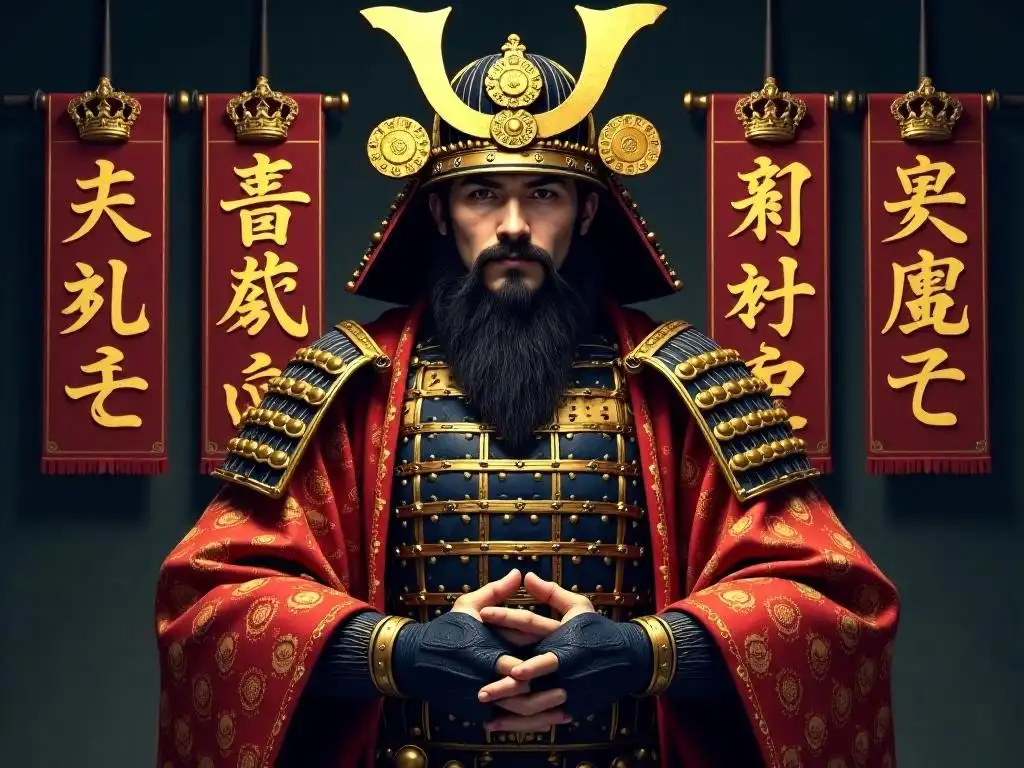
The military hierarchy of the samurai in feudal Japan is not merely a structure of ranks and duties; it is deeply embedded in the cultural and social fabric of Japanese society. Understanding this hierarchy provides insight into the values, ethics, and governance of the time, reflecting a unique blend of martial prowess and cultural sophistication.
The Code of Bushido and Its Influence
The concept of Bushido, often translated as "the way of the warrior," is a fundamental aspect of the samurai military hierarchy. This ethical code governed the behavior of samurai, dictating their conduct in battle and in daily life. Key principles of Bushido include:
- Loyalty: Samurai were expected to show unwavering loyalty to their lords (daimyō). This loyalty often transcended personal interests, leading to a culture where self-sacrifice was valued.
- Honor: The samurai's honor was paramount. Actions that brought shame to oneself or one’s family could result in seppuku, a ritual suicide that served as a means of restoring honor.
- Courage: Bravery in battle was not only admired but essential for a samurai’s reputation and status within the hierarchy.
Bushido influenced not only military engagements but also aspects of Japanese culture, from literature and art to the principles of modern martial arts. The samurai's adherence to these ideals solidified their status as elite warriors and leaders, shaping the societal norms of the time.
Symbolism of the Samurai in Japanese Culture
Samurai embodied more than just military might; they symbolized the ideals of discipline, respect, and cultural refinement. Within the military hierarchy, the samurai were viewed as the protectors of peace and order. Their role was both practical and symbolic, influencing various cultural elements, including:
- Art and Literature: The samurai's image has been immortalized in countless works of art, literature, and theater, showcasing their bravery and moral dilemmas.
- Ceremonial Practices: Samurai rituals, such as the tea ceremony and flower arranging (ikebana), reflect their commitment to aesthetics and discipline, elevating them beyond mere warriors to cultural icons.
- Spirituality: Many samurai practiced Zen Buddhism, which emphasized mindfulness and meditation, further intertwining their military duties with philosophical pursuits.
This multifaceted symbolism has allowed the samurai to remain a prominent figure in Japanese culture, representing ideals that continue to resonate today.
The Legacy of Samurai Hierarchy in Modern Japan
The remnants of the samurai military hierarchy continue to influence modern Japan, particularly in areas such as social structure, ethics, and even corporate culture. The hierarchical principles established during the feudal era still resonate in contemporary Japanese society:
- Respect for Hierarchy: Modern Japanese organizations often mirror the samurai's strict hierarchical structure, emphasizing respect for authority and seniority.
- Cultural Pride: The samurai legacy fosters a sense of national pride and identity, with samurai imagery and themes prevalent in popular culture, including films, literature, and video games.
- Ethical Frameworks: The values of loyalty, honor, and discipline, rooted in Bushido, continue to influence personal and professional conduct in modern Japan.
The samurai's military hierarchy has left an indelible mark on Japan's cultural and social landscape, demonstrating the enduring power of these historical figures in shaping contemporary values and practices.
Case Studies: Famous Samurai and Their Hierarchical Roles
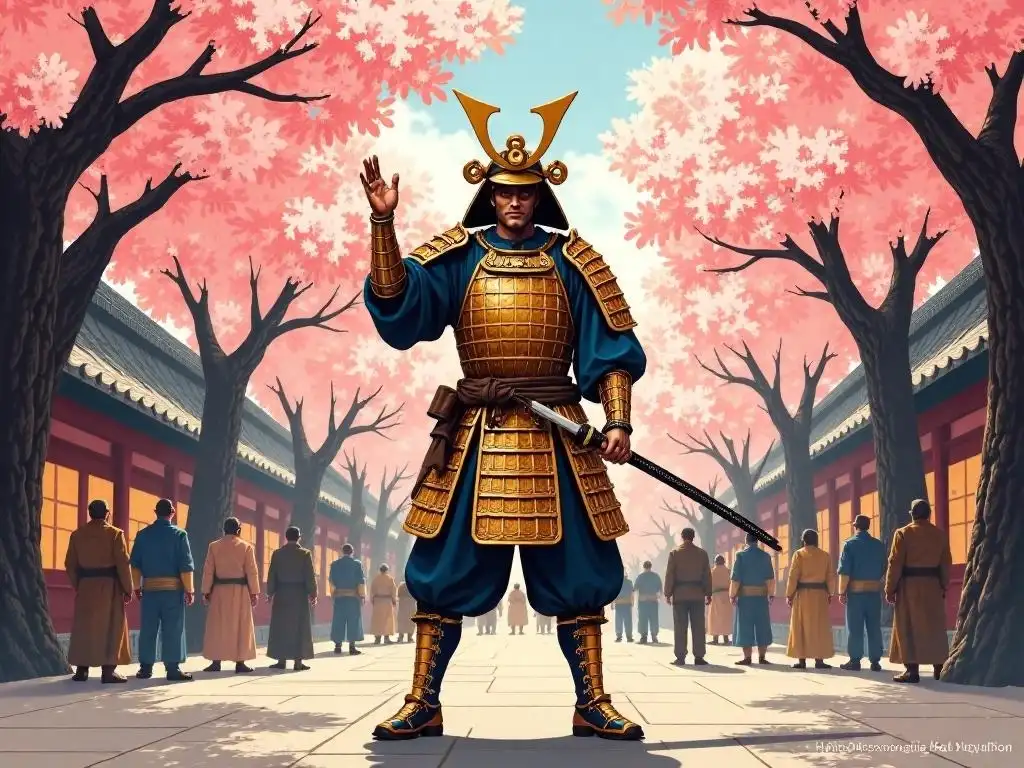
The Role of Oda Nobunaga in Samurai Warfare
Oda Nobunaga (1534-1582) is a pivotal figure in the history of the Samurai military hierarchy, known for his ruthless ambition and strategic prowess. As a daimyo, he played a crucial role in the unification of Japan during the late Sengoku period. Nobunaga’s approach to warfare revolutionized the traditional samurai tactics of the time.
- Innovative Tactics: Nobunaga employed gunpowder weapons, particularly the arquebus, during his campaigns, which changed the dynamics of battlefield engagements. His famous victory at the Battle of Nagashino in 1575, where he utilized a three-line firing formation, exemplified his innovative military strategies.
- Centralization of Power: Nobunaga sought to centralize power and diminish the traditional feudal structure. He often rewarded his samurai not just for loyalty but for military success and effectiveness, leading to a meritocratic element within his ranks.
His legacy laid the groundwork for the samurai hierarchy to evolve from a purely feudal allegiance to a more structured and strategically oriented military organization.
Tokugawa Ieyasu and the Establishment of Order
Tokugawa Ieyasu (1543-1616) is best known for founding the Tokugawa shogunate, which ruled Japan for over 250 years. His role in shaping the samurai military hierarchy is pivotal, particularly regarding stability and governance.
- Shogunate System: After his victory at the Battle of Sekigahara in 1600, Ieyasu established a system where the samurai were not only warriors but also administrators. This dual role helped to maintain order and enforce the shogun’s authority across the realm.
- Land and Loyalty: Ieyasu implemented a land distribution system based on loyalty and service, known as han or domains. Samurai were granted land in exchange for military service, creating a more organized hierarchy that emphasized loyalty to the shogunate over individual lords.
Ieyasu’s reign marked a significant transition in the samurai’s role from warriors in chaotic times to a structured military elite within a stable government.
Notable Samurai Battles and Their Impact on Hierarchy
Throughout the feudal era, several key battles significantly impacted the samurai military hierarchy, solidifying the role of samurai as both warriors and leaders within society.
- The Battle of Okehazama (1560): This battle was a testament to Nobunaga’s tactical brilliance. Nobunaga's surprise attack against a numerically superior force showcased how strategic innovation could alter hierarchical structures by allowing lower-ranked samurai to achieve prominence.
- The Siege of Osaka (1614-1615): This conflict marked the culmination of the power struggle between the Toyotomi clan and the Tokugawa shogunate. The fall of Osaka Castle led to the definitive establishment of Tokugawa Ieyasu’s dominance, reshaping the loyalty dynamics within the samurai class.
| Battle | Year | Key Figure | Outcome | Impact on Hierarchy |
|---|---|---|---|---|
| Battle of Okehazama | 1560 | Oda Nobunaga | Decisive victory for Nobunaga | Elevated Nobunaga’s status; redefined loyalty |
| Siege of Osaka | 1614-1615 | Tokugawa Ieyasu | Fall of Toyotomi clan | Cemented Tokugawa authority; altered feudal ties |
These battles not only shaped the outcomes of conflicts but also influenced the social structure of the samurai class, determining who would rise and fall within the military hierarchy. The interplay between warfare, strategy, and hierarchy underscores the complex nature of the samurai's role in feudal Japan.
Conclusion: The Lasting Impact of Samurai Military Hierarchy
Summary of Key Points
The military hierarchy of the samurai in feudal Japan was a complex system that defined the roles and responsibilities of warriors within society. Key elements of this hierarchy include:
- Shogun: The supreme military leader who held the highest authority, often ruling in the name of the emperor.
- Daimyo: Powerful feudal lords who governed large territories and maintained their own samurai armies.
- Samurai: The warrior class that served the daimyo, bound by the code of bushido, emphasizing honor, loyalty, and martial skill.
- Ashigaru: Foot soldiers who supported the samurai, often recruited from the peasantry, and crucial for the lower ranks of military engagement.
This hierarchy not only organized military leadership but also influenced social structures, governance, and cultural practices during the feudal era.
The Relevance of Samurai Hierarchy Today
The samurai military hierarchy continues to resonate in contemporary Japan and beyond, influencing various aspects of modern society:
- Cultural Legacy: The ideals of bushido, emphasizing honor, discipline, and loyalty, still permeate Japanese culture and are reflected in martial arts, business practices, and interpersonal relationships.
- Historical Studies: Scholars and enthusiasts alike study the samurai hierarchy to understand its impact on Japan's development and its parallels in other historical contexts, such as European feudal systems.
- Media Representation: Movies, literature, and anime frequently explore samurai themes, portraying their roles within the military hierarchy and romanticizing their values and codes.
Understanding the samurai military hierarchy provides insight not only into Japan's past but also into its cultural identity today.
Final Thoughts on Samurai's Place in Feudal Japan
The samurai held a pivotal role in feudal Japan's military structure, serving as both warriors and symbols of societal values. Their hierarchy was not merely a reflection of military organization but a representation of loyalty, honor, and duty.
As we explore the samurai's place within this military framework, it becomes clear that their influence extended beyond the battlefield. The legacy of the samurai continues to shape Japan's cultural narrative, reminding us of the profound impact that military hierarchies can have on society as a whole.
The samurai military hierarchy explained serves as a foundational element in understanding the broader historical, cultural, and societal implications of feudal Japan. It is a testament to how structured systems of power can define and shape a civilization for generations.
Frequently Asked Questions
What is the samurai military hierarchy in feudal Japan?
The samurai military hierarchy consisted of various ranks, including daimyōs (lords), samurai (warriors), and ashigaru (foot soldiers), establishing a clear chain of command and responsibility.
The samurai maintained their social status through loyalty to their lords, adherence to the bushidō code, and participation in military campaigns, which demonstrated their valor and skill.
What role did daimyōs play in the military hierarchy?
Daimyōs were powerful feudal lords who controlled land and had their own armies of samurai, making them crucial to the political and military structure of feudal Japan.
How did the samurai military hierarchy influence Japanese society?
The samurai military hierarchy shaped society by establishing a class system that prioritized warriors above commoners, influencing cultural norms, governance, and social interactions.
What is the significance of the bushidō code for samurai?
The bushidō code was a moral framework guiding the samurai, emphasizing virtues like honor, loyalty, and courage, which were vital for maintaining their status and integrity in feudal Japan.
Final Reflection: The Enduring Legacy of Samurai Military Hierarchy
The intricate structure of the samurai military hierarchy is not just a relic of feudal Japan; it remains profoundly relevant today as we explore concepts of leadership, loyalty, and societal roles. The samurai's code of honor and their place within a rigid military framework provide timeless lessons on discipline and commitment that resonate in various aspects of modern life. As we navigate our own complex social structures, understanding the samurai's place in history can illuminate our paths forward.
The influence of the samurai extends far beyond the battlefield; it has shaped cultural narratives, artistic expressions, and even contemporary views on honor and duty. The samurai's legacy is woven into the fabric of Japanese identity, inspiring countless works of literature, film, and philosophy. As noted by historian Thomas Cleary, The samurai way is not merely a historical phenomenon; it is a living tradition that continues to inspire and guide individuals in their quest for personal excellence.
This ongoing influence invites us to reflect on how the values embodied by the samurai can inform our own lives and societal interactions.
As we conclude this exploration of the samurai military hierarchy, I invite you to reflect on the principles of loyalty, honor, and leadership that the samurai exemplified. Consider how these values can be integrated into your own life, whether in personal relationships, professional endeavors, or community involvement. Embrace the challenge of embodying the spirit of the samurai, and let their legacy inspire you to forge a path of integrity and purpose in a world that often demands clarity and strength.
Unleash the Warrior Within: Step into the World of the Samurai!
Thank you for diving into our exploration of Feudal Japan's military hierarchy! Your interest in the samurai not only deepens your knowledge but also ignites a passion for understanding their incredible legacy. Now, it's time to turn that knowledge into action!
- Immerse yourself in the samurai spirit: Research a specific samurai figure or clan that inspires you and explore their unique contributions to history.
- Share your insights: Discuss what you’ve learned with friends or on social media. Use the hashtag **#SamuraiLegacy** to spark conversation and connect with fellow enthusiasts!
- Experience the culture: Try your hand at Japanese martial arts or visit a museum featuring samurai artifacts to gain a deeper appreciation for their skills and values.
Which qualities of the samurai resonate with you, and how do you plan to incorporate them into your own life?