
The Samurai and Gunpowder: Adapting to New Technologies in Battle

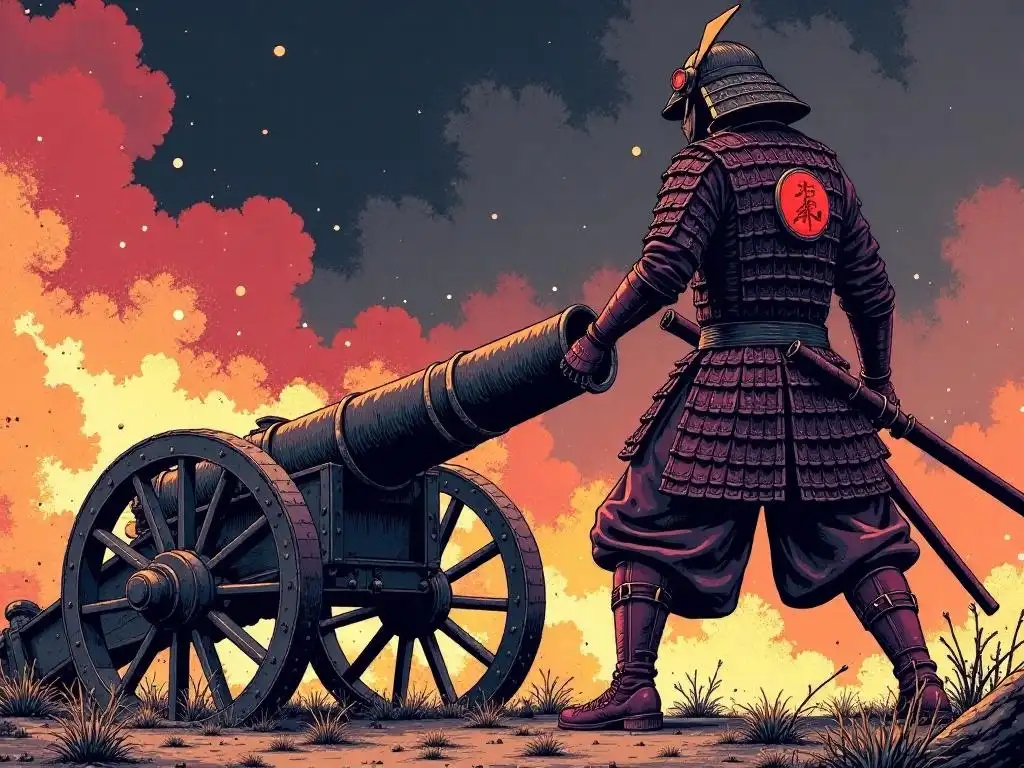
Welcome to Feudal Japan History, where we embark on a captivating journey through the intricate tapestry of Japan's feudal era. In this exploration, we delve deep into the remarkable adaptation of the samurai to gunpowder, a transformative moment that redefined warfare and culture. How did these legendary warriors embrace this revolutionary technology, and what impact did it have on their way of life? Prepare to uncover the nuanced interplay between tradition and innovation as you navigate through our expert-driven articles. Your adventure into the world of military history awaits!
Introduction to Samurai Adaptation to Gunpowder
The transition from traditional melee combat to the incorporation of gunpowder represents a pivotal moment in the history of feudal Japan. As the samurai faced the emergence of this new technology on the battlefield, their ability to adapt became crucial to maintaining their dominance and relevance in warfare.
This article delves into the intricate relationship between the samurai and gunpowder, exploring how these elite warriors redefined their strategies and tactics in response to a rapidly changing military landscape. By examining the historical context, key figures, and the broader implications of technological adaptation, we gain valuable insights into the resilience and ingenuity of the samurai during one of Japan's most transformative periods.
Overview of the Feudal Era in Japan
The feudal era in Japan, spanning from the late 12th century to the mid-19th century, was characterized by a decentralized political structure where power was held by regional warlords known as daimyo. During this time, the samurai emerged as the military elite, bound by a strict code of honor known as bushido. This era saw continuous conflicts, social stratification, and the establishment of various clans vying for control over territories. The introduction of new technologies, such as gunpowder, challenged the traditional martial practices of the samurai and forced a reevaluation of their roles on the battlefield.
Importance of Technological Adaptation in Warfare
Technological adaptation has always been a key determinant of success in warfare. Throughout history, armies that embraced innovation often gained a strategic advantage over their adversaries. In the context of the samurai, adapting to the use of gunpowder was not merely about adopting new weapons; it involved a complete transformation of tactics, training, and battlefield organization. The ability to integrate gunpowder weaponry, such as matchlocks and cannons, into their combat strategies proved essential for the samurai to remain relevant in an evolving military environment.
The Arrival of Gunpowder in Japan
The introduction of gunpowder to Japan was a watershed moment that significantly altered the course of Japanese warfare. Understanding this development requires a look at both the circumstances surrounding its arrival and the individuals who played pivotal roles during this transformative period.
Historical Context of Gunpowder Introduction
Gunpowder is believed to have been introduced to Japan in the mid-16th century, primarily through contact with Portuguese traders. This new explosive material quickly captured the attention of Japanese warlords, who recognized its potential to revolutionize warfare. With the advent of firearms, particularly the tanegashima (a type of matchlock gun), the dynamics of battle began to shift dramatically. The samurai, who had traditionally relied on swords and archery, faced the challenge of integrating gunpowder weaponry into their established combat techniques.
Key Figures in the Introduction of Gunpowder
Several key figures played instrumental roles in the adaptation of gunpowder technology in Japan. Among them:
- Oda Nobunaga: A powerful daimyo who was one of the first to adopt firearms extensively in his campaigns, notably during the Battle of Nagashino in 1575, where his forces used coordinated volleys of gunfire to devastating effect.
- Toyotomi Hideyoshi: Nobunaga's successor, who recognized the importance of standardizing gunpowder weaponry across his armies, paving the way for its widespread use in later conflicts.
- Tokugawa Ieyasu: The founder of the Tokugawa shogunate, who continued to develop and utilize gunpowder technologies, solidifying the samurai's place in a new military order.
These figures exemplify the samurai's ability to adapt and thrive amidst the challenges posed by gunpowder, ensuring their legacy in Japanese history.
Impact of Gunpowder on Samurai Warfare
The introduction of gunpowder in Japan during the late 15th century marked a significant turning point in samurai warfare. Initially imported from the Portuguese in 1543, firearms, particularly the matchlock gun (tanegashima), began to alter the landscape of combat. The impact of gunpowder on samurai warfare was profound, as it not only changed the weapons used but also reshaped the very tactics and strategies employed on the battlefield.
The most immediate effect was the increased lethality and range of combat. Gunpowder weapons allowed for a new form of engagement, where infantry armed with firearms could engage enemy forces from a distance, challenging the traditional close-combat style of samurai warfare. This shift led to a reevaluation of the samurai's role in battle, as the emphasis began to move from individual prowess in swordsmanship to the effectiveness of coordinated groups armed with firearms.
Furthermore, the psychological impact of gunpowder weapons cannot be overstated. The noise, smoke, and destructive power of firearms instilled fear in opponents, often leading to quicker surrenders and less willingness to engage in protracted battles. Thus, gunpowder changed not only the tools of war but also the mindset of those who fought.
Traditional Samurai Warfare Tactics
Before the advent of gunpowder, samurai warfare was characterized by a highly ritualized and honor-driven approach. Battles were often fought in open fields where samurai would charge at each other, engaging in hand-to-hand combat with swords, spears, and bows. Key tactics included:
- Kumite (Close Combat): Samurai utilized their skills in close combat, relying on their physical abilities and martial arts training.
- Flanking Maneuvers: Samurai frequently executed flanking movements to outmaneuver their opponents, often using terrain to their advantage.
- Formation Fighting: Various formations, such as the “hiki” (withdrawal) and “tachi” (line), were employed to maximize the effectiveness of their forces.
The emphasis on honor and bravery meant that warriors were encouraged to confront their enemies directly, often leading to dramatic and decisive battles. However, as firearms became more prevalent, these tactics faced significant challenges, requiring a fundamental rethinking of how battles were fought.
Changes in Battle Strategies Due to Gunpowder
The integration of gunpowder into warfare necessitated a radical transformation in battle strategies. Traditional tactics became increasingly ineffective against the new, ranged threat posed by firearms. Some notable changes included:
- Formation Adjustments: The introduction of firearms led to the development of new formations, such as the “suwari” (sitting) formation, which allowed soldiers to fire while seated, providing stability and minimizing exposure.
- Combined Arms Approach: Commanders began to integrate various types of troops, combining infantry with firearms, cavalry, and archers to create a more balanced and versatile fighting force.
- Cover and Mobility: With the need to avoid being targeted by gunfire, strategies shifted towards using terrain for cover and employing more mobile tactics to flank opponents rather than engaging head-on.
As these new strategies evolved, the role of samurai in battle also changed dramatically, as they adapted to fight alongside and coordinate with infantry armed with gunpowder weapons.
Samurai Adaptation to Gunpowder Technology
The samurai's response to the rise of gunpowder technology was marked by a determined effort to incorporate these new weapons into their traditional warfare practices. This adaptation involved both the training of samurai in the use of firearms and the evolution of their battlefield roles.
Training and Integration of Gunpowder Weapons
As firearms became central to warfare, samurai underwent significant training to master the use of gunpowder weapons. This training included:
- Firearm Proficiency: Samurai learned to handle matchlocks effectively, focusing on accuracy, reloading techniques, and shooting under pressure.
- Tactical Coordination: Training sessions emphasized the importance of working in unison with other soldiers, enabling samurai to execute coordinated attacks that maximized the effectiveness of their firearms.
- Maintenance Skills: Understanding the mechanics of their weapons became crucial, leading to training in the maintenance and repair of firearms to ensure reliability in battle.
These adaptations allowed samurai to blend traditional skills with new techniques, creating a more formidable fighting force capable of leveraging the advantages of gunpowder.
Evolution of Samurai Roles in Gunpowder Warfare
As firearms became integral to military engagements, the roles of samurai on the battlefield evolved significantly. Key changes included:
- Leadership in Firearms Units: Samurai often took on leadership roles within units armed with gunpowder weapons, utilizing their experience and tactical knowledge to direct infantry in combat.
- Shift from Individual Heroism to Team Dynamics: The focus shifted from individual valor to the effectiveness of unit cohesion, as successful operations increasingly depended on collective action rather than solo heroics.
- Incorporation of New Technologies: Samurai began to adopt and innovate new forms of warfare, such as the use of cannons and explosive devices, further enhancing their combat capabilities and adapting to the changing nature of warfare.
These adaptations ensured that samurai remained relevant and effective in the face of technological advancements, solidifying their place in Japan's military history.
Case Studies of Samurai Battles Utilizing Gunpowder
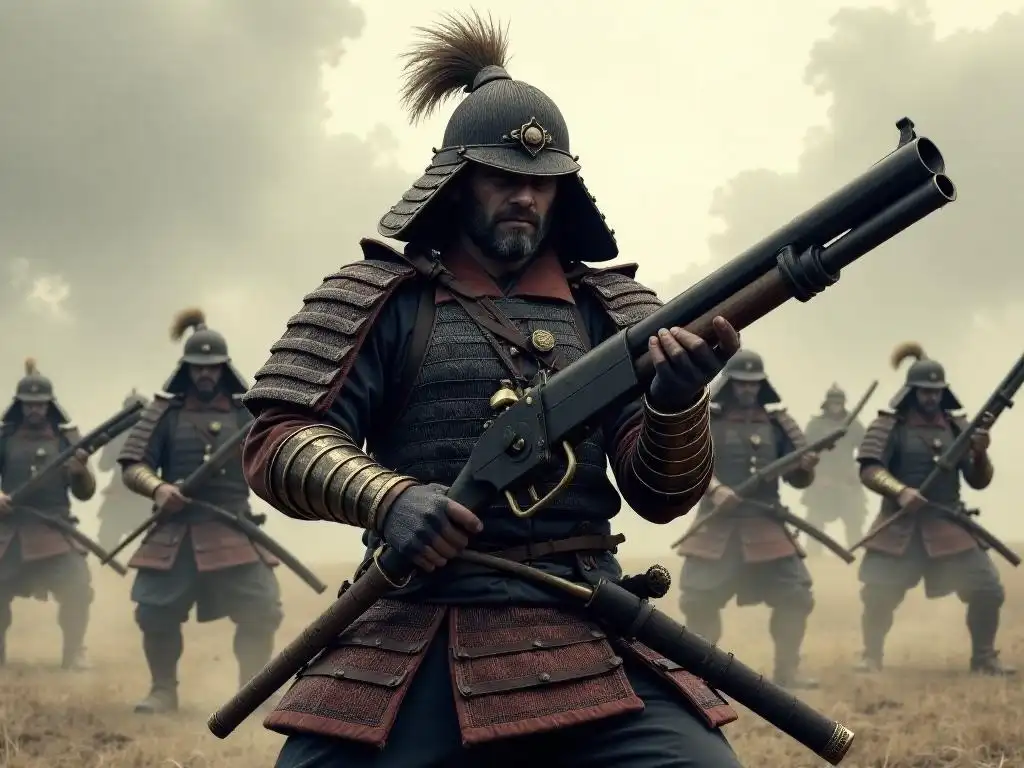
The introduction of gunpowder significantly reshaped the landscape of warfare in feudal Japan. Notable battles illustrate how samurai adapted to this new technology, integrating it into their traditional combat strategies. One prominent example is the Battle of Nagashino in 1575, where Oda Nobunaga's forces employed a tactical innovation by utilizing wooden stockades to protect arquebus (matchlock gun) wielders. This battle marked a pivotal moment, showcasing the effectiveness of gunpowder in overwhelming traditional cavalry charges.
Another significant case study is the Siege of Takamatsu in 1582. During this siege, the besieging forces, led by Toyotomi Hideyoshi, utilized cannons and gunpowder weapons to breach the fortress walls. The samurai defenders, while initially relying on traditional strategies, were ultimately forced to adapt their tactics in response to the destructive power of gunpowder artillery. These battles exemplify the strategic shifts that samurai underwent as they confronted the realities of gunpowder warfare.
Notable Battles Involving Gunpowder and Samurai
Several key battles stand out in the context of samurai warfare and the adoption of gunpowder:
- Battle of Nagashino (1575): This battle is often cited as a turning point in Japanese warfare. Nobunaga's strategic use of arquebusiers led to a decisive victory against Takeda's cavalry.
- Siege of Takamatsu (1582): This siege demonstrated the effectiveness of cannons and gunpowder artillery, compelling the samurai to reconsider their defensive strategies.
- Battle of Sekigahara (1600): The use of gunpowder weapons played a critical role in this battle, as Tokugawa Ieyasu's forces incorporated firearms into their tactics to achieve a decisive victory.
These battles illustrate the transition from traditional samurai combat to a more modern warfare approach, highlighting the adaptation process that was crucial for the survival and success of samurai factions.
Analysis of Samurai Strategies in Gunpowder Warfare
The adaptation of samurai strategies in the face of gunpowder technology involved several key elements:
- Formation Changes: Samurai shifted from traditional formations that relied heavily on cavalry charges to more defensive positions that utilized gunpowder weapons effectively. The introduction of the "three-line formation" allowed for coordinated volleys of gunfire.
- Tactical Innovations: The use of cover and fortifications became essential, as seen in the aforementioned Battle of Nagashino. The samurai learned to construct stockades and utilize terrain to protect their gunmen while maximizing their offensive capabilities.
- Integration of Firearms: Samurai began integrating firearms into their ranks, training soldiers to use arquebuses alongside traditional weaponry such as swords and spears. This hybrid approach enabled them to engage enemies at varying ranges and adapt to different battlefield scenarios.
Through these adaptations, samurai were able to maintain their relevance in warfare despite the challenges posed by the rise of gunpowder weapons.
Cultural and Societal Reactions to Gunpowder
The introduction of gunpowder had profound cultural and societal implications in feudal Japan. The samurai class, which had long been defined by their martial prowess and adherence to a strict code of honor, faced significant identity challenges as they adapted to new forms of warfare.
Shifts in Samurai Identity and Honor Codes
As gunpowder changed the nature of combat, the samurai's identity began to shift. The once-prevalent emphasis on personal bravery and close-quarters combat became less relevant in battles dominated by firearms. This led to a reevaluation of the bushido code, as the samurai grappled with the implications of relying on technology over personal skill.
- Evolving Honor Codes: The use of firearms raised questions about honor in battle. Traditionalists viewed reliance on gunpowder as a cowardly approach, while others argued that survival in warfare necessitated adaptation, leading to a broader interpretation of honor.
- Cultural Reflections: Literature and art began to reflect these changes, depicting samurai grappling with their roles in a rapidly evolving society. The narrative of the noble warrior started to coexist with the image of the skilled marksman, creating a complex identity for the samurai class.
The Role of Gunpowder in Japanese Society
Gunpowder's introduction extended beyond the battlefield, influencing various aspects of Japanese society:
- Military Reform: The samurai class became instrumental in adopting and spreading gunpowder technology, leading to military reforms that focused on training and equipping troops with firearms, which in turn elevated the samurai's status as military leaders.
- Economic Impact: The demand for gunpowder and firearms sparked new economic opportunities, leading to advancements in metallurgy and manufacturing. This economic shift contributed to the rise of regional power dynamics as warlords sought access to gunpowder resources.
- Social Changes: The reliance on gunpowder weapons led to changes in social hierarchies, as those who could afford to equip their armies with firearms gained prominence. This shift catalyzed the rise of new classes and altered traditional power structures within feudal Japan.
The adaptation of samurai to gunpowder technology significantly impacted their identity and the broader societal context, leading to profound changes within feudal Japan.
Comparison of Traditional and Gunpowder Warfare Tactics
The evolution of warfare during Japan's feudal era marked a significant transition from traditional samurai tactics to the inclusion of gunpowder weapons. Traditional samurai warfare relied heavily on close-combat techniques, including the use of swords, bows, and spears. Samurai combatants emphasized honor, skill, and individual prowess, often engaging in battle with a focus on one-on-one duels. The tactics employed were characterized by the following key features:
- Mobility and Agility: Samurai were trained to be swift and agile, enabling them to maneuver quickly on the battlefield, often taking advantage of terrain and formations to outsmart their opponents.
- Code of Bushido: The samurai adhered to a strict code of conduct known as Bushido, which emphasized honor, loyalty, and courage. This ethos shaped their approach to warfare, prioritizing personal honor and combat skills over strategic cunning.
- Formation and Strategy: Battles were often fought in organized formations, with units relying on coordinated assaults and flanking maneuvers. The use of cavalry was also prominent, allowing for hit-and-run tactics against enemy forces.
With the introduction of gunpowder weapons in the late 16th century, notably through the arrival of firearms like the matchlock, there was a profound shift in the tactical landscape. The effective use of gunpowder required new strategies:
- Range and Firepower: Gunpowder weapons allowed armies to engage opponents from a distance, fundamentally changing the dynamics of battle. The ability to strike before reaching melee range shifted the focus from individual combat skills to collective firepower.
- Formation Adaptation: Rather than traditional formations, armies began to adopt innovative tactics that emphasized the use of gunpowder units, such as volley fire, where multiple soldiers would fire simultaneously to maximize damage.
- Integration of Infantry: The rise of gunpowder weapons led to the increased importance of infantry units, as soldiers armed with firearms could hold their ground against cavalry charges, changing the composition of the battlefield.
This transition illustrates the necessity for samurai to adapt their strategies and tactics in response to the changing nature of warfare, ultimately leading to a hybridization of traditional methods with new technology.
Strengths and Weaknesses of Samurai Tactics Pre-Gunpowder
Before the widespread use of gunpowder, samurai tactics demonstrated several strengths and weaknesses that defined their effectiveness in battle.
Strengths:
- Mastery of Close Combat: Samurai were exceptionally trained in various forms of martial arts, which included techniques for armed and unarmed combat. Their skills in swordsmanship and archery provided them a significant advantage in close-quarter engagements.
- Psychological Warfare: The samurai's reputation and adherence to Bushido instilled fear in their enemies, often leading to psychological advantages before the battle even began.
- Cohesion and Loyalty: Samurai units were typically composed of warriors who shared the same lord or clan, fostering deep loyalty and collective morale that could enhance performance in battle.
Weaknesses:
- Vulnerability to Ranged Attacks: Traditional tactics were ill-equipped to handle long-range threats, particularly as archers and firearms became more prevalent. Samurai formations could be easily disrupted by a well-placed volley of arrows or gunfire.
- Rigidity in Tactics: The emphasis on honor and personal combat could lead to inflexibility in adapting to changing battlefield conditions. This rigidity sometimes prevented samurai from effectively countering innovative strategies employed by their enemies.
- Resource Intensity: Samurai warfare often required significant resources, both in terms of training and equipment. The reliance on individual skill meant that losses in battle could be devastating for a clan.
This combination of strengths and weaknesses set the stage for the samurai's eventual adaptation to gunpowder weapons, as they recognized the need to evolve in response to the changing nature of warfare.
Advantages of Gunpowder Weapons in Samurai Battles
The introduction of gunpowder weapons into samurai warfare brought about several advantages that significantly altered the battlefield dynamics.
- Increased Lethality: Firearms such as the matchlock rifle provided a level of lethality that traditional weapons could not match. A single skilled marksman could inflict serious damage from a distance, changing the calculus of engagement.
- Massed Firepower: The capability for troops to fire in volleys allowed for devastating barrages against enemy formations. This massed firepower could break enemy lines before samurai could reach them for close combat.
- Tactical Innovation: The presence of gunpowder weapons prompted samurai leaders to adopt new tactics, such as the use of cover and strategic positioning. This innovation in tactics led to more dynamic and adaptable battlefield strategies.
- Versatility in Combat: Gunpowder weapons could be used effectively across various combat scenarios, including sieges, open-field battles, and naval engagements, allowing samurai to engage enemies in a variety of contexts.
These advantages underscored the necessity for samurai to integrate gunpowder into their military practices, ultimately transforming their approach to warfare.
Conclusion: The Legacy of Samurai Adaptation to Gunpowder
The adaptation of the samurai to gunpowder weapons marked a pivotal moment in Japan's military history. Their ability to embrace new technologies while still preserving aspects of traditional warfare illustrates a unique blend of innovation and cultural continuity. This transition not only reshaped samurai warfare but also influenced broader military practices in Japan.
Lasting Effects on Samurai Warfare and Military History
The legacy of samurai adaptation to gunpowder can be seen in the long-term transformation of military strategies in Japan. The integration of firearms led to:
- Institutional Changes: As gunpowder weapons became more prominent, the samurai class evolved, leading to the establishment of new military structures and ranks that emphasized both traditional combat skills and proficiency with firearms.
- Shifts in Power Dynamics: The rise of gunpowder warfare contributed to significant shifts in power among clans, as those who adapted more quickly gained advantages over their rivals. This shift played a crucial role in the unification of Japan under leaders like Oda Nobunaga and Toyotomi Hideyoshi.
- Cultural Integration: The samurai's adaptation to gunpowder also influenced Japanese culture, leading to the incorporation of firearms into traditional practices, art, and literature, reflecting a complex relationship between technology and tradition.
Reflections on Technological Adaptation in Modern Contexts
The samurai's experience with adapting to gunpowder serves as a valuable lesson in the importance of technological adaptation in warfare and beyond.
- Embracing Change: Just as the samurai recognized the need to incorporate gunpowder into their strategies, modern societies must embrace technological advancements to remain competitive and effective in various fields, from military to business.
- Balancing Tradition and Innovation: The samurai's ability to blend traditional values with new technologies serves as a reminder of the importance of maintaining cultural heritage while also adapting to change. This balance is crucial in today’s fast-paced world.
- Strategic Thinking: The samurai's tactical innovations in response to gunpowder illustrate the necessity of strategic thinking in adapting to new challenges, a principle that applies across numerous disciplines, including technology, education, and governance.
The legacy of samurai adaptation to gunpowder is not only a significant chapter in military history but also a timeless reflection on the power of innovation and adaptability in the face of change.
- Introduction to Samurai Adaptation to Gunpowder
- The Arrival of Gunpowder in Japan
- Impact of Gunpowder on Samurai Warfare
- Samurai Adaptation to Gunpowder Technology
- Case Studies of Samurai Battles Utilizing Gunpowder
- Cultural and Societal Reactions to Gunpowder
- Comparison of Traditional and Gunpowder Warfare Tactics
- Conclusion: The Legacy of Samurai Adaptation to Gunpowder
Frequently Asked Questions
What was the role of the samurai during the feudal era in Japan?
The samurai were elite warriors and noble defenders of their lords, adhering to the code of bushido. They played a critical role in maintaining political power and order during Japan's feudal period.
How did gunpowder change samurai warfare?
The introduction of gunpowder led to significant changes in combat strategies. Samurai had to adapt their tactics and training to incorporate firearms, which altered the dynamics of battlefield engagements.
What are some examples of samurai adaptation to gunpowder?
Samurai began to integrate matchlock rifles into their arsenal, developing new techniques for loading and firing during combat. They also modified their armor and tactics to counteract the effects of gunfire.
Did all samurai accept the use of gunpowder?
Not all samurai embraced gunpowder weaponry initially. Some believed it compromised traditional combat honor and the art of swordsmanship, leading to a divide within the ranks regarding its use.
How did the adaptation to gunpowder affect samurai culture?
The adaptation to gunpowder resulted in a shift in samurai identity and culture, as emphasis moved from purely martial skills to a blend of traditional and modern warfare techniques, impacting their social standing and roles in society.
Final Reflection: Embracing Change in the Face of Innovation
The journey of the samurai adapting to gunpowder illustrates a profound truth: adaptability is not merely a survival tactic but a pathway to evolution. In an era where technological advancements are reshaping our world at an unprecedented pace, the lessons learned from the samurai's response to gunpowder remain strikingly relevant. Their ability to embrace change, rather than resist it, serves as a powerful reminder that progress often requires us to step outside our comfort zones and rethink our strategies.
Cultural and social landscapes are continuously influenced by how we respond to new technologies. The samurai's transition from traditional combat methods to incorporating gunpowder weaponry not only transformed warfare but also redefined their identity and societal roles. This historical shift resonates today as we navigate the complexities of modern life, where innovation can disrupt established norms. As the philosopher Heraclitus once said, The only constant in life is change.
This sentiment encapsulates the essence of the samurai's journey and invites us to reflect on our own adaptability in the face of rapid change.
As we conclude this exploration of the samurai's adaptation to gunpowder, I invite you to consider your own relationship with change. How can you embrace the innovations in your life, whether in your personal or professional spheres? Reflect on the lessons from the past and recognize that, like the samurai, you have the power to transform challenges into opportunities. Let us all strive to be adaptable warriors in our own right, ready to face the future with courage and resilience.
Embrace the Evolution of Warfare!
Thank you for exploring the fascinating intersection of tradition and innovation in the world of samurai and gunpowder. We hope you gained insightful perspectives on how adapting to new technologies shaped battlefield strategies and legacies in Feudal Japan.
Now, it’s time to put that knowledge into action! Here’s how you can continue your journey:
- Dive deeper into the history of technological advancements in warfare by exploring our in-depth articles on related subjects.
- Join the discussion! Share your thoughts on how historical adaptations can inform modern challenges in the comments section below.
- Consider visiting a local museum or historical site that showcases artifacts from feudal Japan, allowing you to experience this captivating history firsthand.
What modern advancements do you believe could transform the battlefield today, much like gunpowder did for the samurai?