
Shipbuilding Mastery: The Evolution of Japanese War Vessels

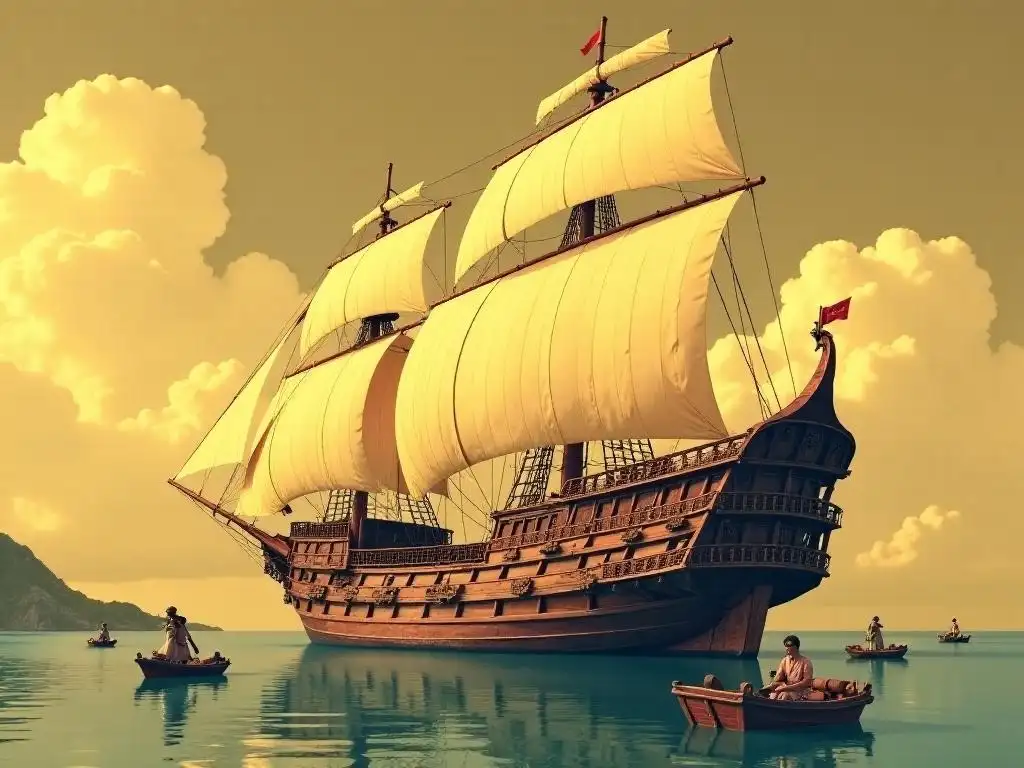
Welcome to Feudal Japan History, where we embark on a captivating journey through the intricate tapestry of Japan’s feudal era. Here, you will discover expert-driven articles that delve into the historical, cultural, and societal nuances of this fascinating period. Prepare to be intrigued as we unveil the mastery of shipbuilding in our featured article, “Shipbuilding Mastery: The Evolution of Japanese War Vessels,” where the history of Japanese war vessels comes to life.
What innovations did these vessels bring to military strategy? Dive in to find out, and let your curiosity guide you through the rich maritime legacy of feudal Japan!
- Introduction to Japanese War Vessels History
- Early Developments in Japanese War Vessels
- The Sengoku Period: Advancements in Ship Design
- The Edo Period: Mastery of Shipbuilding and Naval Strategy
- The Transition to Modern Naval Forces
- Cultural Significance of Japanese War Vessels
- Conclusion: The Legacy of Japanese War Vessels History
- Further Reading on Japanese War Vessels History
-
Frequently Asked Questions
- What are the main types of Japanese war vessels discussed in the article?
- How did the shipbuilding techniques evolve during the feudal era?
- What role did Japanese war vessels play in feudal conflicts?
- How did cultural aspects influence ship design in Japan?
- What was the impact of foreign influence on Japanese naval technology?
- Final Reflection: The Enduring Legacy of Japanese War Vessels
- Unveil the Secrets of Japanese Shipbuilding Mastery
Introduction to Japanese War Vessels History
The history of Japanese war vessels is a captivating journey that reflects the evolution of naval warfare during the feudal era of Japan. This period, spanning from the late 12th century to the early 17th century, was characterized by constant conflict among samurai clans vying for power and territory. As a result, the development of advanced naval capabilities became crucial for both military and trade purposes.
This article will delve into the intricacies of Japanese war vessels, exploring their design, construction, and strategic significance within the broader context of feudal Japan's military history. By examining these elements, we aim to provide a comprehensive understanding of how shipbuilding mastery played a vital role in shaping naval warfare and, ultimately, the course of Japanese history.
Naval warfare was a pivotal aspect of feudal Japan, influencing power dynamics and territorial control. During this era, the archipelago's geography necessitated effective maritime strategies, as the vast seas surrounding Japan served as both barriers and conduits for movement.
- Strategic Location: Japan's position made it susceptible to invasions from rival clans and foreign powers, leading to the development of a formidable navy.
- Trade and Resources: Control over shipping routes enabled clans to secure vital resources and trade opportunities, which were essential for sustaining their military campaigns.
- Cultural Exchange: Naval interactions fostered cultural exchange, introducing new technologies and ideas that enhanced shipbuilding techniques and naval tactics.
The mastery of naval warfare not only determined the success of various clans but also contributed to the formation of a unified Japan under the Tokugawa shogunate.
Overview of Shipbuilding Techniques in Japan
The evolution of Japanese war vessels is closely tied to advancements in shipbuilding techniques. The craftsmanship involved in constructing these vessels reflected the ingenuity and cultural values of the time.
- Materials Used: Traditional Japanese shipbuilders utilized locally sourced materials, such as cedar wood, which was prized for its durability and resistance to rot. The use of iron for reinforcing hulls became prevalent in later years.
- Design Innovations: The design of Japanese war vessels evolved from simple fishing boats to sophisticated warships. Notable advancements included:
- Atakebune: These large, flat-bottomed vessels were designed for stability and speed, facilitating swift assaults on enemy positions.
- Sankin-kōtai Ships: Used by daimyo during their trips to Edo, these ships showcased intricate designs and were often adorned with the clan's emblem.
- Construction Techniques: Master shipbuilders employed techniques such as overlapping planks and the use of natural adhesives to ensure the seaworthiness of vessels. The craftsmanship was often a closely guarded family secret, passed down through generations.
The shipbuilding techniques of feudal Japan not only reflect the artistic and functional aspects of Japanese culture but also played a crucial role in shaping the naval capabilities that defined the era's warfare strategies.
Early Developments in Japanese War Vessels
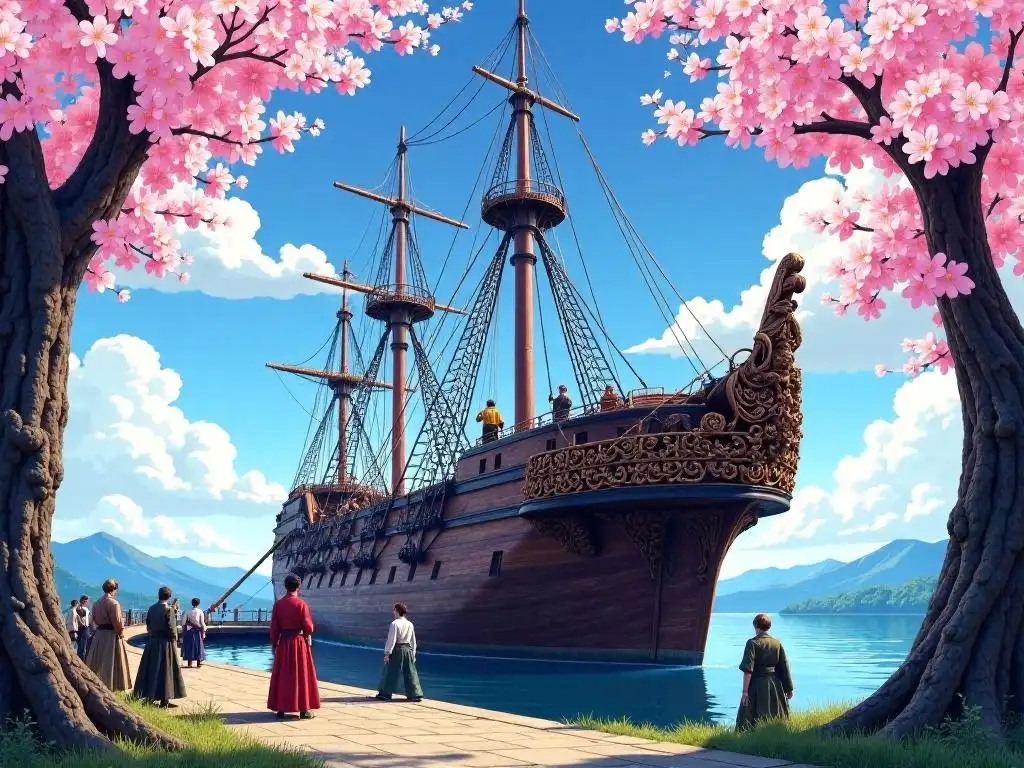
The Influence of Chinese Shipbuilding on Early Japanese Vessels
The origins of Japanese war vessels can be traced back to the influence of Chinese shipbuilding techniques during the early periods of Japan's history. As trade and cultural exchanges flourished between China and Japan, particularly during the Tang and Song dynasties (618-1279), Japanese shipbuilders began to adopt several aspects of Chinese maritime technology.
- Design and Structure: Chinese ships, renowned for their sturdiness and efficiency, served as models for early Japanese vessels. The use of flat-bottomed hulls and lapped planking became prominent in the construction of Japanese ships, allowing for greater stability and load capacity during naval engagements.
- Sailing Technology: The introduction of the junk rig, characterized by its multiple sails and efficient rigging, significantly enhanced the sailing capabilities of Japanese vessels. This technology not only improved speed but also allowed for more maneuverability in combat situations.
- Navigational Practices: The knowledge of navigational techniques, including the use of compasses and celestial navigation, was also transferred from Chinese maritime culture to Japan. This advancement proved critical for longer voyages and strategic positioning during military operations.
The assimilation of these Chinese influences laid a foundational framework for the evolution of Japanese war vessels, setting the stage for the development of unique designs that would emerge in the following centuries.
The Emergence of the Waka and Bune Types
As the feudal era progressed, the Japanese war vessel designs evolved significantly, giving rise to two prominent types: Waka and Bune.
- Waka: Traditionally used for both warfare and transportation, Waka vessels were characterized by their long, slender hulls and high prows. These ships were primarily employed during the Heian period (794-1185) and were often adorned with intricate carvings and decorations, reflecting the aesthetic values of the time. The Waka's design allowed for swift movement through coastal waters, making it effective for raids and surprise attacks.
- Bune: In contrast, Bune vessels were larger and more robust, developed specifically for naval warfare. They featured broader hulls and were equipped with multiple oars, which provided enhanced propulsion during battles. The Bune design gained prominence during the Kamakura period (1185-1333) and became synonymous with the rising power of the samurai class. These vessels were often armed with catapults and other siege weaponry, enabling them to engage in naval confrontations more effectively.
The emergence of Waka and Bune types marked a crucial turning point in the Japanese war vessels history, reflecting both the technological advancements and the changing needs of naval warfare during feudal Japan.
Key Features of Early Japanese War Vessels
Early Japanese war vessels exhibited several distinctive features that catered to the specific demands of naval combat during the feudal era. Understanding these characteristics provides insight into the strategic considerations of maritime warfare in Japan.
- Hull Construction: The use of wooden planks joined using techniques like mortise and tenon joints ensured durability and flexibility, crucial for withstanding the rigors of combat. The hulls were often reinforced with iron brackets, enhancing their ability to endure damage during naval engagements.
- Sailing and Propulsion: Early Japanese war vessels utilized a combination of sails and oars for propulsion. This dual system allowed for versatility; vessels could sail efficiently in favorable winds while also relying on oar power in calm conditions or during close-quarters battles.
- Armament: The integration of weaponry such as crossbows, arrows, and eventually firearms transformed naval warfare. Early vessels often featured raised platforms or decks where archers could rain arrows upon enemy ships, while later designs included cannons and other artillery as technology advanced.
- Crew Size and Organization: The crew of early Japanese war vessels typically ranged from 20 to over 100 men, depending on the size and purpose of the ship. Organizational structures were crucial, with specific roles assigned for navigation, combat, and maintenance of the vessel.
- Decorative Elements: While functionality was paramount, aesthetic elements were also significant. Many war vessels featured ornate figureheads and painted designs, which not only reflected the status of the ship but also served to intimidate adversaries.
These key features illustrate the sophistication of early Japanese war vessels, highlighting their evolution in response to both technological innovations and the complex demands of warfare during Japan's feudal period.
The Sengoku Period: Advancements in Ship Design
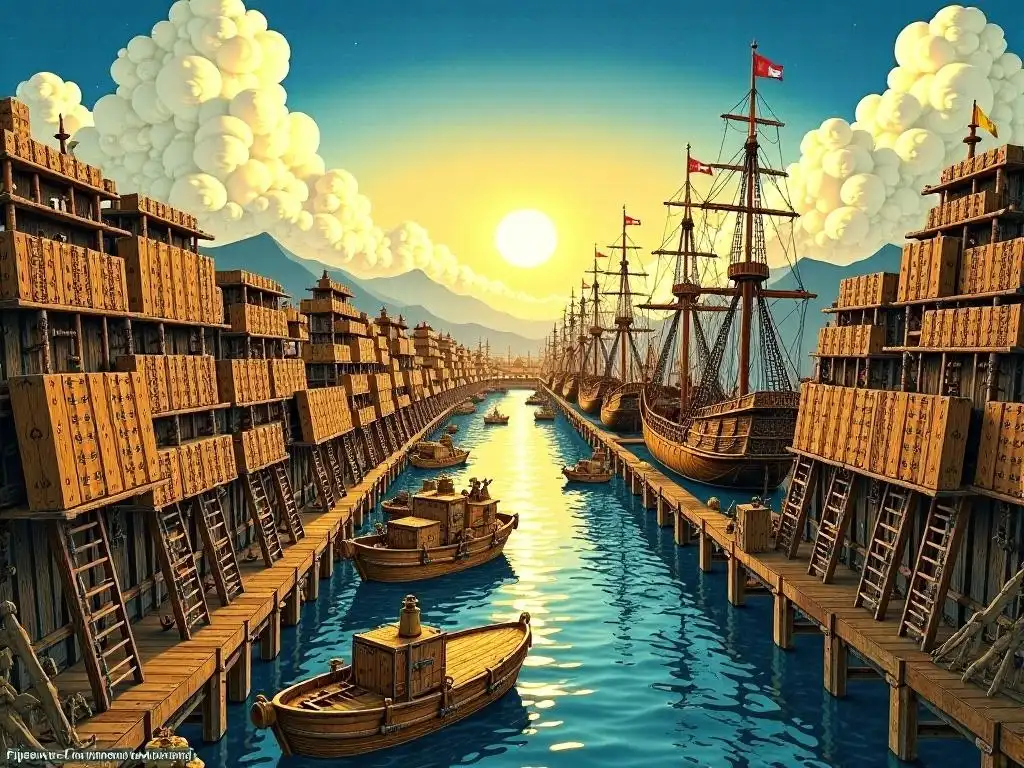
The Sengoku Period (1467-1603) marked a tumultuous era in Japanese history characterized by social upheaval, political intrigue, and military conflict. This era not only transformed the political landscape of Japan but also significantly advanced the design and construction of Japanese war vessels. The need for effective naval warfare to control trade routes, defend territories, and project power onto enemy shores became paramount, leading to innovations that would shape the future of Japanese shipbuilding.
During this period, the traditional asakusa boats, which were primarily used for fishing and river transport, evolved into more formidable war vessels. The shift was driven by the strategic necessity to engage in naval battles, which were often pivotal in determining the outcome of regional conflicts. As feudal lords, or daimyōs, vied for control, they recognized the importance of a strong naval presence to secure their domains and expand their influence.
Naval battles during the Sengoku Era played a crucial role in the power struggles among the daimyōs. With the emergence of powerful clans, such as the Miyoshi and Warring Clans of the Western Japan, naval engagements became frequent, particularly in the inland seas and along coastal routes. These battles were not only about land control but also about securing vital maritime trade routes that facilitated the flow of resources and troops.
- Strategic Importance: Control of waterways allowed daimyōs to transport supplies and reinforcements swiftly, making naval supremacy a key component of military strategy.
- Notable Naval Engagements: Events such as the Battle of Kizugawaguchi in 1560 showcased the tactical use of war vessels in securing victory over rival clans.
- Coalitions and Alliances: Naval battles often led to the formation of temporary alliances among clans, as they sought to pool resources against common enemies.
The significance of these naval battles cannot be overstated; they were a reflection of the broader socio-political dynamics of the time and contributed to the eventual unification of Japan under the Tokugawa shogunate.
Innovations in Shipbuilding Techniques During the Sengoku Period
The need for enhanced naval capabilities spurred a series of innovations in shipbuilding techniques. Craftsmen began to experiment with designs, materials, and construction methods that would yield more robust and efficient vessels.
- Use of Larger Hulls: Shipwrights developed larger hull designs to accommodate heavier armaments and more crew members, enhancing the vessels' combat capabilities.
- Clad Construction: Innovations such as cladding the hulls with iron plates increased resistance to enemy projectiles, thus improving the durability of war vessels in battle.
- Sails and Rigging: The introduction of advanced sail designs and rigging techniques allowed for better maneuverability and speed, crucial for both offensive and defensive naval tactics.
These advancements in shipbuilding not only revolutionized naval warfare but also laid the groundwork for future developments in maritime technology in Japan.
Notable War Vessels of the Sengoku Period
Several war vessels emerged as notable examples of the shipbuilding advancements during the Sengoku Period, each reflecting the military needs and technological capabilities of their time.
| Vessel Name | Description | Notable Features |
|---|---|---|
| Atakebune | Large battleship used by daimyo fleets for naval warfare | Carrried multiple cannons, reinforced hull |
| Suno-bune | Smaller, faster vessels used for skirmishes and reconnaissance | Agile, equipped with sails for quick maneuvers |
| Kisen | War vessels designed for boarding enemy ships and close combat | Strong hull and boarding spikes |
| Kubo-bune | Used for transport but armed for battle, serving dual purposes | Versatile, capable of carrying troops and supplies |
These vessels represent the culmination of the era's technological progress and strategic military needs, showcasing the evolution of Japanese war vessels history throughout the Sengoku Period. As the conflict intensified, the shipbuilding techniques and designs developed during this time would influence naval warfare for generations to come.
The Edo Period (1603-1868) marked a significant transformation in Japanese war vessels history, characterized by the flourishing of shipbuilding and naval strategies unique to the era. This period was defined by relative peace under the Tokugawa shogunate, which allowed for advancements in various fields, including naval architecture and military tactics. The focus on internal stability led to a shift in maritime activities, transitioning from offensive naval engagements to defensive posturing and trade protection.
During the Edo Period, Japan experienced a notable shift in its naval warfare tactics, primarily due to the long-lasting peace afforded by the Tokugawa shogunate. This era saw a decrease in large-scale military confrontations and an increase in naval trade and defense. The Japanese navy adapted to these changes by:
- Focusing on Coastal Defense: With a more stable internal environment, the emphasis shifted towards protecting Japan's extensive coastlines from potential foreign threats, especially from European powers.
- Developing Smaller, More Agile Vessels: The need for quick response times led to the design of smaller war vessels, which were easier to maneuver and deploy in coastal waters.
- Emphasizing Trade Security: The Edo Period was also marked by the growth of maritime commerce, necessitating the protection of merchant vessels from piracy and foreign interference.
The combination of these factors led to the development of naval strategies that prioritized reconnaissance, deterrence, and the safeguarding of trade routes, reshaping the role of Japanese war vessels in maritime affairs.
Introduction of Western Shipbuilding Influences
As the Edo Period progressed, external influences began to infiltrate Japan, particularly from Western maritime practices. This interaction prompted a reevaluation of traditional shipbuilding techniques and naval strategies. Key developments included:
- Adoption of Western Designs: Japanese shipbuilders began to incorporate Western shipbuilding techniques, leading to the construction of more robust and seaworthy vessels. The introduction of iron and steam power in ship construction marked a significant evolution in naval capabilities.
- Learning from Foreign Encounters: Diplomatic missions and trade with Western nations allowed Japanese craftsmen to study foreign vessels. This exchange of knowledge led to innovations in hull design, sail configuration, and overall naval architecture.
- Hybrid War Vessels: The blending of Western and traditional Japanese shipbuilding techniques resulted in hybrid war vessels that combined the best of both worlds, enhancing Japan's maritime prowess.
This period of adaptation was crucial in establishing a foundation for Japan's later maritime strategies, especially as the country moved toward modernization in the late 19th century.
Iconic Japanese War Vessels of the Edo Period
Several iconic Japanese war vessels emerged during the Edo Period, reflecting the advancements in shipbuilding and naval technology. These vessels played critical roles in Japan's maritime history and are notable for their unique designs and capabilities:
| Vessel Name | Type | Key Features | Historical Significance |
|---|---|---|---|
| Atakebune | Large Warship | Broad beam, high sides, heavy armament | Used for coastal defense and battles against pirates. |
| Seki-bune | Medium Warship | Faster, more maneuverable than larger vessels | Engaged in naval skirmishes during the period of trade expansion. |
| Kikubune | Smaller Warship | Agile design, suitable for quick strikes | Effective in protecting merchant ships from threats. |
These vessels not only served military purposes but also played essential roles in Japan's trade network, showcasing the dual importance of defense and commerce during the Edo Period. The legacy of these ships laid the groundwork for future developments in Japanese naval warfare, ultimately influencing the modernization of the Japanese navy in subsequent eras.
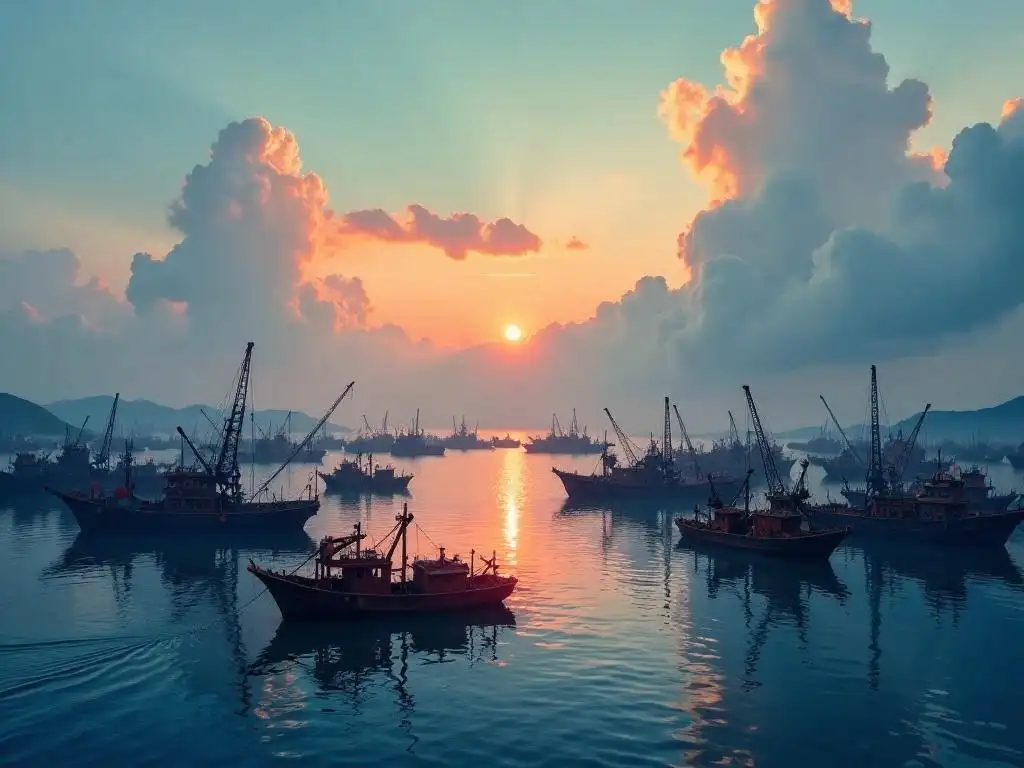
The Meiji Restoration and Its Impact on Japanese War Vessels
The Meiji Restoration, which began in 1868, marked a pivotal shift in Japan's naval capabilities and overall military strategy. Prior to this era, Japanese war vessels were primarily traditional wooden ships, heavily influenced by centuries of feudal practices. The Restoration aimed to modernize Japan rapidly, incorporating Western ideas and technologies to bolster its military strength.
During the early stages of the Meiji era, the Japanese government recognized the critical need for a formidable navy. This realization was largely driven by the humiliation of Japan's encounters with Western powers, particularly during the unequal treaties that followed Commodore Perry's arrival in 1853. As a result, Japan initiated a comprehensive naval reform program.
- Key Changes:
- Establishment of Naval Academies: The Japanese government established naval academies that adopted Western maritime curricula, training a new generation of naval officers.
- Purchase of Western Vessels: The government invested heavily in acquiring modern warships from Western nations, including Britain and the United States. This included ironclads and steam-powered vessels, which were a stark departure from the traditional designs.
- Domestic Shipbuilding: As knowledge of Western shipbuilding techniques spread, Japan began constructing its own vessels, leading to the establishment of shipyards that could produce advanced warships.
This transition not only enhanced Japan's naval capabilities but also instilled a sense of national pride and unity, as the nation sought to assert itself on the global stage.
Integration of Western Technology in Shipbuilding
The integration of Western technology into Japanese shipbuilding was a transformative process that redefined the landscape of naval warfare in Japan. As Japanese shipbuilders and engineers gained exposure to Western methods, they began to adopt and adapt these techniques for their own use.
- Key Technologies:
- Steam Power: Transitioning from sail to steam propulsion revolutionized naval operations, allowing vessels to maintain speed and maneuverability regardless of wind conditions.
- Metal Hulls: The shift from wooden to iron and steel hulls significantly enhanced the durability and combat capabilities of Japanese war vessels. These materials provided greater resistance to cannon fire and improved seaworthiness.
- Artillery Advancements: The incorporation of modern artillery, including breech-loading cannons and torpedoes, allowed Japanese vessels to engage effectively in naval battles.
The modernization of the Japanese navy culminated in the development of hybrid vessels that combined traditional design elements with modern technology. This hybridization not only preserved elements of Japan's maritime heritage but also positioned the navy as a formidable force in regional waters.
The Evolution of Japanese War Vessels into the 20th Century
As Japan entered the 20th century, its war vessels underwent further evolution, reflecting the changing dynamics of naval warfare and Japan's ambitions on the global stage. The lessons learned from earlier conflicts, including the Sino-Japanese War (1894-1895) and the Russo-Japanese War (1904-1905), significantly influenced the design and strategy of Japanese naval forces.
- Major Developments:
- Battleship Construction: The emergence of the dreadnought battleships in the early 1900s marked a new era in naval power. Japan's battleships, such as the Yamato, were among the largest and most powerful of their time, designed to dominate the seas.
- Aircraft Carriers: Recognizing the importance of air power in naval engagements, Japan began developing aircraft carriers, culminating in the construction of the Akagi and Kaga. These vessels played crucial roles in naval battles during World War II.
- Submarine Warfare: The strategic use of submarines also gained prominence, with Japan developing a fleet capable of conducting stealth operations against enemy vessels.
By the onset of World War II, Japan had established itself as a dominant naval power, with a fleet that embodied the culmination of over half a century of shipbuilding mastery and strategic innovation. The legacy of this evolution not only shaped Japan’s military history but also had profound implications for naval tactics and diplomacy in the region.
Cultural Significance of Japanese War Vessels
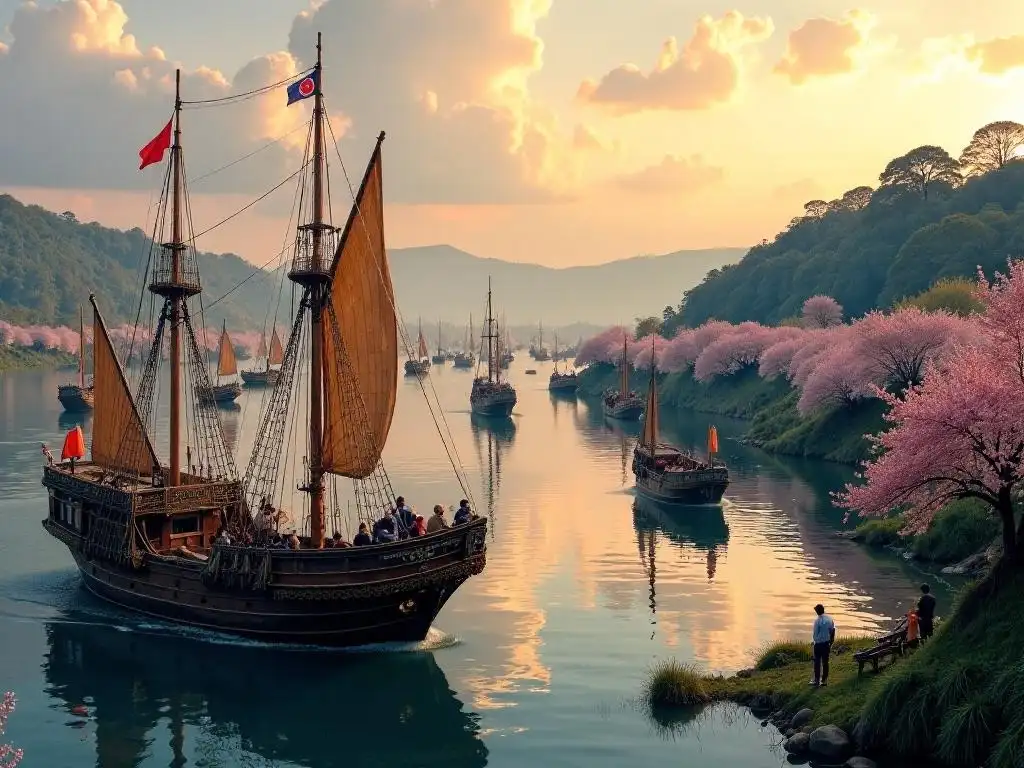
The cultural significance of Japanese war vessels during the feudal era transcended their practical uses in naval warfare. These vessels were emblematic of the socio-political dynamics of the time, showcasing the interplay between power, artistry, and tradition. As symbols of military prowess, they played a crucial role in shaping the identity of feudal clans and their legacies.
The Symbolism of War Vessels in Feudal Society
In feudal Japan, war vessels were more than mere tools of battle; they represented the might and ambitions of the clans that commissioned them. The design and size of these ships were often indicative of a clan's status and wealth. For instance, large "Atakebune" ships, used primarily in naval battles, showcased not only military strength but also the resources and technological advancements of the time.
- Clans and Identity: Each clan had its own distinct style and emblem, which was prominently displayed on their vessels. This not only fostered a sense of unity among warriors but also instilled fear in their enemies.
- Political Power: Control over the seas was essential for trade and military strategy. Clans that excelled in shipbuilding and naval warfare often expanded their territories, which further solidified their power within the feudal hierarchy.
The significance of these vessels extended beyond battles; they were often used in ceremonies and festivals, symbolizing the clan's connection to the sea and its deities. Thus, war vessels were woven into the very fabric of feudal society, reflecting the values and beliefs of the time.
Artistic Representations of Japanese War Vessels in Literature and Art
Japanese war vessels have been immortalized in various forms of art and literature, showcasing their importance in the cultural narrative of feudal Japan. The representation of these vessels in artistic mediums served both aesthetic and educational purposes, allowing future generations to appreciate their historical significance.
- Literature: Classic texts, such as "The Tale of the Heike," often depicted naval battles and the valor of warriors aboard these ships. The vivid descriptions of ships like the "Tachibana" and "Kikuzuki" not only highlighted their physical attributes but also conveyed the emotions and spirit of the age. These narratives contributed to the romanticized image of the samurai and their maritime exploits.
- Visual Arts: Traditional paintings and woodblock prints, known as ukiyo-e, frequently featured war vessels in action. Artists like Hokusai and Hiroshige captured the majesty of these ships against the backdrop of Japan's coastal landscapes. The intricate details of the vessels showcased the craftsmanship involved in their construction and emphasized their role in the broader narrative of Japanese naval history.
| Art Form | Example | Significance |
|---|---|---|
| Literature | "The Tale of the Heike" | Chronicled naval battles and the heroism of warriors. |
| Ukiyo-e Prints | Hokusai's "The Great Wave" | Featured ships, symbolizing human struggle against nature. |
| Sculptures | Ship Models | Demonstrated the craftsmanship and design of war vessels. |
Through these artistic representations, the legacy of Japanese war vessels continues to resonate, reminding us of their critical role in shaping the cultural landscape of feudal Japan. These works not only preserve history but also inspire contemporary interpretations of Japan's maritime heritage.
Conclusion: The Legacy of Japanese War Vessels History
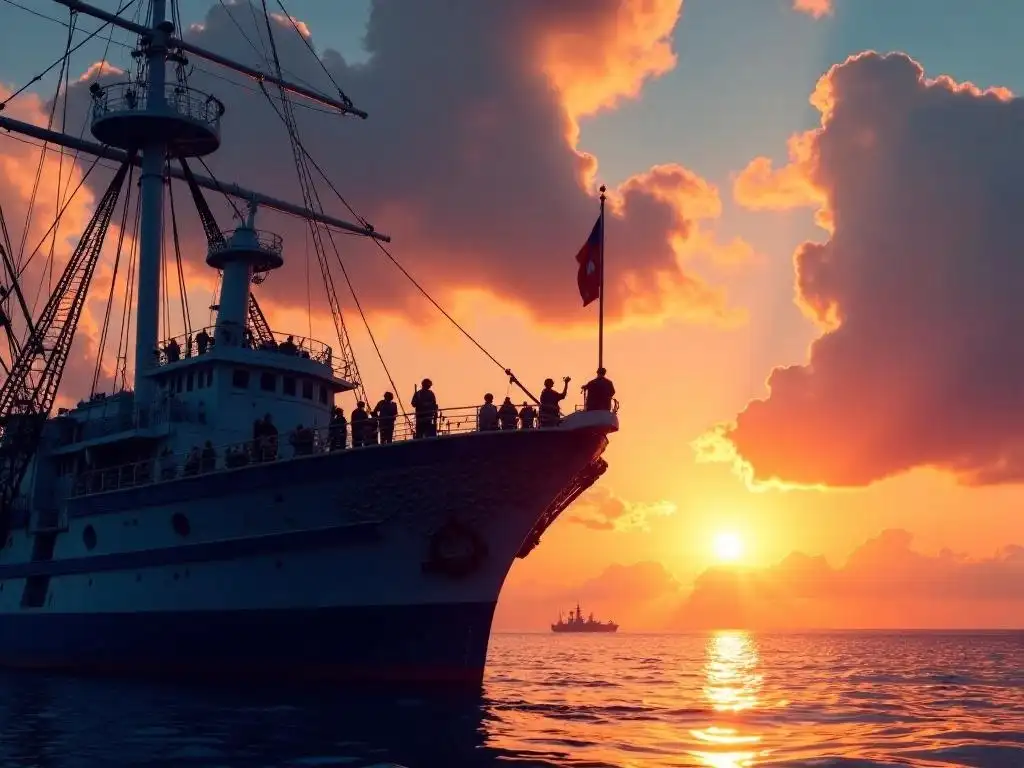
The history of Japanese war vessels is a testament to centuries of innovation, strategy, and craftsmanship. From the early days of wooden ships to the more advanced constructs of the Edo period, these vessels not only served as tools of warfare but also as symbols of cultural identity and national pride. The legacy left by these ships continues to resonate in contemporary naval practices, showcasing the enduring influence of Japan's historical maritime strategies on today's military operations.
The advancements in shipbuilding techniques and naval strategies developed during the feudal era have laid the groundwork for modern naval warfare. Historical Japanese war vessels, such as the Atakebune and Kawachi, incorporated various design elements that emphasized speed, maneuverability, and firepower. These features are echoed in contemporary naval designs, where agility and efficient weaponry remain paramount.
- Design Innovations: The incorporation of unique hull shapes and multi-layered structures in Japanese vessels has influenced modern shipbuilding practices, particularly in the design of stealth ships.
- Strategic Doctrine: The tactics employed by feudal Japanese naval commanders, such as the use of surprise attacks and the advantage of local knowledge, are studied in military academies worldwide, informing modern naval strategy.
- Cultural Heritage: The reverence for maritime history in Japan can be seen in the preservation of traditional shipbuilding techniques and the continued use of specific designs, ensuring that the legacy of these war vessels is not lost.
The interplay of history and modernity in naval practices highlights the significance of studying Japanese war vessels history as it remains relevant in understanding contemporary military dynamics.
Reflections on the Historical Significance of Japanese War Vessels
Japanese war vessels played a critical role in shaping the geopolitical landscape of East Asia during the feudal era. The ability of these ships to project power across the seas allowed for the establishment of trade routes and the assertion of territorial claims, which were vital for Japan's economic and military growth.
Several key points illustrate the historical significance of these vessels:
- Trade and Diplomacy: Japanese war vessels facilitated not only warfare but also trade and diplomatic relations with neighboring countries, such as Korea and China. This interaction helped to cultivate a rich cultural exchange that influenced Japanese society.
- Cultural Expressions: The artistry involved in the construction of war vessels reflects the aesthetic values of the time and highlights the importance of craftsmanship in Japanese culture. The intricate decorations and designs often told stories of valor and honor, contributing to the cultural narrative of Japan.
- Military Evolution: The evolution of ship design and naval warfare strategies during the feudal era laid the foundation for Japan's naval dominance in the late 19th and early 20th centuries. The lessons learned from historical conflicts significantly influenced Japan's modernization efforts and military strategies leading up to World War II.
The history of Japanese war vessels is not merely a study of ships but a profound narrative of Japan's military evolution, cultural identity, and enduring impact on modern naval practices. Understanding this legacy enriches our appreciation of both historical and contemporary maritime endeavors, affirming the significance of Japanese war vessels history within the broader context of military history.
Further Reading on Japanese War Vessels History
Recommended Resources for In-Depth Exploration
For those looking to delve deeper into the history of Japanese war vessels, several resources provide comprehensive insights into shipbuilding techniques, naval battles, and the evolution of maritime warfare during the feudal era. Here are some recommended materials:
- Books
- Warships of the Imperial Japanese Navy 1869-1945 by Paul D. Schullery: A detailed examination of the evolution of Japanese warships, focusing on design, technology, and key battles.
- The Samurai and the Sea: The Maritime World of the Samurai by James A. W. Heffernan: This book explores the connection between samurai culture and naval warfare, offering insights into the significance of war vessels.
- Academic Journals
- Journal of Japanese Studies: This journal often publishes articles on military history and naval warfare, providing scholarly perspectives and research findings.
- Asian Maritime History: A dedicated journal that covers various aspects of maritime history in Asia, including detailed studies on Japanese naval developments.
- Online Archives
- The National Diet Library of Japan offers digital archives with documents, blueprints, and historical records related to Japanese naval history.
- The Japan Maritime Self-Defense Force website includes historical resources and articles about the naval forces and their evolution.
- Documentaries and Lectures
- Look for documentaries focusing on the Edo period and the role of naval forces in Japan, which provide visual insights into the historical context.
- University lectures available on platforms like YouTube cover topics related to Japanese maritime history and the significance of war vessels.
Exploring the history of Japanese war vessels opens the door to numerous related topics within the broader spectrum of naval warfare in feudal Japan. Here are some suggested areas for further research:
- Technology and Innovation in Shipbuilding
- Investigate how technological advancements influenced the design and functionality of Japanese war vessels, including the introduction of Western techniques during the late Edo period.
- The Role of Naval Warfare in Feudal Conflicts
- Analyze key naval battles, such as the Battle of Dan-no-ura, and their impact on the outcomes of feudal conflicts in Japan.
- Cultural Significance of Naval Forces
- Explore how maritime traditions and the reverence for the sea shaped the samurai's identity and their approach to naval warfare.
- Comparative Analysis with Other Cultures
- Compare the evolution of Japanese war vessels with those of other maritime powers, such as the Chinese and Portuguese, to understand cross-cultural influences in naval warfare.
- Decline and Transformation of Japanese Naval Power
- Research the factors leading to the decline of traditional naval practices and the subsequent modernization of the Japanese navy in the Meiji Restoration period.
By delving into these topics, researchers can gain a more comprehensive understanding of the intricate history surrounding Japanese war vessels and their pivotal role in shaping the maritime strategies of feudal Japan.
Frequently Asked Questions
What are the main types of Japanese war vessels discussed in the article?
The article covers various types of war vessels, including battleships, naval cruisers, and submarines, detailing their designs and historical significance in feudal Japan.
How did the shipbuilding techniques evolve during the feudal era?
Shipbuilding techniques in feudal Japan evolved significantly, influenced by cultural exchanges and advancements in craftsmanship, leading to the creation of more durable and efficient vessels.
What role did Japanese war vessels play in feudal conflicts?
Japanese war vessels were crucial in naval warfare, used for transporting troops, blockading enemies, and engaging in sea battles, shaping the outcomes of many feudal conflicts.
How did cultural aspects influence ship design in Japan?
Cultural aspects, such as religious beliefs and artistic expression, greatly influenced ship design, often resulting in vessels that were not only functional but also aesthetically pleasing and symbolically significant.
The article illustrates that foreign influence led to the adoption of new naval technologies and designs, enhancing Japan's maritime capabilities and helping it adapt to the evolving demands of naval warfare.
Final Reflection: The Enduring Legacy of Japanese War Vessels
The evolution of Japanese war vessels is not just a tale of craftsmanship and innovation; it is a testament to the resilience and adaptability of a culture that has faced both triumphs and tribulations. Today, as we navigate an increasingly complex geopolitical landscape, understanding the history of these vessels offers critical insights into maritime strategy and national identity. The craftsmanship that once defined Japan's naval prowess continues to resonate, reminding us that history is not merely a sequence of events but a living narrative that shapes our present and future.
The legacy of Japanese war vessels extends beyond the confines of military history; it has woven itself into the very fabric of Japanese culture and societal values. The meticulous attention to detail and the pursuit of excellence in shipbuilding reflect a broader ethos of dedication and perseverance. As noted by historian John W. Dower, “The past is never dead; it’s not even past.” > This sentiment underscores the importance of recognizing how the evolution of these vessels informs contemporary discussions about technology, strategy, and national pride.
As we reflect on the rich history of Japanese war vessels, let us embrace the lessons they impart about innovation, resilience, and the importance of understanding our past. I invite you to consider how these themes resonate in your own life. Whether it’s through pursuing mastery in your craft, honoring your heritage, or engaging with the complexities of our modern world, the story of Japanese war vessels serves as a powerful reminder that our histories shape who we are and who we aspire to be.
Unveil the Secrets of Japanese Shipbuilding Mastery
Thank you for immersing yourself in the fascinating world of Japanese war vessels. You've just uncovered the remarkable evolution of shipbuilding that has shaped naval history. Now, it’s time to take your newfound knowledge to the next level and explore what you can do next!
- Dive deeper: Research a specific type of Japanese war vessel that intrigues you, and uncover its unique features and historical significance.
- Engage with history: Join an online community or forum focused on Feudal Japan to share your insights and learn from fellow enthusiasts.
- Spread the word: Share this article with friends who might be interested in the evolution of military technology and its impact on history.
What aspect of Japanese shipbuilding surprised you the most, and how do you think it influenced naval strategies in the region?