
The Influence of Geography on Samurai Warfare Strategies

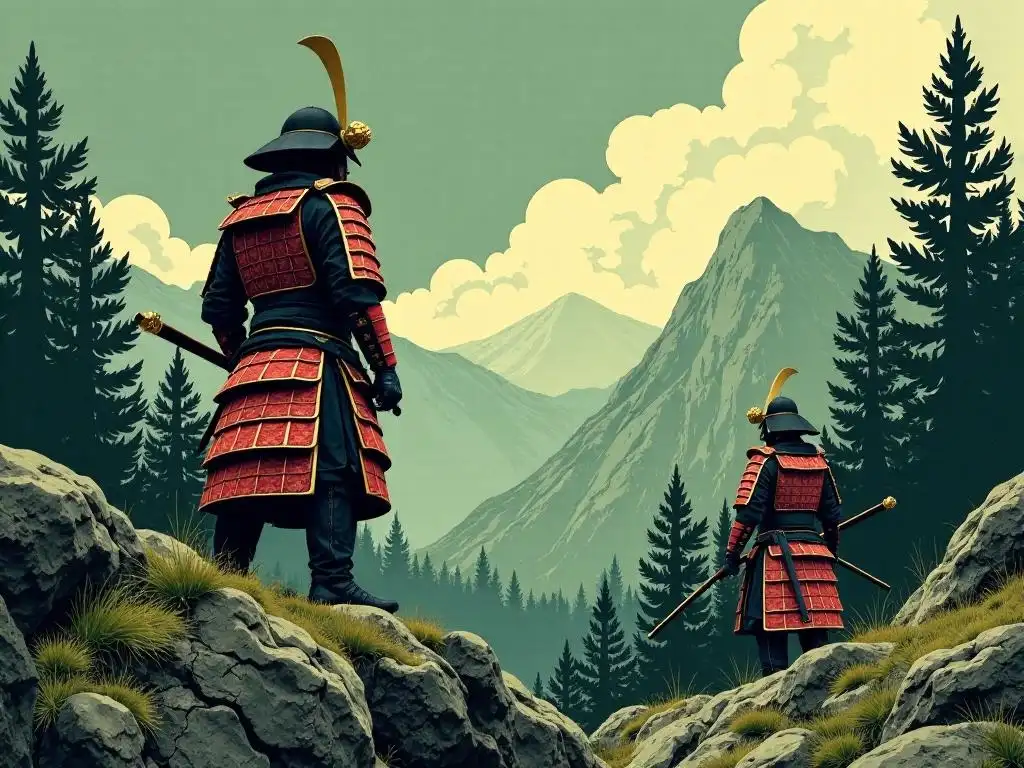
Welcome to Feudal Japan History, where we invite you to embark on a fascinating journey through the intricate tapestry of Japan's feudal era. In our latest exploration, we delve into the compelling relationship between Geography and Samurai Warfare Strategies, uncovering how the land shaped the tactics and triumphs of these legendary warriors. Prepare to be captivated as we unravel the profound influence of terrain on military decisions and the art of war.
Join us as we dive deeper into this captivating topic, where every corner of Japan tells a story of strategy, skill, and survival. Your adventure into the past begins now!
Introduction to Geography and Samurai Warfare Strategies
The interplay between geography and military strategy has played a pivotal role throughout history, and this is particularly evident in the context of feudal Japan. The unique topography of the Japanese archipelago significantly influenced the development of warfare tactics among the samurai, shaping their strategies, formations, and overall conduct in battle. Understanding how geographical features impacted the samurai's approach to warfare provides valuable insights into the broader narrative of Japan's military history. This article delves into the intricate relationship between geography and samurai warfare strategies, highlighting how the landscape created both challenges and opportunities for these formidable warriors.
Overview of Samurai Warfare in Feudal Japan
The samurai, Japan's warrior class, were not just skilled fighters but also strategic thinkers who adapted their tactics to the ever-changing dynamics of the battlefield. During the feudal era, which spanned from the late 12th century to the 19th century, samurai warfare was characterized by a feudal system that dictated loyalty, honor, and martial prowess. Battles were often fought in varied terrains, requiring samurai to be versatile in their strategies. Key aspects of samurai warfare included:
- Bushido Code: The ethical code guiding samurai conduct.
- Use of Weaponry: Mastery of the katana, bow, and later firearms.
- Tactical Formations: Adaptation to different battlefields.
The samurai's ability to leverage their surroundings was crucial in determining the outcome of skirmishes and larger conflicts.
Importance of Geography in Military Tactics
Geography serves as a silent yet powerful participant in warfare, influencing everything from troop movements to resource allocation. In feudal Japan, the diverse landscape dictated the availability of resources, the ease of transportation, and the overall strategy employed by samurai leaders. Key geographic factors included:
- Terrain Types: Mountains, plains, and forests shaped battle formations.
- Climate Influence: Seasonal weather conditions affected mobility and strategy.
- Resource Distribution: Access to food and materials impacted troop sustainability.
Understanding these elements helps to clarify why certain strategies prevailed over others in specific regions during Japan's feudal history.
The Role of Japan’s Diverse Geography
Japan's geography is characterized by its mountainous terrain, numerous rivers, and extensive coastline. Each of these features played a critical role in shaping samurai warfare strategies.
Mountains and Their Impact on Battle Strategies
The mountainous regions of Japan provided a natural barrier and a tactical advantage for defenders. Samurai often used these terrains to their benefit by adopting guerrilla warfare tactics, utilizing the elevation for ambushes, and controlling high ground during conflicts. Key points include:
- Defensive Strongholds: Castles built within mountain ranges.
- Ambush Tactics: Utilizing narrow passes for surprise attacks.
- Difficult Terrain: Slowing enemy advances and enabling strategic retreats.
Rivers and Waterways as Tactical Advantages
Rivers and waterways served as both barriers and conduits for movement. Samurai engaged in warfare often had to consider the strategic implications of water bodies, which could protect flanks or serve as routes for transport. Important aspects include:
- Control of Waterways: Securing rivers for logistical support.
- Crossing Strategies: Developing techniques for river crossings in battle.
- Defensive Positions: Utilizing rivers to create natural defenses.
Coastal Regions and Naval Warfare Influences
The coastal areas of Japan opened avenues for naval warfare, which became increasingly important as maritime trade and conflicts grew. The samurai adapted their strategies to include naval engagements, which were crucial for trade protection and territorial defense. Noteworthy factors include:
- Naval Battles: Strategies evolved to include ship-to-ship combat.
- Coastal Defense: Fortifications against potential invasions.
- Trade Routes: Protecting maritime supply lines from rival clans.
By examining these geographical influences, we can gain a deeper understanding of how the samurai adapted their warfare strategies to the diverse landscapes of Japan. This exploration reveals an intricate tapestry of military history intertwined with the natural environment, underscoring the significance of geography in shaping the art of war during the feudal era.
Regional Variations in Samurai Warfare Strategies
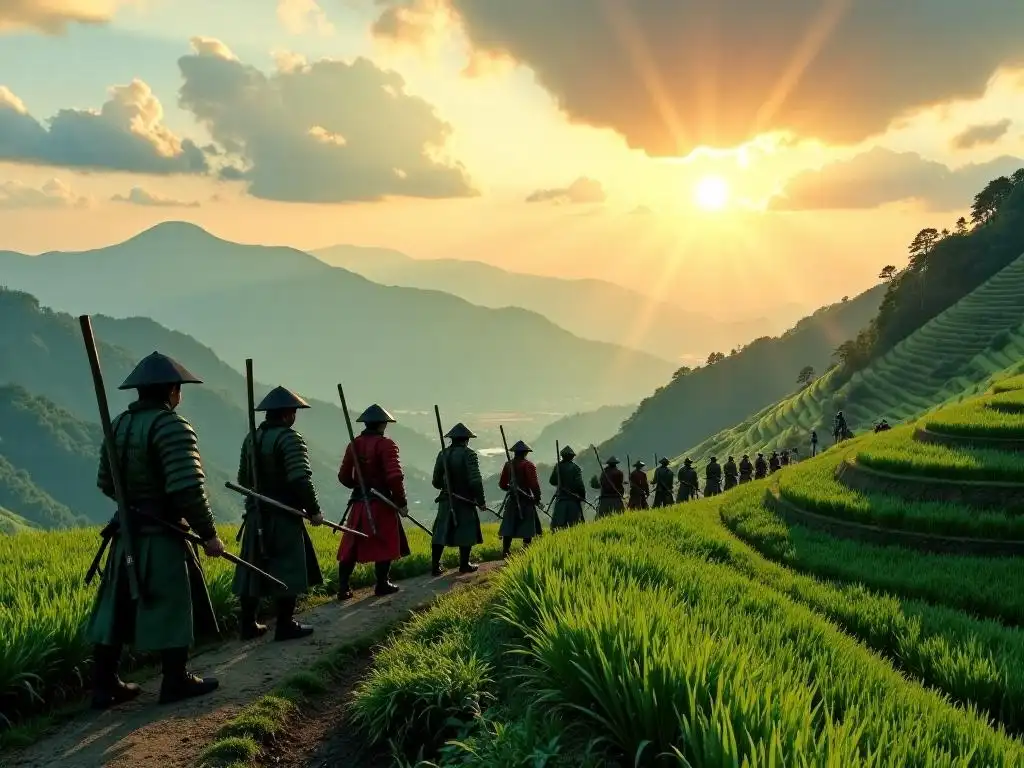
The geography of Japan played a pivotal role in shaping the warfare strategies employed by samurai across different regions. Given the archipelago's diverse landscapes—from rugged mountains to flat plains—each area's unique characteristics influenced how samurai approached battles, logistics, and troop movements. Understanding these regional variations reveals the adaptability and ingenuity of samurai warfare, highlighting their responses to environmental challenges.
The Influence of Northern Japan’s Terrain
Northern Japan, particularly the regions of Hokkaido and Tohoku, is characterized by its mountainous terrain, dense forests, and harsh winters. These geographical features significantly impacted samurai warfare strategies in several ways:
- Guerrilla Tactics: The rugged landscape often favored ambush tactics, where smaller, more mobile units could exploit the terrain to their advantage. Samurai would use the thick forests for cover, launching surprise attacks on enemy forces.
- Defensive Fortifications: In areas with limited open spaces, samurai constructed fortifications that utilized natural barriers. Hills and cliffs provided excellent vantage points for defense, allowing smaller forces to hold off larger armies.
- Seasonal Considerations: The severe winters necessitated a different approach to warfare. Campaigns were often timed to avoid the snow, and strategies focused on quick, decisive engagements to minimize prolonged exposure to the elements.
Strategies in the Plains of Central Japan
Central Japan, particularly the Kanto region, is known for its vast plains and fertile land. This geography enabled a different set of strategies that capitalized on mobility and the scale of troop deployment:
- Large-Scale Battles: The open plains allowed for large formations of samurai to engage in direct combat. The famous battles of the Sengoku period, such as the Battle of Nagashino, exemplify how armies could maneuver and execute coordinated strategies in these expansive spaces.
- Cavalry Utilization: The flat terrain was conducive to the effective use of cavalry. Samurai mounted on horseback could execute flanking maneuvers and rapid assaults, making cavalry units a critical component of warfare in this area.
- Resource Control: The fertile plains also meant that controlling agricultural resources was vital. Samurai would engage in strategies that included securing supply lines and ensuring food availability for their troops, often leading to prolonged sieges or engagements over key locations.
Southern Japan: Adaptations to Geography
Southern Japan, with its coastal regions and islands, presented unique geographical challenges that influenced samurai warfare strategies:
- Naval Warfare: The proximity to the sea made naval engagements more prevalent. Samurai adapted their strategies to include naval forces, with battles often fought on water as much as on land.
- Island Hopping: The numerous islands required strategic planning for troop movements and resource allocation. Samurai had to develop strategies for landing and securing key islands, often leading to swift, decisive actions to establish control.
- Amphibious Operations: The geography allowed for the use of amphibious assaults, where samurai would launch attacks from ships onto coastal fortifications. This required coordination between naval and land forces, showcasing the strategic flexibility of samurai commanders.
Key Battles Shaped by Geography
Throughout Japan's feudal era, several key battles were significantly influenced by the geographical landscape. These engagements illustrate how terrain and environment shaped military tactics and outcomes.
The Battle of Dan-no-ura: Geography's Crucial Role
The Battle of Dan-no-ura, fought in 1185, was a pivotal naval conflict that exemplified the importance of geography in samurai warfare. Located in the narrow strait between Honshu and Shikoku, the battle's outcome was heavily influenced by the following factors:
- Narrow Waterway: The confined space limited the maneuverability of the ships, favoring the side with superior tactics and discipline. The Taira clan's losses were exacerbated by their inability to adapt to the tight confines of the battlefield.
- Weather Conditions: The battle occurred during unfavorable weather, which further complicated naval engagements. Samurai were forced to contend with wind and waves that dictated the flow of combat, demonstrating how natural elements could sway the outcome.
- Strategic Positioning: The positioning of forces was crucial. The Minamoto clan utilized the geography to their advantage, securing higher ground where possible and employing tactics designed specifically for the strait's unique conditions.
The Siege of Osaka: Urban Warfare and Terrain
The Siege of Osaka (1614-1615) marked one of the last major conflicts during the Sengoku period, highlighting the complexities of urban warfare influenced by geography:
- Urban Fortifications: Osaka Castle's design reflected its geographic context, with extensive stone walls and moats that provided natural defense. The samurai adapted siege techniques to navigate these urban structures, showcasing their tactical flexibility.
- Supply Lines: Controlling the surrounding countryside was essential for maintaining supply lines. The geography of the region, with its rivers and roads, played a critical role in the logistics of the siege, influencing the samurai's strategies for resource management.
- Street Fighting: The urban environment necessitated close-quarters combat, leading to a shift in tactics. Samurai had to engage in more guerrilla-style warfare within the city, utilizing ambush tactics and surprise to overcome the defenders.
The Battle of Nagashino: Lessons from the Landscape
The Battle of Nagashino (1575) is often cited as a turning point in samurai warfare, demonstrating how landscape features influenced military strategy:
- Terrain Advantage: The battlefield's undulating terrain allowed for the effective use of firearms. The Tokugawa forces utilized defensive positions on higher ground, which provided a strategic advantage over their opponents.
- Innovative Tactics: The use of arquebuses by the Tokugawa forces marked a significant evolution in samurai warfare. The terrain facilitated a defensive formation that protected the gunners while maximizing their firepower against the advancing enemy.
- Logistical Planning: The geographical layout required careful logistical planning to ensure that supplies and reinforcements could reach the troops. The samurai's understanding of the landscape enabled them to execute a well-coordinated response, ultimately leading to their victory.
The interplay between geography and samurai warfare strategies highlights the adaptability and ingenuity of the samurai throughout Japan's feudal history. Each battle and region illustrates how the environment shaped military tactics, leading to distinct approaches that defined the era.
Geographic Factors Influencing Samurai Training and Tactics
Geography played a pivotal role in shaping the training and tactics of the samurai throughout Japan’s feudal era. The diverse landscapes, ranging from mountainous terrains to coastal areas, influenced not only the physical conditioning of samurai warriors but also their strategic approaches to combat. Different regions necessitated unique adaptations in training regimens, allowing samurai to utilize their environment to gain an advantage over their enemies.
Training Regimens Adapted to Local Terrain
Samurai training was often tailored to the specific characteristics of the local terrain. For example, in mountainous regions, warriors focused on agility and endurance, honing their skills in navigating steep slopes and rocky paths. This included exercises that improved their climbing abilities and balance, which were crucial for ambush tactics often employed in such areas.
Conversely, in flat plains, training emphasized horseback riding and archery, as these open spaces allowed for rapid movement and long-range engagements. Samurai adapted their combat techniques to utilize the expansive fields for cavalry charges and coordinated formations. Training also incorporated the use of local materials, such as bamboo for swords and wooden armor, enabling warriors to practice with tools that closely resembled their battlefield equipment.
Use of Natural Landscapes in Samurai Combat Techniques
Natural landscapes significantly influenced samurai combat techniques, as warriors learned to incorporate their surroundings into their strategies. For instance, dense forests provided cover for stealthy maneuvers and ambushes, while rivers and streams served as barriers to enemy movement, allowing samurai to control the battlefield effectively.
Additionally, the knowledge of terrain features such as hills, valleys, and ridges enabled samurai to establish advantageous positions during battles. The use of elevated ground was particularly crucial, as it allowed for better visibility and the opportunity to rain arrows down on opponents. Understanding the seasonal changes in landscape—such as flooding rivers or snow-covered paths—further informed their tactical decisions, allowing for strategic planning based on environmental conditions.
The Evolution of Samurai Warfare Strategies Through Geography
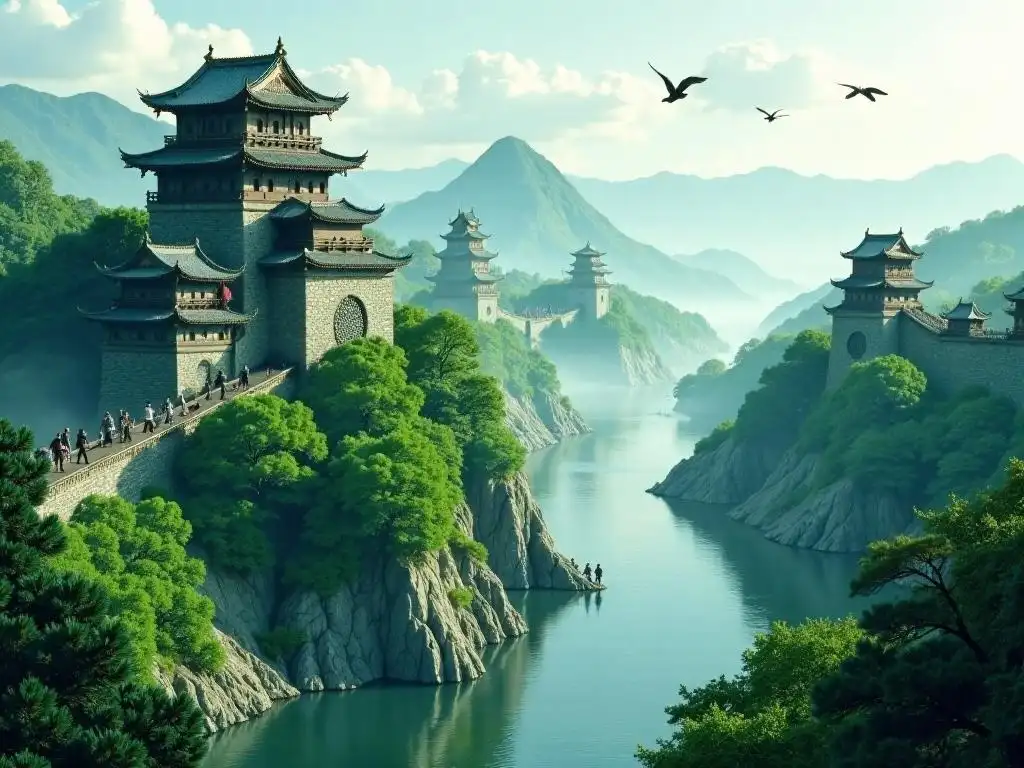
The evolution of samurai warfare strategies was deeply intertwined with Japan's geography. As political and social structures changed throughout the feudal period, so too did the ways in which samurai engaged in warfare. Geographic factors not only impacted immediate combat tactics but also shaped long-term strategies and military organization.
Historical Changes in Warfare Tactics Due to Geographic Awareness
Over time, samurai leaders became increasingly aware of geographic factors when planning military campaigns. The rise of bushido ethics and the emphasis on honor necessitated a more sophisticated understanding of terrain in warfare. For example, during the Genpei War (1180-1185), the differing geographical landscapes of the Taira and Minamoto clans' territories influenced their tactical decisions and ultimately their fates.
As Japan's political landscape shifted from feudal lords to centralized governance under the Tokugawa shogunate, there was a marked change in warfare strategies as well. The establishment of fortified castles in strategic locations, built with consideration of the surrounding geography, became a key aspect of samurai warfare. Understanding local geography allowed for better defensive strategies and the ability to repel invaders effectively.
The Influence of Geography on Strategic Alliances and Conflicts
Geography also played a crucial role in forming strategic alliances and conflicts among samurai clans. The natural barriers created by mountains and rivers often dictated the boundaries of territories, leading to alliances based on mutual defense against common threats. For instance, clans located in mountainous regions might ally with others in nearby valleys for shared protection and resources.
Moreover, the geographical layout of Japan led to unique conflicts, such as those between coastal clans and inland clans, as control over trade routes and access to the sea became significant factors in warfare. The necessity to navigate these geographic realities often prompted samurai leaders to forge alliances or engage in warfare, illustrating how geography was a constant influence on the political and military landscape of feudal Japan.
Conclusion: The Lasting Impact of Geography on Samurai Warfare
The intricate relationship between geography and samurai warfare strategies has left an indelible mark on Japan’s military history. The diverse landscapes, ranging from mountainous terrains to coastal regions, shaped not only the tactical approaches of samurai but also their societal structures and cultural practices. Understanding this connection enhances our appreciation of how environmental factors influenced battle formations, logistics, and even the philosophical underpinnings of the samurai code, known as bushido.
Geography dictated the availability of resources, communication routes, and defensive positions, which were all crucial in the planning and execution of military campaigns. As samurai adapted their strategies to different environments, they also developed a deeper understanding of the land and its capabilities. This adaptability became a defining characteristic of samurai warfare, allowing them to thrive in various contexts, whether in the highlands of Honshu or along the coastal plains of Kyushu.
Summary of Key Geographic Influences
Several key geographic factors played a pivotal role in shaping samurai warfare strategies:
- Terrain: The varied landscapes of Japan, including mountains, rivers, and forests, significantly influenced battle tactics. For example, mountainous regions often favored ambush tactics, while open plains allowed for large-scale cavalry charges.
- Climate: Seasonal changes and weather patterns affected troop movements and combat readiness. Monsoon seasons could hinder supply lines, while winter conditions forced samurai to adapt their strategies for survival.
- Natural Resources: Access to resources such as food, water, and materials for weaponry impacted the sustainability of military campaigns. Regions rich in resources were more likely to support prolonged conflicts.
- Proximity to Water: Coastal regions provided unique strategic advantages for naval warfare and trade. Control of ports and waterways was essential for both defense and expansion.
- Isolation and Connectivity: The geographic isolation of certain islands and regions fostered unique local warrior cultures, while the connectivity of trade routes allowed for the exchange of ideas and tactics.
This multifaceted influence of geography underscores the need to consider environmental contexts when analyzing samurai warfare.
Reflection on the Legacy of Geography in Samurai Strategies
The legacy of geographic influences on samurai warfare extends beyond the battlefield. The strategic adaptations and innovations born from geographic challenges contributed to the development of Japan's military doctrine and cultural identity. The samurai’s respect for the natural world, as reflected in their tactics and ethos, has persisted through generations.
Moreover, the understanding of geography’s role in warfare continues to inform modern military strategies, illustrating that the lessons learned from the samurai era remain relevant today. In contemporary discussions about military strategy, the importance of terrain analysis, resource management, and environmental factors echo the principles established by Japan's feudal warriors.
As we reflect on this legacy, it becomes clear that the interplay between geography and samurai warfare strategies not only shaped historical outcomes but also laid the groundwork for Japan’s enduring cultural narratives.
References and Further Reading on Geography and Samurai Warfare Strategies
Academic Sources
-
“The Samurai: A Military History” by Stephen Turnbull
This comprehensive text explores the military strategies and historical contexts of the samurai, with particular attention to geographic influences.
-
“Geography and the History of Japan” by David A. F. Grant
This paper discusses the impact of Japan’s geography on its historical development, including military strategies employed by samurai.
-
“Warriors of Japan: The Samurai” by John M. Tully
Tully’s work delves into the tactical evolution of the samurai, highlighting how geography shaped their warfare methodologies.
Recommended Books and Articles on Samurai Warfare and Geography
-
“Samurai Warfare: The History of the Samurai in Warfare” by Anthony J. Bryant
An in-depth examination of samurai combat practices, focusing on the role of terrain and environment.
-
“The Art of War in Japan” by Richard L. Kagan
This book provides insights into the strategic thinking of samurai leaders and how geography influenced their tactics.
-
“Bushido: The Soul of Japan” by Inazo Nitobe
While primarily about the samurai ethos, this classic text also reflects the geographic influences that shaped samurai culture and warfare.
-
“The Geography of Warfare: A Study of Japan’s Military History” by Hiroshi Ishikawa
A detailed analysis of how geographical factors informed Japan’s military strategies throughout history.
These resources offer a wealth of knowledge for anyone interested in exploring the profound impact of geography on samurai warfare strategies.
- Introduction to Geography and Samurai Warfare Strategies
- Overview of Samurai Warfare in Feudal Japan
- Importance of Geography in Military Tactics
- The Role of Japan’s Diverse Geography
- Regional Variations in Samurai Warfare Strategies
- Key Battles Shaped by Geography
- Geographic Factors Influencing Samurai Training and Tactics
- The Evolution of Samurai Warfare Strategies Through Geography
- Conclusion: The Lasting Impact of Geography on Samurai Warfare
- References and Further Reading on Geography and Samurai Warfare Strategies
- What role did geography play in samurai warfare strategies?
- How did topography affect the outcomes of battles in feudal Japan?
- What were some common strategies used by samurai in different geographical settings?
- Did the location of a battle influence the samurai's morale?
- How did climate conditions affect samurai warfare?
Frequently Asked Questions
What role did geography play in samurai warfare strategies?
Geography significantly influenced samurai warfare strategies by dictating the terrain, climate, and resources available for battles, often determining the tactics employed by samurai leaders.
How did topography affect the outcomes of battles in feudal Japan?
The topography, including mountains and rivers, created unique challenges and opportunities for ambushes and defense, heavily impacting battle outcomes and tactical decisions.
What were some common strategies used by samurai in different geographical settings?
Samurai adapted their strategies based on geographical settings, employing hit-and-run tactics in forests or establishing defensive positions in mountainous terrains to exploit their surroundings.
Did the location of a battle influence the samurai's morale?
Yes, the location of a battle could greatly influence samurai morale, as familiarity with the terrain and access to resources could enhance confidence and cohesion among the troops.
How did climate conditions affect samurai warfare?
Climate conditions, such as rain or snow, could impact mobility, weapon effectiveness, and even strategic planning, forcing samurai to adapt their tactics to suit the weather conditions.
Final Reflection: The Interplay of Geography and Samurai Warfare Strategies
The intricate relationship between geography and samurai warfare strategies remains profoundly relevant today, as it highlights how environmental factors shape the decisions and outcomes of conflicts. In an era where geopolitical tensions often mirror historical patterns, understanding the geographical influences on warfare can provide invaluable insights into contemporary military strategies and national security. The lessons drawn from the samurai's adaptation to their terrain serve as a powerful reminder of the enduring impact of geography on human conflict.
The influence of geography on samurai warfare strategies not only shaped the tactics of ancient Japan but continues to resonate in our modern cultural and social landscape. The strategic use of terrain, weather, and resources in samurai warfare reflects a deep understanding of the environment that is echoed in today's military doctrines. As Sun Tzu famously stated, Know your enemy and know yourself and you can fight a hundred battles without disaster.
This wisdom underscores the importance of geographical awareness in both historical and contemporary contexts, reminding us that our surroundings can dictate the course of our actions.
As we reflect on the lessons of the samurai, let us embrace the call to integrate geographical awareness into our own lives and decisions. Consider how the landscapes around you influence your choices, relationships, and strategies for success. By recognizing the power of our environment, we can navigate our personal and professional battles with greater insight and foresight. In doing so, we honor the legacy of the samurai, who understood that mastery of their terrain was key to their enduring legacy.
Unleash Your Inner Samurai: Take Action Now!
Thank you for delving into the fascinating world of samurai warfare and the powerful influence of geography! Your interest not only enriches your understanding of history but also inspires a deeper appreciation for the strategic minds of the past. Now, it's time to channel that knowledge into action!
Here are a few ways you can dive deeper into this captivating subject:
- Visit a local museum or historical site that showcases artifacts and exhibits related to samurai culture and warfare. You might be surprised by the insights you gain!
- Investigate a specific battlefield where the terrain significantly influenced the outcome, and share your findings with friends or on social media to ignite a compelling discussion.
- Join an online community focused on feudal history and initiate a conversation about how geography shaped warfare strategies across different periods.
What experiences or insights have you uncovered about the impact of geography on warfare? We invite you to share your thoughts below!