
The Connection Between Nature and Art in Feudal Japanese Leisure Activities

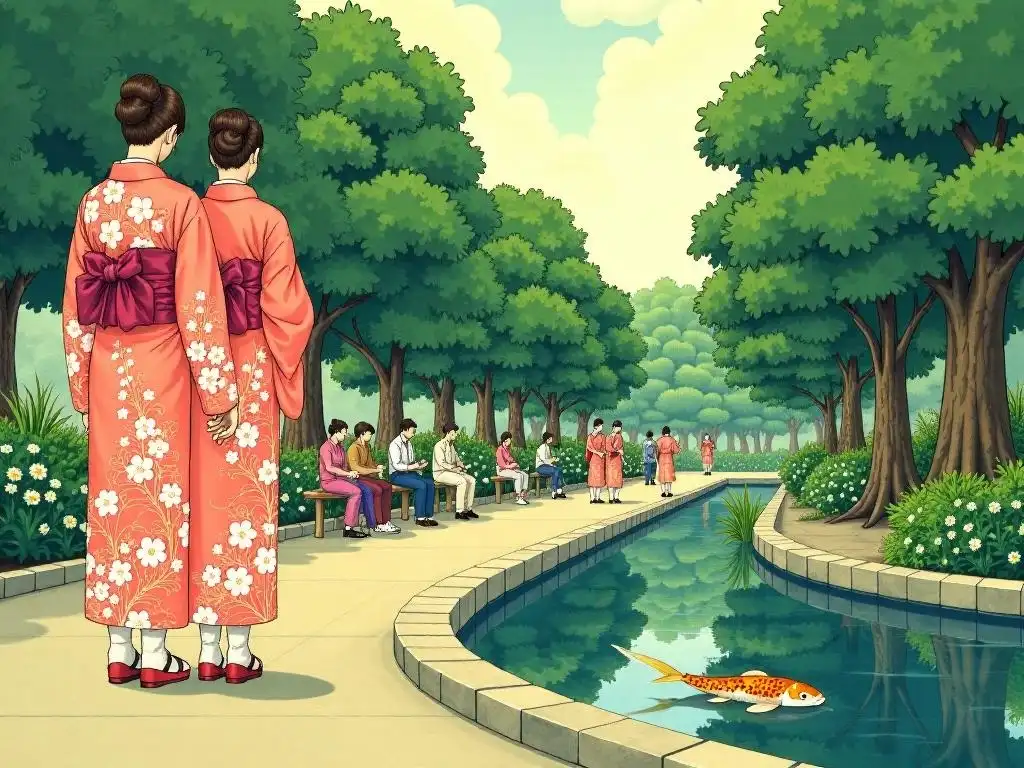
Welcome to Feudal Japan History, where we invite you to embark on a captivating journey through the intricate tapestry of Japan’s feudal era. Here, you will uncover the profound relationship between Nature and Art in Feudal Japan, a theme that resonates deeply within the daily lives and leisure activities of its people. Prepare to be enchanted as we delve into the vibrant expressions of culture and the harmonious balance between the natural world and artistic endeavors.
Join us as we explore how these elements shaped societal norms and enriched the lives of those who lived during this remarkable period. Don’t miss the opportunity to dive deeper into this fascinating connection—your adventure awaits!
Introduction to Nature and Art in Feudal Japan
The interplay between nature and art in feudal Japan is a profound aspect of the cultural landscape that shaped the leisure activities of its people. During this period, which spanned from the late 12th century to the early 19th century, Japanese society was heavily influenced by the natural environment, leading to a unique fusion of aesthetic principles and recreational practices.
This article delves into the intricate relationship between nature and art within the context of leisure activities, examining how natural elements inspired artistic expressions and shaped social interactions. By exploring the significance of nature in the daily lives of the samurai, farmers, and artisans, we uncover the essence of Japanese aesthetics and the role of the natural world in shaping cultural identity during this captivating era.
Overview of Feudal Japan's Cultural Landscape
Feudal Japan was characterized by a complex social hierarchy, with the samurai class at its pinnacle, followed by farmers, artisans, and merchants. This stratification influenced not only political and economic structures but also cultural expressions. The cultural landscape was rich with traditions such as tea ceremonies, poetry, and theater, all of which were deeply intertwined with the natural world.
Nature's beauty was not merely a backdrop; it was an integral part of artistic inspiration and leisure activities. The appreciation for nature can be seen in various forms, from the delicate brush strokes of ink paintings to the serene layouts of Japanese gardens.
Importance of Nature in Japanese Aesthetics
Japanese aesthetics, encapsulated in the concept of wabi-sabi, embodies a deep appreciation for the beauty found in nature's impermanence and imperfections. This philosophy emphasizes simplicity, asymmetry, and a connection to the natural world, influencing artistic endeavors across multiple disciplines. Nature's cycles, such as the changing seasons, were mirrored in art forms like poetry and painting, creating a dialogue between the artist and their surroundings. The significance of natural motifs is evident in traditional crafts, where elements like cherry blossoms and bamboo are celebrated not only for their visual appeal but also for their symbolic meanings.
The Role of Nature in Feudal Japanese Leisure Activities
The leisure activities of feudal Japan were heavily influenced by the surrounding natural environment, offering spaces for relaxation, reflection, and social interaction. From the tranquil tea gardens to the vibrant festivals celebrating seasonal changes, nature provided a backdrop for various recreational pursuits that were both enjoyable and spiritually enriching.
Natural Settings as Leisure Spaces
Natural landscapes served as essential venues for leisure activities in feudal Japan. For instance, the practice of hanami (flower viewing) allowed people to gather under blooming cherry trees to appreciate their fleeting beauty. Similarly, kawayuka (river-side picnicking) provided a serene setting for families and friends to relax, enjoy food, and partake in poetry recitation. Such activities fostered community bonds and reinforced the cultural significance of nature in daily life.
Seasonal Influences on Leisure Practices
The changing seasons played a crucial role in shaping leisure practices in feudal Japan. Each season brought unique festivals, activities, and artistic expressions. For example, spring was celebrated with cherry blossom festivals, while summer involved activities like river boating and fireworks displays. Autumn was marked by moon-viewing parties, and winter offered opportunities for ice skating and traditional tea ceremonies by the hearth. These seasonal rituals not only created a rhythm to life but also reinforced the connection between nature and cultural identity.
Symbolism of Nature in Artistic Expressions
Artistic expressions during feudal Japan often drew upon natural themes to convey deeper meanings. Poets and painters used nature as a canvas to explore human emotions, philosophical ideas, and societal values. For instance, the imagery of a setting sun might symbolize the passage of time or the transient nature of life.
Similarly, the depiction of landscapes in art was not just a representation of the physical world but also an invitation to reflect on one's place within it. This symbolic use of nature in art created a rich tapestry of cultural significance that continues to resonate in contemporary Japanese society.
Artistic Forms Inspired by Nature
In feudal Japan, the interplay between nature and art was profound and deeply rooted in the cultural psyche. Artists, poets, and performers drew inspiration from the natural world, creating works that reflected the beauty and transience of their surroundings. This connection not only enriched individual artistic expressions but also fostered a collective appreciation for the environment, influencing various forms of art that remain significant to this day.
Traditional Japanese Painting and Nature
Traditional Japanese painting, or Nihonga, is characterized by its intricate depictions of natural landscapes, flora, and fauna. Artists often utilized natural pigments made from minerals, plants, and shells, which allowed them to create vibrant yet harmonious colors that echoed the essence of their subjects. Notable styles, such as Yamato-e, showcased scenes from nature, including cherry blossoms, mountains, and seasonal changes, often imbued with symbolic meanings.
For instance, the iconic Fusuma-e paintings in the sliding doors of traditional Japanese homes often depicted serene landscapes or seasonal motifs, inviting nature into the living space. This practice not only beautified the home but also served as a reminder of the ever-changing cycles of nature, emphasizing a philosophical connection with the world outside.
Poetry and Nature in Feudal Japan
Poetry in feudal Japan, especially in the form of haiku and tanka, was heavily influenced by the natural environment. Poets utilized concise language to capture fleeting moments, drawing upon seasonal imagery and natural phenomena to evoke emotions and reflections on life. The simplicity and depth of these forms allowed poets to express complex feelings about nature and existence.
For example, Matsuo Bashō, one of the most celebrated haiku masters, famously wrote:
An old silent pond...
A frog jumps into the pond—
Splash! Silence again.
This haiku encapsulates a moment in nature, portraying not only the event itself but also the profound stillness that follows, inviting readers to contemplate the beauty of simplicity and the passage of time. Poetry readings often took place outdoors, enhancing the connection between the art form and its natural inspiration.
Performing Arts and Nature
The performing arts in feudal Japan, particularly Noh and Kabuki, also mirrored the intricate link between nature and art. Noh theater, known for its slow, deliberate movements and minimalist staging, often featured themes drawn from nature, with stories about gods, spirits, and the natural world. The serene ambiance created by the use of natural materials in costumes and stage design further emphasized this connection.
Kabuki, on the other hand, while more vibrant and dramatic, also included elements that celebrated nature. Performances frequently showcased seasonal festivals and the beauty of landscapes, utilizing elaborate sets and costumes that reflected the colors and textures of the natural world. The integration of natural themes within these art forms allowed audiences to experience a deeper appreciation for Japan's rich environmental heritage.
Integration of Nature and Art in Leisure Activities
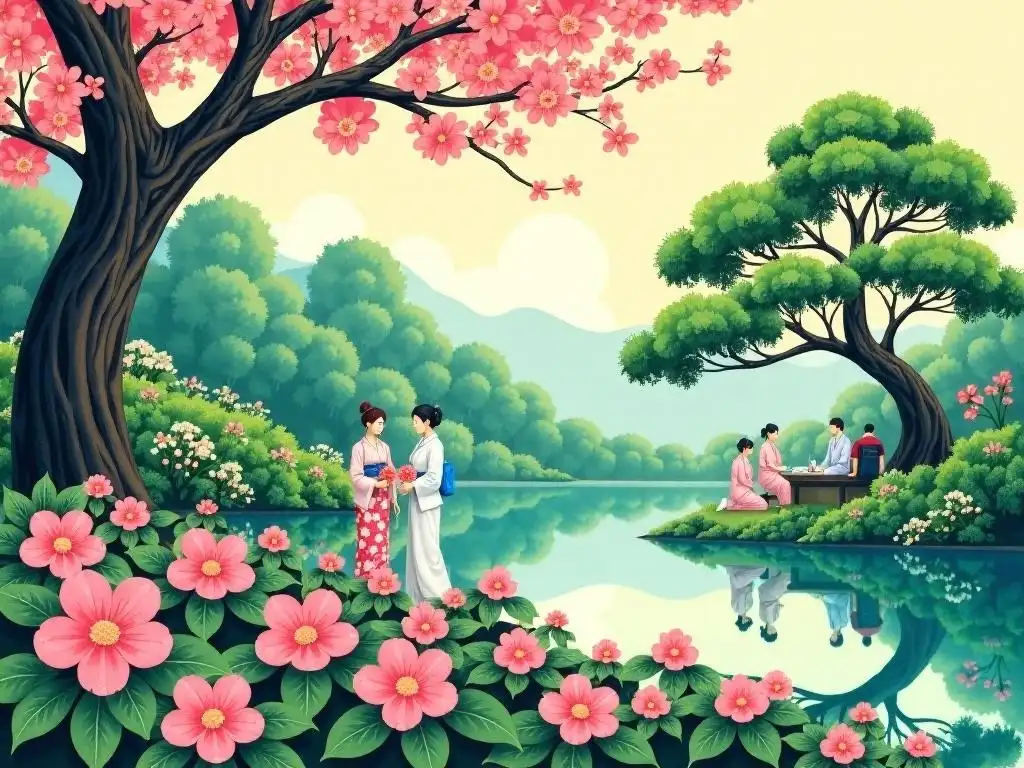
The integration of nature and art in leisure activities during feudal Japan was a vital aspect of daily life. People engaged in various pastimes that not only allowed them to appreciate nature but also encouraged artistic expression. These activities fostered a sense of community and provided a means of reflection and relaxation amidst the rigors of feudal society.
Gardens as Artistic Expressions
Gardening in feudal Japan was not merely a practical endeavor; it was an art form in itself. The design of gardens, such as Karesansui (dry landscape gardens), emphasized the aesthetic harmony between art and nature. These gardens featured carefully arranged rocks, gravel, and minimal plant life to represent natural landscapes, encouraging contemplation and meditation.
The famous Zen gardens, such as those found at Ryoan-ji in Kyoto, exemplify this philosophy, where every element is meticulously placed to create a sense of tranquility and balance. Visitors often found solace in these spaces, allowing the beauty of nature to inspire their thoughts and creativity, further intertwining their leisure activities with artistic appreciation.
Festivals and Celebrations Emphasizing Nature and Art
Festivals and celebrations in feudal Japan often highlighted the connection between nature and art, serving as communal events that celebrated seasonal changes and agricultural cycles. Events like Hanami, the cherry blossom viewing festival, brought people together to appreciate the fleeting beauty of sakura blossoms, often accompanied by poetry readings, music, and traditional dance.
Similarly, the Gion Matsuri in Kyoto showcased elaborate floats adorned with intricate designs inspired by nature, transforming the streets into vibrant displays of artistic expression. These festivals not only provided a platform for artistic performances but also reinforced the cultural significance of nature within the community, allowing participants to engage with both their heritage and the environment around them.
Through these various forms of artistic expression and leisure activities, feudal Japan demonstrated a deep-seated reverence for nature, which continues to influence contemporary Japanese culture. The legacy of this connection between nature and art remains a cornerstone of Japan's rich historical tapestry.
Conclusion: The Enduring Legacy of Nature and Art in Feudal Japan
The relationship between nature and art in feudal Japan has left an indelible mark on Japanese culture, shaping artistic expressions and leisure activities that resonate even today. This connection is evident in various forms of art, from painting and poetry to garden design and performing arts, wherein natural elements are not only represented but celebrated as integral components of life. The aesthetic principles that emerged during this period continue to inspire contemporary artists and designers, reflecting a profound appreciation for the natural world and its beauty.
In essence, feudal Japan cultivated a unique perspective that harmonized human experience with nature. This synergy fostered an environment where creativity thrived, resulting in art forms that not only depicted but also embodied the essence of nature. As modern society grapples with urbanization and environmental challenges, the lessons gleaned from feudal Japan's appreciation for nature and art serve as a guiding beacon, urging a return to harmony with the environment.
Reflection on the Influence of Nature on Japanese Art
Nature has been a fundamental influence on Japanese art throughout history, particularly during the feudal era. Artists sought to capture the beauty of the natural world, often drawing inspiration from the changing seasons, landscapes, and flora and fauna. This influence is particularly evident in traditional ink paintings and ukiyo-e prints, where scenes of serene landscapes, cherry blossoms, and tranquil water bodies come to life.
The concept of mono no aware, or the "pathos of things," further underscores this connection. It reflects a deep emotional awareness of the impermanence of nature, prompting artists to convey beauty intertwined with transience. This perspective led to artworks that evoke feelings of nostalgia and appreciation for fleeting moments, emphasizing the beauty found in the ephemeral aspects of nature.
Moreover, various traditional practices, such as ikebana (flower arranging) and sado (tea ceremony), epitomize the integration of natural elements into art forms. These practices not only highlight the aesthetic qualities of natural materials but also promote mindfulness and a deeper connection to the environment, reinforcing the view that nature is a vital source of inspiration in Japanese art.
Modern Implications of Feudal Japanese Aesthetic Principles
The aesthetic principles rooted in feudal Japanese culture continue to influence modern art, architecture, and design. Concepts such as simplicity, asymmetry, and the use of natural materials are prevalent in contemporary practices, reflecting a desire for harmony and balance. The minimalist approach found in Japanese gardens, for example, has inspired landscape designers worldwide, emphasizing the importance of space and the natural environment.
Furthermore, the incorporation of nature in modern artistic expressions can be seen in various mediums, from visual arts to fashion. Artists and designers draw upon the rich symbolism associated with nature in feudal Japan, creating works that resonate with a sense of tranquility and connection to the earth. This enduring legacy encourages a contemporary audience to cultivate an appreciation for the natural world, fostering sustainable practices and eco-conscious living.
As society increasingly recognizes the intrinsic value of nature, the principles established during the feudal era offer valuable insights into how art can serve as a bridge between human experience and the environment. This legacy not only enriches cultural identity but also promotes a holistic approach to living in harmony with nature.
Further Reading on Nature and Art in Feudal Japan
Recommended Books and Resources
- "The Art of Japanese Gardens" by David Young - A comprehensive exploration of traditional garden design principles influenced by nature.
- "Japanese Art: A Cultural History" by T. J. McCormick: - This book delves into the evolution of Japanese art and its deep connection to the natural world.
- "The Poetry of Nature: Japanese Haiku" by Shiki Masaoka: - A collection that illustrates the relationship between nature and poetry in feudal Japan.
- "Wabi-Sabi: For Artists, Designers, Poets & Philosophers" by Leonard Koren: - An insightful resource on the Japanese aesthetic philosophy that values imperfection and natural beauty.
Related Articles on Feudal Japanese Culture
- "The Role of Nature in Traditional Japanese Poetry" - An exploration of how nature inspired poets during the feudal era.
- "The Aesthetics of Japanese Tea Ceremony: Nature and Ritual": - An article discussing the connection between nature and the art of tea-making in Japan.
- "Ukiyo-e: The Floating World of Nature and Art": - A detailed look at the ukiyo-e printmaking technique and its natural themes.
- "The Influence of Zen Buddhism on Japanese Art and Nature" - An examination of how Zen principles shaped artistic practices in feudal Japan.
- Introduction to Nature and Art in Feudal Japan
- The Role of Nature in Feudal Japanese Leisure Activities
- Artistic Forms Inspired by Nature
- Integration of Nature and Art in Leisure Activities
- Conclusion: The Enduring Legacy of Nature and Art in Feudal Japan
- Further Reading on Nature and Art in Feudal Japan
- What role did nature play in feudal Japanese art?
- How did leisure activities reflect the connection between nature and art in feudal Japan?
- What are some examples of art forms influenced by nature during the feudal era?
- How did the philosophy of Shinto influence artistic expression related to nature?
- In what ways did cultural practices enhance the appreciation of nature in feudal Japan?
Frequently Asked Questions
What role did nature play in feudal Japanese art?
Nature was a central theme in feudal Japanese art, often depicted in paintings, poetry, and garden design, emphasizing the beauty and transience of the natural world.
How did leisure activities reflect the connection between nature and art in feudal Japan?
Leisure activities such as flower arranging (ikebana) and tea ceremonies integrated art and nature, promoting an appreciation for aesthetic beauty and the serenity of the natural environment.
What are some examples of art forms influenced by nature during the feudal era?
Landscape paintings, woodblock prints, and ceramics often featured natural motifs like mountains, rivers, and flowers, showcasing the harmony between art and the natural world.
Shinto beliefs fostered a deep respect for nature, encouraging artists to reflect spirituality and the divine aspects of the natural world in their works.
In what ways did cultural practices enhance the appreciation of nature in feudal Japan?
Cultural practices like haiku poetry, calligraphy, and garden aesthetics promoted mindfulness and a deeper connection with nature, integrating it into daily life and artistic expression.
Final Reflection: The Enduring Harmony of Nature and Art in Feudal Japan
The intricate relationship between nature and art in feudal Japan remains profoundly relevant today, as it reminds us of the beauty and balance that can be achieved through mindful engagement with our surroundings. In a world increasingly dominated by technology and urbanization, the lessons from feudal Japan urge us to reconnect with the natural world, fostering creativity and tranquility in our lives. The art forms that flourished during this era—be it poetry, painting, or garden design—serve as a testament to the deep appreciation for nature that can inspire contemporary artists and enthusiasts alike.
The cultural and social landscapes shaped by this connection continue to resonate, influencing modern artistic expressions and environmental movements. The aesthetics of simplicity and harmony found in traditional Japanese art encourage us to seek beauty in the everyday and to cultivate a sense of mindfulness. As the poet Matsuo Bashō once said, The journey itself is my home,
reminding us that our experiences with nature can be as enriching as the art we create. This ongoing dialogue between nature and art invites us to explore our own creativity while fostering a deeper appreciation for the world around us.
As we reflect on the lessons from feudal Japan, let us embrace the call to integrate nature into our lives and artistic endeavors. Consider how you can cultivate this connection in your daily routine—whether through a simple walk in the park, creating art inspired by the natural world, or even just pausing to appreciate the beauty around you. By doing so, we not only honor the legacy of our predecessors but also enrich our own lives, ensuring that the harmony between nature and art continues to thrive for generations to come.
Unleash Your Creativity Through Nature's Lens!
Thank you for exploring the intricate relationship between nature and art during feudal Japan. You've seen how these elements intertwined to shape leisure activities, creating a unique cultural tapestry. Now, it’s time to take this inspiration and put it into action!
Here’s how you can embrace this fascinating theme in your own life:
- Try your hand at nature-inspired art! Grab a sketchbook and head outside to capture the beauty around you through drawing or painting.
- Join a local art or nature group. Connect with like-minded individuals to share your experiences and ideas about exploring nature’s influence on artistic expression.
- Explore traditional Japanese gardening techniques. Consider starting your own mini Zen garden to reflect on the serene relationship between nature and art.
What new forms of creativity will you discover through your relationship with nature? **Share your thoughts and experiences below! **