
The Ashigaru's Influence on Japan's Military History and Heritage

Welcome to Feudal Japan History, where we embark on an immersive journey through the captivating tapestry of Japan’s feudal era. Here, you will uncover the rich historical, cultural, and societal nuances that shaped this remarkable period. In our featured article, "The Ashigaru's Influence on Japan's Military History and Heritage," we delve into the fascinating world of the Ashigaru, the foot soldiers who played a pivotal role in Japan's military evolution.
What secrets do they hold about the transformation of warfare and society? Join us as we explore their legacy and influence—your adventure into the heart of Japan's military history starts here!
- Introduction to Ashigaru Military History in Japan
- Historical Context of Ashigaru in Japan
- The Role of Ashigaru in Japan's Military Campaigns
- The Cultural Impact of Ashigaru on Japanese Society
- The Decline of Ashigaru in the Edo Period
- Legacy of Ashigaru in Japan's Military Heritage
- Conclusion: The Lasting Influence of Ashigaru on Japan's Military History
- Frequently Asked Questions
- Final Reflection: The Enduring Legacy of the Ashigaru in Japan's Military History
- Uncover the Legacy of the Ashigaru Today!
Introduction to Ashigaru Military History in Japan
The Ashigaru, a pivotal yet often overlooked element of Japan's military history, played a significant role during the feudal era. As foot soldiers, they not only influenced the dynamics of warfare but also contributed to the cultural and societal fabric of the time. This article will delve into the intricate layers of Ashigaru military history in Japan, exploring their origins, evolution, and impact on military strategies. By understanding the Ashigaru’s contributions, we gain insight into a transformative period that shaped Japan’s heritage and laid the groundwork for modern military practices.
Definition of Ashigaru in Feudal Japan
In feudal Japan, Ashigaru were typically foot soldiers serving the samurai class. Their name, which literally translates to "light feet," reflects their mobility and the lower status compared to the elite samurai warriors. Initially, Ashigaru were composed of lower-class peasants who were conscripted or recruited during times of war. Over time, they became a more organized and essential component of the military structure.
Key characteristics of Ashigaru included:
- Equipment: They were often equipped with simpler weaponry, such as spears (yari), bows (yumi), and later, firearms (teppō) as these became prevalent in warfare.
- Training: While their training was less rigorous than that of the samurai, Ashigaru received instruction in basic combat techniques, making them versatile soldiers on the battlefield.
- Role in Warfare: Their primary function was to support the samurai, engaging in frontline battles and forming the backbone of larger military forces.
Overview of the Role of Ashigaru in Military History
The role of Ashigaru in Japan's military history is multifaceted and significant. They were instrumental during key periods, particularly during the Sengoku period (1467-1603), a time marked by intense military conflict and social upheaval.
- Rise in Numbers and Importance: As the demand for soldiers grew, the Ashigaru numbers swelled, transitioning from a supplementary role to a vital force in armies. They often outnumbered samurai, showcasing their critical contribution to military campaigns.
- Tactics and Strategies: The integration of Ashigaru into military tactics introduced new strategies:
- Massed Formations: Ashigaru units were often deployed in large formations, employing spear walls and pike tactics that could overwhelm enemy forces.
- Flexibility in Combat: Their lighter armor and training allowed for greater mobility, enabling rapid flanking maneuvers and skirmishing techniques.
- Cultural Impact: Beyond the battlefield, the Ashigaru influenced the socio-political landscape of Japan. Their rise to prominence challenged traditional class structures, as successful Ashigaru could gain land and status, blurring the lines between the warrior and peasant classes.
The Ashigaru were not just foot soldiers; they were a transformative force in Japan's military history. Their evolution and contributions offer valuable insights into the complexities of feudal warfare and the changing societal dynamics of the time. As we explore further, we will uncover specific battles and notable Ashigaru figures that exemplified their influence on Japan’s military legacy.
Historical Context of Ashigaru in Japan
The Emergence of Ashigaru During the Sengoku Period
The term Ashigaru refers to the foot soldiers that emerged prominently during Japan's Sengoku period (1467-1615), a time characterized by social upheaval, political intrigue, and nearly constant military conflict. This era saw the decline of the centralized authority of the Ashikaga shogunate, leading to a fragmented Japan where regional daimyōs (feudal lords) vied for power.
Initially, Ashigaru were often conscripted peasants or lower-class individuals who could be quickly trained and armed. Their importance grew as daimyōs began to realize that large numbers of infantry could significantly alter the dynamics of warfare. Unlike the samurai, who were bound by strict codes of honor and typically engaged in individual combat, Ashigaru units emphasized collective action, making them vital for mass battles. They were often organized into formations, leveraging their numbers to overwhelm opponents.
Throughout the Sengoku period, Ashigaru played a crucial role in numerous battles, such as the famous Battle of Nagashino (1575), where they utilized firearms effectively against traditional samurai cavalry. This shift in tactics marked the beginning of a new military approach in Japan, showcasing the Ashigaru's influence on warfare.
Socio-Economic Background of Ashigaru Soldiers
The socio-economic status of Ashigaru was a significant factor in their emergence and effectiveness within the military framework of feudal Japan. Generally originating from peasant backgrounds, many Ashigaru were motivated by the promise of land, monetary compensation, or social mobility. This was particularly appealing in an era where traditional class structures were in flux due to ongoing warfare.
Economic Incentives
- Land Grants: Some Ashigaru were rewarded with small plots of land after serving in battles, allowing them to transition from peasants to landowners.
- Pay and Spoils: Soldiers were often compensated through regular pay or a share of the spoils after a successful campaign, which could be a significant motivator.
Social Mobility
The Ashigaru's role in warfare provided unique opportunities for upward mobility, as distinguished service could lead to the granting of samurai status. This possibility created a unique dynamic within the ranks, where loyalty and martial prowess could outweigh noble lineage.
Nevertheless, despite these opportunities, Ashigaru soldiers often faced harsh realities. They were typically poorly equipped compared to their samurai counterparts and lacked the same level of training. This disparity highlighted the socio-economic divides within feudal Japan but also emphasized the Ashigaru's critical role in shaping the military landscape.
Evolution of Ashigaru Tactics and Equipment
The evolution of Ashigaru tactics and equipment reflects the changing nature of warfare in feudal Japan. As the significance of Ashigaru grew, so too did the sophistication of their military strategies and the technology they used.
Tactical Developments
- Formation Warfare: Ashigaru units began employing formations, such as the kisho (skirmishers) and yari (spear) units, allowing them to maximize their effectiveness on the battlefield.
- Use of Firearms: The introduction of firearms, particularly after the Portuguese introduced guns to Japan in the 1540s, revolutionized Ashigaru tactics. They became proficient in using matchlock guns, which were crucial during battles like Nagashino.
Equipment Advancements
While initially equipped with simple weapons, the Ashigaru gradually adopted more sophisticated arms as the demand for their effectiveness grew:
- Weapons: Commonly armed with spears and, later, firearms, Ashigaru were versatile on the battlefield.
- Armor: Although they wore simpler armor than samurai, improvements were made over time, including the adoption of lightweight and more protective options to enhance mobility without sacrificing defense.
The evolution of tactics and equipment not only improved the Ashigaru's combat effectiveness but also contributed to a broader transformation in Japan's military practices. Their adaptability and innovation underscore their significant role in Japan's military history, especially during the tumultuous Sengoku period.
The Role of Ashigaru in Japan's Military Campaigns
Key Battles Involving Ashigaru Forces
The Ashigaru played a pivotal role in shaping Japan's military landscape during the feudal era. Their contributions were especially notable in several key battles that showcased their effectiveness and adaptability in warfare.
The Battle of Nagashino
One of the most significant engagements involving Ashigaru was the Battle of Nagashino in 1575. This battle is particularly renowned for the innovative military tactics employed by Oda Nobunaga, who utilized Ashigaru as a primary fighting force.
- Context: The battle was fought between the forces of Oda Nobunaga and the Takeda clan. Nobunaga aimed to dismantle the formidable cavalry charges for which the Takeda were famous.
- Tactics: Nobunaga implemented a strategy that involved matchlock firearms, known as teppo, deployed in a defensive formation. The Ashigaru, armed with these firearms, were positioned behind wooden palisades, allowing them to inflict significant damage on the attacking Takeda cavalry.
- Outcome: The disciplined firing lines of Ashigaru resulted in a decisive victory for Nobunaga, marking a turning point in the use of firearms in Japanese warfare. The battle demonstrated that Ashigaru, often viewed as mere foot soldiers, could execute complex tactics effectively.
The Siege of Osaka
Another crucial moment in the history of Ashigaru military contributions occurred during the Siege of Osaka (1614-1615). This siege was part of the conflict between the Tokugawa shogunate and the Toyotomi clan.
- Context: The siege was initiated by Tokugawa Ieyasu, who sought to eliminate the last remnants of the Toyotomi power centered in Osaka Castle.
- Role of Ashigaru: During the siege, Ashigaru played a vital role in both assaulting the castle and defending their own positions. Although the samurai were traditionally the elite fighters, the Ashigaru formed the bulk of the attacking forces, demonstrating their importance in large-scale military operations.
- Contributions: Their numbers allowed for sustained assaults and effective siege tactics. The Ashigaru's ability to adapt to various roles, including skirmishing and front-line fighting, was instrumental in the Tokugawa victory, leading to the eventual fall of Osaka Castle.
Contributions of Ashigaru to Samurai Armies
The impact of Ashigaru on the samurai armies of feudal Japan cannot be overstated. As the backbone of many military forces, they provided crucial support that allowed samurai to focus on their strategic roles.
- Mass Mobilization: The Ashigaru were often conscripted from the peasant class, allowing samurai leaders to mobilize large armies quickly. This mass mobilization was essential during periods of conflict, particularly during the Sengoku period.
- Specialized Roles: While samurai were primarily cavalry, Ashigaru often served as infantry, adapting to various combat scenarios. They were trained in the use of firearms, polearms, and even archery, showcasing their versatility on the battlefield.
- Cohesion and Tactics: The integration of Ashigaru into samurai armies facilitated the development of new tactics, such as combined arms operations. Their ability to work in concert with samurai cavalry and archers allowed for more complex battle formations and strategies.
- Legacy: The evolution of Ashigaru from lowly foot soldiers to essential components of samurai armies significantly influenced Japan's military heritage. Their legacy is evident in modern representations of samurai warfare, where the cooperative dynamics between different classes of warriors are celebrated.
The Ashigaru's military history in Japan is marked by their crucial involvement in key battles and their transformative contributions to samurai armies. Their legacy continues to inform our understanding of Japan's feudal military structure and strategy.
The Cultural Impact of Ashigaru on Japanese Society
The Ashigaru, originally foot soldiers of low social status, played a crucial role in shaping the cultural landscape of feudal Japan. Their evolution from mere conscripts to influential military components not only transformed the battlefield but also reflected broader social changes and cultural perceptions during the Sengoku period (1467-1603). This section delves into the multifaceted impact of Ashigaru on Japanese society, illustrating their significance beyond mere military function.
Ashigaru as a Reflection of the Class Structure
The emergence of the Ashigaru is deeply intertwined with the social hierarchy of feudal Japan. Initially, they were composed of peasant conscripts enlisted by samurai lords, embodying the struggles and aspirations of the lower classes. Over time, their role evolved, leading to several notable implications for Japan’s class structure:
- Social Mobility: The Ashigaru offered a pathway for commoners to rise in social standing. Successful Ashigaru could gain land and titles, blurring the rigid class distinctions that had traditionally governed Japanese society. This shift contributed to the gradual dismantling of the feudal system.
- Military Inclusion: The integration of Ashigaru into the samurai ranks challenged the notion that military prowess was solely the domain of the elite. Their presence on the battlefield demonstrated that skill and loyalty could come from the lower classes, thereby reshaping societal views on merit and honor.
- Cultural Perception: The rise of the Ashigaru prompted a reevaluation of the warrior ethos. They became symbols of resilience and adaptability, often celebrated in various forms of art and literature, reflecting the growing respect for their contributions to the military successes of their lords.
The Influence of Ashigaru on Japanese Warfare Ideology
As a pivotal force in Japan's military history, the Ashigaru significantly influenced the evolution of warfare ideology during the feudal era. Their impact can be categorized into several key aspects:
- Tactics and Strategy: The introduction of Ashigaru changed traditional warfare tactics. They were often deployed in large numbers, utilizing formations that emphasized coordination and massed firepower, particularly with the introduction of firearms in the 16th century. This tactical shift allowed for more dynamic and flexible battlefield strategies, moving away from the rigid, honor-based combat of the samurai.
- Military Organization: The Ashigaru contributed to the reorganization of military units. They were often grouped into companies, which enhanced the effectiveness of larger armies. This reorganization led to more structured military hierarchies and the development of specialized roles on the battlefield.
- Cultural Integration of Warfare: Ashigaru warriors became emblematic of the broader militarization of society. Their integration into various aspects of life, from local governance to regional defense, reflected a culture increasingly defined by martial values. This cultural shift was instrumental in fostering a society that celebrated and honored military service.
Ashigaru in Literature and Popular Culture
The legacy of the Ashigaru extends beyond historical accounts and into the realms of literature and popular culture. Their portrayal in various narratives highlights their significance in shaping Japan's cultural identity:
- Historical Literature: Ashigaru are often depicted in historical novels and chronicles, such as "Taiheiki" and "Chronicles of the Samurai." These works illustrate their struggles and triumphs, emphasizing their role in pivotal battles and the broader socio-political landscape of the time.
- Modern Adaptations: In contemporary media, Ashigaru appear in films, anime, and video games, often characterized as brave and resourceful warriors. This portrayal reinforces their legacy as symbols of the common man's fight against adversity, appealing to modern audiences' desire for relatable heroes.
- Cultural Symbolism: The Ashigaru have evolved into cultural icons representing perseverance and loyalty. Events, festivals, and reenactments often celebrate their contributions, keeping their memory alive and highlighting their importance in Japan's military history.
The Ashigaru's influence on Japanese society extends well beyond their military contributions. They encapsulated the complexities of class dynamics, transformed warfare ideology, and permeated cultural narratives, ensuring their place in Japan's rich historical tapestry.
The Decline of Ashigaru in the Edo Period
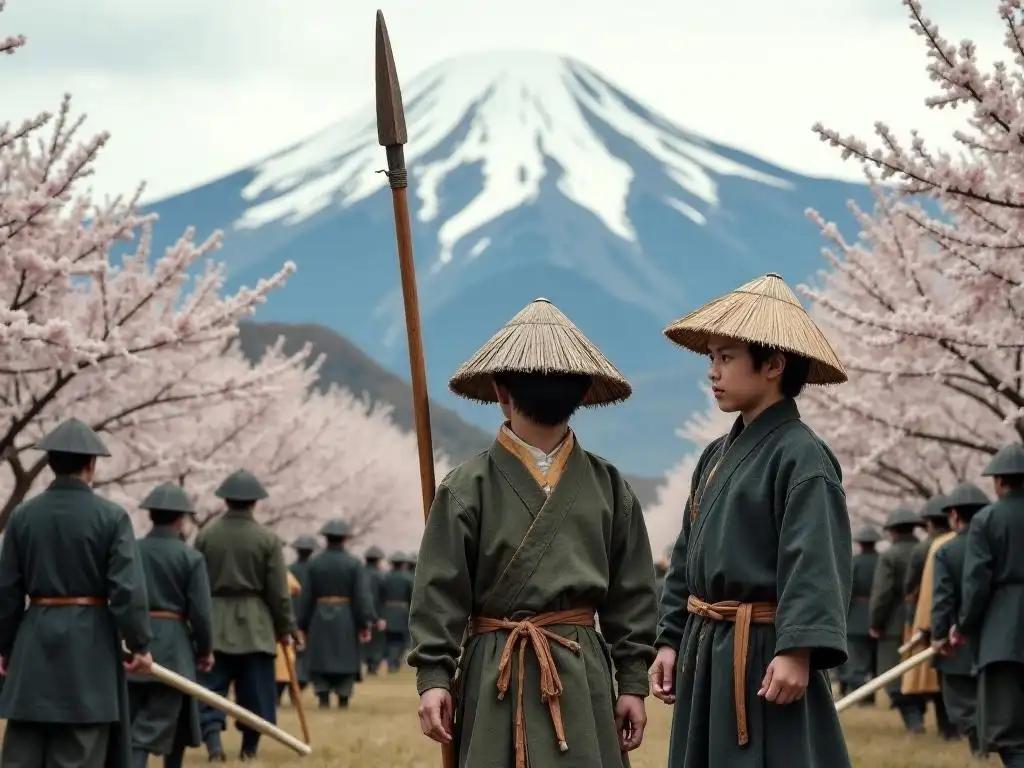
The decline of the Ashigaru during the Edo period (1603-1868) marked a significant transformation in Japan's military landscape. While Ashigaru, the foot soldiers of the samurai class, played a crucial role in the wars of the Sengoku period (1467-1603), their status and numbers diminished drastically with the rise of the Tokugawa Shogunate and the ensuing peace.
Factors Leading to the Reduction of Ashigaru Forces
The reduction in Ashigaru forces during the Edo period can be attributed to several interrelated factors:
- Establishment of a Centralized Government:
- The Tokugawa Shogunate centralized power, leading to a more structured military hierarchy.
- The focus shifted from a feudal system, which relied heavily on Ashigaru, to a bureaucratic government where professional soldiers became the norm.
- Peace and Stability:
- The long-lasting peace known as the Pax Tokugawa resulted in a significant decrease in military conflicts.
- With fewer battles, the need for large foot soldier contingents diminished, leading to a decrease in recruitment and training of Ashigaru.
- Economic Changes:
- The Edo period brought about economic stability and growth, which led many Ashigaru to seek alternative livelihoods.
- As agriculture flourished, many former soldiers returned to farming or other trades, leaving military service.
- Changes in Warfare:
- The evolution of warfare tactics, including the increasing use of firearms, made traditional Ashigaru formations less effective.
- The adoption of more disciplined and trained infantry units replaced the less formalized Ashigaru troops.
- Social Changes:
- The status of Ashigaru shifted from being esteemed foot soldiers to a lower social class.
- The emergence of a more stratified society under the Tokugawa led to a decline in the respect and recruitment of Ashigaru.
These factors collectively contributed to the decline of the Ashigaru, transforming their role from essential military forces to a more marginalized position in society.
Transition from Feudal Warfare to Peace under the Tokugawa Shogunate
The transition from feudal warfare to a period of peace under the Tokugawa Shogunate fundamentally altered Japan's military framework and the role of the Ashigaru:
- Disbandment of Feudal Armies:
- The Tokugawa Shogunate implemented policies that disbanded many of the regional armies, which included Ashigaru.
- This disbandment was part of a broader strategy to consolidate power and prevent uprisings.
- Creation of a Standing Army:
- The Shogunate established a standing army composed of samurai and a few remaining Ashigaru, but with a focus on loyalty to the Shogunate rather than individual daimyō.
- This shift meant that Ashigaru were no longer the primary soldiers in conflicts, as the new military structure relied more on trained samurai.
- Peace-Time Military Role:
- In peacetime, the function of the military shifted towards policing and maintaining order rather than engaging in battle.
- Ashigaru, who had once been frontline soldiers, found themselves relegated to roles in local governance and security.
- Cultural Shifts:
- The cultural context of the Edo period emphasized peace, arts, and commerce, which shifted societal values away from martial pursuits.
- The glorification of the samurai code (Bushido) further diminished the importance of Ashigaru, who were often seen as less honorable.
The transition under the Tokugawa Shogunate fundamentally altered Japan's military history, leading to the gradual obsolescence of the Ashigaru as a key component of Japan's military heritage. This transformation reflects broader patterns in societal change, economic development, and the evolution of warfare during a time of unprecedented stability in Japan.
Legacy of Ashigaru in Japan's Military Heritage
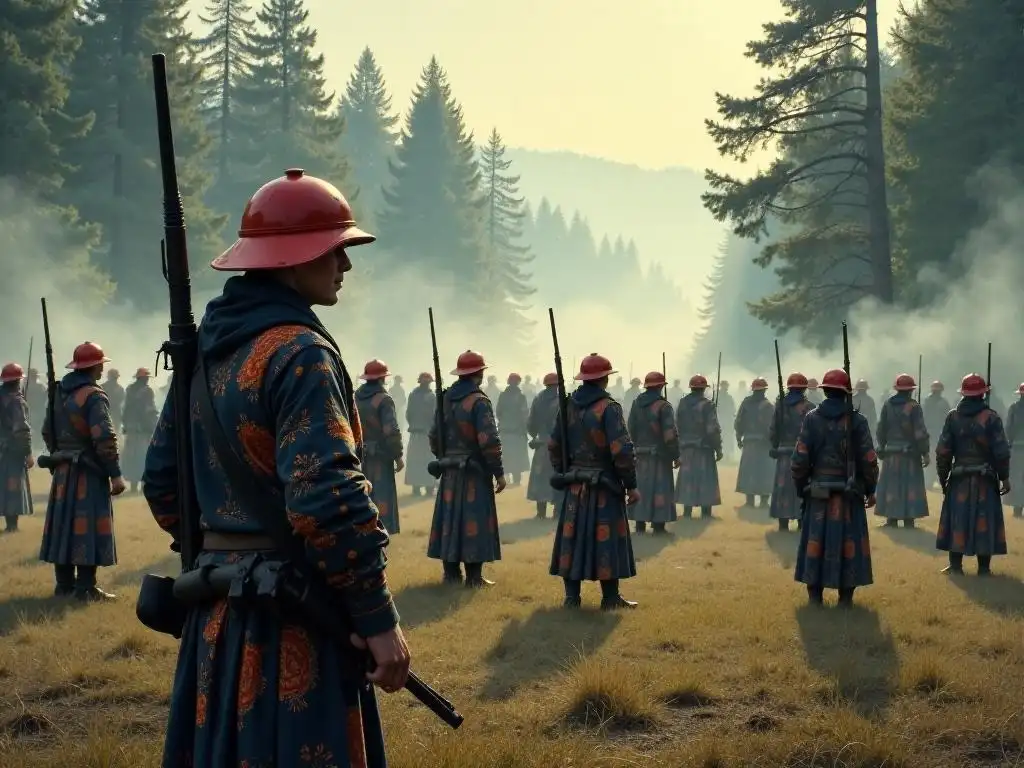
The legacy of the Ashigaru is a testament to their significant role in shaping Japan's military history. Emerging during the Kamakura period (1185-1333) and gaining prominence throughout the Sengoku period (1467-1603), the Ashigaru were originally foot soldiers who served under samurai lords. Their evolution from peasant conscripts to essential components of the Japanese military reflects the broader societal changes in feudal Japan.
The Ashigaru were characterized by their adaptability and versatility on the battlefield. Unlike their samurai counterparts, who adhered to strict codes of conduct and maintained a noble status, Ashigaru were often drawn from the lower classes and were equipped with more practical weapons, such as spears and firearms. This democratization of military service allowed for larger armies and introduced a new level of strategy and tactics in warfare.
Their contributions to Japan's military heritage are evident in various aspects:
- Tactical Innovations: The Ashigaru played a crucial role in the development of new battlefield tactics that emphasized mobility and the effective use of firearms. Their experiences laid the groundwork for modern military strategies in Japan.
- Integration into Samurai Armies: The incorporation of Ashigaru into samurai-led armies marked a shift in military organization. They were essential during major battles, proving that effective teamwork between classes could lead to significant victories.
- Cultural Impact: The Ashigaru's legacy is not only military but also cultural, influencing literature, theater, and art during and after the feudal era. Their representations in various forms of media highlight their importance in the collective memory of Japan.
Influence on Modern Japanese Military Practices
The influence of the Ashigaru extends into modern Japanese military practices, where their principles can still be observed. The Japanese Self-Defense Forces (JSDF) draw inspiration from the Ashigaru's emphasis on discipline, adaptability, and teamwork.
- Training and Organization: Modern military training in Japan incorporates lessons from the past, emphasizing the importance of integrating various ranks and roles within a unified force. Techniques that were pioneered by Ashigaru, such as coordinated maneuvers and the use of ranged weapons, resonate with contemporary combat training.
- Civic Duty and National Defense: The Ashigaru were often seen as defenders of their local communities. This sense of civic duty continues to be a cornerstone of the JSDF's ethos, where service to the nation is linked to community engagement and responsibility.
- Resilience and Adaptability: The Ashigaru's ability to adapt to changing circumstances is echoed in modern military doctrine. Today’s forces must remain flexible and responsive, qualities that were essential for the Ashigaru during their time.
Ashigaru as Symbols of the Samurai Spirit
Although the Ashigaru were foot soldiers and not part of the elite samurai class, they came to symbolize key aspects of the samurai spirit. Their loyalty, bravery, and dedication on the battlefield resonate within the cultural memory of Japan.
- Loyalty and Duty: The loyalty displayed by the Ashigaru towards their samurai lords reflects the samurai code of honor (Bushido). Their commitment to their leaders and peers showcases a form of duty that transcends class boundaries, contributing to the overall martial spirit of Japan.
- Courage in Combat: The Ashigaru were often the frontline troops, facing the most significant dangers. Their courage in battle has been romanticized in various cultural representations, from literature to cinema, emphasizing their role in the larger narrative of Japan's military history.
- Cultural Symbolism: In contemporary Japan, the Ashigaru are often celebrated in festivals and historical reenactments, embodying the spirit of resilience and courage that defines the samurai ethos. Their legacy persists in martial arts and military culture, reminding modern generations of the importance of unity and strength in adversity.
Preservation of Ashigaru History in Contemporary Japan
The preservation of Ashigaru history is crucial in maintaining Japan's rich cultural heritage. Various efforts have been made to commemorate their contributions and ensure their legacy endures.
- Historical Sites and Museums: Many historical sites, such as battlefields and castles, feature exhibits and reenactments highlighting the role of Ashigaru in Japan's military history. Museums dedicated to the Sengoku period often include artifacts and stories that celebrate these foot soldiers.
- Literature and Media: The Ashigaru have been featured in numerous books, films, and television series that explore feudal Japan. These portrayals help to educate audiences about their importance and keep their stories alive in popular culture.
- Academic Research: Scholars continue to study the Ashigaru, contributing to a deeper understanding of their social and military significance. Research papers and publications focus on their evolution, tactics, and influence on modern military practices, ensuring that the legacy of the Ashigaru is recognized and appreciated.
Through these efforts, the Ashigaru are not just remembered as foot soldiers of the past but are celebrated as integral figures in Japan's military heritage, embodying values that continue to resonate in modern society.
Conclusion: The Lasting Influence of Ashigaru on Japan's Military History
The Ashigaru played a pivotal role in shaping Japan's military history, transitioning from mere foot soldiers to essential components of feudal armies. Their evolution reflects broader societal shifts and adaptations in warfare during the tumultuous periods of the Sengoku era and beyond. Understanding their contributions provides insight into the complexities of Japan's military strategies and the intricate nature of samurai culture.
Reflection on the Importance of Ashigaru in Feudal Japan
The significance of Ashigaru in feudal Japan cannot be understated. Initially, these soldiers were often drawn from the lower classes, providing a means for commoners to gain status and wealth through military service. This democratization of the military ranks changed the dynamics of power, allowing for more fluid social mobility.
- Diverse Roles: Ashigaru were not merely infantry; they adapted to various roles on the battlefield, including archers and spearmen. Their versatility made them invaluable in the face of evolving military tactics.
- Tactical Innovations: The integration of Ashigaru into battle formations led to innovations in tactics, such as the use of massed infantry formations that could effectively counter cavalry charges. Their ability to mobilize quickly and in large numbers significantly influenced battlefield outcomes.
- Cultural Impact: Beyond their military prowess, Ashigaru contributed to the cultural fabric of Japan. They participated in the creation of distinct warrior codes and rituals that resonated throughout Japanese society, thereby embedding themselves into the historical narrative.
The legacy of the Ashigaru can still be felt today, with their influence seen in modern interpretations of Japanese martial arts and cultural representations.
Future Research Directions on Ashigaru Military History in Japan
As scholars continue to delve into the rich tapestry of Japan's military history, the Ashigaru present numerous opportunities for further research. Here are some potential areas of exploration:
- Comparative Studies: Investigating the Ashigaru's role in contrast to other feudal armies, both in Japan and globally, could yield fascinating insights into military evolution and social structures.
- Archaeological Evidence: Ongoing archaeological efforts may uncover artifacts directly related to Ashigaru, providing tangible links to their daily lives and battlefield experiences.
- Cultural Representations: Researching how Ashigaru have been portrayed in literature, film, and art can reveal contemporary perceptions and the enduring legacy of these soldiers in Japanese culture.
- Economic Studies: Analyzing the economic implications of the Ashigaru system on feudal Japan's economy could offer a deeper understanding of the interplay between military service and social status.
- Impact on Modern Military Doctrine: Exploring how Ashigaru military practices have influenced modern Japanese military strategies can provide insights into the continuity and change in Japan’s defense approach.
By pursuing these avenues, historians and researchers can further illuminate the complex tapestry of Ashigaru military history in Japan, enriching our understanding of their impact on both past and present military practices.
Frequently Asked Questions
What were the Ashigaru in feudal Japan?
The Ashigaru were foot soldiers in feudal Japan, primarily composed of lower-class samurai and peasants. They played a significant role in the military history of Japan, especially during the Sengoku period.
How did the Ashigaru contribute to military tactics?
The Ashigaru introduced flexible tactics that allowed for greater mobility on the battlefield. Their use of firearms and array formations transformed traditional warfare in Japan.
Initially viewed as lower-class soldiers, Ashigaru gained higher social status over time due to their contributions in battles. Some even became landowners or ascended to samurai status.
How did the Ashigaru influence Japan's military heritage?
The Ashigaru's emphasis on training and discipline helped lay the groundwork for modern Japanese military practices. Their legacy continues to be recognized in Japan's military heritage and cultural narratives.
Are there any notable battles involving Ashigaru?
Yes, the Ashigaru played crucial roles in several key battles, such as the Battle of Nagashino in 1575, where their use of muskets was pivotal in defeating the enemy. This battle is often highlighted in studies of military history in Japan.
Final Reflection: The Enduring Legacy of the Ashigaru in Japan's Military History
The influence of the Ashigaru on Japan's military history is not just a relic of the past; it resonates profoundly in today's understanding of social mobility and military organization. As we explore the evolution of Japan's military, we uncover how these foot soldiers transformed the dynamics of warfare and societal structure, challenging the traditional hierarchies that once defined samurai culture. Their story is a testament to the power of adaptability and resilience, reminding us that even the most humble beginnings can lead to significant change.
Culturally, the Ashigaru have left an indelible mark on Japan's heritage, shaping not only military tactics but also the very fabric of society. Their rise from peasant origins to pivotal roles in warfare illustrates a narrative of empowerment that continues to inspire modern discussions about class and opportunity. As historian John W. Hall noted, The Ashigaru were not merely soldiers; they were the embodiment of a shifting social order that redefined loyalty and service in Japan.
This ongoing influence serves as a reminder that history is not static; it evolves as we reinterpret the past through contemporary lenses.
As we reflect on the lessons of the Ashigaru, let us consider how their legacy can inspire us today. Embrace the idea that every individual, regardless of their background, has the potential to effect change. In your own life, think about how you can challenge the status quo and contribute to a more equitable society. Whether through leadership, advocacy, or simply by fostering understanding, you have the power to carry forward the spirit of the Ashigaru, ensuring that their story continues to inspire future generations.
Uncover the Legacy of the Ashigaru Today!
Thank you for diving into the fascinating world of the Ashigaru and their pivotal role in shaping Japan's military history and heritage. Your interest not only enriches your understanding but also honors the story of these remarkable foot soldiers. Now, it's time to take action and explore the legacy of the Ashigaru further!
Here are a few ways you can continue your journey into Japan's rich military past:
- Join our community! Subscribe to our newsletter for in-depth articles, resources, and discussions on feudal Japan.
- Share your thoughts! Engage with fellow history enthusiasts on our forums—what aspect of the Ashigaru intrigues you the most?
- Explore local history! Visit a museum or historical site that showcases Japan's military heritage; you might discover something surprising!
As you delve deeper into this captivating history, consider this: How do you think the evolution of the Ashigaru reflects the broader changes in Japanese society and culture? Feel free to share your insights and join the conversation!