
From Peasants to Warriors: The Rise of the Ashigaru in Japanese Warfare


Welcome to Feudal Japan History, where we invite you to journey through the captivating tapestry of Japan’s feudal era. In our featured article, “From Peasants to Warriors: The Rise of the Ashigaru in Japanese Warfare,” we delve into the intriguing transformation of the ashigaru, who evolved from humble peasants into formidable warriors. Discover how their emergence reshaped the landscape of military strategy and societal structures in feudal Japan. Are you ready to explore the profound impact of these unsung heroes on the battlefield? Let the adventure begin!
- Introduction to the Rise of Ashigaru in Warfare
- Historical Context of the Ashigaru
- Evolution of the Ashigaru
- The Role of Ashigaru in Japanese Warfare
- Training and Equipment of Ashigaru
- The Impact of Ashigaru on Military Strategies
- Cultural Significance of Ashigaru in Society
- Decline of the Ashigaru in Warfare
- Conclusion: Legacy of the Ashigaru in Japanese Military History
- Frequently Asked Questions
- Final Reflection: The Enduring Legacy of the Ashigaru in Warfare
- Unleash Your Inner Warrior: Take Action Today!
Introduction to the Rise of Ashigaru in Warfare
The Rise of Ashigaru in Warfare marks a pivotal chapter in the military history of feudal Japan, showcasing the transformation of the Japanese battlefield and the societal structures that influenced it. Emerging from humble beginnings, the Ashigaru—originally composed of farmers and laborers—evolved into a formidable class of foot soldiers who played a crucial role in the conflicts of the Sengoku period (1467-1603).
This article delves into the historical, cultural, and societal factors that contributed to their rise, examining how this evolution not only reshaped warfare tactics but also altered the socio-political landscape of Japan. By understanding the Ashigaru's journey from peasants to warriors, we gain insight into the complexities of feudal Japan and the dynamics of its military history.
Overview of the Ashigaru in Japanese History
The term "Ashigaru" refers to the foot soldiers who served the samurai class during Japan's feudal era. Initially, these soldiers were poorly trained and equipped, often coming from the peasant class. Their rise can be attributed to several key factors:
- Economic Shifts: The struggle for land and resources during the Sengoku period led to increased militarization of society. Wealthy landowners began to recruit local farmers to serve as soldiers, especially as the need for a larger fighting force became apparent.
- Military Innovations: The introduction of gunpowder weapons, such as arquebuses, changed the landscape of warfare. Ashigaru were trained to use these weapons, making them invaluable on the battlefield.
- Social Mobility: The rigid class structure of feudal Japan began to shift, allowing for greater opportunities for individuals from lower classes to rise through the ranks based on merit rather than birthright.
The evolution of the Ashigaru reflects broader trends in Japanese society and warfare, marking them as a significant element in the military fabric of the time.
Importance of the Ashigaru in Feudal Japan
The Ashigaru played a vital role in shaping the outcomes of numerous battles during the feudal era. Their significance can be highlighted through several key aspects:
- Tactical Flexibility: Ashigaru units were often more mobile and adaptable than their samurai counterparts, allowing commanders to employ innovative tactics that could surprise and outmaneuver enemy forces.
- Mass Warfare: As the number of Ashigaru increased, battles began to shift from small skirmishes to larger engagements where sheer numbers could overwhelm opponents, thus changing the nature of warfare in Japan.
- Loyalty and Service: Many Ashigaru demonstrated remarkable loyalty to their lords, often fighting fiercely for their homes and communities. This sense of duty contributed to their effectiveness as soldiers and their integration into the military hierarchy.
The rise of the Ashigaru in warfare not only reflects a transformation in military tactics and strategies but also highlights the evolving social and cultural dynamics of feudal Japan, making them an essential subject of study for anyone interested in the complexities of this historical period.
Historical Context of the Ashigaru
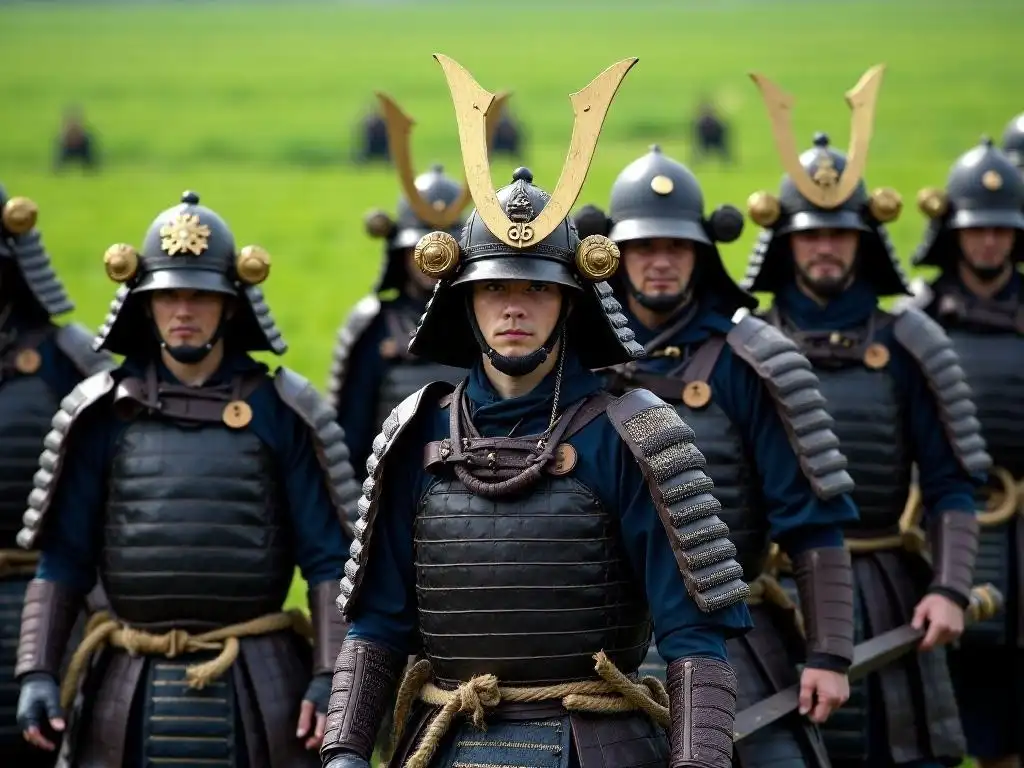
The Rise of Ashigaru in warfare can be traced back to the tumultuous social and political landscape of feudal Japan. The term Ashigaru originally referred to foot soldiers who were not part of the samurai class, but over time they evolved into a critical component of military forces during Japan's Warring States period (1467-1603). This section delves into the historical context that facilitated the emergence of the Ashigaru, focusing on the social and economic conditions of the time as well as the role of peasants in this transformation.
Feudal Japan was characterized by a rigid social hierarchy that divided society into classes. At the top were the samurai, followed by the peasants, artisans, and merchants. The economic structure of this period was primarily agrarian, with land ownership and agricultural production being central to wealth and power.
- Land Ownership: The majority of land was controlled by feudal lords (daimyō), who relied on peasants for agricultural labor. This system created a dependency on the rural populace, which became pivotal during times of warfare.
- Taxation and Labor: Peasants were burdened with heavy taxes and labor obligations, which often left them impoverished and discontent. This dissatisfaction laid the groundwork for their eventual militarization as Ashigaru.
- Warfare Demand: The constant warfare among daimyōs created a high demand for soldiers. The traditional samurai class was often insufficient to meet this need, prompting the recruitment of peasants.
The socio-economic pressures of the time led to the disruption of traditional roles and the emergence of a new military class, the Ashigaru, who were often equipped with basic weapons and armor.
The Role of Peasants Before Becoming Ashigaru
Before the rise of the Ashigaru, peasants primarily functioned as agricultural laborers, providing food and resources to sustain the samurai class and their retainers. While they were often seen as the lowest rung in the social hierarchy, their role was crucial in maintaining the feudal economy.
- Military Obligation: In times of crisis, peasants were expected to defend their villages and assist their lords. This obligation laid the foundation for their transformation into Ashigaru. The dōmei (military alliances) between lords and their peasants evolved as these farmers began receiving training and weapons to fight alongside samurai.
- Equipment and Training: Although initially lacking formal training and equipment, many peasants adapted quickly to warfare. They often brought tools from their farms—such as spears and farming implements—which were repurposed for combat. This adaptability proved advantageous in battle, allowing them to serve effectively as foot soldiers.
- Social Mobility: The rise of the Ashigaru also introduced a form of social mobility, albeit limited. Successful Ashigaru could gain land and prestige, shifting the perception of peasants from mere laborers to valued military assets.
The transformation of peasants into Ashigaru during the feudal era was a response to the socio-economic and military demands of the time. This evolution not only reshaped the battlefield dynamics of Japan but also altered the social structure, allowing for a new class of warriors to emerge from the rural populace.
Evolution of the Ashigaru
The Ashigaru emerged as a significant force in Japanese warfare during the feudal era, evolving from their origins as common peasants to a formidable class of foot soldiers. This transition marked a pivotal change in military structure and strategy, reflecting broader societal shifts within Japan. The evolution of the Ashigaru can be traced through various historical contexts that shaped their role on the battlefield and influenced the development of warfare in Japan.
Transition from Peasants to Soldiers
Initially, Ashigaru were primarily peasant laborers who were conscripted into military service during times of conflict. Their transformation into soldiers can be attributed to several key factors:
- Feudal Obligations: Under the feudal system, landowners (daimyo) required a reliable source of manpower for their armies. Peasants were often called upon to protect their lands, leading to the militarization of agricultural communities.
- Training and Armament: As warfare became more prevalent, the need for trained soldiers grew. The Ashigaru were provided with basic training and equipped with weapons, such as yari (spears) and naginata (polearms). This training allowed them to engage in battle more effectively, enhancing their military capabilities.
- Tactical Evolution: The Ashigaru played a crucial role in the development of new military tactics. Their formation in large numbers allowed for more flexible battlefield strategies, including the use of massed spear formations and coordinated attacks, which were essential in the chaotic environment of feudal warfare.
- Social Mobility: The rise of the Ashigaru also coincided with changing social dynamics. Successful Ashigaru could gain status and land, leading to a new social class that blurred the lines between the traditional samurai elite and commoners. This shift contributed to the overall evolution of Japanese society during the feudal period.
Key Events Leading to the Rise of Ashigaru in Warfare
Several significant events catalyzed the rise of the Ashigaru in warfare:
- The Onin War (1467-1477): This conflict marked a turning point, as it highlighted the need for more foot soldiers. The prolonged fighting led to a greater reliance on Ashigaru, who became integral to the armies of the warring factions.
- The Sengoku Period (1467-1603): Known as the "Warring States" period, this era saw unprecedented military conflict among regional lords. The Ashigaru became essential in large battles, serving as shock troops and providing the numerical advantage needed for victory.
- The Battle of Nagashino (1575): This battle is often cited as a defining moment in Ashigaru history. The Tokugawa forces employed a revolutionary tactic using firearms, which Ashigaru wielded effectively. Their role in this battle showcased their evolution from mere foot soldiers to pivotal actors in Japan’s military strategies.
- The Unification of Japan: The efforts of leaders like Oda Nobunaga and Toyotomi Hideyoshi further solidified the Ashigaru's role in warfare. These leaders recognized the importance of a well-structured infantry and invested in training and equipping Ashigaru, enabling them to play a central role in military campaigns.
The Rise of Ashigaru in warfare not only transformed military practices but also reflected the shifting socio-political landscape of feudal Japan. Their evolution from peasants to soldiers illustrates the complexities of Japanese society and the adaptive nature of its military strategies during times of conflict.
The Role of Ashigaru in Japanese Warfare
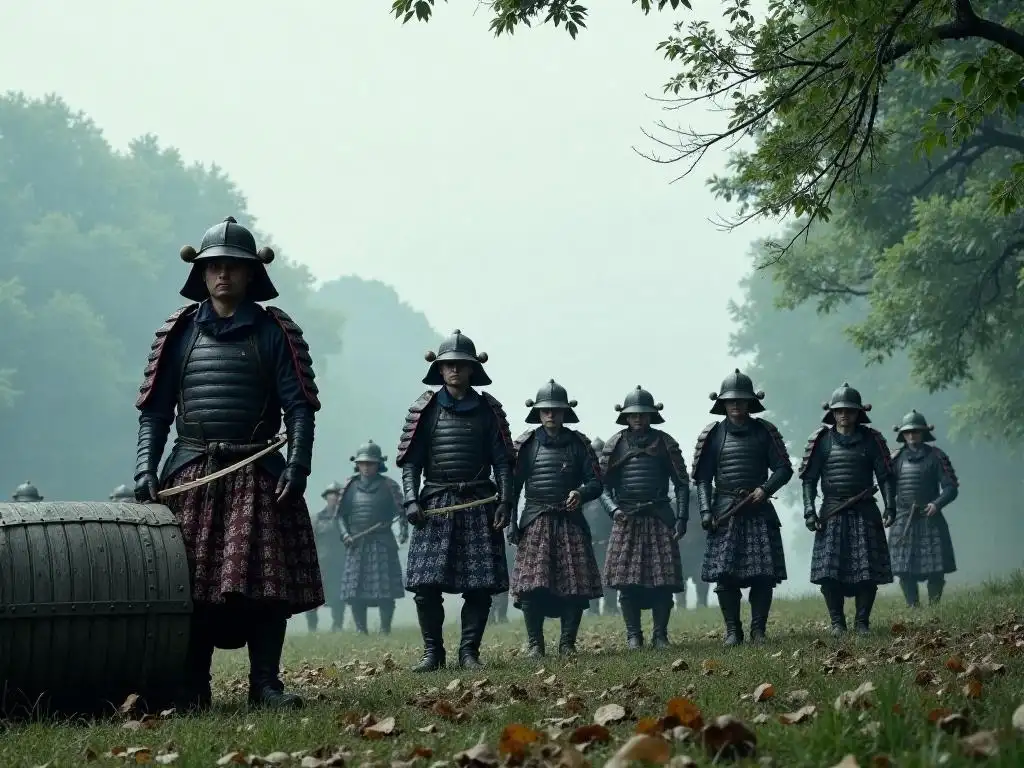
The Ashigaru emerged as a significant force in Japanese warfare during the late feudal period, particularly from the 15th century onwards. Originally, these foot soldiers were primarily composed of commoners, including peasants and laborers, who were recruited by samurai lords to form a more versatile and numerous fighting force. The rise of Ashigaru in warfare can be attributed to several factors, including the need for greater manpower, the evolution of military tactics, and the accessibility of firearms.
Tactical Importance of Ashigaru Troops
The tactical deployment of Ashigaru troops transformed the landscape of Japanese battlefields. Unlike the traditional samurai, who were heavily armored and trained for individual combat, Ashigaru were more flexible and could adapt to various combat scenarios. Here are some key aspects of their tactical importance:
- Massed Infantry Tactics: Ashigaru units often fought in large formations, allowing them to engage the enemy with overwhelming numbers. This approach proved effective against heavily armored samurai, as sheer numbers could disrupt traditional battle lines.
- Use of Firearms: With the introduction of firearms in Japan, particularly the matchlock gun (tanegashima), Ashigaru troops became essential for supporting infantry tactics. They were trained to utilize these weapons effectively, providing ranged support that changed the dynamics of engagements.
- Mobility and Versatility: The lighter armor and lesser training of Ashigaru compared to samurai allowed for greater mobility. They could be deployed for flanking maneuvers, skirmishing, or garrison duties, adapting to the needs of their lords in various campaigns.
- Support Roles: Beyond frontline combat, Ashigaru were often employed in logistical support roles, such as carrying supplies, maintaining equipment, and even constructing fortifications. Their ability to fulfill multiple roles made them invaluable to the samurai class.
Comparison of Ashigaru and Samurai in Battle
The contrasting roles and capabilities of Ashigaru and samurai in battle highlight the evolution of military strategy during Japan’s feudal era. Here’s a detailed comparison:
| Feature | Ashigaru | Samurai |
|---|---|---|
| Training | Basic training in infantry tactics | Extensive training in swordsmanship and martial arts |
| Armament | Light armor, yari (spears), firearms | Heavy armor, katana, and various weapons |
| Role in Battle | Mass infantry, support, skirmishing | Elite frontline fighters, leaders of troops |
| Social Status | Commoners, often conscripted | Nobility, hereditary warriors |
| Tactics | Flanking, massed formations, use of firearms | Duel-focused, honor-driven engagements |
While samurai remained the elite warriors of feudal Japan, the rise of Ashigaru in warfare redefined the battlefield dynamics. They provided the necessary manpower and tactical flexibility that enabled samurai lords to expand their territories and influence. The integration of Ashigaru into military strategies marked a pivotal shift in how battles were fought during this tumultuous period in Japanese history.
Training and Equipment of Ashigaru
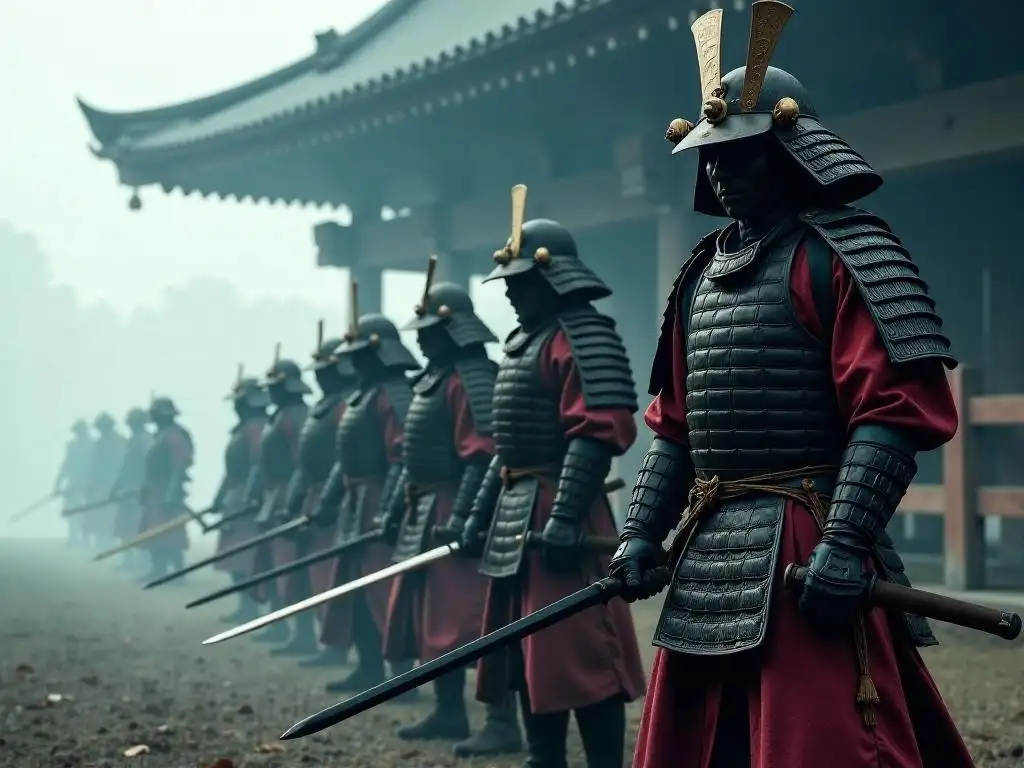
The Ashigaru played a crucial role in the military structure of feudal Japan, evolving from mere foot soldiers to essential components of the samurai army. Their training and equipment were pivotal in the rise of Ashigaru in warfare, enabling them to adapt to the changing demands of battle.
Standard Weapons Used by Ashigaru
The standard weapons employed by Ashigaru were varied and reflected their role as foot soldiers on the battlefield. Here’s a breakdown of their primary arms:
- Yari (Spear):
- The yari was the most common weapon among Ashigaru, typically ranging from 2 to 4 meters in length.
- It allowed them to engage in both melee and ranged combat, providing a significant advantage against cavalry and other infantry.
- Naginata (Polearm):
- The naginata, a long-bladed weapon mounted on a wooden shaft, was favored for its versatility in close combat.
- Ashigaru trained to wield it effectively, benefiting from its reach and cutting power.
- Tanto (Dagger):
- While not a primary weapon, the tanto served as a backup for Ashigaru, allowing for close-quarters defense when larger weapons were impractical.
- Matchlock Guns (Tanegashima):
- Introduced in the 16th century, these firearms revolutionized Ashigaru warfare.
- Training in the use of matchlocks provided Ashigaru with a new tactical advantage, enabling them to engage enemies from a distance.
| Weapon Type | Description | Primary Use |
|---|---|---|
| Yari | Long spear, versatile for melee and ranged combat | Engaging cavalry, infantry combat |
| Naginata | Long polearm with a curved blade | Close combat, crowd control |
| Tanto | Short dagger, used as a backup | Close-quarters defense |
| Tanegashima | Matchlock firearm, introduced in the 16th century | Long-range engagement |
The evolution of weaponry allowed Ashigaru units to become more effective on the battlefield, adapting to the tactics employed by their samurai counterparts.
Changes in Training Practices Over Time
The training practices of Ashigaru underwent significant transformations throughout the feudal era, influenced by warfare's evolving nature and the increasing complexities of military strategy.
- Early Training:
- Initially, Ashigaru received minimal training, often learning basic combat skills from local samurai or through personal experience in battles.
- Focus was primarily on handling the yari and basic formations.
- Formalized Training Regimens:
- As warfare intensified, particularly during the Sengoku period (1467-1603), training became more structured.
- Samurai leaders began to establish formal training camps where Ashigaru could learn various combat techniques, including tactics for using matchlock guns and formations for combined arms warfare.
- Emphasis on Discipline and Teamwork:
- The rise of Ashigaru in warfare necessitated an emphasis on discipline and unit cohesion.
- Training sessions began to include drills that focused on synchronized movements and the coordination of various troop types, including samurai and Ashigaru.
- Integration of Tactical Innovations:
- With the introduction of new weapons and strategies, Ashigaru training expanded to include the use of firearms and coordinated maneuvers.
- This adaptation was crucial for their effectiveness in larger battles, allowing Ashigaru to serve both as front-line infantry and as support units for ranged attacks.
The transformation in the training practices of Ashigaru exemplifies their critical role in the rise of Ashigaru in warfare, showcasing how they evolved from untrained peasants to disciplined soldiers capable of executing complex military strategies. The integration of diverse weaponry and combat techniques played a pivotal role in their success on the battlefield, reflecting the adaptive nature of Japanese warfare during the feudal era.
The Impact of Ashigaru on Military Strategies
The emergence of the Ashigaru during Japan's feudal era marked a pivotal shift in military strategies and tactics, reshaping the dynamics of warfare. As foot soldiers, the Ashigaru were integral to the expansion and evolution of samurai-led armies, bringing with them a new approach to combat that emphasized mass mobilization and combined arms tactics.
Influence on Warfare Tactics in Feudal Japan
The Rise of Ashigaru in warfare introduced several innovative tactics that were crucial for the success of various clans during the Sengoku period (1467-1603). Unlike the traditional samurai, who often fought as elite cavalry, the Ashigaru were trained infantrymen who utilized a range of weapons, including spears (yari), swords (katana), and later, firearms (tanegashima). This diversification of arms allowed for more flexible and adaptive military formations.
-
Mass Infantry Formation:
The Ashigaru were often deployed in large numbers, taking advantage of their lower cost and ease of recruitment compared to samurai. This enabled clans to field armies that utilized dense formations, overwhelming opponents through sheer numerical strength. The "Yari-sashi" (spear thrust) tactic became prevalent, allowing Ashigaru to engage effectively against cavalry.
-
Integration of Firearms:
The introduction of firearms in the 16th century transformed Ashigaru tactics further. The Ashigaru with firearms could deliver devastating volleys of gunfire, disrupting enemy formations and providing cover for advancing troops. This shift emphasized the importance of firepower in battlefield strategies, leading to the development of "kikkō" formations, where Ashigaru would create overlapping fields of fire.
-
Flexible Deployment:
Ashigaru units were often employed in a variety of roles, from skirmishing to defending strategic positions. Their ability to adapt to different combat scenarios allowed commanders to employ them in innovative ways, such as flanking maneuvers or as shock troops in the initial phases of an engagement.
-
Logistical Support:
The Ashigaru also contributed to logistical strategies, as their lower status meant they were less costly to maintain. This allowed warlords to focus resources on equipping and training larger numbers of Ashigaru, rather than relying solely on the more expensive samurai class. As a result, many armies could sustain prolonged campaigns, a necessity in the fragmented political landscape of feudal Japan.
Case Studies of Significant Battles Featuring Ashigaru
Several critical battles during the Sengoku period highlight the role of Ashigaru in shaping military outcomes. Each case illustrates different aspects of their integration into warfare.
| Battle | Date | Key Tactics Used | Outcome |
|---|---|---|---|
| Battle of Nagashino | 1575 | Use of firearms by Ashigaru, defensive positioning | Victory for Tokugawa Ieyasu |
| Battle of Kawanakajima | 1561 | Combined arms tactics, flanking maneuvers | Stalemate, significant learning |
| Battle of Okehazama | 1560 | Surprise attack using Ashigaru as shock troops | Victory for Oda Nobunaga |
| Battle of Sekigahara | 1600 | Mass infantry deployment, effective use of cavalry support | Decisive victory for Tokugawa Ieyasu |
Battle of Nagashino
At the Battle of Nagashino, Tokugawa Ieyasu utilized Ashigaru armed with firearms to great effect. The battle was characterized by a strategic defensive position that leveraged the terrain, allowing the Ashigaru to unleash devastating volleys against the advancing cavalry of the Takeda clan. This engagement not only showcased the firepower of Ashigaru but marked a significant turning point in the use of firearms in feudal Japan.
Battle of Okehazama
In the Battle of Okehazama, Oda Nobunaga’s surprise attack against a numerically superior force featured Ashigaru as vital components of his strategy. By deploying them as shock troops, Nobunaga was able to capitalize on the element of surprise, ultimately leading to a decisive victory. This battle exemplified the versatility of Ashigaru and their impact on battlefield dynamics.
The Rise of Ashigaru in warfare fundamentally changed how battles were fought in feudal Japan, demonstrating that effective military strategies could be built around well-coordinated infantry forces. Their contributions laid the groundwork for the modernization of Japanese military tactics in the centuries to follow.
Cultural Significance of Ashigaru in Society
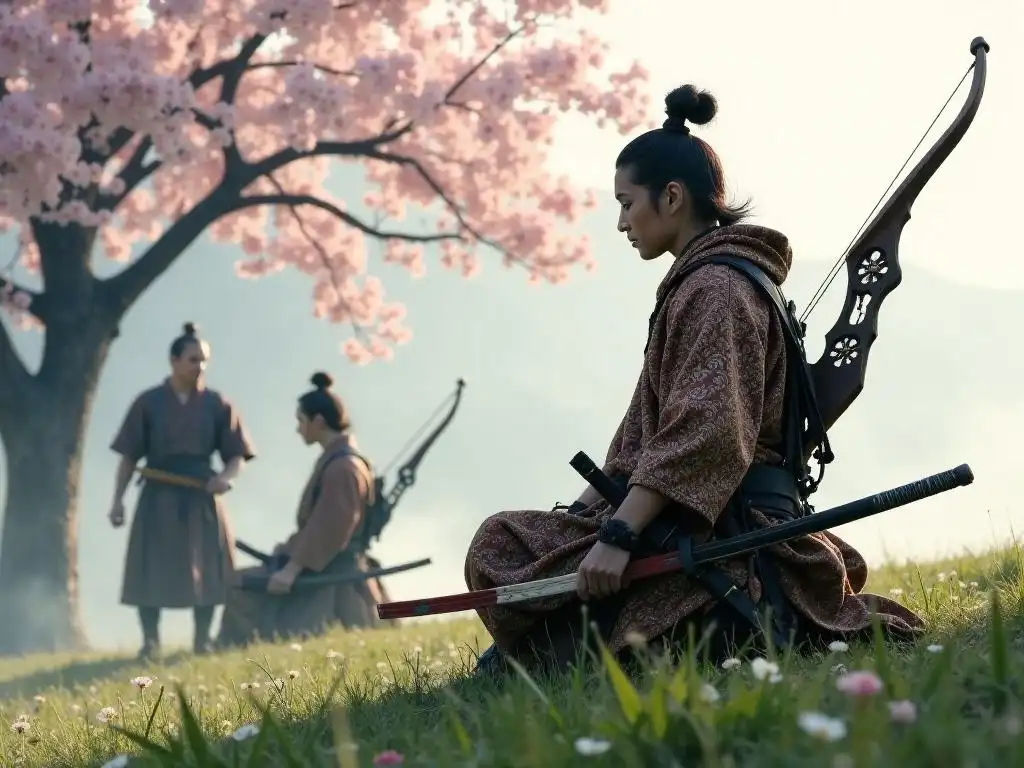
The Ashigaru, originally foot soldiers of lower status, played a pivotal role in shaping the social fabric and military landscape of feudal Japan. Their evolution from mere peasants to vital components of the samurai army illustrates not only their military importance but also their cultural significance within society.
Perception of Ashigaru in Feudal Japanese Culture
The perception of Ashigaru within feudal Japanese culture was complex and varied over time. Initially viewed as lowly soldiers, often recruited from the peasant class, they were seen as expendable and of lesser importance compared to the esteemed samurai. The term "Ashigaru" itself, derived from the words for "foot" (足) and "light" (軽), emphasized their role as light infantry and their lower social standing.
However, as warfare evolved, so did the perception of the Ashigaru. They began to be recognized for their essential contributions on the battlefield. By the late 15th century, the Ashigaru were increasingly valued for their skills and loyalty. Their ability to adapt to changing military tactics, such as the incorporation of firearms, further enhanced their reputation.
- Cultural Shifts: The rise of the Ashigaru coincided with significant cultural shifts in Japan. The chaos of the Sengoku period, marked by constant warfare among feudal lords, necessitated a more flexible and diverse military force.
- Social Mobility: Successful Ashigaru could gain prestige and wealth, challenging the rigid class system. This potential for social mobility changed how they were viewed by both samurai and peasant communities.
Despite their contributions, the Ashigaru still faced a societal stigma. They were often depicted in art and literature as brutish or simple, reflecting the lingering biases against common soldiers. However, the growing recognition of their importance in warfare began to shift these perceptions, leading to a more nuanced view of their role in society.
Ashigaru in Literature and Folklore
The Ashigaru have also found their place in the rich tapestry of Japanese literature and folklore, which reflect both their valor and the societal attitudes towards them. Historical tales, dramas, and oral traditions often portray Ashigaru in various lights, from heroic figures to tragic warriors.
- War Tales (Heike Monogatari): In epic narratives like the Heike Monogatari, Ashigaru appear alongside samurai, emphasizing their contributions during pivotal battles. These texts illustrate their bravery and the sacrifices they made, helping to elevate their status in the collective memory of Japan's military history.
- Kabuki and Noh Theater: The portrayal of Ashigaru in kabuki and noh theater often highlights their loyalty and valor, showcasing their struggles in a society that predominantly favored samurai. In many performances, Ashigaru characters are depicted as noble despite their lower social status, resonating with audiences by portraying their humanity and aspirations.
- Folklore and Mythology: Folktales sometimes present Ashigaru as clever and resourceful, emphasizing their ability to outsmart enemies and navigate the complexities of warfare. These stories not only entertain but also serve to inspire respect for their cunning and resilience.
The cultural significance of Ashigaru in feudal Japanese society is marked by a transformation from a lowly perception to one of respect and recognition. Through literature and folklore, their stories have been immortalized, reflecting both the struggles of the common soldier and the societal dynamics of feudal Japan. As the Rise of Ashigaru in warfare continues to be studied, it becomes clear that their impact extends beyond the battlefield into the very heart of Japan's cultural identity.
Decline of the Ashigaru in Warfare
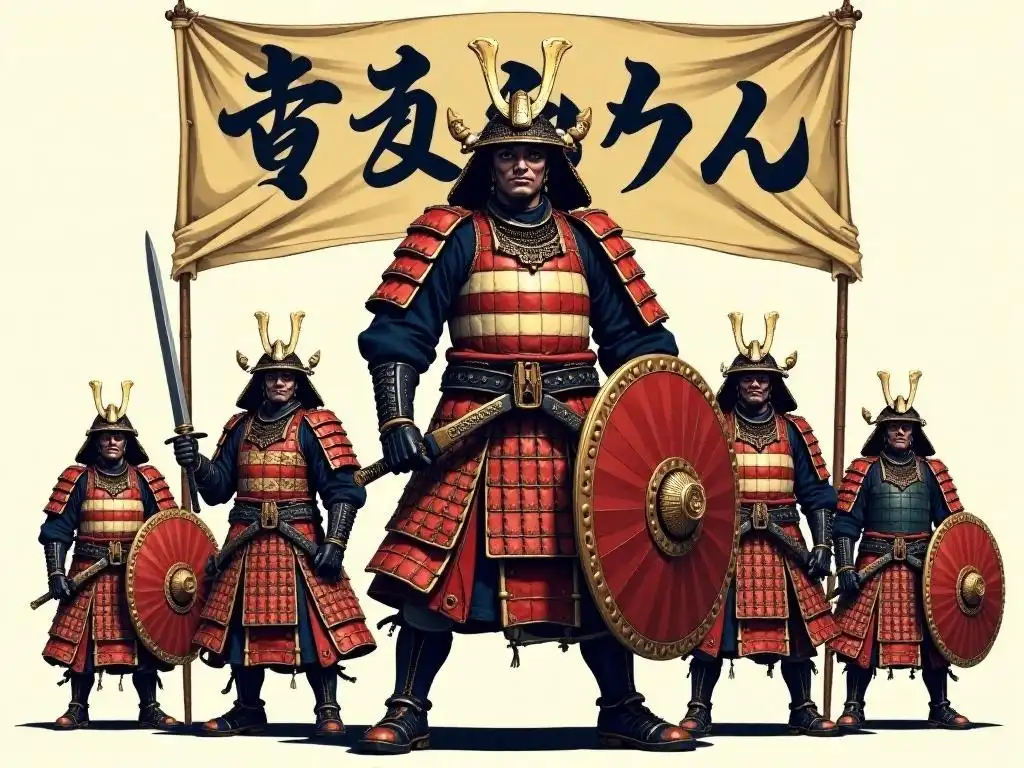
The decline of the Ashigaru in warfare during the late feudal period of Japan was a significant turning point in the military landscape, marking the transition from a largely conscripted peasant army to more professional and organized military forces. This shift had profound implications on the social and political structure of the time.
Factors Contributing to the Decrease of Ashigaru Usage
Several factors contributed to the decline of Ashigaru usage in warfare, affecting their role within the samurai-dominated military hierarchy.
- Rise of Centralized Power:
- The unification of Japan under leaders like Oda Nobunaga and Toyotomi Hideyoshi led to a more centralized military organization.
- With the establishment of a unified command structure, the need for a large, loosely organized peasant force diminished.
- Advancements in Military Technology:
- The introduction of firearms, particularly the matchlock gun (tanegashima), changed the dynamics of battlefield engagements.
- Professional soldiers trained in the use of firearms began to replace Ashigaru, who were often less skilled and equipped.
- Social Mobility and Land Ownership:
- As the Tokugawa shogunate established its rule, the social structure tightened, and the status of the samurai became more entrenched.
- Many Ashigaru transitioned into samurai status, either through land grants or by earning their place in the military hierarchy, reducing the number of available Ashigaru.
- Changes in Warfare Tactics:
- Warfare evolved from large-scale battles to more strategic engagements requiring disciplined formations and coordinated attacks.
- The Ashigaru, often viewed as irregular troops, struggled to adapt to this new style of warfare, which favored professional soldiers.
- Economic Factors:
- The economic burden of maintaining a large peasant army became increasingly untenable for warlords, leading to a preference for smaller, more reliable, and better-trained forces.
The Transition to Professional Armies
The transition from Ashigaru to professional armies was marked by several key developments that reshaped military practices in feudal Japan.
- Formation of Samurai Armies:
- The samurai class became more predominant in military operations, forming elite units that were better trained and equipped than their Ashigaru counterparts.
- These samurai armies operated under strict codes of conduct (bushido) and were often more reliable in battle.
- Professionalization of Military Roles:
- The emergence of specialized roles within the military, including artillery units and cavalry, required dedicated training and discipline.
- Professional soldiers began to dominate the battlefield, as they were capable of executing complex maneuvers and strategies.
- Military Reforms and Structure:
- Leaders like Tokugawa Ieyasu implemented reforms that professionalized the military, including the establishment of standing armies.
- This created a clear distinction between the roles of samurai and Ashigaru, leading to the latter's gradual obsolescence in large-scale conflicts.
- Legacy of the Ashigaru:
- Despite their decline, the Ashigaru left a lasting impact on Japanese military history. Their initial role in warfare paved the way for the professional military systems that followed.
- The tactics and strategies developed during the era of Ashigaru were foundational to the future of Japanese warfare, influencing both military and societal structures.
The decline of the Ashigaru in warfare was influenced by a combination of political, economic, and technological changes, leading to the rise of professional armies. This transition not only altered the nature of military engagements in Japan but also transformed the societal roles of warriors and peasants alike.
Conclusion: Legacy of the Ashigaru in Japanese Military History
The rise of the Ashigaru during Japan's feudal era marked a significant shift in military organization and societal structure. Emerging primarily in the 15th century, these foot soldiers transformed from mere peasants into a crucial component of samurai armies. Their evolution not only altered the dynamics of warfare in Japan but also influenced the broader social hierarchies of the time.
Reflection on the Rise of Ashigaru and Their Lasting Impact
The Rise of Ashigaru in warfare fundamentally changed how battles were fought in feudal Japan. Initially, Ashigaru consisted of lower-class farmers who could be mobilized quickly during conflicts. As the demand for troops increased, these soldiers began to receive better training and equipment, notably using matchlock guns and forming disciplined units. This transformation allowed them to play a critical role in significant battles, such as the Battle of Nagashino in 1575, where their use of firearms proved decisive against enemy cavalry.
The impact of the Ashigaru extended beyond the battlefield. Their rise contributed to the democratization of military service, as it diminished the exclusive reliance on the noble samurai class. This shift not only allowed for a more versatile military force but also altered the social fabric of Japan. The Ashigaru's emergence highlighted the potential for social mobility, as some were able to ascend to higher ranks or gain land through their military service. This reconfiguration of social dynamics had lasting repercussions, paving the way for future generations and influencing the structure of Japanese society.
Future of Ashigaru Studies in Historical Research
As scholarly interest in the Rise of Ashigaru in warfare continues to grow, there are several avenues for future research that promise to deepen our understanding of this pivotal group in Japanese military history.
- Comparative Studies: Future research could benefit from comparing the Ashigaru to similar military classes in other cultures. For instance, examining how foot soldiers in European armies transitioned over time could yield insights into common patterns of military evolution.
- Cultural Contributions: Investigating the cultural contributions of the Ashigaru, including their roles in local folklore, art, and literature, can provide a more holistic view of their significance during the feudal era.
- Archaeological Evidence: The use of archaeology to uncover artifacts related to the Ashigaru, such as weaponry and armor, will enhance our understanding of their equipment and combat strategies.
- Gender Studies: An exploration of the roles women may have played in supporting the Ashigaru, either in logistics or as unofficial combatants, could shed light on gender dynamics within the feudal military structure.
By pursuing these research paths, historians can uncover new dimensions of the Ashigaru's legacy, ensuring that their contributions to Japanese military history are fully recognized and appreciated. The ongoing study of this fascinating subject will not only enrich our comprehension of Japan's feudal past but also reveal the complexities of social and military evolution in a changing world.
Frequently Asked Questions
What were the Ashigaru in feudal Japan?
The Ashigaru were foot soldiers who played a crucial role in Japanese warfare during the feudal era, transitioning from peasants to warriors.
How did the Ashigaru impact Japanese warfare?
The rise of Ashigaru significantly changed the dynamics of battle, allowing for larger armies and introducing new tactics that emphasized mobility and flexibility.
What led to the formation of the Ashigaru?
The emergence of the Ashigaru was driven by the need for more soldiers during the constant warfare of the feudal period, as daimyos sought to expand their power.
What weapons did the Ashigaru use?
Ashigaru typically wielded spears, bows, and later, firearms, adapting their weaponry to meet the demands of evolving battle strategies.
How did societal views of the Ashigaru change over time?
Initially seen as low-status soldiers, the Ashigaru gained respect and recognition as they proved their valor and effectiveness on the battlefield, transforming their social standing in feudal Japan.
Final Reflection: The Enduring Legacy of the Ashigaru in Warfare
The rise of the Ashigaru in warfare is not just a historical phenomenon; it is a testament to the power of transformation and adaptability in the face of adversity. As we navigate a world that constantly evolves, the story of these once humble peasants turned warriors resonates deeply with contemporary society. Their journey from the fields to the battlefield exemplifies how individuals can rise above their circumstances and redefine their roles, making it a powerful narrative that continues to inspire us today.
Cultural and social landscapes are shaped by stories like that of the Ashigaru, illustrating the potential for change and the breaking of traditional barriers. The Ashigaru's ascent reflects a broader theme of empowerment and resilience, reminding us that greatness can emerge from the most unexpected places. As the historian John W. Hall once noted, The rise of the Ashigaru was not merely a military evolution; it was a social revolution that altered the fabric of Japanese society.
This observation underscores the significance of their role in warfare and highlights how their legacy continues to influence our understanding of social mobility and collective strength.
As we reflect on the lessons from the rise of the Ashigaru, let us challenge ourselves to embrace change and seek opportunities for growth in our own lives. Consider how you can transform your challenges into stepping stones for success, just as the Ashigaru did. In a world that often feels divided and stagnant, remember that every individual has the potential to become a warrior in their own right, fighting for their beliefs and aspirations. Embrace your journey, learn from the past, and forge a path that inspires others to rise alongside you.
Unleash Your Inner Warrior: Take Action Today!
Thank you for joining us on this fascinating journey through the transformation of the Ashigaru in Japanese warfare! We hope you found inspiration in their resilience and adaptability. Now, it’s time to put that inspiration into action and explore further.
Here’s how you can connect deeper with this rich history:
- Dive into the past: Explore the tactics and strategies employed by Ashigaru warriors—broaden your understanding and appreciation for their pivotal role in shaping Japan's feudal era.
- Engage with your community: Participate in local history groups or online discussions to exchange insights and share your thoughts on the legacy of the Ashigaru.
- Experience history firsthand: Visit a museum or exhibit dedicated to feudal Japan—immerse yourself in the culture that gave rise to these remarkable warriors!
What aspect of the Ashigaru’s rise captivates you the most, and how might it inspire your own journey through challenges?