
Clothing Rituals: The Significance of Dress in Feudal Ceremonies

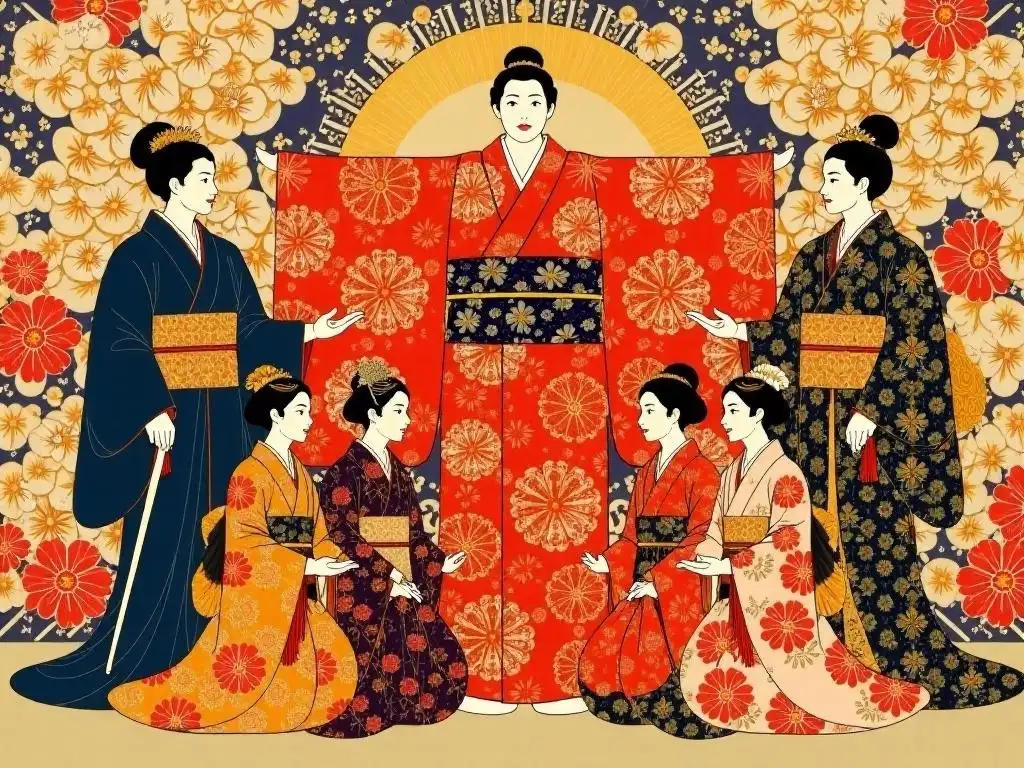
Welcome to Feudal Japan History, where we invite you to journey through the intricate tapestry of Japan’s feudal era. In our featured article, “Clothing Rituals: The Significance of Dress in Feudal Ceremonies,” you’ll uncover the fascinating world of feudal Japan clothing rituals—a realm where fabric and formality intertwine to express status, tradition, and identity.
Prepare to delve into the rich cultural significance of attire during this pivotal period, revealing how clothing was not just a necessity but a profound statement of societal values. Join us as we unravel the layers of history, and ignite your curiosity for the compelling narratives that shaped daily life and society in feudal Japan.
- Introduction to Feudal Japan Clothing Rituals
- Historical Context of Clothing Rituals in Feudal Japan
- Types of Clothing Worn During Feudal Ceremonies
- The Importance of Clothing in Feudal Ceremonies
- Specific Feudal Ceremonies and Their Associated Clothing Rituals
- The Influence of Clothing Rituals on Japanese Culture Today
- Conclusion: The Lasting Legacy of Clothing Rituals in Feudal Japan
-
Frequently Asked Questions
- What were the primary clothing rituals in feudal Japan?
- How did clothing reflect social hierarchy in feudal Japan?
- What role did color play in clothing rituals?
- How did ceremonial attire differ across various Japanese regions?
- Why are clothing rituals important to understanding feudal Japan's culture?
- Final Reflection: The Enduring Legacy of Feudal Japan Clothing Rituals
- Embrace Your Cultural Heritage Through Dress!
Introduction to Feudal Japan Clothing Rituals
In feudal Japan, clothing was far more than mere fabric draped over the body; it was a profound expression of identity, status, and cultural significance. The intricate rituals surrounding dress during this era reflect the values and beliefs of Japanese society, offering a window into the complexities of social dynamics, aesthetics, and spirituality.
This article delves into feudal Japan clothing rituals, uncovering how garments were meticulously chosen and worn during ceremonies and daily life. From the vibrant hues of a samurai's armor to the delicate patterns of a noblewoman's kimono, each piece told a story steeped in tradition, hierarchy, and purpose.
Understanding the Role of Clothing in Feudal Society
In feudal Japan, clothing served as a critical marker of one’s position within the societal hierarchy. The significance of dress can be examined through various lenses, including:
- Social Status: Garments indicated rank and privilege. The color, fabric, and style of clothing revealed the wearer’s class, from the luxurious silks of the aristocracy to the more modest attire of the peasantry.
- Cultural Identity: Clothing reflected regional variations and cultural practices. For instance, the kawaii (cute) aesthetic that emerged in certain areas showcased local customs and artistic expressions.
- Religious Significance: Many garments were imbued with spiritual meaning. Certain colors and patterns were believed to ward off evil spirits or attract good fortune, integrating the spiritual and the material.
Through these aspects, the rituals surrounding clothing transformed into a language of their own, conveying messages of power, respect, and tradition.
Feudal Japan (approximately 1185 to 1868) was characterized by a rigid social structure, defined by a complex hierarchy that influenced every facet of life, including clothing. The main classes included:
- Samurai: The warrior class, known for their code of honor (Bushido), who wore distinctive armor and elaborate kimonos that signified their noble status.
- Farmers: Often seen as essential to society, farmers wore practical clothing suited for labor, but could also adorn themselves with symbols of their local culture during festivals.
- Artisans and Merchants: These groups were increasingly gaining status during the Edo period, and their clothing began to reflect their growing wealth and influence, often incorporating vibrant colors and patterns.
- Nobility: The upper echelons of society wore the most ornate and luxurious garments, often adorned with intricate embroidery and precious materials, reserved for ceremonial occasions.
Understanding this hierarchy is crucial for appreciating the depth of clothing rituals in feudal Japan. Each class had specific clothing codes and rituals, which not only reinforced social order but also served as a canvas for expressing individuality within the constraints of societal expectations.
Historical Context of Clothing Rituals in Feudal Japan
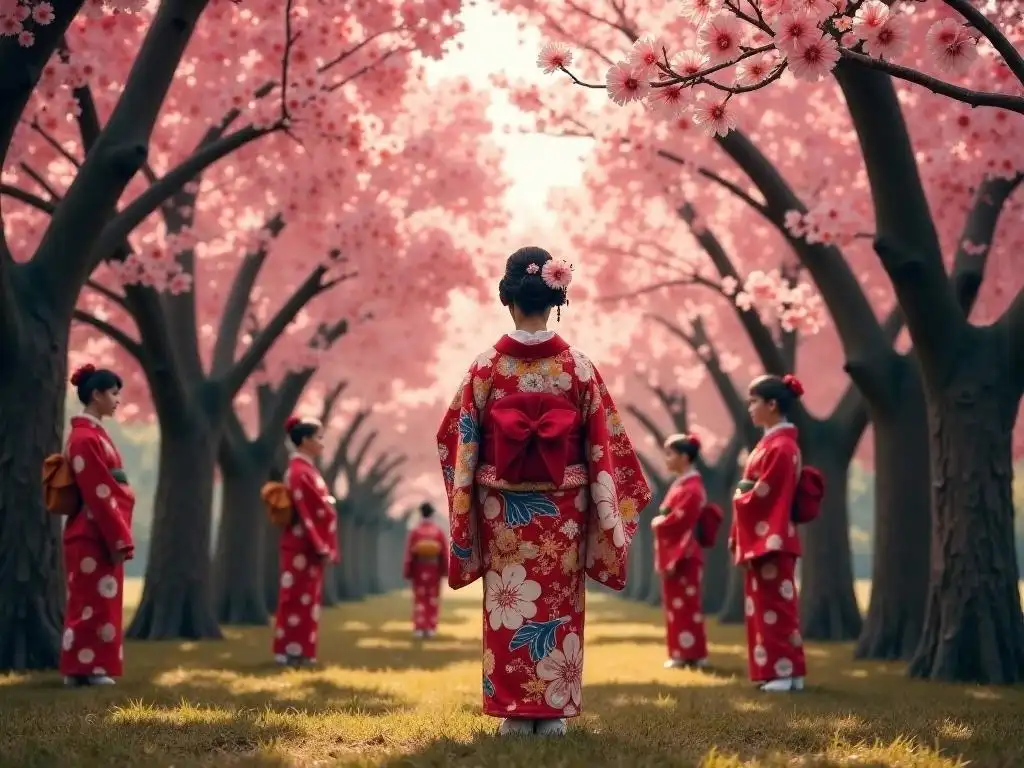
In feudal Japan, clothing rituals played a pivotal role in expressing social status, cultural identity, and religious beliefs. The era spanned several centuries, from the late 12th century until the 19th century, and during this time, clothing became a significant marker of one's position within the rigid class system. This system was structured around four primary classes: the samurai, farmers, artisans, and merchants, with the samurai holding the highest status.
Rituals involving clothing were not merely about aesthetics; they were deeply embedded in the customs and traditions of the time. Ceremonies surrounding important life events—such as weddings, funerals, and coming-of-age rites—often dictated specific dress codes that reflected the individual's social standing and adherence to cultural practices. The use of clothing in rituals also extended to religious ceremonies, where garments worn by priests and participants embodied spiritual meanings and connections to the divine.
The Evolution of Dress Throughout the Feudal Era
The evolution of clothing in feudal Japan can be traced through several significant periods, each characterized by distinct styles and materials. Initially, during the Kamakura period (1185-1333), clothing was largely influenced by the practical needs of the samurai class. The use of simple yet durable fabrics allowed for ease of movement in battle, leading to the adoption of the kimono as a staple garment.
As the Muromachi period (1336-1573) progressed, clothing became more elaborate. The introduction of silk as a favored fabric marked a shift toward more luxurious attire, with intricate patterns and designs becoming prevalent. The kataginu and hakama, traditional garments for the samurai, emerged during this time, symbolizing their elevated status and martial prowess.
In the Edo period (1603-1868), clothing rituals became more codified. The emergence of the noble class, including merchants gaining wealth, led to a diversification of styles. Various layers of clothing, such as the juban and kimono, were worn to signify both rank and occasion. This period also saw the rise of color symbolism, where specific colors and patterns were reserved for particular classes and occasions, further emphasizing the importance of clothing rituals in feudal society.
Key Influences on Clothing Styles in Feudal Japan
Several factors influenced clothing styles in feudal Japan, intertwining cultural, economic, and political threads. One of the main influences was Buddhism, which encouraged the use of specific garments during religious ceremonies. Monks often wore simple robes that reflected humility and detachment from materialism.
Additionally, the samurai code of conduct, known as bushido, significantly impacted clothing choices. Samurai attire was not only a reflection of individual status but also a means to convey honor and loyalty. The materials and craftsmanship of their garments were meticulously chosen to project strength and discipline.
Trade relations with China also played a crucial role in shaping clothing styles. As silk and other materials became more accessible, they influenced Japanese textiles and designs. This exchange led to the adoption of Chinese motifs and patterns, which blended with traditional Japanese aesthetics to create unique styles.
The Symbolism of Colors and Fabrics in Feudal Attire
In feudal Japan, colors and fabrics conveyed a wealth of information about the wearer’s social status, age, and role in society. Each color held specific meanings, often reflecting the season, occasion, or emotional state. For instance:
- Red: Symbolized protection and good fortune, often worn by brides and during celebrations.
- White: Associated with purity and mourning, commonly worn at funerals.
- Black: Represented formality and was often reserved for higher social classes.
Fabrics also carried significant symbolism. Silk, regarded as a luxurious material, was primarily reserved for the elite, while cotton and ramie were used by the lower classes. The texture and quality of fabric could denote wealth and craftsmanship, making clothing rituals an essential aspect of social recognition.
The intricate designs and patterns on garments often illustrated stories or depicted nature, reinforcing cultural beliefs and values. For example, garments adorned with cranes symbolized longevity and good fortune, while chrysanthemums represented nobility.
Clothing rituals in feudal Japan were not only practical but also deeply symbolic, reflecting the rich tapestry of society, culture, and tradition. Understanding these rituals provides a comprehensive insight into the complexities of daily life and social structure during this historic era.
Types of Clothing Worn During Feudal Ceremonies
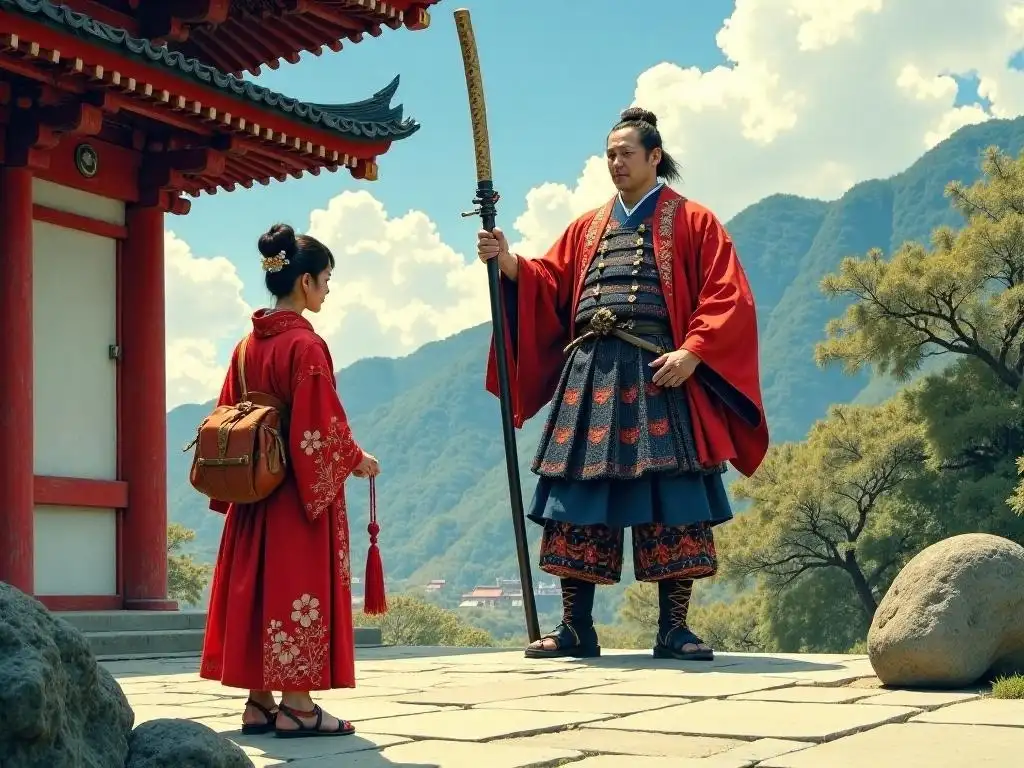
Traditional Garments: Kimono and Hakama
During the feudal era in Japan, clothing played a pivotal role in ceremonies, reflecting not only the social status of the wearer but also the cultural significance of the occasion. Two of the most prominent traditional garments were the kimono and hakama.
- Kimono: The kimono, a long, flowing robe, became the quintessential symbol of Japanese dress. It is characterized by its T-shaped silhouette, wide sleeves, and intricate patterns that often signify various seasons, events, or social standings. The fabric used could range from plain cotton for everyday wear to luxurious silk adorned with elaborate designs for formal ceremonies.
- Color Significance: Colors in kimonos often held special meanings. For instance:
- Red: Associated with happiness and good fortune.
- Black: Typically worn by mourners, signifying loss and respect.
- White: Used in weddings, symbolizing purity and new beginnings.
- Color Significance: Colors in kimonos often held special meanings. For instance:
- Hakama: Worn over the kimono, hakama are pleated trousers that denote a more formal attire, especially during ceremonies. The hakama's design varies, with styles such as:
- Umamuzume: Traditional hakama worn by women during Shinto rituals.
- Kaku-hakama: A more structured style often worn by samurai, featuring a distinctive shape that allows for ease of movement.
The combination of kimono and hakama was not only a fashion statement but also a representation of one's rank and role in society, particularly in ceremonial contexts.
Accessories and Their Significance in Rituals
Accessories in feudal Japan were essential in enhancing the overall attire and conveying deeper meanings during rituals. These items played a critical role in defining status, beauty, and adherence to tradition.
- Obi: The obi is a wide belt that secures the kimono, often elaborately designed. Different styles of obi (such as fukuro-obi for formal occasions) indicate the wearer's rank and occasion. The way the obi is tied can also reveal information about the wearer, as certain knots are reserved for specific ceremonies.
- Obijime and Obidome: These decorative cords and clasps are additional accessories that accentuate the obi. They are often crafted from silk and adorned with intricate patterns, adding layers of visual interest to the attire.
- Hana kanzashi: Hair ornaments, or hana kanzashi, were commonly used by women to enhance their hairstyles during rituals. These items could include flowers, combs, and decorative pins, representing beauty and grace. The choice of kanzashi could also signify the wearer's marital status or age.
- Footwear: Traditional footwear, such as geta (wooden sandals) and zori (flat sandals), were integral to completing the outfit. The style and material of the footwear could indicate the occasion's formality and the wearer's social status.
Regional Variations in Clothing Styles Across Japan
Japan's diverse geography and culture gave rise to regional variations in clothing styles during the feudal era. Each region developed unique characteristics in their garments based on local customs, climate, and available materials.
- Kanto Region: In the Kanto area, particularly in Edo (modern-day Tokyo), clothing styles became more urbanized. The use of bold colors and patterns was prevalent, reflecting the vibrant culture of the burgeoning city.
- Kansai Region: In contrast, the Kansai region, which includes Kyoto, maintained more traditional styles. Here, the kimono designs were often more subtle and elegant, focusing on natural motifs and pastel colors that echoed the beauty of the surrounding landscape.
- Northern Japan (Tōhoku): The colder climate of Tōhoku influenced the use of heavier fabrics and layered clothing. People in this region often wore thicker kimonos and hakama, utilizing materials like wool and cotton to keep warm during ceremonies.
- Southern Japan (Kyushu and Shikoku): In the warmer southern regions, lighter fabrics were favored, with garments featuring bright colors and floral patterns. The influence of trade with other cultures is also seen in the incorporation of different textiles and styles.
This rich tapestry of clothing variations not only highlights the adaptability of Japanese fashion but also attests to the cultural significance of dress in feudal ceremonies, where every detail was meticulously considered to convey tradition, respect, and identity.
The Importance of Clothing in Feudal Ceremonies
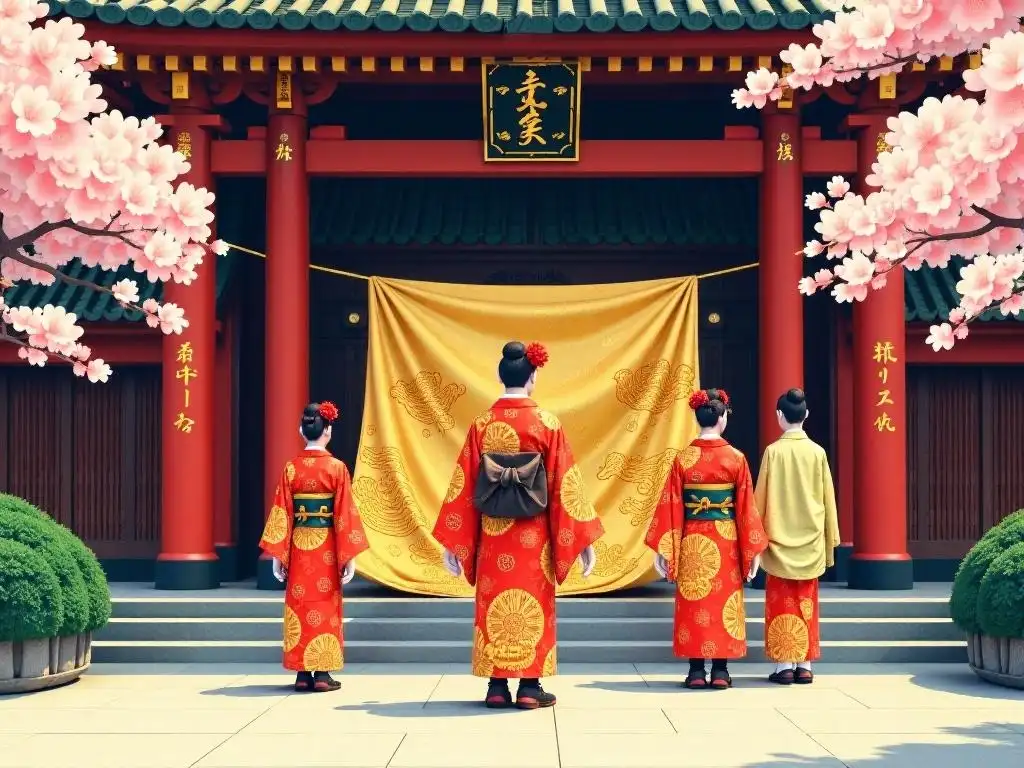
The role of clothing within the context of feudal Japan was not merely functional; it served as a vital component of cultural identity and societal structure. Clothing rituals during this era were deeply entrenched in tradition, reflecting the complex hierarchy and values of the time. From festivals to formal events, the attire worn by individuals communicated their status, profession, and even allegiance.
Understanding these clothing rituals provides insight into the broader societal norms and the importance of visual presentation in feudal Japan. The meticulous attention to detail in the choice of fabrics, colors, and styles highlighted the cultural significance of clothing as a medium through which individuals expressed identity and social standing.
In feudal Japan, clothing played a central role in various rituals and ceremonies, acting as a visual representation of one’s social status. The hierarchical structure of society was vividly illustrated through attire, with specific garments reserved for the nobility, samurai, and commoners.
- Hierarchy in Dress:
- Nobility: Members of the aristocracy wore elaborate garments made from luxurious materials such as silk, often adorned with intricate embroidery. These outfits were designed to signify wealth and power. For instance, the kimonos of the noble class would often feature vibrant colors and elaborate patterns, indicating their high rank.
- Samurai: Samurai warriors also had prescribed clothing that denoted their status. The kamishimo, a formal outfit consisting of a jacket and trousers, was typical for samurai during ceremonial occasions, further emphasizing their role as protectors and leaders.
- Commoners: In contrast, the attire of commoners was simpler and more practical, often made from cotton or hemp. While still reflecting regional styles, their clothing lacked the ornate features of the upper classes.
- Ceremonial Attire:
- Special ceremonies, such as weddings or seasonal festivals, required individuals to don specific garments that adhered to cultural expectations. For example, brides typically wore elaborate shiromuku (white kimono) during Shinto weddings, symbolizing purity and new beginnings.
Clothing in feudal Japan served as an undeniable symbol of power and authority. The styles, colors, and even the materials used were often governed by strict regulations, which reinforced the social order.
- Color Significance: Certain colors were associated with specific ranks. For example, the color purple was often linked to the imperial family and the highest echelons of nobility. The use of such colors was not merely a fashion choice but a clear indicator of one’s place within the societal hierarchy.
- Regulations on Attire: The Sumptuary Laws enforced by the Tokugawa shogunate exemplified the importance of clothing as a symbol of power. These laws dictated what individuals could wear based on their class, thereby maintaining the societal structure and reinforcing the authority of the ruling class. Those who violated these regulations risked severe penalties, highlighting the seriousness with which clothing rituals were regarded.
- Military Significance: For samurai, their clothing was not just a matter of aesthetics but also a reflection of their martial prowess. Distinctive armor, often elaborately decorated, conveyed both personal and clan identity during battles and ceremonies. Such attire was imbued with symbolism, representing loyalty and honor.
The Role of Dress in Religious and Spiritual Practices
Clothing rituals in feudal Japan were also deeply intertwined with religious and spiritual practices. The significance of dress extended into the realm of spirituality, where specific garments were worn to honor deities and perform rituals.
- Shinto Rituals: In Shinto ceremonies, priests wore specific garments called shiroshozoku, which included a white kimono symbolizing purity. These garments were essential for conducting rituals and offerings, as they represented the spiritual cleanliness required to connect with the divine.
- Buddhist Ceremonies: Buddhist monks and practitioners also wore distinctive robes, known as kesa, which were not only functional but also carried deep spiritual significance. The simplicity of the robes reflected the values of humility and detachment from material possessions, essential tenets of Buddhism.
- Seasonal Festivals: During seasonal festivals, participants often donned special attire that reflected the themes of the celebration. For instance, during the Hanami festival, people wore vibrant kimonos adorned with floral patterns to celebrate the beauty of cherry blossoms, intertwining fashion with cultural and spiritual expression.
Clothing rituals in feudal Japan were a multifaceted phenomenon, encompassing social status, power dynamics, and spiritual significance. By examining these rituals, one gains a deeper appreciation for how clothing served as a vital thread woven into the fabric of daily life and ceremonial practices in feudal society.
Specific Feudal Ceremonies and Their Associated Clothing Rituals
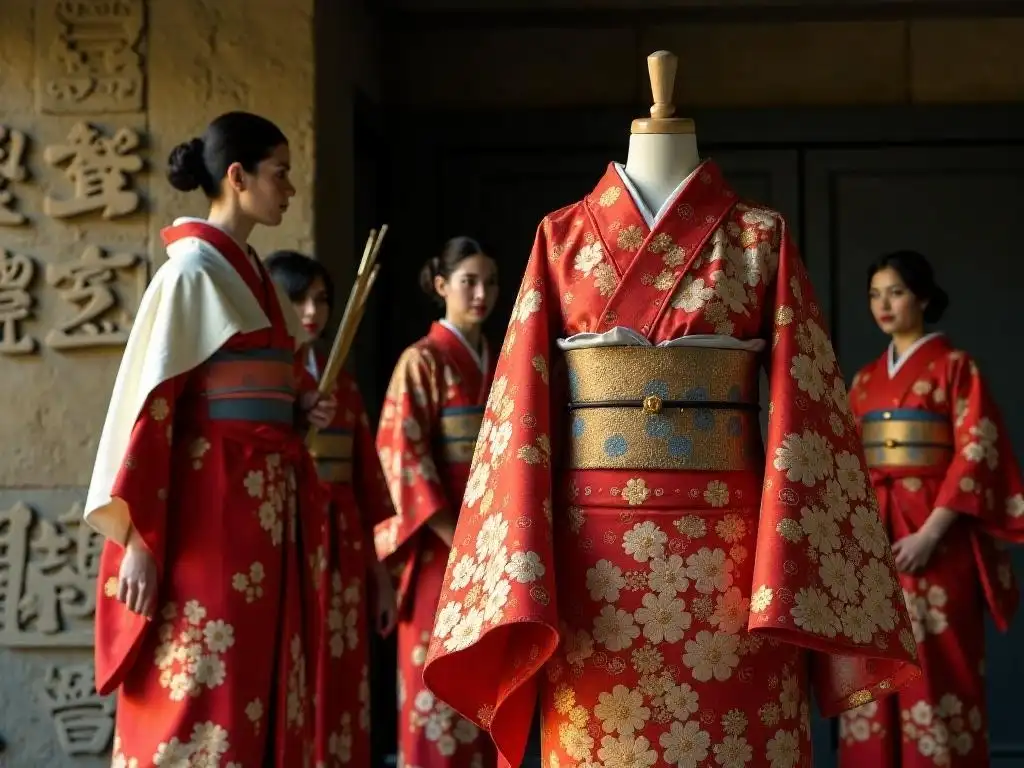
The Shinto Wedding Ceremony: Attire and Customs
In feudal Japan, the Shinto wedding ceremony was a sacred event steeped in tradition and significance. One of the most crucial aspects of this ceremony was the clothing worn by the bride and groom, which symbolized their commitment and the intertwining of their fates.
- Bride's Attire: The bride typically wore a shiromuku, a white kimono that represented purity and the beginning of a new life. This garment was often complemented with a tsunokakushi, a hood designed to cover the bride's hair, symbolizing her modesty and the desire to hide the horns of jealousy. The color white was not only emblematic of purity but also served as a blank canvas for the couple's future together.
- Groom's Attire: The groom usually donned a montsuki, a formal black kimono adorned with family crests. This garment was paired with hakama, pleated trousers that signified his status and role within the family. The colors and patterns of the garments often reflected the groom's family heritage.
The rituals accompanying the attire included the exchange of nuptial cups, known as san-san-kudo, where the couple sipped sake three times each from three different cups, symbolizing their unity and the joining of their families.
Samurai Ceremonies: Armor and Formal Wear
The samurai class held numerous ceremonies that emphasized the significance of clothing rituals, particularly in the context of their armor and formal wear. These garments were not only practical but also a representation of their identity and loyalty.
- Armor: The samurai armor, or yoroi, was intricately designed to be both functional and symbolic. Each piece of armor was crafted with care, often adorned with family crests and vibrant colors that represented the samurai's clan. During ceremonies such as genpuku (the coming-of-age ceremony), young samurai would don their armor for the first time, marking their transition into adulthood and their responsibilities as warriors.
- Formal Wear: In formal settings, samurai wore kamishimo, a two-piece outfit consisting of a hifu jacket and hakama. This attire was reserved for ceremonial occasions, including weddings and festivals, and symbolized their status and rank within society. The fabric and design of the kamishimo often reflected the samurai's standing, with more elaborate patterns and materials indicating higher status.
The rituals associated with samurai attire included various forms of bowing and the presentation of weapons, emphasizing their readiness to protect their honor and serve their lord.
Festivals and Celebrations: Clothing Rituals in Public Life
During festivals and public celebrations, clothing rituals played a pivotal role in expressing cultural identity and community spirit in feudal Japan. These events were marked by vibrant displays of traditional garments, each with its own significance.
- Seasonal Festivals: Events such as Hanami (cherry blossom viewing) and Obon (festival honoring deceased ancestors) featured attendees dressed in colorful yukata, a lightweight cotton kimono. These garments allowed participants to enjoy the festivities while showcasing their appreciation for nature and the changing seasons. The choice of colors and patterns often reflected local customs and personal preferences.
- Ceremonial Parades: In larger celebrations, such as the Gion Matsuri in Kyoto, elaborate floats and processions required participants to wear traditional attire that represented their respective neighborhoods. Men typically wore hakama and hifu, while women donned intricately designed kimonos. The rituals involved in these parades often included dance performances and music, enhancing the communal experience.
The integration of clothing rituals in public life was not merely a matter of tradition; it fostered a sense of belonging and identity among the participants, reinforcing the social fabric of feudal Japan.
The clothing rituals associated with specific feudal ceremonies in Japan were deeply intertwined with the cultural values and societal norms of the time. Through attire, individuals expressed their identities, commitments, and connections to their communities, leaving a lasting legacy that continues to influence Japanese culture today.
The Influence of Clothing Rituals on Japanese Culture Today
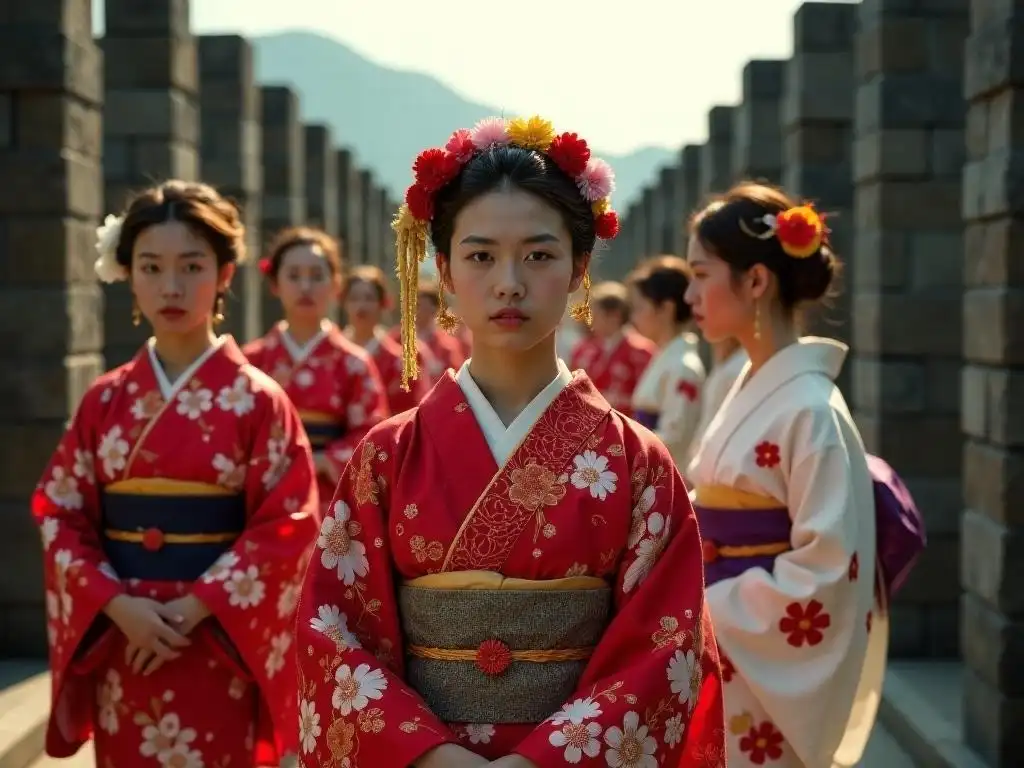
Modern Interpretations of Feudal Clothing Rituals
In contemporary Japan, the influence of feudal Japan clothing rituals is evident in various aspects of society, particularly during cultural festivals and traditional ceremonies. Modern interpretations often involve a blend of historical accuracy and personal expression. For example, many people participate in events such as Hanami (flower viewing) and Matsuri (festivals) wearing garments inspired by the kimono styles of the feudal era.
- Cultural Festivals: Events like the Gion Matsuri in Kyoto see participants donning elaborate costumes that recall the Edo period, showcasing the artistry and craftsmanship of traditional clothing.
- Theatrical Performances: In Kabuki and Noh theatre, the costumes reflect feudal clothing designs, emphasizing the importance of attire in storytelling and character representation.
- Fashion Shows: Designers frequently draw inspiration from historical attire, creating modern garments that incorporate feudal motifs while maintaining contemporary aesthetics.
Through these modern interpretations, the cultural significance of clothing rituals from feudal Japan remains alive, serving as a bridge between the past and present.
Preservation of Traditional Dress in Contemporary Japan
The preservation of traditional dress in contemporary Japan is a testament to the enduring legacy of feudal clothing rituals. Various organizations and communities are dedicated to maintaining these cultural practices, ensuring that the artistry and symbolism of historical garments are not lost.
- Kimono Preservation Societies: Numerous groups focus on teaching the art of kimono wearing and maintenance, ensuring that younger generations appreciate the significance of these garments.
- Cultural Workshops: Institutions often hold workshops that provide hands-on experiences in wearing and styling traditional attire, helping participants to understand the rituals associated with dressing.
- Festivals and Ceremonies: Many local festivals encourage attendees to wear kimonos and other traditional dress, reinforcing a sense of community and shared heritage.
These efforts contribute to a broader cultural appreciation, allowing the clothing rituals of feudal Japan to thrive in a modern context.
The Impact of Feudal Clothing on Japanese Fashion Trends
Feudal Japan clothing rituals have had a lasting impact on modern Japanese fashion trends, shaping styles that resonate both domestically and internationally. This influence can be seen in various ways:
- Design Elements: Contemporary designers often incorporate elements such as asymmetrical cuts, layered garments, and intricate patterns inspired by traditional clothing. These features can be observed in both high fashion and streetwear.
- Color Symbolism: The significance of color in feudal clothing, where specific hues were reserved for certain ranks, has influenced modern fashion choices, with designers utilizing color to convey messages or evoke emotions.
- Crossover Styles: The blending of traditional elements with modern aesthetics has led to the emergence of unique fashion statements, such as yukata (summer kimono) being styled for casual outings and events.
The dynamic interplay between feudal clothing rituals and modern fashion demonstrates how historical practices continue to shape the identity and expression of contemporary Japanese culture. The prominence of these influences reflects a deep respect for tradition while embracing innovation and individualism in fashion.
Conclusion: The Lasting Legacy of Clothing Rituals in Feudal Japan
The clothing rituals of feudal Japan are not merely historical artifacts; they represent a profound cultural legacy that continues to influence modern Japanese society. These rituals, steeped in tradition and symbolism, were an integral part of various ceremonies, from weddings to religious observances, and they reflected the societal values and hierarchies of the era. The intricate designs, colors, and materials used in garments were not just for aesthetic appeal; they conveyed messages about status, identity, and cultural affiliation.
Reflections on the Cultural Significance of Dress
The clothing rituals in feudal Japan were rich in meaning, serving as a profound reflection of the period's social structures and cultural beliefs. Each garment worn during these rituals was laden with symbolism. For example, the kimono, with its elaborate patterns and vibrant colors, often indicated the wearer’s social status and family heritage. The use of specific colors also carried significance; for instance, red was associated with protection and good fortune, while white symbolized purity and was commonly used in religious ceremonies.
Moreover, the act of dressing itself was often ritualized. Certain ceremonies involved the participation of multiple individuals, where the act of dressing was performed collectively, highlighting the importance of community and family ties. Such practices fostered a sense of belonging and continuity, linking generations through shared traditions. The meticulous attention to detail in the preparation for these rituals—where every fold and tie was significant—underscored the value placed on aesthetics and harmony in Japanese culture.
Future Research Directions in Feudal Japan Clothing Rituals
As scholars continue to explore the rich tapestry of feudal Japan clothing rituals, several avenues for future research present themselves.
- Comparative Studies: Examining the clothing rituals of feudal Japan in relation to those of other cultures during similar time periods can reveal insights into the universal themes of dress and identity.
- Material Culture: Investigating the materials used in garments—such as silk, cotton, and dyes—can provide a deeper understanding of trade, technology, and economic conditions in feudal Japan.
- Gender Studies: Analyzing the distinctions in clothing rituals between genders can illuminate the roles and expectations placed upon men and women in feudal society. This can pave the way for discussions on how these roles evolved over time.
- Contemporary Influences: Exploring how traditional clothing rituals influence modern fashion in Japan today can highlight the continuity of cultural practices and their adaptations in contemporary society.
By pursuing these research directions, scholars can enhance our understanding of feudal Japan clothing rituals, shedding light on their significance and the lasting impact they have on Japanese culture today. Through these explorations, the intricate relationship between dress, identity, and social structure in feudal Japan will continue to be revealed and appreciated.
Frequently Asked Questions
What were the primary clothing rituals in feudal Japan?
In feudal Japan, clothing rituals included specific garments worn during ceremonies, highlighting social status, occupation, and cultural identity. These rituals often involved intricate patterns and colors that held significant meaning.
The clothing worn in feudal Japan distinctly reflected social hierarchy; for instance, nobles wore luxurious fabrics like silk, while peasants typically wore simpler, more durable materials, indicating their place in society.
What role did color play in clothing rituals?
In clothing rituals, color was deeply symbolic. Certain colors were reserved for specific classes or occasions, such as red for celebrations and white for mourning, emphasizing the cultural significance of attire.
How did ceremonial attire differ across various Japanese regions?
Ceremonial attire varied significantly across Japanese regions, influenced by local customs and climate. For example, northern regions favored warmer, layered clothing, while southern regions adopted lighter fabrics for comfort.
Why are clothing rituals important to understanding feudal Japan's culture?
Clothing rituals are crucial for understanding feudal Japan's culture because they reveal insights into social structures, values, and traditions that shaped daily life and interactions during this historical period.
Final Reflection: The Enduring Legacy of Feudal Japan Clothing Rituals
The significance of clothing rituals in feudal Japan remains a powerful testament to the intricate relationship between attire and identity. In today's world, where fashion often serves as a means of self-expression, understanding the historical context of clothing rituals reveals how deeply woven these practices are into the fabric of culture and society.
The ceremonial use of dress in feudal Japan not only reflected social hierarchies but also conveyed messages of power, respect, and tradition. This connection between clothing and identity continues to resonate, reminding us that what we wear can speak volumes about who we are and the values we uphold.
Cultural and social landscapes are continually shaped by the rituals we observe and the traditions we honor. The clothing rituals of feudal Japan serve as a poignant reminder of the importance of heritage and the stories that garments can tell. As we navigate our modern lives, we can draw inspiration from these historical practices to cultivate a deeper appreciation for our own cultural identities. Clothing is a form of self-expression, a way to communicate who we are without saying a word.
This observation underscores the ongoing influence of clothing rituals, inviting us to reflect on how our own attire can embody our values and beliefs.
As we conclude this exploration of feudal Japan's clothing rituals, I invite you to reflect on your own relationship with dress and identity. Consider how the garments you choose to wear can serve as a canvas for your personal story and cultural heritage.
Embrace the lessons from the past and allow them to inspire your present choices, recognizing that every piece of clothing has the potential to connect you to a broader narrative. Let us honor the significance of dress not only as a reflection of who we are but also as a bridge to understanding the rich tapestry of human experience that transcends time and place.
Embrace Your Cultural Heritage Through Dress!
Thank you for taking the time to explore the fascinating world of clothing rituals in feudal Japan. You've uncovered a deeper understanding of the significance of dress during these historical ceremonies, and now it's time to put that knowledge into action!
Here are a few meaningful steps you can take to connect with this rich cultural heritage:
- Research and adopt elements of traditional attire: Explore ways to incorporate styles or symbols from feudal Japan into your wardrobe or artistic expressions.
- Share your insights: Discuss the importance of dress in historical ceremonies with friends or on social media, inspiring others to learn more.
- Participate in a local cultural event: Attend or volunteer at a festival celebrating Japanese heritage, where you can make connections and gain valuable experiences.
What aspects of feudal clothing rituals resonate with you the most, and how might you incorporate them into your own life? We’d love to hear your thoughts!