
The Evolution of Japanese Pottery: From Jomon to Edo Periods

Welcome to Feudal Japan History, where we invite you to embark on a captivating journey through the intricate tapestry of Japan's feudal era. Delve into the evolution of Japanese pottery, a fascinating exploration that spans from the ancient Jomon period to the refined artistry of the Edo period. Discover how each era shaped not just the functional aspects of pottery but also reflected the cultural and societal values of the time. Are you ready to uncover the stories behind the clay? Dive in and let the rich heritage of Japanese pottery ignite your curiosity!
Introduction to Japanese Pottery History Analysis
Japanese pottery represents a rich tapestry of artistic evolution, cultural significance, and societal transformation that spans thousands of years. The journey from the earliest Jomon earthenware to the refined ceramics of the Edo period encapsulates not only the technical advancements in pottery-making but also the profound ways in which these artifacts reflect the changing values and practices of Japanese society. This article provides a comprehensive analysis of Japanese pottery history, exploring its development through various eras, and highlighting the intricate connections between art, culture, and daily life throughout Japan's feudal history.
Overview of Japanese Pottery and Its Significance
Japanese pottery, or yakimono, has a storied history that can be traced back to the Jomon period (approximately 14,000 – 300 BCE), known for its distinctive cord-marked designs. As time progressed through the Yayoi (300 BCE – 300 CE) and Kofun periods (300 – 710 CE), the techniques and styles evolved, reflecting the influences of regional materials and trade. By the time of the Heian period (794 – 1185 CE), pottery began to embody not only functional purposes but also aesthetic values, intertwining with the burgeoning cultural identity of Japan.
The significance of pottery in Japanese culture extends beyond mere utility; it serves as a historical record of societal shifts, religious practices, and artistic expressions. Various styles, such as Hagi, Shino, and Mashiko, emerged, each telling unique stories of the people and the environments from which they originated. Pottery in Japan is also intricately linked to tea ceremonies, showcasing the deep respect for craftsmanship and the ritual of everyday life.
Purpose and Scope of the Article
This article aims to provide readers with an in-depth exploration of Japanese pottery history, focusing on key periods—from the Jomon through to the Edo period—and examining the technological advancements, cultural influences, and artistic developments that shaped this rich tradition. By analyzing historical contexts and specific pottery styles, we will uncover:
- The evolution of materials and techniques used in pottery-making.
- The societal and cultural factors that influenced pottery styles.
- Notable potters and their contributions to the craft.
- The role of pottery in daily life, rituals, and art.
Through this detailed analysis, we hope to enrich the reader’s understanding of Japanese pottery as not just art but as a vital part of Japan's cultural heritage, reflecting the complexities of its history and society.
- What is the significance of Japanese pottery in the context of feudal Japan?
- How did the Jomon period influence Japanese pottery?
- What are the key characteristics of Edo period pottery?
- How does Japanese pottery history relate to cultural identity?
- Why is an analysis of Japanese pottery history important?
The Jomon Period: The Birth of Japanese Pottery
The Jomon period, spanning approximately 14,000 to 300 BCE, is recognized as the inception of Japanese pottery. This era is not only significant for its innovative ceramic techniques but also for its profound cultural implications. The term "Jomon" translates to "cord-marked," referring to the distinct patterns that characterize the pottery of this time. Pottery from this period serves as a crucial lens through which we can analyze the early societal structures, artistic expressions, and daily life of the Japanese people.
Characteristics of Jomon Pottery
Unique Designs and Textures
Jomon pottery is celebrated for its remarkable variety of shapes and intricate designs. The most notable feature is the cord-marked patterns created by pressing twisted cords into the clay before it was fired. This technique resulted in unique textural surfaces that not only served aesthetic purposes but also enhanced grip.
- Variety of Forms: Jomon pottery includes a wide array of vessels, such as jars, bowls, and figurines. Each type serves different practical and ceremonial functions.
- Innovative Techniques: The pottery was often produced using coiling methods, allowing artisans to create larger and more complex shapes. As the period progressed, these techniques evolved, showcasing increased sophistication in form and decoration.
Use of Natural Materials
The materials used in Jomon pottery were primarily sourced from the local environment, reflecting a deep connection to nature. The clay was often mixed with various tempering agents, such as:
- Sand: Added to improve durability and prevent cracking during firing.
- Plant Fibers: Sometimes incorporated to enhance flexibility and workability of the clay.
These natural materials not only influenced the physical properties of the pottery but also contributed to its aesthetic qualities, resulting in earthy tones and textures that resonate with the surrounding landscape.
Cultural Significance of Jomon Pottery
Pottery as a Reflection of Early Japanese Society
Jomon pottery serves as a vital artifact for understanding the social dynamics of the time. The diversity in pottery styles indicates varying regional practices and cultural exchanges among different tribes.
- Social Stratification: The complexity and ornamentation of certain pottery pieces suggest the existence of social hierarchies, with elaborately designed vessels likely belonging to higher-status individuals or used in special ceremonies.
- Community Identity: Distinct local styles may have fostered a sense of community identity, as different groups developed unique pottery traditions that expressed their cultural narratives and values.
Ritualistic and Functional Uses
Pottery in the Jomon period was not merely utilitarian; it held significant ritualistic value.
- Functional Uses: Jomon vessels were primarily used for storage, cooking, and serving food. The shape and size of jars were often tailored to specific storage needs, such as grains or liquids.
- Ritualistic Significance: Some pottery pieces, particularly figurines known as dogū, were thought to have spiritual significance, possibly serving as fertility symbols or ceremonial objects. Their presence in burial sites indicates a belief in an afterlife and the importance of ritual practices in Jomon society.
The Jomon period marks a foundational chapter in Japanese pottery history. Through an analysis of its characteristics and cultural significance, we gain invaluable insights into the lives, beliefs, and artistic expressions of early Japanese communities. The evolution of pottery during this period laid the groundwork for future developments in Japanese ceramics, making it a crucial area of study for anyone interested in the rich tapestry of Japan's cultural heritage.
The Yayoi Period: Advancements in Pottery Techniques
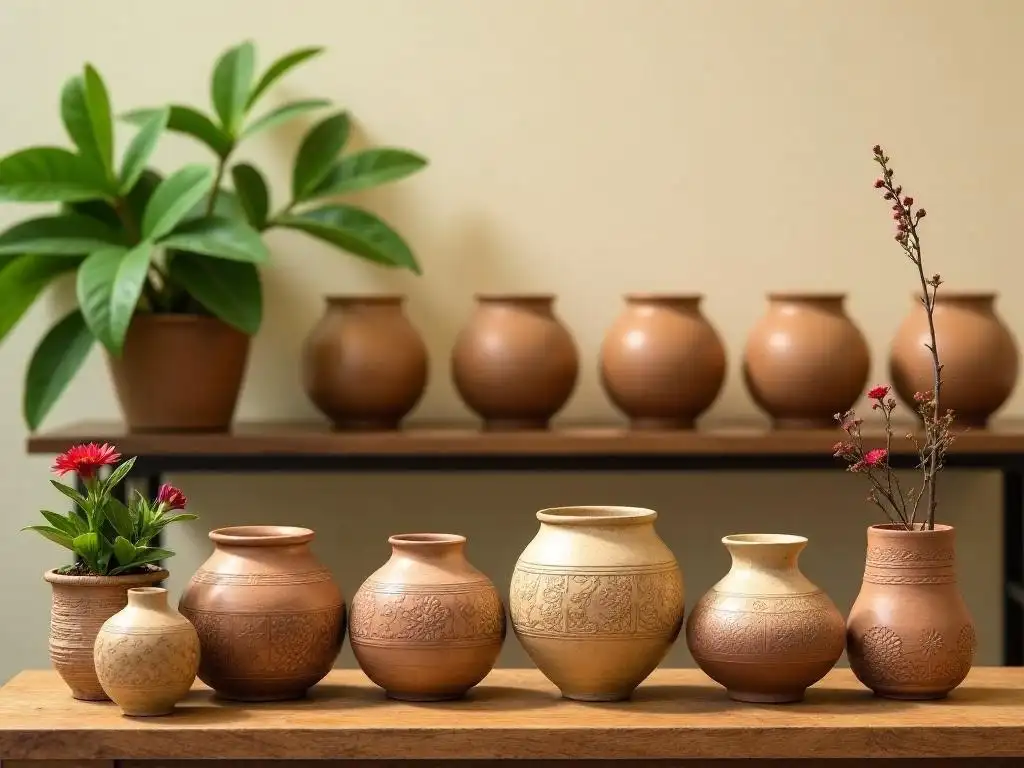
The Yayoi Period, which lasted from approximately 300 BCE to 300 CE, marked a significant transition in Japanese pottery techniques and styles. This era is characterized by the introduction of advanced pottery methods, notably the use of the potter's wheel, which revolutionized ceramic production. This advancement allowed for more uniform and intricate designs, reflecting the evolving aesthetic sensibilities and practical needs of Yayoi society.
Introduction of Wheel-Thrown Pottery
The introduction of wheel-thrown pottery during the Yayoi Period signified a turning point in the craftsmanship of Japanese ceramics. Unlike the earlier Jomon pottery, which was hand-formed and often featured cord-marked patterns, wheel-thrown pottery enabled artisans to create smoother and more symmetrical vessels. This technique not only improved the efficiency of pottery production but also expanded the range of shapes and sizes available.
The Impact of Agricultural Practices on Pottery Production
The Yayoi Period coincided with the rise of wet-rice agriculture, which significantly influenced pottery production. As communities became more settled and agricultural practices improved, the demand for durable and functional pottery increased.
- Storage Needs: Pottery was essential for storing rice and other agricultural products, leading to an increase in the production of larger, sturdier vessels.
- Cooking and Serving: As cooking techniques evolved, pottery was adapted for various culinary uses, including the creation of specialized cooking pots and serving dishes.
The growth of agriculture not only heightened the necessity for pottery but also facilitated trade, as communities exchanged goods and pottery styles across regions.
Transition in Styles and Functions
As the Yayoi Period progressed, there was a notable transition in both the styles of pottery and their functions. This evolution reflected broader societal changes, including shifts in social structure and cultural practices.
From Everyday Use to Artistic Expression
While Yayoi pottery initially focused on practical applications, over time, it began to incorporate more artistic elements.
- Decorative Techniques: Potters started experimenting with glazing techniques and surface decoration, which added aesthetic value to utilitarian items.
- Symbolism and Ritual Use: Certain pottery pieces began to take on symbolic meanings, particularly in religious or ritual contexts. This shift indicates a growing appreciation for art and craftsmanship within Yayoi society.
The transition from purely functional pottery to items that also served as artistic expressions highlights the complexity of Yayoi culture and its values.
The Role of Yayoi Pottery in Trade and Economy
Yayoi pottery played a crucial role in the trade networks that developed during this period. The increased production of pottery coincided with the growth of local and regional trade relationships.
- Trade Goods: Yayoi ceramics became valuable trade goods, with distinctive styles and forms that were sought after by neighboring regions. This not only facilitated economic exchanges but also the sharing of cultural practices.
- Cultural Exchange: Through trade, various pottery styles and techniques spread across the archipelago, leading to a rich tapestry of ceramic traditions that would influence subsequent periods, including the Kofun and Asuka.
The Yayoi Period was a transformative time for Japanese pottery, characterized by advancements in techniques, shifts in styles, and an expanding role in trade and societal expression. The legacy of Yayoi pottery continues to influence contemporary Japanese ceramics, making the study of this era essential for understanding the broader scope of Japanese pottery history analysis.
The Kofun Period: Symbolism and Burial Traditions
The Kofun Period, spanning from approximately 300 to 538 CE, is recognized as a transformative era in Japanese history, marked by the emergence of powerful clan leaders and the establishment of complex burial practices. The term "kofun" translates to "tumuli" or "mounds," which refers to the large burial mounds constructed for the elite. These mounds not only served as graves but also as symbols of power and status, reflecting the sociopolitical landscape of the time.
Pottery from this period is integral to understanding the cultural and spiritual beliefs of the Kofun society. The artifacts discovered within these burial mounds provide insight into the rituals, beliefs, and social structures of the time. This section explores the types, styles, and significance of Kofun pottery, shedding light on how these items served both practical and ceremonial purposes.
Kofun Pottery Types and Styles
Kofun pottery is characterized by a range of forms and styles that evolved throughout the period. The primary types of pottery include:
- Jomon-style Pottery: While the Kofun period marks a departure from the earlier Jomon styles, some influences remained evident in the early Kofun pottery. These pieces often featured cord-marked patterns and were used in ritual contexts.
- Haniwa: Perhaps the most iconic pottery of the Kofun period, haniwa are clay figures placed on or around burial mounds. They come in various forms, including human figures, animals, and objects that symbolize the deceased's status or profession.
- Ceremonial Vessels: These vessels were often intricately designed, featuring elaborate shapes and decorations. They were typically used in burial rites and feasting ceremonies, indicating the social status of the deceased.
Haniwa Figurines and Their Significance
Haniwa figurines are significant not only for their artistic value but also for their symbolic representation in Kofun burial practices. These clay figures served multiple purposes:
- Spiritual Guardianship: Haniwa were believed to protect the deceased in the afterlife. Their placement around burial mounds was thought to ward off evil spirits and provide companionship to the deceased.
- Representation of Status: The type and quality of haniwa figures varied significantly, often indicating the social rank of the individual buried within the mound. For instance, a warrior might be accompanied by haniwa depicting horses or weapons, whereas a noble might have figures representing courtly attire.
- Cultural Insights: The styles and forms of haniwa reflect the cultural values and societal norms of the Kofun period. For example, the increasing complexity of haniwa designs over time indicates a shift towards more elaborate funerary practices.
Changes in Burial Practices Reflected in Pottery
The evolution of pottery during the Kofun period mirrors the changes in burial practices and societal organization. Key observations include:
- Increased Complexity: Early Kofun burials were relatively simple, but as the period progressed, elaborate graves with substantial pottery offerings became more common. This shift indicates a stratification of society and the growing importance of status.
- Integration of Foreign Influences: The introduction of new pottery techniques and styles from the Korean peninsula and China can be seen in certain Kofun pottery pieces, suggesting increased trade and cultural exchange during this era.
- Functional Pottery: Pottery began to serve more functional roles in burial practices. Vessels for food and drink were included in graves, reflecting the belief in an afterlife where the deceased would partake in feasting.
Pottery as a Window into Kofun Society
Pottery from the Kofun period serves as a critical lens through which we can examine the social structure, values, and beliefs of the time. Analyzing these artifacts reveals much about the hierarchy and cultural practices of Kofun society.
Social Hierarchy and Status Indicators in Pottery
The pottery from the Kofun period provides clear indicators of social hierarchy and status through various elements:
- Quality of Materials: Higher-quality pottery, often crafted from finer clay and featuring intricate designs, was typically found in the graves of higher-status individuals. In contrast, simpler pottery was more common in the graves of commoners.
- Variety of Offerings: The number and variety of pottery pieces included in a grave often corresponded to the deceased's social rank. Nobles would have multiple vessels and figurines, whereas lower-status individuals often had minimal offerings.
- Artistic Styles: The use of elaborate artistic styles and techniques in pottery was more prevalent among the higher echelons of society. This distinction in artistry served as a visual representation of power and prestige.
The Kofun pottery not only reflects the aesthetic sensibilities of the time but also serves as a vital source for understanding the complexities of social hierarchy and cultural practices in early Japan. The evolution of these artifacts throughout the Kofun period offers an invaluable perspective on the interplay between art, society, and burial traditions.
The Asuka and Nara Periods: Fusion of Cultures
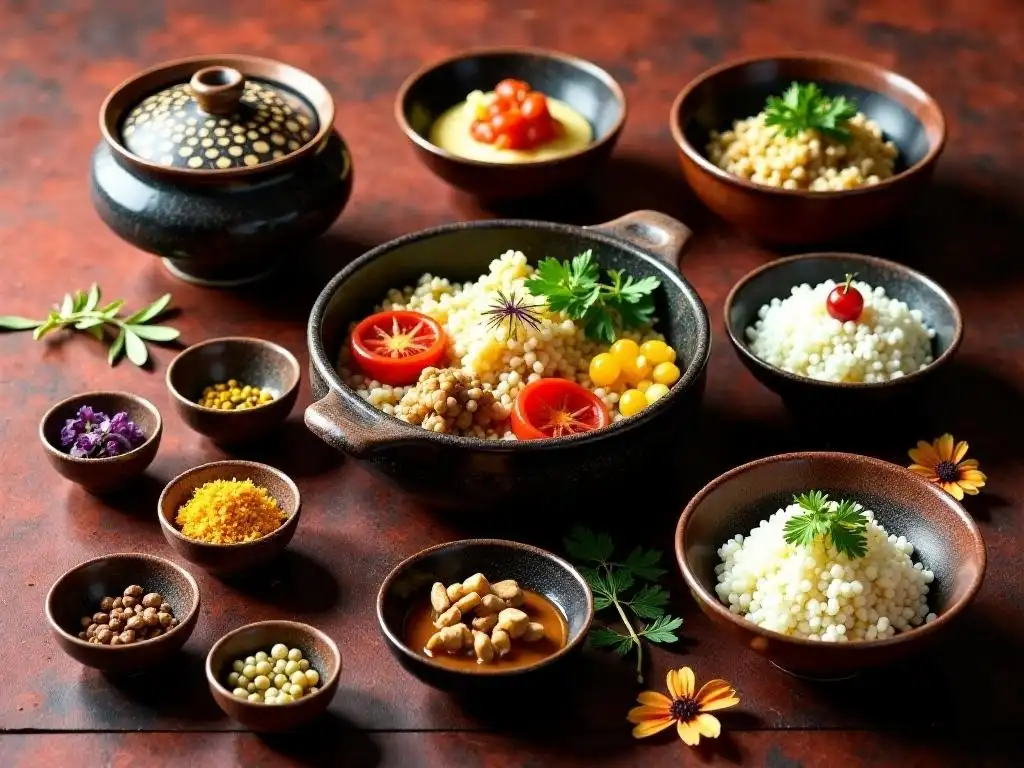
During the Asuka (538–710 AD) and Nara (710–794 AD) periods, Japanese pottery underwent significant transformation due to the profound influence of foreign cultures, particularly that of China and Korea. This era marked a pivotal moment in Japanese pottery history, as techniques and styles began to merge, leading to the creation of unique forms that reflected both local traditions and external influences.
The Asuka period is noteworthy for the introduction of advanced pottery techniques that were carried over from the Korean Peninsula and the Chinese mainland. These included methods such as high firing and glazing, which were virtually unknown in Japan before this time. The Nara period then saw the establishment of a centralized government, which facilitated greater cultural exchange, further enriching the local pottery landscape.
Influence of Chinese Pottery Techniques
The impact of Chinese pottery on Japan during the Asuka and Nara periods was profound. Potters began to adopt techniques that allowed for more durable and aesthetically pleasing ceramics. Some key influences include:
- High-Temperature Firing: This technique enabled the production of stronger ceramic wares that could withstand more significant wear and tear.
- Glazing Techniques: Chinese glazes, especially celadon and iron glazes, were introduced, enhancing the visual appeal of pottery with vibrant colors and glossy finishes.
- Form and Function: Japanese potters started to create shapes that were not only functional but also artistically expressive, incorporating elements such as handles and spouts that had previously been less common.
Introduction of Glazed Pottery
The introduction of glazed pottery during the Asuka period marked a significant turning point in Japanese ceramics. This innovation not only improved the aesthetic quality of pottery but also its utility. The key developments included:
- Earliest Glazed Wares: The first examples of glazed pottery, often referred to as "haji ware," were produced, featuring earthy tones and natural textures that reflected the surrounding landscape.
- Diverse Applications: Glazed pottery began to be used for various purposes, including tableware, ritual vessels, and storage jars, leading to a broader acceptance of pottery as an essential element of daily life.
- Cultural Significance: The adoption of glazes was not merely a technical advancement but also a cultural statement, symbolizing the growing sophistication of Japanese society and its openness to foreign influences.
Development of New Aesthetic Standards
With the increased interaction with Chinese culture, new aesthetic standards began to emerge in Japanese pottery. The interplay of functionality and artistic expression became a hallmark of this period, leading to a distinct identity in Japanese ceramics.
- Simplicity and Elegance: Influenced by Daoist philosophies, Japanese potters began to appreciate simplicity in design, resulting in more understated and elegant forms.
- Naturalistic Motifs: Pottery from this era often featured designs inspired by nature, including floral and landscape themes, which aligned with the Shinto belief in the sacredness of nature.
- Emphasis on Craftsmanship: The meticulous craftsmanship in pottery became a point of pride, with artisans focusing on both aesthetic qualities and functional efficiency.
Integration of Religious Themes in Pottery
As Buddhism spread throughout Japan during the Asuka and Nara periods, it began to influence pottery design significantly. The integration of religious themes can be observed through various aspects:
- Symbolic Representations: Pottery often featured Buddhist symbols, such as lotus flowers and stylized representations of deities, reflecting the spiritual beliefs of the time.
- Ritualistic Use: Certain ceramic items were specifically designed for use in religious ceremonies, highlighting the intersection of art and spirituality in Japanese culture.
- Cultural Narratives: Pottery served as a medium for storytelling, with motifs that conveyed moral and philosophical messages, thereby reinforcing community values through art.
The Asuka and Nara periods were crucial in shaping the trajectory of Japanese pottery. The fusion of indigenous practices with foreign techniques led to innovations that not only enhanced the quality and variety of ceramics but also deepened their cultural significance, laying the groundwork for the rich tapestry of Japanese pottery history that would follow.
The Heian Period: The Rise of Aestheticism
The Heian Period (794-1185) marked a significant transformation in Japanese culture, characterized by an increased emphasis on aesthetic values and a refined approach to art and craftsmanship. During this time, Japanese pottery underwent notable evolution, transitioning from the utilitarian forms of previous eras to more sophisticated and decorative styles that reflected the tastes and philosophies of the Heian aristocracy.
Evolution of Pottery Forms and Styles
During the Heian Period, pottery became an important vehicle for expressing beauty and cultural sophistication. The introduction of new techniques and influences, such as the adoption of Chinese styles, led to distinct developments in pottery forms.
Emphasis on Elegance and Simplicity
The aesthetics of Heian pottery were deeply influenced by the principles of wabi-sabi, which celebrate simplicity, imperfection, and the beauty of natural forms. This philosophical approach resulted in pottery that was not only functional but also a means of artistic expression.
- Key Characteristics:
- Refined Glazes: Pottery from the Heian era often featured exquisite glazes that enhanced visual appeal while maintaining an understated elegance.
- Form and Function: Items like bowls and plates were crafted with a focus on graceful lines and proportions, reflecting a harmonious balance between form and function.
- Decorative Techniques: Techniques such as inlaying and painting were introduced, allowing artisans to create intricate designs that complemented the pottery’s form.
- Notable Styles:
- Kyo-yaki: Originating from Kyoto, Kyo-yaki pottery became renowned for its delicate craftsmanship and was often embellished with colorful glazes and motifs inspired by nature.
- Seto-yaki: This style represented a blending of Chinese influences with Japanese techniques, leading to innovative designs that were both functional and artistic.
The Role of Pottery in Heian Culture
Pottery in the Heian Period was not merely a form of artistic expression; it played a crucial role in the cultural and social fabric of the time.
Pottery in Literature and Art
Pottery was frequently referenced in Heian literature and art, symbolizing the cultural sophistication of the elite.
- Literary References: Works like The Tale of Genji often mention the beauty of ceramic wares, highlighting their significance in the daily lives and rituals of the aristocracy. The descriptions of pottery in these texts serve as a reflection of the era's aesthetic values.
- Artistic Depictions: Artworks from the Heian Period, including paintings and illustrations, often feature pottery as integral components, showcasing the elegance and craftsmanship of the time.
The Importance of Tea Ceremonies and Ceramics
The Heian era laid the groundwork for the later development of the tea ceremony, which would become a central aspect of Japanese culture.
- Ceramics in Tea Culture: The refinement of tea-related ceramics, including tea bowls ( chawan), became essential as the practice of tea drinking gained popularity among the aristocracy. The aesthetics of these ceramics were closely aligned with the principles of wabi-sabi, emphasizing a connection to nature and simplicity.
- Cultural Significance: The tea ceremony evolved into a sophisticated ritual during the Heian Period, where pottery played a pivotal role in enhancing the overall experience. The choice of ceramic wares reflected the host's taste and status, further solidifying pottery's importance in the cultural hierarchy of the time.
The Heian Period was a pivotal era in the history of Japanese pottery, characterized by a focus on aestheticism and cultural refinement. The evolution of pottery forms and styles during this period not only reflected the artistic trends of the time but also highlighted the social significance of ceramics in Heian culture. The interplay between pottery, literature, and tea ceremonies underscores the intricate relationship between art and daily life in this illustrious period of Japanese history.
The Muromachi Period: A Shift in Artistic Focus
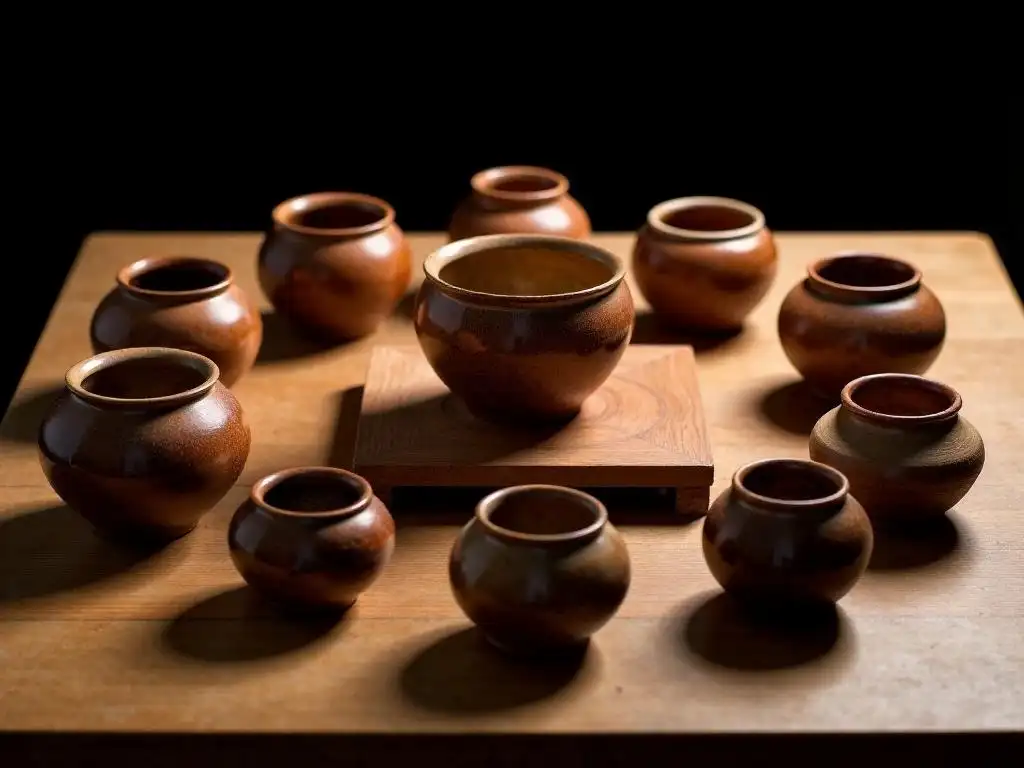
The Muromachi Period, spanning from 1336 to 1573, marked a significant transformation in the artistic landscape of Japan, including the realm of pottery. This era witnessed a departure from the ornate styles of the preceding Kamakura Period, leaning towards a more subdued and refined aesthetic. The socio-political environment during this time, characterized by the rise of the Ashikaga shogunate, facilitated the emergence of new artistic philosophies and practices, particularly influenced by Zen Buddhism.
The Influence of Zen Buddhism on Pottery
During the Muromachi Period, Zen Buddhism played a crucial role in reshaping the principles of Japanese pottery. Zen teachings emphasized simplicity, mindfulness, and a direct connection with nature, which reflected strongly in the pottery designs of the time. This philosophical shift encouraged artisans to explore new forms and techniques that embodied these ideals.
Simplicity and Naturalism in Design
In contrast to the elaborate and decorative styles of previous eras, the pottery of the Muromachi Period embraced simplicity and naturalism. This was evident in the following aspects:
- Form and Function: Pottery was designed with a focus on utility and functionality, often showcasing clean lines and organic shapes. This shift fostered the creation of vessels that were not only aesthetically pleasing but also practical for everyday use.
- Surface Treatments: The application of glazes became more restrained, with earthy tones and textures that mirrored the natural world. Potters began using ash glazes and unglazed surfaces to highlight the raw beauty of the clay, aligning with the Zen principle of appreciating the impermanent and the imperfect.
- Emphasis on Space: The use of negative space in pottery design became prominent, allowing for a more meditative experience. This approach encouraged viewers to contemplate the object and its surroundings, fostering a sense of tranquility and mindfulness.
Notable Pottery Styles of the Muromachi Period
Several distinctive pottery styles emerged during the Muromachi Period, each reflecting the era's artistic philosophies and cultural influences. Among these, two styles stood out for their unique characteristics and enduring legacy.
Raku Ware and Its Cultural Relevance
Raku ware, developed in the late 16th century but rooted in the principles established during the Muromachi Period, represents a pivotal moment in Japanese pottery history analysis. This style is characterized by its hand-crafted nature and the firing process, which involves removing the pottery from the kiln while still hot and allowing it to cool in open air or in combustible materials.
Key features of Raku ware include:
- Expressive Glazes: Raku pottery is known for its vibrant, unpredictable glazes that result from the unique firing process. The interplay of heat and reduction creates a variety of colors and textures, making each piece one-of-a-kind.
- Connection to Tea Ceremony: Raku ware gained prominence in the context of the Japanese tea ceremony, where its aesthetic qualities complemented the Zen principles of simplicity and tranquility. The use of Raku tea bowls became a symbol of the harmonious balance between art and function.
- Cultural Significance: Raku pottery is not just a craft but an embodiment of the spiritual and philosophical ideals of Zen Buddhism. It represents a profound connection between the maker, the material, and the final piece, reflecting the essence of Japanese aesthetics.
The Muromachi Period was a transformative time for Japanese pottery, marked by the influence of Zen Buddhism and the emergence of new artistic styles. The focus on simplicity, naturalism, and the cultural relevance of styles such as Raku ware highlights the deep connection between pottery and the broader cultural landscape of feudal Japan. This period set the stage for future developments in Japanese ceramics, further enriching the tapestry of Japanese pottery history.
The Momoyama Period: Bold Innovations in Pottery
The Momoyama period (1568-1600) marks a transformative era in Japanese pottery, characterized by bold innovations and an embrace of new aesthetics. This period emerged during the unification of Japan under the leadership of powerful warlords, which significantly influenced the arts, including pottery. The interplay of political stability and cultural patronage led to the development of distinctive pottery styles that reflected both the tumultuous times and the burgeoning appreciation for beauty and craftsmanship.
During the Momoyama period, artisans experimented with various techniques and materials, resulting in a rich tapestry of pottery styles. Among the most notable innovations were the introduction of new glazing techniques, such as the sugilite glaze, which allowed for a broader spectrum of colors and finishes. This experimentation not only showcased the skill of the potters but also catered to the aesthetic preferences of the samurai class and the emerging merchant class, who sought unique and decorative items.
Techniques and Aesthetics of Momoyama Pottery
Momoyama pottery is renowned for its distinctive techniques and aesthetics that set it apart from earlier periods. It is during this time that potters began to emphasize individuality in their work, leading to a variety of styles that celebrated both functionality and artistic expression.
The Use of Color and Texture
The vibrant use of color and texture is perhaps the most striking feature of Momoyama pottery. Notable techniques included:
- Kakiemon: Known for its polychrome designs, Kakiemon pottery featured overglaze painting that showcased intricate floral and animal motifs, often in bright colors.
- Imari: Originating from the Arita region, Imari porcelain is recognized for its vivid underglaze blue and overglaze red and gold decorations, making it a popular export to Europe.
- Raku: This technique, which emphasizes the hand-crafted nature of pottery, resulted in unique, one-of-a-kind pieces that often displayed a beautiful, crackled surface texture.
These techniques not only enhanced the visual appeal of the pottery but also reflected the changing social dynamics of the time, where decorative arts became a means of status and expression.
Pottery in the Context of Feudal Warfare
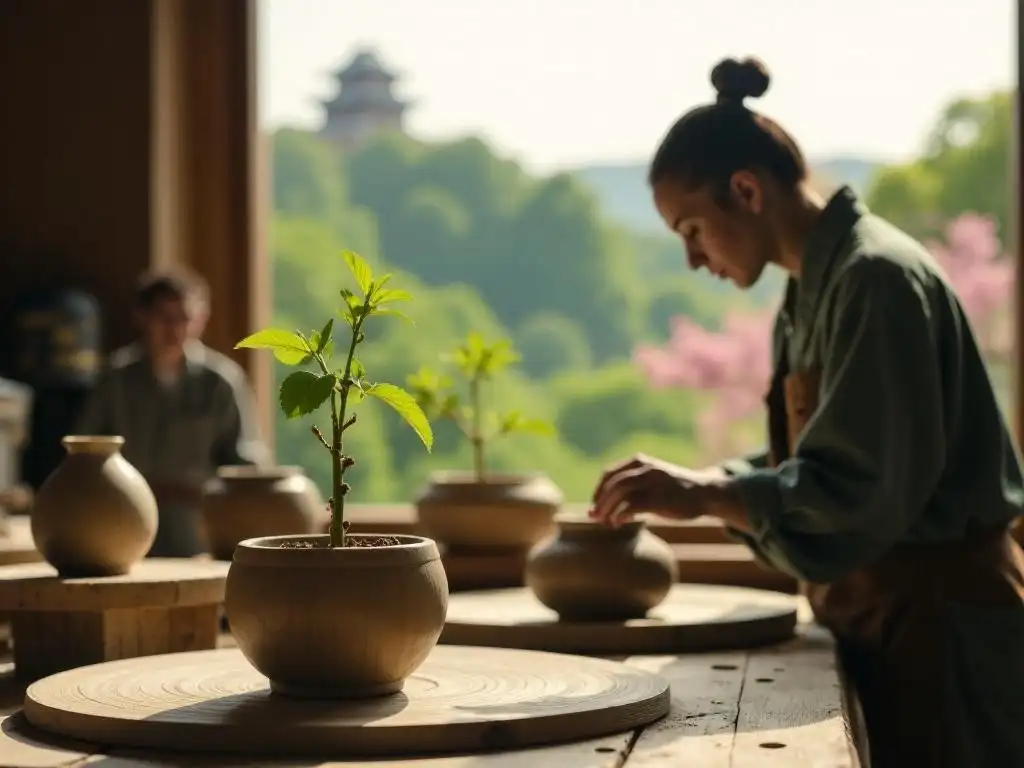
The Momoyama period was not only a time of artistic innovation but also a backdrop of intense feudal warfare and political upheaval. Pottery from this era often served as both a reflection of the times and a practical tool for the samurai class.
The production of ceramics during this period was influenced by the need for functionality amidst conflict. Pottery items were not merely decorative; they were essential for daily life, including cooking, storage, and serving food.
Symbolism and Propaganda in Ceramics
The role of pottery extended beyond mere utility; it became a medium for symbolism and propaganda. Warlords and samurai employed ceramics to convey messages of power, loyalty, and cultural identity. For instance:
- Family Crests: Many pottery pieces featured family crests, known as mon, which signified allegiance and heritage. These designs were often displayed prominently on tea sets and ceremonial ware.
- Ceramics as Status Symbols: The lavishness of pottery, particularly in the context of tea ceremonies, highlighted the social hierarchy. The choice of pottery could indicate the wealth and sophistication of the host.
- Motifs of Strength and Valor: Designs often included motifs that symbolized strength, such as dragons or tigers, which were popular among the warrior class and served to instill pride and valor among the samurai.
The Momoyama period represents a significant chapter in Japanese pottery history analysis, highlighting the interplay between art, society, and politics. The innovations in techniques and aesthetics, alongside the contextual significance of pottery in feudal warfare, underscore the importance of ceramics as both functional items and cultural artifacts in this dynamic period of Japan's history.
The Edo Period: The Peak of Japanese Pottery Craftsmanship
The Edo Period (1603-1868) is often regarded as the pinnacle of Japanese pottery craftsmanship, marked by an abundance of innovation and regional diversity. During this era, the integration of artistic techniques from previous periods, combined with new materials and influences from overseas, resulted in a flourishing pottery scene. The demand for pottery surged as urban centers expanded and the merchant class grew, leading to a vibrant market for both utilitarian and decorative ceramics.
The rich interplay of aesthetics and functionality characterized the pottery of this time. Craftsmen not only focused on the practical aspects of their work but also infused their creations with artistic expression, leading to distinctive styles that reflected the cultural and regional identities of Japan. This period produced some of the most revered pottery traditions, which continue to influence contemporary Japanese ceramics.
Regional Styles and Their Distinctiveness
The Edo Period saw the emergence of several regional pottery styles, each with unique characteristics that highlighted local resources and cultural influences. These styles contributed significantly to the overall landscape of Japanese pottery history analysis.
Arita, Imari, and Kyo-Yaki Pottery
- Arita Pottery:
- Originating in the early 17th century in Arita, Saga Prefecture, Arita ware is renowned for its high-quality porcelain.
- The introduction of blue-and-white designs, inspired by Ming Dynasty ceramics, marked a significant innovation.
- Notable for its intricate underglaze painting, Arita pottery became a benchmark for quality, leading to its exportation to Europe and other regions.
- Imari Pottery:
- Closely associated with Arita, Imari pottery is characterized by its vivid colors and elaborate patterns.
- The term "Imari" refers to the port from which these ceramics were shipped, often showcasing rich red, blue, and gold decorations.
- Imari pieces were especially popular among European collectors, and their influence can be traced in Western porcelain designs.
- Kyo-Yaki Pottery:
- Hailing from Kyoto, Kyo-Yaki is distinguished by its use of traditional glazes and a focus on aesthetics over mass production.
- This style often incorporates natural motifs and is known for its delicate shapes and intricate designs.
- Kyo-Yaki remains synonymous with tea ceremony ware, reflecting the cultural significance of ceramics in Japanese social practices.
The distinctiveness of these regional styles is a testament to the rich tapestry of Japanese pottery during the Edo Period, showcasing how local artisans adapted their techniques to reflect their environment and cultural heritage.
Economic Factors Influencing Pottery Production
The economic landscape during the Edo Period played a crucial role in shaping the development of pottery. With the rise of the merchant class and the establishment of a robust trade network, pottery production underwent significant transformation.
The Role of Trade and Export in Pottery Development
- Domestic Trade Expansion:
- The establishment of the Tokugawa shogunate led to increased stability, promoting internal trade.
- Pottery became a staple commodity, with merchants facilitating the distribution of various regional styles across Japan, enhancing the accessibility of these artworks.
- International Trade and Export:
- Arita and Imari wares found a lucrative market in Europe and the Americas, especially during the late 17th and 18th centuries.
- The popularity of these ceramics abroad spurred further innovation and refinement in techniques, as artisans sought to meet international demands.
- Economic Impact on Craftsmanship:
- The competitive market encouraged artisans to elevate their craftsmanship, leading to an era of innovation.
- The integration of foreign techniques, such as those from Chinese and European pottery, contributed to the evolution of Japanese pottery styles.
The Edo Period stands as a significant chapter in the history of Japanese pottery, driven by regional distinctiveness and economic factors that fostered a thriving culture of craftsmanship. The interplay of art and commerce during this time laid the groundwork for the enduring legacy of Japanese ceramics that continues to be celebrated today.
The Cultural Legacy of Edo Pottery
The Edo Period (1603-1868) is often regarded as the zenith of Japanese pottery craftsmanship, marked by significant advancements in both techniques and aesthetic expression. This era witnessed the flourishing of various regional styles, each embodying unique characteristics that reflected the cultural and social dynamics of the time. Notable styles such as Imari, Kutani, and Kyo-yaki emerged, each contributing to the rich tapestry of Japanese pottery.
Edo pottery was not merely functional; it served as a canvas for artistic expression. Decorated with intricate designs and vivid glazes, these wares were often imbued with symbolism and narratives that conveyed the values and beliefs of the period. For instance, motifs such as cranes and cherry blossoms represented longevity and beauty, while geometric patterns indicated harmony and balance. This intricate artistry helped to elevate pottery from simple utility to a respected art form, influencing the social status of potters and their crafts.
Moreover, the Edo Period saw the establishment of trade routes that facilitated the exchange of pottery styles and techniques between regions. This exchange enriched the pottery landscape, allowing for a blending of influences that resulted in innovative forms and decorations. The popularity of Edo pottery extended beyond Japan, as it caught the attention of international collectors and scholars, further embedding its legacy in global art history.
The cultural impact of Edo pottery can still be felt today, as many contemporary Japanese artisans draw inspiration from these historic styles. The reverence for craftsmanship and the pursuit of beauty that characterized the Edo Period continues to resonate in modern pottery practices.
Influence on Modern Japanese Pottery Practices
The techniques, aesthetics, and philosophies established during the Edo Period have profoundly influenced modern Japanese pottery practices. Artisans today often look back to this era for inspiration, adapting traditional methods to create contemporary works that maintain a connection to their historical roots.
One of the most significant influences is the emphasis on craftsmanship and attention to detail. Modern potters frequently employ ancient techniques such as hand-throwing and glazing methods that were perfected during the Edo Period. The meticulous approach to design and execution ensures that each piece not only serves a functional purpose but also embodies a sense of artistry and individuality.
Additionally, the diversity of styles that flourished during the Edo Period has paved the way for a vibrant pottery scene in Japan today. Many modern potters experiment with traditional forms while incorporating innovative elements, resulting in hybrid styles that appeal to both domestic and international markets. For instance, the traditional Kyo-yaki style is often reinterpreted with contemporary motifs and colors, bridging the gap between past and present.
The cultural philosophy of wabi-sabi, which emphasizes beauty in imperfection and transience, remains integral to modern Japanese pottery. This concept, deeply rooted in the aesthetics of the Edo era, encourages artisans to embrace the natural qualities of their materials, leading to unique, one-of-a-kind creations that reflect their personal artistry.
The legacy of Edo pottery is not just a historical account; it is a living tradition that continues to shape and inspire modern Japanese pottery practices. The fusion of ancient techniques with contemporary sensibilities ensures that the spirit of Edo craftsmanship endures, celebrating Japan's rich artistic heritage while evolving to meet the tastes of today’s collectors and enthusiasts.
Conclusion: The Impact of Japanese Pottery on Cultural Identity
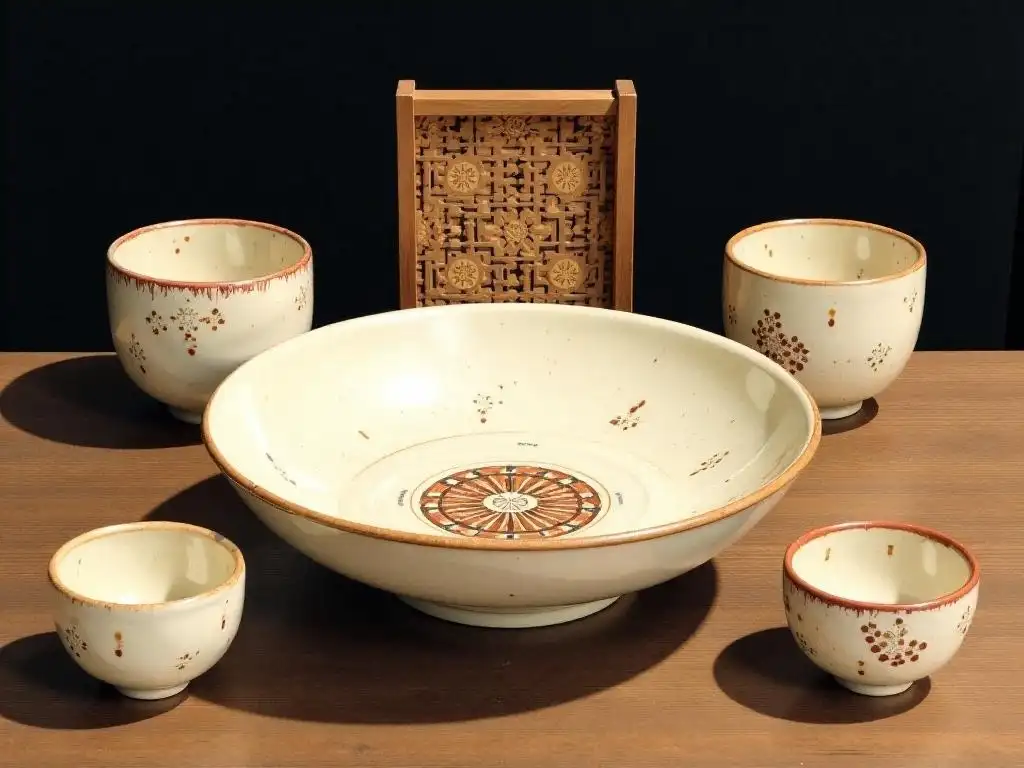
The art of Japanese pottery is not merely a craft; it has woven itself into the very fabric of Japan's cultural identity. From the ancient Jomon period to the sophisticated techniques of the Edo period, pottery reflects the evolution of aesthetic sensibilities, social structures, and technological advancements in Japan. The intricate designs, functional forms, and varied materials used in pottery have all contributed to a rich narrative that speaks to the heart of Japanese culture.
Summary of Key Historical Developments
Japanese pottery history reveals a fascinating timeline marked by significant developments:
- Jomon Period (c. 14,000–300 BCE):
- Characterized by the production of some of the oldest pottery in the world, Jomon pottery is noted for its cord-marked patterns and organic forms.
- Pottery was primarily utilitarian, used for cooking and storage, yet displayed an inherent artistry that would influence future generations.
- Yayoi Period (300 BCE–300 CE):
- Introduction of fired pottery, with the emergence of more refined shapes and techniques.
- The influence of continental Asia brought new styles and methods, including the use of molds.
- Heian Period (794–1185):
- This era saw the rise of court culture, and with it, the refinement of pottery styles, leading to the creation of exquisite ceramics such as Hirado and Imari.
- Pottery began to be used in tea ceremonies, emphasizing aesthetics and function.
- Momoyama Period (1568–1600):
- A time of innovation and experimentation, where pottery styles such as Raku emerged, designed for use in tea ceremonies.
- The focus on individual artistry led to unique, one-of-a-kind pieces that were sought after by collectors.
- Edo Period (1603–1868):
- Marked by mass production and trade, this period saw the rise of distinct regional styles such as Arita and Kutani.
- Pottery transitioned from being a luxury to a common household item, reflecting the complexities of social classes and consumer culture.
By examining these key developments, it becomes evident that Japanese pottery is a dynamic reflection of Japan's historical transformations, societal norms, and artistic evolution.
The Ongoing Influence of Japanese Pottery in Contemporary Culture
Today, Japanese pottery continues to shape and inspire modern culture both domestically and internationally. Its influence can be seen in various aspects:
- Artistic Expression: Contemporary artists frequently draw inspiration from traditional techniques, infusing them with modern aesthetics. This blend creates a dialogue between the past and present, encouraging new interpretations of age-old practices.
- Culinary Arts: The resurgence of interest in traditional Japanese cuisine, particularly kaiseki, emphasizes the importance of pottery in presenting food. Artfully crafted dishes not only enhance the dining experience but also celebrate the craftsmanship behind each piece.
- Cultural Heritage: Pottery workshops and museums across Japan preserve traditional methods and educate visitors about the historical significance of pottery. These institutions play a crucial role in maintaining cultural heritage while fostering appreciation among younger generations.
- Global Influence: The fascination with Japanese pottery has transcended borders, influencing artists and collectors worldwide. Exhibitions showcasing Japanese ceramics often draw international audiences, further embedding these cultural artifacts in a global context.
The history of Japanese pottery is not just a record of ceramic development; it is a profound narrative that reflects Japan's cultural identity, values, and artistic innovation. The ongoing influence of this ancient craft ensures that its legacy will continue to resonate in contemporary culture, shaping and inspiring future generations.
References and Further Reading
Recommended Books and Articles on Japanese Pottery History
To gain a deeper understanding of the Japanese pottery history analysis, several key texts and articles stand out for their comprehensive insights into the evolution and cultural significance of pottery in Japan. Here are some recommended readings:
-
"The History of Japanese Ceramics" by Yukio Lippit
This book provides an exhaustive overview of Japanese ceramics, tracing their development from ancient times to the modern era. Lippit discusses the socio-political influences on pottery styles and techniques.
-
"Jomon: Prehistoric Pottery of Japan" by K. H. Kuroda
A focused examination of the Jomon period's pottery, this work delves into the intricate designs and techniques that characterized the era, offering a detailed analysis of the cultural context.
-
"The Art of Japanese Pottery" by J. M. McSweeney
This text explores various pottery styles across different Japanese periods, emphasizing the aesthetic values and craftsmanship that define Japanese pottery.
-
Online Articles:
- "Japanese Pottery: An Overview": on Japan Culture and History: A concise article summarizing the major developments in Japanese pottery, useful for both beginners and enthusiasts.
- "From Jomon to Edo: A Journey Through Japanese Ceramics": by the Asian Art Museum: This article provides a timeline and highlights significant shifts in pottery styles and practices.
Notable Museums and Exhibitions to Explore Japanese Pottery
Visiting museums and exhibitions dedicated to Japanese pottery can provide invaluable insights into the art form's historical and cultural significance. Here are several notable locations to consider:
-
Tokyo National Museum
Home to an extensive collection of Japanese ceramics, including pieces from the Jomon, Heian, and Edo periods. The museum's exhibitions offer context and interpretation of the artifacts.
-
Kyoto National Museum
This museum showcases a rich array of historical pottery, with a particular emphasis on Kyoto's famed Kyo-yaki ceramics. Special exhibitions frequently highlight specific styles and techniques.
-
The National Museum of Modern Art, Tokyo (MoMAT)
MoMAT features modern and contemporary Japanese pottery, bridging traditional techniques with modern artistic expressions. Their exhibitions often explore the evolution of pottery in a contemporary context.
-
Tohoku History Museum
Located in Miyagi Prefecture, this museum presents artifacts from the Jomon period, including some of the oldest pottery in Japan. It provides a unique opportunity to engage with the historical roots of Japanese ceramics.
-
Ceramic Art Museum
This specialized museum offers rotating exhibitions dedicated to various aspects of Japanese pottery, including traditional methods, material studies, and contemporary practices.
Exploring these resources will deepen your understanding of Japanese pottery history analysis and its significance within the broader narrative of cultural history in Japan.
Frequently Asked Questions
What is the significance of Japanese pottery in the context of feudal Japan?
Japanese pottery reflects the cultural and societal values of different periods, showcasing the evolution of artistic techniques and daily life during feudal Japan.
How did the Jomon period influence Japanese pottery?
The Jomon period is known for its distinctive cord-marked pottery, which laid the foundation for future styles by emphasizing functional design and aesthetic beauty.
What are the key characteristics of Edo period pottery?
Edo period pottery is recognized for its vibrant glazes and intricate designs, marking a shift towards commercial production and the rise of tea culture.
How does Japanese pottery history relate to cultural identity?
Japanese pottery serves as a medium for expressing cultural identity and heritage, reflecting the regional variations and historical narratives of the Japanese people.
Why is an analysis of Japanese pottery history important?
An analysis of Japanese pottery history provides insights into the artistic evolution and technological advancements, enriching our understanding of Japan's cultural legacy during the feudal era.
Final Reflection: The Timeless Journey of Japanese Pottery
The evolution of Japanese pottery is not just a historical narrative; it is a testament to the resilience and creativity of a culture that has adapted and thrived through centuries. As we explore the intricate designs and techniques that emerged from the Jomon to the Edo periods, we uncover a rich tapestry of craftsmanship that continues to influence contemporary art and design. The legacy of Japanese pottery is a striking reminder of how art can transcend time, connecting us to our past while inspiring future generations.
Cultural artifacts like pottery are more than mere objects; they are reflections of the society that created them. The evolution of Japanese pottery illustrates the dynamic interplay between function and aesthetics, tradition and innovation. As we witness the ongoing appreciation for these historical pieces in modern art and design, we are reminded of the words of renowned potter Shoji Hamada: The potter's work is a reflection of his life.
This sentiment encapsulates the profound connection between the artist and their craft, emphasizing how the stories behind these creations continue to resonate in today's world.
As you reflect on the journey of Japanese pottery, consider how the lessons embedded in this art form can inspire your own creative endeavors. Embrace the idea that every piece of art, no matter how small, carries with it a story waiting to be told. Let the evolution of Japanese pottery encourage you to explore your own artistic voice, to honor tradition while forging new paths, and to recognize the beauty in the journey of creation. The past is not merely a backdrop; it is a foundation upon which we can build a vibrant future.
Unveil the Artistry of Japanese Pottery!
Thank you for exploring the fascinating journey of Japanese pottery with us! You've gained insights into the rich history, techniques, and cultural significance that have shaped this exquisite art form over centuries. Now, it's time to take action and immerse yourself even deeper into this creative legacy.
- Visit local galleries or online exhibitions featuring Japanese pottery to appreciate the craftsmanship firsthand.
- Join a pottery workshop in your area to experience the traditional techniques used by skilled artisans.
- Share your favorite piece of pottery on social media with the hashtag #JapanesePottery and inspire your friends to explore this captivating art form!
What aspect of Japanese pottery resonates most with you, and how do you see it influencing contemporary artistic expressions?