
Dressing the Part: How Clothing Choices Impacted Social Interactions

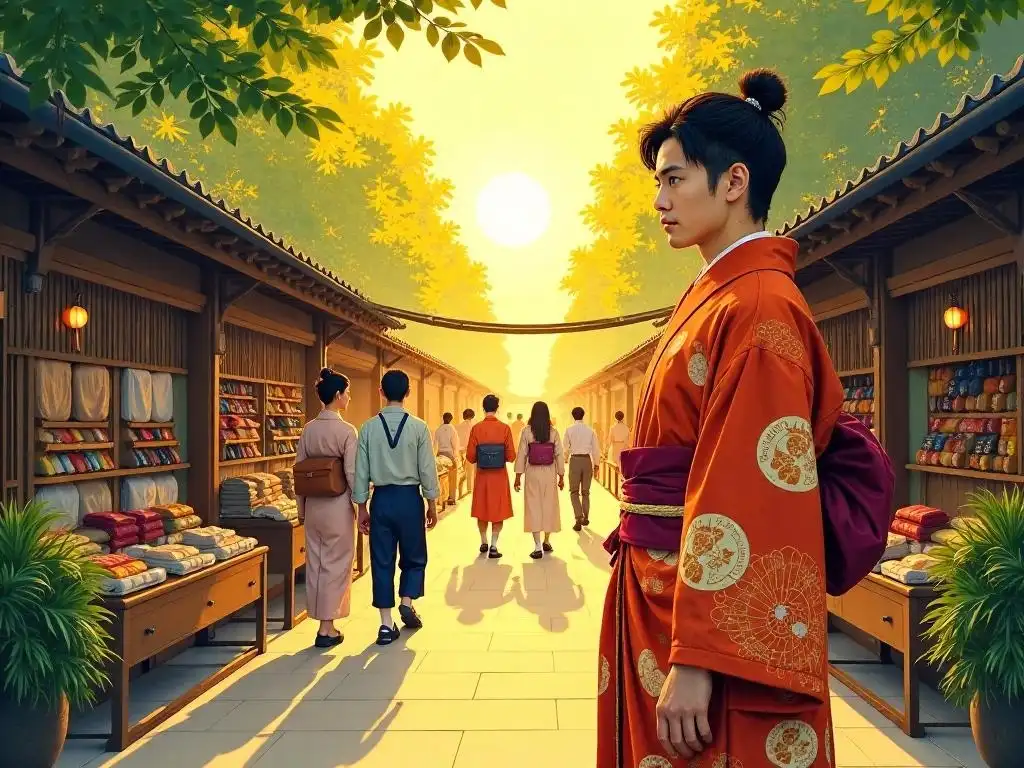
Welcome to Feudal Japan History, where we invite you to embark on a captivating journey through the intricate tapestry of Japan's feudal era. Discover how the choices in clothing during this fascinating time were not merely about fabric and style, but significantly influenced social interactions and hierarchies. In our featured article, “Dressing the Part: How Clothing Choices Impacted Social Interactions,” we delve deep into the social impact of feudal Japan clothing, revealing the hidden narratives woven into each garment.
Are you ready to uncover how these choices shaped relationships and defined status? Join us as we unravel the rich cultural heritage of feudal Japan and its lasting legacy on society today.
-
Dressing the Part: How Clothing Choices Impacted Social Interactions in Feudal Japan
- Introduction to Feudal Japan Clothing and Social Impact
- The Role of Clothing in Social Status during Feudal Japan
- Cultural Significance of Traditional Japanese Garments
- Gender Differences in Clothing Choices and Social Impact
- The Evolution of Clothing Styles and Their Societal Reflections
- Clothing Regulations and Their Social Consequences
- Case Studies: Notable Figures and Their Clothing Choices
- Conclusion: The Lasting Impact of Clothing on Social Interactions in Feudal Japan
-
Frequently Asked Questions
- What was the significance of clothing in feudal Japan?
- How did clothing choices affect social interactions in feudal Japan?
- Were there specific clothing regulations in feudal Japan?
- How did the materials used in clothing reflect societal values?
- What role did clothing play in cultural rituals during feudal Japan?
- Final Reflection: The Enduring Influence of Clothing on Social Dynamics
- Transform Your Understanding of Clothing and Culture!
In the complex tapestry of feudal Japan, clothing was far more than mere fabric draped over the body; it was a vital expression of identity, status, and societal roles. The feudal era, spanning from the 12th to the 19th century, was marked by rigid social hierarchies and a well-defined class system, where one's attire could dictate interactions, perceptions, and opportunities.
This article delves into the intricate relationship between clothing and social dynamics, revealing how garments influenced not only personal identity but also the broader societal framework. By examining feudal Japan clothing social impact, we will explore how attire shaped interpersonal relationships and reinforced societal norms.
Overview of Clothing in Feudal Japan
Clothing in feudal Japan was characterized by a remarkable array of styles, materials, and colors, reflecting the diverse cultural influences and regional variations of the time. The most common garment was the kimono, which came in various forms and was tailored to suit the wearer's status, profession, and occasion. From the luxurious silk kimonos of the aristocracy to the more practical garments of the peasantry, each outfit told a story of its wearer’s place within the intricate social hierarchy.
- Materials Used:
- Silk: Reserved for the elite, symbolizing wealth and refinement.
- Cotton: Common among the middle and lower classes, offering practicality.
- Hemp: Utilized by the working class for durable and functional clothing.
The aesthetic choices in clothing were not merely personal preferences but were steeped in cultural significance. Colors, patterns, and even the way garments were worn communicated messages about the individual’s social standing and aspirations.
Importance of Clothing in Social Hierarchies
The significance of clothing extended well beyond individual expression. In the hierarchical society of feudal Japan, attire played a crucial role in identifying and reinforcing social hierarchies. Each class had its own distinct styles and regulations governing clothing, which dictated who could wear what, and under which circumstances.
- Sumptuary Laws: These laws regulated what individuals could wear based on their social class, ensuring that the distinctions between classes were visually apparent.
- Occasion-Specific Attire: Certain garments were designated for specific events, such as weddings or funerals, further embedding clothing within social practices.
As such, clothing became a powerful tool for both self-identity and societal interaction, influencing how individuals engaged with one another across different social strata.
Clothing as a Symbol of Class and Rank
In feudal Japan, clothing served as a visual marker of class and rank, with specific garments denoting one’s societal position. The layering of fabrics, the intricacy of designs, and the use of specific colors were all indicators of an individual’s status. For instance, the daimyo (feudal lords) wore elaborate kimonos adorned with family crests, while the samurai donned attire that reflected their warrior status.
- Examples of Class-Defining Clothing:
- Court Nobility: Wore richly embroidered kimonos, often in bright colors, signifying their high rank.
- Samurai: Known for their distinctive armor and hakama, which showcased their martial status and authority.
- Peasants: Utilized simple, practical garments made from coarse fabrics, reflecting their laborious lifestyle.
The visual distinction created by clothing choices solidified the existing social order and governed interactions between different classes.
The Influence of Samurai Attire on Social Interactions
The samurai class played a pivotal role in shaping the social landscape of feudal Japan, and their attire was a crucial element of this influence. The katana, often worn alongside their formal clothing, was not merely a weapon but also a symbol of honor and status. Samurai attire projected power and authority, impacting how they were perceived by both peers and subordinates.
- Impact on Social Dynamics:
- Respect and Fear: The presence of a samurai in formal attire commanded respect and instilled fear, influencing social interactions across the classes.
- Ceremonial Roles: Samurai were often involved in important ceremonies, where their attire played a significant role in the proceedings, reinforcing their status.
The samurai's clothing choices thus became a critical aspect of their identity and a means of asserting dominance within the feudal hierarchy.
Comparison of Clothing among Different Classes
The stark contrasts in clothing among the various classes of feudal Japan highlight the rigid social structure of the time. Each class not only had unique garments but also adhered to specific rules that dictated their clothing choices.
| Class | Typical Clothing | Materials Used | Social Significance |
|---|---|---|---|
| Nobility | Elaborate silk kimonos | Silk, brocade | Display of wealth and power |
| Samurai | Formal hakama and kimono | Silk, cotton, leather | Symbol of warrior status and honor |
| Merchants | Simple kimonos | Cotton, hemp | Practicality with a hint of status |
| Peasants | Coarse kimono | Hemp, rough cotton | Functional attire reflecting labor status |
This comparison illustrates how clothing was not only a personal choice but a societal expectation, with each class’s attire serving to reinforce their position within the feudal structure. As we continue to explore the influence of clothing on social interactions in feudal Japan, it becomes evident that these choices were deeply intertwined with the cultural and societal fabric of the era.
Cultural Significance of Traditional Japanese Garments
Traditional Japanese garments, particularly during the feudal era, were steeped in cultural significance and reflected the intricate social hierarchy of Japan. Clothing was not merely a matter of personal choice; it served as a powerful indicator of social status and identity. The kimono, the quintessential Japanese garment, varied in style, fabric, and color, with each choice conveying specific meanings about the wearer’s social position, occupation, and even regional affiliation.
The use of clothing in feudal Japan went beyond aesthetics; it was a visual language that communicated one's role within society. For instance, the garments worn by the samurai class often featured distinctive patterns and colors that signified their clan and rank. Similarly, the dress of farmers, artisans, and merchants demonstrated their respective places in the social hierarchy. Thus, clothing played a pivotal role in reinforcing social norms and expectations, shaping interactions among different classes.
Additionally, traditional garments were often imbued with spiritual and symbolic meanings. Many designs and motifs were inspired by nature, mythology, and seasonal changes, which connected the wearer to cultural heritage and the spiritual world. This deep-rooted cultural significance of clothing in feudal Japan highlights how attire was intertwined with identity and social interaction.
Kimono and Its Variations in Feudal Society
The kimono is perhaps the most iconic representation of Japanese clothing, characterized by its long sleeves and wrap-around style. Throughout the feudal era, variations of the kimono emerged, reflecting not only fashion trends but also the social structures of the time. Different styles of kimono were designated for various occasions, from formal ceremonies to everyday wear.
For instance, the furisode, a kimono with long, flowing sleeves, was typically worn by young unmarried women and symbolized youth and vitality. In contrast, the tachi style was favored by samurai, featuring more subdued colors and patterns that reflected their status and discipline. The yukata, a casual cotton kimono, was often worn during summer festivals and signified a more relaxed social interaction.
These variations were not just about fashion; they also indicated social mobility and the changing values of society. As the merchant class began to rise in status during the Edo period, their clothing choices evolved, incorporating elements traditionally reserved for the samurai, thus blurring the lines between social classes. This evolution in kimono styles illustrates how clothing choices had a profound impact on social interactions and perceptions within feudal Japanese society.
Accessories and Their Social Implications
Accessories played a crucial role in complementing traditional garments and further delineating social status. Items such as obi (sashes), obijime (cords), and kanzashi (hair ornaments) were carefully selected to enhance the overall appearance and signify the wearer’s social standing. The materials and intricacy of these accessories often spoke volumes about one's wealth and position in society.
For example, a richly embroidered obi made from silk would denote affluence and prestige, while simpler, more utilitarian sashes were associated with lower social classes. The choice of colors and patterns in these accessories also had symbolic meanings; certain motifs represented auspiciousness, while others conveyed cultural heritage.
Moreover, accessories could facilitate social interactions, serving as conversation starters or as tools for navigating social situations. A well-chosen accessory could impress peers and superiors, thereby enhancing one's social standing and influence within the community. Thus, the intentional selection of accessories was an essential aspect of social engagement in feudal Japan.
The Role of Fabric and Color in Social Distinction
In feudal Japan, the fabric and color of clothing were significant determinants of social distinction and identity. Different materials, such as silk, cotton, and hemp, were associated with varying social classes and occupations. Silk, being more expensive and luxurious, was predominantly worn by the nobility and wealthy merchants, while commoners often wore garments made of more affordable materials like hemp or cotton.
Color also played a pivotal role in expressing social status. For example, bright and vivid colors were favored by the elite, while muted tones were more common among the lower classes. Specific colors were sometimes reserved for particular occasions or ceremonies, further reinforcing social hierarchies. The use of natural dyes derived from plants and minerals added to the complexity of color symbolism, with certain hues representing specific meanings or auspicious events.
As a result, the interplay between fabric, color, and social identity shaped how individuals were perceived and how they interacted with one another. The nuances of fabric choice and color contributed to a rich tapestry of social dynamics, where clothing served as a marker of status and a tool for communication in feudal Japan.
Clothing in feudal Japan not only reflected social class but also highlighted significant gender differences that influenced social interactions. Men and women had distinct clothing styles that symbolized their roles within society, with each gender's attire carrying specific implications for their social standing and interactions.
Men's Clothing: Styles and Social Statements
Men's clothing in feudal Japan was characterized by a variety of styles, each conveying specific social messages. The hakama, a type of pleated trouser worn over the kimono, was favored by samurai and represented their martial status. The choice of fabric, color, and pattern in men's clothing often indicated rank and affiliation with a particular clan, making these garments essential for social identity.
Furthermore, men's clothing styles evolved in response to changing societal norms. During the Edo period, as the merchant class gained prominence, their attire began to incorporate elements traditionally associated with the samurai, such as elaborate designs and luxurious fabrics. This shift reflected the changing dynamics of power and class in society, as well as the desire for upward mobility.
The impact of men's clothing on social interactions was significant; it could either reinforce existing hierarchies or challenge them, depending on the choices made by the wearer. Thus, men's clothing served as both a personal statement and a reflection of broader societal trends.
Women's Clothing: Modesty and Status Representation
Women's clothing in feudal Japan emphasized modesty while simultaneously serving as a powerful symbol of status. The kimono, often layered with additional garments, was designed to cover the body and convey a sense of propriety. The way a woman wore her kimono, including the arrangement of sleeves and the choice of obi, communicated her marital status and social rank.
For instance, married women typically wore less vibrant colors and more subdued patterns compared to young unmarried women, who donned bright and elaborate garments. This distinction reinforced societal norms of modesty and decorum, which were paramount for women of all classes.
Additionally, the complexity of women's clothing often involved meticulous attention to detail, with intricate stitching and ornamentation signifying higher social status. As such, women's clothing served as a means of self-expression while adhering to societal expectations, impacting how they interacted within their communities.
The Impact of Gender on Social Interactions through Clothing
The gendered nature of clothing in feudal Japan significantly influenced social interactions. Men's clothing often conveyed authority, power, and status, allowing men to navigate social spaces with greater ease and command respect. In contrast, women's clothing emphasized modesty and decorum, which sometimes limited their social agency and public presence.
However, the clothing choices of women could also challenge these norms, particularly among the higher classes, where women used fashion to assert their social influence. Elaborate clothing and accessories could elevate a woman's status within social circles and provide opportunities for engagement in cultural and political discourse.
Ultimately, the impact of gender on social interactions through clothing demonstrates the complex interplay of identity, societal expectations, and personal expression in feudal Japan. The distinct yet interconnected clothing choices of men and women shaped their experiences and interactions, highlighting the profound influence of clothing on social dynamics in this historical context.
The Evolution of Clothing Styles and Their Societal Reflections
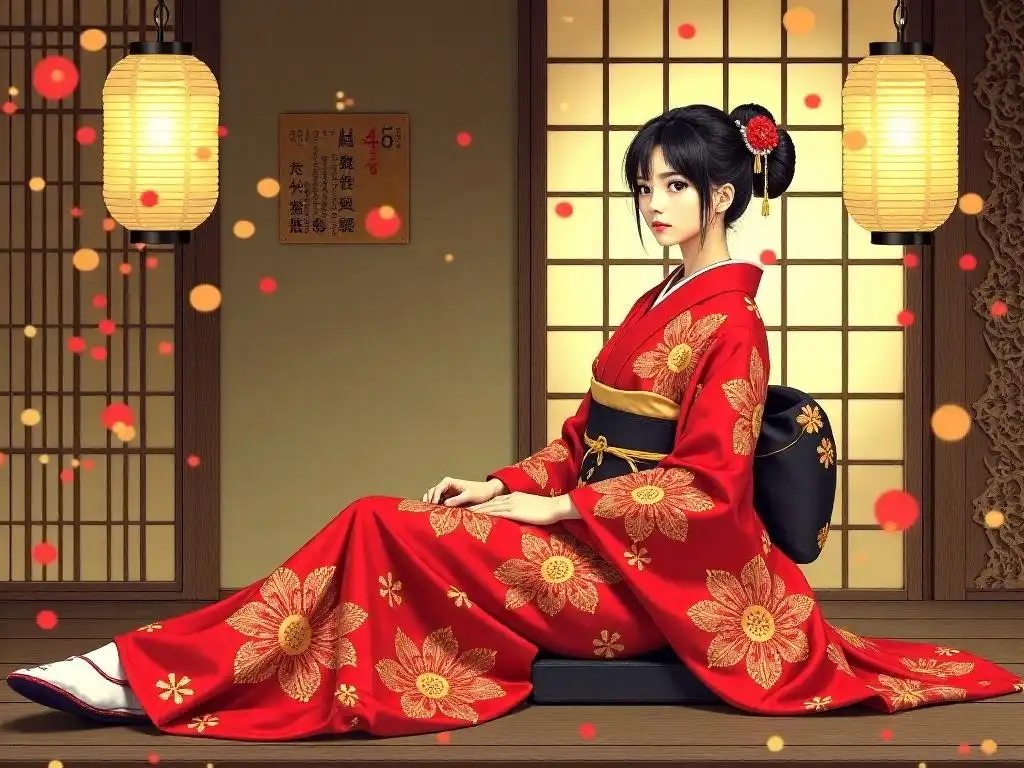
The evolution of clothing styles in feudal Japan serves as a significant reflection of the social, political, and cultural changes throughout the era. From the Heian period (794-1185) through to the Edo period (1603-1868), clothing not only represented individual identity but also indicated social status, class distinctions, and even regional affiliations. Initially, clothing was characterized by the use of natural fabrics such as silk and cotton, adorned with intricate designs that conveyed the wearer's rank and wealth.
As time progressed, the influence of trade with other countries introduced new materials and styles, which blended with traditional Japanese aesthetics. For instance, during the Muromachi period (1336-1573), the introduction of more vibrant colors and patterns in clothing became symbolic of the flourishing of the arts and culture. The styles evolved further with the emergence of the samurai class, which prioritized practicality and functionality, leading to the creation of the hakama and other garments that allowed for ease of movement.
The societal reflections in clothing are also evident in the way different classes adopted or adapted styles. Nobility and samurai wore elaborate kimonos decorated with family crests, while commoners typically donned simpler garments. This distinction in clothing not only communicated social hierarchy but also reinforced cultural norms that governed interactions among different classes.
Changes in Attire Over Different Periods of Feudal Japan
The historical timeline of feudal Japan showcases notable shifts in attire that correspond to the prevailing social and political landscapes. During the Heian period, aristocratic fashion was characterized by long, flowing robes called jūnihitoe, which were layered and often made from luxurious fabrics. The colors and patterns selected were highly regulated to reflect the season and the wearer's status.
In the Kamakura period (1185-1333), with the rise of the samurai class, clothing became more functional. Samurai favored attire that allowed for mobility, leading to the development of the kamishimo, a traditional outfit consisting of a jacket and wide trousers. This shift marks a transition from the ornamental to the practical, reflecting the societal values of honor and readiness for battle.
The Edo period saw a further evolution, with the emergence of urban merchant classes. The introduction of vibrant, printed fabrics and the rise of the ukiyo-e (pictures of the floating world) art form influenced everyday clothing. This period emphasized individuality, and clothing became a medium for self-expression. Despite the rigid class structure, fashion became more accessible to the lower classes, who began to adopt elements of the styles worn by the upper echelons, albeit in simpler forms.
How Clothing Adapted to Social Changes and Historical Events
Clothing in feudal Japan was not static; it adapted according to various social changes and historical events. For instance, during the Sengoku period (1467-1603), a time of constant warfare, the need for practical attire became paramount. The samurai class focused on functionality and durability, leading to the widespread use of armor and simpler garments that could withstand the rigors of battle.
The unification of Japan under the Tokugawa shogunate brought about a period of peace, which fostered cultural and artistic growth. This resulted in a flourishing of fashion, where elaborate patterns and designs became popular among the merchant class. The rise of commerce led to an increase in wealth among non-noble classes, allowing them to invest in more fashionable attire, thus challenging the traditional class distinctions.
Moreover, the impact of Western influence during the late Edo period introduced new styles and materials that began to permeate Japanese fashion. This blending of Eastern and Western elements highlighted the dynamic nature of clothing as it responded to both internal developments and external pressures.
Clothing regulations in feudal Japan were not merely guidelines; they were laws that dictated what individuals could wear based on their social status. These regulations, known as sumptuary laws, were established to maintain the hierarchical structure of society and control the display of wealth and power.
Sumptuary Laws and Their Impact on Fashion Choices
Sumptuary laws in feudal Japan were designed to reinforce class distinctions and curb excessive displays of wealth. These laws specified the types of fabrics, colors, and styles that different classes could wear. For example, only the emperor and certain high-ranking officials were permitted to wear garments made from the finest silk, while commoners were restricted to simpler fabrics like hemp or cotton.
The enforcement of these laws had a profound impact on fashion choices. Individuals were compelled to adhere strictly to these regulations, which, in turn, influenced the creativity and innovation within the constraints of their social class. Tailors and artisans became adept at designing elaborate yet compliant garments that still conveyed a sense of style and individuality.
Furthermore, the laws fostered a sense of unity within social classes, as individuals dressed similarly according to their rank. This uniformity helped to reinforce the existing social hierarchies and made it easier to identify one’s social position within the larger community.
Social Implications of Violating Clothing Norms
Violating clothing norms in feudal Japan could result in severe social consequences, including legal repercussions and loss of status. The strict adherence to sumptuary laws meant that any deviation was seen as a challenge to the established social order. Those caught wearing forbidden fabrics or styles risked punishment, which could include fines, public humiliation, or even exile.
Beyond legal ramifications, violations of clothing norms often led to social ostracism. Individuals who chose to defy these regulations were perceived as rebels or social climbers, which could isolate them from their peers. This social stigma emphasized the importance of conformity in maintaining one's place within the rigid class structure of feudal Japan.
Moreover, the consequences of violating clothing norms extended beyond the individual. Such actions could provoke societal unrest, as they threatened the delicate balance of power and hierarchy. Thus, clothing served not only as a means of self-expression but also as a vital component of social cohesion and stability in feudal Japan.
Case Studies: Notable Figures and Their Clothing Choices
In feudal Japan, clothing was more than mere fabric; it was a reflection of one's social status, identity, and role within the rigid hierarchies of society. This section will explore the clothing choices of notable figures, including samurai and courtesans, to illustrate how attire influenced their social interactions and perceptions.
Analysis of Prominent Samurai and Their Attire
The samurai class, known for its adherence to the Bushido code, showcased their status and martial prowess through their clothing. The kimono, often layered with elaborate hifu (overcoats), was common among samurai, with colors and patterns denoting rank and affiliation. For instance, the use of certain colors such as crimson and indigo indicated high status, while specific family crests, or mon, adorned the garments to signify lineage and loyalty.
One prominent figure, Minamoto no Yoshitsune, is renowned for his striking appearance, often depicted wearing a decorative kataginu (a sleeveless jacket) over his kimono, which highlighted his noble status. Similarly, Oda Nobunaga, a significant unifier of Japan, utilized his attire to project power and authority; his choice of bold colors and intricate designs set him apart from rivals and communicated his ambition in the tumultuous landscape of feudal Japan.
The samurai's armor also played a crucial role in their clothing choices. The yoroi (traditional armor) was not only functional in battle but also intricately designed to convey status and prowess. The craftsmanship involved in creating these armors often reflected the wealth and influence of the samurai, reinforcing their social standing.
The Influence of Courtesans in Fashion Trends
In contrast to the samurai, courtesans, particularly those from the Yoshiwara district in Edo, wielded significant influence over fashion trends. Their clothing choices were characterized by vibrant colors, floral motifs, and luxurious fabrics like silk. The oshiroi (white face powder) and elaborate hairstyles complemented their attire, creating a comprehensive aesthetic that captivated society.
One notable courtesan, Yamato Takeru, became a fashion icon of her time, often seen in exquisite furisode (long-sleeved kimono) that symbolized her status and beauty. Her choices inspired many women across the social spectrum, leading to widespread adoption of similar styles. The elaborate designs and accessories worn by courtesans not only highlighted their beauty but also served as status symbols, shaping the fashion landscape of the era.
The interplay between courtesans and samurai further influenced social dynamics. Samurai would often seek the company of courtesans, establishing social connections that transcended class boundaries. These interactions were often reflected in the clothing choices of both parties, as courtesans would don attire that appealed to the sensibilities of their samurai clientele, creating a reciprocal relationship between fashion and social interaction.
Clothing in feudal Japan was a potent symbol of social status and identity, deeply intertwined with the cultural fabric of the time. The choices made by figures like samurai and courtesans not only represented their personal identities but also shaped societal norms and behaviors.
Summary of Key Points on Clothing and Social Dynamics
- Social Status: Clothing served as a clear indicator of one’s rank within the feudal hierarchy, with specific styles and colors denoting different social standings.
- Cultural Influence: Prominent figures utilized their attire to influence trends, with samurai and courtesans playing pivotal roles in shaping public perceptions of fashion.
- Interpersonal Relationships: The interactions between different social classes, particularly between samurai and courtesans, were often mediated through clothing, showcasing the intricate connections between attire and social dynamics.
Reflection on the Importance of Feudal Japan Clothing in Understanding Society
Understanding the clothing choices of feudal Japan provides invaluable insights into the era's social structures and cultural practices. The intricate relationships between fashion, identity, and society highlight the importance of attire as a lens through which to examine the complexities of human interactions in this historical context. By studying clothing, we gain a deeper appreciation of how fashion not only reflected but also shaped the social fabric of feudal Japan, leaving a lasting legacy that continues to influence contemporary perceptions of identity and status.
Frequently Asked Questions
What was the significance of clothing in feudal Japan?
Clothing in feudal Japan was a reflection of social status and cultural identity. The materials, colors, and styles often indicated one's rank and occupation, influencing social interactions.
Choices in clothing could either enhance or diminish one's social standing. The elaborate garments of the elite communicated power, while simpler attire often indicated humility and servitude.
Were there specific clothing regulations in feudal Japan?
Yes, there were sumptuary laws that dictated what certain classes could wear. These regulations were aimed at maintaining the social hierarchy and preventing individuals from dressing beyond their station.
How did the materials used in clothing reflect societal values?
The use of specific materials such as silk for the wealthy versus cotton for the lower classes highlighted economic disparities and reinforced the values of status and class distinction within society.
What role did clothing play in cultural rituals during feudal Japan?
Clothing was integral to cultural rituals, symbolizing tradition and heritage. Specific garments were worn during ceremonies, reflecting the importance of aesthetics in conveying respect and adherence to cultural norms.
In an era where self-expression is paramount, the impact of clothing choices on social interactions remains as relevant as ever. The exploration of feudal Japan's clothing not only reveals the intricate relationship between attire and status but also highlights how these dynamics continue to shape our modern social landscapes. Today, the way we dress can still dictate perceptions, influence interactions, and even determine opportunities, reminding us that our clothing is a powerful form of communication.
Cultural attire has always played a pivotal role in shaping societal norms and expectations. The lessons drawn from feudal Japan serve as a poignant reminder of how clothing can signify belonging, authority, and identity. As we navigate our contemporary world, the echoes of these historical practices resonate, influencing how we perceive ourselves and others. Clothes make the man. Naked people have little or no influence on society.
This quote encapsulates the essence of our relationship with clothing, underscoring its profound impact on social standing and interpersonal connections.
As you reflect on your own clothing choices, consider the messages you convey through your attire. Are you dressing to express your individuality, or are you conforming to societal expectations? Embrace the power of clothing as a tool for self-expression and connection, and recognize that your choices can inspire change and foster understanding in your interactions. Let the lessons of feudal Japan guide you in navigating the complexities of social dynamics today, encouraging you to dress not just for the occasion, but for the impact you wish to make.
Transform Your Understanding of Clothing and Culture!
Thank you for taking the time to explore how clothing choices shaped social interactions in Feudal Japan! Your curiosity not only broadens your knowledge but also helps illuminate the rich tapestry of history. Now, let’s take your newfound insights and put them into action!
- Dive deeper into the fascinating world of Feudal Japan by researching specific garments and their significance in social contexts.
- Share your thoughts with friends or family by initiating discussions about how clothing influences our interactions today, comparing it to historical practices.
- Join a community of history enthusiasts by engaging in online forums or participating in local history groups focused on the culture of Feudal Japan.
What aspects of clothing in Feudal Japan intrigue you the most, and how do you think they reflect today’s fashion trends?