
The Role of the Samurai in Feudal Conflicts: Guardians or Mercenaries?

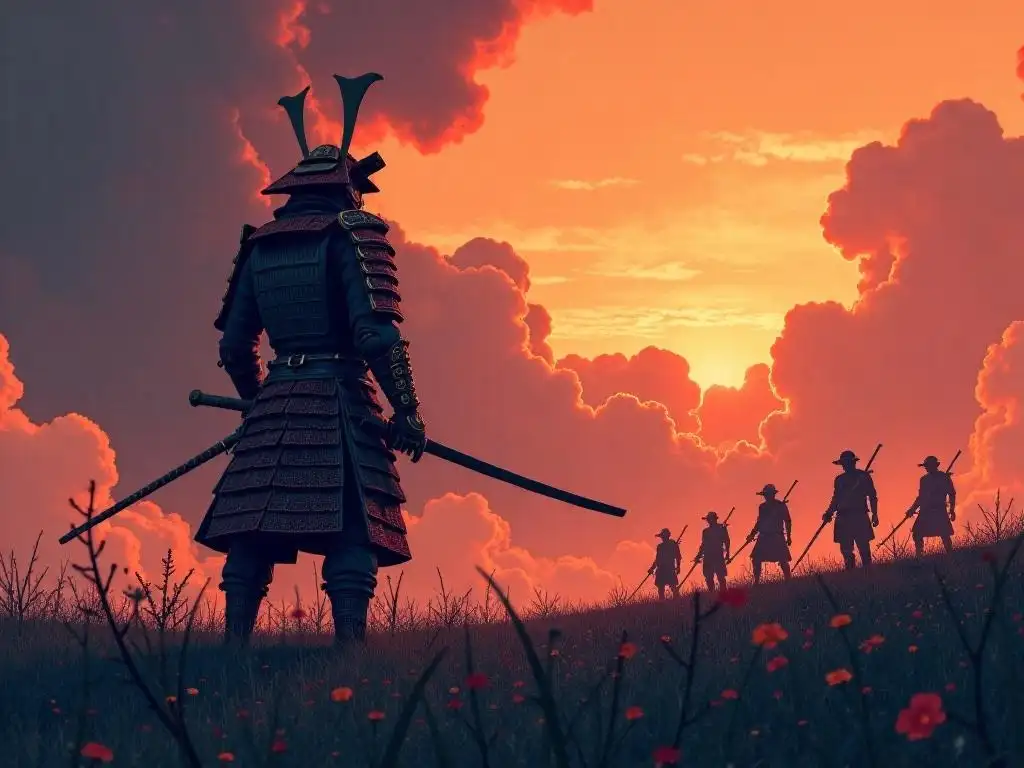
Welcome to Feudal Japan History, where we delve deep into the fascinating tapestry of Japan’s feudal era. Here, you’ll uncover the intricate interplay of power, culture, and conflict that shaped a nation. Our featured article, “The Role of the Samurai in Feudal Conflicts: Guardians or Mercenaries?” invites you to explore the enigmatic world of the samurai—were they noble protectors or mere hired swords? Join us as we unravel the layers of history and discover the true essence of these legendary warriors. Your journey through Japan's rich military past begins now!
The samurai, often romanticized as noble warriors cloaked in honor, played a pivotal role in shaping the military and social landscape of feudal Japan. Their dual identity as both guardians of their lords and, at times, mercenaries raises intriguing questions about their true nature during periods of intense conflict.
This article delves into the samurai role in feudal Japan, examining their origins, societal significance, and the historical context that molded their actions in battle. By exploring the complexities of the samurai's existence, we aim to provide a comprehensive understanding of how these formidable warriors navigated the turbulent waters of feudal strife.
Introduction to the Samurai Role in Feudal Japan
The samurai emerged as a distinct social class in Japan during the Heian period (794–1185), evolving into the elite warrior caste by the Kamakura period (1185–1333). Their status was not only defined by their martial prowess but also by a strict code of conduct known as Bushido, which emphasized loyalty, honor, and discipline. The role of the samurai was intricate, encompassing both military duties and governance, and their influence extended far beyond the battlefield.
Overview of the Samurai Class
The samurai were not merely soldiers; they were also landholders, administrators, and cultural patrons. This multifaceted identity allowed them to wield significant power within the feudal hierarchy. Key characteristics of the samurai class include:
- Martial Skills: Mastery of various weapons, including the katana and bow.
- Education: Many samurai were literate and well-versed in philosophy, poetry, and the arts.
- Loyalty: A deep commitment to their daimyō (feudal lord), often leading to their participation in battles on behalf of their lords.
Significance of Samurai in Japanese Society
The samurai played a crucial role in the social fabric of Japan, influencing not only military conflicts but also the cultural and political landscape. Their significance can be outlined as follows:
- Cultural Identity: Samurai ideals permeated Japanese culture, shaping art, literature, and philosophy.
- Political Power: As military leaders, samurai often held significant political authority, directly impacting governance.
- Role Models: The samurai's adherence to Bushido provided a moral framework that influenced the behavior and values of the broader society.
Historical Context of Feudal Japan
To fully appreciate the role of the samurai, it is essential to understand the historical context in which they operated. Feudal Japan was marked by a decentralized political structure and constant power struggles among rival warlords.
The Feudal System: Structure and Hierarchy
The feudal system in Japan was characterized by a rigid hierarchy that structured society into distinct classes:
- Emperor: The nominal ruler with little political power.
- Shogun: The military leader who held actual power and authority.
- Daimyō: Feudal lords who governed large lands and had their own samurai.
- Samurai: The warrior class, serving the daimyō and upholding the feudal order.
- Peasants and Artisans: The majority of the population, providing the agricultural and economic foundation.
This hierarchical structure created a complex web of loyalty and obligation, fundamentally influencing the samurai's role in conflicts.
Key Feudal Conflicts and Wars in Japan
Throughout feudal Japan, numerous conflicts shaped the landscape of power and loyalty among the samurai. Some of the most notable conflicts include:
- Genpei War (1180–1185): A pivotal struggle between the Taira and Minamoto clans that led to the establishment of the Kamakura shogunate.
- Onin War (1467–1477): A civil war that marked the beginning of the Sengoku period, characterized by widespread chaos and the rise of powerful daimyō.
- Battle of Sekigahara (1600): A decisive battle that paved the way for the Tokugawa shogunate and ushered in over 250 years of relative peace.
These conflicts not only showcased the military capabilities of the samurai but also highlighted their evolving roles as both guardians of their lords and, at times, mercenaries drawn into the fray of power struggles.
The Samurai's Role in Feudal Conflicts
The samurai, an iconic symbol of feudal Japan, played a crucial role in the military landscape of their time. They were not merely warriors but were deeply embedded in the socio-political fabric of Japanese society. As the elite warrior class, their responsibilities and motivations varied significantly throughout different conflicts. Understanding their dual identity as both guardians and mercenaries provides insight into the complex dynamics of power, loyalty, and survival during Japan's feudal era.
Guardians of the Realm: Defense Responsibilities
In their role as guardians, samurai were primarily tasked with the protection of their lords' territories and the maintenance of order within the realm. This responsibility was deeply rooted in the bushido code, which emphasized loyalty, honor, and bravery. Samurai were expected to defend their lord's domain against rival clans, bandits, and other external threats.
- Local Defense: Samurai often served as local military leaders, overseeing the defense of villages and towns. They trained peasants in the art of war, organizing them into militias to assist in local conflicts.
- Political Stability: The samurai's presence was essential in maintaining political stability. They acted as enforcers of their lord's will, quelling uprisings and ensuring the loyalty of the populace through a combination of military might and political maneuvering.
- Ritual of Service: The relationship between samurai and their lords was often formalized through oaths of loyalty, creating a bond that extended beyond mere economic or military necessity. This feudal loyalty was a significant aspect of the samurai's identity and purpose.
Mercenaries in Warfare: The Economic Aspect
While samurai are often romanticized as noble warriors, there was also a pragmatic aspect to their involvement in conflicts: economic necessity. Many samurai engaged in mercenary activities, especially during periods of prolonged warfare when personal and clan resources were strained.
- Economic Incentives: Samurai could sell their services to the highest bidder, often shifting allegiances based on financial rewards. This mercenary behavior was particularly evident during the Sengoku period, a time of constant warfare and shifting power dynamics.
- Clan Rivalries: The competition among clans for power and resources led to a market for samurai services, where skilled warriors could negotiate fees for their involvement in battles.
- Impact on Loyalty: This mercenary aspect complicated the traditional notions of loyalty, as samurai could be seen as opportunists rather than steadfast defenders of their lords. The line between guardian and mercenary became increasingly blurred during times of conflict.
Case Studies of Samurai in Key Conflicts
To better understand the samurai’s dual role in feudal conflicts, examining specific historical events provides valuable insights into their functions as both guardians and mercenaries.
The Genpei War: A Turning Point
The Genpei War (1180-1185) was a pivotal conflict between the Taira and Minamoto clans, marking the transition from courtly power to military rule. Samurai played a central role in this war:
- Loyalty and Betrayal: The conflict showcased the samurai's loyalty to their respective clans as well as the propensity for betrayal. Many samurai switched sides, motivated by the promise of land and power.
- Rise of the Minamoto: The Minamoto clan's victory at the Battle of Dan-no-ura solidified the samurai's role as military leaders, leading to the establishment of the Kamakura shogunate, which fundamentally altered the governance of Japan.
The Mongol Invasions: Samurai Defense
The Mongol invasions of Japan in 1274 and 1281 presented a significant test for the samurai, who were called upon to defend their homeland against a formidable external threat.
- Unified Defense Efforts: During these invasions, samurai from various clans unified under the banner of national defense, illustrating their capability to act as guardians when faced with a common enemy.
- Strategic Innovations: The samurai adapted their tactics and warfare strategies, employing their skills in archery and cavalry to repel the invaders. The legendary kamikaze, or "divine winds," which destroyed a significant portion of the Mongol fleet, further highlighted their role in protecting Japan.
The Sengoku Period: Mercenary Practices
The Sengoku period (1467-1615) was characterized by intense internal conflict and power struggles among feudal lords. This era saw an increase in the samurai's mercenary activities.
- Warfare Economy: Samurai frequently hired themselves out to different daimyo, reflecting a shift towards a more market-driven approach to warfare. These engagements were often dictated by the financial terms rather than loyalty to a single lord.
- Formation of Alliances: The fluid nature of allegiances during this time led to the formation of temporary alliances, with samurai changing sides as the tides of war shifted. This behavior reinforced their reputation as both skilled warriors and opportunistic mercenaries.
The role of the samurai in feudal Japan was multifaceted, encompassing both protective duties as guardians and pragmatic economic choices as mercenaries. Their complex identity reflects the dynamic nature of feudal conflicts and the shifting landscape of power during this pivotal era in Japanese history.
Cultural Implications of the Samurai's Role
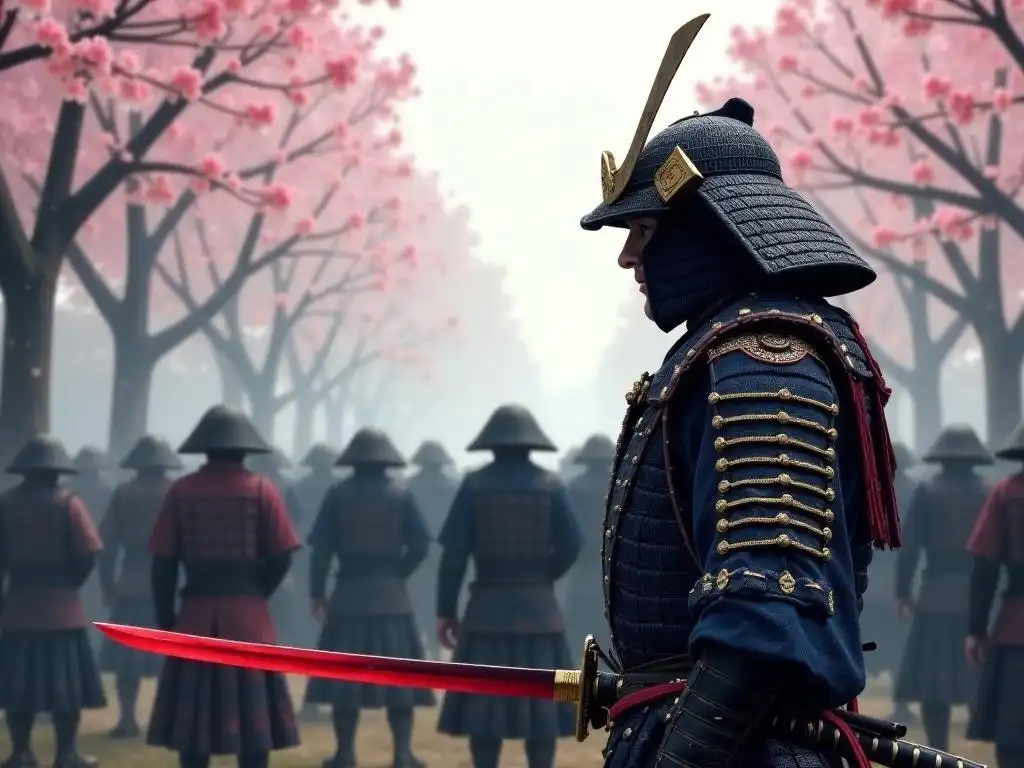
The samurai, as a warrior class in feudal Japan, played a complex role that extended beyond mere combat. Their influence permeated various aspects of Japanese culture, reflecting a unique blend of martial prowess and philosophical depth. Understanding the samurai's role in feudal conflicts requires a nuanced exploration of their cultural implications, particularly how they shaped societal values, ethics, and identity.
At the heart of samurai culture was a commitment to loyalty and honor, which were not only personal virtues but also societal expectations. This cultural framework was instrumental in establishing a sense of order during a time characterized by political instability and frequent warfare. The samurai's position as both warrior and steward of the land underscored their role as guardians of their communities, tasked with maintaining peace and protecting the interests of their lords.
Moreover, the samurai's influence extended to the arts, fostering a cultural renaissance that celebrated their ideals. The samurai's aesthetic values, which emphasized simplicity, beauty, and discipline, became ingrained in Japanese culture, influencing everything from architecture to poetry and painting. This cultural legacy continues to resonate in modern Japan, where the samurai ethos is often invoked in discussions of national identity and pride.
The Bushido Code: Ethics and Morality
The Bushido code, often translated as "the way of the warrior," encapsulated the ethical framework guiding the samurai's conduct. This unwritten code emphasized virtues such as loyalty, courage, integrity, and compassion. The samurai were expected to adhere to these principles, which not only governed their actions in battle but also shaped their interactions within society.
Bushido instilled a strong sense of duty towards one's lord and family, often placing these obligations above personal interests. This loyalty fostered a hierarchical social structure, wherein a samurai's worth was measured by his dedication to his lord and his ability to uphold the values of the code. Furthermore, the Bushido code also allowed for a sense of honor in death, with many samurai choosing seppuku (ritual suicide) over the shame of defeat.
The ethical implications of the Bushido code played a significant role in shaping the samurai's identity as both guardians and enforcers of societal norms. This duality often resulted in a moral complexity where the samurai had to navigate personal honor against the backdrop of their obligations, leading to profound cultural reflections on morality and duty.
Portrayal of Samurai in Literature and Art
The portrayal of samurai in literature and art has evolved significantly over time, reflecting broader societal attitudes toward this warrior class. From the Tale of the Heike, which chronicles the rise and fall of samurai clans, to the Hagakure, a practical and philosophical guide to the samurai way, these narratives have shaped the public's perception of the samurai as noble warriors.
In art, samurai are often depicted in traditional ukiyo-e prints, showcasing their martial prowess and elaborate armor. These visual representations not only celebrated their achievements but also mythologized their experiences, contributing to a romanticized image of the samurai in popular culture.
Modern literature and film continue to engage with the samurai narrative, often exploring themes of honor, loyalty, and the futility of war. This ongoing fascination highlights the samurai's enduring legacy and their role as cultural icons, illustrating how their lives and values resonate in contemporary discussions about identity and ethics in Japan.
The Evolution of Samurai Identity Through Conflict
The identity of the samurai evolved considerably throughout Japan's feudal conflicts, influenced by shifting political landscapes and societal changes. Initially, samurai were primarily local warriors serving regional lords during the Heian period (794-1185), focusing on the defense of their territories. However, as Japan transitioned into a more centralized government during the Kamakura period (1185-1333), the samurai's role expanded to include responsibilities as bureaucrats and guardians of the state.
The continuous cycles of conflict, including the Mongol invasions and the civil strife of the Sengoku period (1467-1603), further transformed the samurai's identity. In these turbulent times, the samurai began to adopt a more mercenary approach, aligning themselves with the highest bidder or the most favorable cause, often leading to tensions between their traditional roles as loyal retainers and their evolving status as hired fighters.
Post-conflict periods, particularly during the Edo period (1603-1868), brought about a shift towards peace and stability. As warfare diminished, the samurai adapted to new roles as administrators, educators, and cultural figures, which significantly altered their identity. This transition underscores the samurai's resilience and ability to redefine themselves amidst the changing dynamics of Japanese society.
Conclusion: Guardians or Mercenaries?
The question of whether the samurai served primarily as guardians or mercenaries is complex and multifaceted. Their role in feudal conflicts was not solely defined by their martial capabilities but also by their cultural significance and social responsibilities.
Summary of Key Points
- The samurai were integral to maintaining order and governance during feudal Japan, embodying values of loyalty and honor through the Bushido code.
- Literary and artistic portrayals of samurai reflect both their heroic exploits and the moral complexities of their identities.
- The evolution of samurai identity highlights their adaptability in response to political changes and societal needs, oscillating between roles as loyal warriors and mercenaries.
The Lasting Legacy of Samurai in Japanese History
The legacy of the samurai extends far beyond the battlefield, influencing modern Japanese culture, ethics, and national identity. Their ideals of honor, loyalty, and discipline continue to resonate, serving as touchstones for contemporary discussions on morality and social responsibility.
In essence, the samurai's dual identity as guardians and mercenaries encapsulates the complexities of military service in feudal Japan, leaving an indelible mark on the historical narrative and cultural psyche of the nation. The samurai remain a symbol of Japan's rich and tumultuous past, embodying the intricate relationship between warfare, governance, and cultural values.
Further Reading on Samurai Warfare
To gain a deeper understanding of the complex role of the samurai during feudal conflicts in Japan, a variety of resources are available. These materials encompass both historical texts and modern interpretations that shed light on the multifaceted nature of samurai warfare, their code of conduct, and their influence on Japanese society. Below, we delve into recommended books, articles, and online resources that are essential for anyone interested in the samurai's role during these tumultuous times.
Recommended Books and Articles
-
"Samurai Warfare: The Origins of the Warrior Class in Japan" by John M. McCullough
This book offers a comprehensive look at the historical development of the samurai class and their evolution into skilled warriors. McCullough explores the social and political contexts that shaped samurai warfare, making it a must-read for anyone interested in the samurai's military strategies and societal impact.
-
"The Book of Five Rings" by Miyamoto Musashi
Written by one of Japan's most famous swordsmen, this classic text discusses the philosophy and techniques of combat, providing insight into the mindset of samurai warriors. Musashi’s reflections on strategy remain relevant today and are foundational for understanding the samurai's approach to warfare.
-
"Samurai: The Story of a Warrior Tradition" by Thomas D. Conlan
Conlan presents a detailed account of the samurai's role throughout various feudal conflicts, emphasizing their dual identity as both guardians of the realm and mercenaries. His analysis of historical battles and samurai tactics adds depth to the understanding of their contributions to Japanese military history.
-
"The Samurai: A Military History" by Steven Turnbull
Turnbull's work is an excellent resource that chronicles the military history of the samurai, covering their origins, key battles, and the evolution of their warfare techniques. The book also addresses the socio-political dynamics that influenced the samurai's role as warriors.
-
"Warriors of Japan as Portrayed in the War Tales" by Helen McCullough
This anthology brings together various war tales that highlight the samurai's heroic deeds and moral dilemmas in battle. McCullough's analysis provides context for understanding the samurai's cultural significance in Japan’s feudal era.
Online Resources for Feudal Japan History
-
The Samurai Archives
This website serves as a comprehensive database of articles, documents, and resources related to samurai history and warfare. It includes a variety of topics, from famous samurai figures to significant battles, making it an invaluable tool for researchers and enthusiasts alike.
-
The Met's Timeline of Art History: Japan
The Metropolitan Museum of Art provides an online timeline that includes significant events in Japan’s history, including the rise of the samurai. This resource features images and descriptions of artifacts that illustrate the samurai's cultural context.
-
Japan Society's "Samurai Culture" Section
Japan Society offers educational resources, articles, and events related to samurai culture and history. Their platform often features insights from historians and exhibitions that explore the samurai's role in shaping Japan's past.
-
YouTube Channels on Japanese History
Channels such as "The History of Japan" and "Samurai History" provide engaging video content that explores various aspects of samurai warfare and their societal roles. These visual resources can enhance understanding through storytelling and expert commentary.
-
Digital Libraries and Archives
Institutions like the National Diet Library of Japan provide online access to historical documents, manuscripts, and texts related to samurai and feudal Japan. These archives are essential for researchers looking for primary sources.
By exploring these recommended books and online resources, readers can cultivate a well-rounded understanding of the samurai’s role in feudal Japan, transitioning from guardians of the realm to mercenaries driven by honor, loyalty, and sometimes, personal gain.
- Introduction to the Samurai Role in Feudal Japan
- Historical Context of Feudal Japan
- The Samurai's Role in Feudal Conflicts
- Case Studies of Samurai in Key Conflicts
- Cultural Implications of the Samurai's Role
- Conclusion: Guardians or Mercenaries?
- Further Reading on Samurai Warfare
Frequently Asked Questions
What was the primary role of the Samurai in feudal Japan?
The Samurai served as warrior nobility, protecting their lords' interests and maintaining order in society. Their role extended beyond combat to include governance and administration.
Were Samurai considered guardians or mercenaries?
While Samurai were often seen as guardians of their lords, some also acted as mercenaries during times of conflict, fighting for the highest bidder or in pursuit of personal gain.
How did the Bushido code influence Samurai behavior?
The Bushido code emphasized honor, loyalty, and discipline, shaping the Samurai's approach to warfare and their relationships with their lords and peers.
What impact did Samurai have on Japanese culture?
The Samurai significantly influenced Japanese culture, contributing to the development of arts, literature, and philosophy, as well as fostering a sense of national identity.
How did the role of Samurai evolve over the feudal era?
Initially focused on military service, the role of Samurai evolved to include political power and cultural patronage, especially during the later periods of Japan's feudal era.
Final Reflection: The Enduring Legacy of the Samurai in Feudal Japan
The role of the samurai in feudal Japan remains a pivotal topic that resonates deeply with contemporary discussions about honor, loyalty, and the complexities of conflict. As we explore the dual nature of samurai as both guardians and mercenaries, we uncover a rich tapestry of values and motivations that continue to shape our understanding of duty and service in today's world. The samurai's legacy is not merely historical; it serves as a lens through which we can examine our own societal structures and the moral dilemmas faced in times of conflict.
Culturally, the samurai have left an indelible mark on Japanese identity and beyond, influencing art, literature, and modern interpretations of heroism. Their story is one of valor and sacrifice, but also of the intricate balance between personal ambition and collective responsibility. As we reflect on their impact, we are reminded of the words of the philosopher Yamamoto Tsunetomo: The way of the samurai is found in death.
This profound statement encapsulates the samurai's commitment to their code, urging us to consider how we confront our own challenges and the legacies we wish to leave behind.
As we conclude this exploration of the samurai's role in feudal Japan, I invite you to reflect on the lessons embedded in their history. Consider how the principles of honor, loyalty, and sacrifice can inform your own life choices and interactions with others.
In a world that often grapples with conflict and moral ambiguity, let the samurai's story inspire you to embody these values, fostering a sense of purpose and integrity in your personal and communal endeavors. Embrace the spirit of the samurai as you navigate your own path, and strive to be a guardian of your principles in the face of adversity.
Unveil the Legacy of the Samurai: Take Action Today!
Thank you for diving into the fascinating world of samurai and their pivotal role in feudal conflicts. Your interest brings to light the complexities of these guardians and mercenaries, highlighting their profound impact on Japanese history. Now, it's time to channel that curiosity into meaningful action!
- Join a local or online discussion group focused on Japanese history to share insights and learn from others.
- Explore literature or documentaries about samurai to deepen your understanding of their lives and values.
- Reflect on their code of honor – consider how the principles of bushido can influence your daily life today.
Which aspect of the samurai’s honor or conflicts resonates most with you, and how will you incorporate it into your own journey?