
The Feudal System and Its Impact on Samurai Warfare


Welcome to Feudal Japan History, where the echoes of the past resonate through the tales of valor and strategy that shaped a nation. Dive into our latest article, "The Feudal System and Its Impact on Samurai Warfare," and uncover how the intricate web of feudalism not only defined societal hierarchies but also transformed the art of combat for the legendary samurai. What secrets lie within the feudal era that could alter your understanding of this iconic warrior class?
Join us as we unravel the profound influence of feudalism on samurai warfare and explore the cultural riches of Japan's storied history. Your journey into this captivating world begins now!
- Understanding the Feudal System in Japan
- The Samurai Class: Origin and Evolution
- The Impact of Feudalism on Samurai Warfare
- The Political and Social Implications of Samurai Warfare
- Cultural Aspects of Samurai Warfare in the Feudal System
- Conclusion: The Lasting Impact of Feudalism on Samurai Warfare
- Frequently Asked Questions
- Final Reflection: The Enduring Legacy of Feudalism on Samurai Warfare
- Unleash Your Inner Warrior: Take Action Today!
Understanding the Feudal System in Japan
In the intricate tapestry of Japan's history, the feudal system serves as a pivotal framework that shaped not only the political landscape but also the very essence of samurai warfare. The impact of feudalism on samurai is profound, intertwining concepts of loyalty, land ownership, and social hierarchies.
This article delves into the core components of the Japanese feudal system, examining how it influenced the samurai's role as warriors, their code of conduct, and the broader implications for society during this era. By exploring the historical context, key features, and the dynamics of land ownership and vassalage, we will uncover the complexities that defined samurai warfare and its enduring legacy in Japanese culture.
Definition of Feudalism in Historical Context
Feudalism, as a socio-economic system, emerged in Japan during the late Heian period (794-1185) and became fully institutionalized by the Kamakura period (1185-1333). It is characterized by a hierarchical structure where land is held in exchange for service and loyalty. In this context, feudalism can be defined as:
- A system of land ownership: Lords (daimyō) granted land (shōen) to vassals (samurai) in exchange for military service and protection.
- A network of obligations: Relationships were governed by mutual obligations and loyalty, forming a bond between the lord and vassal.
- A social hierarchy: Society was stratified, with the emperor at the top, followed by the shogun, daimyō, samurai, farmers, artisans, and merchants.
This hierarchical structure created a framework where power dynamics were heavily influenced by land ownership and military prowess, leading to significant developments in warfare strategies and samurai culture.
Key Features of the Japanese Feudal System
The Japanese feudal system is marked by several distinctive features that influenced its functionality and societal organization:
- Decentralized Power: Unlike the centralized authority seen in many Western feudal systems, Japanese feudalism was characterized by regional lords wielding considerable power within their territories.
- Samurai Class: The emergence of the samurai as a distinct warrior class was a direct result of the feudal system, which provided them with the means to gain status and wealth through military service.
- Code of Bushido: The samurai adhered to a strict ethical code known as Bushido, which emphasized loyalty, honor, and martial skill. This code was deeply rooted in the feudal obligations to their lords.
- Economic Dependencies: Land grants formed the basis of the economy, with agriculture being the primary source of wealth. The productivity of the land directly impacted the power of the samurai and their lords.
These features not only shaped the societal structure but also defined the nature of warfare in feudal Japan, as samurai were bound by their duties to defend their lords' lands and uphold their honor.
The Role of Land Ownership and Vassalage
Land ownership and the concept of vassalage were central to understanding the impact of feudalism on samurai warfare. The relationship between a lord and his samurai was deeply intertwined with the land they controlled:
- Land as Power: Control over land equated to power and influence. The more land a daimyō possessed, the greater their ability to support and equip samurai for warfare.
- Vassalage Agreements: Vassals were obligated to provide military service in exchange for land. This relationship was formalized through oaths of loyalty, which were taken very seriously in samurai culture.
- Strategic Alliances: Land ownership encouraged the formation of alliances among samurai, creating a network of mutual support that was essential during conflicts. These alliances often dictated the outcomes of battles and the rise and fall of clans.
The interplay between land ownership and vassalage not only established the foundations of the feudal system but also profoundly influenced the strategies and motivations behind samurai warfare, making it a crucial aspect of Japan's military history. The legacy of these relationships continues to resonate in the cultural narratives of feudal Japan.
The Samurai Class: Origin and Evolution
Emergence of Samurai in Feudal Japan
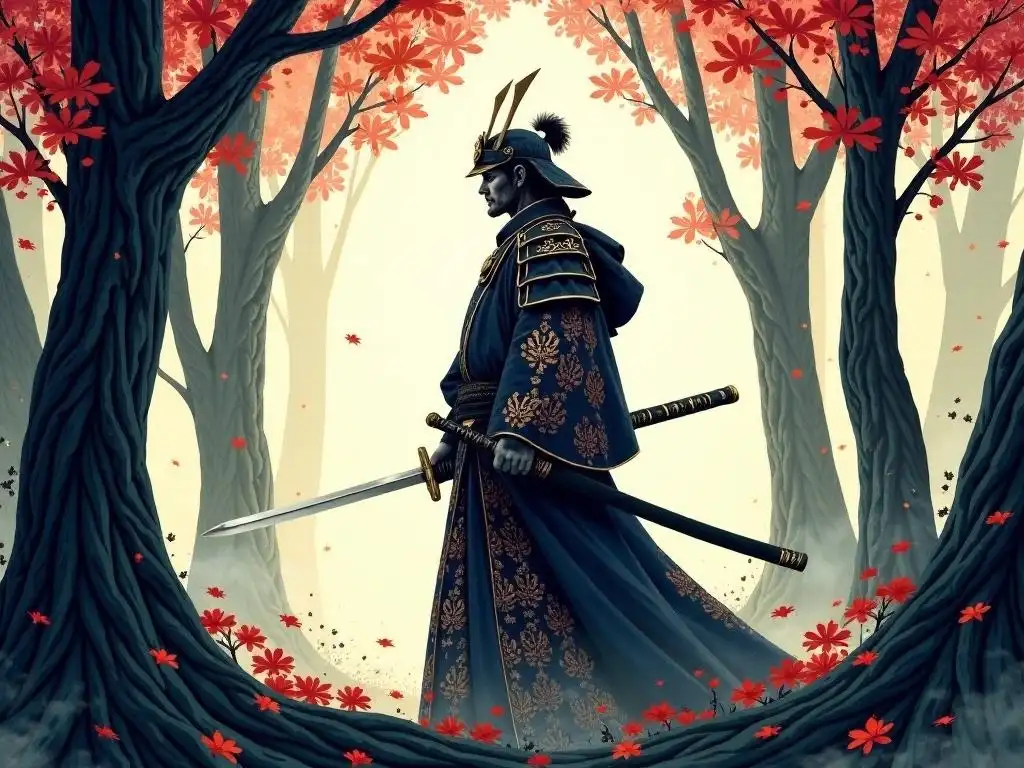
The emergence of the samurai class during Japan's feudal era can be traced back to the late Heian period (794-1185). Initially, samurai were not a distinct class but rather members of the provincial aristocracy who took on military duties. As the central government weakened, local landowners sought armed retainers to protect their interests and maintain control over their territories. This shift laid the groundwork for the samurai's rise as a powerful military class.
During the Kamakura period (1185-1333), the samurai began to consolidate their social and political authority. The establishment of the Kamakura shogunate marked a significant transition, as the shogun became the de facto ruler of Japan, with the samurai serving as the primary military force. The loyalty of samurai to their lords, or daimyōs, became a defining characteristic of their identity.
The impact of feudalism on samurai was profound, as it created a system where loyalty, honor, and martial skill were paramount. This environment fostered a unique warrior ethos, encapsulated in the code of bushidō, which emphasized loyalty, bravery, and discipline. Over time, this code would shape not only the conduct of samurai in battle but also their roles in society.
As feudalism solidified, the social status of samurai became increasingly stratified. Samurai were granted land and stipends from their lords, which allowed them to maintain a lifestyle befitting their status. This arrangement provided a clear hierarchy within the samurai class itself, as lower-ranking samurai often served higher-ranking ones.
The responsibilities of samurai extended beyond mere combat. They acted as local leaders, enforcing laws, collecting taxes, and managing agricultural production. This dual role of warrior and administrator was crucial for maintaining order in the feudal system.
Key Responsibilities:
- Military Service: Samurai were expected to engage in warfare on behalf of their lords, leading troops in battle and executing strategies.
- Land Management: Many samurai were tasked with overseeing agricultural lands, ensuring that production was sufficient to support their families and their lords.
- Judicial Duties: Samurai often served as judges in local disputes, reflecting their elevated status and the trust placed in them by their lords.
Through these responsibilities, samurai solidified their importance in the feudal hierarchy, reinforcing the impact of feudalism on samurai culture and warfare.
The Transition from Warrior to Noble
As Japan moved into the later stages of the feudal era, particularly during the Muromachi period (1336-1573), the role of samurai began to evolve significantly. The rise of powerful daimyōs led to a greater emphasis on political and economic power rather than purely military prowess.
This transition marked a shift in the samurai's identity, from a focus on battlefield skills to a more complex role that included governance and diplomacy. Many samurai became landowners and administrators, further blurring the lines between the warrior class and the nobility. This evolution was characterized by:
- Cultural Patronage: Samurai began to engage in the arts, literature, and philosophy, leading to a flourishing of culture during the Muromachi period.
- Political Alliances: Marriages and alliances among samurai families became common, enhancing their political influence and stability.
- Economic Power: As landowners, samurai developed economic ties that allowed them to accumulate wealth, which in turn reinforced their noble status.
This transition illustrates the profound impact of feudalism on samurai, as they evolved into a class that wielded not only military might but also significant political and cultural influence. The interplay between warfare and nobility fundamentally shaped the development of samurai identity and their role in Japanese society.
The Impact of Feudalism on Samurai Warfare

The feudal system in Japan significantly shaped the landscape of warfare during the samurai era. This hierarchical structure tied together the relationships between lords and their vassals, creating a complex web of obligations that influenced military strategies, allegiances, and the overall conduct of war. Understanding the impact of feudalism on samurai warfare is essential for grasping how these factors intertwined to create a unique military culture in Japan.
Military Organization and Structure under Feudalism
The feudal system established a rigid military hierarchy that dictated the organization of samurai forces. At the top of this structure were the daimyō, powerful feudal lords who governed large territories and commanded considerable resources. Below them were the samurai, the warrior class, who pledged loyalty to their lords in exchange for land and protection. This relationship is often summarized in the phrase:
The samurai serves the daimyō, and in return, he receives land and status.
Key Components of Military Organization:
- Vassalage: Samurai were vassals to the daimyō, and their primary duty was to provide military service when called upon. This bond of loyalty was critical, as it ensured that the samurai had a vested interest in the success of their lord.
- Retainers: Each samurai typically had a retinue of lower-ranking warriors and retainers, who assisted in military campaigns. This created a layered command structure that allowed for effective mobilization of troops.
- Regional Forces: The daimyō would assemble regional forces to conduct warfare, which often included a mix of samurai and peasant soldiers, the latter being conscripted for battles. This diversification of forces allowed for greater flexibility in military campaigns.
| Component | Description |
|---|---|
| Daimyō | Feudal lords commanding large territories |
| Samurai | Warrior class serving the daimyō |
| Retainers | Lower-ranking warriors aiding samurai |
| Regional Forces | Mixed troops conscripted for battle |
Changes in Warfare Tactics Due to Feudal Practices
Feudalism brought about significant changes in warfare tactics, which were largely dictated by the needs and limitations of the feudal structure. The samurai adapted their strategies to align with the political and social realities of their time.
Tactical Developments:
- Siege Warfare: With the rise of fortified castles (shiro) during the feudal era, siege tactics became crucial. Samurai learned to employ various strategies, such as surrounding castles and cutting off supplies, to force their enemies into submission.
- Cavalry Charges: The samurai, often mounted warriors, developed specialized cavalry tactics that leveraged their mobility. This included swift attacks, flanking maneuvers, and hit-and-run tactics that were particularly effective against infantry.
- Formation and Discipline: The hierarchical nature of feudalism necessitated strict discipline within samurai ranks. This led to the development of formations and battle drills that enhanced the effectiveness of samurai units during engagements.
Examples of Tactical Adaptations:
- The Battle of Sekigahara (1600): This pivotal battle exemplified the use of terrain and strategic positioning in feudal warfare. The samurai forces employed formations that capitalized on the landscape, showcasing their tactical agility.
The Influence of Feudal Lords on Samurai Loyalty
The feudal system deeply influenced samurai loyalty, which was paramount in maintaining the stability and effectiveness of military forces. Loyalty was not merely a personal virtue; it was embedded in the fabric of feudal relationships.
Factors Influencing Loyalty:
- Honor and Bushidō: The samurai code of honor, known as bushidō, emphasized loyalty to one’s lord. This cultural aspect reinforced the expectation that samurai would fight to the death for their daimyō, further entrenching their loyalty in a martial context.
- Land and Wealth: The promise of land and wealth from the daimyō motivated samurai to remain loyal. This material incentive provided a tangible reward for military service, ensuring that samurai remained committed to their lords.
- Personal Relationships: The personal bond between a daimyō and his samurai often transcended mere obligation. Many samurai viewed their lords as paternal figures, fostering a sense of loyalty that was deeply personal and emotional.
The interplay between feudalism and samurai warfare created a distinctive military culture that shaped Japan's historical landscape. The impact of feudalism on samurai not only influenced military organization and tactics but also forged a unique bond of loyalty that defined the samurai's role in society. Understanding these dynamics provides a clearer picture of the complexities of warfare during Japan's feudal era.
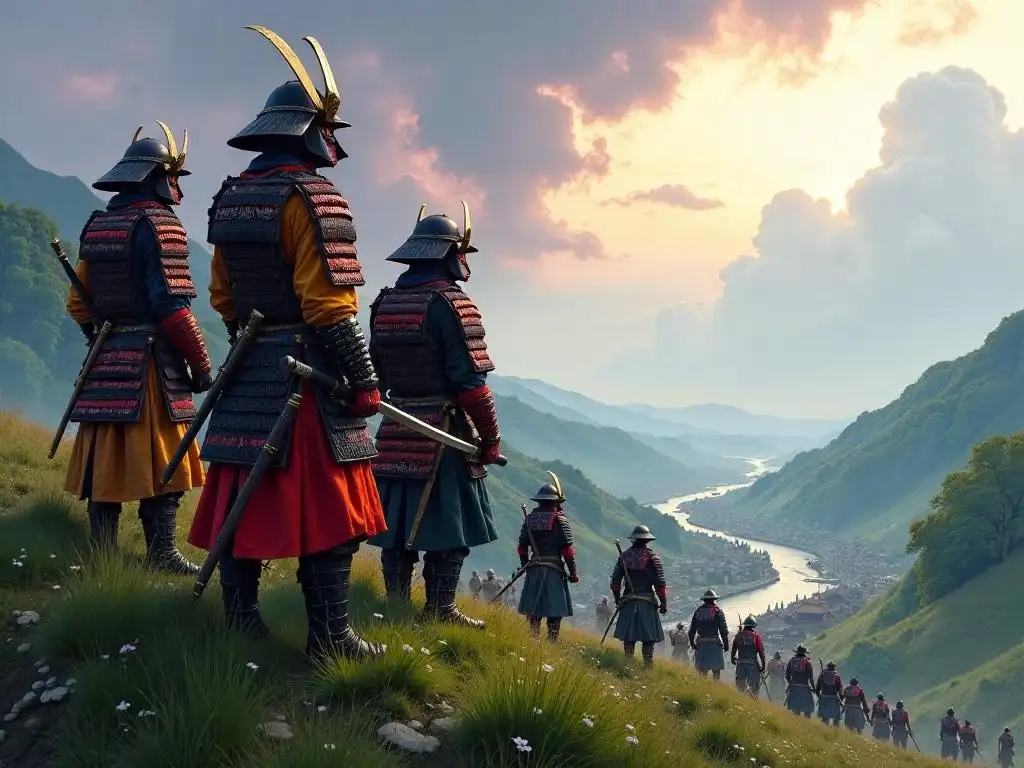
The feudal system in Japan not only shaped the political landscape of the era but also had profound implications for samurai warfare. Under this hierarchical structure, the relationship between lords and vassals was pivotal, influencing military strategies, alliances, and the overall conduct of war. Understanding these dynamics provides insight into how feudalism impacted samurai actions on the battlefield and their roles within society.
Feudal Alliances and Their Impact on Military Campaigns
Feudal alliances were the backbone of military campaigns during Japan's feudal era. These alliances were forged through a complex web of loyalty and obligation, dictated by the principles of bushido—the way of the warrior. Samurai served their lords in exchange for land and protection, creating a reciprocal relationship that defined the feudal structure.
- Strategic Marriages: Alliances were often solidified through marriages between powerful families. For example, the marriage of Takeda Shingen's daughter to a member of the Hojo clan exemplifies how familial ties could bolster military support and resources.
- Collective Forces: Feudal lords would mobilize their samurai for joint military efforts, pooling resources and troops for larger campaigns. The Sengoku period is a prime example, where regional daimyos (feudal lords) formed coalitions to challenge rival factions.
- Local Loyalties: The deployment of samurai was often limited by their loyalty to their immediate lord, which could lead to fragmented forces. This localized loyalty affected the coordination of larger military strategies, making unified efforts challenging.
This network of alliances and loyalties directly impacted military campaigns, often determining the outcome of battles and the stability of feudal domains.
The Role of Samurai in Maintaining Feudal Order
Samurai were not only warriors; they were also enforcers of the feudal order. Their primary role was to uphold the authority of their lords, which imbued them with significant political and social responsibilities.
- Law and Order: Samurai acted as magistrates within their domains, maintaining peace and enforcing laws. This dual role strengthened the feudal hierarchy, as samurai were tasked with protecting their lord's interests and suppressing dissent.
- Land Management: Samurai were often granted land in exchange for military service, making them landowners responsible for agricultural production. This economic aspect reinforced the feudal structure, as the wealth generated from the land supported both the samurai and their lords.
- Cultural Guardians: Beyond military duties, samurai were also cultural custodians. They promoted the arts, education, and the development of bushido, which emphasized virtues such as loyalty, honor, and discipline. This cultural role further solidified the samurai's importance in the social fabric of feudal Japan.
The interplay of military duty and societal role enabled the samurai to maintain the feudal order, reinforcing their significance in both warfare and governance.
Case Studies: Notable Samurai Battles Influenced by Feudalism
Several key battles throughout Japan's feudal history illustrate the profound impact of feudalism on samurai warfare. These case studies highlight how political alliances, loyalties, and the feudal system shaped military engagements.
-
Battle of Sekigahara (1600)
This decisive battle marked the end of the Sengoku period and the rise of the Tokugawa shogunate. The conflict saw a coalition of samurai under Tokugawa Ieyasu face off against the forces loyal to Ishida Mitsunari. The feudal allegiances of various daimyos played a crucial role in the battle's outcome, as shifting loyalties led to the collapse of Mitsunari’s forces.
-
Battle of Okehazama (1560)
A classic example of how strategic alliances could be pivotal, Okehazama saw Oda Nobunaga defeat a much larger army led by Imagawa Yoshimoto. Nobunaga’s ability to leverage the feudal system, including the support of local samurai who were dissatisfied with Imagawa's leadership, allowed him to execute a surprise attack that changed the course of Japanese history.
-
Siege of Osaka Castle (1614-1615)
This prolonged conflict between the Tokugawa shogunate and the Toyotomi clan illustrated the lengths to which samurai would go to uphold feudal loyalty. The siege culminated in the fall of Osaka Castle, reflecting the ultimate triumph of Tokugawa's feudal system over rival claimants to power.
These battles underscore the intricate relationship between feudalism and samurai warfare, showcasing how the political and social structures of the time profoundly influenced military strategies and outcomes.
Cultural Aspects of Samurai Warfare in the Feudal System
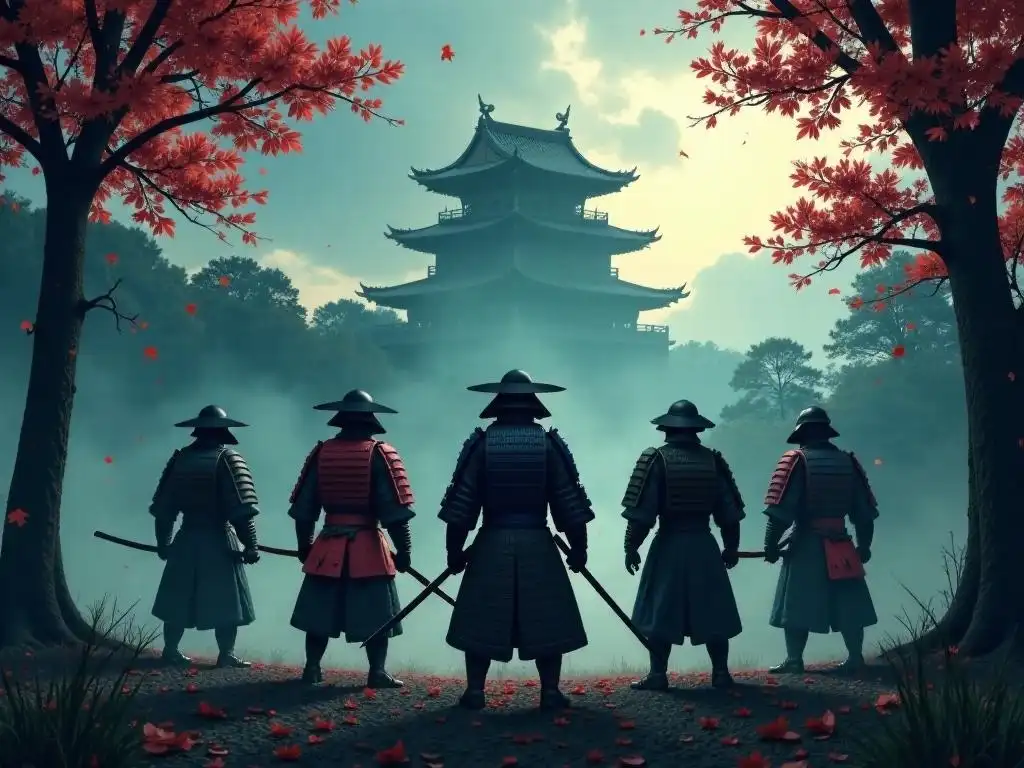
The cultural dimensions of samurai warfare during Japan's feudal era are deeply intertwined with the societal structure of feudalism itself. The samurai, as the warrior class, were not only military figures but also cultural icons who embodied the values and ethics of their time. This section explores the primary cultural aspects that defined samurai warfare within the feudal system.
Bushido: The Code of the Samurai
Bushido, meaning "the way of the warrior," is a fundamental concept that shaped the samurai's conduct in warfare and daily life. It is a moral code that emphasizes virtues such as:
- Loyalty: Devotion to one's lord was paramount, often leading to acts of valor and sacrifice.
- Honor: Maintaining one's honor was crucial; defeat in battle could lead to seppuku (ritual suicide) to restore honor.
- Courage: The samurai were expected to face danger without fear, embodying bravery in the face of adversity.
The evolution of Bushido can be traced through historical texts and literature from the feudal period, illustrating how these principles influenced samurai behavior in combat. For instance, the Hagakure, written by Yamamoto Tsunetomo in the early 18th century, encapsulates the spirit of Bushido, emphasizing the importance of loyalty and the samurai's readiness to die for their lord.
Influence of Feudalism on Samurai Ethics and Values
The impact of feudalism on samurai ethics and values is significant. The hierarchical structure of feudal Japan created a system where loyalty and service to a higher authority were essential. Samurai were not just warriors; they were vassals bound by oaths of loyalty to their daimyō (feudal lords). This relationship fostered a culture of:
- Mutual obligation: Samurai were expected to serve and protect their daimyō, while daimyō were responsible for the welfare of their samurai.
- Social stratification: The feudal system reinforced a clear social hierarchy, where samurai held a privileged status, influencing their worldview and values.
- Collective identity: Samurai culture was characterized by a strong sense of belonging to a clan or family, which greatly affected their motivations in warfare.
This ethical framework was not static; it evolved with the changing political landscape of Japan, reflecting the shifting allegiances and conflicts that defined the feudal era. The samurai's commitment to their values often influenced their tactical decisions in battle, emphasizing honor over mere victory.
Art and Literature Reflecting Samurai Warfare
The rich tapestry of art and literature from the feudal era serves as a lens through which we can examine the cultural aspects of samurai warfare. Various forms of artistic expression captured the ethos of samurai life and their martial exploits:
- Paintings and Scrolls: Works such as The Tale of the Heike depicted famous battles and the code of honor, illustrating the valor and tragedy of samurai warfare.
- Noh and Kabuki Theater: These traditional forms of Japanese theater often portrayed samurai stories, emphasizing themes of honor, loyalty, and the human condition in the face of conflict.
- Literary Works: Samurai poetry, particularly the haiku and tanka, conveyed the emotional landscape of warriors, often reflecting on themes of nature, mortality, and the fleeting nature of life.
Through these artistic mediums, the cultural impact of feudalism on samurai warfare is vividly illustrated, highlighting how deeply embedded the values of the samurai were in the broader cultural context of Japan. The legacy of these cultural aspects continues to influence contemporary perceptions of the samurai and their significance in Japanese history.
Conclusion: The Lasting Impact of Feudalism on Samurai Warfare
Summary of Key Points
The feudal system in Japan, established during the 12th century, fundamentally shaped the social, political, and military landscape of the nation. Key points regarding the impact of feudalism on samurai warfare include:
- Hierarchy and Loyalty: The feudal structure created a clear hierarchy where loyalty to one's lord (daimyo) was paramount. Samurai were bound by a code of honor, known as bushido, which emphasized loyalty and duty, directly influencing their conduct in warfare.
- Military Organization: The feudal system facilitated the rise of a warrior class that was organized and trained for combat. This led to the development of distinct military strategies and formations that were unique to samurai warfare.
- Land and Resources: The allocation of land to samurai in exchange for military service ensured that these warriors had the resources necessary to maintain their prowess. This system also incentivized samurai to engage in battles to expand their domains and increase their wealth.
- Technological Advancements: The demands of feudal warfare spurred innovations in weaponry and tactics. The samurai adapted to new technologies, such as firearms introduced by Portuguese traders in the 16th century, changing the dynamics of combat.
- Civil Conflicts: The feudal era was marked by numerous conflicts, such as the Genpei War and the Sengoku period, which were driven by power struggles among daimyos. These conflicts not only shaped the political landscape but also further defined the role of samurai as elite warriors.
Reflection on the Legacy of Samurai in Japan's Feudal Era
The legacy of the samurai extends beyond mere military prowess; it encompasses a rich cultural heritage that continues to influence modern Japanese society. The values instilled in samurai through the feudal system, such as honor, discipline, and loyalty, remain significant in contemporary Japan.
- Cultural Influence: The samurai’s code of conduct has permeated various aspects of Japanese culture, including literature, art, and theater. The romanticized image of the samurai as noble warriors endures, often depicted in films and literature, which highlights their complexity and virtues.
- Modern Interpretations: The historical narrative of the samurai has been reinterpreted in modern contexts, influencing contemporary discussions on identity and values. This enduring fascination with the samurai reflects a collective memory that honors their contributions to Japan’s history.
- Tourism and Education: The legacy of the samurai attracts both domestic and international tourists to historical sites, castles, and museums, which preserve and celebrate this unique aspect of Japan’s feudal past. Educational programs also emphasize the samurai's role in shaping Japan's history, ensuring that future generations appreciate their impact.
The impact of feudalism on samurai warfare is a profound chapter in Japan's military history, one that has shaped not only the samurai as a warrior class but also the very fabric of Japanese society. The lessons learned and values upheld during this era continue to resonate today, solidifying the samurai's place in the national consciousness.
Frequently Asked Questions
What was the feudal system in Japan?
The feudal system in Japan was a hierarchical structure that emerged during the medieval period, where land ownership and military service were exchanged for loyalty and protection.
How did feudalism influence samurai warfare?
Feudalism significantly shaped samurai warfare by establishing a system of loyalty and duty, which dictated the samurai's role as warriors serving their lords in battles and conflicts.
What role did samurai play in feudal Japan?
Samurai were the military elite of feudal Japan, tasked with protecting their daimyos (feudal lords) and maintaining order, while also adhering to the bushido code of honor and loyalty.
How did the samurai's status change over time?
Over the centuries, the samurai's status evolved from warriors to administrators and even landowners, particularly during the Edo period, leading to a shift in their societal role.
What were the cultural impacts of feudalism on samurai?
Feudalism fostered a unique cultural identity for samurai, emphasizing arts, philosophy, and the bushido code, which shaped their values and influenced Japanese society as a whole.
Final Reflection: The Enduring Legacy of Feudalism on Samurai Warfare
The impact of feudalism on samurai warfare continues to resonate in today’s society, as we explore the intricate relationships between power, loyalty, and conflict. The feudal system not only shaped the military strategies of the samurai but also laid the groundwork for social hierarchies that can still be observed in various forms across cultures. Understanding this historical context allows us to appreciate how the dynamics of power and loyalty have evolved yet remain relevant in contemporary discussions about governance and social structures.
Culture and society are deeply influenced by the historical frameworks that precede them, and the legacy of feudalism is no exception. The samurai, as both warriors and vassals, exemplified the complexities of loyalty and duty, which still echo in modern narratives of honor and service.
As historian John W. Hall noted, > “The samurai were not just warriors; they were a reflection of the society that produced them, embodying the values and conflicts of their time.” This observation highlights how the samurai's role in warfare was not merely about combat but also about navigating the intricate web of feudal obligations and societal expectations.
As we reflect on the lessons of feudalism and its impact on samurai warfare, I invite you to consider how these historical dynamics play out in your own life. What does loyalty mean to you in your relationships and commitments? How do power structures influence your decisions and actions? By examining these questions, we can draw inspiration from the past to forge a more thoughtful and engaged future, recognizing that the legacies of history shape our present and guide our paths forward.
Unleash Your Inner Warrior: Take Action Today!
Thank you for exploring the profound world of the feudal system and its impact on samurai warfare with us. You've delved into the complexities of history that shaped Japan's legendary warriors. Now, it’s time to put that knowledge into action!
- Join a local history group or forum to discuss your newfound insights and connect with fellow history enthusiasts.
- Read a book or watch a documentary about a specific battle involving samurai to deepen your understanding of their tactics and strategies.
- Share this article with friends or on social media to spark discussions about the fascinating interplay between feudal society and warfare.
What aspect of samurai warfare intrigues you the most? Consider how it has influenced contemporary views on honor and valor in society today.