
Women at Sea: The Untold Stories of Female Naval Figures

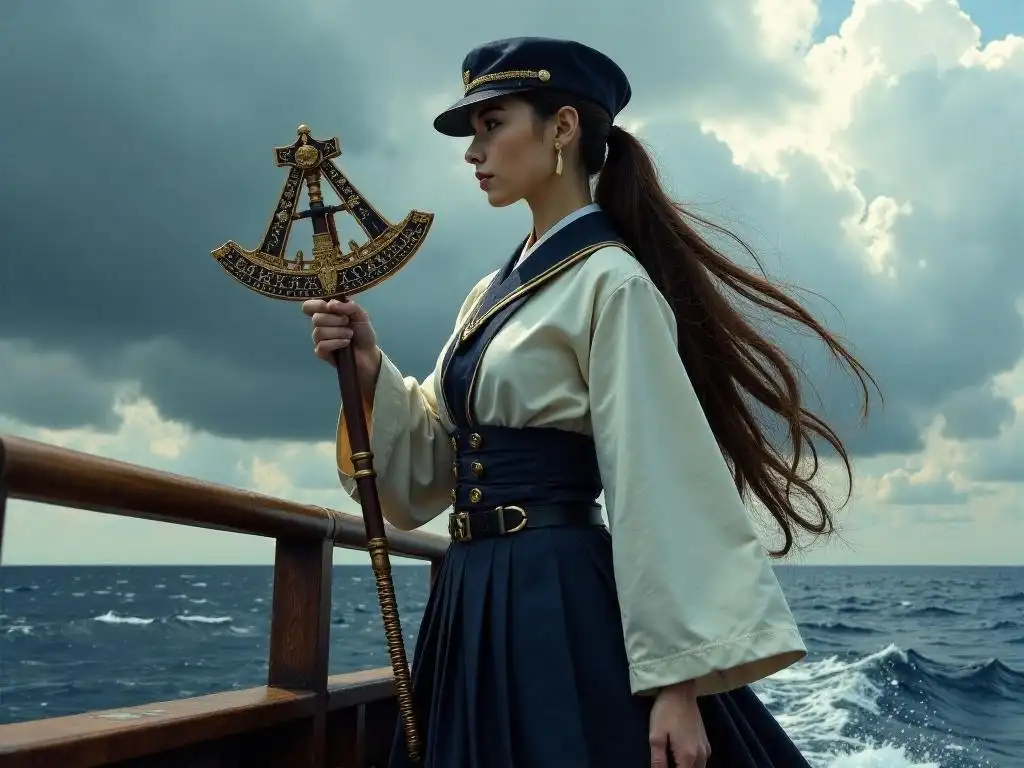
Welcome to Feudal Japan History, where we dive deep into the rich tapestry of Japan's feudal era. Here, history is not just a subject; it’s a story waiting to be uncovered. Have you ever wondered about the powerful female naval leaders in Japan who challenged the norms of their time?
In our featured article, “Women at Sea: The Untold Stories of Female Naval Figures,” we reveal the remarkable tales of these trailblazing women who defied expectations and sailed into the annals of history. Prepare to embark on a journey that will change your perspective on military history and the influential roles women played. Keep reading to discover their extraordinary legacies!
The history of Japan’s feudal era is often dominated by the tales of male samurai and military leaders, overshadowing the significant contributions made by women, particularly in naval warfare. The keyword "Female naval leaders in Japan" encapsulates a rich yet frequently overlooked narrative of resilience, strategy, and leadership.
This article seeks to illuminate the stories of women who played pivotal roles at sea, navigating the turbulent waters of conflict and governance. From legendary figures to unsung heroines, these narratives not only enrich our understanding of military history but also challenge conventional perceptions of gender roles in a time when societal expectations were rigidly defined.
Historically, women in Japan were often relegated to domestic roles, yet there existed a spectrum of influence that extended beyond the household. In the context of naval warfare, some women were known to take on leadership roles, engaging directly in battles or influencing naval strategies. Notable examples include:
- Commanders: Women who led fleets or commanded ships in battles.
- Strategists: Female figures who provided crucial tactical advice and insights during naval conflicts.
- Cultural Icons: Women whose stories inspired others and shaped the narratives around naval engagements.
These roles highlight that, while not always documented, women's involvement in naval affairs was significant and multifaceted.
Acknowledging the contributions of female naval leaders is crucial for several reasons:
- Broadening Historical Perspectives: Including women’s narratives provides a more comprehensive view of naval history, illustrating the diverse contributors to maritime warfare.
- Inspiring Future Generations: Recognizing these figures can serve as an inspiration for women today, encouraging greater participation in fields traditionally dominated by men.
- Challenging Gender Stereotypes: Highlighting the achievements of female naval leaders helps dismantle long-standing stereotypes about gender roles in society.
By focusing on these aspects, we can appreciate the full scope of contributions made by women in Japan’s military history.
The Feudal Era and Its Impact on Society
The feudal era in Japan, spanning from the 12th to the 19th century, was characterized by a strict hierarchical structure and a warrior culture. During this time, the roles and expectations of women were deeply intertwined with the broader societal norms. While many women were confined to domestic responsibilities, the chaos of war occasionally opened avenues for them to step into roles of power.
- War and Displacement: Conflicts often led to the displacement of families, prompting women to assume leadership roles in their absence.
- Political Alliances: Marriages and relationships often involved strategic alliances, granting women influence over naval affairs indirectly.
This historical backdrop sets the stage for understanding the unique contributions of female naval leaders during this tumultuous period.
Cultural Perceptions of Women in Military Roles
Cultural perceptions played a significant role in shaping the involvement of women in military and naval endeavors. While traditional gender roles were restrictive, there were cultural narratives that celebrated female strength and valor.
- Mythology and Folklore: Stories of warrior women in Japanese mythology, such as the legendary figure of Tomoe Gozen, contributed to a cultural recognition of female strength.
- Martial Training: In some cases, women were trained in martial arts, preparing them for active participation in conflicts.
These cultural elements reveal a complex interplay between societal expectations and the realities of women's roles in naval warfare, suggesting that while barriers existed, opportunities for participation were also present.
Through this comprehensive exploration, the article aims to shed light on the untold stories of female naval figures in Japan, enriching the discourse surrounding military history and gender roles.
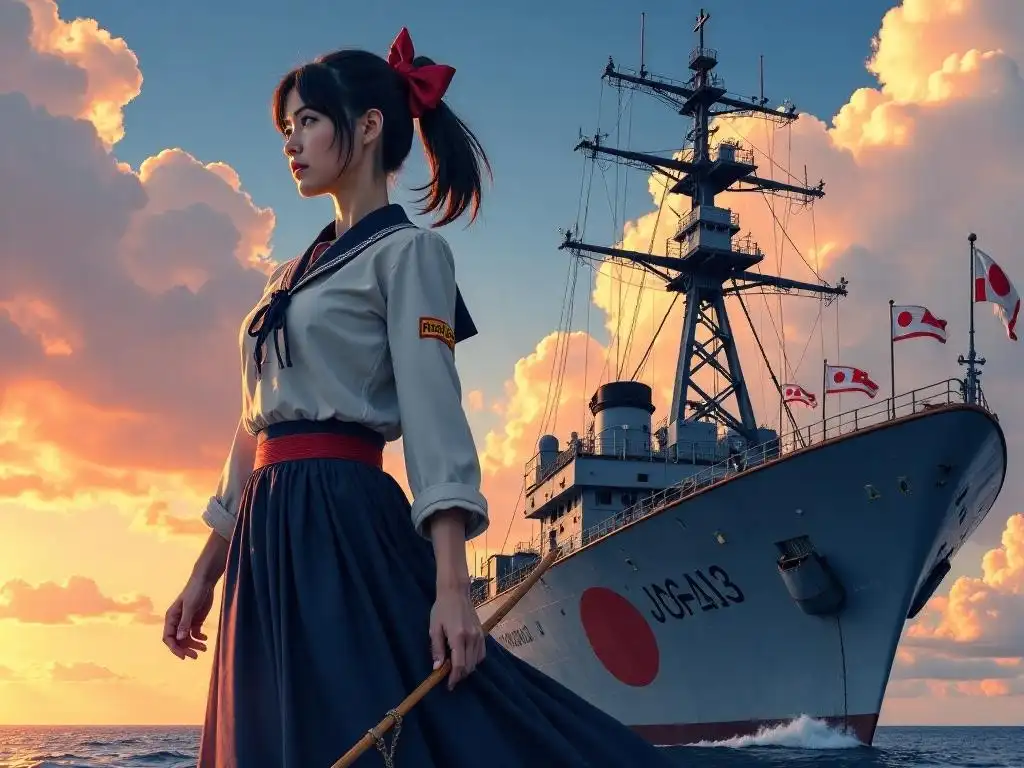
Throughout Japan's feudal era, several remarkable women emerged as influential figures in naval warfare. These female naval leaders not only defied societal norms but also played critical roles in shaping the maritime strategies of their time. Their stories have often been overshadowed by their male counterparts, but their contributions are vital to understanding the full scope of Japan's naval history. Here are three notable figures whose legacies continue to inspire.
Tomoe Gozen: Pioneer of Naval Command
Tomoe Gozen is one of Japan's most celebrated female warriors, known for her prowess in battle during the late 12th century. A skilled archer and swordswoman, she served under Minamoto no Yoshinaka during the Genpei War. Her naval involvement became particularly prominent during the battles around the waterways of Japan, where she commanded troops with exceptional skill.
Tomoe's most famous account comes from the Battle of Awazu, where she fought valiantly against overwhelming odds. Despite being outnumbered, she is said to have taken down numerous enemies, showcasing her tactical acumen. Her legacy as a pioneer of naval command is not just in her actions but also in the way she broke gender barriers, inspiring future generations of women to take active roles in military affairs.
Hojo Masako: The Warrior Queen of the Sea
Hojo Masako, the daughter of the powerful Hojo clan, is another significant figure in the context of female naval leadership. After the death of her husband, Minamoto no Yoritomo, she became a key political figure as the shikken (regent) of the Kamakura shogunate. Masako's influence extended to naval matters, where she played a vital role in organizing defenses against rival clans.
Her strategic initiatives included securing coastal areas and enhancing naval capabilities, reflecting her understanding of maritime warfare's importance. Masako's leadership during the Mongol invasions in the late 13th century further solidified her reputation as a warrior queen. She demonstrated that women could not only lead but also strategize effectively in naval warfare, leaving an indelible mark on Japan's military history.
Kōkichi: The Unsung Heroine of Naval Warfare
Kōkichi is often overshadowed in discussions of female naval leaders in Japan, yet her contributions are noteworthy. Serving during the early Edo period, she took command of a naval vessel after her husband’s death in a skirmish. Her leadership during the turbulent times of piracy and coastal raids exemplified her resilience and tactical skill.
Kōkichi is credited with successfully defending her territory against multiple incursions, employing innovative strategies that relied on both naval prowess and local knowledge of the waters. Her story highlights how women, often relegated to the background, played critical roles in maintaining the security and integrity of their communities.
Women in feudal Japan were often seen in traditional roles, yet many broke free from these constraints to take on significant responsibilities in naval warfare. Their involvement ranged from command positions to strategic planning, revealing a more nuanced understanding of gender roles during this era.
Training and Skills of Female Naval Leaders
Female naval leaders were often trained in various martial skills from a young age. Despite societal limitations, many women learned combat techniques, navigation, and ship management. Notable figures like Tomoe Gozen and Hojo Masako not only displayed physical prowess but also honed their strategic thinking through experience in battles and military campaigns.
Training often took place within the context of family and clan dynamics, where women were expected to contribute to their family's military strength. This preparation enabled them to step into leadership roles when necessary, demonstrating that women possessed the skills required for effective naval command.
Women as Strategists and Commanders
Women like Masako and Kōkichi exemplified how women could serve as proficient strategists and commanders in naval warfare. Their ability to lead forces, devise tactics, and make critical decisions during battles showcases the strategic intellect that women brought to the maritime landscape of feudal Japan.
Women participated in planning military campaigns, often leveraging their intimate knowledge of local geography and politics. Their contributions were crucial during times of conflict, where their insights could determine the outcomes of naval engagements.
The Social and Political Influence of Female Naval Leaders
The influence of female naval leaders extended beyond the battlefield. Their roles often intertwined with political power, as seen in the case of Hojo Masako, who shaped policies and alliances through her leadership. Women in these positions could sway public opinion and mobilize resources, proving that their impact was felt across both military and political spheres.
Moreover, these women challenged the traditional gender roles of their time, paving the way for future generations to explore leadership opportunities in various domains, including military and naval affairs. Their legacies serve as a testament to the potential of women to influence significant historical narratives, marking their place in the annals of Japan's feudal history.
Stories of Resistance and Resilience
The narratives of female naval leaders in Japan during the feudal era are rich with tales of resistance and resilience. Women, often relegated to the domestic sphere, stepped beyond societal norms to assert their capabilities at sea. Figures such as Tomoe Gozen, a legendary warrior, exemplify how women navigated their roles in a predominantly male domain, engaging in combat and demonstrating remarkable leadership qualities. Their stories often reflect a relentless spirit, showcasing how these women not only participated in naval warfare but also influenced the course of battles through strategic acumen and courage.
Furthermore, many of these women were not only warriors but also navigators and commanders, challenging the perception that naval exploits were exclusively male endeavors. The historical accounts of women like Hojo Masako, who wielded significant power during her husband's reign, highlight the multifaceted roles women played in maritime affairs. These narratives reveal a tapestry of strength, where women resisted societal constraints and carved out their legacies amid the tumultuous waters of feudal Japan.
Challenges Faced by Women in a Male-Dominated Field
Women in feudal Japan faced immense challenges as they sought to carve a niche in the male-dominated field of naval warfare. The societal expectations of the time dictated that women should remain within the confines of their homes, focusing on domestic duties. However, the call to arms during periods of conflict saw some women defy these norms.
- Cultural Constraints: The rigid structures of samurai culture often marginalized women, limiting their opportunities for participation in military activities.
- Physical Demands: The physical nature of naval warfare posed additional barriers. Women often had to prove their strength and resilience in a space designed for men, which was compounded by the need to navigate the complexities of ship life, including handling heavy equipment and engaging in combat.
- Social Stigma: Those who pursued naval careers faced social stigma, as their actions contradicted the traditional expectations of femininity. This stigma often led to isolation from their peers and families, making their determination to serve even more commendable.
Despite these challenges, many women persisted, driven by personal convictions or familial legacies, thus reshaping the narrative surrounding female participation in naval leadership.
Accounts of Triumph and Defeat
The accounts of triumph and defeat among female naval figures in Japan are integral to understanding their impact on naval history. While many women achieved remarkable feats, they also faced significant setbacks.
- Victories: Women like Tomoe Gozen are celebrated for their valiant efforts in battles, often leading troops and inspiring their comrades. Their successes in combat not only secured victories for their clans but also challenged the prevailing views on women's capabilities.
- Defeats: Conversely, the stories of women who faced defeat illustrate the harsh realities of war. Figures such as Hojo Masako, while influential, also navigated the complexities of political intrigue and betrayal, which sometimes culminated in loss rather than victory. These narratives serve as reminders of the unpredictability of warfare and the courage required to face its consequences.
The duality of triumph and defeat in these accounts reveals a nuanced perspective on female naval leaders, demonstrating that their journeys were often fraught with peril and uncertainty.
The Legacy of Resilience Among Female Naval Leaders
The legacy of resilience among female naval leaders in Japan is a testament to their enduring influence. Their stories have inspired generations, shaping cultural narratives around women's strength and capability.
- Cultural Impact: Many of these figures have become subjects of folklore and literature, symbolizing bravery and defiance. Their legacies challenge the traditional narratives that often overlook women's contributions to military history.
- Historical Recognition: In recent years, historians and scholars have begun to acknowledge the roles of these women, recognizing their contributions to naval strategies and warfare. This shift not only honors their sacrifices but also enriches the broader understanding of Japan's maritime history.
The resilience exhibited by these women continues to resonate, serving as a source of inspiration for modern discussions surrounding gender roles in military and leadership contexts.
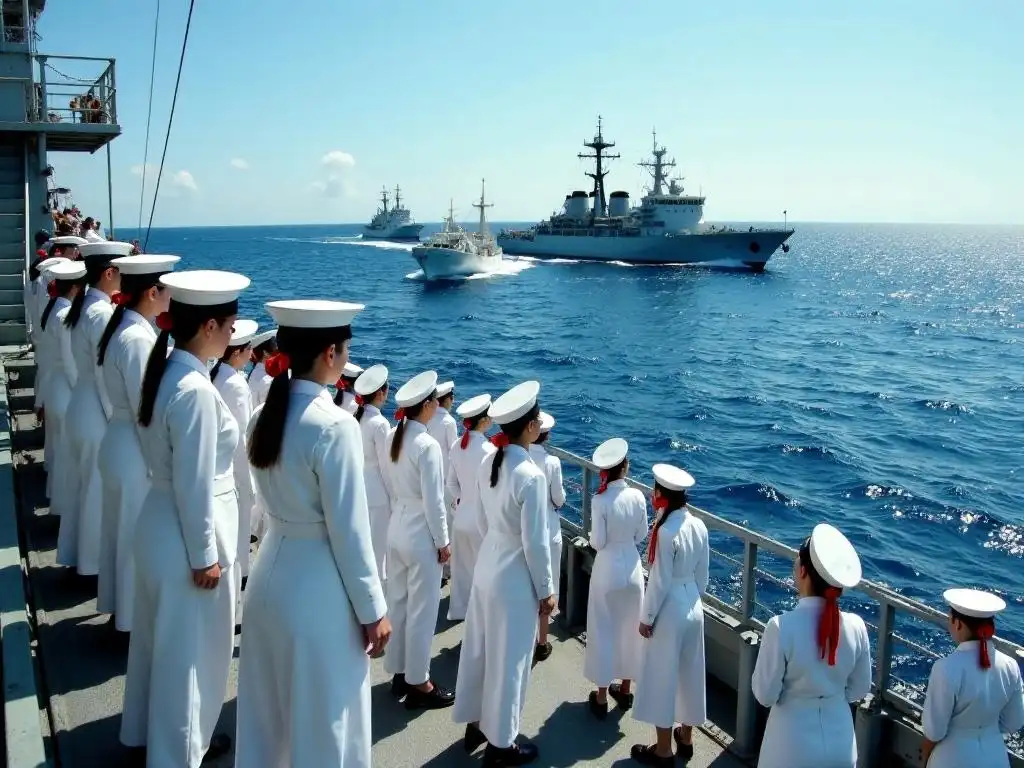
The perception of female naval figures in Japan has evolved significantly over time, reflecting broader societal changes and increased recognition of women's contributions to history.
Historical Narratives vs. Modern Interpretations
Historical narratives often romanticized or overlooked the roles of women in naval warfare, framing them primarily as wives or supporters of male warriors. However, modern interpretations have begun to reassess these figures within the context of their active participation in naval battles and strategic decision-making.
- Reevaluation of Roles: Scholars are increasingly acknowledging that women like Tomoe Gozen and Hojo Masako played pivotal roles in shaping military outcomes. Their narratives are being reframed to highlight their agency rather than their subservience.
- Inclusion of Diverse Perspectives: Contemporary historiography emphasizes the importance of including diverse perspectives, allowing for a more comprehensive understanding of historical events. This shift has led to a richer discourse around the contributions of female leaders, challenging previously held notions of masculinity in warfare.
The reexamination of these historical narratives illustrates how societal perceptions can shift, paving the way for a more inclusive understanding of naval history.
The Role of Women in Contemporary Naval History
In contemporary times, the legacy of female naval figures has manifested in the increasing recognition and inclusion of women in naval forces across the globe. The strides made by women in modern naval contexts reflect the resilience and determination of their historical counterparts.
- Leadership Positions: Today, women hold prominent leadership roles within naval forces, breaking barriers that once seemed insurmountable. Their presence in high-ranking positions is a direct reflection of the groundwork laid by earlier female naval leaders.
- Cultural Representation: The stories of historical female naval figures have become a source of inspiration for modern military women, fostering a sense of identity and purpose. Initiatives to celebrate and honor these figures are integral to promoting gender equality within the military.
The evolution of women's roles in naval history underscores a significant cultural shift, recognizing the importance of female contributions in shaping military practices and strategies today.
The legacy of female naval leaders in Japan is a testament to the strength and resilience of women in a predominantly male-dominated field. Throughout history, these women have not only participated in naval warfare but also shaped strategies and influenced outcomes. Their contributions have often been overlooked, but they played critical roles in various conflicts, showcasing their skills in leadership, tactical prowess, and bravery. As we delve deeper into the stories of these remarkable figures, it becomes evident that their impact was far-reaching, affecting not only military strategies but also societal perceptions of women's capabilities in leadership roles.
In assessing the lasting impact of female naval leaders, it is crucial to acknowledge the cultural shifts they inspired. By breaking traditional gender roles, these women paved the way for future generations, encouraging a broader acceptance of female participation in diverse fields, including military and naval positions. Their stories serve as a reminder that history is not solely written by those in power but also by those who dare to challenge the status quo.
Reflections on the Contributions of Women at Sea
Reflecting on the contributions of women at sea reveals a complex tapestry of experiences and accomplishments. Notable figures such as Tomoe Gozen and Hojo Masako exemplified exceptional leadership during turbulent times. Their narratives highlight not only military engagement but also the strategic alliances formed through marriage and diplomacy, showcasing how women were integral to both the battlefield and the court.
Moreover, these contributions extend beyond individual achievements; they represent a collective strength that influenced naval warfare and maritime strategies. Women served not just as warriors but also as strategists and caregivers, ensuring the well-being of their crews while actively participating in naval operations. As we explore these multifaceted roles, it becomes clear that women's involvement in naval warfare was essential to the success of various campaigns throughout history.
Encouraging Future Research on Female Figures in Naval Warfare
To fully appreciate the role of women in naval warfare, it is imperative to encourage future research that uncovers more stories of female figures. By delving into historical records, literature, and oral histories, researchers can illuminate the diverse experiences of women who sailed the seas. Academic institutions and historians are urged to focus on this underrepresented area of military history, ensuring that women's contributions are documented and celebrated.
Furthermore, interdisciplinary approaches, combining history, gender studies, and maritime studies, can yield richer insights into the experiences of female naval leaders. Collaboration among scholars, museums, and cultural organizations will foster a deeper understanding of these figures and their impact on naval history. Through dedicated research efforts, we can honor and preserve the legacies of women who have shaped the narrative of naval warfare.
The stories of female naval leaders are often overshadowed by their male counterparts, but it is essential to actively work towards preserving these narratives. By doing so, we acknowledge the critical contributions of women in shaping naval history and ensure that their legacies are not forgotten.
Importance of Sharing Untold Stories
Sharing untold stories is vital for a complete and nuanced understanding of history. The narratives of female naval leaders provide essential context to the broader scope of military engagements, demonstrating that women were not merely passive participants but active influencers in naval strategy and warfare. By amplifying these voices, we challenge traditional historical narratives and inspire future generations to recognize the diverse contributions of women in history.
Additionally, these stories can serve as powerful educational tools, encouraging discussions around gender roles and leadership in various contexts. Schools, museums, and cultural institutions play a crucial role in bringing these narratives to light, ensuring that they are integrated into broader discussions about military history and social evolution.
How to Engage with Historical Research on Women in Naval Warfare
Engaging with historical research on women in naval warfare can take many forms. For enthusiasts and scholars alike, exploring primary sources such as diaries, letters, and official records can provide invaluable insights into the lives of female naval leaders. Participation in workshops, seminars, and conferences focused on women's history can also foster discussions and collaboration among researchers.
Moreover, supporting institutions that prioritize gender-inclusive historical research is critical. By advocating for more comprehensive studies and funding for women's history projects, we can help ensure that the narratives of female naval leaders are preserved for future generations. Engaging with community outreach programs that highlight these stories can also raise awareness and inspire a broader audience to appreciate the significant roles women have played in naval warfare throughout history.
- Introduction to Female Naval Leaders in Japan
- Overview of Women's Roles in Naval History
- Importance of Recognizing Female Figures in Naval Warfare
- Historical Context of Female Naval Leaders in Japan
- Notable Female Naval Leaders in Japan
- The Role of Women in Feudal Naval Warfare
- Stories of Resistance and Resilience
- The Evolving Perception of Female Naval Figures
- Conclusion: The Lasting Impact of Female Naval Leaders
- Call to Action: Preserving the Narratives of Female Naval Leaders
Frequently Asked Questions
Women in Japan's naval history were often overlooked, but they played significant roles as leaders and strategists, especially during the feudal era.
Notable figures include Tomoe Gozen, a legendary warrior, and Murasaki Shikibu, whose contributions to naval strategy are often celebrated in historical texts.
Societal views in feudal Japan often limited women's roles, yet many defied these expectations, showcasing their leadership and strategic abilities at sea.
Women such as Tomoe Gozen influenced naval warfare tactics and inspired future generations, proving that leadership knows no gender in the realm of military strategy.
Yes, contemporary literature, films, and academic studies are increasingly highlighting the achievements of female naval leaders, helping to revitalize their stories in popular culture.
The stories of female naval leaders in Japan are not just historical accounts; they resonate profoundly with today's ongoing dialogues about gender equality and representation. As we uncover the untold stories of these remarkable women, we recognize their contributions as pivotal in shaping naval history and inspiring future generations. The journey of these female figures challenges the traditional narratives that have often sidelined women's roles in maritime domains, reminding us that their legacies are not merely relics of the past but vital components of our present and future.
Cultural perceptions of women in leadership roles continue to evolve, and the stories of female naval leaders serve as a beacon of inspiration. Their experiences highlight the resilience and determination necessary to navigate a predominantly male-dominated field. As we reflect on their journeys, we are reminded of the words of Admiral Michelle Howard: The Navy is a place where you can be whoever you want to be, as long as you are willing to work hard and earn it.
This sentiment encapsulates the essence of what these women have achieved and the barriers they have broken, paving the way for future leaders.
As we conclude this exploration of female naval figures in Japan, I invite you to reflect on the lessons embedded in their stories. Consider how you can apply their courage and perseverance in your own life, whether in leadership roles, personal challenges, or advocating for equality. Let their narratives inspire you to challenge norms, uplift others, and contribute to a more inclusive future. Together, we can honor their legacies by continuing to share and amplify the voices of women in all spheres, ensuring that their stories are never forgotten.
Unveil the Untold Stories of Women at Sea!
Thank you for diving into the fascinating world of female naval figures with us! You've uncovered invaluable insights into the remarkable roles women played at sea throughout history. Now, it's time to take action and celebrate these untold stories.
- Share your thoughts: Join the conversation by leaving a comment below about your favorite female naval figure and what inspires you about their journey.
- Explore further: Check out our related articles to deepen your understanding and discover more women who made significant contributions to maritime history.
- Connect with others: Share this article on social media to inspire your friends and family about the incredible achievements of women in naval history.
Which story or figure resonates with you the most, and how can you help keep their legacy alive?