
The Art of Japanese Gardens: Symbolism and Craftsmanship in Nature

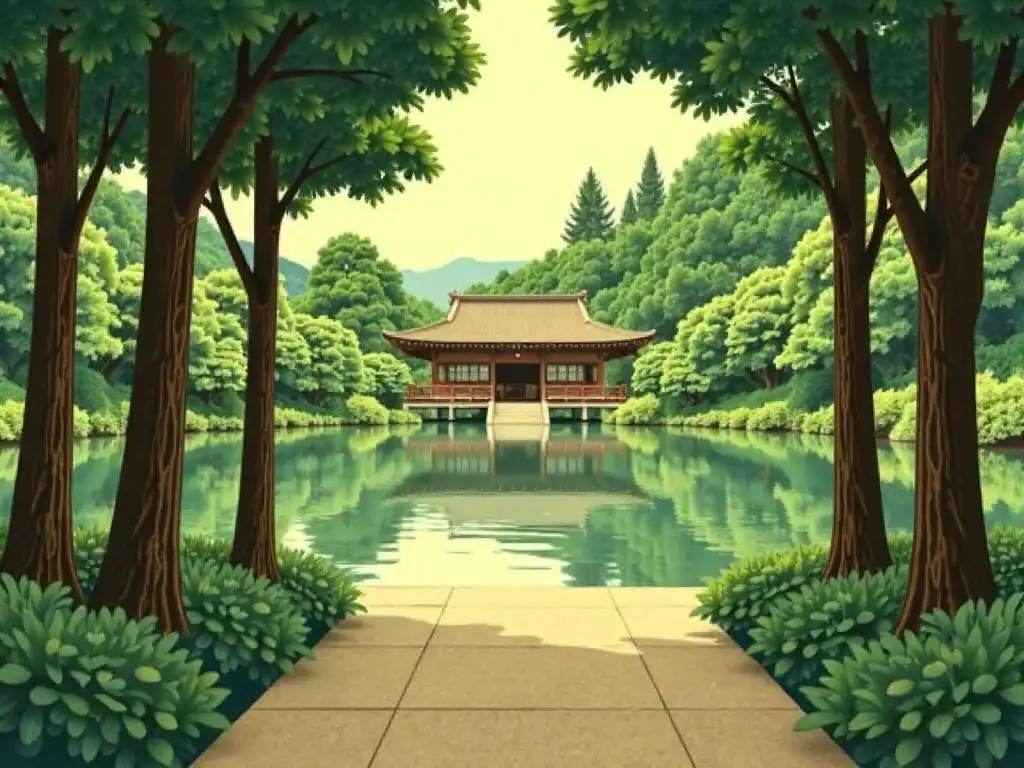
Welcome to Feudal Japan History, where we embark on a captivating journey through the rich tapestry of Japan's feudal era. In today's exploration, we delve into “The Art of Japanese Gardens: Symbolism and Craftsmanship in Nature,” uncovering the profound meanings behind these serene landscapes and the meticulous artistry involved in their creation. What secrets do these gardens hold, and how do they reflect the cultural nuances of their time?
Join us as we dig deeper into this enchanting subject, inviting you to discover the beauty and significance of Japanese gardens that transcends mere aesthetics. Prepare to be inspired and enlightened as you navigate the intricacies of this timeless tradition!
Introduction to Japanese Gardens
Japanese gardens are more than mere landscapes; they are intricate representations of the cultural, spiritual, and philosophical ideals of a nation deeply intertwined with nature. These meticulously crafted spaces reflect the essence of Japan's feudal era, where aesthetics and meaning were harmoniously blended to create serene environments that invite contemplation, reflection, and tranquility.
The art of Japanese gardens is marked by a profound understanding of symbolism and craftsmanship, which has evolved over centuries. In this article, we will delve into the rich history, cultural significance, and the profound symbolism embedded within Japanese gardens, exploring how these elements come together to form a unique and meaningful artistic expression.
Understanding Japanese Gardens as Cultural Artifacts
Japanese gardens serve as cultural artifacts that encapsulate the values and beliefs of Japanese society throughout history. They are designed not only for visual delight but also to convey deeper meanings. The careful selection of plants, stones, water features, and pathways illustrates the Japanese philosophy of nature as a source of inspiration and tranquility.
- Cultural Reflection: Each element within a Japanese garden can reflect historical events, religious beliefs, and social norms.
- Artistic Expression: The craftsmanship involved in creating these gardens showcases the artistic skills of gardeners and their understanding of nature's balance.
These gardens stand as a testament to the enduring relationship between humanity and nature, inviting both locals and visitors to experience a sense of peace and harmony.
The Historical Significance of Japanese Gardens in Feudal Japan
During the feudal era, Japanese gardens evolved significantly, influenced by various cultural exchanges and the changing social landscape. The rise of the samurai class and the establishment of Zen Buddhism played pivotal roles in shaping garden design.
- Samurai Influence: Gardens often served as private retreats for samurai, embodying their values of loyalty, honor, and serenity.
- Zen Buddhism: The introduction of Zen principles encouraged minimalist designs that emphasized simplicity and natural beauty, leading to the creation of rock gardens and dry landscapes.
These gardens not only provided aesthetic pleasure but also served as spaces for meditation and reflection, reinforcing the spiritual connection between nature and the individual.
The Symbolism of Japanese Gardens
Japanese gardens are rich in symbolism, with each element carefully chosen to convey specific meanings. Understanding this symbolism enhances our appreciation of the gardens' beauty and purpose.
Elements of Nature in Japanese Garden Design
The design of Japanese gardens incorporates various elements of nature, each representing distinct concepts:
- Water: Symbolizes purity and renewal, often represented by ponds, streams, or waterfalls.
- Rocks: Represent strength and permanence, serving as focal points or boundaries within the garden.
- Plants: Different species are selected for their seasonal beauty or symbolic meanings, such as cherry blossoms for transient beauty or pine trees for longevity.
These natural elements work synergistically to create a harmonious environment that reflects the philosophical underpinnings of Japanese culture.
Spiritual and Philosophical Meanings in Japanese Gardens
The spiritual and philosophical dimensions of Japanese gardens are deeply rooted in traditional beliefs and practices.
- Harmony with Nature: Japanese gardens embody the concept of "wa," or harmony, emphasizing the interconnectedness of all living things.
- Impermanence and Change: The seasons play a crucial role in the garden's design, representing the transient nature of life and encouraging reflection on change and renewal.
Through their careful design and thoughtful symbolism, Japanese gardens invite visitors to experience a sense of peace, contemplation, and connection to the natural world.
Craftsmanship in Japanese Garden Design
Craftsmanship in Japanese garden design is a meticulous art that reflects a deep connection between nature and human creativity. This craftsmanship is not merely about aesthetics; it embodies cultural values, spiritual beliefs, and philosophical concepts that have evolved over centuries. The skilled artisans who create these gardens often employ traditional methods and materials, emphasizing harmony with the surrounding environment.
The attention to detail in Japanese gardens is evident in every aspect, from the selection of stones, plants, and water features to the layout and pathways. Each element is thoughtfully placed to evoke a sense of tranquility and balance. Craftsmen utilize various techniques, such as stone stacking and bonsai shaping, to enhance the natural beauty and symbolism of the garden. This intricate craftsmanship not only showcases the artisans' skills but also serves as a testament to the historical significance of these gardens within Japanese culture.
Traditional Techniques in Japanese Garden Construction
Traditional techniques in Japanese garden construction are rooted in centuries of practice and are integral to creating authentic gardens that resonate with cultural significance. Some of the key techniques include:
- Shakkei (Borrowed Scenery): This method involves incorporating the surrounding landscape into the garden design. By framing distant mountains or trees, the garden feels more expansive and connected to nature.
- Karesansui (Dry Landscape Gardens): Often associated with Zen Buddhism, these gardens use gravel and rocks to symbolize water and land, creating a minimalist aesthetic that encourages meditation and reflection.
- Asymmetric Layouts: Unlike Western gardens that often emphasize symmetry, Japanese gardens favor asymmetrical arrangements. This approach enhances the natural flow and creates a more organic feel, inviting visitors to explore and discover.
- Use of Natural Materials: Craftsmen prefer locally sourced materials like bamboo, stone, and wood, reflecting the garden's natural setting. The choice of materials also contributes to the garden's longevity and ecological sustainability.
These techniques, passed down through generations, combine to produce gardens that are not only visually stunning but also rich in meaning and purpose.
Styles of Japanese Gardens and Their Unique Features
Japanese gardens are diverse, each style reflecting specific philosophies and aesthetic principles. Some of the most notable styles include:
- Chaniwa (Tea Gardens): Designed to enhance the Japanese tea ceremony, these gardens focus on simplicity and tranquility. They often feature stepping stones leading to a tea house, surrounded by carefully chosen plants that bloom in harmony with the seasons.
- Tsukiyama (Hill Gardens): These gardens incorporate artificial hills, ponds, and streams to create a miniature landscape. They symbolize the natural world, inviting visitors to experience various perspectives as they stroll through the garden.
- Jardins de Poussière (Dust Gardens): Designed to be viewed from a distance, these gardens often feature large rocks and carefully arranged plants, emphasizing the sense of space and composition.
- Zen Gardens: Also known as rock gardens, these are characterized by their use of gravel or sand raked into patterns that represent rippling water, accompanied by carefully placed rocks and minimal vegetation. They serve as a space for meditation.
Each of these styles showcases unique features that reflect the underlying philosophies of Japanese culture, making them not just gardens, but immersive experiences in art and nature.
The Influence of Japanese Gardens Beyond Feudal Japan
Japanese gardens have significantly influenced garden design and landscape architecture around the world, transcending their historical context. Their principles of harmony, balance, and simplicity have inspired many modern movements and practices.
Japanese Gardens in Modern Landscape Architecture
In modern landscape architecture, the aesthetics and philosophies of Japanese gardens have been integrated into various designs, promoting a sense of peace and mindfulness in urban environments. Contemporary landscape architects draw inspiration from:
- Minimalism: The principles of simplicity and essentialism found in Japanese gardens resonate with the minimalist approach prevalent in modern design.
- Sustainable Practices: The emphasis on natural materials and ecological balance encourages sustainable garden designs that respect the environment.
- Meditative Spaces: Incorporating elements like water features, stone pathways, and serene plantings creates tranquil spaces in bustling urban settings, allowing individuals to reconnect with nature.
Projects such as public parks and private residences often incorporate these elements, resulting in spaces that foster relaxation and reflection, reminiscent of traditional Japanese gardens.
Global Adaptations of Japanese Garden Principles
The principles of Japanese garden design have also been adapted and interpreted globally, reflecting local cultures and environments. Notable adaptations include:
- Western Zen Gardens: In many Western contexts, Zen gardens have been created to provide spaces for meditation and contemplation, often with a focus on simplicity and the use of gravel and stone.
- Asian Fusion Gardens: Some contemporary designs blend Japanese elements with other Asian garden styles, creating unique landscapes that celebrate a variety of cultural influences while retaining the essence of Japanese aesthetics.
- Botanical Gardens and Public Spaces: Many botanical gardens worldwide incorporate Japanese garden features, promoting cultural exchange and appreciation for the artistry of Japanese garden design.
These adaptations demonstrate the universal appeal of Japanese gardens and their ability to resonate with diverse audiences, making them a lasting influence on global landscape architecture.
Conclusion: The Enduring Legacy of Japanese Gardens

Japanese gardens have transcended their original purpose, evolving from simple landscapes to profound expressions of cultural and spiritual significance. Their intricate designs, which harmonize with nature, reflect a unique philosophy that resonates across generations. The symbolism embedded in these gardens—whether through the careful placement of stones, the selection of plants, or the incorporation of water features—serves as a reminder of the interconnectedness of life, impermanence, and tranquility.
Moreover, the craftsmanship involved in creating these gardens is a testament to the skill and dedication of artisans who have preserved traditional techniques over centuries. These practices not only enhance the visual appeal of a garden but also deepen the viewer's connection to the natural world. As a result, the legacy of Japanese gardens endures, inspiring both admiration and introspection among those who experience them.
The Continued Relevance of Japanese Gardens Symbolism and Craftsmanship in Contemporary Culture
In today's fast-paced world, the calming presence of Japanese gardens continues to captivate individuals seeking solace and reflection. Their symbolism—embodying concepts such as simplicity, balance, and harmony—resonates strongly in contemporary culture, particularly as society grapples with issues such as urbanization and environmental degradation.
Modern architects and landscape designers frequently draw inspiration from the principles of Japanese gardening, integrating elements such as asymmetry, natural materials, and water features into urban spaces. This adaptation not only enhances the aesthetic appeal of public areas but also promotes mental well-being by creating serene environments that encourage mindfulness and relaxation.
Furthermore, as global interest in sustainability grows, the craftsmanship of traditional Japanese garden techniques offers valuable insights into eco-friendly practices. By emphasizing the use of native plants and organic materials, contemporary gardeners can foster biodiversity while preserving the essence of Japanese garden philosophy. Thus, the symbolism and craftsmanship inherent in Japanese gardens remain highly relevant, serving as a guide for cultivating beauty and tranquility in our increasingly chaotic lives.
Preserving Japanese Garden Traditions in the Modern World
The preservation of Japanese garden traditions in the modern world is both a challenge and an opportunity. As globalization influences cultural practices, there is an urgent need to maintain the authenticity of these gardens while allowing for innovative interpretations.
Organizations dedicated to the conservation of Japanese gardens are actively working to educate the public about their historical significance and the techniques required for their upkeep. Workshops, seminars, and exhibitions play a crucial role in passing on the knowledge of traditional gardening methods, ensuring that future generations can appreciate and continue these art forms.
Moreover, the establishment of Japanese gardens in various countries has sparked a cross-cultural dialogue, allowing for the exchange of ideas and techniques. This globalization, while potentially diluting traditional practices, can also lead to new forms of expression that honor the essence of Japanese gardening while adapting to diverse environmental contexts. Through careful stewardship and education, the traditions of Japanese gardens can thrive in the modern world, enriching both local and global landscapes with their timeless beauty and profound symbolism.
- Introduction to Japanese Gardens
- The Symbolism of Japanese Gardens
- Craftsmanship in Japanese Garden Design
- The Influence of Japanese Gardens Beyond Feudal Japan
- Conclusion: The Enduring Legacy of Japanese Gardens
- The Continued Relevance of Japanese Gardens Symbolism and Craftsmanship in Contemporary Culture
- Preserving Japanese Garden Traditions in the Modern World
- What is the significance of symbolism in Japanese gardens?
- How does craftsmanship play a role in the design of Japanese gardens?
- What are some common elements found in Japanese gardens?
- How do seasonal changes affect the symbolism of Japanese gardens?
- Can anyone create a Japanese garden, or is it reserved for experts?
Frequently Asked Questions
What is the significance of symbolism in Japanese gardens?
Japanese gardens often utilize symbolism to represent various elements of nature, such as water, mountains, and islands, reflecting the harmony between humanity and the natural world.
How does craftsmanship play a role in the design of Japanese gardens?
The craftsmanship in Japanese gardens is crucial, as it involves meticulous attention to detail and the use of traditional techniques to create aesthetic and harmonious landscapes that convey deeper meanings.
What are some common elements found in Japanese gardens?
Common elements include stone lanterns, water features, bridges, and carefully chosen plants that embody the principles of balance and tranquility, enhancing the garden's overall symbolism.
How do seasonal changes affect the symbolism of Japanese gardens?
Seasonal changes bring different colors and textures, altering the symbolism of the garden; for instance, cherry blossoms in spring symbolize renewal, while autumn leaves represent transience and the beauty of change.
Can anyone create a Japanese garden, or is it reserved for experts?
While creating an authentic Japanese garden can be complex, beginners can still incorporate its principles and elements. Learning about the symbolism and craftsmanship can help anyone design a meaningful space.
Final Reflection: Embracing the Serenity of Japanese Gardens
The intricate symbolism and craftsmanship found in Japanese gardens resonate deeply with our contemporary quest for tranquility and connection to nature. In a world that often feels chaotic and disconnected, these gardens stand as a testament to the beauty of intentional design and the profound messages embedded in natural elements. They remind us that nature can be more than just a backdrop; it can be a canvas for reflection, peace, and understanding.
Cultural appreciation for Japanese gardens has grown significantly, influencing not only landscape design but also our collective consciousness about the environment. The meticulous attention to detail in these gardens encourages us to slow down and appreciate the subtleties of life. As the philosopher Masanobu Fukuoka once said, The ultimate goal of farming is not the growing of crops, but the cultivation and perfection of human beings.
This sentiment echoes through the artistry of Japanese gardens, where every stone, plant, and water feature serves as a reminder of our relationship with the natural world and our responsibility to nurture it.
As you reflect on the lessons of Japanese gardens, consider how you can cultivate your own space of serenity and mindfulness in your life. Whether it's through creating a small garden, practicing mindfulness in nature, or simply taking a moment to appreciate the beauty around you, let the principles of symbolism and craftsmanship inspire you to find balance and harmony. Embrace the art of living intentionally, and allow the tranquility of nature to guide you on your journey toward personal growth and peace.
Cultivate Your Own Oasis of Serenity!
Thank you for exploring the enchanting world of Japanese gardens with us! By delving into their symbolism and craftsmanship, you've taken a significant step towards understanding the beauty of nature and mindfulness. Now, it's time to bring that inspiration into your own life.
Here are a few actionable steps you can take:
- Start your own miniature Japanese garden: Gather materials such as stones, sand, and small plants to create a peaceful retreat in your home or workspace.
- Visit a local botanical garden: Explore gardens inspired by Japanese design to immerse yourself in tranquility and beauty firsthand.
- Share your journey: Document your garden-making process on social media or within local gardening communities to inspire others and learn from their experiences.
What new element of nature would you like to incorporate into your life to create your personal sanctuary? 🌿