
Female Samurai: The Stories of Japan’s Warrior Women

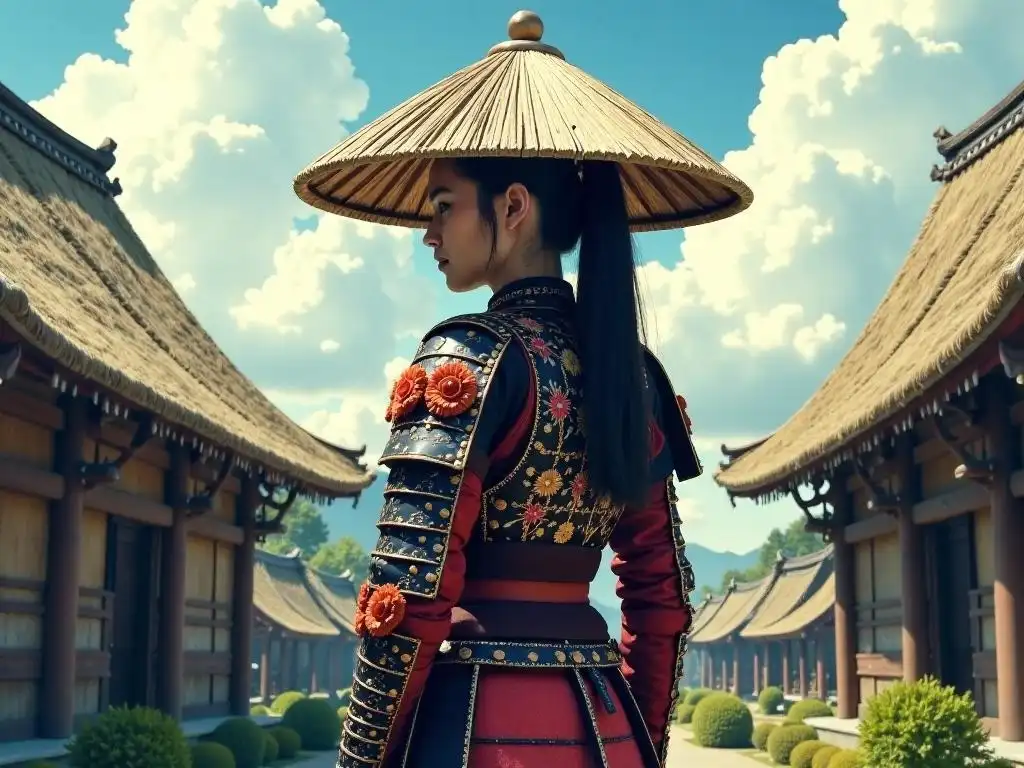
Welcome to Feudal Japan History, where we embark on a captivating journey through the intriguing landscape of Japan’s feudal era. In our featured article, "Female Samurai: The Stories of Japan’s Warrior Women," we delve into the remarkable lives of the women who defied societal norms and wielded swords with unmatched prowess. Discover the untold tales of these fierce warriors who not only shaped their own destinies but also left an indelible mark on history.
Are you ready to explore the hidden narratives of these extraordinary women? Join us as we uncover the layers of military history and cultural significance behind this fascinating topic!
- Introduction to Women Samurai in Feudal Japan
- Historical Context of Women Samurai
- Famous Women Samurai in History
- The Training and Skills of Women Samurai
- Cultural Perceptions of Women Samurai
- The Decline of Women Samurai
- Legacy of Women Samurai in Modern Japan
- Conclusion: The Enduring Impact of Women Samurai in Feudal Japan
- Frequently Asked Questions
- Final Reflection: The Enduring Legacy of Women Samurai in Feudal Japan
- Unveil the Legacy of Warrior Women Today!
Introduction to Women Samurai in Feudal Japan
The stories of female samurai, or "onnabugeisha," represent a fascinating yet often overlooked aspect of Japan's feudal era. While samurai culture is predominantly associated with male warriors, women played crucial roles in this martial society, challenging gender norms and contributing significantly to the defense of their families and communities.
In this article, we will delve into the lives and legacies of these remarkable warrior women, exploring their training, battles, and the societal structures that shaped their experiences. By examining the historical context of women samurai in feudal Japan, we aim to shed light on their contributions to the broader narrative of military history and highlight the complexities of gender roles within this unique cultural framework.
Overview of Samurai Culture
The samurai class emerged during the Kamakura period (1185-1333) as a powerful military aristocracy, characterized by a strict code of conduct known as Bushido. This code emphasized virtues such as loyalty, honor, and discipline, shaping the identity of samurai warriors. While traditionally viewed as a male-dominated domain, samurai culture encompassed a broader spectrum of roles, including that of women who took up arms.
Women samurai were not merely exceptions to the rule; they were integral to the samurai ethos. Here are some key aspects of samurai culture that influenced the roles of women:
- Martial Training: Women in samurai families often trained in martial arts, learning skills such as swordsmanship and archery. This training was not only for self-defense but also for protecting their homes during times of conflict.
- Family Loyalty: The samurai ethos placed immense value on loyalty to one's family and clan. Women were expected to uphold these values, often taking on leadership roles in the absence of male warriors.
- Historical Examples: Notable figures such as Tomoe Gozen and Hojo Masako exemplify the prowess and influence of women samurai in battles and governance. These women not only fought alongside their male counterparts but also led troops in critical conflicts.
The legacy of these warrior women is a testament to the multifaceted nature of samurai culture, challenging the binary perceptions of gender roles within feudal Japan.
The Role of Women in Feudal Japanese Society
In feudal Japan, the societal structure was predominantly patriarchal, with men occupying the majority of leadership and military positions. However, women’s roles were complex and varied, often transcending traditional expectations. The involvement of women in samurai culture highlighted their significance beyond domestic spheres, as they contributed to both the social and military fabric of their communities.
Key aspects of women's roles in feudal Japanese society include:
- Defenders of the Home: During times of war, women often took on the responsibility of defending their households, especially when men were away. They were trained to use weapons and engage in combat if necessary.
- Political Influence: Some women wielded considerable political power, managing estates and negotiating alliances. Figures like Taira no Tomoe played pivotal roles in military campaigns and political affairs.
- Cultural Contributions: Women also contributed to the cultural landscape of feudal Japan, participating in arts, literature, and rituals that shaped samurai identity and values.
The stories of these women are not merely historical footnotes; they offer valuable insights into the social dynamics of feudal Japan, revealing a society where women, despite their challenges, were active participants in both warfare and governance.
By exploring the narratives of female samurai, we gain a broader understanding of the complexities of gender roles in feudal Japan and the enduring legacy of these warrior women.
Historical Context of Women Samurai
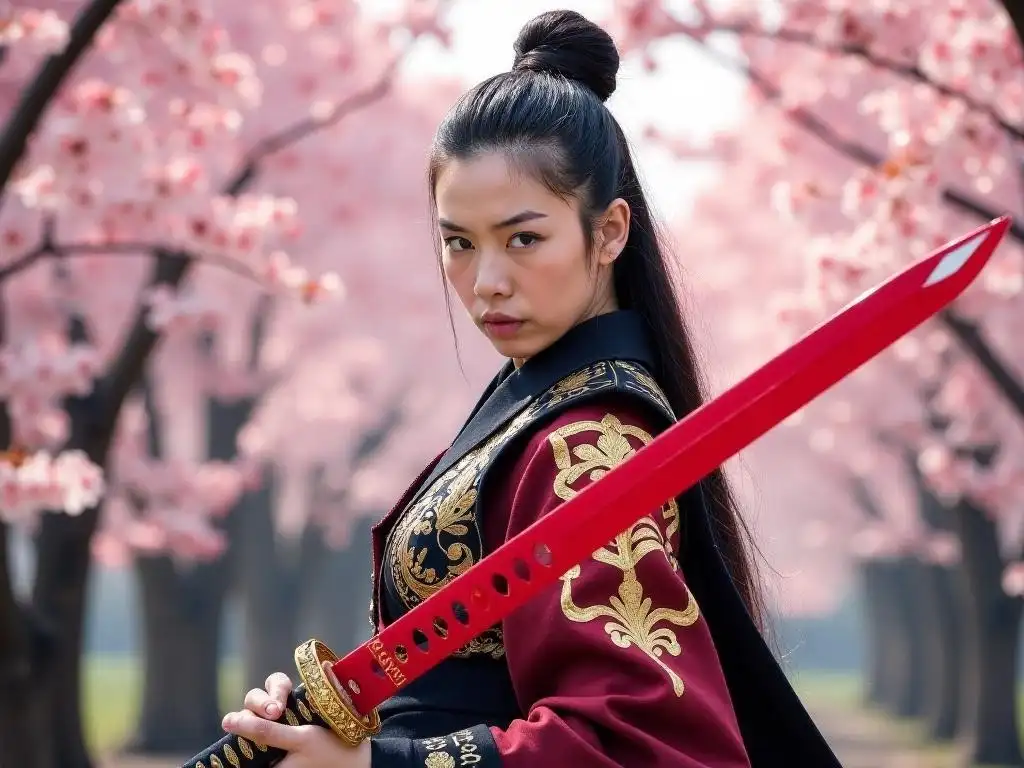
The role of women in feudal Japan is often overshadowed by the more prominent narratives surrounding their male counterparts, the samurai. However, throughout various historical periods, women not only participated in warfare but also held significant positions within the social and political spheres. The societal norms of Japanese culture allowed for unique circumstances in which women could emerge as warriors, forming a complex relationship with the bushido code that defined the samurai way of life.
The Emergence of Female Warriors in Japan
The emergence of female warriors, or onna-bugeisha, can be traced back to the Heian period (794-1185), a time characterized by political instability and the rise of the samurai class. As feudal lords began to consolidate power, the need for defense prompted women to take up arms, particularly in regions where men were away at war.
- Cultural Influences: The influence of Shinto and Buddhist beliefs played a significant role in shaping the perception of women in warfare. Women were often seen as protectors of their households and communities, which aligned with the spiritual aspects of their roles.
- Training and Skills: Many women were trained in traditional martial arts and weaponry. They learned to wield weapons such as the naginata (a polearm) and the katana, often at the same time as men. This training was essential in times of conflict, particularly during the wars of the Genpei period (1180-1185) and the subsequent Kamakura period (1185-1333).
Women like Tomoe Gozen, a legendary onna-bugeisha, exemplify this warrior spirit. Renowned for her bravery and skills in battle, Tomoe fought alongside her male peers, challenging the societal norms of her time and paving the way for future generations of female warriors.
Notable Periods for Women Samurai in Feudal Japan
Throughout the feudal era, several notable periods highlighted the contributions and experiences of women samurai. Each period brought distinct challenges and opportunities for women in warfare.
- Heian Period (794-1185):
- This era marked the initial emergence of female warriors as conflicts arose between clans. Women began taking active roles in defending their homes and families.
- Kamakura Period (1185-1333):
- The establishment of the Kamakura shogunate saw a rise in militarization and the need for defense. The Hōjō clan, in particular, allowed noblewomen to engage in combat, showcasing their skills in protecting their estates.
- Muromachi Period (1336-1573):
- This period was characterized by the Onin War (1467-1477), where women defended their homes amid widespread conflict. The presence of female fighters became more common, and their contributions were increasingly recognized.
- Sengoku Period (1467-1603):
- Known as the "Warring States" period, this era highlighted significant power struggles. Women like Nene, wife of the warlord Toyotomi Hideyoshi, played critical roles in political negotiations while also supporting military efforts, often leading troops in defense of their domains.
- Edo Period (1603-1868):
- Although the Edo period saw relative peace, the legacy of women samurai persisted. The stories of their bravery and skill continued to inspire future generations, contributing to the cultural narrative of female warriors in Japan.
The historical context of women samurai in feudal Japan reveals a rich tapestry of resilience and strength. These women navigated a society dominated by male warriors, carving out their identities as skilled fighters, protectors, and leaders, forever altering the perception of women's roles in Japanese history.
Famous Women Samurai in History

Tomoe Gozen: The Legendary Warrior
Tomoe Gozen stands as one of the most iconic figures in the history of female samurai in Feudal Japan. Born in the late 12th century, she was renowned not only for her exceptional combat skills but also for her fierce loyalty and indomitable spirit. Tomoe is often depicted as a beautiful warrior, skilled in the art of swordsmanship and horseback riding, embodying the ideal samurai virtues of courage and honor.
Throughout her life, she served under Minamoto no Yoshinaka during the Genpei War, a conflict that pitted the Minamoto clan against the Taira clan. Her most famous exploits occurred during the Battle of Awazu in 1184, where she fought valiantly against overwhelming odds. According to historical texts, Tomoe single-handedly dispatched several enemy warriors, earning her a reputation that transcended her gender.
Her legacy is further immortalized in various Japanese literature, including the "Heike Monogatari," where she is portrayed as a nearly mythical figure. Tomoe Gozen's story reflects the complexities of gender roles in Feudal Japan, challenging the traditional expectations of women during that era and illustrating that women could be fierce warriors in their own right.
Hojo Masako: The Political and Military Influence
Hojo Masako, born in 1181, was not only a skilled warrior but also a significant political figure in Japan’s feudal history. As the daughter of Hojo Tokimasa, a powerful shogun, Masako played a pivotal role in the governance of the Kamakura shogunate and was instrumental in many military decisions during her lifetime.
Masako's marriage to Minamoto no Yoriie, the third shogun, further solidified her influence in the political landscape. After Yoriie was deposed, Masako took on a crucial role in the administration, effectively ruling through her sons. Her political acumen was matched by her military prowess; she led troops in battle and was known to have participated actively in military campaigns.
Moreover, Masako's legacy extends beyond her immediate military achievements. She was a patron of the arts and Buddhism, contributing to the cultural landscape of the period. Her life exemplifies the dual roles that women samurai could occupy—both as warriors and as influential leaders in a male-dominated society.
Other Notable Female Samurai Figures
While Tomoe Gozen and Hojo Masako are perhaps the most recognized female samurai, several other women contributed to the legacy of women samurai in Feudal Japan.
- Nakano Takeko: A 19th-century warrior during the Boshin War, she led a group of female combatants known as the "Jinshi," fighting for the Tokugawa shogunate. Nakano is celebrated for her bravery and is often remembered for her last stand against enemy forces.
- Miyamoto Musashi’s Sister: Though often overshadowed by her brother, Musashi’s sister was known to have trained in martial arts and played a role in her family's martial legacy, reflecting the involvement of women in samurai culture.
- Tomoe’s Sister: While not much is documented, it is believed that Tomoe had a sister who also engaged in warfare, highlighting the familial ties of female warriors in feudal society.
These figures, among others, illustrate that the contributions of women samurai were not only limited to the battlefield but also extended into the realms of politics, culture, and social change, proving that women played a vital role in shaping the samurai tradition in Feudal Japan.
The Training and Skills of Women Samurai
The training and skills of women samurai in feudal Japan were crucial for their roles in the samurai class, especially during times of conflict. Although often overshadowed by their male counterparts, women samurai, or Onna-bugeisha, trained rigorously in various martial disciplines. Their training encompassed not only physical combat but also the strategic and mental aspects of warfare, aligning with the samurai code of conduct.
Martial Arts and Combat Training for Women
Women samurai underwent extensive martial arts training, often beginning at a young age. This training included various forms of combat, with a focus on:
- Kenjutsu (swordsmanship): The primary weapon of samurai, women learned to wield the katana with precision.
- Bojutsu (staff techniques): The long staff became an effective weapon for women, allowing them to leverage their agility against stronger opponents.
- Naginatajutsu (halberd techniques): The naginata, a weapon with a curved blade on the end of a long pole, was favored by women for its reach and versatility.
Women also practiced hand-to-hand combat techniques, which included grappling and throwing techniques. This training was not just for personal defense but was essential in times of war when women were called upon to protect their homes and families. For example, during the Gempei War (1180-1185), women samurai like Tomoe Gozen showcased their skills in battle, leading troops and fighting alongside men.
Weapons Used by Women Samurai in Feudal Japan
Women samurai had access to a variety of weapons, each chosen based on their skill, stature, and combat situation. Some of the most notable weapons include:
| Weapon | Description |
|---|---|
| Katana | The traditional samurai sword, known for its sharpness and craftsmanship. |
| Naginata | A polearm with a curved blade, effective for both slashing and thrusting. |
| Tanto | A small dagger used for close combat and self-defense. |
| Yari | A spear that allowed for effective long-range attacks. |
The versatility of these weapons enabled women samurai to adapt their fighting style to various situations, making them formidable opponents in battle. The use of the naginata, in particular, was symbolic of the female warrior class, allowing them to maintain distance from their adversaries while delivering powerful strikes.
The Role of Bushido in Women Samurai's Lives
The Bushido code, which translates to "the way of the warrior," was a fundamental aspect of samurai culture, influencing both male and female warriors. For women samurai, Bushido emphasized virtues such as loyalty, courage, and honor. The adherence to these principles shaped their identities, instilling a sense of purpose and dedication to their roles.
- Loyalty: Women samurai were often expected to display unwavering loyalty to their families and lords. This loyalty was not only about serving in battle but also included the management of household affairs and education of the next generation.
- Courage: Facing the same dangers as their male counterparts, women samurai were trained to show immense courage in the face of adversity. Historical accounts illustrate women fighting valiantly in battles, often leading troops during sieges.
- Honor: Maintaining honor was paramount. Women samurai were bound by the same expectations of conduct as men, and failure to uphold these values could result in severe consequences, including seppuku (ritual suicide) if their honor was compromised.
Women samurai in feudal Japan exemplified the principles of Bushido through their training and combat capabilities. Their skills in martial arts, proficiency with various weapons, and commitment to the samurai code not only highlight their contributions to military history but also underscore the complexity of gender roles during this era. The stories of these warrior women continue to inspire and challenge the traditional narratives of samurai warfare.
Cultural Perceptions of Women Samurai
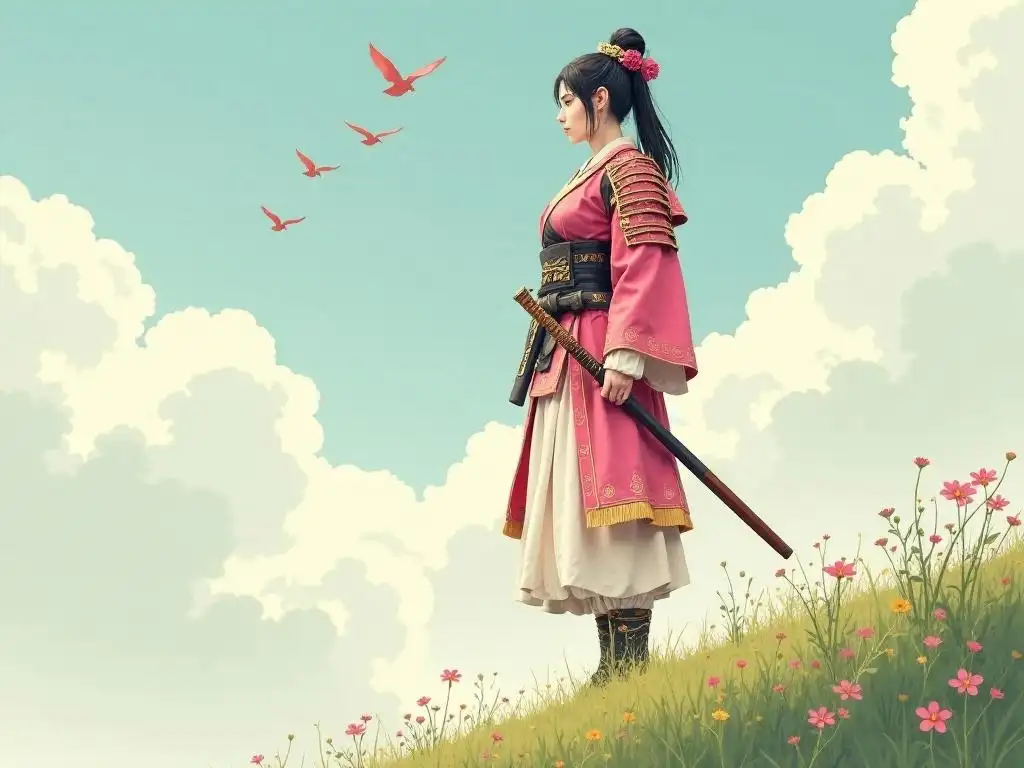
Myths and Realities of Female Warriors
The narrative surrounding Women Samurai in Feudal Japan often oscillates between myth and reality. While popular culture tends to romanticize female warriors, portraying them as fierce and unyielding fighters, historical evidence reveals a more nuanced picture.
For instance, the term onna-bugeisha, which refers to women trained in martial arts, signifies a reality where women did engage in combat, particularly within the context of their roles as protectors of their homes and families. Noteworthy figures such as Tomoe Gozen, a legendary warrior during the late Heian period, exemplify these real-life female samurai. Tomoe is often depicted in The Tale of Heike, highlighting her prowess and courage in battle.
However, the societal structures of feudal Japan imposed significant limitations on women. While some women did partake in military endeavors, often in the absence of male warriors, their roles were frequently relegated to domestic spheres and caregiving. This dichotomy creates a complex image of women samurai; they were not only warriors but also mothers and wives, balancing their martial duties with traditional feminine roles.
Representation of Women Samurai in Literature and Art
The portrayal of women samurai in Japanese literature and art has evolved significantly over the centuries. Early texts, such as The Tale of Heike, often depict female warriors in a heroic light, emphasizing their bravery and martial skills. These accounts serve to both celebrate and mythologize their contributions to history.
In contrast, later representations, particularly during the Edo period, shifted towards a more ornamental view of women, focusing on beauty and domesticity rather than martial prowess. Artworks from this period, such as ukiyo-e prints, often portray women in serene, domestic settings, neglecting their warrior past.
However, contemporary interpretations have begun to reclaim these narratives. Modern literature and films increasingly highlight the stories of women samurai, blending historical facts with fiction to create powerful representations of their legacies. These narratives not only revive interest in the lives of female warriors but also challenge prevailing gender norms, reshaping the cultural perception of women in feudal Japan.
Feminine Ideals versus Warrior Ethos
The juxtaposition of feminine ideals and warrior ethos in feudal Japan presents a fascinating exploration of gender roles. Traditional beliefs emphasized virtues such as nurturance, submissiveness, and grace for women, often relegating them to the domestic sphere. Conversely, the samurai code, or bushido, celebrated values such as courage, loyalty, and honor—qualities that were typically associated with masculinity.
Despite these conflicting ideals, many women samurai embodied a blend of both. They had to navigate the expectations of society while also embracing their warrior identities. For example, Nakano Takeko, a prominent female warrior during the Boshin War, demonstrated this duality. She led a group of women in battle, showcasing her commitment to both her family and her beliefs in honor and loyalty.
This tension between feminine ideals and the warrior ethos not only shaped the identities of women samurai but also reflected broader societal changes. As Japan transitioned through various historical periods, the roles and perceptions of women in warfare continued to evolve, ultimately contributing to the complex tapestry of feudal Japanese history.
This exploration of cultural perceptions reveals that women samurai were not merely a footnote in history but rather integral figures whose stories deserve recognition and appreciation.
The Decline of Women Samurai
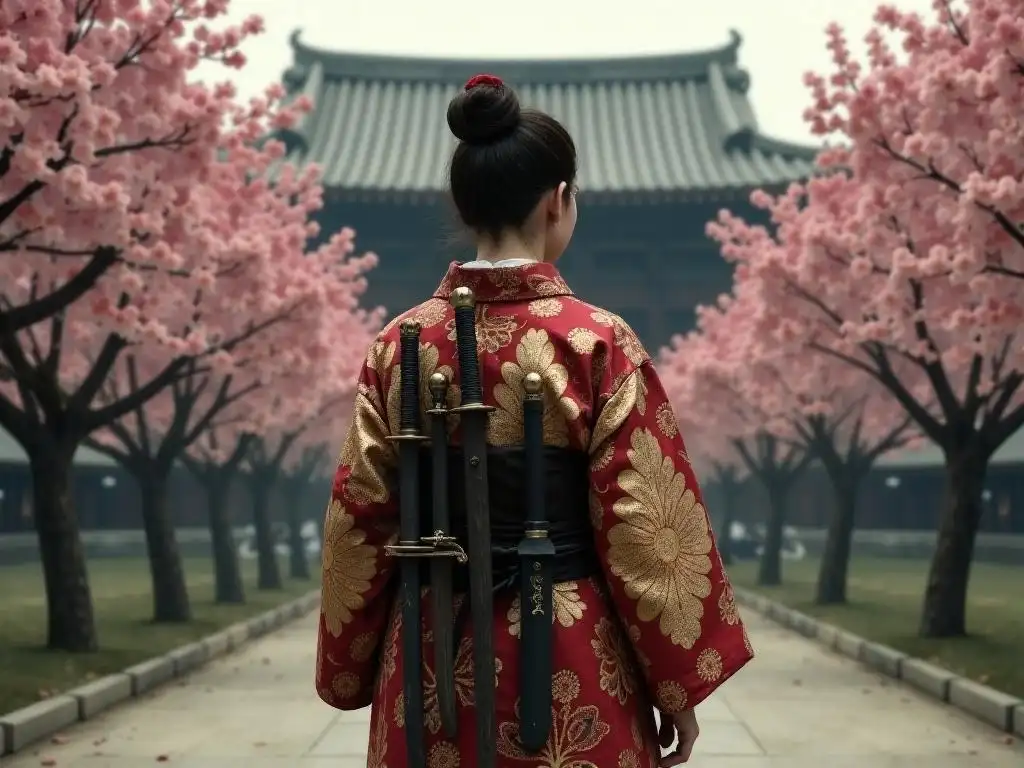
The decline of women samurai, or onna-bugeisha, during the latter part of the feudal era in Japan is a multifaceted phenomenon that reflects broader societal shifts. While women played vital roles as warriors during earlier periods, their presence in military conflicts diminished significantly by the time of the Edo period (1603-1868). This decline can be attributed to various factors, including changing social structures, evolving roles of women, and the militarization of society.
Factors Leading to the Decrease of Female Warriors
- Socio-Political Changes:
- The establishment of the Tokugawa shogunate brought about a long period of peace known as the Pax Tokugawa. This stability reduced the need for armed conflict, which in turn led to fewer opportunities for women to engage in warfare.
- The focus shifted from military prowess to administrative and bureaucratic skills, relegating women to domestic roles.
- Changing Ideologies:
- Confucianism began to influence Japanese culture significantly during the Edo period, promoting the idea of a patriarchal society where women's primary roles were as wives and mothers.
- The concept of "noble womanhood" emerged, emphasizing virtue and domesticity over martial skills.
- Military Evolution:
- The transition from the age of warfare to a more structured military hierarchy led to the professionalization of the samurai class. Women were often excluded from formal training and participation in military strategies.
- The introduction of firearms and new combat tactics also diminished the reliance on traditional samurai combat, which women had previously excelled in.
- Legislative Restrictions:
- Laws began to formalize gender roles, restricting women's rights to bear arms. This legal framework further marginalized the role of women in military affairs.
- The enforcement of these laws often went unchallenged, leading to a gradual erosion of the status women had previously held as warriors.
The social changes during the decline of women samurai had profound effects on their status and roles in society.
- Cultural Perceptions: The romanticized view of the male samurai overshadowed the achievements of female warriors. Stories of female samurai, like Tomoe Gozen, became less prominent in popular culture and historical narratives.
- Education and Training: As military training became more exclusive to men, women lost access to the martial skills that had empowered them in earlier periods. The focus of education for women shifted to arts, literature, and household management.
- Legacy and Memory: The decline of women samurai contributed to a historical narrative that often overlooked their contributions. While some women continued to resist these changes, the collective memory of female warriors faded, leading to a lack of recognition in both historical and modern contexts.
- Modern Rediscovery: In recent years, there has been a resurgence of interest in the stories of women samurai, as historians and enthusiasts seek to reclaim their narratives. This re-examination of history not only honors the legacy of female warriors but also challenges the traditional views of gender roles in feudal Japan.
The decline of women samurai was a complex interplay of political, social, and cultural factors that reshaped the landscape of Japan's feudal era. Understanding this decline is crucial for recognizing the historical significance of women samurai in the broader context of military history and their enduring legacy in contemporary discussions of gender and warfare.
Legacy of Women Samurai in Modern Japan
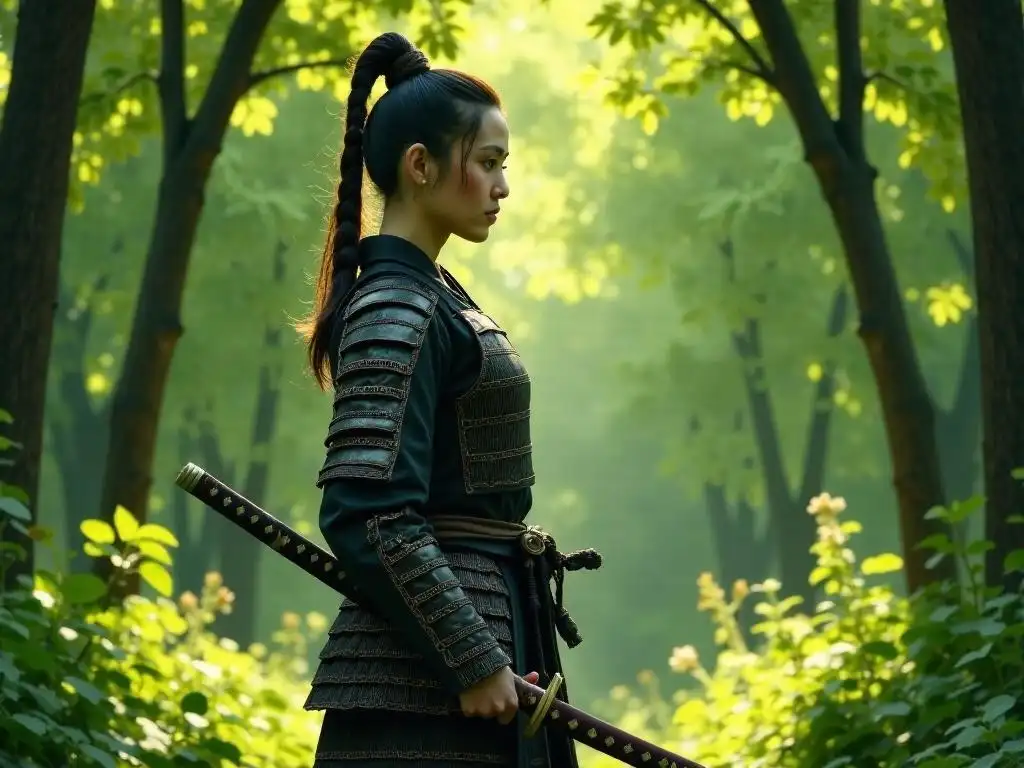
The legacy of women samurai in Feudal Japan continues to resonate in contemporary society, shedding light on historical gender dynamics while influencing modern discourse on feminism and gender roles. The stories of these warrior women not only challenge traditional narratives about female capabilities but also inspire movements aimed at redefining women’s positions across various spheres in Japan and beyond.
Influence on Contemporary Feminism and Gender Roles
The tales of women samurai, or Onna-Bugeisha, have become a significant touchstone in contemporary feminist movements in Japan. These narratives illustrate that women have historically occupied roles beyond the domestic sphere, showcasing their strategic prowess and martial skills. This has led to a reevaluation of gender roles in modern Japan, encouraging a broader discussion about equality and empowerment.
- Reevaluation of Historical Narratives:
- Women samurai are increasingly recognized as pivotal figures in Japan's military history. This acknowledgment is essential in reshaping historical narratives that have long marginalized female contributions.
- Scholars and feminists advocate for a more inclusive historical discourse that highlights the achievements of women, leading to a greater appreciation of their roles in society.
- Cultural Symbols of Strength:
- Figures like Tomoe Gozen and Hojo Masako serve as cultural symbols of strength and resilience. Their stories inspire modern women to embrace leadership roles and challenge societal expectations.
- The representation of women samurai in literature, art, and film acts as a catalyst for discussions on gender equality, illustrating the potential for women to excel in traditionally male-dominated fields.
- Empowerment Through Education:
- The legacy of women samurai encourages educational initiatives that focus on gender studies, promoting critical thinking about societal norms and the historical context of gender roles.
- Workshops and seminars highlighting the contributions of women samurai foster awareness and inspire the next generation of female leaders.
Commemorating Women Samurai in Modern Culture
In contemporary Japan, the commemoration of women samurai manifests in various cultural expressions that celebrate their legacies. These commemorative efforts serve to honor their contributions while promoting discussions about gender and society.
- Media Representations:
- Films, television series, and novels often depict women samurai, portraying them as dynamic and capable figures. Such representations keep their stories alive and relevant, captivating audiences and sparking interest in Japan’s feudal history.
- Examples include the popular anime and manga series that feature strong female characters inspired by historical women samurai, blending fiction with historical elements.
- Cultural Festivals and Events:
- Various festivals across Japan celebrate the history of women samurai, including reenactments and theatrical performances that bring their stories to life.
- These events not only serve as educational platforms but also foster community engagement and appreciation for the historical significance of these warrior women.
- Art and Literature:
- Artists and writers continue to explore the themes of women samurai in their works, creating pieces that resonate with contemporary issues while paying homage to the past.
- Art exhibitions and literary festivals often highlight works focusing on female warriors, further embedding their legacy in modern cultural consciousness.
The legacy of women samurai in Feudal Japan is a powerful narrative that continues to shape contemporary discussions on feminism and gender roles. As society reflects on these historical figures, their stories inspire ongoing efforts toward equality and empowerment for women in all walks of life.
Conclusion: The Enduring Impact of Women Samurai in Feudal Japan
Summary of Contributions to Samurai Warfare
The role of women samurai in feudal Japan is often overshadowed by their male counterparts, yet their contributions to samurai warfare are significant and multifaceted. Women like Tomoe Gozen and Hojo Masako illustrate the impact that female warriors had on the battlefield, challenging the traditional narratives of a male-dominated samurai class.
-
Military Leadership and Strategy
Women samurai not only participated in battles but also held positions of leadership. For instance, Tomoe Gozen is famously noted for her prowess in combat during the Genpei War (1180–1185), where she commanded troops alongside her male counterparts. Her ability to strategize and lead troops showcases that women were integral to the military efforts of their clans.
-
Defense of Clans and Homesteads
In times of war, many women took on the responsibility of defending their homes and clans. They were trained in the use of weapons such as the naginata (a polearm) and could engage in combat to protect their families. The concept of the "onna-bugeisha," or female warrior, emerged during this era, highlighting the martial capabilities that women possessed.
-
Cultural and Symbolic Roles
Beyond physical combat, women samurai served crucial symbolic roles. They often represented their clans' honor and integrity, participating in rituals and ceremonies that underscored their importance within the warrior class. The blending of martial and cultural responsibilities illustrates a more nuanced understanding of gender roles in feudal Japan.
The Importance of Recognizing Women Samurai in History
Acknowledging the contributions of women samurai is vital in creating a comprehensive understanding of Japan's feudal era. Their stories offer insight into the societal structures and cultural dynamics of the time, illuminating the often-overlooked aspects of women's agency in warfare.
-
Challenging Historical Narratives
The recognition of women samurai challenges the predominantly male narratives that have shaped historical accounts. By documenting their achievements, we can better appreciate the diversity of experiences within the samurai class and promote a more inclusive historical discourse.
-
Inspiration for Future Generations
The stories of women samurai serve as powerful examples of courage, resilience, and leadership. They inspire contemporary discussions about gender roles, empowerment, and the capabilities of women in various fields, including military service. Their legacy encourages a reevaluation of how history perceives and values women's contributions across cultures.
-
Cultural Heritage and Identity
Understanding the role of women samurai contributes to Japan's cultural heritage and national identity. Recognizing their legacy enriches the narrative surrounding samurai history and fosters a deeper appreciation for the complexities of Japanese society during this era.
The exploration of women samurai in feudal Japan reveals a rich tapestry of stories that deserve to be told and celebrated. Their impact on samurai warfare, combined with the significance of recognizing their contributions, highlights the enduring influence of these remarkable warrior women in shaping not only military history but also societal norms and cultural identity.
Frequently Asked Questions
What were the roles of women samurai in feudal Japan?
Women samurai, known as Onna-bugeisha, played crucial roles in defending their families and lands during times of conflict. They were skilled in martial arts and often trained in the use of weapons.
Yes, women samurai often held high social status within their families and clans. Their contributions in warfare and leadership were recognized, allowing them to gain respect and authority in society.
How did the perception of women samurai change over time?
The perception of women samurai shifted as Japan transitioned from a warrior society to a more centralized government. By the Edo period, their roles diminished, and they became less prominent in military affairs.
What were some famous women samurai in history?
Notable women samurai include Tomoe Gozen, a legendary warrior known for her bravery, and Hangaku Gozen, who was celebrated for her tactical skills in battle. Their stories highlight the strength and resilience of women in feudal Japan.
How can we learn more about women samurai today?
To explore the history of women samurai, numerous resources such as books, documentaries, and academic articles are available. Online platforms and history websites like Feudal Japan History provide in-depth insights into their cultural and historical significance.
Final Reflection: The Enduring Legacy of Women Samurai in Feudal Japan
The stories of women samurai are not just relics of the past; they resonate profoundly in today's discussions about gender equality and empowerment. As we explore the lives of these remarkable warrior women, we uncover a narrative that challenges traditional gender roles and inspires modern movements for women's rights. The courage and resilience displayed by these female samurai remind us that the fight for equality is not a new battle, but one that has deep historical roots.
The influence of women samurai extends far beyond their time, shaping cultural perceptions of strength and leadership. Their legacy continues to inspire contemporary discussions around female empowerment, showcasing that women have always played pivotal roles in society, even in the most patriarchal of structures. As noted by historian Stephen Turnbull, "> The tales of these warrior women serve as a powerful reminder that strength knows no gender." This ongoing recognition of their contributions encourages us to reflect on our own societal narratives and the importance of inclusive storytelling.
As we conclude our exploration of the female samurai, I invite you to reflect on the lessons these warrior women impart. Consider how their stories can inspire you to challenge the status quo in your own life. Whether it’s standing up for your beliefs, supporting other women, or embracing your own strength, let the legacy of the women samurai empower you to forge your path. Together, we can honor their memory by continuing the fight for equality and justice in our own communities.
Unveil the Legacy of Warrior Women Today!
Thank you for exploring the captivating stories of Japan's female samurai. You've discovered the power, resilience, and bravery of these incredible women who challenged societal norms. Now, it’s time to take action and further honor their legacy!
Here are some inspiring steps you can take:
- Dive deeper into the history: Explore more articles on feudal Japan to enrich your understanding of the cultural context and contributions of these warrior women.
- Share your insights: Discuss this topic with friends or on social media. Connect with others who are passionate about history and empowerment.
- Consider attending a local seminar or workshop: Look for events that focus on women's roles in history to further engage with this fascinating subject.
What aspect of the female samurai's legacy resonates with you the most? Reflect on how you can embody their spirit of empowerment in your own life.