
The Influence of Zen Buddhism on Samurai Combat Techniques


Welcome to Feudal Japan History, where we invite you to embark on a fascinating journey through the intricate tapestry of Japan's feudal era. Here, you'll uncover the profound connections between Zen Buddhism and Samurai Combat, exploring how spiritual practices shaped the martial techniques of these legendary warriors.
Dive into our feature article, "The Influence of Zen Buddhism on Samurai Combat Techniques," and discover how the calm of mindfulness and the art of war intertwined to forge a unique path of discipline and strategy. Prepare to have your curiosity ignited as you delve deeper into the rich historical and cultural narratives that define this captivating period!
Introduction to Zen Buddhism and Samurai Combat
The interplay between Zen Buddhism and the martial practices of the samurai is a fascinating aspect of Japan’s feudal history. As the samurai evolved from mere warriors to the embodiment of discipline and honor, Zen Buddhism emerged as a significant influence, shaping their combat techniques and mental approaches.
This article delves into the profound impact of Zen philosophy on the samurai, exploring how its principles not only refined their martial arts but also contributed to their overall ethos. By understanding this relationship, we can appreciate the depth of samurai combat beyond mere physical prowess, highlighting the balance of mind and body that characterized this unique martial culture.
Overview of Zen Buddhism
Zen Buddhism, a sect of Mahayana Buddhism, emphasizes direct experience and meditation over theoretical knowledge. Originating in China as Chan Buddhism before spreading to Japan, Zen focuses on achieving enlightenment through mindful practice and self-discipline. Key tenets include:
- Zazen (Meditative Practice): Sitting meditation that fosters deep introspection and awareness.
- Mindfulness: The practice of being present in the moment, which enhances focus and clarity.
- Simplicity: Aesthetic and philosophical simplicity, leading to the appreciation of the present and the nature of existence.
Zen's influence permeated various aspects of Japanese culture, including the arts, tea ceremonies, and, notably, the martial practices of the samurai.
Historical Context of Samurai Combat Techniques
The samurai, an elite warrior class, developed distinct combat techniques that combined physical skill with a code of ethics known as Bushido. This code emphasized loyalty, honor, and personal discipline, values that resonated deeply with Zen principles. During the Kamakura period (1185-1333), as samurai began to adopt Zen teachings, their combat techniques evolved, integrating:
- Kendo: The way of the sword, emphasizing both technique and mental discipline.
- Iaido: The art of drawing the sword, which requires acute awareness and precision.
- Ninjutsu: Techniques of stealth and strategy, reflecting Zen's influence on mindfulness and presence.
The integration of Zen philosophy into these martial arts created a unique synthesis where the samurai's combat skills were not just about physical ability but also about mental fortitude and spiritual clarity.
The Philosophical Foundations of Zen Buddhism
Zen Buddhism provides a rich philosophical framework that complements and enhances martial practice. Understanding these foundations offers insight into how samurai combat techniques were influenced by Zen.
Core Principles of Zen Buddhism
The core principles of Zen Buddhism are integral to understanding its influence on samurai combat. These principles include:
- Non-Attachment: Letting go of distractions and desires to focus solely on the task at hand.
- Presence: Cultivating awareness of the present moment, essential for effective combat.
- Flow: Embracing spontaneity and fluidity, allowing techniques to arise naturally.
These philosophical concepts fostered a mindset conducive to combat, where samurai could respond to threats with clarity and precision.
The Role of Meditation in Samurai Training
Meditation plays a crucial role in samurai training, serving as a tool for mental conditioning and focus. Through practices like zazen, samurai cultivated the ability to maintain calmness under pressure, allowing them to:
- Enhance Concentration: Improved focus during combat scenarios.
- Develop Resilience: Greater mental toughness in the face of adversity.
- Achieve Clarity: The ability to make quick, decisive actions in the heat of battle.
The combination of Zen meditation and martial training not only shaped the samurai's combat techniques but also their overall approach to life and death, intertwining spirituality with martial prowess.
Zen Buddhism's Impact on Samurai Mindset
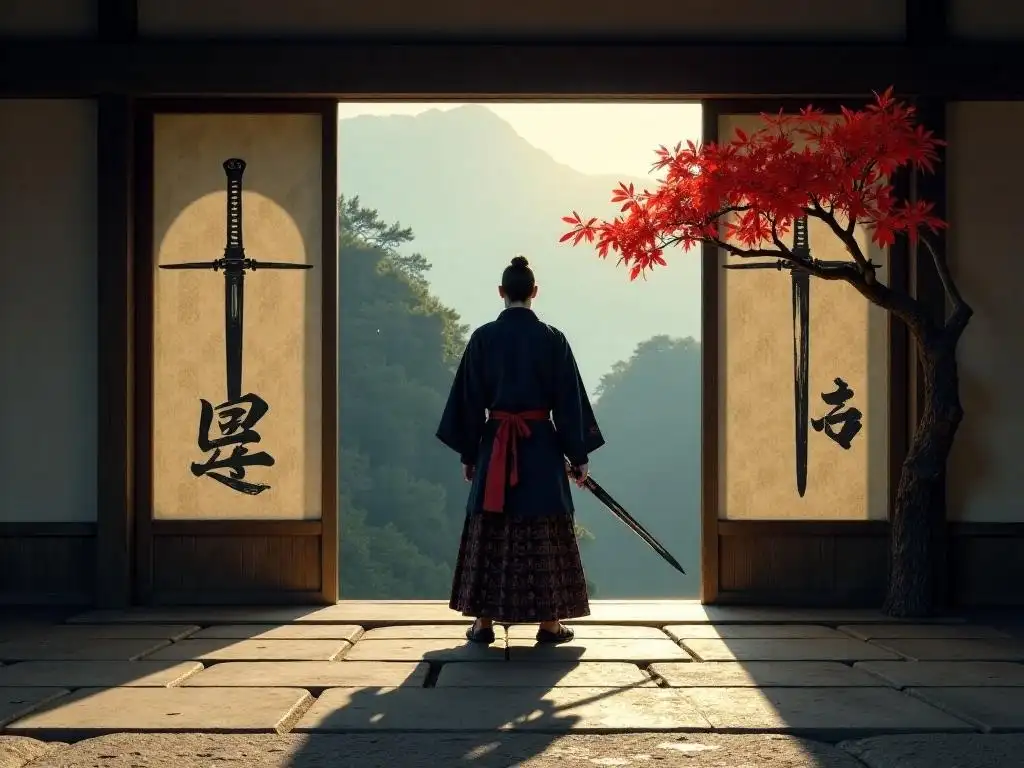
Zen Buddhism profoundly influenced the samurai, shaping not only their combat techniques but also their overall approach to life and death. This impact is rooted in the core principles of Zen, which emphasize mindfulness, discipline, and the transcendence of the ego. The samurai, as elite warriors and guardians of the realm, adopted Zen teachings to cultivate a mindset that focused on clarity, presence, and an unwavering commitment to their duties.
The training of a samurai was not solely about mastering physical skills; it also involved rigorous mental conditioning. Zen practices encouraged samurai to embrace impermanence and to confront their mortality, allowing them to act decisively and without hesitation in battle. This philosophical foundation helped samurai develop a sense of calm and resilience, which was essential for maintaining composure under the stresses of combat.
Moreover, Zen's emphasis on direct experience and intuition resonated with the samurai's need for spontaneity in combat situations. The samurai learned to trust their instincts, honing their reflexes and judgment through disciplined training and meditation. This fusion of Zen principles with martial practices ultimately transformed the samurai into not just skilled fighters, but also philosophical warriors who approached combat as a form of art.
The Concept of "Mushin" (No Mind)
One of the most significant concepts derived from Zen Buddhism that influenced samurai combat techniques is "Mushin," often translated as "No Mind." This state of mind is characterized by a complete absence of distractions, allowing individuals to respond to situations instinctively and fluidly. In the context of combat, achieving Mushin means letting go of fear, anxiety, and the ego, thereby enabling the samurai to act with clarity and precision.
Mushin is cultivated through extensive meditation and training, where practitioners learn to detach from their thoughts and emotions. By achieving this mental state, samurai could react to their opponents' movements without overthinking, making split-second decisions that could be the difference between life and death. This heightened awareness and responsiveness were essential during battles, where chaos and unpredictability ruled.
The application of Mushin in combat is not limited to physical techniques; it also extends to strategic thinking. Samurai trained to anticipate their opponents' moves and to adapt their strategies accordingly, all while maintaining a composed and focused demeanor. This mental clarity, derived from Zen teachings, allowed samurai to embody the essence of combat mastery, merging the mind and body into a single, harmonious force.
Emotional Control and Focus in Combat
Emotional control is another critical aspect of Zen Buddhism that significantly influenced samurai combat techniques. The samurai were trained to maintain emotional equilibrium, understanding that strong emotions such as anger or fear could cloud judgment and impair performance in battle. Zen teachings encouraged the cultivation of a calm and centered demeanor, which allowed samurai to face their adversaries with poise.
Through practices such as meditation and mindfulness, samurai developed the ability to observe their emotions without becoming overwhelmed by them. This emotional intelligence enabled them to stay focused on the task at hand, ensuring that their actions were deliberate and purposeful. In the heat of battle, this focus translated into improved reaction times and decision-making, essential qualities for a successful warrior.
Additionally, the ability to maintain emotional control allowed samurai to form deeper connections with their fellow warriors. This camaraderie was vital for unit cohesion during combat, as trust and mutual understanding could enhance the effectiveness of tactical maneuvers. By fostering emotional resilience, Zen Buddhism not only enhanced individual performance but also strengthened the collective spirit of samurai forces.
Integration of Zen Practices in Samurai Combat Techniques
The integration of Zen practices into samurai combat techniques was a transformative process that elevated the art of warfare to a spiritual discipline. Samurai incorporated various Zen elements into their training routines, recognizing that mastery of the mind was as essential as physical prowess in achieving success on the battlefield.
Meditation and Mental Preparation for Battle
Meditation played a pivotal role in the mental preparation of samurai before entering battle. Samurai often engaged in Zen meditation, or "zazen," to cultivate a sense of inner peace and clarity. This practice allowed them to center their thoughts, dispel anxiety, and focus on the present moment. By creating a mental sanctuary, they could approach combat with a clear mind, ready to confront challenges without distractions.
Prior to battles, samurai would often participate in rituals that included meditation and contemplation of their purpose and mortality. This spiritual preparation instilled a sense of resolve and acceptance, helping them to embrace the uncertainties of combat. The calmness achieved through meditation was reflected in their fighting style, enabling them to execute techniques with fluidity and grace.
Furthermore, this mental preparation fostered a deep connection to their martial arts training, transforming techniques into expressions of their inner selves. Samurai came to see combat not just as a means to an end, but as a profound opportunity for personal and spiritual growth.
Breathing Techniques and Their Effect on Combat Performance
Breathing techniques, integral to Zen practices, significantly influenced samurai combat performance. Controlled breathing practices helped samurai regulate their physiological responses during intense situations. By focusing on their breath, they could lower their heart rates, reduce tension, and enhance overall stamina.
In combat, proper breathing techniques allowed samurai to maintain endurance and focus, even during prolonged engagements. The ability to control their breath translated into improved oxygen flow and energy management, essential for executing complex maneuvers and maintaining agility. This method of breath control cultivated a state of heightened awareness, enabling them to react swiftly and accurately to the ebb and flow of battle.
Moreover, breathing exercises were often incorporated into training sessions, allowing samurai to establish a rhythmic harmony between their movements and breath. This synchronization not only enhanced their physical capabilities but also deepened their meditative experience, reinforcing the connection between mind, body, and spirit.
The integration of Zen Buddhism into samurai combat techniques created a holistic approach that emphasized mental clarity, emotional control, and physical mastery. The influence of Zen transformed the samurai into not just warriors, but also philosophers of combat, embodying the principles of mindfulness and presence in every aspect of their martial practice.
Comparison of Zen Influenced Techniques vs. Traditional Samurai Techniques
The integration of Zen Buddhism into samurai combat techniques marked a significant evolution in martial practice during Japan's feudal era. Traditional samurai techniques primarily emphasized physical prowess, strategy, and the mastery of weaponry. In contrast, Zen-influenced techniques introduced a deeper philosophical framework that shaped the samurai’s mental and spiritual approach to combat.
Zen Buddhism promotes mindfulness, meditation, and the understanding of impermanence, which altered the samurai’s perspective on fighting. While traditional techniques often focused on aggression and dominance, Zen techniques encouraged a calm and centered mindset, allowing for more fluid and adaptive responses in battle. This shift was not merely about physical techniques but also involved cultivating a warrior's spirit, emphasizing self-awareness, and the ability to remain present in the moment.
Key Differences in Approach and Philosophy
The philosophical underpinnings of Zen Buddhism introduced several key differences in samurai combat techniques:
- Mindfulness vs. Aggression: Traditional samurai combat was often aggressive, focusing on overpowering the opponent. Zen techniques emphasize mindfulness and presence, enabling the warrior to respond to attacks with clarity rather than reactionary aggression.
- Spirituality vs. Technique: While traditional techniques prioritize the execution of physical moves, Zen-influenced practices highlight the importance of spiritual development and inner peace as critical components of effective combat.
- Flow vs. Form: Traditional martial arts typically adhere to structured forms and patterns. Zen approaches promote adaptability and flow, encouraging samurai to respond dynamically based on the situation rather than relying solely on learned techniques.
- Detachment vs. Attachment: Zen teaches the concept of detachment from outcomes, which contrasts with the traditional samurai focus on honor and reputation. This detachment allows for a clearer mind in combat, reducing fear and anxiety.
Advantages of Zen-Inspired Techniques in Combat
Zen-inspired techniques offer several advantages that enhance a samurai’s effectiveness in combat:
- Enhanced Focus: The practice of meditation and mindfulness cultivates a heightened state of awareness, enabling samurai to maintain concentration during chaotic battles.
- Improved Decision-Making: By promoting a calm and clear mind, Zen practices aid warriors in making quicker and more effective decisions in life-or-death situations.
- Resilience: The teachings of Zen encourage emotional resilience, helping samurai to cope with fear, stress, and the potential for failure, thus maintaining composure under pressure.
- Adaptive Techniques: Zen’s emphasis on flow allows samurai to adapt their techniques in real-time, making them more unpredictable and difficult to counter.
Notable Samurai Who Embraced Zen Buddhism

Several renowned samurai incorporated Zen principles into their lives and combat techniques, leaving a lasting impact on martial arts and Japanese culture.
Case Study: Miyamoto Musashi and Their Zen Practices
Miyamoto Musashi, one of Japan's most famous swordsmen, exemplifies the fusion of Zen Buddhism and combat. Known for his unique dual-wielding style and undefeated record in over 60 duels, Musashi deeply engaged with Zen practices throughout his life.
His book, "The Book of Five Rings," articulates his martial philosophy, which is heavily influenced by Zen principles. Musashi advocated for the importance of mental clarity and the need for a warrior to harmonize mind and body. He often emphasized the idea of ‘no-mind’ (mushin), a state where one acts instinctively without hesitation, which aligns perfectly with Zen teachings.
Musashi’s approach to combat was not just about physical technique but also about cultivating a warrior's spirit through meditation and self-reflection. His legacy continues to influence martial arts practitioners today, embodying the profound connection between Zen Buddhism and combat strategies.
Legacy of Zen Practicing Samurai in Martial Arts
The legacy of samurai who practiced Zen Buddhism has permeated various forms of martial arts, significantly shaping their evolution. Techniques developed under the influence of Zen continue to be practiced in modern martial arts disciplines such as Kendo, Aikido, and Iaido.
The concept of mindfulness in practice, as well as the focus on inner peace and control, is a direct result of the samurai's integration of Zen principles. This legacy is evident in contemporary martial arts training, where mental conditioning is just as crucial as physical training.
Moreover, the philosophical teachings of Zen have inspired countless martial artists to seek a deeper understanding of their craft, promoting a holistic approach that balances physical skill with mental and spiritual development. The enduring influence of Zen Buddhism on samurai combat techniques serves as a testament to its profound impact on Japanese martial arts and culture.
The Evolution of Samurai Combat in the Context of Zen
The relationship between Zen Buddhism and the evolution of samurai combat techniques is a fascinating interplay of philosophy and martial discipline. Emerging during the Heian period (794-1185), Zen Buddhism introduced a new mindset to the samurai class, emphasizing simplicity, directness, and mental clarity. As samurai adopted Zen principles, their approach to combat transformed, leading to a distinctive evolution in their martial practices.
Zen's focus on mindfulness and presence in the moment encouraged samurai to cultivate a heightened awareness of their surroundings and their own mental state. This shift was crucial in the development of techniques that prioritized efficiency and fluidity over brute strength. The Zen-influenced samurai began to approach combat not merely as a physical confrontation but as a means of self-expression and spiritual practice.
Transformation of Techniques Over Time
As Zen Buddhism permeated samurai culture, the transformation of combat techniques became evident. Early samurai were heavily influenced by the battlefield tactics of the time, often relying on brute force and sheer numbers. However, with the integration of Zen principles, they began to refine their strategies. Key transformations included:
- Emphasis on Timing and Precision: Zen teachings stressed the importance of timing, leading to techniques that focused on precise strikes and defensive maneuvers rather than overwhelming aggression.
- Mind-Body Connection: Training evolved to incorporate meditation and breathing exercises, enhancing the samurai's ability to maintain calmness and clarity during combat.
- Flow and Adaptability: Samurai learned to adapt to their opponent’s movements, embodying the Zen concept of "mu," or emptiness, which allowed for a more fluid and responsive style of combat.
This evolution not only improved their effectiveness in battle but also deepened their martial arts practice into a form of spiritual discipline.
Influence on Modern Martial Arts from Zen Samurai Practices
The influence of Zen Buddhism on samurai combat techniques continues to resonate in modern martial arts. Many contemporary martial arts styles, such as Kendo, Aikido, and Iaido, trace their roots back to the principles established during the feudal era. Key influences include:
- Meditative Practices: Modern martial artists often incorporate meditation and mindfulness into their training, reflecting the Zen practices that samurai utilized to enhance focus and mental clarity.
- Philosophical Underpinnings: The philosophical elements of Zen, such as acceptance and the pursuit of balance, can be seen in the ethical training and mental conditioning of martial artists today.
- Techniques and Forms: Specific techniques derived from samurai combat, emphasizing fluidity, precision, and adaptability, are foundational in many martial arts disciplines practiced worldwide.
These elements illustrate how the legacy of Zen-influenced samurai combat techniques has shaped not only historical martial arts but also contemporary practices, fostering a deeper understanding of the mind-body connection in combat.
Conclusion: The Enduring Legacy of Zen Buddhism in Samurai Combat
The enduring legacy of Zen Buddhism in samurai combat techniques highlights a profound transformation in the martial practices of Japan's warrior class. The integration of Zen philosophy into combat training fostered an environment where mental discipline and physical skill coexisted harmoniously, creating a unique martial identity.
Summary of Key Influences
The key influences of Zen Buddhism on samurai combat can be summarized as follows:
- Mindfulness and Presence: Enhanced awareness allowed samurai to respond effectively to dynamic combat situations.
- Refinement of Techniques: The shift from brute force to precision and adaptability defined the evolution of martial arts.
- Integration of Philosophy: The ethical and philosophical teachings of Zen enriched the samurai's approach to combat, transforming it into a way of life rather than mere physical confrontation.
Current Relevance of Zen Practices in Martial Arts Today
Today, the relevance of Zen practices in martial arts is evident in various forms. Practitioners across different disciplines continue to embrace the principles of mindfulness, meditation, and a holistic approach to training. The focus on mental clarity, emotional regulation, and spiritual growth remains integral to martial arts, echoing the samurai's journey through Zen Buddhism.
As martial artists seek to balance their physical training with mental and spiritual development, the legacy of Zen Buddhism in samurai combat will undoubtedly continue to influence and inspire future generations.
- Introduction to Zen Buddhism and Samurai Combat
- Overview of Zen Buddhism
- Historical Context of Samurai Combat Techniques
- The Philosophical Foundations of Zen Buddhism
- Zen Buddhism's Impact on Samurai Mindset
- Integration of Zen Practices in Samurai Combat Techniques
- Comparison of Zen Influenced Techniques vs. Traditional Samurai Techniques
- Notable Samurai Who Embraced Zen Buddhism
- The Evolution of Samurai Combat in the Context of Zen
- Conclusion: The Enduring Legacy of Zen Buddhism in Samurai Combat
- What is the connection between Zen Buddhism and Samurai combat techniques?
- How did Zen practices enhance Samurai performance in battle?
- Were there specific Zen teachings that Samurai applied to their combat?
- How did the influence of Zen Buddhism shape Samurai culture as a whole?
- Can the principles of Zen Buddhism in Samurai combat be applied to modern martial arts?
Frequently Asked Questions
What is the connection between Zen Buddhism and Samurai combat techniques?
Zen Buddhism emphasizes mindfulness and mental clarity, which greatly influenced Samurai fighting styles, promoting focus and discipline in combat.
How did Zen practices enhance Samurai performance in battle?
Practices such as meditation and breathing techniques helped Samurai to achieve a calm state of mind, allowing them to perform better under pressure during battles.
Were there specific Zen teachings that Samurai applied to their combat?
Yes, Samurai often integrated Zen teachings on non-attachment and flow into their combat philosophy, enabling them to adapt and respond fluidly to changing conditions in battle.
How did the influence of Zen Buddhism shape Samurai culture as a whole?
Zen Buddhism instilled a sense of aesthetic appreciation and spiritual depth in Samurai culture, impacting their art, poetry, and overall way of life beyond just combat.
Can the principles of Zen Buddhism in Samurai combat be applied to modern martial arts?
Absolutely! Many modern martial arts incorporate Zen principles, emphasizing mental focus, breath control, and inner peace, which can enhance both training and performance in combat scenarios.
Final Reflection: The Enduring Legacy of Zen Buddhism in Samurai Combat
The intricate relationship between Zen Buddhism and Samurai combat techniques remains profoundly relevant today, as it highlights the importance of mental discipline and mindfulness in achieving mastery. In a world often dominated by chaos and distraction, the teachings of Zen offer a pathway to clarity and focus, reminding us that true strength lies not only in physical prowess but also in the cultivation of inner peace. This connection between mind and body is a striking testament to the timeless wisdom of Zen that transcends centuries.
The influence of Zen Buddhism on Samurai combat techniques has shaped not only the warriors of the past but also the cultural and spiritual landscape of Japan and beyond. The principles of Zen—such as mindfulness, presence, and the pursuit of harmony—continue to resonate with practitioners of martial arts and individuals seeking personal growth. As the renowned Zen master D.T. Suzuki once said, Zen is not some kind of excitement, but concentration on our usual everyday routine.
This observation underscores the ongoing relevance of Zen in our daily lives, encouraging us to find balance and purpose amidst the demands of modern existence.
As we reflect on the profound teachings of Zen Buddhism and their impact on Samurai combat, I invite you to consider how these principles can be integrated into your own life. Embrace the practice of mindfulness and seek to cultivate a sense of inner calm, even in the face of adversity. By doing so, you not only honor the legacy of the Samurai but also empower yourself to navigate the challenges of life with grace and resilience. Let the lessons of Zen inspire you to forge your own path, blending strength with serenity in your journey ahead.
Embrace the Warrior Within: Take Action Today!
Thank you for delving into the fascinating interplay between Zen Buddhism and Samurai combat techniques! Your curiosity about this unique blend of philosophy and martial prowess offers valuable insights into the heart of Feudal Japan. Now, let’s channel that knowledge into actions that can enrich your understanding and practice.
Here are a few steps to explore further and enhance your journey:
- Practice Mindfulness: Start a daily meditation routine to cultivate focus and clarity, much like the Samurai. Even just five minutes a day can transform your mindset!
- Join a Community: Seek out local martial arts or Zen meditation groups to connect with like-minded individuals. Sharing experiences can deepen your learning and foster personal growth.
- Explore Literature: Read books on Zen philosophy or Samurai history to uncover more layers of this rich tradition. Notable titles include
What insights have you gained about the connection between mindfulness and your own life or practice? We invite you to share your thoughts in the comments!