
Samurai and the Rise of the Ashikaga Shogunate: A Military Perspective

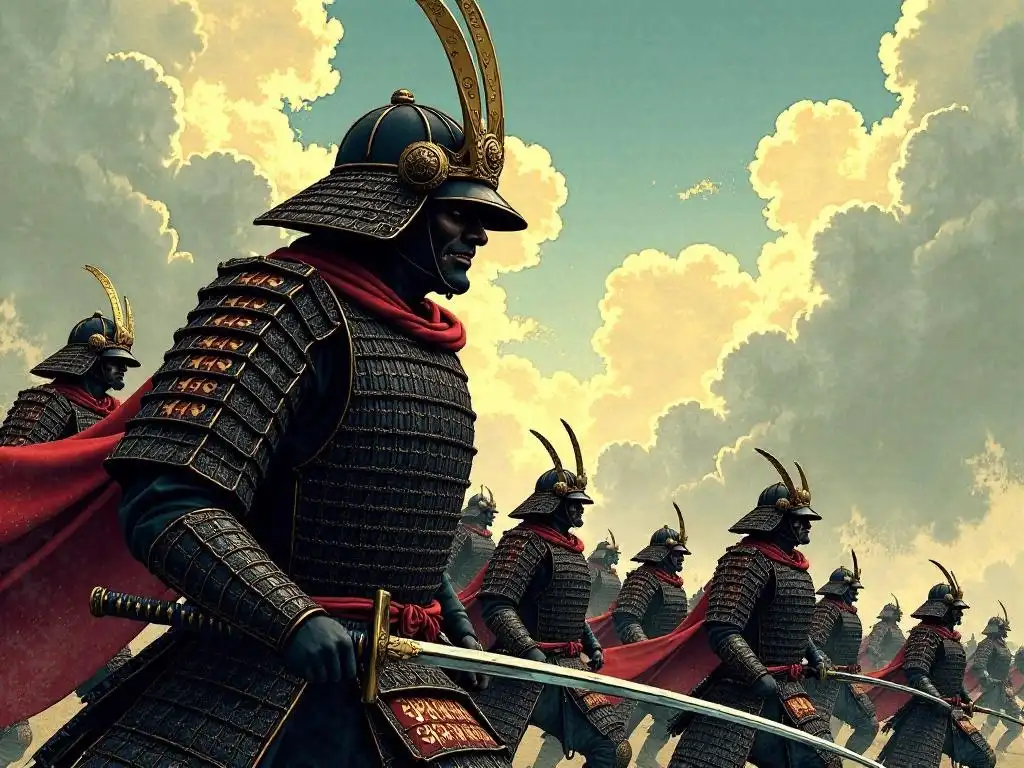
Welcome to Feudal Japan History, your gateway to uncovering the rich tapestry of Japan’s feudal era. Here, we delve into the intricate historical, cultural, and societal dimensions that shaped a nation. Prepare to embark on a riveting journey as we explore the History of the Ashikaga Shogunate in our featured article, "Samurai and the Rise of the Ashikaga Shogunate: A Military Perspective." Discover how the warriors of the past carved their legacy in the annals of history and the profound impact of their military strategies. Curiosity piqued? Continue reading to unlock the secrets of this fascinating period!
- Introduction to the Ashikaga Shogunate
- The Rise of the Ashikaga Shogunate
- Samurai Warfare: Strategies and Tactics
- Social Structure and the Samurai Class
- The Impact of the Ashikaga Shogunate on Military History
- Conclusion: The Legacy of the Ashikaga Shogunate
-
Frequently Asked Questions
- What was the role of the Samurai in the rise of the Ashikaga Shogunate?
- How did the Ashikaga Shogunate differ from previous shogunates?
- What were some cultural impacts during the Ashikaga Shogunate?
- How did the military strategies of the Ashikaga Shogunate evolve?
- What led to the decline of the Ashikaga Shogunate?
- Final Reflection: The Enduring Legacy of the Ashikaga Shogunate
- Unleash the Warrior Within: Embrace the Lessons of the Samurai
Introduction to the Ashikaga Shogunate
The Ashikaga Shogunate, a pivotal institution in the history of Japan, marked a significant transition in the feudal landscape of the nation. Spanning from the mid-14th century to the late 16th century, this era was characterized by a complex interplay of military power, political intrigue, and cultural development. As we delve into the History of the Ashikaga Shogunate, it is essential to understand not only the timeline of events but also the broader context in which this shogunate arose.
The Ashikaga family, through strategic alliances and military prowess, established a regime that would influence the samurai class and the structure of Japanese society for generations. This article aims to provide an in-depth analysis of the Ashikaga Shogunate from a military perspective, exploring the crucial role of samurai warfare and the socio-political dynamics that shaped this era.
Overview of the Ashikaga Shogunate's Historical Context
The Ashikaga Shogunate emerged during a period of profound upheaval in Japan, following the decline of the Kamakura Shogunate. The late 13th century saw the Mongol invasions, which, although repelled, left the Kamakura government weakened and vulnerable. As power became decentralized, various regional warlords, or daimyōs, vied for control, leading to the Nanboku-chō period (Northern and Southern Courts), where rival imperial courts competed for legitimacy.
- Key Events Leading to the Ashikaga Rise:
- Decline of the Kamakura Shogunate (1333): The fall of this previous shogunate created a power vacuum.
- Establishment of the Ashikaga Shogunate (1336): Ashikaga Takauji seized power, asserting his dominance over the imperial factions.
- The Onin War (1467-1477): A civil war that devastated Kyoto and marked the beginning of the Sengoku period, a century-long era of warfare among the daimyōs.
The shogunate's authority was often challenged, leading to a fragmented political landscape where samurai played an essential role as both warriors and local rulers. The Ashikaga Shogunate, while initially successful in consolidating power, faced internal strife and external threats that would shape its legacy.
Significance of Samurai in Feudal Japan
The samurai, Japan's warrior class, were not merely soldiers; they were a cultural and social phenomenon integral to the feudal system. Their evolution throughout the Ashikaga period highlights the interplay between military service and social status, as well as the philosophical underpinnings of bushidō, the "way of the warrior."
- Roles of Samurai:
- Military Leadership: Samurai were pivotal in battles, serving under daimyōs and the shogunate to protect their lands and assert dominance.
- Cultural Ambassadors: Beyond warfare, samurai contributed to the cultural fabric of Japan, engaging in arts, poetry, and tea ceremonies, which flourished during the Ashikaga era.
- Political Influence: As local lords, samurai wielded significant power, often determining the fate of regions through alliances and conflicts.
The significance of the samurai transcends military might; they were the custodians of a unique culture that emphasized loyalty, honor, and discipline. Understanding the role of samurai during the Ashikaga Shogunate is crucial for grasping the broader implications of military governance and its impact on Japanese society.
As we explore the intricate relationship between the samurai and the Ashikaga Shogunate, we will uncover how these warriors shaped not only the battles of their time but also the very essence of what it meant to be Japanese in a feudal society.
The Rise of the Ashikaga Shogunate

The Ashikaga Shogunate, established in the 14th century, marked a significant shift in Japanese history, characterized by the consolidation of power among the samurai class and the decline of imperial authority. This era, often referred to as the Muromachi period, witnessed a complex interplay of military strategy, political maneuvering, and cultural developments, which ultimately allowed the Ashikaga family to rise to prominence. The Ashikaga Shogunate was not only a military regime but also a pivotal force in shaping Japan's cultural and social landscape during feudal times.
Key Events Leading to the Establishment of the Ashikaga Shogunate
The emergence of the Ashikaga Shogunate can be traced through several critical events that set the stage for its rise:
- The Kamakura Shogunate's Decline:
- The Kamakura Shogunate, which held power from 1185 to 1333, began to weaken due to internal strife and external pressures, including the Mongol invasions. The failure to effectively deal with these threats led to discontent among the samurai and a power vacuum.
- The Genko War (1331-1333):
- This conflict marked a significant turning point. Ashikaga Takauji, initially a supporter of the Kamakura Shogunate, turned against it, aligning himself with the imperial court to overthrow the shogunate. His military prowess and strategic alliances were instrumental in this revolt.
- The Fall of Kamakura:
- The capture of Kamakura in 1333 by Takauji's forces marked the end of the Kamakura Shogunate. This event highlighted the shifting loyalties among the samurai, as many former vassals of Kamakura began to support Takauji.
- The Establishment of the Ashikaga Shogunate (1336):
- In 1336, Ashikaga Takauji formally established the Ashikaga Shogunate, claiming the title of shōgun. His ascension was solidified by military victories and political alliances, including the support from influential clans such as the Uesugi and the Nitta.
- The Northern and Southern Courts (1336-1392):
- Following the establishment of the shogunate, Japan entered a period of civil strife known as the Nanboku-chō period, characterized by the rivalry between the Northern Court, supported by the Ashikaga, and the Southern Court, loyal to the imperial line. This division further entrenched the Ashikaga's military dominance.
The Role of Military Power in the Ashikaga Ascendancy
The consolidation of military power played a crucial role in the rise of the Ashikaga Shogunate. The following aspects illustrate how military might underpinned their ascendancy:
- Samurai Loyalty and Warfare:
- The Ashikaga shoguns capitalized on the loyalty of the samurai class, who were essential for both military campaigns and governance. The samurai's martial skills and dedication enabled the Ashikaga to project power and maintain control over vast territories.
- Strategic Alliances:
- The Ashikaga shogunate forged alliances with various powerful clans, enhancing their military strength. By aligning with influential families and regional lords, they secured vital resources and manpower, crucial for their military campaigns.
- Military Innovations:
- The period also saw advancements in warfare, including the increased use of archers and cavalry. The Ashikaga shogunate adapted to these changes, employing new tactics and technologies that gave them an edge over their rivals.
- Control of Key Regions:
- The Ashikaga strategically seized control of key regions, such as Kyoto, where they established their base of power. Their ability to control crucial urban centers allowed them to exert influence over trade and culture, further solidifying their military and political power.
- Civil War and Consolidation:
- Internal conflicts, such as the aforementioned Nanboku-chō period, also served to strengthen the Ashikaga's military position. By engaging in civil wars, they were able to eliminate rivals and consolidate their power, often at the expense of the imperial court.
The rise of the Ashikaga Shogunate was a multifaceted process driven by critical military events, strategic alliances, and the effective use of military power. This period not only reshaped the political landscape of Japan but also laid the foundation for significant cultural developments that would define the era.
Samurai Warfare: Strategies and Tactics
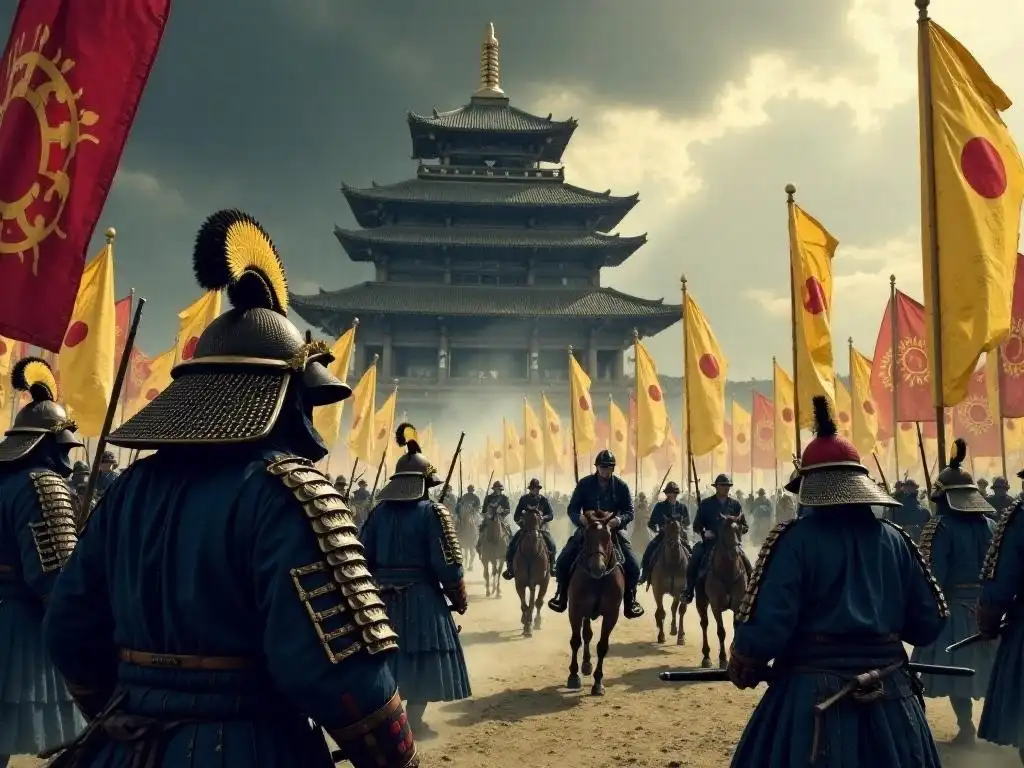
Overview of Samurai Warfare During the Ashikaga Period
The Ashikaga period (1336-1573) marked a significant evolution in the art of warfare among the samurai. During this time, the samurai class transitioned from the rigid, clan-based conflicts of the Kamakura period to a more complex and nuanced approach to warfare. This era was characterized by the rise of the Ashikaga Shogunate, which introduced new strategies and tactics that reflected the changing political landscape in Japan.
The samurai of the Ashikaga period relied heavily on the concept of "bushido," the way of the warrior. This code emphasized not only martial prowess but also loyalty, honor, and ethical behavior. As a result, samurai warfare was not only about defeating the enemy but also about demonstrating virtue and strength in battle. The samurai were skilled in various combat techniques, including archery, horseback riding, and the use of the katana, which became a symbol of their status.
Another key aspect of samurai warfare during this period was the increasing use of strategic alliances and betrayals. The Ashikaga Shogunate often engaged in diplomatic maneuvers, leveraging relationships with other clans to gain advantages on the battlefield. This shift towards a more flexible and opportunistic approach to warfare allowed samurai to navigate the complexities of feudal politics effectively.
Key Battles and Military Campaigns of the Ashikaga Shogunate
The Ashikaga Shogunate oversaw numerous key battles and military campaigns that significantly influenced the history of the Ashikaga Shogunate. Among these, the following stand out:
- Battle of Minatogawa (1336): This battle marked the first significant military engagement of the Ashikaga Shogunate, where Ashikaga Takauji decisively defeated the loyalist forces of the Imperial Court. This victory solidified the Ashikaga’s power and established them as the dominant force in Japan.
- Battle of Kuranosuke (1441): A pivotal battle in the ongoing conflict between the Ashikaga Shogunate and the rival Ouchi clan. The outcome of this battle allowed the Ashikaga to maintain control over the western territories of Japan.
- Onin War (1467-1477): A critical conflict that arose from succession disputes within the Ashikaga family, leading to widespread chaos. The Onin War resulted in the rise of powerful daimyos and the eventual transformation of Japan into a land of warring states, known as the Sengoku period.
These battles were not only military confrontations but also political maneuverings that altered the balance of power in Japan. The strategies employed during these engagements often involved meticulous planning, intelligence gathering, and the effective use of local terrain.
Innovations in Warfare: Weapons and Tactics Used by Samurai
The Ashikaga period saw significant innovations in both weapons and tactics among the samurai, contributing to the evolution of warfare in Japan. Some of the notable advancements included:
- Use of the Yumi (Longbow): The yumi played a crucial role in samurai warfare, with its long range and precision allowing samurai to engage enemies from a distance. The training involved in mastering the yumi was intensive, often starting from a young age.
- Introduction of Firearms: The arrival of firearms in Japan during the 16th century changed the dynamics of warfare. The matchlock gun, or tanegashima, began to be integrated into samurai tactics, providing a new means of combat that complemented traditional weaponry.
- Cavalry Tactics: The Ashikaga samurai frequently employed cavalry units in their military campaigns. The ability to maneuver quickly on horseback was a decisive advantage, allowing for rapid flanking maneuvers and retreats when necessary.
- Siege Warfare: The Ashikaga period also saw advancements in siege tactics, with the use of fortified castle structures becoming commonplace. Samurai learned to effectively conduct sieges, utilizing siege engines and developing strategies to breach enemy defenses.
These innovations played a vital role in shaping the military landscape of feudal Japan, demonstrating the adaptability and resourcefulness of the samurai during the Ashikaga Shogunate. The combination of traditional combat skills with new technologies and tactics laid the groundwork for future conflicts in Japan's tumultuous history.
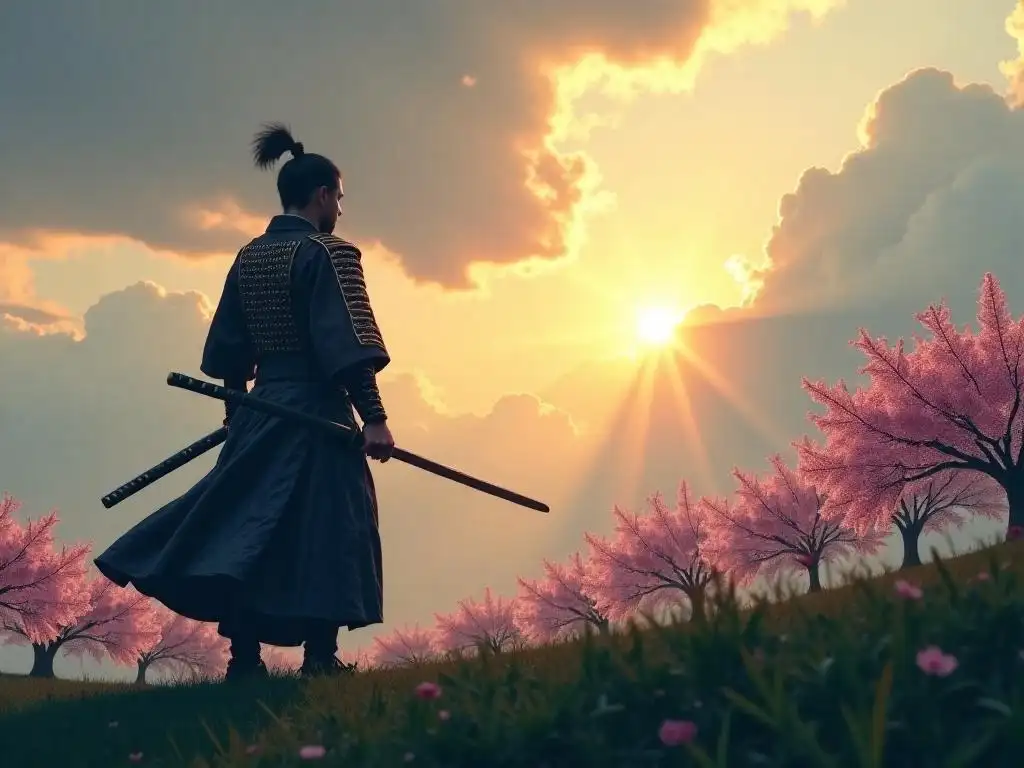
The Role of Samurai in Feudal Society During the Ashikaga Shogunate
The Ashikaga Shogunate, which lasted from 1336 to 1573, marked a pivotal period in the history of Japan, characterized by the emergence and prominence of the samurai class. Samurai were not merely warriors; they played a crucial role in the political and social fabric of feudal Japan.
- Warriors and Landholders: Samurai were primarily known as the military elite of feudal society. They were responsible for the protection of their lord's land and, in return, were granted stipends and land. This relationship, known as vassalage, was fundamental to the feudal system. Samurai were expected to uphold their lord's interests, often engaging in warfare to expand or defend territories.
- Cultural Patrons: Beyond their martial duties, samurai were also patrons of culture. They supported the arts, including literature, tea ceremonies, and Zen Buddhism, which flourished during the Ashikaga Shogunate. This dual role helped cultivate a rich cultural environment, blending martial prowess with artistic expression.
- Code of Conduct: The samurai adhered to a strict code of conduct known as Bushido, which emphasized loyalty, honor, and discipline. This code influenced their behavior both on and off the battlefield, establishing a moral framework that guided samurai interactions within their communities.
- Political Influence: The samurai class had significant political influence, especially as the Ashikaga Shogunate struggled with central authority. Samurai clans often engaged in power struggles, leading to a fragmented political landscape. Notably, the Ashikaga Shogunate relied on alliances with various samurai clans to maintain control, showcasing their crucial role in governance.
The dynamics between the samurai and other social classes were complex and multifaceted, reflecting the intricate social hierarchy of feudal Japan.
- Peasants: At the bottom of the social hierarchy were the peasants, who made up the majority of the population. Samurai relied on peasants for agricultural production, which was the backbone of the economy. In exchange for their protection, peasants were obligated to pay taxes and provide labor. This relationship was often fraught with tension, as samurai could impose harsh measures to ensure compliance.
- Artisans and Merchants: Artisans and merchants occupied a middle position in the social structure. While they were essential for economic development, samurai often regarded them with disdain, viewing them as less honorable than warriors. However, as the Ashikaga Shogunate progressed, the rise of commerce led to a gradual shift in this perception, with some wealthy merchants gaining influence and even becoming patrons of samurai clans.
- Buddhist Monks and Religious Figures: Samurai also interacted with Buddhist monks, who held significant social power. Monks were not only spiritual leaders but also landowners and educators. Samurai often sought the counsel of monks, and temples served as places of refuge during conflicts. The relationship was reciprocal, with monks providing spiritual guidance and samurai offering protection.
- Nobility: The samurai class was closely tied to the nobility or kuge, who were the court aristocracy. Although the samurai were primarily warriors, many belonged to noble families that held titles and lands. This relationship allowed for a blend of military and political power, as samurai were often called upon to serve the interests of the nobility in times of conflict.
The samurai class during the Ashikaga Shogunate was integral to both military and societal structures. Their relationships with various social classes shaped the dynamics of feudal Japan, influencing not only governance and warfare but also cultural and economic developments. The history of the Ashikaga Shogunate is thus profoundly intertwined with the evolution of the samurai and their multifaceted roles within society.
The Impact of the Ashikaga Shogunate on Military History
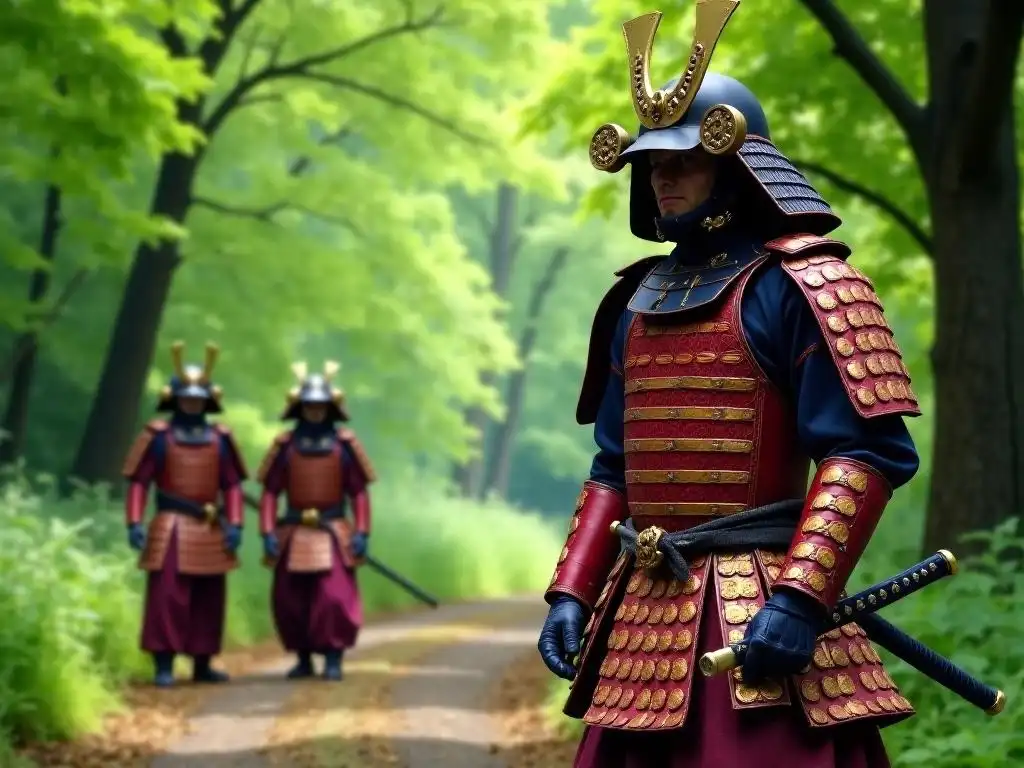
The Ashikaga Shogunate, governing from 1336 to 1573, marked a significant transformation in the landscape of Japanese military history. This period saw the evolution of samurai warfare, characterized by shifts in tactics, social structures, and the role of military leaders. The Ashikaga Shogunate's impact can be seen in various aspects of feudal military organization, strategy, and the development of the samurai class.
Long-Term Effects of the Ashikaga Shogunate on Samurai Warfare
The Ashikaga Shogunate introduced several lasting changes that reshaped the conduct of samurai warfare. One major influence was the decentralization of military power. Unlike the more centralized Kamakura Shogunate, the Ashikaga era witnessed a rise in local warlords (daimyōs) who held significant autonomy. This shift led to:
- Fragmentation of Power: Localized conflicts became more common as daimyōs vied for territory, resulting in a notable increase in small-scale battles and skirmishes.
- Rise of Mercenaries: The demand for skilled warriors led to a rise in mercenary forces, with samurai often hiring out their skills to the highest bidder. This professionalization of warfare changed the dynamics of loyalty and service.
Another critical aspect was the development of new military tactics. The Ashikaga period saw the introduction of:
- Gunpowder Weapons: With an increase in trade and cultural exchange, firearms began to appear on the battlefield. The Battle of Nagashino in 1575 exemplifies this transition, showcasing the effectiveness of gunpowder in samurai combat.
- Adaptation of Terrain: Samurai learned to utilize varied terrains strategically, leading to the development of guerilla tactics and ambush strategies that would influence future conflicts.
The cultural implications of the Ashikaga Shogunate also left a mark on samurai warfare. The period was characterized by:
- The Rise of Bushido: The samurai code of conduct, or Bushido, became more defined and widespread during this time, emphasizing honor, loyalty, and martial skill. This code influenced not only how samurai fought but also how they viewed their role in society.
- Cultural Patronage: The Ashikaga Shogunate's patronage of the arts and culture led to a more refined warrior class. The samurai became not just warriors but also scholars and artists, further embedding their role in the social fabric of Japan.
The Transition from Ashikaga to Other Shogunates: A Military Perspective
The eventual decline of the Ashikaga Shogunate paved the way for new military powers to emerge, leading to the rise of the Tokugawa Shogunate. This transition was marked by several key factors that influenced samurai warfare:
- Military Consolidation: The unification efforts of figures like Oda Nobunaga and Toyotomi Hideyoshi transitioned Japan from a fragmented feudal system to a more centralized military regime. The consolidation of power allowed for standardized training and tactics among samurai.
- Shift in Warfare Philosophy: With the advent of the Tokugawa Shogunate, the focus shifted from warfare to governance. The samurai class transitioned from active military roles to administrative and bureaucratic positions, leading to a significant change in their military function.
- Cultural Reflection: The peace achieved during the Tokugawa era allowed samurai to engage more in arts and philosophy, diverging from their previous purely martial focus. This cultural shift is evident in the arts, literature, and the evolving social status of the samurai.
The Ashikaga Shogunate not only reshaped the military landscape of its time but also set the stage for the future of samurai warfare in Japan. Its legacy is marked by significant changes in military strategy, the role of the samurai, and the sociopolitical fabric of feudal Japan, influencing subsequent shogunates and defining the trajectory of Japanese military history.
Conclusion: The Legacy of the Ashikaga Shogunate
The Ashikaga Shogunate, which emerged in the 14th century, marked a pivotal era in Japanese history, characterized by significant military, political, and cultural developments. This period not only solidified the samurai as a dominant force in Japanese society but also laid the groundwork for future governance structures and military strategies. Understanding the legacy of the Ashikaga Shogunate is crucial for comprehending the broader narrative of Japan's feudal history.
Summary of Key Contributions to the History of Ashikaga Shogunate
- Political Structure: The Ashikaga Shogunate introduced a more decentralized governance model compared to its predecessor, the Kamakura Shogunate. This shift allowed for increased regional autonomy, which led to the rise of powerful daimyōs (feudal lords) who played crucial roles in local governance and military campaigns.
- Cultural Flourishing: The period witnessed remarkable advancements in arts and culture, particularly in Noh theater, ink painting, and the tea ceremony. The Ashikaga Shogunate's patronage of the arts fostered a unique cultural identity that blended samurai values with aesthetic pursuits.
- Military Innovations: The Ashikaga era saw the evolution of samurai warfare with the introduction of new tactics and weapons, including the use of firearms. The adoption of these innovations significantly altered the dynamics of battles and military engagements.
- Economic Growth: The relative peace established during the early years of the Ashikaga Shogunate allowed for trade to flourish, enhancing economic stability. The increase in trade routes and commerce contributed to the rise of a wealthy merchant class, which began to challenge the traditional feudal hierarchy.
- Impact on Future Governance: The political and military frameworks established during the Ashikaga Shogunate set precedents for subsequent shogunates, particularly during the Tokugawa period. The interplay between samurai power and political authority continued to shape Japan's governance long after the fall of the Ashikaga.
Reflection on the Role of Samurai in Shaping Japanese Military History
The samurai's influence during the Ashikaga Shogunate was profound, as they transitioned from mere warriors to key players in the political landscape of Japan. Their code of conduct, known as bushidō, emphasized values such as loyalty, honor, and martial prowess, which were pivotal in shaping Japan's military ethos.
- Militarization of Society: The samurai class became a symbol of military might and social order. Their training and discipline not only prepared them for battle but also ingrained a sense of duty to their lords, reinforcing feudal loyalties that defined Japanese society.
- Strategic Alliances and Rivalries: The samurai were often at the center of power struggles, forming alliances and rivalries that dictated the political climate of the time. The intricate relationships among various samurai clans influenced military strategies and led to significant conflicts, including the Onin War, which ultimately contributed to the decline of the Ashikaga Shogunate.
- Cultural Integration: Beyond their military roles, samurai became patrons of cultural practices, integrating martial skills with artistic endeavors. This blending of military and cultural pursuits enriched Japanese society and left a lasting legacy on its cultural identity.
The legacy of the Ashikaga Shogunate and the samurai's role within it is thus a critical chapter in the history of the Ashikaga Shogunate, reflecting a complex interplay of warfare, governance, and culture that continues to resonate in Japan's historical narrative.
Frequently Asked Questions
What was the role of the Samurai in the rise of the Ashikaga Shogunate?
The Samurai were crucial in establishing the Ashikaga Shogunate, serving as elite warriors who supported the shogunate's military campaigns and enforced its rule through loyalty and martial prowess.
How did the Ashikaga Shogunate differ from previous shogunates?
The Ashikaga Shogunate emphasized a more decentralized approach, allowing regional daimyōs greater autonomy compared to the Kamakura Shogunate, which focused on a centralized authority.
What were some cultural impacts during the Ashikaga Shogunate?
The Ashikaga Shogunate fostered a rich cultural renaissance, promoting Zen Buddhism, the tea ceremony, and Noh theatre, significantly influencing Japanese art and culture.
How did the military strategies of the Ashikaga Shogunate evolve?
The Ashikaga Shogunate adapted its military strategies to include both cavalry tactics and infantry formations, reflecting the changing nature of warfare during its rule, particularly with the rise of gunpowder weapons.
What led to the decline of the Ashikaga Shogunate?
The decline was attributed to internal conflicts, power struggles among daimyōs, and the Onin War, which destabilized the shogunate and eventually led to the Warring States period.
Final Reflection: The Enduring Legacy of the Ashikaga Shogunate
The history of the Ashikaga Shogunate is not merely a tale of military prowess; it is a profound narrative that resonates with the complexities of power, culture, and identity in Japan. Today, as we navigate a world rife with conflict and change, understanding the dynamics of the Ashikaga era offers invaluable insights into the nature of governance and the intricate balance between authority and societal values. The rise of the Ashikaga Shogunate serves as a reminder that history is not static; it is a living entity that shapes our present and future.
Culturally and socially, the Ashikaga Shogunate has left an indelible mark on Japan's identity, influencing everything from art to philosophy. The samurai, as both warriors and custodians of culture, played a pivotal role in this transformation. Their legacy continues to inspire modern interpretations of honor and duty. The samurai's way is not just about fighting; it is about living with integrity and purpose.
This ongoing influence invites us to reflect on how the values of the past can inform our actions today, urging us to cultivate a sense of responsibility and commitment in our own lives.
As we conclude this exploration of the Ashikaga Shogunate, I invite you to reflect on the lessons embedded within this historical narrative. Consider how the principles of leadership, resilience, and cultural appreciation can be applied in your own journey. Let the story of the samurai inspire you to embrace challenges with courage and to honor the rich tapestry of history that shapes our world. In doing so, we not only pay tribute to the past but also pave the way for a future grounded in understanding and respect.
Unleash the Warrior Within: Embrace the Lessons of the Samurai
Thank you for exploring the captivating world of the Ashikaga Shogunate and the samurai. You’ve gained valuable insights into how military strategies have shaped Japan’s history. Now, it’s time to apply those lessons to your own life!
Here are some actionable steps you can take:
- Start a Personal Study on Leadership: Dive deeper into the principles of samurai leadership. Consider reading books or enrolling in online courses that examine the samurai code, known as bushido, and its relevance in today’s world.
- Join a Historical Community: Connect with fellow history enthusiasts! Look for online forums or local groups where you can discuss feudal Japan and share your insights with others.
- Practice Mindfulness Techniques Inspired by the Samurai: Incorporate daily mindfulness practices that reflect the samurai’s discipline, such as meditation or martial arts training, to cultivate focus and resilience.
Which aspect of the samurai’s journey resonates with you the most, and how do you plan to integrate their resilience into your life?