
Feudal Alliances: The Impact of Samurai Relationships on Warfare

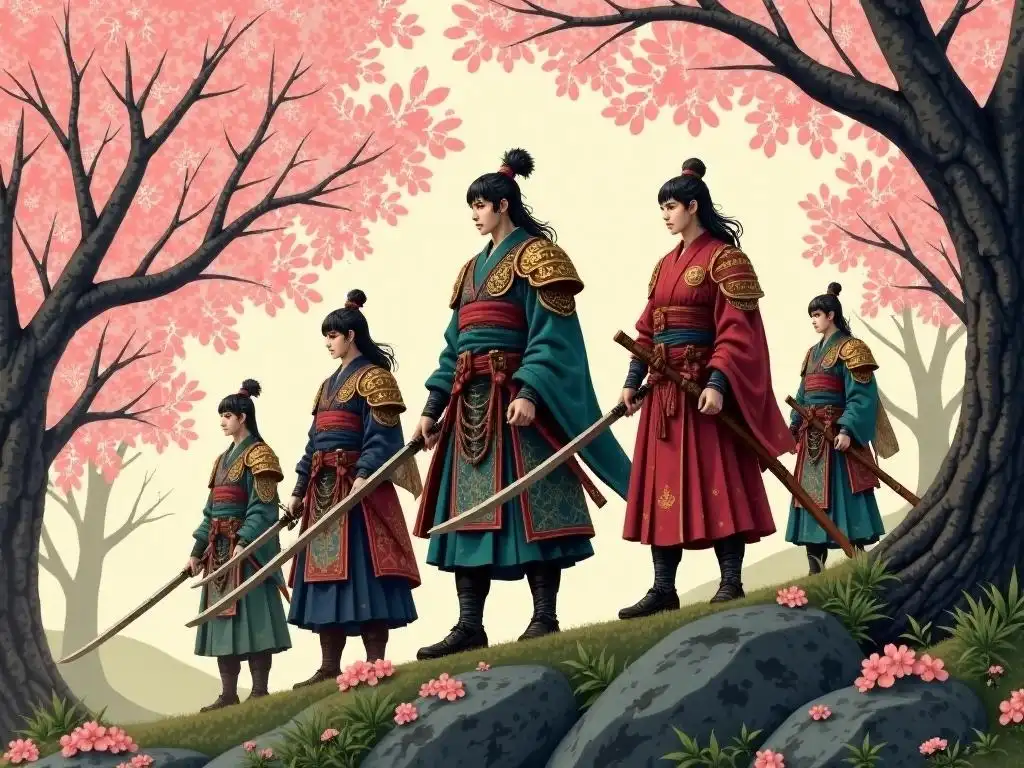
Welcome to Feudal Japan History, where we embark on a captivating journey through the intricate tapestry of Japan's feudal era. Here, we delve into the profound connections and strategic alliances that shaped the battlefield, particularly focusing on samurai alliances in warfare. What drove these formidable warriors to forge bonds that could alter the course of history?
As you explore our expert-driven insights and in-depth articles, prepare to uncover the fascinating dynamics of loyalty, power, and conflict that defined an age. Join us in unraveling the secrets of the past, and discover how these relationships continue to influence our understanding of military strategy today.
- Introduction to Samurai Alliances in Warfare
- The Historical Context of Samurai Alliances
- Types of Samurai Alliances in Warfare
- The Impact of Samurai Alliances on Warfare
- The Evolution of Samurai Alliances Over Time
- Cultural Implications of Samurai Alliances
- Modern Perspectives on Samurai Alliances
- Conclusion: The Lasting Impact of Samurai Alliances in Warfare
-
Frequently Asked Questions
- What were the primary alliances formed by the samurai during feudal Japan?
- How did samurai alliances influence the outcomes of battles?
- What role did loyalty play in samurai alliances?
- Were there any famous samurai alliances that shaped Japanese history?
- How did cultural factors affect samurai alliances in warfare?
- Final Reflection: The Enduring Legacy of Samurai Alliances in Warfare
- Forge Your Own Feudal Alliances!
Introduction to Samurai Alliances in Warfare
The feudal era of Japan, spanning from the late 12th century to the early 19th century, was characterized by a complex web of alliances among the samurai class. These alliances were not merely social or political arrangements; they played a critical role in shaping the strategies and outcomes of warfare during this tumultuous period.
Understanding samurai alliances in warfare is essential to grasp the intricate dynamics of feudal Japan, where loyalty, honor, and martial prowess intertwined to influence battlefield tactics and broader military campaigns. This article delves into the nature and significance of these alliances, exploring how they impacted the course of conflicts and the political landscape of feudal Japan.
Definition of Samurai Alliances
Samurai alliances, known as kizuna, were formal agreements or relationships between feudal lords (daimyō) and their samurai vassals. These alliances were often rooted in mutual obligations, where lords provided land and protection in exchange for military service and loyalty from their samurai. The bonds formed through these alliances were deeply entrenched in the samurai code of conduct, emphasizing loyalty (忠義, chūgi) and honor (名誉, meiyo).
Key characteristics of samurai alliances included:
- Reciprocal Obligations: Both parties were expected to uphold their commitments, fostering a sense of trust and reliability.
- Marriages: Alliances were frequently solidified through marital ties, further intertwining the fates of different clans.
- Military Cooperation: Samurai alliances often dictated the composition of forces sent to battle, with allied warriors joining together to achieve common objectives.
These alliances were foundational to the feudal system, influencing not only personal relationships but also the strategies employed in warfare.
Importance of Alliances in Feudal Japan
The significance of samurai alliances in feudal Japan cannot be overstated. They were pivotal in determining the balance of power among competing daimyō and their samurai. Here are some critical aspects of their importance:
- Strategic Advantages:
- Alliances allowed daimyōs to pool resources, manpower, and intelligence, creating formidable coalitions against common enemies.
- Examples: The Battle of Nagashino (1575) showcased how allied forces could effectively leverage their combined strength against rival clans.
- Political Stability:
- Strong alliances contributed to regional stability, minimizing internal conflicts and fostering a more unified front during external threats.
- The intricate network of alliances often led to peace treaties that temporarily halted hostilities, allowing for economic and cultural exchange.
- Cultural Significance:
- Samurai alliances were not just military constructs; they fostered cultural ties and shared values among clans, influencing art, literature, and societal norms.
- Festivals and rituals often celebrated these alliances, reinforcing community bonds and shared identities.
The intricate relationships formed through samurai alliances were indispensable to the warfare strategies and political maneuvers of feudal Japan. Understanding these dynamics provides invaluable insights into the era's military history and the samurai's enduring legacy.
The Historical Context of Samurai Alliances

Overview of Feudal Japan's Political Landscape
The political landscape of feudal Japan was characterized by a complex system of alliances, vassalage, and power struggles among the ruling classes. During the Kamakura period (1185-1333) and extending into the Muromachi period (1336-1573), Japan was fragmented into numerous domains ruled by powerful daimyō (feudal lords). These daimyōs relied heavily on samurai warriors for military support, which led to the formation of intricate networks of samurai alliances in warfare.
The power dynamics were predominantly influenced by the shogunate, a military government that emerged after the Genpei War. The shogun held supreme military authority, while the emperor remained a symbolic figurehead. This duality fostered a culture of loyalty and obligation among samurai, who pledged their service to their lords in exchange for land and protection. As the political environment became increasingly unstable, alliances between samurai became essential for survival and dominance, often leading to conflicts known as sengoku (warring states) period warfare.
Key elements of this political landscape included:
- Feudal Hierarchy: The samurai were at the top of the social structure, serving under daimyō who, in turn, were vassals to the shogun.
- Land and Resources: Control over land was crucial, as it determined a lord's wealth and power. Alliances often centered around shared interests in land acquisition and defense.
- Marital Alliances: Marriage between clans was a common strategy for solidifying relationships and securing loyalty among samurai.
Understanding this intricate web of relationships is vital to appreciating how samurai alliances influenced warfare and shaped Japan's military history.
Key Figures in Samurai History and Their Alliances
Throughout feudal Japan, several key figures emerged who played pivotal roles in shaping alliances that would impact warfare. These leaders often forged relationships based on mutual benefit, personal loyalty, and strategic necessity.
- Minamoto no Yoritomo: As the founder of the Kamakura shogunate, Yoritomo's alliances with various samurai clans helped him consolidate power. His ability to unite the Minamoto clan and gain support from other families, such as the Taira, was crucial in the Genpei War.
- Oda Nobunaga: A significant figure in the late 16th century, Nobunaga was known for his ruthless tactics and innovative military strategies. He formed alliances with powerful daimyōs like Tokugawa Ieyasu, leveraging their strengths to achieve dominance over rival factions.
- Toyotomi Hideyoshi: Following Nobunaga's death, Hideyoshi skillfully navigated the political landscape, building alliances through marriage and diplomacy. His campaigns during the late 1500s exemplified how strategic alliances could lead to widespread influence.
- Tokugawa Ieyasu: The founder of the Tokugawa shogunate, Ieyasu's strategic marriages and alliances cemented his power after the Battle of Sekigahara in 1600. His governance marked the beginning of the Edo period, characterized by relative peace due to the stability of samurai alliances.
These historical figures exemplify how samurai alliances in warfare were not merely military partnerships but also complex social contracts that defined the era's political landscape.
The Role of Clans in Forming Alliances
Clans were the backbone of feudal Japan's social structure, and their role in forming alliances was critical to the success of samurai warfare. The relationships between clans could dictate the outcomes of battles and the balance of power in the region.
- Clan Loyalty: Loyalty to one's clan was paramount, with samurai often prioritizing their allegiance to their daimyō. This loyalty was reinforced through oaths and rituals, creating a strong sense of identity among clan members.
- Strategic Marriages: Clans frequently arranged marriages to strengthen alliances. For instance, the union between the Takeda and Uesugi clans through marriage solidified their mutual defense against common enemies, showcasing how familial ties could enhance military collaboration.
- Mutual Defense Agreements: Clans often entered into mutual defense pacts, agreeing to support each other in times of conflict. This not only provided military strength but also fostered a sense of unity against external threats, as seen in the alliances formed during the sengoku period.
| Clan Name | Notable Alliances | Key Events |
|---|---|---|
| Takeda | Uesugi, Date | Battles of Kawanakajima |
| Uesugi | Takeda, Hojo | Defense against Oda Nobunaga |
| Oda | Tokugawa, Akechi | Unification campaigns across Japan |
| Tokugawa | Matsudaira, Honda | Victory at the Battle of Sekigahara |
The intricate relationships between clans not only influenced individual samurai's fates but also shaped the course of Japanese history. The samurai alliances in warfare were thus a vital component of the feudal system, where loyalty, strategy, and family ties interwove to create a formidable military landscape.
Types of Samurai Alliances in Warfare
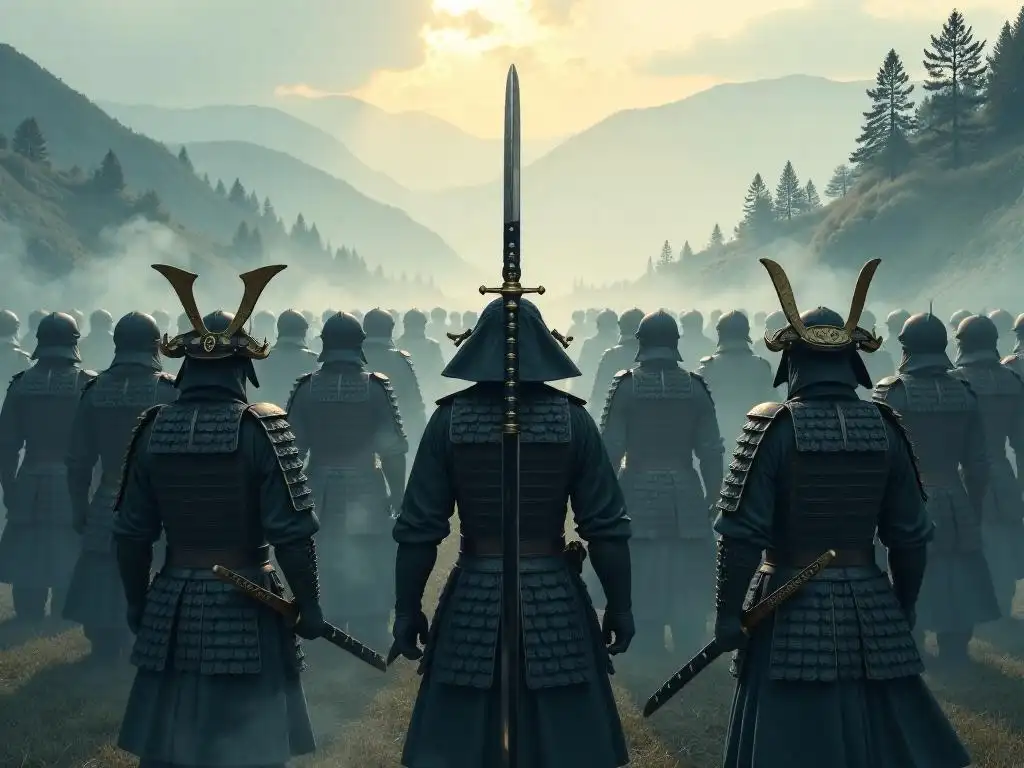
The feudal era of Japan was marked by intricate relationships among samurai, which profoundly influenced warfare strategies. These alliances were not merely personal relationships but were deeply embedded in the socio-political fabric of the time. The following sections explore the different types of samurai alliances that shaped warfare.
Military Alliances: Strategies and Objectives
Military alliances among samurai were crucial for the establishment of power dynamics in feudal Japan. These alliances were formed primarily for the purpose of collective defense, offensive strategies, and enhancing military capabilities.
- Coalition Building: Samurai lords, known as daimyōs, often banded together to form coalitions against common enemies. For instance, during the Genpei War (1180-1185), the Minamoto and Taira clans formed alliances to secure their territorial claims.
- Shared Resources: Through military alliances, samurai could share resources, such as troops and equipment. This sharing significantly increased their chances of success in battles. For example, the Battle of Okehazama (1560) saw Oda Nobunaga ally with smaller clans to confront a larger force effectively.
- Strategic Marriages: Alliances were often cemented through marriages, further intertwining the fates of different clans. The marriage between Tokugawa Ieyasu's daughter and the Uesugi clan is a notable example, strengthening both military and political ties.
Overall, these military alliances were pivotal in shaping the outcomes of numerous conflicts, allowing smaller clans to stand against more powerful adversaries.
Marital Alliances: Strengthening Bonds through Marriage
Marital alliances played a significant role in the dynamics of samurai relationships, serving as a means to solidify power and create peace between rival factions.
- Political Leverage: Marriages often served as political tools, with families marrying off daughters or sons to secure alliances. For instance, the marriage between Takeda Shingen's sister and the Uesugi Kenshin was a strategic move to prevent hostilities between their clans.
- Peace Agreements: These marriages could also act as informal peace treaties. For instance, marrying into a rival clan could discourage warfare and promote diplomatic relations. Such alliances often reduced hostilities and fostered a period of stability, allowing both clans to thrive.
- Cultural Exchange: Marriages between samurai families also facilitated cultural exchanges, including the sharing of military tactics and strategies, which could prove beneficial in future conflicts.
Thus, marital alliances were not merely romantic but were imbued with significant strategic importance in the context of samurai warfare.
Economic Alliances: Trade and Resource Sharing
Economic alliances among samurai were instrumental in ensuring the sustainability of their military campaigns, providing the necessary resources for warfare.
- Resource Acquisition: Samurai clans often formed economic alliances to secure vital resources such as rice, weapons, and horses. The Sengoku period (1467-1603) saw numerous alliances focused on controlling trade routes and resource-rich lands.
- Trade Relations: Economic partnerships allowed samurai to engage in trade with other clans and foreign entities. For instance, the relationship between the Ōuchi clan and Portuguese traders not only enhanced their economic standing but also introduced new technologies and military strategies.
- Mutual Support: In times of need, allied clans would support each other economically, ensuring that they could sustain their armies during prolonged conflicts. This mutual support was critical during campaigns, where resources were frequently stretched thin.
Overall, economic alliances were vital for maintaining the war-readiness of samurai clans, enabling them to sustain their military efforts over time.
Through these types of alliances—military, marital, and economic—samurai were able to navigate the complexities of feudal Japan's warfare landscape, influencing both the strategies employed and the outcomes of various conflicts. The intricate web of relationships among samurai not only shaped their immediate military endeavors but also left a lasting legacy on Japan's historical landscape.
The Impact of Samurai Alliances on Warfare
The intricate web of samurai alliances in warfare played a pivotal role in shaping the military landscape of feudal Japan. These alliances were not merely strategic partnerships; they were often steeped in familial ties, shared loyalties, and mutual interests that influenced the outcomes of numerous battles and conflicts. The dynamics of these alliances impacted not only the immediate tactical decisions on the battlefield but also the broader political landscape of the era.
How Alliances Influenced Battle Strategies
Samurai alliances often dictated the strategies employed during warfare. The formation of alliances allowed for the pooling of resources, manpower, and military tactics, leading to enhanced capabilities in battle. Here are some key influences of these alliances on battle strategies:
- Resource Sharing: Allied clans could share weapons, armor, and logistical support, which was essential for sustaining prolonged military campaigns. For example, the Takeda clan often relied on their allies for supplies during extensive campaigns against the Uesugi clan.
- Combined Forces: Alliances enabled clans to field larger armies. The combined forces of multiple clans could overwhelm a single opponent, as seen in the Battle of Kawanakajima, where the Takeda and Uesugi clans faced off with significant troop numbers.
- Intelligence Sharing: Allies would often share intelligence about enemy movements and strategies, leading to more informed tactical decisions. This was crucial in feudal Japan, where information could turn the tide of battle.
- Psychological Warfare: The presence of allied forces could demoralize opponents. The sheer number of warriors from various clans could create an intimidating front, as seen in many of the large-scale battles during the Sengoku period.
- Flexibility and Mobility: Samurai alliances could adapt to changing battlefield conditions. For instance, when the Oda clan allied with the Tokugawa, they were able to execute swift maneuvers that caught their enemies off guard, leading to significant victories.
The impact of samurai alliances on warfare was profound, influencing everything from troop deployment to battle tactics and overall military strategy.
Case Studies of Notable Samurai Alliances in Warfare
The Takeda and Uesugi Alliance
The Takeda and Uesugi alliance is a notable example of how temporary alliances could have significant impacts on warfare. During the mid-16th century, the Takeda clan, under Takeda Shingen, sought to expand their territory and influence. The Uesugi clan, led by Uesugi Kenshin, was a formidable opponent who also sought to maintain power in the region.
- Mutual Respect: Despite being rivals, both clans respected each other's military capabilities. Their engagements were often characterized by a chivalric code, with both leaders engaging in direct combat.
- Battle of Kawanakajima: This series of battles (1553-1564) exemplifies the fierce rivalry between the two clans, showcasing how their alliance dynamics influenced their strategies. The battles were marked by bold tactics, including Shingen's famous use of surprise attacks and Kenshin's defensive strategies.
- Outcome: Ultimately, neither clan achieved a decisive victory, highlighting the stalemate that can occur even among strong allies. Their conflict not only shaped the immediate region but also influenced other clans to form alliances in response to their ongoing rivalry.
The Oda and Tokugawa Coalition
The Oda and Tokugawa coalition represents a strategic alliance that significantly altered the power dynamics in Japan during the late 16th century.
- Strategic Marriage: The alliance was solidified through marriage, which is a common practice among samurai families to strengthen ties. The marriage between Oda Nobunaga's sister and Tokugawa Ieyasu exemplified this strategy.
- Battle of Anegawa (1570): This battle showcased the effectiveness of their coalition against the Asakura and Asai clans. The combined forces of the Oda and Tokugawa clans utilized coordinated tactics that emphasized flanking maneuvers and overwhelming force.
- Consolidation of Power: The successful collaboration laid the groundwork for further military campaigns, leading to the eventual unification of Japan under the Tokugawa shogunate. This coalition demonstrated the importance of strategic alliances not only in achieving victory but also in shaping the future political landscape of Japan.
The study of notable samurai alliances such as those between the Takeda and Uesugi clans and the Oda and Tokugawa coalition provides invaluable insights into the complexities of warfare during feudal Japan, illustrating how relationships and alliances were as crucial as military strength in determining the outcomes of conflicts.
The Evolution of Samurai Alliances Over Time
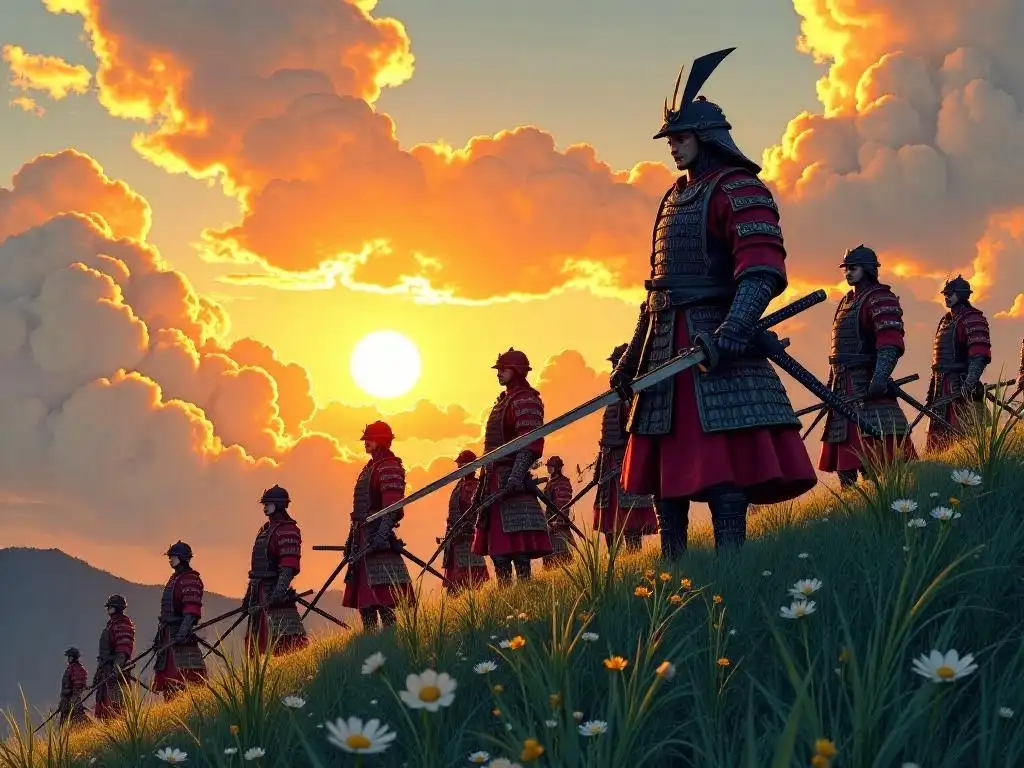
The evolution of samurai alliances is a critical aspect of understanding the complexities of warfare during Japan's feudal era. These alliances were not merely political arrangements; they were often forged through marriages, oaths, and mutual interests, deeply rooted in the samurai code of loyalty and honor. Over time, these alliances shifted in response to changing political landscapes, warfare tactics, and societal transformations.
The formation of samurai alliances began as a necessity for survival, providing mutual protection against common enemies. Initially, these alliances were formed among local clans to fend off external threats, but as warfare intensified, particularly during the Sengoku period, the nature and purpose of these alliances transformed. The dynamics between samurai clans became increasingly intricate, with shifting loyalties and betrayals becoming commonplace.
Changes in Alliances During the Sengoku Period
The Sengoku period (1467-1615), often referred to as the "Warring States" period, marked a significant transformation in samurai alliances. During this time, Japan was fragmented into numerous competing states, each led by powerful daimyōs (feudal lords). The need for samurai alliances became paramount as these daimyōs sought to expand their territories and influence.
- Formation of Coalitions: Many samurai clans formed coalitions to withstand larger or more aggressive foes. For example, the Takeda and Uesugi clans often formed temporary alliances to fight against common enemies, showcasing the fluidity of these relationships.
- Marriage Alliances: Marriages became a strategic tool to solidify alliances. By marrying daughters to rival clan leaders, a samurai could foster peace and create bonds that might deter conflict. Such was the case with the marriage of Takeda Shingen’s daughter to Uesugi Kenshin, which exemplified this tactic.
- Betrayals and Realignments: The Sengoku period was notorious for its betrayals. Clans would switch allegiances based on the changing tides of warfare. The infamous betrayal of the Uesugi by the Date clan illustrates how alliances could dissolve as quickly as they were formed.
The constant warfare and power struggles during this era necessitated a highly adaptive approach to alliances, with samurai needing to be both strategic and cautious.
The Shift in Power Dynamics: From Feudal Lords to Centralized Power
As Japan moved towards the end of the Sengoku period, the rise of centralized power under leaders like Oda Nobunaga, Toyotomi Hideyoshi, and eventually Tokugawa Ieyasu marked a significant shift in the nature of samurai alliances. This transition saw the consolidation of power in the hands of a few, which fundamentally altered the landscape of samurai warfare.
- Centralization of Authority: With the unification of Japan, the need for feudal lords to rely on a network of alliances diminished. Instead, a centralized authority began to form, reducing the autonomy of individual samurai clans. The Tokugawa shogunate's establishment emphasized loyalty to the shogun rather than to local lords.
- Shift in Warfare Tactics: The focus of warfare shifted from large-scale clan battles to more organized military campaigns led by the shogunate. Samurai alliances became less about personal loyalties and more about fulfilling obligations to a centralized authority.
- New Military Structures: The samurai class began to transition from warriors to bureaucrats, serving the shogunate in administrative roles. This shift diminished the traditional role of samurai alliances in warfare, as power became increasingly centralized.
This evolution marked a significant departure from the chaotic and fluid alliances of the Sengoku period, establishing a new era in samurai history.
The Decline of Samurai Alliances in the Edo Period
The Edo period (1603-1868) represents a time of relative peace and stability under the Tokugawa shogunate, leading to the decline of samurai alliances as they had existed in earlier eras. This period emphasized order, discipline, and control, which fundamentally altered the samurai's role in society.
- Peaceful Society: The long-lasting peace of the Edo period reduced the need for samurai to engage in warfare, leading to a decline in the formation of military alliances. Instead, samurai were encouraged to pursue cultural and educational endeavors, shifting their focus away from martial alliances.
- Bureaucratic Functions: As samurai became more integrated into the administrative framework of the shogunate, their identities as warriors were overshadowed by their roles as bureaucrats. This shift resulted in a loss of the traditional bonds that characterized earlier samurai alliances.
- Loss of Autonomy: The strict social hierarchy of the Edo period restricted the samurai's ability to form alliances outside the shogunate's control. Loyalty was directed more towards the shogunate than to individual clans, fundamentally altering the samurai's relationships and diminishing the significance of alliances in warfare.
The decline of samurai alliances during the Edo period illustrates a broader transformation within Japanese society, as the samurai class adapted to new political realities and a more peaceful existence.
The evolution of samurai alliances throughout Japan's feudal era reflects the dynamic nature of power, warfare, and societal change. From the chaotic alliances of the Sengoku period to the centralized authority of the Edo period, these relationships played a pivotal role in shaping the course of Japanese military history. The study of samurai alliances in warfare not only highlights the importance of loyalty and honor but also underscores the intricate web of social and political relationships that defined feudal Japan.
Cultural Implications of Samurai Alliances
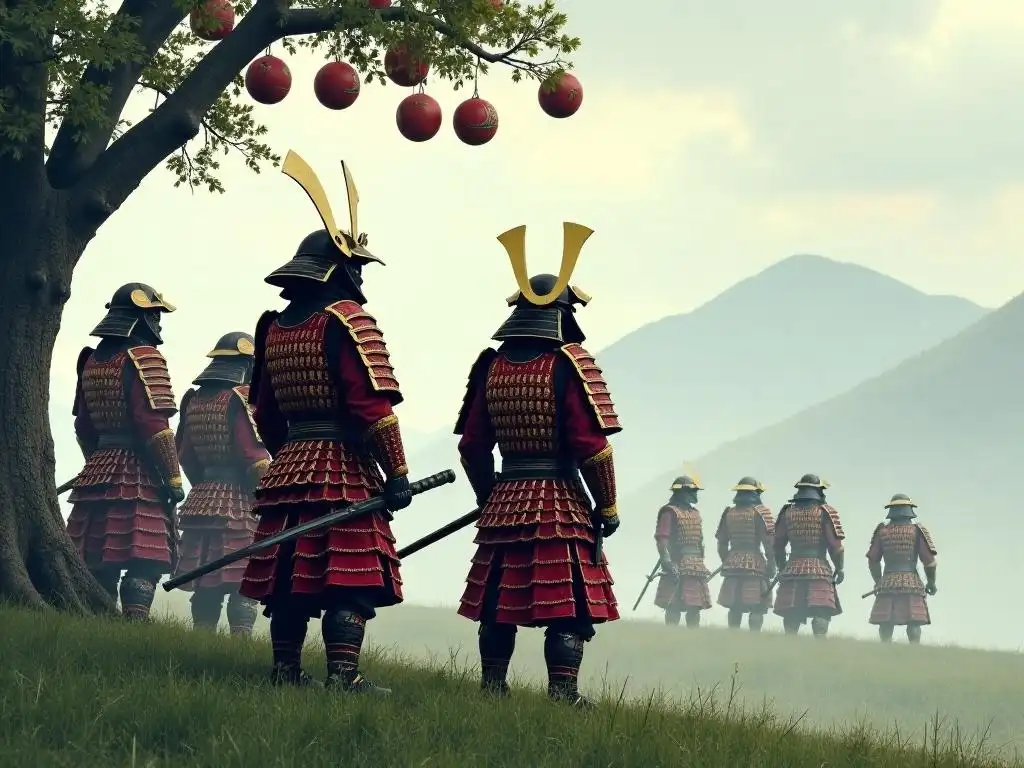
The relationships forged between samurai during Japan's feudal era were deeply intertwined with cultural values and societal norms. These alliances were not merely strategic military partnerships; they were also manifestations of the samurai's adherence to codes of conduct that shaped their identities and interactions in warfare. Understanding the cultural implications of these alliances provides a deeper insight into their significance beyond the battlefield.
The Code of Bushido and Its Impact on Alliances
The Code of Bushido, or "the way of the warrior," served as the ethical foundation for samurai behavior and relationships. This code emphasized virtues such as loyalty, honor, courage, and self-discipline. Its principles were pivotal in shaping how samurai approached their alliances, particularly in warfare.
- Loyalty: A samurai's loyalty to their lord (daimyō) was paramount. This loyalty extended to allied samurai, as breaking an alliance was often viewed as a betrayal against both the lord and the shared honor of the samurai class. For example, during the Genpei War (1180–1185), alliances were formed based on mutual loyalty, significantly impacting the outcome of battles.
- Honor: The concept of honor was critical in maintaining alliances. Samurai were expected to uphold their promises and commitments, which reinforced trust among allies. A breach of honor could lead to severe repercussions, including loss of reputation or even death. The famous incident of the Forty-seven Ronin illustrates how loyalty and honor could drive samurai to avenge their fallen lord, ultimately leading to the reaffirmation of alliances among loyalists.
- Courage: The courage to fight alongside allies in the face of adversity was celebrated in samurai culture. This valor not only solidified alliances but also served as a rallying point for troops during warfare. The Battle of Nagashino (1575) is a notable instance where allied samurai showcased their courage, ultimately leading to a crucial victory against the Takeda clan.
In essence, the Code of Bushido provided a framework that governed the conduct of samurai alliances. It fostered a sense of duty that transcended personal gain, emphasizing the collective strength derived from unity in warfare.
The Role of Honor and Loyalty in Samurai Relationships
Honor and loyalty were not just abstract concepts; they were lived realities that dictated the dynamics of samurai relationships. These values were so ingrained in samurai culture that they influenced not only military strategies but also the very fabric of society.
- Feudal Loyalty Structures: The hierarchical nature of feudal Japan meant that loyalty was often inherited. Sons were expected to uphold their fathers' alliances, ensuring that familial bonds reinforced military partnerships. This continuity of loyalty played a significant role in maintaining stability within regions and was frequently exploited by daimyō to bolster their power.
- Rituals and Ceremonies: Samurai relationships were often cemented through elaborate rituals and ceremonies, which served to reinforce bonds of loyalty and honor. Events such as sake-sharing ceremonies symbolized the commitment between allies, creating a spiritual connection that went beyond mere political necessity. These rituals highlighted the importance of personal relationships in the context of warfare.
- Consequences of Disloyalty: The repercussions for breaking loyalty were severe. A disloyal samurai could face social ostracism, loss of status, or even the death penalty. For instance, the Hōgen Rebellion (1156) saw numerous samurai punished for betrayal, illustrating how deeply the samurai code impacted their relationships and decisions in warfare.
Honor and loyalty were pivotal in shaping the alliances among samurai, deeply influencing their actions during warfare. These cultural implications not only defined the nature of their relationships but also contributed to the unique societal structure of feudal Japan, where the samurai's code dictated both personal and collective destinies.
Modern Perspectives on Samurai Alliances
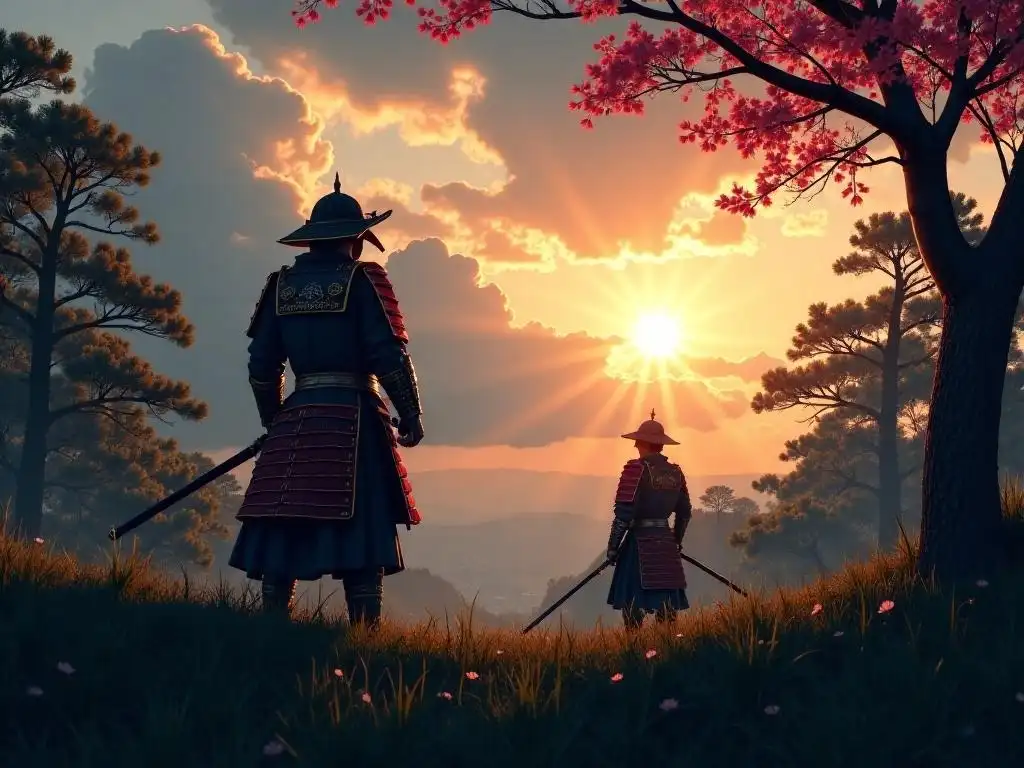
The concept of samurai alliances in warfare, rooted deeply in Japan's feudal past, continues to resonate in modern society. These alliances have not only shaped historical events but have also influenced contemporary cultural, political, and social landscapes. Understanding how these alliances are viewed today offers insight into their enduring legacy.
The Legacy of Samurai Alliances in Contemporary Japan
In Japan today, the legacy of samurai alliances is often celebrated as a symbol of loyalty, honor, and strategic prowess. The samurai code, known as Bushido, emphasizes virtues such as loyalty and bravery, which continue to be valued in modern Japanese culture. Various aspects of samurai alliances serve as points of reference for contemporary relationships, whether in business or social contexts.
- Cultural Festivals: Many regions in Japan host festivals that commemorate historical samurai alliances, showcasing traditional martial arts and reenacting famous battles.
- Education and Literature: Schools incorporate the study of samurai history, including their alliances, into their curricula, emphasizing the importance of historical context in understanding current societal values.
- Political Influence: The dynamics of samurai alliances are sometimes mirrored in modern political coalitions, where loyalty and strategic partnerships play crucial roles.
How Samurai Alliances Are Portrayed in Media and Literature
Media and literature have played significant roles in shaping the public perception of samurai alliances. From classic literature to contemporary films, the portrayal of these alliances often emphasizes their complexities and implications in warfare.
- Historical Novels: Authors like Eiji Yoshikawa have depicted samurai alliances in their works, highlighting the themes of loyalty and betrayal. Such narratives often explore the moral dilemmas faced by warriors, reflecting on the personal and societal impacts of these alliances.
- Film and Television: Modern adaptations in cinema, such as "The Last Samurai," explore the romanticized ideals of samurai alliances while also addressing the harsh realities of their existence. They often depict the strategic and emotional dimensions of these relationships, illustrating how alliances shaped the outcomes of battles.
- Anime and Manga: In popular culture, anime and manga frequently draw upon the rich history of samurai alliances, presenting them as central themes in narratives that combine action with ethical questions. These portrayals can influence younger generations' understanding of samurai culture and warfare.
The portrayal of samurai alliances in various media not only entertains but also educates audiences about the complexities of feudal Japan, ensuring that the legacy of these historical relationships remains relevant in contemporary discussions of honor and loyalty.
Conclusion: The Lasting Impact of Samurai Alliances in Warfare
Summary of Key Points
The exploration of samurai alliances in warfare reveals several critical aspects that shaped Japan's feudal era. Key points include:
- Strategic Alliances: Samurai often forged alliances not only for military support but also for political power. These alliances enabled clans to consolidate strength against rival factions, often leading to significant shifts in territorial control.
- Cultural Bonds: The relationships between samurai were deeply rooted in cultural practices such as bushido, the code of honor. This code dictated loyalty and honor, fundamentally influencing how alliances were formed and maintained.
- Military Tactics: The dynamics of samurai alliances directly impacted battlefield strategies. Coordinated efforts between allied clans often resulted in innovative tactics that could decisively turn the tide of battle.
- Economic Considerations: Alliances also had economic implications. By joining forces, samurai could secure resources, territories, and trade routes, enhancing their military capabilities and sustaining their armies.
- Legacy of Alliances: The influence of samurai alliances extended beyond warfare, shaping the political landscape of feudal Japan and leaving a lasting legacy in Japanese history.
Final Thoughts on the Significance of Samurai Relationships in Feudal Warfare
The significance of samurai relationships in feudal warfare cannot be overstated. These alliances were not merely tactical decisions; they were deeply entrenched in the ethos of the samurai. The bonds formed through alliances often transcended mere military necessity, incorporating elements of trust, loyalty, and mutual respect.
The impact of these relationships can still be felt today, as the narratives and legends surrounding samurai alliances continue to resonate in popular culture, literature, and historical discourse. Understanding the complexities of these alliances provides valuable insight into the broader socio-political dynamics of feudal Japan.
The study of samurai alliances in warfare not only enhances our knowledge of military strategies but also enriches our comprehension of the cultural and societal frameworks that defined a pivotal era in Japan's history. As we reflect on the past, it becomes clear that the relationships forged by samurai were instrumental in shaping both the outcomes of battles and the very fabric of Japanese society.
Frequently Asked Questions
What were the primary alliances formed by the samurai during feudal Japan?
The samurai formed various alliances for mutual protection and to strengthen their positions in warfare, often through marriage or political agreements.
How did samurai alliances influence the outcomes of battles?
Samurai alliances significantly impacted battles by providing additional forces and resources, allowing allied clans to confront opponents more effectively and change the balance of power.
What role did loyalty play in samurai alliances?
Loyalty was a cornerstone of samurai alliances; a betrayal could lead to devastating consequences, including loss of honor, which was paramount in samurai culture.
Were there any famous samurai alliances that shaped Japanese history?
Yes, notable samurai alliances, such as the Takeda and Uesugi clans, played crucial roles in significant battles and political shifts during the Warring States period.
How did cultural factors affect samurai alliances in warfare?
Cultural factors, such as Bushido (the way of the warrior), emphasized honor, courage, and loyalty, deeply influencing the nature and dynamics of samurai alliances throughout feudal Japan.
Final Reflection: The Enduring Legacy of Samurai Alliances in Warfare
The intricate web of samurai alliances in warfare not only shaped the battlefield strategies of ancient Japan but continues to resonate in contemporary discussions about loyalty, honor, and the complexities of human relationships. The alliances forged among samurai were not merely tactical; they were deeply rooted in cultural values that emphasized loyalty and mutual support. Today, as we navigate an increasingly interconnected world, the lessons learned from these historical alliances remind us of the importance of collaboration and trust in achieving common goals.
The impact of samurai alliances extends beyond the historical context, influencing modern perceptions of loyalty and camaraderie in various spheres of life. In our current society, where individualism often prevails, the samurai's commitment to their allies serves as a poignant reminder of the strength found in unity. As the philosopher Sun Tzu once said, In the midst of chaos, there is also opportunity.
This notion underscores the idea that through strong alliances, even in turbulent times, we can find pathways to success and resilience.
As you reflect on the lessons of samurai alliances, consider how these principles can be applied in your own life. Take a moment to evaluate your relationships and the alliances you forge—both personally and professionally. Are you fostering connections built on trust and mutual respect? Embrace the spirit of the samurai by nurturing these bonds, for it is through collaboration and shared purpose that we can overcome challenges and create a lasting impact in our communities.
Forge Your Own Feudal Alliances!
Thank you for diving into the fascinating world of samurai relationships and their profound impact on warfare. You’ve uncovered the dynamic web of feudal alliances that shaped Japan’s history. Now, it’s time to take those insights and turn them into real-world actions!
Here’s how you can engage further and deepen your understanding:
- Join a historical forum dedicated to Feudal Japan. This is a great platform to share your insights and ask questions about samurai alliances and their influence on modern cultures.
- Explore local history groups or reenactment societies. These communities often bring feudal warfare experiences to life, allowing you to engage actively and learn more about this rich history.
- Consider reading additional resources or books on samurai culture and politics. This can uncover even more surprising perspectives on the relationships that defined this era.
What connections do you see between the samurai alliances of the past and the teamwork dynamics in today's organizations? Share your thoughts below!