
Noodles in History: The Evolution of Soba and Udon in Feudal Japan


Welcome to Feudal Japan History, where we invite you to journey through the captivating tapestry of Japan’s rich feudal era. In our featured article, Noodles in History: The Evolution of Soba and Udon in Feudal Japan, we delve into the intricate relationship between these beloved noodles and the daily life and society of the time. Discover how culinary traditions shaped culture, identity, and community in a period marked by both strife and artistry.
Prepare to be intrigued as we unfold the story behind these quintessential dishes—one bowl at a time. Dive deeper into the history of Soba and Udon, and let your curiosity lead the way!
- Introduction to the History of Soba and Udon
- Origins of Soba and Udon Noodles
- The Role of Soba in Feudal Japan
- The Evolution of Udon in Feudal Japan
- Soba vs. Udon: A Culinary Comparison
- The Influence of Geography on Soba and Udon
- Conclusion: The Legacy of Soba and Udon in Japanese History
- Frequently Asked Questions
- Final Reflection: The Enduring Legacy of Soba and Udon
- Unveil the Flavors of Feudal Japan!
Introduction to the History of Soba and Udon
Noodles have long been a staple in Japanese cuisine, with their origins deeply intertwined with the country's rich historical tapestry. Among the myriad of noodle varieties, soba and udon stand out not only for their distinct textures and flavors but also for their profound cultural significance throughout the ages.
This article delves into the history of soba and udon, tracing their evolution from humble beginnings to iconic symbols of Japanese culinary tradition during the feudal era. By examining the societal and cultural contexts in which these noodles thrived, we uncover the intricate relationships between food, community, and identity in feudal Japan.
Overview of Noodles in Japanese Cuisine
Noodles have been an integral part of Japanese cuisine for centuries, with records indicating their presence as far back as the 8th century. The introduction of wheat to Japan, believed to have originated from China, paved the way for the development of various noodle types.
- Types of Noodles:
- Soba: Made primarily from buckwheat flour, soba noodles are known for their nutty flavor and firm texture. They can be enjoyed hot or cold, often served with a soy-based dipping sauce.
- Udon: These thick, chewy noodles are made from wheat flour and are typically served in a hot broth, often garnished with green onions, tempura, or other accompaniments.
The diversity of noodle types reflects the regional variations and agricultural practices across Japan. For instance, while soba is more prevalent in the mountainous regions where buckwheat is cultivated, udon is commonly associated with the Kagawa Prefecture, known for its wheat production.
The cooking methods and serving styles of these noodles have evolved considerably over time, influenced by historical events, trade, and social customs. Today, noodles are not only a beloved component of everyday meals but also a symbol of Japanese culinary heritage, representing the harmony between nature and culture.
Importance of Soba and Udon in Feudal Japan
During the feudal era, which spanned from the 12th to the 19th century, soba and udon played crucial roles in both the daily diets of common people and the rituals of the samurai class.
- Culinary Significance:
- Accessibility: Soba and udon were affordable and easily accessible, making them a popular choice among the lower classes. They provided essential carbohydrates and nutrients, contributing to the sustenance of the working population.
- Regional Variations: Different regions developed their unique recipes and styles, with soba being particularly favored in areas with buckwheat cultivation and udon dominating in wheat-rich regions.
- Cultural and Social Roles:
- Rituals and Celebrations: Noodles were often consumed during special occasions and festivals, symbolizing longevity and prosperity. For instance, the tradition of eating soba on New Year's Eve (Toshikoshi Soba) reflects the cultural belief in starting the new year with good fortune.
- Symbol of Hospitality: Serving soba or udon to guests was a gesture of hospitality, emphasizing the importance of food in social interactions and community bonding during feudal Japan.
The evolution of soba and udon is not merely a story of culinary development but a reflection of the social fabric and cultural identity of Japan during the feudal era. As we explore their historical journey further, we'll uncover the fascinating interplay between these noodles and the broader socio-economic dynamics of the time.
Origins of Soba and Udon Noodles

Historical Context of Noodle Production in Japan
The history of noodle production in Japan is a fascinating narrative that intertwines cultural exchange, agricultural innovation, and culinary evolution. Noodles, particularly soba and udon, have deep roots in Japan's feudal period, dating back to the 8th century. During this time, the practice of noodle making began to flourish, influenced by both domestic agricultural practices and foreign culinary traditions.
In the Heian period (794-1185), records indicate that buckwheat was cultivated in Japan, primarily in the mountainous regions. It was during the Kamakura period (1185-1333) that soba noodles began to gain prominence. As rice was the staple food, the use of buckwheat provided an alternative source of nutrition, especially in areas where rice cultivation was challenging. Soba was often enjoyed in various forms, from hot soups to cold dishes, reflecting the adaptability of this ingredient.
Udon noodles, on the other hand, emerged slightly later. The production of udon gained momentum during the Muromachi period (1336-1573) when the wheat supply increased due to improved agricultural techniques. Udon became particularly popular in the Edo period (1603-1868), where it was served in numerous styles and became a favorite among the samurai class, reflecting the socio-economic dynamics of feudal Japan.
The Arrival of Wheat and Buckwheat in Japan
The introduction of wheat and buckwheat to Japan was pivotal in shaping the noodle landscape. While buckwheat was likely brought to Japan from regions in China around the 8th century, wheat was introduced later, around the 12th century, through trade routes.
- Buckwheat:
- Cultivation: Buckwheat thrives in poor soil and cooler climates, making it ideal for mountainous regions.
- Culinary Uses: It quickly became a staple for the lower classes, utilized in various dishes, especially soba noodles.
- Health Benefits: Known for its high nutritional value, it was rich in protein and gluten-free, appealing to a wide population.
- Wheat:
- Cultivation: With advancements in agricultural practices, wheat farming spread, particularly in the Kanto region.
- Culinary Uses: Udon, made from wheat flour, became associated with urban centers, where it was served in bustling streets and markets.
- Cultural Significance: Wheat noodles, particularly udon, reflected the growth of commerce and urbanization during the Edo period, becoming a symbol of culinary sophistication.
The emergence and popularity of these grains laid the foundation for the diverse noodle culture in Japan, leading to the rich varieties of soba and udon enjoyed today.
Regional Variations in Noodle Types
The diversity of soba and udon noodles in Japan is a testament to the regional ingredients, climate, and culinary traditions that influenced their evolution. Each region developed unique styles and flavors, contributing to the rich tapestry of Japanese cuisine.
- Soba Variations:
- Nagano Soba: Known for its high-quality buckwheat, this region produces a darker, nuttier soba. Often served cold with a dipping sauce.
- Kanto Soba: Characterized by a softer texture, this soba is often served in hot broths.
- Yamagata Soba: This version is mixed with other grains like wheat, creating a distinct flavor and texture.
- Udon Variations:
- Sanuki Udon: Hailing from Kagawa Prefecture, this udon is thick and chewy, typically served in a simple broth.
- Kanto Udon: Generally thinner and softer, often served with a variety of toppings.
- Hokkaido Udon: Known for its unique taste due to the cold climate, resulting in a firmer texture.
The regional variations not only highlight the local ingredients and climate but also reflect the cultural practices and historical influences of each area. As a result, the history of soba and udon is not just about the noodles themselves but also about the people, places, and traditions that shaped their development throughout Japan's feudal era.
The Role of Soba in Feudal Japan
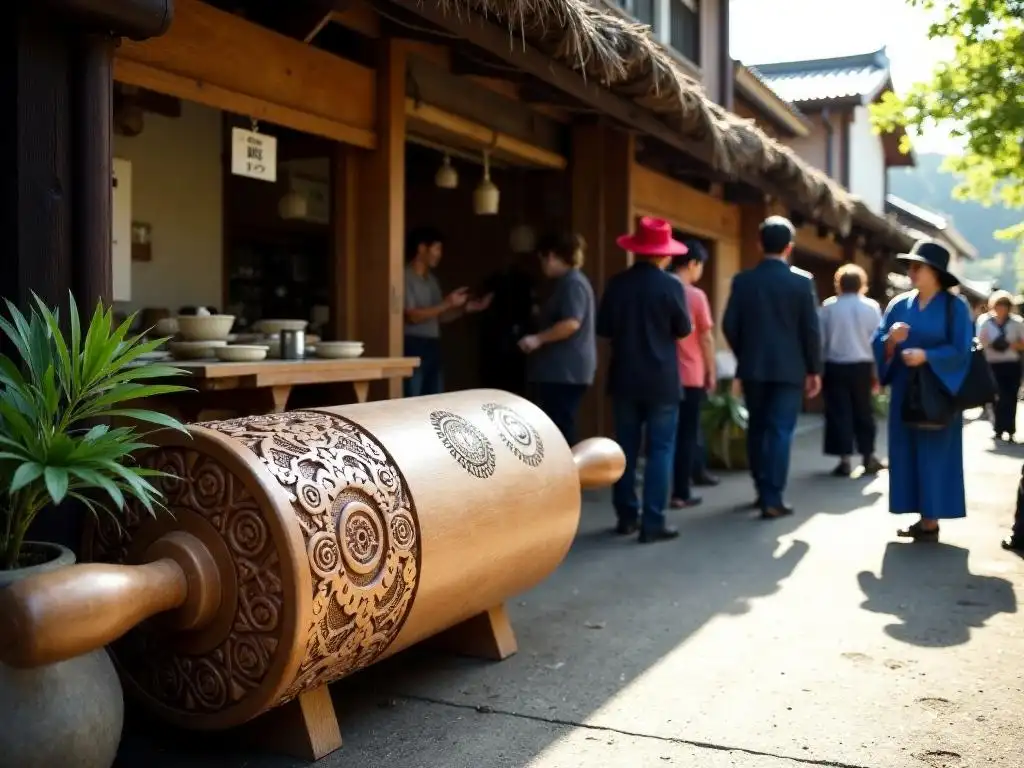
Soba Noodles: Ingredients and Preparation Techniques
Soba noodles, a staple of feudal Japanese cuisine, are primarily made from buckwheat flour, which is known for its nutritional benefits and unique flavor. The basic ingredients typically include:
- Buckwheat flour: Main ingredient, high in protein and fiber.
- Wheat flour: Often added to improve texture and elasticity.
- Water: Essential for kneading the dough.
The preparation of soba involves several meticulous steps. Traditionally, the process begins with grinding the buckwheat seeds into flour. This can be done using a stone mill, which preserves the flavor and nutrients. Once the flour is prepared, it is mixed with water to form a dough. The dough is then kneaded until smooth and rolled out into thin sheets. The sheets are cut into long, thin noodles, typically measuring about 1 to 2 millimeters in width.
Cooking soba requires boiling the noodles in water for approximately 3-5 minutes until they are tender yet firm. They can be served hot in a broth or chilled with a dipping sauce, highlighting their versatility in culinary applications.
Cultural Significance of Soba in Daily Life
During the feudal era, soba noodles held significant cultural importance in Japan. They were not merely a food item; they represented nourishment for the body and spirit. Soba was often associated with various customs and traditions, including:
- Seasonal Festivals: Soba is traditionally consumed during the New Year celebrations and other seasonal festivals, symbolizing longevity and prosperity.
- Regional Variations: Different regions developed their unique soba styles, influenced by local ingredients and culinary traditions. For example, the Nagano region is renowned for its high-quality soba due to its ideal climate for buckwheat cultivation.
In daily life, soba was accessible to all classes, from the samurai to the common folk. It served as a practical meal that was affordable and easy to prepare, making it a beloved staple across society. Additionally, soba shops began to appear in towns, allowing people to enjoy this dish outside their homes, thus contributing to the social fabric of feudal Japan.
Soba in Samurai and Merchant Diets
In the dietary practices of samurai and merchants, soba noodles played a crucial role.
- Samurai Diet: For samurai, who required a nutritious and energy-rich diet to sustain their rigorous lifestyle, soba was a favored choice. The high protein content of buckwheat provided essential nutrients needed for physical endurance and mental sharpness. Samurai often consumed soba during their meals, particularly after training or battles, to replenish their energy levels.
- Merchant Diet: Merchants, who were typically on the move and engaged in trade, found soba to be an ideal food due to its portability and quick preparation. Soba could be easily packed and consumed during travel, ensuring they maintained their energy levels throughout the day. The growing popularity of soba among merchants also contributed to the rise of specialized soba shops, which became social hubs for trade discussions and community gatherings.
The history of soba and its role in feudal Japan reflects not just a cuisine but a vital aspect of cultural identity and daily life. From its preparation techniques to its significance in societal customs, soba continues to be celebrated as a symbol of Japanese heritage.
The Evolution of Udon in Feudal Japan

Udon Noodles: Ingredients and Cooking Methods
Udon, a thick wheat noodle, has a storied history that intertwines with the agricultural practices of feudal Japan. The fundamental ingredient of udon is wheat flour, which became more prevalent during the Kamakura period (1185-1333). This era marked a significant shift in Japanese cuisine as rice cultivation faced challenges due to climate and societal changes. Thus, wheat flour emerged as a viable alternative.
The basic preparation of udon involves combining wheat flour with water and a small amount of salt. The dough is then kneaded, rolled out, and cut into thick strands. Here’s a quick overview of the traditional cooking methods:
- Boiling: Udon noodles are typically boiled in water until they reach a chewy consistency.
- Stir-frying: In some regions, udon is stir-fried with vegetables and meats, showcasing its versatility.
- Serving Styles: Udon can be served in broth (naked udon) or cold, often paired with dipping sauces or condiments.
This adaptability in preparation not only reflects the local ingredients available but also the evolving culinary preferences across different periods in feudal Japan.
The popularity of udon during the feudal era transcended social classes, making it a staple dish across various strata of society. Originally consumed by the samurai class due to its nourishing properties, udon gradually found its way into the diets of commoners.
- Samurai Class: Udon was often a quick and hearty meal for samurai, providing the necessary energy for their demanding lifestyles. It was common for them to consume udon with meat and vegetables, enhancing the dish's nutritional value.
- Peasants: For the farming class, udon became an affordable and filling option. As wheat farming expanded, udon transformed from a luxury to a common food item, often served with whatever ingredients were locally available.
- Merchants and Artisans: These groups began to innovate with udon, creating regional variations. For instance, in Osaka, the combination of udon with seafood led to unique flavors that became popular among urban dwellers.
The cross-class appeal of udon highlights not only its nutritional benefits but also its ability to adapt to local tastes and availability, solidifying its place in the history of Japanese cuisine.
The Influence of Udon on Japanese Festivals and Celebrations
Udon has played a significant role in various Japanese festivals and celebrations throughout feudal history. Its association with prosperity and longevity has made it a favored dish during important events.
- New Year Celebrations: Traditionally, long noodles symbolize longevity. Udon is often prepared and consumed during New Year festivities, embodying the wish for a long and healthy life.
- Harvest Festivals: In many regions, udon is served during harvest festivals to celebrate the bounty of the land. This custom aligns with the agricultural roots of udon, connecting it to the cycles of nature and community gatherings.
- Regional Festivals: Various local festivals feature udon as a central dish, showcasing regional variations. For example, the Sanuki Udon Festival in Kagawa Prefecture celebrates the local style of udon, drawing thousands of visitors each year to enjoy this beloved dish.
Udon's evolution during feudal Japan illustrates not only its culinary versatility but also its integral role in cultural and social practices. From the kitchens of samurai to the communal tables of peasants, udon has woven itself into the fabric of Japanese history, making it a dish of both sustenance and celebration.
Soba vs. Udon: A Culinary Comparison
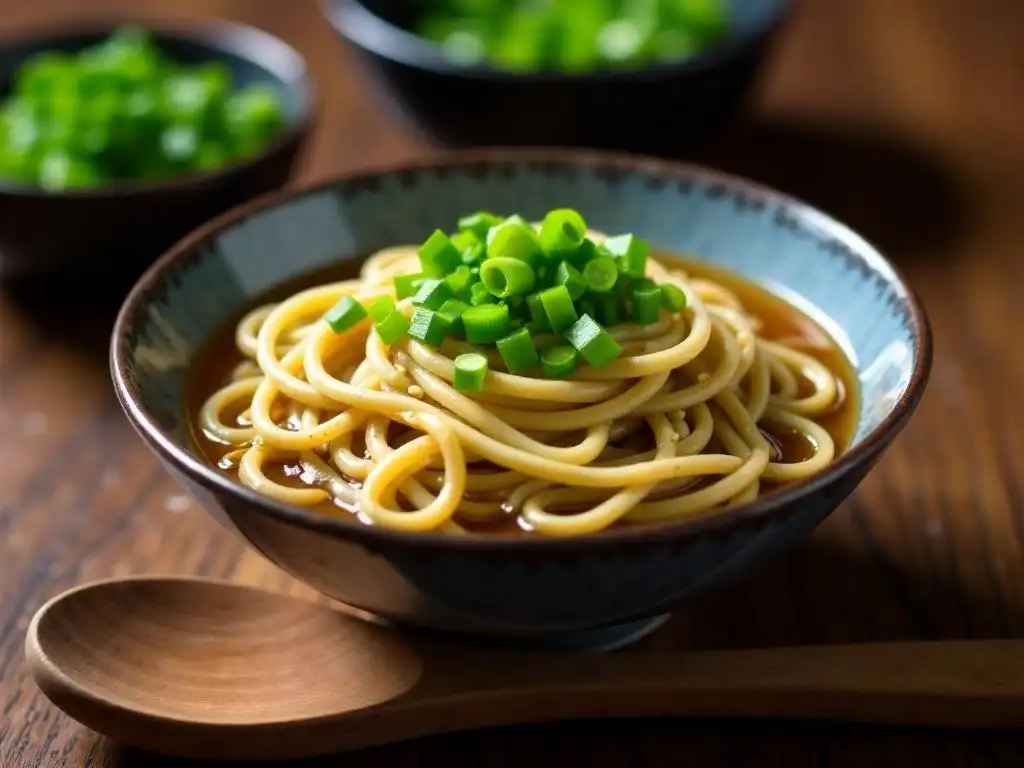
Soba and udon are two of the most iconic types of noodles in Japan, each with its unique characteristics, history, and cultural significance. Understanding the differences between these two types of noodles is essential for appreciating their roles in Japanese cuisine.
Key Differences in Ingredients and Textures
Soba noodles are traditionally made from buckwheat flour, which gives them a distinctive earthy flavor and a slightly coarse texture. The use of buckwheat also imparts a darker color to the noodles, which can vary from light brown to almost gray. In contrast, udon noodles are made from wheat flour, resulting in a smooth, chewy texture and a pale, off-white appearance.
- Ingredients:
- Soba:
- Buckwheat flour
- Water
- Sometimes wheat flour is added for elasticity
- Udon:
- Wheat flour
- Water
- Salt
- Soba:
- Textures:
- Soba: Thin, firm, and slightly nutty
- Udon: Thick, soft, and chewy
The preparation methods also differ significantly. Soba is typically served cold with dipping sauces or in a hot broth, while udon is most often served in a hot soup, making it a comforting dish during colder months. The versatility of both noodles allows for various preparations, but their fundamental differences in ingredients and textures set them apart in the culinary landscape of Japan.
Cultural Representations of Soba and Udon
Soba and udon carry rich cultural meanings that extend beyond mere sustenance. They are often featured in traditional Japanese celebrations and rituals, reflecting their deep-rooted significance in Japanese society.
- Soba:
- Traditionally eaten on New Year's Eve (Toshikoshi Soba) to symbolize crossing over from one year to the next, representing longevity and resilience.
- Often associated with the samurai class, as they were a quick and nutritious meal for warriors on the go.
- Udon:
- Frequently featured in celebratory dishes, such as birthdays or weddings, symbolizing good fortune and long life.
- Commonly found in regional festivals and food fairs, highlighting local variations that showcase the diversity of udon dishes across Japan.
Both noodles have been celebrated in literature, art, and festivals, reinforcing their place in Japan's cultural heritage. Their representations in various forms of media reflect their importance in daily life and the communal aspects of eating in Japanese society.
Nutritional Aspects of Soba and Udon
The nutritional profiles of soba and udon also vary significantly, impacting their roles in a balanced diet.
- Soba:
- Calories: Generally lower in calories due to buckwheat content.
- Protein: Contains higher protein levels compared to udon.
- Fiber: Rich in dietary fiber, promoting digestive health.
- Vitamins and Minerals: High in essential vitamins, minerals, and antioxidants, making it a nutritious choice.
- Udon:
- Calories: Higher in calories, mainly due to the wheat flour.
- Protein: Contains moderate protein levels.
- Fiber: Lower in fiber compared to soba, as it is primarily made from refined wheat.
- Nutrients: While udon offers carbohydrates for energy, it lacks some of the vitamins and minerals found in soba.
Both noodles can be part of a healthy diet, but soba is often preferred for those seeking a more nutritious option. Incorporating a variety of toppings and broths can further enhance the health benefits of both soba and udon, allowing for a balanced meal that caters to different dietary needs.
The Influence of Geography on Soba and Udon
How Regional Ingredients Shaped Noodle Varieties
The geography of Japan played a pivotal role in the development of soba and udon, two staple noodles that reflect the diversity of the country's agricultural landscape. The ingredients used to make these noodles varied significantly from region to region, influenced by local climate, soil conditions, and available resources.
- Soba: Primarily made from buckwheat flour, soba's production was concentrated in regions where buckwheat thrived, particularly in the colder mountainous areas of Nagano and Yamagata. The harsh climate of these regions was ideal for cultivating buckwheat, which requires less water than other grains. This localized ingredient sourcing not only dictated the production of soba but also influenced its taste and texture, leading to variations such as Nagano Soba, known for its distinct nutty flavor.
- Udon: In contrast, udon is traditionally made from wheat flour, which flourished in the warmer, plains regions of Japan, such as Kagawa and Osaka. The fertile rice paddies and moderate climate allowed for extensive wheat farming, leading to the development of udon as a regional specialty. The dough's elasticity and thickness are characteristic of the wheat varieties cultivated in these areas.
The diversity of climates across Japan resulted in a rich tapestry of noodle types. For instance, in regions with a high concentration of rice farming, such as Niigata, the practice of mixing rice flour with wheat flour to create a unique noodle was commonplace. These regional adaptations showcase how local ingredients shaped the evolution of soba and udon over centuries.
The Impact of Trade Routes on Noodle Availability
The intricate network of trade routes established during the feudal era significantly impacted the availability and popularity of soba and udon throughout Japan. As commerce expanded, so did the exchange of ingredients and culinary techniques, enhancing the diversity of noodle dishes.
- Land Routes: The Nakasendo and Tōkaidō routes, which connected the eastern and western parts of Japan, facilitated the movement of goods and cultural exchange. Merchants traveling these routes brought new flour types and noodle-making techniques to different regions. For example, the introduction of soba from the mountainous regions to urban centers like Edo (modern-day Tokyo) increased its popularity, leading to the establishment of soba shops that catered to the growing population.
- Maritime Trade: Coastal regions benefited from maritime trade, allowing for the import of various ingredients and culinary inspirations from neighboring countries, particularly from China and Korea. Wheat became more accessible, leading to an increased production of udon in coastal towns. This trade not only diversified the types of noodles available but also contributed to the fusion of flavors and cooking methods.
The rise of urban centers during the Edo period (1603-1868) further solidified the cultural significance of soba and udon. As more people moved to cities, the demand for convenient, affordable meals soared, propelling noodle shops into the culinary spotlight. Consequently, soba and udon became symbols of local identity, showcasing how trade routes influenced not just food availability but also the cultural landscape of feudal Japan.
Conclusion: The Legacy of Soba and Udon in Japanese History
The legacy of soba and udon in Japanese history is profound, reflecting the cultural, social, and economic transformations that have shaped Japan throughout the centuries. These noodles are not merely food; they are emblematic of regional identities, agricultural practices, and the adaptation of culinary techniques over time.
Soba, made from buckwheat flour, and udon, crafted from wheat flour, have both undergone significant evolution since their inception. Originating during the Heian period, soba was initially consumed for its nutritional value and was later adopted by the samurai class for its energy-boosting properties. Udon, on the other hand, gained popularity during the Kamakura period, eventually becoming a staple across various social classes.
The development of these noodles reflects broader historical shifts, including agricultural advancements and trade routes. For instance, the introduction of buckwheat farming in mountainous regions enabled soba to flourish, while udon's rise can be attributed to the urbanization of cities like Edo (modern Tokyo), where it became a convenient meal for the bustling populace.
Reflection on the Evolution of Noodles in Modern Japan
In modern Japan, soba and udon have transcended their humble beginnings to become integral components of Japanese cuisine. The evolution of these noodles is evident in contemporary culinary practices, where traditional methods are often blended with innovative approaches.
- Artisan Craftsmanship: Many regions continue to produce soba and udon using traditional techniques, fostering a sense of pride and preserving local heritage.
- Culinary Fusion: Modern chefs experiment with flavors and presentation, incorporating soba and udon into various dishes, such as salads or fusion recipes that reflect global influences.
Moreover, both noodles have gained international recognition, contributing to the global appreciation of Japanese cuisine. The rise of ramen shops globally has also sparked interest in soba and udon, leading to an increase in their availability and popularity.
The Continued Cultural Importance of Soba and Udon Today
Soba and udon remain culturally significant in Japan, symbolizing not just sustenance but also tradition and community. Their presence is felt in various aspects of Japanese life:
- Celebratory Dishes: Soba is traditionally consumed on New Year's Eve, symbolizing longevity and the transition into a new year. Udon is often enjoyed during celebrations and festivals, signifying good fortune and happiness.
- Regional Variations: Each region in Japan boasts its own unique take on soba and udon, showcasing local ingredients and cooking styles. This diversity enriches the culinary landscape and highlights the cultural tapestry of the nation.
Furthermore, the resurgence of interest in traditional food practices has led to a renewed focus on the health benefits of buckwheat and wheat, with soba and udon being celebrated for their nutritional value. Many people are now gravitating toward these noodles not only for their taste but also for their health benefits, thus ensuring their continued relevance in modern diets.
The history of soba and udon in Japan is a testament to the resilience and adaptability of Japanese culinary culture. Their evolution from simple sustenance to celebrated dishes illustrates the dynamic interplay between food, society, and tradition, ensuring that they will remain an essential part of Japan's gastronomic heritage for generations to come.
Frequently Asked Questions
What are Soba and Udon?
Soba and Udon are traditional Japanese noodles made from buckwheat and wheat flour, respectively. They have played a significant role in Japan's culinary history, particularly during the feudal era.
How did Soba and Udon noodles evolve during Feudal Japan?
During Feudal Japan, Soba and Udon evolved due to regional influences and the availability of ingredients. The methods of preparation and serving styles changed, reflecting the societal norms of the time.
What cultural significance do Soba and Udon hold in Japanese society?
Soba and Udon are more than just food; they symbolize Japanese hospitality and are often enjoyed during special occasions. Their preparation and consumption are intertwined with cultural traditions and rituals.
How did the geography of Japan influence Soba and Udon production?
The geography of Japan, with its diverse climates and terrains, affected the types of grains available for noodle production. This led to varying regional styles and flavors of Soba and Udon across the country.
What impact did the Samurai class have on the popularity of these noodles?
The Samurai class played a crucial role in popularizing Soba and Udon by integrating them into their diet. Their patronage helped elevate these noodles from common food to a staple in Japanese cuisine.
Final Reflection: The Enduring Legacy of Soba and Udon
The history of soba and udon is not just a tale of culinary evolution; it is a reflection of cultural resilience and adaptation. As we explore the rich tapestry of these beloved noodles, we uncover how they have shaped and been shaped by the social and historical currents of feudal Japan. Today, as we savor these dishes, we are not merely enjoying a meal; we are partaking in a tradition that has persisted through centuries, embodying the spirit of a culture that values both simplicity and depth.
Culinary traditions like soba and udon serve as a lens through which we can examine broader societal changes. The way these noodles have evolved over time speaks to the adaptability of culture in the face of challenges, from agricultural shifts to globalization. As we reflect on this, we are reminded of the words of food historian Alan Davidson: Food is a marker of identity, a way of understanding the world.
This sentiment rings true as we recognize that our connection to soba and udon is intertwined with our understanding of Japanese history and identity, making these noodles not just food, but a vital part of cultural heritage.
As we look to the future, let us take a moment to appreciate the lessons embedded in the history of soba and udon. I invite you to reflect on how food connects us to our past and shapes our present.
Consider how you can honor these traditions in your own life, whether by trying your hand at making soba or udon, sharing a meal with loved ones, or simply appreciating the stories behind the dishes you enjoy. In doing so, we not only celebrate the legacy of these noodles but also contribute to the ongoing narrative of cultural appreciation and culinary exploration.
Unveil the Flavors of Feudal Japan!
Thank you for diving into the fascinating evolution of soba and udon in Feudal Japan! You’ve equipped yourself with valuable insights into how these beloved noodles shaped culture and culinary practices through the ages. Now, it’s time to take that knowledge further.
Here’s how you can continue your exploration:
- Try Making Your Own Soba or Udon: Gather the necessary ingredients and follow an authentic recipe to experience the art of noodle-making firsthand.
- Join a Local Cooking Class: Connect with fellow food enthusiasts and immerse yourself in Japanese cuisine in a hands-on environment.
- Share Your Journey: Document your noodle-making process or your favorite historical tidbits on social media to inspire others to discover the rich culinary heritage of Feudal Japan.
What’s your favorite noodle dish, and how do you think it reflects the cultural history of its time?