
The Influence of Isolationism on Japanese Art and Literature

Welcome to Feudal Japan History, where we invite you to embark on a fascinating journey through the intricate tapestry of Japan's feudal era. In our featured article, “The Influence of Isolationism on Japanese Art and Literature,” we delve into how the country's period of seclusion shaped its cultural and artistic identity. Prepare to uncover the profound connections between isolationism and the creative expressions that emerged during this pivotal time. What secrets lie within the pages of history, waiting to be discovered? Let your curiosity lead you deeper into the rich narratives that define Japan's past!
Introduction to Japan's Isolationism
Japan’s feudal era, marked by a complex interplay of political power, cultural evolution, and social hierarchy, witnessed the emergence of isolationist policies that profoundly shaped its art and literature. From the early 17th century, Japan adopted a strategy of seclusion, known as sakoku, which limited foreign influence and interaction.
This era of isolationism not only allowed for the development of a rich and unique cultural identity but also fostered a fertile ground for artistic and literary innovation. Understanding the influence of isolationism on Japanese art and literature requires an exploration of the historical context, key events that led to these policies, and the resultant artistic expressions that emerged during this period.
Historical Context of Isolationism in Japan
The roots of Japan's isolationism can be traced back to the tumultuous Sengoku period, a time characterized by civil wars and political fragmentation. As the Tokugawa shogunate established control in the early 1600s, the need for stability and the desire to protect Japanese culture from foreign influence became paramount.
The shogunate implemented strict regulations on foreign trade and interaction, leading to a period where Japan largely withdrew from the global stage. This historical backdrop set the stage for a distinctive evolution in Japanese art and literature, as artists and writers began to explore themes and styles that reflected their unique cultural heritage, free from external pressures.
Key Events Leading to Isolationist Policies
Several key events marked the transition to Japan’s isolationist policies. The arrival of European traders and missionaries in the 16th century initially sparked interest and exchange; however, growing concerns over religious influences and the potential destabilization of societal norms led to a backlash. The pivotal Sakoku Edicts of 1635 solidified Japan's isolationist stance, restricting foreign relations and prohibiting Japanese citizens from traveling abroad. This dramatic shift not only curtailed international trade but also catalyzed a significant transformation within Japan’s cultural landscape, as the nation turned inward to cultivate its artistic and literary traditions.
The Impact of Isolationism on Japanese Art
The isolationist policies of the Tokugawa shogunate had a profound impact on the trajectory of Japanese art, leading to the development of unique styles and themes that characterized this period. As artists found themselves liberated from external influences, they began to explore new methods and subjects that resonated with Japanese culture and society.
Development of Unique Artistic Styles
During the isolationist period, art in Japan flourished in various forms, including painting, ceramics, and textiles. The emergence of Ukiyo-e, or "pictures of the floating world," is one of the most notable artistic movements of this time. This genre depicted scenes from everyday life, landscapes, and beautiful women, reflecting the aesthetics and cultural values of the Edo period.
Artists such as Katsushika Hokusai and Utagawa Hiroshige became renowned for their mastery in capturing the ephemeral beauty of nature and urban life. The focus on local subjects and traditional techniques allowed for a distinctive Japanese aesthetic to flourish, setting it apart from Western art forms.
Themes and Subjects in Japanese Art
Isolationism also influenced the thematic content of Japanese art. With limited foreign interaction, artists turned to indigenous folklore, nature, and the human experience for inspiration. Common themes included:
- Nature and Seasons: Many artworks celebrated the beauty of Japan's landscapes, seasons, and natural phenomena.
- Social Life and Culture: Scenes depicting festivals, Kabuki theatre, and urban life became prevalent, reflecting the vibrancy of Edo-period society.
- Spiritual and Religious Motifs: Traditional Shinto and Buddhist themes were often explored, showcasing the deep-rooted spiritual heritage of Japan.
Through these themes, Japanese art not only captured the essence of its time but also communicated the values and experiences of its people, all within the context of an isolated yet culturally rich society.
The Influence of Isolationism on Japanese Literature
Japan's isolationist policies, particularly during the Edo period (1603-1868), significantly influenced the nation’s literary landscape. With limited foreign interaction, Japanese writers developed a unique literary voice that reflected the culture, values, and social structures of the time. This period fostered a rich tapestry of genres and themes that continue to resonate in contemporary Japanese literature. The constraints of isolationism not only encouraged creativity but also allowed for the flourishing of indigenous literary forms, leading to a distinct cultural identity.
Evolution of Literary Forms in Isolationist Japan
During Japan's isolationist era, various literary forms emerged, showcasing the adaptability and innovation of Japanese writers. The most notable forms included:
- Haiku: This concise poetic form, characterized by its 5-7-5 syllable structure, became a prominent literary style. Poets like Matsuo Bashō mastered haiku, capturing the essence of nature and human emotion in just a few lines.
- Uta (Waka): Traditional Japanese poetry, known for its elegance and depth, saw a resurgence during this period. Uta often reflected personal feelings and nature, and was used in various formal occasions.
- Nō Drama: This theatrical form incorporated poetry and performance, becoming a significant cultural expression that depicted historical and supernatural themes.
- Prose Narratives: Works like “The Tale of Genji” influenced the development of narrative forms, leading to a rise in prose fiction that explored complex characterizations and societal dynamics.
The evolution of these literary forms was shaped by the isolationist policies that prioritized domestic culture over foreign influences, allowing for a rich exploration of uniquely Japanese themes and styles.
Themes and Motifs in Japanese Literature
The themes and motifs prevalent in Japanese literature during the isolationist period often reflected the socio-political climate and cultural values of the time. Common themes included:
- Nature and Transience: Many works emphasized the beauty of nature and the fleeting nature of life, embodying the Buddhist principle of impermanence. This is particularly evident in haiku poetry.
- Social Hierarchy and Class: Literature often explored the rigid class structures of feudal Japan, depicting the lives and struggles of samurai, merchants, and peasants, which highlighted the disparities and tensions within society.
- Love and Relationships: Romantic themes were prevalent, often exploring forbidden love and the complexities of human relationships, resonating with the societal constraints imposed by isolation.
- Spirituality and Folklore: The influence of Shinto and Buddhist beliefs shaped many narratives, intertwining spirituality with everyday life and traditional folklore, which celebrated Japan's rich mythological heritage.
These themes not only provided insight into the mindset of the Japanese people during this era but also contributed to a sense of identity and continuity in Japanese literature.
Notable Artists and Writers from the Isolationist Era
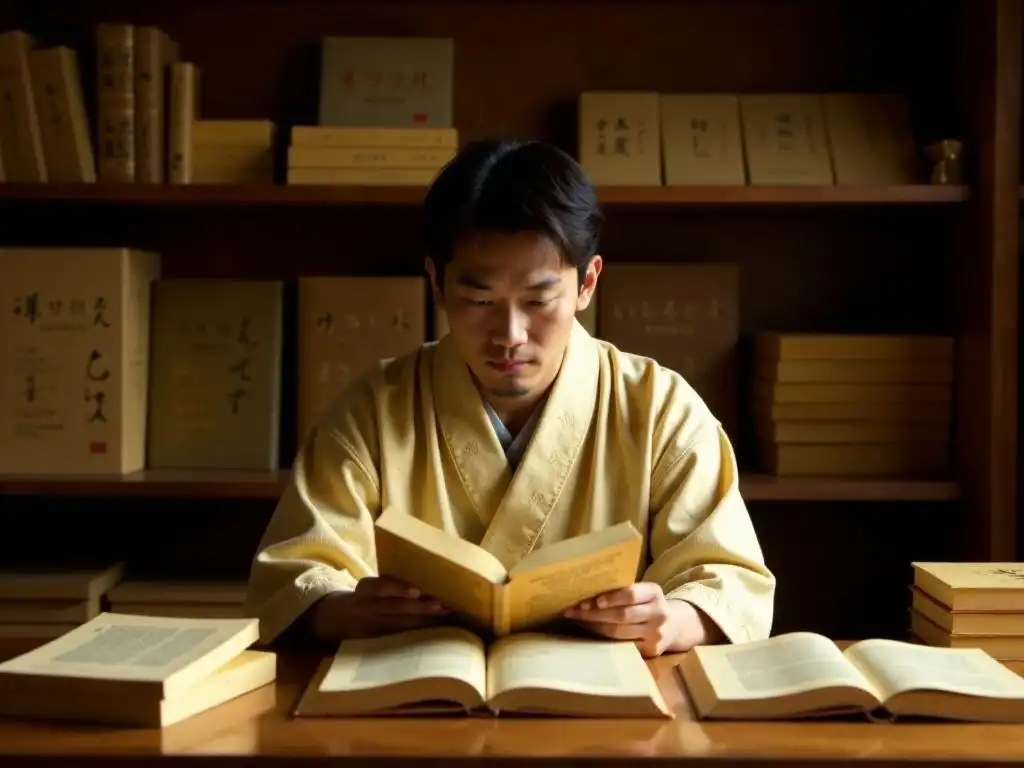
The isolationist period in Japan also produced a plethora of talented artists and writers whose works have come to define the era. Their contributions reflect the unique cultural and artistic developments of the time.
Famous Painters and Their Contributions
Several painters emerged during the isolationist period, each contributing to the development of Japanese art. Notable figures include:
- Hokusai: Renowned for his woodblock prints, Hokusai's work, particularly "The Great Wave off Kanagawa," exemplifies the ukiyo-e style, capturing the beauty and power of nature while also depicting everyday life.
- Hiroshige: His landscapes, especially those found in the series "The Fifty-Three Stations of the Tōkaidō," showcased the changing seasons and the relationship between humans and the natural world, further popularizing the ukiyo-e genre.
- Kano Eitoku: A prominent painter of the Kanō school, Eitoku's works often featured bold colors and themes of nature, portraying the ideals of samurai culture and the beauty of the natural landscape.
These artists not only shaped the visual arts but also influenced the literary world by inspiring writers and poets through their depictions of nature and society.
Influential Authors and Literary Figures
In addition to visual artists, several authors emerged during Japan's isolationist period who left a lasting impact on literature. Key figures include:
- Murasaki Shikibu: Often regarded as the world’s first novelist, her work "The Tale of Genji" remains a cornerstone of Japanese literature, exploring themes of love, power, and the complexity of human emotions.
- Sei Shonagon: A contemporary of Murasaki, Shonagon's "The Pillow Book" offers insights into court life and the aesthetics of the time, blending personal reflection with social commentary.
- Natsume Sōseki: Although his most prominent works came after the isolationist period, Sōseki's exploration of individualism and the clash between tradition and modernity reflects the lingering influences of Japan's storied past.
These authors not only shaped the literary landscape of their time but also contributed to the broader cultural identity of Japan, ensuring that the legacy of isolationism continued to resonate in subsequent generations.
The Long-term Effects of Isolationism on Japan's Cultural Landscape
Japan's isolationism, particularly during the Edo period (1603-1868), had profound and lasting effects on the country's cultural landscape. This era saw the country retreat from international engagement, leading to a unique development of artistic and literary forms that were distinctly Japanese. The rigid social structure and strict regulations on foreign influence fostered a sense of cultural homogeneity, enabling the flourishing of indigenous art styles like ukiyo-e (woodblock prints) and traditional theater forms such as kabuki and noh.
The isolationist policies also allowed for the exploration of themes that resonated deeply with the Japanese experience. Nature, seasonal changes, and the transience of life became prominent motifs in art and literature. This focus on internalized themes fortified a collective identity that would be distinct from Western influence. The famed haiku, for example, encapsulated Japan's aesthetic values, emphasizing simplicity and the beauty of nature in a few concise lines.
Moreover, as the country isolated itself from the rest of the world, it inadvertently preserved various traditional practices and art forms that might have otherwise been diluted or lost. Crafts such as pottery, weaving, and calligraphy thrived, showcasing the meticulous techniques passed down through generations. This self-referential cultural development established a foundation for Japan's unique artistic identity, which would later influence global art movements.
Transition from Isolationism to Modernization
The Meiji Restoration of 1868 marked a pivotal transition from isolationism to modernization in Japan. As Japan opened its doors to the West, the influx of foreign ideas and artistic influences began to reshape the traditional landscape. Artists and writers started to integrate Western techniques and themes into their works, leading to a hybridization of styles. For instance, while traditional Japanese painting remained significant, new forms such as oil painting and photography gained popularity, reflecting the dual influences of Eastern and Western aesthetics.
This period of modernization also spurred a reevaluation of Japan's cultural heritage. Artists began to seek inspiration from the past, blending traditional motifs with new techniques. The emergence of the Nihonga style, which married Western oil painting techniques with traditional Japanese themes and materials, exemplifies this transition. Meanwhile, literature experienced a similar evolution, with authors like Natsume Sōseki and Mori Ōgai incorporating Western literary styles into their narratives while addressing quintessentially Japanese themes.
The push toward modernization did not erase Japan's rich cultural history; rather, it propelled a dialogue between tradition and innovation. This dynamic exchange fostered a vibrant cultural scene that allowed Japan to maintain its unique identity while simultaneously embracing modernity.
Lasting Legacy of Isolationist Art and Literature in Contemporary Japan
The legacy of Japan's isolationist period continues to resonate in contemporary art and literature. Many modern Japanese artists and writers draw upon the rich tapestry of traditional forms, infusing them with contemporary themes and global influences. For instance, contemporary manga and anime often incorporate elements of traditional storytelling and aesthetics, creating a fusion that captivates both domestic and international audiences.
In literature, the themes of nature, spirituality, and the ephemeral—hallmarks of the isolationist era—remain prevalent. Modern authors often reflect on Japan's historical isolation, exploring its implications in a globalized world. Works by authors such as Haruki Murakami exhibit a blend of surrealism with traditional Japanese motifs, illustrating how the past continues to shape contemporary narratives.
Furthermore, the preservation of traditional crafts and art forms, such as ceramics and textiles, reflects a commitment to cultural heritage. Institutions dedicated to the promotion of traditional arts ensure that these practices are passed on to future generations, reinforcing the connection between Japan's past and its present. The influence of isolationism is evident in the way contemporary artists and writers navigate their cultural identity, balancing tradition with modern expression.
Conclusion
Summary of Key Points on Japan's Isolationism in Art and Literature
The influence of isolationism on Japanese art and literature is profound and multifaceted. The Edo period fostered a unique cultural environment where indigenous art forms flourished, allowing for the development of distinct themes that resonate with the Japanese experience. The transition to modernization in the Meiji era introduced new techniques and ideas, creating a dynamic interplay between tradition and innovation. Today, the legacy of this isolationist period continues to inform contemporary artistic and literary practices, ensuring that Japan's rich cultural heritage remains alive and relevant.
Reflection on the Importance of Understanding Isolationist Policies in Japanese History
Understanding the policies of isolationism is crucial for comprehending the complexities of Japan's cultural evolution. It provides context for the resilience and adaptability of Japanese art and literature in the face of change. By studying this period, we gain insight into how isolation shaped not only the aesthetic values of Japan but also its societal identity. This historical lens allows for a deeper appreciation of contemporary Japanese culture, highlighting the ways in which the past informs the present. Recognizing the nuances of isolationist policies enriches our understanding of Japan’s unique position in the global cultural landscape.
- Introduction to Japan's Isolationism
- The Impact of Isolationism on Japanese Art
- The Influence of Isolationism on Japanese Literature
- Notable Artists and Writers from the Isolationist Era
- The Long-term Effects of Isolationism on Japan's Cultural Landscape
- Conclusion
Frequently Asked Questions
What is Japan's isolationism and its historical context?
Japan's isolationism refers to the period during the Edo period (1603-1868) when the country limited foreign influence and trade. This policy fostered a unique cultural identity that influenced various aspects of Japanese life.
How did isolationism affect Japanese art?
During isolationism, Japanese art flourished as artists were free to develop unique styles without external influences. This led to the creation of distinctive forms like Ukiyo-e and Nihonga, which reflect Japan's cultural heritage.
In what ways did literature evolve under Japan's isolationism?
The isolationist period saw the rise of literary forms such as Kabuki and Noh theater, emphasizing traditional themes and storytelling methods. This era's literature often reflected the societal values and aesthetics unique to Japan.
What are some notable works of art and literature from this era?
Prominent works include Hokusai's woodblock prints and Murasaki Shikibu's The Tale of Genji. These masterpieces exemplify how isolationism shaped the artistic and literary landscape of Japan.
How does the theme of isolationism connect to modern Japanese culture?
The legacy of isolationism continues to influence modern Japanese culture, with traditional art forms and literature remaining integral to Japan's cultural identity. This connection highlights the enduring impact of historical isolation on contemporary society.
Final Reflection: The Enduring Legacy of Japan's Isolationism in Art and Literature
The impact of Japan's isolationism on its art and literature remains profoundly relevant today, as it shaped a unique cultural identity that continues to inspire and resonate globally. The period of seclusion not only fostered a rich tapestry of artistic expression but also cultivated a distinct literary voice that reflects the complexities of human experience. In a world increasingly interconnected, the lessons drawn from Japan's isolationist past remind us of the beauty that can emerge from introspection and self-discovery.
The influence of Japan's isolationism is palpable in contemporary culture, as artists and writers draw upon its themes of solitude and reflection. This period encouraged a deep exploration of nature, emotion, and the human condition, which can still be seen in modern works. Art is the most beautiful of all lies.
This quote encapsulates the essence of how isolationism allowed for the creation of art that transcends mere representation, inviting viewers and readers to engage with deeper truths about existence.
As we reflect on the significance of Japan's isolationism in shaping its artistic and literary landscape, I invite you to consider how these themes resonate in your own life. Take a moment to explore the beauty of solitude and the power of introspection. Whether through creating art, writing, or simply taking time for self-reflection, embrace the lessons of Japan's past to enrich your own journey. Let the legacy of isolationism inspire you to seek depth and meaning in your expressions, fostering a connection to both yourself and the world around you.
Explore the Depths of Japanese Creativity!
Thank you for diving into the world of Japanese art and literature shaped by its historical context! Your curiosity not only enriches your knowledge but also helps celebrate a unique cultural legacy. Now, let’s harness that inspiration into action!
- Start your journey by exploring a local library or an online platform for Japanese literature and artistic works that reflect this rich cultural heritage.
- Join a discussion forum or social media group focused on Japanese art—share your thoughts and gain insights from fellow enthusiasts.
- Create your own artistic piece or write a short story that captures the essence of isolationism, drawing from your personal experiences or imagination.
What unique perspective do you think this historical period can offer to today's artists and writers? Let's discuss it in the comments!