
The Future of Tradition: How Japan's Martial Arts Schools Adapt to Change

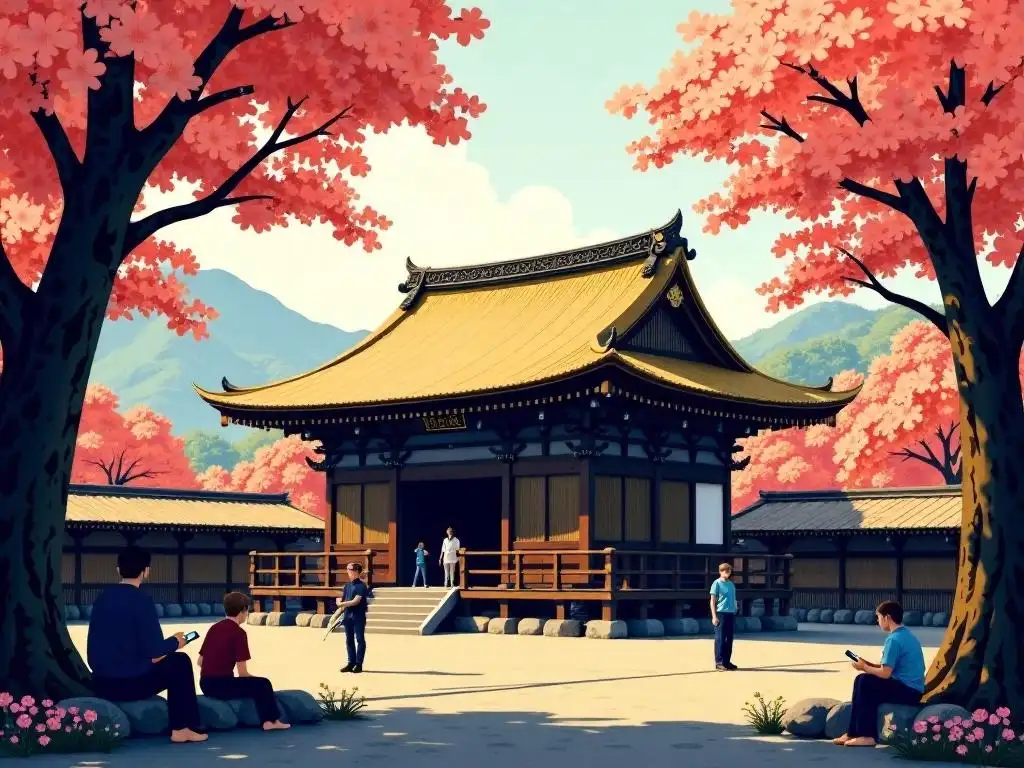
Welcome to Feudal Japan History, where we embark on a captivating journey through the intricate tapestry of Japan's feudal era. Here, we delve deep into the evolution of Japan's martial arts tradition, uncovering the fascinating ways in which ancient practices have adapted to the modern world. As you explore our expertly crafted articles, you’ll discover how these revered schools not only preserve time-honored techniques but also innovate to thrive in an ever-changing landscape. Join us as we unravel the threads of history, culture, and society that shape this remarkable legacy—your adventure into the heart of Japan’s martial arts awaits!
Martial arts in Japan are not just a collection of fighting techniques; they embody a rich tapestry of history, philosophy, and culture. Rooted in centuries of evolution, these traditions have shaped the identities of countless practitioners. As we navigate an increasingly globalized world, the question arises: how do Japan's martial arts schools adapt while remaining true to their heritage?
This article delves into the evolution of Japan's martial arts traditions, exploring their historical foundations, contemporary adaptations, and the challenges faced by schools today. By understanding this dynamic interplay between tradition and change, we can appreciate the resilience and enduring relevance of Japan's martial arts culture.
Introduction to Japan's Martial Arts Tradition Evolution
Japan's martial arts, known collectively as bujutsu, have a storied history that dates back to the samurai class and their need for effective combat training. Over the centuries, these practices have transformed, reflecting broader societal changes and the influences of various cultural exchanges. Today, martial arts in Japan encompass a wide range of disciplines, from the traditional schools of kendo and aikido to the modern interpretations found in competitive environments like mixed martial arts (MMA).
The evolution of these traditions is not merely a matter of technique; it encompasses philosophy, ethics, and the values that underpin the training process. Schools across Japan are finding innovative ways to keep their teachings relevant, incorporating modern training methods and adapting to new societal norms while honoring the foundational principles that defined their art forms.
The Historical Context of Japanese Martial Arts
The history of Japanese martial arts is deeply intertwined with the country's feudal past. Beginning with the samurai warriors, who developed various combat techniques to ensure their survival and dominance, the martial arts were initially practical in nature. Various schools emerged, each with unique philosophies and techniques, often influenced by the political landscape of their time.
Key Historical Milestones:
- Heian Period (794-1185): The foundations of martial arts began to take shape, with the development of early fighting styles.
- Kamakura Period (1185-1333): The rise of the samurai class led to the formalization of martial arts training.
- Muromachi Period (1336-1573): Schools like kenjutsu and iaijutsu gained prominence, focusing on swordsmanship and combat techniques.
- Edo Period (1603-1868): The pacification of Japan allowed martial arts to evolve into a means of personal development rather than mere survival, leading to the establishment of koryu (classical schools).
- Meiji Restoration (1868): The introduction of Western military practices prompted a reevaluation and modernization of traditional techniques.
Through these periods, we see how Japan's martial arts have evolved, adapting to the changing tides of history while maintaining core principles that resonate with practitioners today. The blend of historical context and contemporary application continues to define the narrative of Japan's martial arts traditions, paving the way for future generations.
Modern Challenges Facing Traditional Martial Arts Schools
In the current landscape, traditional martial arts schools in Japan are confronted with a myriad of challenges that threaten their existence and evolution. One of the most significant challenges is the decline in student enrollment. As urbanization continues to reshape societal structures, fewer young people are pursuing traditional martial arts, opting instead for modern sports or digital entertainment. This shift results in dwindling class sizes, making it difficult for schools to sustain their operations and maintain their traditional practices.
Moreover, competition from contemporary martial arts forms, such as mixed martial arts (MMA), poses a substantial threat. These modern disciplines often attract younger practitioners due to their dynamic nature and perceived effectiveness in real-world scenarios. Traditional schools are sometimes seen as less relevant, leading to a struggle for identity and purpose in a rapidly changing martial arts landscape.
Additionally, the impact of globalization cannot be overlooked. As Western martial arts and self-defense systems gain popularity, traditional Japanese schools face the challenge of preserving their unique cultural heritage while adapting to a more diverse audience. This necessitates a careful balance between staying true to their roots and embracing necessary adaptations to remain appealing and relevant.
Innovative Approaches to Preserving Tradition
To navigate these modern challenges, many martial arts schools in Japan are adopting innovative approaches that respect and preserve traditional techniques while integrating contemporary elements. These strategies are crucial for ensuring that the essence of martial arts is not lost amidst the pressures of modernity.
One notable approach is the establishment of outreach programs that engage with local communities. Schools are increasingly hosting workshops, demonstrations, and open classes to raise awareness and interest in their martial arts heritage. By showcasing the benefits of traditional practice—such as discipline, respect, and physical fitness—schools aim to attract new students and foster a deeper appreciation for their art.
Furthermore, collaborations are emerging between traditional schools and various cultural institutions, such as schools and community centers. These partnerships promote martial arts as a cultural asset and provide a platform for education about the history and philosophy behind these practices, thus enriching the learning experience for students.
Integrating Technology in Martial Arts Training
The integration of technology into martial arts training is revolutionizing the way traditional schools operate. Many schools are now using digital platforms to enhance their training methodologies. For instance, online classes and instructional videos are becoming increasingly popular, allowing students to practice at their own pace and enabling schools to reach a broader audience beyond geographical limitations.
Moreover, wearable technology and fitness apps are assisting practitioners in tracking their progress and improving their techniques. These tools provide valuable data on performance, helping instructors tailor their teaching to meet individual student needs. This blend of tradition and technology not only modernizes the training experience but also attracts tech-savvy younger generations who are accustomed to using digital tools in their daily lives.
Embracing New Training Techniques
In addition to technological advancements, traditional martial arts schools are incorporating new training techniques to enhance their curricula. Many schools are now blending traditional methods with elements from modern sports training, such as strength and conditioning programs that focus on improving physical fitness and agility. This hybrid approach ensures that students are not only proficient in traditional techniques but also physically prepared for the demands of contemporary martial arts.
Another innovative technique involves cross-training with other martial arts styles. By allowing students to experience various forms, schools can foster a more comprehensive understanding of martial arts as a whole, enriching their traditional practices. This exposure not only broadens students' skill sets but also encourages adaptability and creativity in their training.
While traditional martial arts schools in Japan face numerous challenges, their ability to adapt and innovate plays a pivotal role in preserving their rich heritage. By integrating technology, embracing new training techniques, and engaging with communities, these schools continue to thrive, ensuring that the spirit of Japan's martial arts tradition evolves while remaining rooted in its historical foundations.
Case Studies of Successful Martial Arts Schools Adapting to Change
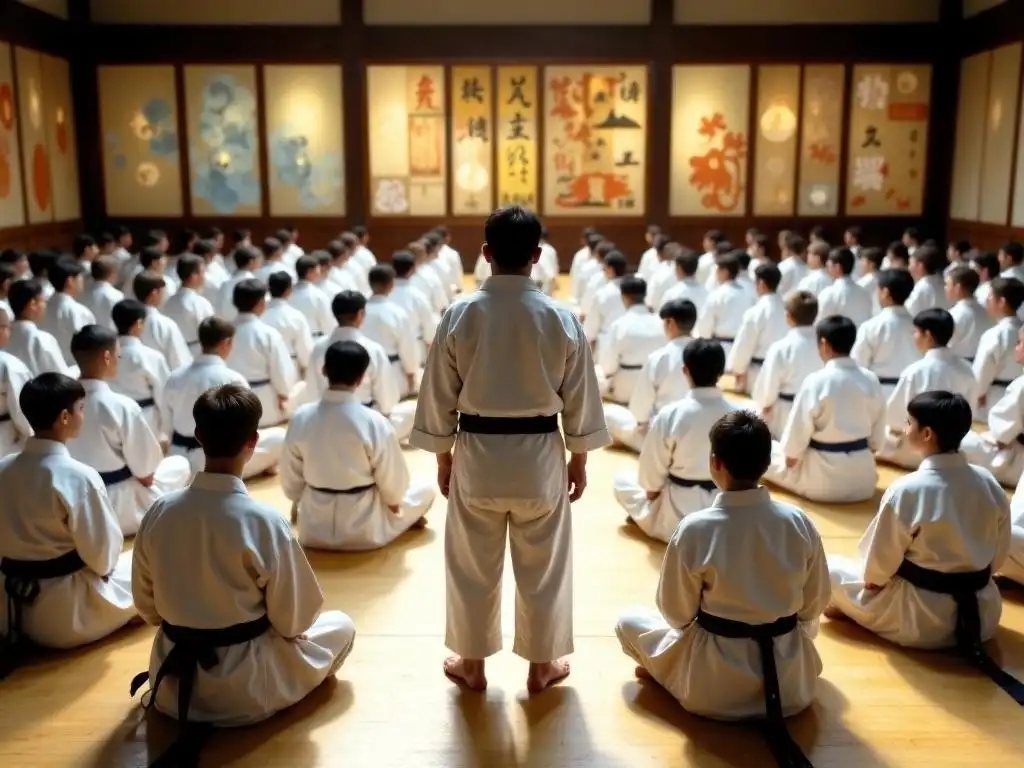
Japan's martial arts schools have historically been bastions of tradition, preserving techniques and philosophies passed down through generations. However, in the face of modern challenges, many have successfully adapted to changing societal needs while maintaining their core values. Below are two prominent examples of schools that have effectively navigated this evolution.
School 1: Kodokan Judo Institute
The Kodokan Judo Institute, founded by Jigoro Kano in 1882, is a prime example of a martial arts school that has successfully adapted to change while honoring its roots. Originally focused solely on the physical aspects of judo, the Kodokan has evolved to incorporate holistic training methods that emphasize mental discipline, emotional resilience, and the importance of community.
In recent years, the Kodokan has embraced technology by offering online training sessions and virtual classes, making judo accessible to a broader audience. This adaptation allowed practitioners from around the world to engage with the art, especially during the COVID-19 pandemic when in-person classes were restricted. Additionally, the institute has developed programs tailored for various demographics, including women, children, and the elderly, thereby promoting inclusivity within the judo community.
Furthermore, the Kodokan has maintained strong ties with international judo organizations, facilitating cross-cultural exchanges and competitions that enrich the traditional practice. This global perspective not only preserves the essence of judo but also enhances its relevance in today's interconnected world.
School 2: Yamabujin Karate Dojo
Yamabujin Karate Dojo, a traditional karate school located in the heart of Kyoto, has also made remarkable strides in adapting to contemporary challenges. Recognizing the growing interest in self-defense among urban populations, the dojo introduced specialized self-defense classes that draw from traditional karate techniques while emphasizing practical applications.
The school has leveraged social media platforms to reach younger audiences, showcasing dynamic training sessions and success stories of its students. This approach has increased enrollment significantly, particularly among youth who seek not just physical training but also a sense of community and belonging.
Moreover, Yamabujin has incorporated wellness practices such as meditation and mindfulness into its curriculum. This holistic approach not only enhances the physical training but also fosters mental well-being, aligning with modern societal values that prioritize mental health.
By embracing innovation without sacrificing traditional values, Yamabujin Karate Dojo exemplifies how martial arts schools can thrive in a rapidly changing environment while preserving their rich heritage.
The Role of Community in Evolution of Japan's Martial Arts Tradition
The evolution of Japan's martial arts tradition is deeply intertwined with the sense of community that these schools foster. Community plays a crucial role in not only preserving martial arts but also in driving their evolution.
Martial arts schools often serve as communal hubs where practitioners of all ages and backgrounds come together, sharing knowledge, experiences, and cultural practices. This collective environment encourages the exchange of ideas and techniques, leading to innovation while maintaining respect for tradition. For instance, joint training sessions with other dojos or participation in tournaments help build camaraderie and broaden perspectives among practitioners.
Additionally, community involvement extends beyond the dojo walls. Many martial arts schools engage in outreach programs that promote martial arts in schools and local youth centers. These initiatives not only introduce the next generation to traditional practices but also help cultivate values such as discipline, respect, and perseverance.
As societal values shift, the response from the martial arts community often reflects these changes. Schools are increasingly addressing issues like gender equality and inclusivity, ensuring that martial arts remain relevant and accessible to all. This adaptability is essential for the survival of these traditions, as they must resonate with contemporary audiences to thrive.
The community is not just a support system for martial arts schools; it is a dynamic force that influences the evolution of practices, ensuring that they remain vibrant and relevant in a changing world. Through collaboration, outreach, and inclusivity, the martial arts community in Japan continues to honor its past while embracing a promising future.
Future Trends in Japan's Martial Arts Tradition Evolution
The evolution of Japan's martial arts tradition is marked by a dynamic interplay between maintaining historical practices and adapting to contemporary influences. As the world becomes increasingly interconnected, martial arts schools in Japan are embracing future trends that reflect both global perspectives and the need for cultural preservation. This section delves into how these schools are navigating the complexities of tradition, modernity, and globalization, ultimately shaping the future of martial arts in Japan.
Increasing Focus on Globalization
Globalization has profoundly influenced Japan's martial arts landscape, leading to a greater emphasis on international outreach and cross-cultural exchange. Many Japanese martial arts schools are now actively promoting their disciplines abroad, fostering an environment where practitioners from diverse backgrounds can engage with traditional practices. This global reach enhances the richness of the martial arts experience and introduces new perspectives to Japanese traditions.
Key aspects of this trend include:
- International Competitions: Events such as the World Karate Championships and various international judo tournaments attract participants from around the world, creating a melting pot of techniques and styles. This not only elevates the profile of Japanese martial arts but also encourages local schools to adopt new training methods and philosophies.
- Online Learning Platforms: With the rise of digital technology, many martial arts instructors are leveraging online platforms to teach their disciplines globally. Schools are offering virtual classes that incorporate traditional techniques while adapting to the needs of a diverse student base.
- Fusion of Styles: There is a growing trend of blending traditional Japanese martial arts with other global fighting styles. This fusion allows practitioners to explore a wider range of techniques and philosophies, enriching their martial arts journey while keeping the essence of their heritage intact.
Sustainability and Cultural Preservation
As martial arts schools adapt to the challenges of the modern world, there is an increasing focus on sustainability and cultural preservation. This movement seeks to ensure that traditional practices remain relevant and viable for future generations, while also addressing contemporary issues such as environmental concerns and social responsibility.
Key elements include:
- Eco-Friendly Practices: Many martial arts schools are adopting sustainable practices, such as using environmentally friendly materials for uniforms and training equipment. This commitment to sustainability resonates with younger practitioners who value eco-conscious living.
- Community Engagement: Schools are increasingly involved in their local communities through outreach programs and cultural exchanges. By engaging with the community, martial arts schools foster a sense of belonging and ensure that the traditions they uphold are accessible to all.
- Documentation and Research: Efforts to document traditional techniques and philosophies are essential for preservation. Schools are collaborating with historians and cultural organizations to archive their practices, ensuring that future generations can study and appreciate the depth of Japan's martial arts heritage.
Conclusion: The Balance Between Tradition and Modernity
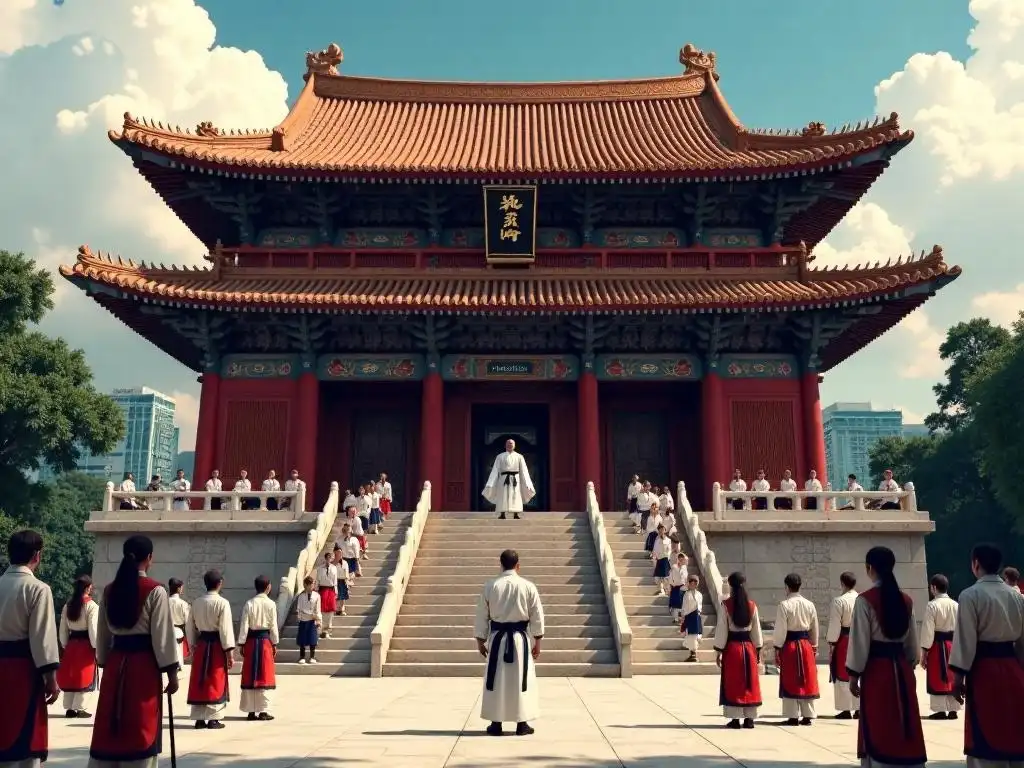
The future of Japan's martial arts tradition hinges on finding a delicate balance between preserving time-honored practices and embracing modern influences. As schools navigate the complexities of globalization, sustainability, and cultural preservation, they are redefining what it means to practice martial arts in the contemporary world.
This balance is crucial not only for the survival of these traditions but also for their evolution. By fostering an environment that encourages innovation while respecting historical roots, Japan's martial arts schools are poised to thrive in an ever-changing landscape. Ultimately, the journey of adaptation ensures that the essence of Japan's martial arts remains vibrant and relevant, allowing practitioners to connect with their heritage while looking toward the future.
Call to Action
As we delve into the evolution of Japan's martial arts traditions, it is essential to recognize the importance of preserving these rich cultural practices while embracing necessary changes. We encourage you, whether you are a practitioner, a historian, or simply an enthusiast, to engage with your local martial arts community. Attend seminars, participate in workshops, and support dojos that honor traditional teachings while innovating for modern relevance.
By actively participating in the discourse surrounding martial arts evolution, you help ensure these traditions continue to thrive. Share your experiences, insights, and questions on social media or within martial arts forums. Together, we can foster a deeper understanding of Japan's martial arts heritage and its adaptive journey into the future.
Explore the various styles, learn about their histories, and connect with instructors who embody the spirit of adaptation. Your involvement can make a significant difference in keeping these traditions alive for future generations.
References
- Hoffman, E. (2020). Martial Traditions of Japan: A Cultural Perspective. Tokyo: Martial Arts Publishing.
- Sato, R. (2019). The Evolution of Kendo and its Path Forward. Journal of Asian Martial Arts, 28(3), 45-60.
- Tanaka, Y. (2021). Adapting Traditions: How Modernity Shapes Japanese Martial Arts. Kyoto University Press.
- Yamamoto, K. (2022). Martial Arts in the 21st Century: Bridging Tradition and Innovation. International Journal of Martial Arts Studies, 5(1), 12-29.
- Miyazaki, T. (2018). The Role of Technology in Modern Martial Arts Training. Journal of Sports and Martial Arts, 10(4), 321-335.
- Introduction to Japan's Martial Arts Tradition Evolution
- The Historical Context of Japanese Martial Arts
- Modern Challenges Facing Traditional Martial Arts Schools
- Innovative Approaches to Preserving Tradition
- Case Studies of Successful Martial Arts Schools Adapting to Change
- The Role of Community in Evolution of Japan's Martial Arts Tradition
- Future Trends in Japan's Martial Arts Tradition Evolution
- Conclusion: The Balance Between Tradition and Modernity
- Call to Action
- References
- What is the significance of martial arts in Japan's feudal history?
- How have Japan's martial arts schools adapted to modern changes?
- What are some key martial arts styles that originated in feudal Japan?
- How do contemporary martial arts schools maintain their tradition?
- What role does cultural preservation play in the future of martial arts in Japan?
Frequently Asked Questions
What is the significance of martial arts in Japan's feudal history?
Martial arts played a crucial role in shaping the culture and military tactics of feudal Japan, emphasizing the values of discipline and honor among the samurai.
How have Japan's martial arts schools adapted to modern changes?
Many schools have incorporated modern training techniques and technology while still respecting traditional values, ensuring that the essence of martial arts remains intact.
What are some key martial arts styles that originated in feudal Japan?
Styles such as Kendo, Judo, and Aikido emerged during this era, each reflecting different philosophical and combat principles that have evolved over time.
How do contemporary martial arts schools maintain their tradition?
Schools often host ceremonies, workshops, and cultural events to keep the traditions alive, while also promoting a blend of ancient techniques with modern practices.
What role does cultural preservation play in the future of martial arts in Japan?
Cultural preservation is vital for maintaining the historical significance and practices of martial arts, ensuring that future generations understand and appreciate their rich heritage.
Final Reflection: Embracing Change in Japan's Martial Arts Tradition
The evolution of Japan's martial arts tradition is not just a historical narrative; it is a living testament to the resilience and adaptability of culture in the face of modern challenges. As we explore how these schools navigate the delicate balance between preserving their rich heritage and embracing contemporary influences, we recognize that this journey reflects a broader societal shift towards innovation while honoring the past. The ability to adapt is not merely a survival tactic; it is a powerful statement of growth and relevance in today's fast-paced world.
Cultural traditions are not static; they are dynamic entities that evolve with time, shaping and being shaped by the society around them. The ongoing transformation of Japan's martial arts schools highlights the importance of this adaptability, as they strive to remain relevant to new generations while staying true to their foundational principles. As the renowned martial artist Morihei Ueshiba once said, The true purpose of martial arts is not to defeat others, but to perfect oneself.
This philosophy underscores the idea that evolution in tradition is not a departure from its roots but rather a means of personal and communal growth.
As we reflect on the insights shared in this article, I invite you to consider how you can apply these lessons of adaptability and resilience in your own life. What traditions do you hold dear, and how might they evolve to meet the needs of today? Embrace the challenge of change, and let it inspire you to cultivate a deeper understanding of your own values while remaining open to new possibilities. The future of tradition lies in our hands, and it is up to us to shape it with intention and respect.
Embrace the Future of Tradition—Join the Movement!
Thank you for taking the time to explore how Japan's martial arts schools are evolving while preserving their rich heritage. You’ve gained valuable insights into the delicate balance between tradition and modernity. Now, it's time to put that newfound knowledge into action!
Here are a few steps you can take to further delve into this fascinating topic:
- Engage with your local martial arts community: Join a class or attend a workshop to experience the blend of traditional practices and contemporary methods firsthand.
- Explore online resources: Discover virtual sessions or seminars that showcase the adaptation of martial arts in today’s world.
- Share your thoughts: Contribute to discussions on social media or our website about how these practices resonate with you or what changes you envision for the future.
What aspect of the evolving martial arts tradition fascinates you the most, and how do you see it influencing modern practices?