
The Story Behind Tsukemono: The Art of Japanese Pickling

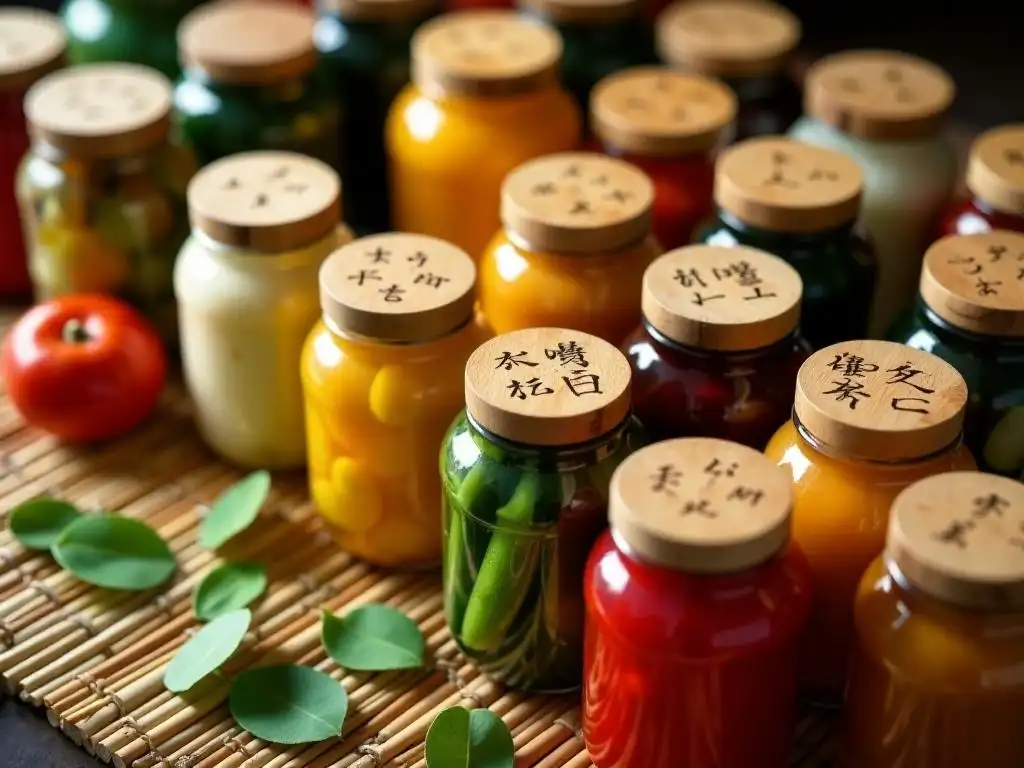
Welcome to Feudal Japan History, where we invite you to embark on a fascinating journey through Japan's storied feudal era. In this exploration, we delve into the intricate tapestry of culture, tradition, and innovation that defined this remarkable period. Prepare to uncover the rich history of Japanese pickling techniques, as we unravel the secrets behind tsukemono, the beloved art of pickling that has preserved flavors and stories for generations.
What role did these techniques play in everyday life, and how do they connect to our modern culinary practices? Join us as we dive deeper into this captivating aspect of cultural history!
Japanese pickling techniques, particularly the art of Tsukemono, represent a vibrant and significant aspect of Japan's feudal era and cultural heritage. These traditional methods not only served as crucial preservation techniques in a time when refrigeration was nonexistent but also evolved into a culinary art form that enriched Japanese cuisine. Through the lens of history, we can better appreciate how these practices were shaped by societal needs, available resources, and cultural influences. This article aims to delve into the intricate history of Japanese pickling, exploring its origins, cultural significance, and transformation over the centuries, particularly during the feudal period.
Introduction to Japanese Pickling Techniques History
The history of Japanese pickling techniques is a fascinating journey that reflects the resourcefulness and ingenuity of Japanese society. Tsukemono, which translates to "pickled things," encompasses a diverse range of pickled vegetables that have been enjoyed for centuries. The methods employed in Japanese pickling are not just about preserving food; they are deeply intertwined with the cultural practices and seasonal rhythms of Japan.
Overview of Tsukemono in Japanese Culture
Tsukemono is more than just a side dish in Japanese cuisine; it embodies a rich tradition that enhances meals with flavor, color, and texture. Commonly served with rice, these pickles are celebrated for their ability to balance the umami flavors of various dishes. There are several types of Tsukemono, including:
- Shiozuke: Salt-pickled vegetables.
- Sugizuke: Vinegar-pickled vegetables.
- Misozuke: Miso-pickled vegetables.
- Kouzuke: Fermented vegetables using rice bran.
Each type of Tsukemono showcases unique regional ingredients and reflects the seasonal bounty of Japan, making them an essential part of the culinary landscape.
Importance of Pickling in Feudal Japan
During feudal Japan, pickling was not merely a culinary practice but a vital survival strategy. The preservation of food was crucial for sustaining samurai and their families during times of war or scarcity. Moreover, pickled vegetables provided essential nutrients and flavors that enhanced the otherwise simple rice-based diet. This practice also fostered a sense of community as families shared recipes and techniques, passing down the art of pickling through generations.
Historical Origins of Japanese Pickling Techniques
The roots of Japanese pickling techniques can be traced back to ancient times, influenced by various factors including climate, agriculture, and trade.
Early Beginnings of Tsukemono
Archaeological evidence suggests that pickling methods were utilized as early as the Jomon period (14,000–300 BCE). The discovery of pickled foods in ancient burial sites indicates that the practice was an established part of the diet. Over the centuries, the techniques evolved, incorporating local ingredients and adapting to regional tastes.
Influence of Climate on Pickling Methods
Japan's diverse climate played a significant role in shaping its pickling techniques. The humid summers and cold winters influenced how and when certain vegetables were preserved. For instance, sour pickles were particularly popular in summer months, while fermented varieties were more common during winter, taking advantage of the natural fermentation processes that thrived in cooler temperatures.
Transition from Preservation to Culinary Art
As Japan transitioned from feudal systems to modern society, the art of pickling shifted. What began as a necessity for preservation evolved into a celebrated culinary art form. Tsukemono became integral to kaiseki dining, where the aesthetics and flavor profiles of pickled items were carefully curated to complement seasonal dishes, illustrating the artistry involved in Japanese cuisine.
Through this journey, we uncover not just the history of Japanese pickling techniques, but also the cultural significance that continues to resonate in contemporary Japanese society.
Types of Tsukemono: Exploring Various Japanese Pickling Techniques
Tsukemono, the traditional Japanese pickles, are not only a culinary delight but also a reflection of the diverse techniques employed in Japanese pickling. Various methods of preparation have emerged over the centuries, each imparting unique flavors and textures to the vegetables. The primary types of tsukemono include:
- Shiozuke (Salt Pickles): This method involves salting vegetables, allowing them to ferment and develop a natural sourness. Common vegetables used include cucumbers and radishes.
- Sukiyaki Pickles: A technique that combines soy sauce with sugar and vinegar, resulting in a sweeter pickle. It is often used for root vegetables like carrots and burdock.
- Nukazuke (Rice Bran Pickles): This technique utilizes a fermented rice bran mash, which is rich in probiotics. Vegetables are buried in the mash, absorbing its flavors while fermenting over time.
- Kuzukuri (Thickened Pickles): A lesser-known method that involves the use of a starch thickening agent, providing a unique texture and taste.
Each of these techniques highlights the artistry and skill involved in creating tsukemono, making them an essential part of Japanese culinary traditions.
Vegetables Commonly Used in Tsukemono
The choice of vegetables in tsukemono varies widely, influenced by seasonal availability and regional preferences. Some of the most commonly used vegetables include:
- Cucumbers: Known for their crisp texture, cucumbers are often pickled using the shiozuke method, offering a refreshing bite.
- Daikon Radish: This versatile root vegetable is pickled in various styles, including sweet and salty versions, and is a staple in many households.
- Carrots: Their natural sweetness makes them an ideal candidate for both sweet and savory pickling methods.
- Eggplant: Often used in the sukizuke method, eggplant absorbs flavors beautifully and provides a soft texture.
- Green Beans: These are commonly pickled with salt for a crunchy and slightly salty snack.
The selection of vegetables not only showcases the diversity of tsukemono but also highlights the seasonal nature of Japanese cuisine.
Regional Variations in Japanese Pickling Techniques
Japan's geographical diversity has given rise to various regional pickling techniques, each with its distinct flavors and methods. For example:
- Kyoto: Known for its sweet tsukemono, Kyoto utilizes a blend of sugar and vinegar, often incorporating local vegetables like turnips and eggplant.
- Hokkaido: The northern region often leans towards shiozuke pickles, utilizing the abundance of root vegetables, especially during the cold winter months.
- Okinawa: Features a unique style known as "goya" pickles, made from bitter melon, which reflects the local cuisine's emphasis on health and wellness.
- Kanto Region: Characterized by its preference for soy sauce-based pickles, this area often incorporates a mix of vegetables, including napa cabbage and carrots.
These regional variations contribute to the rich tapestry of Japanese culture, showcasing how local ingredients and traditions shape culinary practices.
The Role of Seasoning in Tsukemono Preparation
Seasoning plays a pivotal role in the preparation of tsukemono, influencing both flavor and preservation. Common seasonings include:
- Salt: The fundamental ingredient for most tsukemono, salt not only enhances flavor but also acts as a natural preservative, preventing spoilage.
- Vinegar: Often used in sweet pickles, vinegar adds acidity and brightness, balancing the natural sweetness of vegetables.
- Soy Sauce: This staple ingredient provides depth and umami, particularly in regionally specific pickling practices.
- Sugar: Commonly used in sweet pickles, sugar complements the natural flavors of the vegetables, creating a harmonious blend.
- Mirin and Sake: These rice-based seasonings add sweetness and complexity, often used in marinades for pickles.
Understanding the role of these seasonings not only enhances the culinary experience but also reflects the cultural significance of balance and harmony in Japanese cuisine.
The Cultural Significance of Tsukemono in Feudal Japan
Tsukemono held a prominent place in feudal Japanese society, serving not just as a food item but also as a cultural symbol. During this era, tsukemono were vital for several reasons, from sustenance to social customs.
Tsukemono in Everyday Life during the Feudal Era
In feudal Japan, tsukemono were an essential part of daily meals, often served alongside rice and miso soup. These pickles provided necessary vitamins and minerals, particularly during times when fresh vegetables were scarce, such as winter months. Tsukemono not only complemented the staples of Japanese diets but also added variety and flavor, making them a beloved addition to meals.
Furthermore, the preparation of tsukemono was often a communal activity, involving families and communities. This practice fostered social bonds and shared traditions, as families would pass down their unique pickling techniques through generations.
Symbolism of Pickled Foods in Japanese Society
Tsukemono carry deeper meanings in Japanese culture, often symbolizing preservation and resilience. The act of pickling itself reflects the importance of resourcefulness, as families would utilize seasonal vegetables to create food that could last through harsher months.
Additionally, certain types of tsukemono are associated with auspicious occasions and ceremonies. For example, "shōgatsu-zuke," pickles made for the New Year, symbolize prosperity and good fortune. Thus, tsukemono are not just culinary items but also serve as cultural markers that embody the values of sustainability and gratitude towards nature.
Festivals and Celebrations Featuring Tsukemono
Tsukemono are often featured prominently in various Japanese festivals and celebrations, underscoring their cultural significance. Notable occasions include:
- New Year Celebrations (Shōgatsu): During this time, families prepare special tsukemono to celebrate the new year, emphasizing renewal and good fortune.
- Obon Festival: This festival honors ancestors and often includes offerings of tsukemono on altars, signifying respect and remembrance.
- Food Festivals: Local festivals dedicated to regional specialties often showcase unique tsukemono varieties, highlighting the cultural heritage of different areas.
These celebrations reflect the integral role that tsukemono play in Japanese society, reinforcing bonds between families, communities, and their cultural heritage.
Techniques and Methods in Japanese Pickling
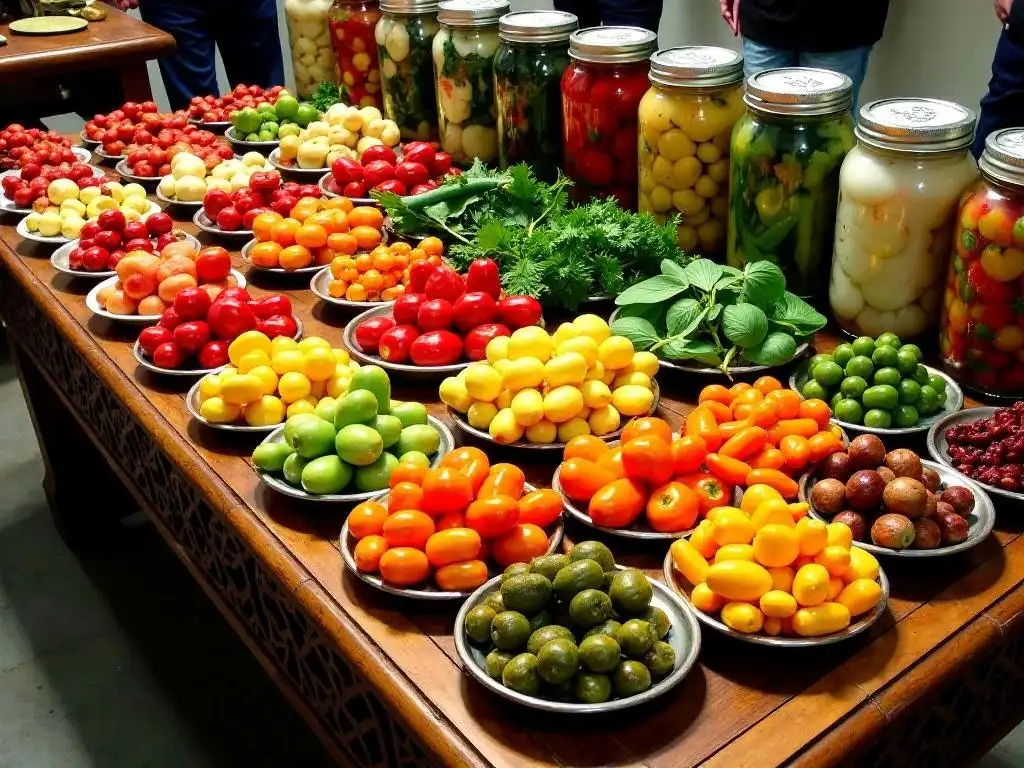
Japanese pickling, known as tsukemono, is a time-honored culinary art that involves various techniques and methods to preserve vegetables, enhance their flavors, and boost their nutritional value. The process of pickling in Japan is not merely about preservation; it also reflects regional variations, seasonality, and cultural practices. The primary techniques can be categorized into three main types: fermentation, brining, and drying. Each method utilizes specific ingredients and processes to achieve unique flavors and textures, contributing to the diverse array of tsukemono found throughout the country.
Traditional Techniques of Japanese Pickling
Traditional Japanese pickling methods have been passed down through generations, showcasing the skill and knowledge of artisans. Some of the most notable traditional techniques include:
- Shiozuke (Salt Pickling): This method involves directly rubbing salt on vegetables, allowing them to release moisture and ferment naturally. Common vegetables for shiozuke include cucumbers, radishes, and eggplants.
- Nukazuke (Rice Bran Pickling): In this technique, vegetables are buried in a mixture of fermented rice bran, salt, and various seasonings. The rice bran serves as a probiotic medium, imparting a rich umami flavor. This method is popular for pickling cucumbers and carrots.
- Sugizuke (Sugar Pickling): Utilizing sugar to enhance the sweetness of the vegetables, this method often involves a brine of vinegar and sugar. It is commonly used for fruits and sweeter vegetables, like carrots and radishes.
These traditional techniques highlight the importance of seasonal ingredients and local flavors, making each region's tsukemono distinct.
Modern Adaptations of Tsukemono Preparation
With the evolution of culinary practices, modern adaptations of tsukemono preparation have emerged. Contemporary chefs and home cooks are experimenting with new ingredients and techniques, leading to innovative approaches. Some notable adaptations include:
- Quick Pickling: This method involves short brining periods using vinegar or citrus juice to achieve a pickled flavor in a matter of hours. It's particularly popular for quick side dishes or salads.
- Fusion Flavors: Incorporating global spices and flavors into traditional pickling recipes has become increasingly popular. Ingredients such as chili peppers, garlic, and even herbs like basil are being introduced to create unique blends that cater to modern palates.
- Health-Conscious Variations: With growing interest in health and wellness, many cooks are opting for lower-sodium options or using natural sweeteners in their pickling brines, catering to dietary preferences without sacrificing flavor.
These modern adaptations not only reflect changing tastes but also signify a broader acceptance and appreciation of the art of pickling beyond traditional boundaries.
Health Benefits of Consuming Tsukemono
The consumption of tsukemono offers several health benefits, making it a staple in Japanese cuisine. The fermentation process involved in many pickling methods enhances the nutritional profile of vegetables. Here are some key health benefits:
- Probiotics: Fermented tsukemono contains live beneficial bacteria, which can aid digestion and promote gut health.
- Nutrient Absorption: The presence of fermented foods in the diet has been linked to improved nutrient absorption, particularly of vitamins and minerals found in vegetables.
- Low-Calorie Option: Tsukemono serves as a low-calorie side dish, making it an excellent choice for those looking to maintain a balanced diet.
- Antioxidants: Many pickled vegetables retain their antioxidant properties, helping to combat oxidative stress and inflammation in the body.
Incorporating tsukemono into meals not only enhances flavor but also contributes to a well-rounded, health-conscious diet.
The Craftsmanship Behind Tsukemono
The artistry involved in creating tsukemono extends beyond mere preparation; it encompasses a deep understanding of flavors, ingredients, and techniques. Craftsmanship in tsukemono making combines precision, patience, and a passion for preserving seasonal produce.
Tools and Equipment Used in Japanese Pickling
The tools and equipment used in traditional tsukemono making are essential for achieving the desired results. Some of the key items include:
- Tsukemono Press (Tsukemono-zukuri): This specialized press is used to apply weight to the pickling vegetables, ensuring even fermentation and texture.
- Fermentation Crocks (Tsubo): These clay pots allow for natural fermentation, providing an optimal environment for the growth of beneficial bacteria.
- Wooden Spoons and Utensils: Wooden tools are preferred to avoid any reactions with the pickling ingredients, ensuring purity in flavor and quality.
These tools reflect the artisanal nature of tsukemono making and are often cherished heirlooms passed down through generations.
The Art of Fermentation in Tsukemono Making
Fermentation is a central aspect of many tsukemono, and mastering this art requires an understanding of several factors:
- Temperature Control: Maintaining the right temperature is crucial for successful fermentation. Cooler temperatures typically slow down the process, while warmer environments accelerate it.
- Salt Concentration: The amount of salt used can significantly affect the fermentation outcome. A higher salt concentration may yield a crunchier texture, while less salt can lead to softer vegetables.
- Time: Patience is key in fermentation. The duration can vary based on the type of vegetable and desired flavor intensity. Some tsukemono may be ready in a few days, while others may require weeks.
Understanding these elements allows artisans to create pickles that not only preserve vegetables but also enhance their flavors through the fermentation process.
Mastering the Balance of Flavors in Tsukemono
Creating delicious tsukemono is an art that requires skill in balancing flavors. This balance is achieved by considering several elements:
- Sweetness vs. Sourness: The interplay between sweet and sour flavors is essential. For instance, adding sugar to a vinegar-based brine can create a harmonious blend that complements the natural flavors of the vegetables.
- Saltiness: Salt is crucial not only for preservation but also for enhancing flavor. The right amount imparts a savory quality that elevates the overall taste of the pickles.
- Umami: Many tsukemono incorporate umami-rich ingredients such as kombu (seaweed) or shiitake mushrooms, which deepen the flavor profile and create a more complex taste experience.
By mastering these components, artisans can create tsukemono that are not only flavorful but also satisfying, making them a beloved addition to Japanese cuisine.
Conclusion: The Enduring Legacy of Japanese Pickling Techniques
Japanese pickling techniques, particularly those exemplified by tsukemono, have a rich history that reflects the evolution of culinary practices and preservation methods in Japan. Rooted in a need to prolong the shelf-life of seasonal vegetables and enhance flavor, these techniques have transcended mere necessity to become an integral part of Japanese cultural identity. The artistry involved in creating tsukemono not only showcases the skill of the picklers but also highlights the deep respect for nature and the changing seasons that characterizes Japanese culture.
This legacy continues to be celebrated, as tsukemono is featured prominently in traditional meals and contemporary dishes alike. The balance of flavors, textures, and colors found in tsukemono serves not only as a delicious accompaniment but also as a visual feast that honors the aesthetics of Japanese dining. The enduring popularity of these techniques is a testament to their significance and adaptability within both historical and modern contexts.
Tsukemono in Contemporary Japanese Cuisine
Today, tsukemono remains a beloved component of Japanese cuisine, appearing in a variety of forms on dining tables across the country. Modern chefs and home cooks alike appreciate the versatility of pickled vegetables, leveraging them to enhance dishes ranging from rice bowls to bento boxes. The resurgence of interest in traditional cooking methods has led to a revival of tsukemono, with many restaurants offering house-made pickles that reflect regional specialties and seasonal ingredients.
In addition to traditional varieties, innovative interpretations of tsukemono are emerging. Chefs are experimenting with non-traditional vegetables, creative flavorings, and contemporary presentation styles, making tsukemono a dynamic element of modern gastronomy. This blend of tradition and innovation not only preserves the historical significance of Japanese pickling techniques but also ensures their relevance in contemporary culinary landscapes.
Future of Japanese Pickling Techniques and Preservation
As global awareness of food sustainability and preservation techniques grows, the future of Japanese pickling techniques appears promising. With an increasing focus on local ingredients and traditional methods, many are turning to tsukemono not only as a culinary delight but also as a means of reducing food waste. The art of pickling aligns well with modern sustainability goals, offering a way to utilize surplus produce while enhancing flavors.
Educational initiatives aimed at teaching the art of pickling are also gaining traction, ensuring that these techniques are passed down to future generations. Workshops and cooking classes are becoming popular, where participants can learn about the history, methods, and cultural significance of tsukemono. This revival of interest is critical in maintaining the relevance of Japanese pickling techniques, fostering a deeper appreciation for culinary heritage while encouraging creativity in the kitchen.
Final Thoughts on the Cultural Heritage of Tsukemono
Tsukemono is more than just a side dish; it embodies a rich tapestry of cultural heritage that reflects Japan’s values, history, and artistic expression. The meticulous processes involved in pickling not only enhance the flavors of vegetables but also serve as a form of storytelling, connecting generations through shared culinary experiences. As the world becomes more interconnected, the appreciation for traditional practices like Japanese pickling continues to grow, inviting people from diverse backgrounds to engage with this unique aspect of Japanese culture.
Ultimately, the story of tsukemono is a reminder of the importance of preserving culinary traditions while embracing innovation. By honoring the past and looking forward to the future, Japanese pickling techniques will undoubtedly continue to enrich lives and palates for years to come. The cultural significance of tsukemono serves as both a celebration of Japan’s culinary history and a bridge to its future, ensuring that these flavors and techniques remain a vital part of Japan’s cultural identity.
- Introduction to Japanese Pickling Techniques History
- Historical Origins of Japanese Pickling Techniques
- Types of Tsukemono: Exploring Various Japanese Pickling Techniques
- The Cultural Significance of Tsukemono in Feudal Japan
- Techniques and Methods in Japanese Pickling
- The Craftsmanship Behind Tsukemono
- Conclusion: The Enduring Legacy of Japanese Pickling Techniques
Frequently Asked Questions
What are Tsukemono and their significance in Japanese culture?
Tsukemono, or Japanese pickles, are a staple in Japanese cuisine. Their significance lies in enhancing flavors, providing nutritional benefits, and serving as a cultural symbol of preservation techniques throughout history.
How did Japanese pickling techniques evolve over time?
The evolution of Japanese pickling techniques reflects changes in agriculture, climate, and trade. Over centuries, methods such as fermentation and salting have been refined, leading to a rich variety of pickled vegetables.
What are some common ingredients used in Japanese pickling?
Common ingredients include salt, rice bran, vinegar, and sugar, often combined with spices like shiso leaves or ginger. These ingredients contribute to the distinct flavors and textures of Tsukemono.
Are there different styles of Tsukemono across Japan?
Yes, various regions in Japan have their own unique styles of Tsukemono, often influenced by local produce and climate. For example, nara-zuke from Nara and fukujinzuke from Kyoto showcase regional diversity in pickling techniques.
How can I incorporate Tsukemono into my meals?
Tsukemono can be served as a side dish, a garnish, or even incorporated into rice bowls and sandwiches. Their crunchy texture and savory flavors add depth to many dishes, enhancing the overall dining experience.
Final Reflection: Embracing Tradition Through Japanese Pickling
The art of Japanese pickling, or tsukemono, is not merely a culinary technique; it is a vibrant tapestry woven into the fabric of Japanese culture and history. Today, as we navigate a world increasingly driven by fast food and convenience, the meticulous practices of tsukemono remind us of the importance of patience, preservation, and the deep connection between food and identity. The resurgence of interest in traditional methods highlights a collective yearning for authenticity and a return to our roots.
Cultural practices like tsukemono shape our understanding of community, sustainability, and the passage of knowledge through generations. The ongoing appreciation for these pickling techniques serves as a bridge between the past and present, fostering a sense of belonging and continuity. Food is not just what we eat; it is a reflection of who we are.
This sentiment resonates deeply as we explore how the art of pickling has influenced not only Japanese cuisine but also global culinary trends, encouraging us to cherish and celebrate our diverse food heritage.
As you reflect on the lessons of tsukemono, consider how you can incorporate these principles into your own life. Take a moment to appreciate the stories behind your food, the traditions that shape your meals, and the connections they foster. Whether you choose to experiment with pickling at home or simply savor the flavors of your heritage, let the art of Japanese pickling inspire you to embrace the beauty of tradition and the joy of sharing food with others.
Savor the Flavor: Dive Deeper into Tsukemono!
Thank you for exploring the rich and fascinating world of Tsukemono with us! By understanding this traditional Japanese pickling art, you’ve uncovered flavors that tell a story of culture and history. Now, it’s time to take your newfound knowledge and transform it into action!
Here are some exciting steps you can take today:
- Try your hand at making Tsukemono: Gather some fresh vegetables and experiment with pickling them using the traditional methods you've learned. Feel free to customize recipes to suit your personal taste!
- Share your pickling journey: Document your experience and share photos or tips with fellow enthusiasts on social media or in local cooking groups.
- Join a community class or workshop: Look for local classes or online workshops that focus on the art of Japanese pickling to deepen your expertise and connect with others who share your passion.
Do you have a favorite pickled dish that brings back memories or ignites creativity in your kitchen? Share it with us, and let’s continue the conversation!