
The Influence of Religion on the Tactics of Feudal Japanese Warfare


Welcome to Feudal Japan History, where we invite you to embark on a captivating journey through the intricate tapestry of Japan’s feudal era. Here, you’ll uncover the profound connections between religion and warfare, particularly as we delve into our featured article, "The Influence of Religion on the Tactics of Feudal Japanese Warfare." What role did spiritual beliefs play in shaping military strategies and the outcomes of battles?
As you explore this thought-provoking examination, prepare to have your curiosity piqued and your understanding deepened. Join us as we unravel the complexities of a time when the divine and the battlefield intersected, influencing not just the warriors but the very fabric of society itself.
Introduction to Religion in Feudal Japanese Warfare
The intersection of religion and warfare in feudal Japan presents a compelling narrative that intricately weaves the spiritual beliefs of the time with the martial strategies employed by samurai and warlords. This period, characterized by a complex hierarchy and relentless conflict, saw the influence of religious practices deeply embedded in the culture and psyche of the Japanese people.
Understanding the role of religion in feudal Japanese warfare not only sheds light on the motivations behind battle tactics but also reveals the ethical frameworks that guided warriors. As we delve into this topic, we will explore how religious beliefs, particularly Shintoism, informed military strategies, shaped the conduct of battles, and influenced the overall ethos of the samurai.
Overview of Feudal Japan's Historical Context
Feudal Japan, spanning from the late 12th century to the mid-19th century, was marked by a decentralized political structure dominated by a network of lords (daimyō) and their vassals (samurai). This era witnessed numerous power struggles, including the Genpei War and the Sengoku period, which were pivotal in shaping Japan's military landscape.
The social order was heavily influenced by Confucian ideals, yet it was the religious beliefs rooted in Shintoism and Buddhism that provided a moral compass for the samurai. Religion was not merely a spiritual practice; it played a crucial role in legitimizing authority, inspiring loyalty, and guiding the conduct of warfare.
Importance of Religion in Japanese Society
Religion in feudal Japan permeated daily life and governance, influencing everything from agricultural practices to legal systems. Shinto, the indigenous spirituality of Japan, emphasized a connection to nature and ancestral spirits, fostering a sense of identity and belonging among the populace. Buddhism, introduced from Korea and China, added layers of philosophical thought, particularly around concepts of mortality and the afterlife.
For the samurai, these beliefs were not just ceremonial but pivotal in shaping their understanding of honor, sacrifice, and the justifications for warfare. The interplay of these religions created a unique tapestry that informed both societal norms and military conduct.
The Role of Shintoism in Military Strategy
Shinto Beliefs and Their Influence on Samurai Ethics
Shintoism, with its emphasis on kami (spirits), rituals, and purity, profoundly influenced the ethical framework of the samurai. The samurai viewed their martial duties as a sacred obligation, believing that victory in battle was a reflection of divine favor. This belief system fostered a culture of bravery and loyalty, where warriors were expected to uphold honor both on and off the battlefield. The samurai's commitment to their lords and their adherence to the bushidō code—often interpreted as the "way of the warrior"—were heavily intertwined with Shinto values, which emphasized loyalty, courage, and respect for the kami.
Rituals and Ceremonies in Preparation for Battle
Preparation for battle in feudal Japan was often accompanied by elaborate rituals steeped in Shinto tradition. These rituals served multiple purposes: they were meant to purify the warriors, seek the blessings of the kami, and bolster morale among the troops. Common practices included the Harae (purification rituals) and Mizuko (water offerings), which were believed to cleanse the participants of any spiritual impurities.
The presence of Shinto priests on the battlefield to perform rituals further highlighted the importance of divine intervention in military success. Such ceremonies not only reinforced the spiritual commitment of the warriors but also solidified the understanding that their actions were part of a larger cosmic order, intertwining fate, duty, and divinity in the realm of warfare.
Buddhism's Impact on Warfare Tactics
Buddhism played a significant role in shaping the tactics and outlook of feudal Japanese warfare. As Buddhism spread through Japan, it influenced not only the spiritual lives of its practitioners but also the military strategies employed by the samurai. The integration of Buddhist principles into warfare tactics reflected a deep connection between religious beliefs and the conduct of battles.
Buddhism introduced concepts such as compassion, mindfulness, and the notion of impermanence, which affected how samurai approached conflict. Rather than viewing warfare solely as a means to achieve victory, many warriors began to see battles as opportunities for spiritual growth and self-discipline. This shift in perspective ultimately led to more calculated and strategic approaches to combat, emphasizing the importance of mental preparation and discipline alongside physical prowess.
Buddhist Philosophy and Its Military Application
Buddhist philosophy provided a framework that samurai could adopt to navigate the complexities of warfare. Key tenets of Buddhism, such as non-attachment and the quest for enlightenment, influenced samurai ideals. The practice of meditation, a core aspect of Buddhism, was utilized by samurai to maintain focus and calm in the chaos of battle. This mental clarity allowed warriors to make more strategic decisions and resist the emotional turmoil that often accompanies conflict.
Moreover, the integration of Buddhist doctrine into military training reinforced the idea that personal growth and ethical conduct were paramount. Samurai were encouraged to reflect on their actions and intentions, fostering a sense of duty and loyalty not only to their lords but also to the moral implications of their actions in battle. This philosophical approach shaped the tactics employed by samurai, promoting strategies that minimized unnecessary bloodshed and emphasized honor and virtue.
The Influence of Zen Buddhism on Samurai Training
Zen Buddhism had a particularly profound impact on samurai training, emphasizing discipline, self-control, and the cultivation of a focused mind. The practice of Zen meditation became a vital aspect of samurai training regimes, allowing warriors to achieve a state of heightened awareness and presence. This mental state was crucial in battle, enabling samurai to react swiftly and effectively to the fluid dynamics of combat.
In addition to meditation, Zen principles influenced martial arts training. The concept of "no mind" (mushin), which encourages practitioners to act without hesitation or preconceptions, became a critical aspect of samurai combat philosophy. This approach not only enhanced individual skill but also fostered a sense of unity among warriors, as they learned to trust their instincts and the collective capabilities of their comrades. Zen teachings ultimately transformed the samurai's approach to warfare, intertwining spiritual enlightenment with martial excellence.
The Interplay Between Religion and Political Power
The relationship between religion and political power in feudal Japan was intricate and multifaceted. Religious beliefs not only shaped individual samurai's motivations but also influenced broader political alliances and military strategies. The interplay between religious institutions and feudal lords often dictated the course of conflicts and the nature of alliances formed during this period.
How Religion Shaped Feudal Alliances
Religion served as a unifying force that helped forge alliances between different clans and factions in feudal Japan. Shared beliefs and religious practices facilitated relationships among samurai and their leaders, often leading to strategic partnerships based on mutual interests. Temples and shrines became centers for political negotiation, where lords could seek blessings or guidance from religious leaders to legitimize their claims to power.
Furthermore, religious festivals and ceremonies provided opportunities for clans to demonstrate their loyalty to one another, solidifying alliances through shared rituals. The intertwining of religion and politics meant that religious endorsement could bolster a leader's authority, influencing the loyalty of their followers and the outcomes of military endeavors. In this context, religion became a tool for both cohesion and manipulation in the feudal landscape.
The Role of Religious Leaders in Military Decisions
Religious leaders held considerable sway over military decisions in feudal Japan, often acting as advisors to feudal lords. Their spiritual authority lent credibility to military campaigns and decisions, making them influential figures in shaping the course of conflicts. Clans frequently sought the counsel of respected monks or priests before engaging in battles, believing that divine guidance could ensure victory.
Additionally, religious leaders sometimes played active roles in the warfare itself, either by rallying troops or by leading them into battle. Their involvement could inspire soldiers and foster a sense of purpose rooted in religious devotion. As a result, the decisions made by military leaders were often interwoven with the spiritual beliefs and practices of the time, highlighting the profound impact of religion on the tactics and outcomes of feudal Japanese warfare.
Religious Festivals and Their Military Significance

In feudal Japan, religious festivals played a crucial role in both the cultural and military landscapes. These festivals were not merely expressions of faith; they often served as significant events that could influence the outcomes of battles. The intertwining of religion and warfare was evident as samurai and their lords sought divine favor to boost their chances of victory. Rituals and ceremonies were meticulously planned around these festivals, demonstrating a deep-seated belief that the gods could intervene in human affairs, particularly in the chaos of war.
Festivals such as the Gion Matsuri and the Jidai Matsuri not only celebrated local deities but were also strategically timed to coincide with military campaigns. The mobilization of troops, the morale of soldiers, and the unification of clans were often boosted by the spiritual fervor associated with these events. Thus, religious festivals became integral to military planning, serving both as a source of inspiration and a means to rally support from the populace.
Key Festivals and Their Connection to Warfare
Several key festivals in feudal Japan were directly linked to military endeavors. One notable example is the Gion Matsuri, held in Kyoto, which originated as a purification ritual to appease the gods and prevent disease outbreaks. The festival involved processions that showcased the power and wealth of the local clan leaders, aligning their military might with divine approval. By participating in this festival, samurai were reminded of their duty to protect their lands and uphold the favor of the gods.
Another significant festival was the Jidai Matsuri, which celebrated the history of Kyoto through parades depicting various historical periods. This festival reinforced the legitimacy of the ruling clan by showcasing their divine ancestry and historical prowess in battle. Additionally, the Aoi Matsuri, dedicated to the deities of the Kamo shrine, emphasized the importance of nature in warfare, as the samurai sought blessings for good harvests and favorable weather during campaigns.
The Use of Festivals to Boost Morale and Unity
The unifying power of religious festivals cannot be overstated. These events provided an opportunity for warriors and local populations to come together, fostering a sense of community and shared purpose. The collective participation in rituals and celebrations served to strengthen bonds among samurai, encouraging loyalty to their lords and to each other.
Moreover, festivals often included displays of martial prowess, such as archery contests or mock battles, which helped to maintain combat readiness while simultaneously boosting morale. The belief that the gods were watching over them during these events instilled confidence in the soldiers, reinforcing the idea that their cause was righteous and divinely sanctioned. This blend of spirituality and camaraderie created a formidable psychological edge on the battlefield, as warriors felt empowered by their faith and their collective identity.
Case Studies of Notable Battles
The influence of religion on the tactics and outcomes of specific battles during the feudal era is exemplified in several key conflicts. These case studies illuminate how spiritual beliefs shaped military strategies and decisions, underscoring the complexity of warfare in this historical context.
The Battle of Sekigahara: Religion's Influence on Tactics
The Battle of Sekigahara in 1600 stands as one of the most pivotal conflicts in Japanese history, marking the end of the Sengoku period and the rise of the Tokugawa shogunate. Religion played a significant role in the lead-up to the battle, as both sides sought divine favor. The Tokugawa forces, led by Ieyasu Tokugawa, were known to invoke the protection of the gods, believing that their victory was preordained.
Prior to the battle, rituals were performed to seek blessings and protection, which included offerings at shrines and prayers for success. The opposing forces, loyal to the Toyotomi clan, also engaged in similar religious practices, showcasing the spiritual stakes of the conflict. On the battlefield, tactics were influenced not just by military strategy but by the morale derived from these religious convictions, with soldiers fighting fiercely for what they perceived as a divinely sanctioned cause.
The Siege of Osaka: Religious Motivations Behind the Conflict
The Siege of Osaka (1614-1615) further illustrates the intertwining of religion and warfare. This conflict arose from the desire of the Tokugawa shogunate to eliminate the last bastion of opposition to their rule. The Toyotomi clan, defending Osaka Castle, drew heavily on the legacy of their founder, Toyotomi Hideyoshi, who was viewed as a messianic figure by many of his followers.
The siege was marked by fervent religious undertones, with defenders believing they were fighting a holy war to uphold the memory and ideals of Hideyoshi. This spiritual motivation translated into fierce resistance against the Tokugawa forces, who, despite their superior numbers and resources, faced a determined and ideologically driven enemy. The eventual fall of Osaka Castle was seen as a tragic culmination of this religious fervor, marking a definitive shift in Japan's political landscape that would shape its future for centuries to come.
The Evolution of Religious Influence Over Time
Religion played a pivotal role in shaping the tactics and strategies employed in feudal Japanese warfare. From the early Kamakura period (1185-1333), the influence of Buddhism, Shintoism, and Confucianism began to intertwine with military practices. The samurai, who were both warriors and adherents to these religious beliefs, often sought divine favor before battles.
During the Kamakura period, the emergence of warrior monks, known as sohei, became significant. These monks not only engaged in spiritual practices but also took up arms to protect their temples and interests. Their involvement in warfare underscored the blending of martial prowess with religious commitment. As we move into the Muromachi period (1336-1573), the rise of Zen Buddhism further highlighted the connection between spirituality and martial discipline, with samurai adopting Zen practices to cultivate focus and resilience on the battlefield.
Shifts in Religious Power and Their Impact on Warfare
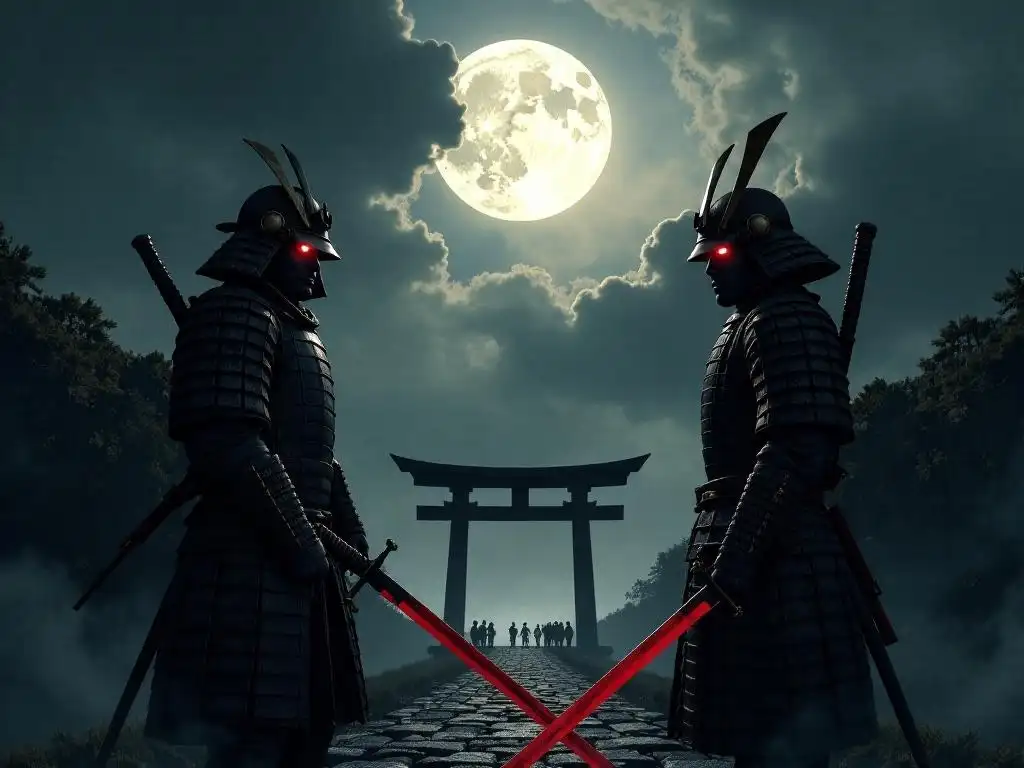
The shifting dynamics of power among religious institutions had profound implications for warfare tactics. As the Ashikaga shogunate rose to prominence, the influence of Zen gardens and temples became integral to samurai culture. The emphasis on meditation and mindfulness allowed warriors to maintain composure during combat, fostering a unique approach to battle strategy that prioritized mental fortitude alongside physical skill.
Additionally, the unification efforts led by powerful daimyo, such as Oda Nobunaga and Toyotomi Hideyoshi, showcased the manipulation of religious affiliations to rally troops and legitimize their rule. For instance, Nobunaga's destruction of the powerful Ikko-ikki sect, which was both religious and militaristic, demonstrated how shifts in religious power could directly influence military campaigns. The alignment or opposition to religious groups often determined the success or failure of military endeavors, illustrating the intricate relationship between faith and tactics.
The Decline of Religious Influence in Later Feudal Warfare
As Japan transitioned into the early Edo period (1603-1868), the political landscape shifted dramatically, leading to a decline in the overt influence of religion on warfare. The Tokugawa shogunate sought to establish a centralized government, promoting Confucian ideals that emphasized order and stability over martial zeal. This led to the gradual secularization of military strategy, where the emphasis shifted from spiritual guidance to pragmatic approaches to warfare.
During this period, samurai were often engaged in policing and administrative duties rather than battlefield confrontations. The lack of frequent warfare resulted in a detachment from the religious motivations that had previously driven military actions. However, remnants of religious rituals remained, as warriors still participated in ceremonies to honor ancestors and seek blessings, albeit in a more subdued manner.
Conclusion: The Lasting Legacy of Religion in Japanese Military History
Religion's influence on feudal Japanese warfare left a complex legacy that continues to resonate in modern interpretations of military history. The intertwining of faith and martial practice crafted a unique cultural identity for the samurai, which was characterized by both valor and spirituality.
Summary of Key Takeaways on Religion and Warfare

- The early integration of Buddhism and Shintoism into samurai culture shaped their identity as warriors.
- Religious institutions held significant power, influencing military strategies and alliances.
- Over time, the decline of religious influence coincided with the rise of centralized governance and a shift towards secular military tactics.
- Rituals and ceremonies continued to play a role in the lives of samurai, reflecting a lasting connection to their religious roots.
Reflection on the Modern Understanding of Religion in Historical Context
Today, modern historians recognize the multifaceted role that religion played in shaping feudal warfare in Japan. While some may view these influences through a purely secular lens, the cultural significance of religion cannot be overlooked. Understanding the interplay between faith and warfare provides deeper insight into the motivations of historical figures and the societal structures that defined feudal Japan. This perspective encourages a nuanced appreciation of how spirituality influenced not only military outcomes but also the broader tapestry of Japanese history.
References for Further Reading on Religion in Feudal Japanese Warfare
Exploring the influence of religion on feudal Japanese warfare reveals a complex interplay between spiritual beliefs and military tactics. To gain a deeper understanding of this relationship, a variety of resources are available, including books, articles, and online content. Below are some recommended readings and materials that provide insights into how religious beliefs shaped the strategies and outcomes of battles during Japan's feudal era.
Recommended Books and Articles
-
"Warriors of the Rising Sun: A History of the Japanese Military" by James B. Wood
This comprehensive text examines the evolution of Japan’s military forces, focusing on the interplay between religion, culture, and warfare. It discusses how Shinto and Buddhist beliefs influenced the samurai's code of conduct and battle strategies.
-
"The Samurai: A Military History" by Stephen Turnbull
Turnbull's work delves into the samurai's role in Japanese warfare and their spiritual beliefs. The book highlights how religious rituals were integrated into military preparations, impacting the morale of troops.
-
"The Essence of Shinto: Japan's Spiritual Heart" by Nobuo Tanaka
This book provides an overview of Shinto beliefs and practices, explaining how these influenced the mindset of warriors. It includes discussions on the significance of divine protection in battle.
-
"Buddhism and the Military in the Tokugawa Period" by Richard Bowring
Bowring explores the relationship between Buddhism and military practices during the Tokugawa shogunate, detailing how various Buddhist sects influenced martial strategies and soldier conduct.
-
"The Role of Religion in Japanese Warfare" by John W. Hall (Article)
This scholarly article analyzes the historical context of religion in Japanese military tactics, emphasizing the role of religious leaders in guiding warriors and legitimizing their actions in battle.
Online Resources and Documentaries
-
"The Samurai and Shinto: The Spirituality of the Warrior" (Documentary)
This documentary provides an engaging visual exploration of how Shinto beliefs influenced samurai warriors, showcasing historical reenactments and expert interviews.
-
"Religion and War in Japan" (Online Lecture Series)
This series of lectures from renowned historians offers a detailed analysis of the interaction between religion and military strategy in feudal Japan, available through various educational platforms.
-
The Japan Times - "How Shintoism Shaped Samurai Warfare"
An insightful article that discusses specific instances where Shinto rituals played a crucial role in shaping the tactics and morale of samurai during battles.
-
"Buddhism’s Influence on Samurai Culture" (Podcast)
This podcast features discussions with historians about the impact of Buddhist philosophy on samurai warfare, exploring themes of life, death, and honor in battle.
-
Digital Archives of Feudal Japan (Website)
This comprehensive online resource includes primary sources, translations, and scholarly articles that detail the religious dimensions of feudal warfare in Japan, offering a wealth of information for further research.
By engaging with these resources, readers can gain a more nuanced understanding of how religion shaped the tactics and cultural practices of feudal Japanese warfare, illuminating the spiritual dimensions of military strategy during this significant historical period.
- Introduction to Religion in Feudal Japanese Warfare
- The Role of Shintoism in Military Strategy
- Buddhism's Impact on Warfare Tactics
- The Interplay Between Religion and Political Power
- Religious Festivals and Their Military Significance
- Case Studies of Notable Battles
- The Evolution of Religious Influence Over Time
- Shifts in Religious Power and Their Impact on Warfare
- The Decline of Religious Influence in Later Feudal Warfare
- Conclusion: The Lasting Legacy of Religion in Japanese Military History
- Summary of Key Takeaways on Religion and Warfare
- Reflection on the Modern Understanding of Religion in Historical Context
- References for Further Reading on Religion in Feudal Japanese Warfare
Frequently Asked Questions
What role did religion play in Feudal Japanese warfare?
Religion was a central influence in feudal warfare, guiding the morality and ethics of samurai conduct, and often motivating warriors through spiritual beliefs and rituals.
How did Shinto beliefs affect military tactics?
Shinto beliefs encouraged a strong connection between the spiritual realm and battle, with rituals performed to ensure divine favor and protection before engaging in combat.
Were Buddhist teachings significant in warfare strategies?
Yes, Buddhist teachings emphasized compassion and non-violence, but also provided philosophical frameworks for warriors, influencing their decisions and strategies during conflicts.
Did religious leaders play a role in feudal conflicts?
Absolutely, religious leaders often acted as mediators and advisors, influencing both the political and military decisions of feudal lords, and swaying the loyalty of warriors.
How did the concept of karma influence samurai behavior in warfare?
The concept of karma instilled a sense of accountability, where samurai believed their actions in battle would impact their future lives, promoting a code of honor and ethical conduct.
Final Reflection: The Enduring Legacy of Religion in Feudal Japanese Warfare
The intricate relationship between religion and warfare in feudal Japan remains profoundly relevant today, as it underscores how belief systems can shape strategies and outcomes in conflict. The exploration of this theme reveals not only the historical significance of religious influence on military tactics but also highlights the broader implications of how ideology can drive nations and individuals to action in times of strife.
Culture and society are continually shaped by the echoes of the past, and the impact of religion on feudal Japanese warfare is a testament to this enduring legacy. The intertwining of Shinto beliefs and Buddhist philosophies with the martial practices of samurai warriors illustrates how deeply ingrained spiritual convictions can dictate the course of history. As noted by historian John W. Hall, The samurai's code was not merely a set of rules for combat; it was a spiritual journey that defined their very existence.
This observation emphasizes the profound connection between faith and the warrior ethos, reminding us that the motivations behind conflict often extend beyond mere territorial ambitions.
As we reflect on the lessons drawn from the intersection of religion and warfare, we are invited to consider our own beliefs and values in the context of contemporary conflicts. How can we apply the understanding of this historical relationship to foster peace and dialogue in our own lives?
Let us take a moment to contemplate the power of ideology, recognizing that while it can lead to division, it also holds the potential for unity and understanding. By embracing the lessons of the past, we can strive to create a future where the influence of belief systems serves as a catalyst for compassion rather than conflict.
Thank you for diving into the intriguing world of feudal Japanese warfare and its deep connections to religion. Your exploration not only enriches your understanding but also reveals how these influences shaped strategic choices on the battlefield. Now, let’s take your knowledge further!
Here are some actionable steps you can take to deepen your engagement with this fascinating topic:
- Join our community discussions: Sign up for our newsletter and connect with fellow history enthusiasts who share your curiosity about feudal Japan.
- Explore additional resources: Discover our curated selection of books and documentaries that delve into the impact of religion on various facets of Japanese culture.
- Share your insights: We encourage you to comment below on how you believe religion has influenced warfare in other cultures, or share this article with a friend who has an interest in history!
Reflecting on what you've learned, how do you think the interplay of religion and warfare might influence strategies in modern conflicts?