
The Unwritten Histories: Rediscovering Women’s Stories in Feudal Japan


Welcome to Feudal Japan History, where we embark on a fascinating journey through the intricacies of Japan's feudal era. In our latest article, “The Unwritten Histories: Rediscovering Women’s Stories in Feudal Japan,” we delve into the often-overlooked narratives of women who played pivotal roles in shaping society during this transformative period. As we peel back the layers of history, you'll discover the strength, resilience, and contributions of these remarkable figures. Join us as we explore this compelling aspect of social history and uncover the stories that are waiting to be told. Your adventure into the past begins now!
Introduction to Women in Feudal Japan
The stories of women in Feudal Japan have often been overshadowed by the tales of their male counterparts, leaving a significant gap in our understanding of this rich historical period. This era, spanning from the late 12th century to the 19th century, was marked by a complex social structure, diverse cultural practices, and significant political upheaval.
Women played crucial roles within their families and communities, yet their contributions remain largely unwritten and unrecognized in mainstream historical narratives. By rediscovering and amplifying these voices, we can gain a more holistic view of Feudal Japan and appreciate the intricate dynamics of gender and society during this time.
Overview of Feudal Japan's Historical Context
Feudal Japan was characterized by a decentralized political system where power was held by local lords known as daimyo, while the emperor had a largely ceremonial role. The samurai class, loyal to these lords, dominated the military and political landscape, while the majority of the population consisted of farmers, artisans, and merchants.
During this era, Japan experienced significant cultural developments, including the rise of Zen Buddhism, the flourishing of the arts, and the establishment of unique traditions that still resonate today. Understanding this context is essential for appreciating the status and roles of women in Feudal Japan, as societal norms and expectations were deeply intertwined with the prevailing power structures.
Importance of Women's Roles in Society
Despite the patriarchal framework of Feudal Japan, women played indispensable roles within their households and communities. They were responsible for managing domestic affairs, educating children, and contributing to agricultural production. In some cases, women from samurai families were educated and trained in martial arts, preparing them to defend their homes in the absence of men.
Moreover, women's influence extended beyond the household; they were instrumental in preserving cultural practices, such as traditional crafts and rituals, and often served as the backbone of their families during times of crisis. Recognizing the multifaceted roles of women in this society is crucial for understanding the overall social fabric of Feudal Japan.
The social hierarchy in Feudal Japan was rigidly structured, with clear distinctions between various classes. This hierarchy not only defined the roles and responsibilities of individuals but also influenced the status of women across different strata of society.
The Class System: Samurai, Farmers, Artisans, and Merchants
At the top of the social hierarchy were the samurai, who were warriors sworn to serve their lords. Below them were the farmers, who formed the backbone of the economy by cultivating rice and other crops. Artisans, skilled in various crafts, and merchants, who facilitated trade, occupied the lower tiers. Each class had specific roles and expectations, which in turn affected the opportunities and limitations faced by women within these groups. While samurai women were sometimes afforded more rights and education, those from farming and artisan backgrounds often experienced stricter limitations on their freedom and social mobility.
Women's Status Across Different Classes
Women's status varied significantly between the different classes in Feudal Japan. Samurai women, though still constrained by societal norms, had more access to education and were sometimes involved in property management. In contrast, peasant women were primarily focused on domestic duties and labor in the fields, with limited opportunities for personal development. The experiences of women across these classes reveal a complex interplay of power, culture, and gender, highlighting the need for a more nuanced understanding of women's lives during this pivotal era in Japanese history.
Daily Life of Women in Feudal Japan
The daily life of women in feudal Japan was shaped by a complex web of social, cultural, and economic factors. Women were primarily expected to fulfill domestic roles, managing households and contributing to the family’s livelihood. Their responsibilities varied significantly depending on their social class, region, and the historical period.
In rural areas, many women engaged in agricultural work alongside their families. They played crucial roles in planting, harvesting, and processing food, thus contributing significantly to the household economy. In contrast, women from wealthier families often had more restricted roles but were involved in overseeing domestic staff and managing household finances.
Culturally, women participated in various artistic and spiritual practices. They were central to rituals and festivals, contributing to the preservation and transmission of cultural traditions. Although often overshadowed by their male counterparts, women's contributions to society were vital, and their stories are critical to understanding the broader narrative of feudal Japan.
Domestic Responsibilities and Household Management
Women in feudal Japan were the backbone of household management. Their domestic responsibilities included cooking, cleaning, and caring for children. They were tasked with weaving textiles, which were essential for clothing and trade. This labor was not only practical but also imbued with cultural significance, as weaving was linked to the goddess of textiles, Inari.
In many households, particularly those of the samurai class, women were responsible for managing finances and making key decisions regarding the household’s economic activities. They maintained the household budget, managed food supplies, and ensured that the family’s needs were met. This management role was particularly important in times of war or economic instability, when resources were scarce, and strategic planning was necessary.
Moreover, women often acted as educators within the home. They taught their children values, traditions, and skills, ensuring the continuity of cultural heritage. The importance of women in household management reflects their significant yet often unrecognized contributions to the social fabric of feudal Japan.
Education and Cultural Contributions of Women
Education for women in feudal Japan varied widely depending on their social status. While many lower-class women had limited access to formal education, those from wealthier families were often educated in the arts, literature, and calligraphy. They learned to read and write, which allowed them to engage with cultural and philosophical texts.
Women contributed to various cultural forms, including literature, poetry, and art. Notably, the tradition of onna-de (women's writing) flourished during this period, with women composing diaries and poetry that reflected their thoughts and experiences. The Tale of Genji, a classic work of Japanese literature, provides insights into the lives and emotions of women during this era, showcasing their perspectives and inner lives.
Cultural contributions extended to the performing arts as well. Women participated in traditional music and dance, often playing vital roles in theatrical performances. These artistic expressions provided a space for women to assert their identities and share their stories, although they were often performed within the confines of societal expectations.
Women in the Samurai Class
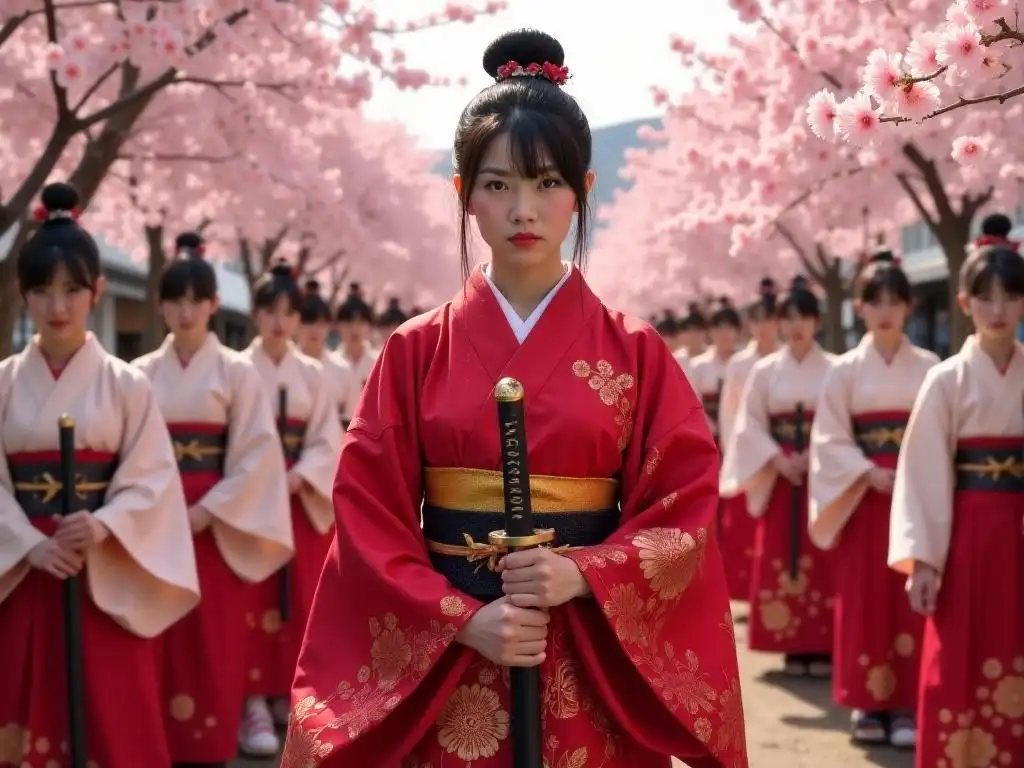
Women in the samurai class held a unique position in feudal Japan, balancing their roles as caretakers and as participants in the warrior culture. Their status afforded them certain privileges, but it also imposed specific expectations and responsibilities.
In many cases, samurai women were trained in martial arts and were expected to defend their homes and families in times of conflict. This duality of nurturing and warrior spirit characterized their existence and showcased the complexity of women's roles in this class.
Roles of Samurai Women: Beyond the Home
Samurai women were not confined solely to domestic duties; they played crucial roles during times of war and political strife. Many were trained in the use of weapons, including the naginata and the katana, and some even participated in battles alongside their male counterparts. This involvement was not merely a matter of survival; it was also a demonstration of their loyalty and honor.
In addition to physical training, samurai women were responsible for maintaining the family’s honor and managing the household during their husbands' absences. They often engaged in political maneuvering, forming alliances through marriage and influencing decisions within their clans. Their roles extended into the realm of diplomacy, as they could negotiate on behalf of their families and protect their interests.
The presence of women in the samurai class illustrates the multifaceted nature of their contributions to feudal society, challenging the notion that women were merely passive figures within a male-dominated culture.
Notable Samurai Women and Their Contributions
Several notable samurai women have left their mark on history, showcasing the strength and resilience of women in this class. One such figure is Tomoe Gozen, a legendary warrior known for her exceptional skills in battle and loyalty to her lord. She fought during the Genpei War and has become a symbol of female strength and bravery in Japanese folklore.
Another remarkable figure is Hojo Masako, who played a significant role in the political landscape of Japan during the Kamakura period. As the daughter of a powerful samurai and the wife of the first shogun, she wielded considerable influence and was instrumental in the governance of the Kamakura shogunate after her husband's death.
These women, among others, exemplify the contributions of samurai women beyond traditional roles, highlighting their importance in both the military and political spheres of feudal Japan. Their stories not only enrich the historical narrative but also inspire contemporary discussions about the roles of women in society.
Women in Agriculture and Rural Life
In Feudal Japan, women played a crucial role in agricultural production and rural life, contributing significantly to the sustenance and stability of their communities. The agrarian society relied heavily on the labor of both men and women, yet the contributions of women often went unrecognized or undervalued in historical records. Women's work in farming, managing household tasks, and supporting family economies was fundamental to the operation of rural life.
Peasant women were not only responsible for daily chores but also engaged in agricultural activities such as planting, weeding, and harvesting crops. Their intimate knowledge of the land and its cycles allowed them to make vital decisions regarding crop rotation and pest control. Furthermore, many women were skilled in weaving textiles and creating household goods, which supplemented their family’s income and ensured their community's self-sufficiency.
The stories of these women, filled with challenges and triumphs, highlight their resilience and adaptability in a society marked by rigid social structures and expectations. By exploring their roles, we can gain a more nuanced understanding of the feudal era and the vital contributions women made to agriculture and rural life.
The Contribution of Peasant Women to Agriculture
Peasant women were the backbone of agricultural production in Feudal Japan, often working alongside their male counterparts in the fields. Their contributions were essential for the cultivation of staple crops such as rice, barley, and millet. Women typically engaged in labor-intensive tasks, including:
- Planting Seeds: Women were responsible for sowing seeds, often utilizing traditional methods passed down through generations.
- Weeding and Harvesting: During the growing season, women spent long hours in the fields weeding and later, during harvest time, gathering crops.
- Post-Harvest Processing: After the harvest, women played a significant role in processing the crops, such as milling rice and preparing food for storage.
Additionally, women managed household gardens, growing vegetables and herbs that supplemented diets and provided medicinal resources. Their extensive knowledge of local flora and agricultural techniques was invaluable, ensuring food security for their families and communities. Despite their critical contributions, the historical narrative often marginalized their roles, emphasizing male achievements instead.
Stories of Resilience and Survival in Rural Communities
The lives of women in rural communities during Feudal Japan were often marked by hardship and resilience. They faced numerous challenges, from the demands of agricultural labor to societal expectations of motherhood and domesticity. Some stories illustrate their resilience in the face of adversity:
- Natural Disasters: Many rural communities were susceptible to floods, droughts, and typhoons, which could devastate crops. Women often spearheaded recovery efforts, organizing community support to replant fields and rebuild homes.
- War and Conflict: During periods of civil strife, such as the Sengoku period, women often took on additional responsibilities, managing farms and households in the absence of men who went off to battle. Their leadership was crucial in maintaining societal stability during turbulent times.
- Cultural Preservation: Women played a vital role in preserving cultural practices, including traditional storytelling, which kept their community’s history alive. Through oral traditions, they passed down knowledge, folklore, and moral teachings to future generations.
These narratives showcase the strength and resourcefulness of women, highlighting their indispensable role in the fabric of rural life in Feudal Japan.
Artistic and Cultural Expressions by Women
Women in Feudal Japan were not only active in agriculture but also made significant contributions to the arts and cultural expressions. Despite societal limits on their public roles, many women found ways to express their creativity and influence cultural practices through various mediums.
Women as Creators: Poetry, Arts, and Crafts
Japanese women have a rich history as creators of poetry, visual arts, and crafts. Their contributions in these areas have often been overlooked, but they played a pivotal role in shaping cultural narratives. Notable aspects of women's artistic expressions include:
- Poetry: Women were prolific poets, particularly in the genre of waka, a traditional form of Japanese poetry. Many female poets, such as the famous Murasaki Shikibu, used poetry as a means to express their emotions and perspectives, often reflecting on themes of love, nature, and society.
- Visual Arts: Female artists contributed to traditional crafts, including silk weaving, pottery, and lacquer work. Their intricate designs and skilled craftsmanship were highly valued, often passed down through family lines and tied to regional identities.
- Calligraphy and Painting: Women often engaged in calligraphy and painting, contributing to the aesthetic traditions of Japan. Many women used these art forms as a means of personal expression and documentation of their lives and surroundings.
Through their artistic endeavors, women enriched the cultural landscape of Feudal Japan, though their contributions frequently remained anonymous or underappreciated.
The Influence of Women in Traditional Japanese Theatre
Women also played a significant role in traditional Japanese theatre, particularly in the development of Noh and Kabuki. Although women were initially involved as performers, societal restrictions later led to their exclusion from the stage in many forms of theatre. Nevertheless, their influence remained evident in the following ways:
- Inspirations for Characters and Stories: Female playwrights and poets inspired many narratives and characters in traditional theatre, bringing women's experiences and perspectives to the forefront.
- Costume and Makeup: Women were instrumental in the design and creation of elaborate costumes and makeup used in performances. Their expertise contributed significantly to the visual spectacle of these theatrical forms.
- Cultural Transmission: Many women served as patrons and supporters of the arts, ensuring that traditional performances continued to be a vital part of community life. They often organized events and gatherings where theatre could flourish, maintaining its relevance.
Despite the limitations placed on women performers in later periods, their foundational contributions to theatre in Feudal Japan reflect a rich legacy of influence and creativity that shaped Japanese cultural identity.
Challenges Faced by Women in Feudal Japan
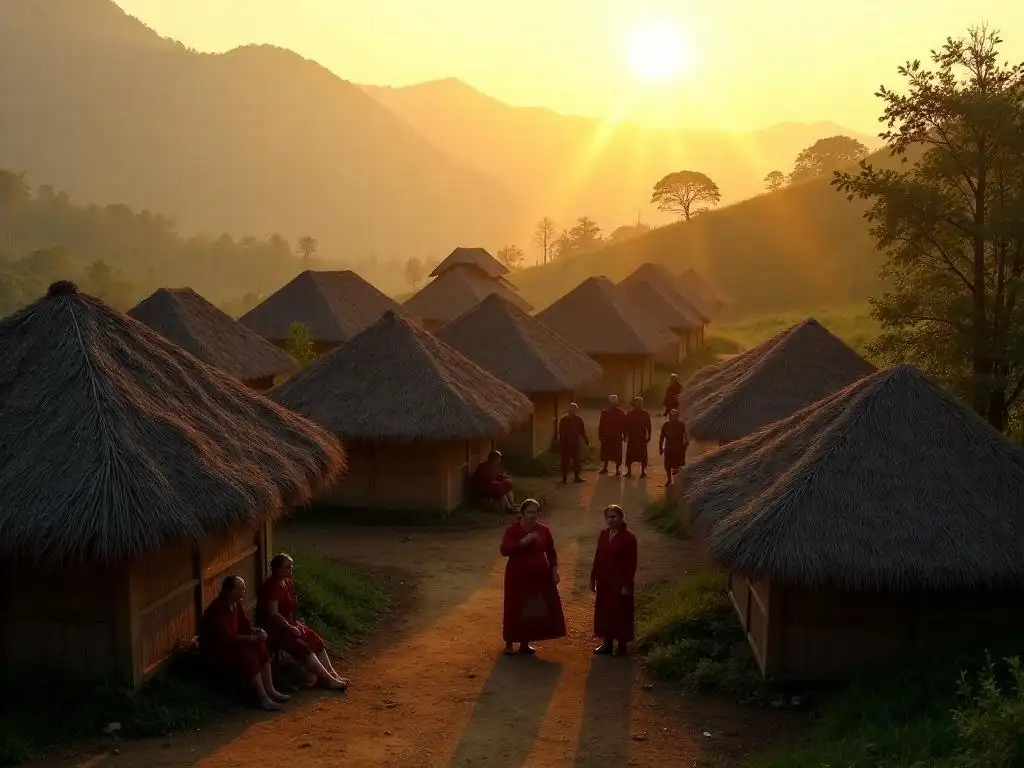
Women in feudal Japan navigated a complex landscape of societal expectations and limitations that shaped their roles and experiences. The rigid structure of the samurai class and the broader socio-political context imposed numerous challenges, restricting women's rights and opportunities. Social hierarchy dictated that women, particularly from lower classes, had limited access to education, property rights, and political influence. The Confucian ideals that permeated Japanese society emphasized male authority and female subservience, further entrenching these challenges.
Moreover, women's roles were often confined to domestic spheres, with expectations to fulfill duties as wives and mothers. This lack of agency was compounded during times of conflict, where the repercussions of war significantly altered their lives, often leaving them to bear the burdens of loss and survival. Despite these obstacles, women found ways to assert their resilience and agency, carving out spaces for themselves within the confines imposed by society.
Societal Expectations and Gender Norms
In feudal Japan, societal expectations dictated that women embody virtues such as obedience, modesty, and loyalty. These gender norms were deeply rooted in the cultural fabric of the time, influenced by Buddhist and Confucian teachings, which prioritized male authority and prescribed specific roles for women. For instance, the ideal woman was often portrayed as a dutiful wife and nurturing mother, tasked with managing the household and raising children.
Such expectations not only limited women's personal aspirations but also shaped their identities and societal contributions. Women were often educated in domestic skills and moral virtues rather than intellectual pursuits, and their value was frequently measured by their ability to marry well and produce heirs. This focus on domesticity created a narrative where women's stories and accomplishments were often overshadowed by their familial roles, leading to a historical narrative that marginalized their experiences and contributions.
The Impact of War and Political Turmoil on Women
The tumultuous periods of war and political upheaval in feudal Japan had profound impacts on women's lives. During the Sengoku period (1467-1603), for example, the constant warfare disrupted traditional societal structures and forced many women into roles they had not previously occupied. Women from samurai families, who were traditionally confined to domestic duties, often found themselves managing estates and leading households in the absence of men who were away at war.
Additionally, the violence of war exposed women to vulnerabilities, including the loss of family members, forced displacement, and sexual violence. However, it also provided opportunities for women to exhibit resilience and agency. Some women became notable figures in their own right, either by defending their homes or taking on roles as leaders and warriors, such as Tomoe Gozen, a legendary female warrior who fought alongside men in battle. These instances highlight the complex and often contradictory experiences of women during periods of crisis.
The Legacy of Women in Feudal Japan
The legacy of women in feudal Japan is increasingly recognized as a crucial aspect of understanding the broader historical narrative. Their stories, though often unwritten or overshadowed, reveal the diverse roles and contributions women made to society. As scholars delve deeper into historical texts, folklore, and oral traditions, a more nuanced understanding of women's lives during this era emerges, challenging the simplistic narratives that have long dominated.
Historical Narratives and Their Rediscovery
The rediscovery of women's narratives in feudal Japan has gained momentum in recent years, with historians and researchers striving to uncover the hidden stories of women who played vital roles in their communities. This includes the examination of diaries, letters, and literature, which provide insights into the everyday lives, struggles, and triumphs of women.
For instance, the records of court ladies, such as those from the Heian period, reveal their intellectual contributions and their influence on culture and arts. The retelling of these stories not only honors the experiences of women but also enriches our understanding of historical events and societal dynamics, allowing for a more comprehensive view of feudal Japan's social history.
Modern Perspectives on Women’s Roles in Historical Context
Modern perspectives on women’s roles in historical contexts are reshaping how we view the past. Today, scholars advocate for a more gender-inclusive approach to history, emphasizing the importance of women's contributions across various domains, including politics, culture, and economics. This shift challenges traditional narratives and encourages a re-evaluation of the significance of women's roles in shaping Japanese society.
Moreover, contemporary discussions on gender equality and women's rights draw inspiration from these historical narratives. By understanding the complexities and challenges faced by women in feudal Japan, modern society can appreciate the long-standing struggles and resilience of women, fostering a greater awareness of the ongoing quest for equality and recognition in today's world. As we continue to explore these unwritten histories, we honor the legacy of those women who, despite challenges, contributed to the rich tapestry of Japan's past.
Conclusion: The Importance of Remembering Women’s Stories in Feudal Japan
The exploration of women's roles during the feudal era in Japan is not just an academic endeavor; it is crucial for understanding the full tapestry of Japan’s history. Women in Feudal Japan played a multitude of roles that were often overshadowed by their male counterparts.
From samurai wives who managed households and estates to peasant women who contributed significantly to agricultural production, their stories and experiences offer invaluable insights into the societal structure of the time. By recognizing and documenting these narratives, we also challenge the historical narratives that have predominantly focused on men, revealing the complexities of gender dynamics in feudal society.
Moreover, the importance of these stories extends beyond mere historical acknowledgment. They serve as a source of inspiration and empowerment for contemporary society, illustrating the resilience and ingenuity of women throughout history. In doing so, we foster a more inclusive understanding of cultural heritage that appreciates the contributions of all individuals, irrespective of gender. Thus, the act of remembering women’s stories is essential not only for preserving history but also for shaping a more balanced narrative that honors the diverse experiences that have contributed to modern Japan.
Reflecting on Unwritten Histories and Future Research Directions
The vast majority of women's histories during the feudal period remain unwritten or poorly documented, leaving a significant gap in our understanding of this era. Future research must prioritize uncovering these narratives, utilizing various methodologies such as archaeology, literature analysis, and oral histories. Collaborative efforts between historians, anthropologists, and cultural scholars can yield new insights into the lives of women who have largely been overlooked.
Additionally, delving into primary sources such as diaries, letters, and family records can provide a more nuanced view of women's experiences. These documents often reveal the personal thoughts, emotions, and daily struggles of women, offering a rich context that complements traditional historical narratives. By employing interdisciplinary approaches and encouraging broader participation in historical research, we can enrich our understanding of women's roles in feudal Japan and ensure that their stories are not lost to time.
The Significance of Women in Shaping Japan’s Cultural Heritage
Women have significantly influenced Japan's cultural heritage, from the arts and literature to social customs and family traditions. The contributions of women in poetry, such as the works of the Heian period writers like Sei Shonagon and Murasaki Shikibu, highlight the importance of female voices in shaping Japan's literary canon. Their writings not only reflect the aesthetics and values of their time but also provide insight into the inner lives of women, showcasing their intellect and creativity.
Furthermore, women's roles in rituals and religious practices helped shape the spiritual landscape of feudal Japan. From the participation of women in Shinto rituals to the nurturing of Buddhist practices, their influence was profound. These contributions fostered community cohesion and cultural continuity, demonstrating that women were not merely passive observers of history but active participants in the cultural and spiritual life of their society.
Recognizing the significance of women in shaping Japan’s cultural heritage allows for a richer and more comprehensive understanding of the past. By reclaiming and celebrating these narratives, we honor the legacy of women in feudal Japan and acknowledge their enduring impact on contemporary Japanese culture.
- Introduction to Women in Feudal Japan
- Understanding the Social Hierarchy in Feudal Japan
- Daily Life of Women in Feudal Japan
- Women in the Samurai Class
- Women in Agriculture and Rural Life
- Artistic and Cultural Expressions by Women
- Challenges Faced by Women in Feudal Japan
- The Legacy of Women in Feudal Japan
- Conclusion: The Importance of Remembering Women’s Stories in Feudal Japan
- What is the main focus of the article "The Unwritten Histories: Rediscovering Women’s Stories in Feudal Japan"?
- How did women's roles vary during the feudal era in Japan?
- What were some barriers faced by women in Feudal Japan?
- Why is it important to study women's histories in Feudal Japan?
- How can this article help contemporary discussions about gender?
Frequently Asked Questions
What is the main focus of the article "The Unwritten Histories: Rediscovering Women’s Stories in Feudal Japan"?
The article focuses on rediscovering the overlooked narratives of women in Feudal Japan, highlighting their roles and contributions in a historically male-dominated society.
How did women's roles vary during the feudal era in Japan?
Women in Feudal Japan had diverse roles ranging from warriors and farmers to household managers. Their experiences were influenced by social class and regional differences.
What were some barriers faced by women in Feudal Japan?
Women encountered significant barriers including limited rights, social constraints, and patriarchal norms that often restricted their freedom and opportunities compared to men.
Why is it important to study women's histories in Feudal Japan?
Studying women's histories provides a broader understanding of Japanese culture and society. It highlights the complexities of gender roles and the contributions of women that have often been overlooked.
How can this article help contemporary discussions about gender?
This article contributes to contemporary discussions by emphasizing the importance of inclusivity in historical narratives, encouraging a re-examination of gender roles and their evolution over time.
Final Reflection: Unveiling the Voices of Women in Feudal Japan
In exploring the unwritten histories of women in feudal Japan, we uncover a tapestry of resilience, creativity, and strength that has long been overshadowed by dominant narratives. Today, as we strive for greater gender equality and representation, the stories of these women resonate more than ever. The acknowledgment of their contributions not only enriches our understanding of history but also challenges us to confront the biases that have historically marginalized female voices. The past is not merely a collection of events; it is a living dialogue that shapes our present and future.
The influence of women's roles in feudal Japan continues to echo in our cultural and social landscapes. By recognizing the significance of these narratives, we can appreciate the complexities of women's experiences and their impact on society. The stories of samurai wives, artisans, and peasant women reveal a rich heritage of strength and agency that deserves recognition. The history of women is not a footnote; it is a central narrative that weaves through the fabric of our shared past.
This ongoing rediscovery encourages us to honor these voices and integrate their lessons into our contemporary discussions about gender and power.
As we reflect on the importance of these unwritten histories, I invite you to consider your own role in amplifying women's stories, both past and present. How can you contribute to the dialogue surrounding gender equality in your community? By engaging with these narratives, we not only pay homage to the women who came before us but also empower future generations to write their own stories. Let us commit to fostering an environment where every voice is heard, and every story is valued, ensuring that the legacies of women in feudal Japan—and beyond—are never forgotten.
Thank you for journeying through the rich tapestry of women's stories in Feudal Japan with us! We hope you've uncovered the invaluable contributions and resilience of these remarkable figures. Now, it’s your turn to carry this legacy forward.
Here are a few inspiring ways to embrace and share these untold stories:
- Dive Deeper: Research a specific woman from this era and write a short piece about her life and achievements. Share your findings with friends or on social media to spark awareness!
- Join the Movement: Participate in online forums or groups focused on women’s history to connect with others who share your passion and keep the conversation going.
- Spread the Word: Use your voice to advocate for a broader recognition of women's contributions in historical narratives. Create a small article or a blog post to highlight the stories you’ve learned about.
What insights have you gained about the role of women in Feudal Japan that you'd love to share with others?