
Samurai and the Art of War: Balancing Combat with Daily Responsibilities

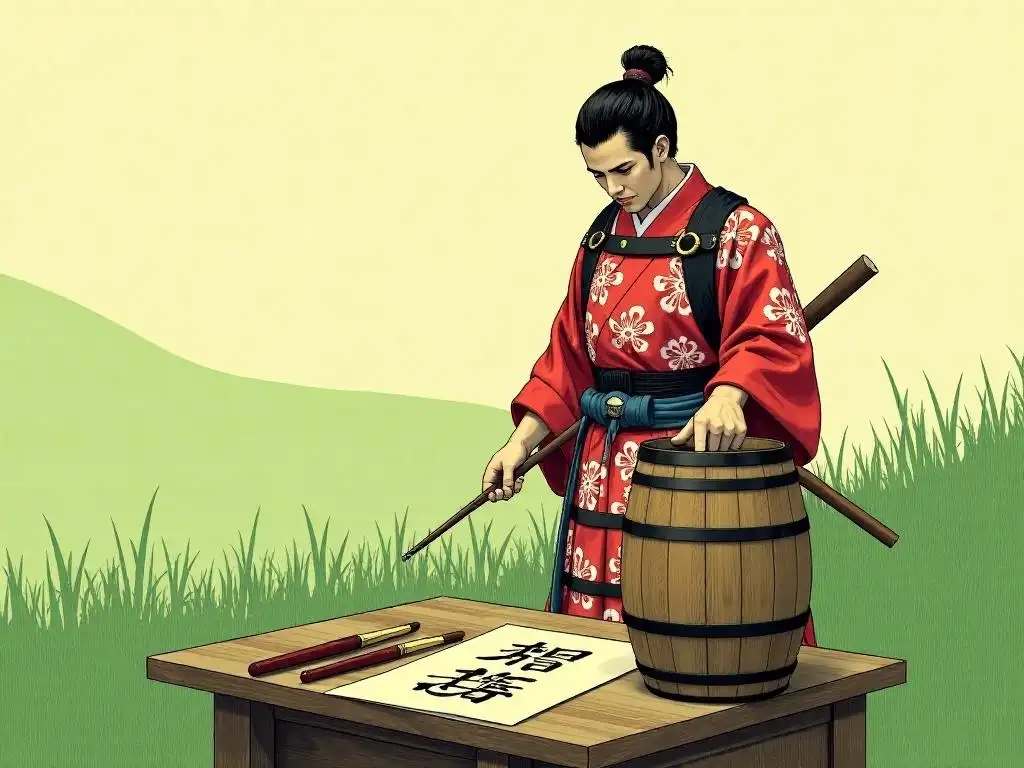
Welcome to Feudal Japan History, where we embark on an extraordinary journey through the captivating world of Japan’s feudal era. Here, history comes alive as we delve into the intricate tapestry of cultural and societal dynamics that shaped this remarkable period. In our featured article, "Samurai and the Art of War: Balancing Combat with Daily Responsibilities," we invite you to uncover the daily life of the samurai, a fascinating blend of rigorous training, honor, and domestic duties.
What did a typical day look like for these legendary warriors, and how did they navigate the delicate balance between warfare and their personal lives? Prepare to be intrigued and inspired as you explore the multifaceted existence of the samurai—your quest for knowledge begins now!
Introduction to Samurai Daily Life and Warfare
The samurai, often romanticized as the ultimate warriors of feudal Japan, played a multifaceted role that extended far beyond the battlefield. Their lives were a delicate balance of martial prowess and daily responsibilities, encapsulating a rich cultural heritage that shaped Japanese society for centuries.
Understanding the daily life of samurai and warfare is crucial to grasping the complexities of their existence, which involved not only the art of combat but also adherence to a strict code of conduct, known as Bushido. This article delves into the intricacies of samurai life, exploring how they managed to juggle the demands of warfare with their everyday duties, thereby illuminating their significant contributions to the social fabric of Japan.
Overview of Samurai Culture in Feudal Japan
The samurai emerged during the late Heian period (794-1185) as armed retainers of noble families, evolving into a formidable military class that dominated Japan through the Sengoku period (1467-1603). They were not just warriors; they were also educators, poets, and philosophers, deeply influenced by Zen Buddhism and Confucianism. This cultural backdrop fostered a unique ethos among the samurai, where loyalty, honor, and discipline were paramount.
Key elements of samurai culture include:
- Bushido: The code governing their conduct, emphasizing loyalty, courage, and honor.
- Martial Arts: Various forms of combat training, including Kenjutsu (swordsmanship) and Iaijutsu (quick-draw techniques).
- Arts and Letters: Many samurai were also patrons of the arts, engaging in poetry, calligraphy, and tea ceremonies.
Importance of Balancing Combat and Daily Tasks
The samurai's dual role as both warrior and civilian was essential for maintaining stability within their domains. While their primary duty was to serve and protect their lord, they were also responsible for governing their lands, managing resources, and upholding justice. This balance was crucial, as neglecting either aspect could lead to social unrest or military failure.
The interdependence of these roles can be summarized as follows:
- Military Preparedness: Regular training and readiness for combat ensured that samurai could defend their territory effectively.
- Civic Responsibilities: Engaging in local governance and community affairs helped maintain order and loyalty among the populace.
The Dual Responsibilities of a Samurai
The Role of Samurai in Society
Samurai were integral to the social hierarchy of feudal Japan, serving as both military leaders and local rulers. They held significant power, often commanding large estates and managing the lives of peasants who worked the land. Their influence extended beyond mere governance; they were expected to embody the virtues of leadership and moral integrity.
- Loyalty to the Daimyo: Samurai served the daimyo (feudal lords) and were bound by loyalty, often risking their lives for their lord's honor.
- Civic Engagement: They were involved in local administration, resolving disputes and ensuring the welfare of their subjects.
Daily Life Activities of the Samurai
The daily life of a samurai was structured and disciplined. A typical day might include:
- Morning Rituals: Early rising for meditation and physical training.
- Martial Training: Practicing martial arts to hone combat skills.
- Administrative Duties: Managing estates and interacting with peasants.
- Cultural Pursuits: Engaging in poetry, arts, and philosophy to cultivate the mind.
This routine was essential for maintaining the samurai's physical and mental discipline, ensuring they were always prepared for the demands of warfare and leadership.
The Importance of Rituals and Discipline
Rituals were a cornerstone of samurai life, serving both practical and spiritual purposes. From daily practices to ceremonial events, these rituals reinforced the samurai's commitment to their values and duties.
Key aspects include:
- Meditation and Reflection: Periods of quiet contemplation to maintain mental clarity and focus.
- Ceremonial Practices: Engaging in tea ceremonies and other cultural rituals to foster community and reinforce social bonds.
- Discipline Through Routine: A structured daily schedule helped instill a sense of order and purpose.
Through these rituals, samurai balanced the chaos of warfare with the calm of daily life, embodying the principles of Bushido and ensuring their readiness for both battle and governance.
Warfare in the Life of a Samurai
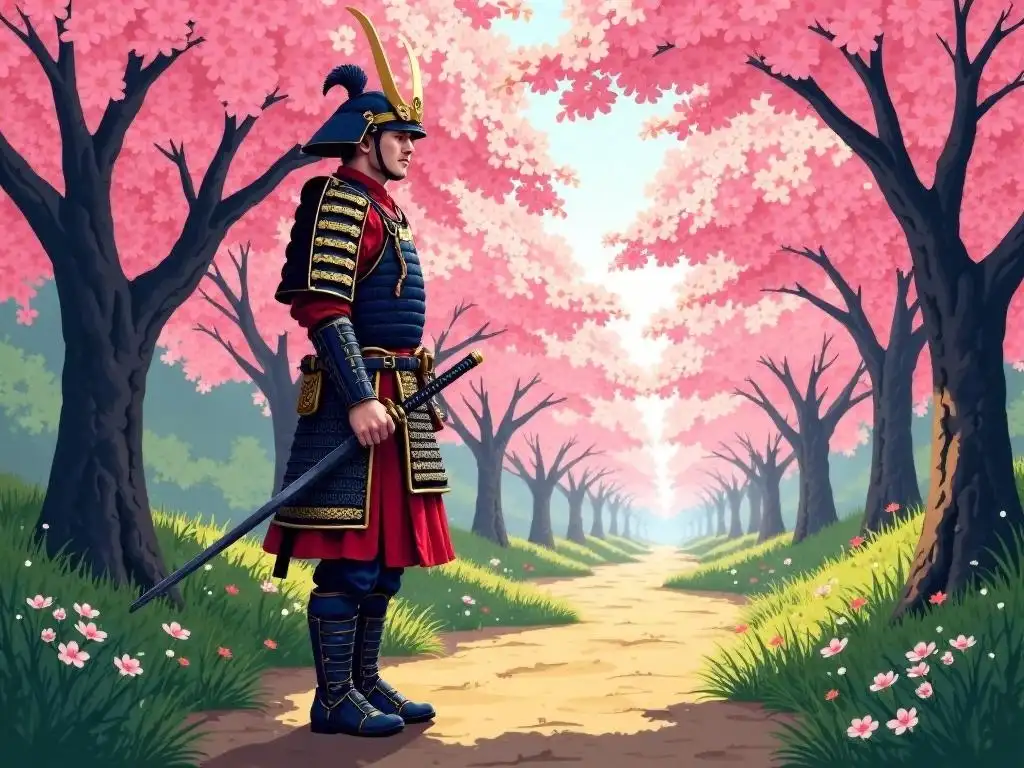
Warfare was not merely a series of battles for the samurai; it was a fundamental aspect of their identity and daily life. The samurai, as the warrior class of feudal Japan, were deeply involved in the political and social fabric of their time, and their martial duties often dictated their lifestyle.
From the strategic planning of military campaigns to the tactical execution of battles, samurai warfare was a complex interplay of skill, honor, and duty. The samurai were trained from a young age in various forms of combat and strategy, which not only prepared them for battle but also shaped their worldview and societal roles.
Overview of Samurai Warfare Tactics
Samurai warfare tactics evolved significantly over the centuries, influenced by changes in technology, political landscapes, and cultural shifts. Key tactics included the use of archery, swordsmanship, and the strategic deployment of cavalry and infantry. The samurai often relied on:
- Kendo and Kenjutsu: Mastery of the sword was paramount, with individual duels being common. Techniques were developed to maximize efficiency and effectiveness in close combat.
- Naginata and Sojutsu: The naginata, a polearm, was favored for its versatility, allowing samurai to engage enemies at a distance while remaining agile.
- Siege Warfare: Tactics also included the art of siege, with samurai employing cunning strategies to breach fortifications or defend their own castles.
The samurai's understanding of terrain and the psychological aspects of warfare played a crucial role in their success. Deception, surprise, and the element of shock were often employed to outmaneuver opponents.
The Training Regimen for Combat Readiness
To maintain combat readiness, samurai underwent rigorous training regimes that started in childhood and continued throughout their lives. The training was not limited to physical skills; it also encompassed mental and spiritual preparation. Key components included:
- Physical Conditioning: Daily exercises and drills focused on strength, agility, and endurance. This often included running, swimming, and practicing martial arts.
- Weapons Mastery: Training with various weapons, such as swords, bows, and spears, was essential. Samurai practiced kata (forms) to refine their techniques and improve their reflexes.
- Strategic Studies: Many samurai studied classic texts on warfare and strategy, such as Sun Tzu's "The Art of War," to cultivate strategic thinking and adaptability in combat scenarios.
- Meditation and Mindfulness: Mental discipline was crucial, with practices such as Zen meditation helping samurai develop focus and calmness in the face of adversity.
This comprehensive training ensured that samurai were not only formidable warriors but also disciplined individuals capable of making strategic decisions under pressure.
The Role of Honor and Bushido in Warfare
The concept of honor was deeply embedded in samurai culture, influencing their actions on and off the battlefield. The Bushido code, or "Way of the Warrior," dictated the ethical framework for samurai, emphasizing virtues such as loyalty, courage, and honor.
- Loyalty: Samurai were expected to serve their lords with unwavering loyalty, often placing their lord’s interests above their own lives.
- Courage in Battle: Facing death without fear was a hallmark of the samurai ethos. This bravery was not just for personal glory but to uphold one’s honor and that of their family.
- Seppuku: The ritual of seppuku (ceremonial suicide) was practiced as a means to restore honor in the event of defeat or disgrace, illustrating the lengths to which samurai would go to avoid dishonor.
The ethical implications of warfare were significant; samurai were taught to fight with integrity and respect for their adversaries, creating a complex interplay between the brutality of warfare and the ideals of honor and respect.
Integrating Combat and Daily Life
The life of a samurai was a delicate balance between their martial duties and everyday responsibilities. While warfare was a significant aspect of their existence, samurai were also expected to fulfill roles as family members, landowners, and community leaders.
Time Management Strategies for Samurai
To successfully navigate their dual roles, samurai developed effective time management strategies. Key methods included:
- Structured Schedules: Samurai adhered to strict daily routines that prioritized training, administrative duties, and family time. This structure helped ensure that they met their obligations without sacrificing their martial skills.
- Delegation: Many samurai had retainers or vassals who managed day-to-day affairs, allowing samurai to focus on training and military readiness.
- Mindful Practices: Incorporating mindfulness and meditation into their daily routines helped samurai maintain balance and clarity, enabling them to switch effectively between their roles.
By adopting these strategies, samurai could effectively manage the demands of both warfare and domestic life.
The Influence of Warfare on Daily Duties
Warfare had a profound impact on the daily duties of samurai. During times of peace, samurai engaged in agricultural management, local governance, and cultural pursuits. However, the specter of war was always present:
- Resource Allocation: Samurai had to manage resources wisely, preparing their lands and families for the possibility of conflict.
- Training and Readiness: Even in peacetime, maintaining combat readiness was essential. Regular training sessions ensured that samurai could respond swiftly to any threats.
- Community Leadership: Samurai often served as local leaders, mediating disputes and ensuring the welfare of their subjects, which became increasingly vital during periods of instability.
This continuous interplay between warfare and daily responsibilities shaped the samurai’s identity and societal role, reinforcing their status as both warriors and leaders.
Balancing Family Responsibilities with Military Obligations
Balancing family responsibilities with military obligations was a perpetual challenge for samurai. They were expected to uphold their duties to their lords while also being present for their families. Some strategies employed included:
- Family Involvement: Families often participated in the samurai’s duties, with wives and children taking on roles in managing household affairs and supporting the samurai’s training.
- Communication: Open lines of communication were essential. Samurai would often discuss their commitments with family members to ensure mutual understanding and support.
- Adaptability: The ability to adapt to changing circumstances was crucial. Samurai had to be prepared to leave for battle at a moment’s notice while ensuring their families were cared for.
Through these strategies, samurai sought to maintain harmony between their martial responsibilities and family life, embodying the complexities of their roles in feudal Japan.
The Psychological Impact of Warfare on Samurai
The psychological impact of warfare on samurai was profound and multifaceted, influencing their identities, behaviors, and social interactions. Samurai warriors, who were not only soldiers but also members of the feudal aristocracy, faced the dual burden of engaging in brutal combat while upholding their societal roles. The experience of battle often led to mental health challenges, including anxiety, depression, and post-traumatic stress disorder (PTSD), which were rarely recognized or discussed openly in their society.
The honor and reputation of a samurai were intrinsically tied to their performance in battle. This created a pressure cooker environment where failure in combat could lead to shame and loss of status. The psychological burden of maintaining this honor was significant, especially during periods of intense conflict. Many samurai found themselves grappling with the moral implications of their actions on the battlefield, questioning the righteousness of their cause and the consequences of their violence.
Moreover, the constant awareness of mortality and the fleeting nature of life, exacerbated by the violent realities of war, prompted samurai to adopt complex coping strategies. These strategies were interwoven with their cultural beliefs, shaping their understanding of purpose and identity amidst the chaos of warfare.
Coping Mechanisms for Combat Stress
Samurai employed various coping mechanisms to manage the stress and trauma associated with warfare. One primary method was the practice of meditation and mindfulness, often influenced by Zen Buddhism. This spiritual discipline helped samurai cultivate a sense of inner peace and focus, allowing them to confront their fears and anxieties. Rituals surrounding preparation for battle, such as the meticulous sharpening of swords and the donning of armor, also served as a psychological buffer, providing a sense of control and order before entering chaos.
Physical training was another crucial outlet. Regular exercise and martial arts training not only honed their combat skills but also acted as a form of stress relief. The discipline of rigorous training sessions allowed samurai to release pent-up emotions and maintain a clear mind, essential for both battlefield success and daily responsibilities.
Furthermore, storytelling and camaraderie among fellow warriors provided an essential support system. Sharing experiences and reflecting on battles allowed samurai to process their feelings and reinforce their bonds with one another. These social connections were vital for maintaining morale and mental health during times of prolonged conflict.
The Effect of War on Samurai Relationships
Warfare significantly affected the relationships samurai had with their families, peers, and broader communities. The demand for loyalty to their lord often meant that samurai had to prioritize their duties as warriors over personal relationships. This conflict could lead to emotional distance from loved ones, as samurai would frequently be away from home for extended periods, engaged in campaigns or training.
Moreover, the brutal nature of warfare sometimes resulted in the loss of close companions and family members, creating a ripple effect of grief that could strain relationships. The impact of such losses was profound, often leading to a cycle of revenge and further conflict, as samurai sought to honor their fallen comrades. This cycle could perpetuate a sense of isolation, as the constant need for readiness to engage in violence overshadowed the pursuit of peaceful domestic life.
On the other hand, some samurai managed to cultivate strong familial bonds by integrating their martial responsibilities with their home life. They would teach their children the ways of the sword and instill values of honor, loyalty, and courage, thereby creating a legacy that bridged the gap between warfare and family life.
Philosophical Reflections on Life and Death
The samurai's engagement with warfare invariably led to deep philosophical reflections on life, death, and the nature of existence. Influenced by Zen Buddhism and the Bushido code, many samurai came to view death as an inevitable part of life rather than something to be feared. This acceptance allowed them to approach combat with a sense of calm and focus, enabling them to perform effectively under pressure.
The concept of "mushin," or "no-mind," was crucial in this philosophical outlook. It allowed samurai to act without hesitation or emotional turmoil, creating a state of mental clarity necessary for both combat and decision-making in their daily lives. This approach not only enhanced their effectiveness as warriors but also informed their interactions in civilian life, promoting a sense of equanimity that was admired and respected.
Additionally, these philosophical reflections often led to an appreciation for the beauty of life, even amidst chaos. The transience of existence was frequently celebrated in art, poetry, and ritual, reminding samurai of the importance of living honorably and fully in the present moment, irrespective of the inevitable fate that awaited them.
Case Studies of Notable Samurai
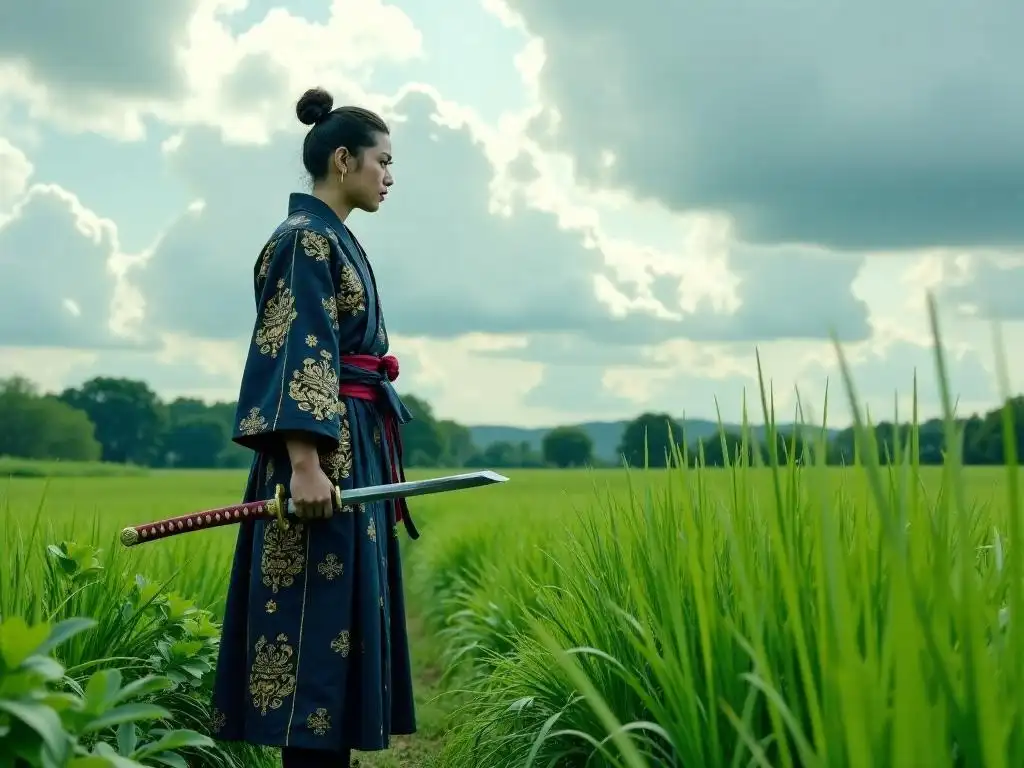
Takeda Shingen: Balancing Warfare and Family Life
Takeda Shingen, one of the most renowned samurai leaders of the 16th century, exemplified the delicate balance between warfare and family responsibilities. Known for his military prowess and strategic innovations, Shingen was also a devoted family man. Despite the demands of leading his clan in numerous battles, he prioritized the education of his sons, instilling in them the values of leadership and honor.
Shingen's approach to warfare was deeply rooted in the understanding that a strong family unit contributed to the stability of his clan. He often sought to negotiate alliances through marriages and respected the roles of women in his family, acknowledging their influence in maintaining household harmony. This balance between martial duty and familial loyalty was a hallmark of his leadership style, allowing him to command respect on and off the battlefield.
Miyamoto Musashi: Innovations in Combat and Daily Responsibilities
Miyamoto Musashi, famed as one of Japan's greatest swordsmen, offers a unique perspective on the integration of combat and daily life. Renowned for his dual-wielding technique and strategic mind, Musashi also emphasized the importance of continuous learning and adaptation. His famous book, "The Book of Five Rings," reflects his philosophy on martial arts and life, advocating for the need to balance physical training with intellectual growth.
Musashi's life was marked by wanderings and challenges, yet he maintained a discipline that extended beyond swordsmanship. He practiced painting and calligraphy, recognizing that the arts were essential to a well-rounded samurai life. His ability to innovate in combat while attending to personal development underscores the importance of versatility in the daily lives of samurai.
Lessons Learned from Their Lives
The lives of Takeda Shingen and Miyamoto Musashi illustrate critical lessons about the harmony between the samurai's martial duties and their everyday responsibilities.
- Integration of Roles: Both samurai exemplified how one could integrate the roles of a warrior and a family member, highlighting the importance of personal relationships in maintaining a balanced life.
- Continuous Learning: The emphasis on learning—whether through martial skills or artistic pursuits—demonstrates the samurai's commitment to personal growth, which is essential in both warfare and daily existence.
- Philosophical Depth: Their reflections on life and death reveal a profound understanding of existence that transcended mere combat, enriching their lives and the lives of those around them.
The experiences of these notable samurai provide valuable insights into the complexities of balancing combat with daily responsibilities, showcasing the rich tapestry of samurai life that extends far beyond the battlefield.
Conclusion: The Legacy of Samurai Daily Life and Warfare
The legacy of the samurai extends far beyond the battlefield, deeply influencing Japan's cultural, social, and political landscapes. Their daily lives, characterized by a strict adherence to the bushido code, exemplified values such as honor, loyalty, and discipline. This duality of existence—balancing the demands of warfare with the responsibilities of civilian life—shaped not only the samurai class but also the broader societal framework of feudal Japan.
In modern times, the samurai's influence is evident in various aspects of Japanese culture, from martial arts to literature, and even in contemporary business practices, where principles of loyalty and dedication remain paramount. The art of war, honed through centuries of conflict, is now preserved in cultural traditions, festivals, and educational systems, ensuring that the samurai's legacy continues to resonate with future generations.
The Enduring Influence of Samurai Culture on Modern Japan
Samurai culture has left an indelible mark on Japan, with its principles and aesthetics permeating various facets of contemporary life. The samurai's emphasis on discipline and self-improvement is mirrored in practices such as Zen Buddhism and the tea ceremony, which continue to be integral to Japanese identity. Furthermore, the samurai's storied past has inspired countless works of art, literature, and film, illustrating the romanticized yet complex nature of their existence.
In addition, modern Japan's corporate culture often reflects samurai values, particularly in the emphasis on loyalty, teamwork, and perseverance. Business leaders frequently draw upon the samurai ethos to motivate their teams, fostering a sense of commitment and honor within the workplace. As Japan navigates the challenges of a rapidly changing global landscape, the lessons of the samurai remain relevant, guiding individuals and organizations in their pursuit of excellence.
Final Thoughts on the Balance of Combat and Daily Responsibilities
The samurai's ability to balance the rigors of combat with the demands of daily life serves as a compelling narrative of resilience and adaptability. This balance was not merely a necessity for survival; it was a reflection of their multifaceted identity as both warriors and community leaders. Through rigorous training, philosophical introspection, and a commitment to service, samurai cultivated a lifestyle that emphasized the importance of harmony between martial prowess and civic duty.
As we reflect on the complexities of samurai life, it becomes clear that their legacy is not solely about warfare but encompasses a rich tapestry of cultural and social responsibilities. The ideals they upheld resonate with those seeking to find equilibrium in their own lives, illustrating timeless principles that transcend historical context.
Additional Resources for Learning About Samurai
For those eager to delve deeper into the world of the samurai and their intricate relationship with daily life and warfare, a wealth of resources is available. These include books, documentaries, films, and online courses that provide varying perspectives on this fascinating subject.
Recommended Books on Samurai Life and Warfare
- "Bushido: The Soul of Japan" by Inazo Nitobe: A seminal work that explores the ethical code of the samurai and its implications on Japanese society.
- "Samurai: The World of the Warrior" by John M. Manjiro: This book offers a comprehensive overview of samurai history, culture, and the art of warfare.
- "The Book of Five Rings" by Miyamoto Musashi: Written by one of Japan's most renowned swordsmen, this text delves into the philosophy and strategies of combat.
Documentaries and Films Depicting Samurai Culture
- "Samurai: Behind the Blade": A documentary that investigates the life of samurai warriors and their impact on Japanese history.
- "The Last Samurai": A film that, while fictionalized, captures the essence of the samurai's struggle during the Meiji Restoration.
- "The Twilight Samurai": This film portrays the daily life of a low-ranking samurai, blending elements of combat with personal challenges.
Online Courses and Lectures on Feudal Japan History
- "Japanese History: The Samurai Era": (available on various online learning platforms): This course covers the rise and fall of the samurai class within the broader context of Japanese history.
- "Warriors of Japan: The Samurai": An engaging lecture series that examines the sociopolitical roles of samurai throughout different periods.
- "The Art of the Samurai: Culture and History": A course that explores not only the martial aspects but also the cultural contributions of the samurai to Japanese society.
These resources provide an excellent starting point for anyone interested in understanding the complexities of samurai life and their enduring influence on Japanese culture.
- Introduction to Samurai Daily Life and Warfare
- Overview of Samurai Culture in Feudal Japan
- Importance of Balancing Combat and Daily Tasks
- The Dual Responsibilities of a Samurai
- Warfare in the Life of a Samurai
- Integrating Combat and Daily Life
- The Psychological Impact of Warfare on Samurai
- Case Studies of Notable Samurai
- Conclusion: The Legacy of Samurai Daily Life and Warfare
- Additional Resources for Learning About Samurai
Frequently Asked Questions
What was the daily life of a samurai like in feudal Japan?
The daily life of a samurai involved a balance between combat training, administrative duties, and cultural pursuits. They practiced martial arts, managed land, and engaged in arts such as calligraphy and poetry.
How did samurai approach warfare during their era?
Warfare for samurai was not solely about battle; it involved strategic planning, understanding of battlefield tactics, and the use of various weapons. They adhered to a code of honor, emphasizing loyalty and bravery.
What role did Bushido play in a samurai's life?
Bushido, the way of the warrior, was a moral code that guided samurai behavior. It emphasized virtues like honor, courage, and self-discipline, which shaped both their combat actions and daily responsibilities.
How did samurai manage their time between warfare and daily duties?
Samurai often divided their time through a structured routine, dedicating mornings to training and afternoons to administrative tasks. This balance allowed them to remain prepared for combat while fulfilling their obligations.
What cultural activities did samurai engage in apart from combat?
Aside from combat, samurai participated in activities such as tea ceremonies, flower arranging, and martial arts practice. These pursuits reflected their commitment to aesthetic refinement and spiritual development.
Final Reflection: The Harmony of Samurai Life and Warfare
The essence of the Samurai's existence lies in their remarkable ability to intertwine the rigors of combat with the nuances of daily life. In today's fast-paced world, where the pressures of work and personal responsibilities often clash, the Samurai's philosophy offers a timeless lesson on balance and discipline. Their commitment to mastering both the art of war and the art of living serves as a powerful reminder that true strength is not merely found in the battlefield, but also in the quiet moments of everyday life.
Culture and society continue to be shaped by the ideals of the Samurai, who exemplified a unique blend of honor, duty, and mindfulness. Their legacy influences modern practices in martial arts, leadership, and personal development, encouraging individuals to cultivate resilience and focus in all aspects of life. As the renowned philosopher Miyamoto Musashi once stated, The ultimate aim of martial arts is not having to use them.
This perspective reflects the Samurai's understanding that mastery over oneself is the greatest victory, a principle that resonates deeply in our contemporary struggles for balance and purpose.
As you reflect on the lessons drawn from the Samurai's dual commitment to warfare and daily responsibilities, consider how you can integrate these principles into your own life. Embrace the challenge of finding harmony between your ambitions and your everyday tasks. Whether it's through mindfulness practices, disciplined routines, or fostering a sense of honor in your actions, let the wisdom of the Samurai inspire you to navigate your own path with grace and strength. The journey toward balance is ongoing, and every small step you take can lead to profound transformation.
Embrace the Samurai Spirit: Balance Your Life Today!
Thank you for exploring the fascinating world of the samurai and discovering how their principles of balance can influence modern life. By understanding the integration of discipline and daily responsibilities, you've begun a journey toward a more harmonious existence. Now, it's time to put those insights into action!
Here are some steps you can take to embody the samurai spirit in your own life:
- Prioritize your tasks: Create a daily list of responsibilities, organizing them by importance—just as a samurai would prepare for battle. Focus on what truly matters!
- Incorporate mindfulness: Dedicate a few minutes each day to meditate or reflect on your commitments, helping you maintain clarity and calm amidst life's chaos.
- Join our community: Share your experiences and strategies for balance on our forums at Feudal Japan History . Engaging with others can inspire new ideas and support your journey!
As you strive for balance, consider this: What aspects of your life could benefit from a samurai’s discipline and focus? Share your thoughts in the comments below!