
The Morning Rituals of the Samurai: A Glimpse into Their Daily Lives

Welcome to Feudal Japan History, where we invite you to embark on a captivating journey through the intricate tapestry of Japan’s feudal era. Here, you will uncover the hidden facets of a time defined by honor, tradition, and the legendary warrior class known as the samurai. In our featured article, "The Morning Rituals of the Samurai: A Glimpse into Their Daily Lives," delve into the fascinating daily life rituals that shaped the identities of these noble warriors.
Prepare to be intrigued as we reveal the profound practices that not only defined their mornings but also their very existence. Explore with us and discover what it truly meant to be a samurai in this remarkable period of history.
Introduction to Samurai Daily Life Rituals
The samurai, often romanticized as noble warriors of Japan, led lives deeply rooted in tradition, discipline, and ritual. Central to their daily existence were the morning rituals that set the tone for their day, embodying their values and philosophies. These rituals were not mere habits but integral components of a samurai's identity, reflecting their commitment to bushido—the way of the warrior. In this article, we will delve into the intricacies of the morning routines of the samurai, exploring how these practices shaped their lives, influenced their duties, and contributed to the societal fabric of feudal Japan.
By examining the various elements of these rituals, we will shed light on the distinctive aspects of samurai culture, from their spiritual practices to their martial preparations. Whether it was through meditation, physical training, or the careful maintenance of their weapons, each morning offered samurai a chance to reconnect with their values and prepare mentally and physically for the challenges ahead.
Understanding the Importance of Morning Rituals in Samurai Culture
Morning rituals held significant weight in samurai culture, serving as a foundation for both personal discipline and a sense of community. These rituals were characterized by several key components:
- Meditation and Reflection:
- Many samurai began their day with a period of meditation. This practice allowed them to center their thoughts, focus on their intentions, and cultivate a calm mindset before embarking on the day's duties.
- Reflecting on their responsibilities and the tenets of bushido, samurai found clarity and purpose in their actions.
- Physical Training:
- Physical conditioning was paramount for samurai, who engaged in rigorous training each morning. This included sword practice, archery, and other martial arts.
- The emphasis on physical fitness not only prepared them for combat but also instilled a sense of discipline and readiness.
- Weapon Maintenance:
- The care of their weapons, particularly the katana, was a critical morning task. Samurai would meticulously clean and polish their swords, embodying respect for their tools and acknowledging their importance in battle.
- This act was often seen as a ritualistic practice, reinforcing the bond between the samurai and their weapon.
- Spiritual Offerings:
- Many samurai also included spiritual elements in their morning routines, such as offering prayers or incense to their ancestors and deities. This practice underscored their respect for tradition and the spiritual guidance they sought.
- Such rituals promoted a connection to their heritage and a sense of duty towards their family and clan.
The morning rituals of the samurai were far more than a series of tasks; they were a tapestry of beliefs and practices that defined their existence. Through these rituals, samurai cultivated the virtues of honor, courage, and discipline, essential traits that guided them throughout their lives in feudal Japan.
- Introduction to Samurai Daily Life Rituals
- Understanding the Importance of Morning Rituals in Samurai Culture
Historical Context of Samurai Daily Life
Overview of the Feudal Era in Japan
The feudal era in Japan, spanning from the late 12th century to the mid-19th century, was marked by the rise of powerful clans and the establishment of a warrior class known as the samurai. This period, often referred to as the "Shogunate Era," was characterized by a decentralized political structure where local lords, or daimyōs, held significant power and authority over their regions. The samurai served as the military nobility, adhering to a strict code of conduct known as Bushido, which emphasized loyalty, honor, and discipline.
During this time, Japan's social hierarchy was distinctly stratified:
- Emperor: Though often seen as a figurehead, the emperor was considered the spiritual leader of Japan.
- Shogun: The military ruler who held the real power, often commanding loyalty from the samurai.
- Daimyōs: Feudal lords who managed land and the samurai who served them.
- Samurai: The warrior class, serving the daimyōs and upholding the values of Bushido.
- Peasants and Artisans: The labor force that provided sustenance and goods for society.
The samurai's daily life rituals were deeply intertwined with this social structure, reflecting their responsibilities and the cultural values of the time. Their routines served not only to prepare them for battle but also reinforced their status and obligations within the feudal system.
The Role of Samurai in Japanese Society
The samurai were not merely warriors; they were also administrators, educators, and cultural figures within Japanese society. Their role extended beyond combat to include governance and community leadership. As retainers to the daimyōs, they were responsible for maintaining order, collecting taxes, and managing the affairs of their lord’s domain.
Key Aspects of Samurai Responsibilities
- Military Service: Samurai were expected to be ready for battle at any time, which influenced their daily rituals, including training, weapon maintenance, and strategic planning.
- Cultural Patronage: Many samurai engaged in the arts, such as poetry, tea ceremonies, and calligraphy, reflecting their education and refinement.
- Moral Exemplars: They were seen as paragons of virtue and discipline, expected to lead by example within their communities.
Daily Rituals and Practices
Samurai daily life rituals encompassed a range of practices that were both personal and communal:
- Morning Meditation: Often included quiet reflection and preparation for the day ahead, aligning with the Zen Buddhist influences prevalent during the feudal era.
- Physical Training: Rigorous exercise and martial arts practice were central to maintaining readiness for combat.
- Weapon Care: Ritualistic cleaning and sharpening of swords (katana) were not only practical but also held spiritual significance.
These rituals reinforced the samurai's identity and commitment to their duties, ensuring that they remained honorable and capable defenders of their lords and communities. Understanding these daily life rituals provides a profound insight into the cultural fabric of feudal Japan and the enduring legacy of the samurai in Japanese history.
Key Components of Samurai Morning Rituals
The morning rituals of the Samurai were not merely routines but a series of carefully orchestrated practices steeped in tradition, discipline, and philosophy. These rituals served to prepare the Samurai mentally and physically for the challenges of the day ahead. Understanding these components provides a deeper insight into the daily life of Samurai and their cultural significance.
The Ritual of Awakening: Rising with the Dawn
The Samurai's day typically began before dawn, a time valued for its tranquility and opportunity for reflection. This early rising was not just practical but symbolic, reflecting the Samurai's commitment to discipline and order.
- Time of Awakening: Most Samurai would rise around 4:00 AM, often before the sun had fully risen. This time was sacred, allowing them to start their day with peace and contemplation.
- Ceremony of Awakening: Upon waking, the Samurai would often engage in a brief ceremony, which included a moment of gratitude for the new day. This involved whispering prayers or intentions for the day ahead, reinforcing their purpose and resolve.
- Connection with Nature: Observing the dawn and listening to the sounds of nature were integral to this ritual. The Samurai believed that connecting with the natural world helped center their thoughts and promote mindfulness.
Meditation and Mindfulness Practices
Meditation played a crucial role in the Samurai's morning routine, serving as a means to cultivate focus, clarity, and inner peace.
- Zazen (Seated Meditation): Many Samurai practiced Zazen, a form of seated meditation that involved focusing on the breath and allowing thoughts to come and go without attachment. This practice refined their mental discipline and prepared them for the day’s challenges.
**Steps of Zazen:**
1. Find a quiet space.
2. Sit cross-legged on a cushion.
3. Keep the back straight and hands in a mudra.
4. Focus on the breath.
- Chanting and Mantras: Some Samurai incorporated chanting into their meditation. By reciting specific mantras or prayers, they sought to align their intentions with their actions, reinforcing their resolve and purpose as warriors.
- Mindful Movement: Following meditation, Samurai often practiced Tai Chi or other forms of mindful movement. These exercises not only promoted physical health but also enhanced mental focus and readiness for combat or daily duties.
The Significance of Personal Grooming and Attire
Personal grooming and attire were vital components of the Samurai morning rituals, reflecting their status and commitment to discipline.
-
Grooming Rituals: Samurai placed great importance on personal appearance. Daily grooming included washing the face, combing hair, and maintaining facial hair. This attention to detail fostered a sense of pride and readiness.
- Hair Styles: The traditional topknot (chonmage) was a significant hairstyle for Samurai, symbolizing their warrior status. The grooming of the chonmage was often a ritual in itself, representing their readiness for battle.
-
Donning Armor and Attire: The Samurai's choice of clothing was not just about aesthetics but also about functionality and symbolism.
Attire Type Significance Kimono Daily wear symbolizing honor Hakama Wide trousers for ease of movement Armor Protection and readiness for battle -
Final Preparations: The dressing ritual often concluded with the Samurai checking their weapons and armor, ensuring everything was in place. This meticulous preparation reinforced the importance of readiness, both mentally and physically.
The morning rituals of the Samurai—ranging from their awakening practices to meditation and grooming—were essential to shaping their identities as disciplined warriors. These rituals not only prepared them for the day but also connected them deeply to their culture and philosophy, providing a framework for their daily lives.
Morning Exercises: Physical Conditioning for Samurai
The morning exercises of the samurai were not just a routine; they were a vital part of their daily life that emphasized both physical conditioning and mental discipline. These exercises, known as kiai, were essential for maintaining the warriors’ agility, strength, and readiness for battle. Samurai believed that a strong body was crucial for a strong mind, and thus, these rituals formed the bedrock of their martial prowess.
One of the primary components of these morning exercises was the practice of bujutsu, which encompasses various martial arts techniques. Samurai engaged in rigorous training sessions that included:
- Swordsmanship: Practicing with the katana and other weapons was fundamental. This involved repetitive forms ( kata) that honed their skills and reflexes.
- Archery: Target practice was essential, as archers played a crucial role in battles. Early morning light provided the perfect conditions for precision shooting.
Additionally, these exercises often incorporated elements of physical fitness such as:
- Calisthenics: Movements like stretches, jumps, and bodyweight exercises helped to enhance flexibility and strength.
- Running: Endurance training was vital, as it prepared samurai for the physical demands of combat and travel.
The samurai also practiced zen meditation as part of their morning rituals, which not only calmed the mind but also improved focus and concentration. By integrating physical conditioning with mental training, samurai were able to foster a harmonious balance necessary for their roles as warriors.
Moreover, the communal aspect of these exercises fostered camaraderie among samurai. Training together in the early hours of the day encouraged bonding and mutual respect, reinforcing the bushido code that governed their conduct. Overall, morning exercises were more than mere physical activity; they were a sacred ritual that prepared the samurai for the challenges ahead, embodying their dedication to both body and spirit.
Spiritual Aspects of Samurai Morning Rituals
The morning rituals of the samurai were not merely practical routines; they were steeped in spiritual significance that reflected their values, beliefs, and the intricate nature of their societal roles. These rituals were a blend of Shinto and Zen Buddhism, focusing on the harmony between the warrior's duties and spiritual enlightenment.
Ritualized Prayer and Offerings
Ritualized prayer was an essential component of the samurai's morning routine. Each day would begin with a series of prayers directed towards kami, the spirits or gods in Shinto belief. These prayers served multiple purposes:
- Seeking Protection: Samurai prayed for guidance and protection in battle, seeking favor from the deities.
- Expressing Gratitude: Rituals included offerings of rice, sake, and seasonal fruits at household altars, reflecting respect and gratitude towards the kami.
- Cleansing the Spirit: The act of prayer was also seen as a way to purify the samurai's spirit, preparing them for the challenges of the day.
In many households, a small shrine, or kamidana, was maintained where these offerings were made. This practice not only reinforced personal beliefs but also fostered a sense of community among samurai families.
Connection to Bushido: The Way of the Warrior
Bushido, the code of conduct followed by samurai, emphasized the importance of honor, loyalty, and discipline. Morning rituals were integral to embodying these principles.
- Meditation and Mindfulness: Many samurai engaged in meditation, focusing their minds and clearing distractions. This practice was critical for honing mental clarity and emotional control, essential traits for a warrior.
- Daily Affirmations: Some samurai would recite affirmations or mantras that encapsulated their commitment to Bushido, reinforcing their values throughout the day. For instance, a common phrase might include concepts of courage, integrity, and self-discipline.
- Physical Preparation: The rituals often involved practices such as sword polishing and armor maintenance, which not only prepared them physically but also symbolized their readiness to uphold the tenets of Bushido.
Through these rituals, samurai aligned their daily lives with the spiritual and ethical frameworks that defined their existence.
Daily Reflections: Setting Intentions for the Day
The morning rituals culminated in a time of reflection, allowing samurai to set intentions for the day ahead. This practice was crucial for personal development and maintaining focus on their duties.
- Journaling: Some samurai kept journals where they would write down their thoughts, aspirations, and lessons learned. This act of writing served as a tool for self-reflection and growth.
- Contemplation of Actions: Samurai often spent time contemplating the potential outcomes of their actions throughout the day. This reflective practice helped them to approach situations with a clear and composed mindset.
- Commitment to Service: Ultimately, each morning ritual was a reaffirmation of their commitment to serve their lord and protect their domain. This commitment was deeply rooted in their identity and was reflected in their daily interactions.
By integrating these spiritual aspects into their morning rituals, samurai cultivated a profound sense of purpose and connection to both their duties as warriors and their inner selves. This holistic approach to daily life rituals not only prepared them for the physical challenges they would face but also enriched their spiritual journey.
Daily Responsibilities Following Morning Rituals

Following the morning rituals, the daily responsibilities of a samurai were both extensive and varied. These routines were not just about personal discipline; they were integral to the samurai's role as a warrior, leader, and member of society. The day typically began with meditation or prayers, fostering a mindset focused on honor and duty. After these rituals, samurai engaged in several critical activities that shaped their responsibilities and effectiveness in both combat and civilian life.
Preparing for Combat: Weapons and Armor Maintenance
One of the most crucial aspects of a samurai's daily life was the maintenance of their weapons and armor. This ritual not only ensured that their tools were in optimal condition but also reflected the samurai's honor and commitment to their craft.
Key Activities in Weapon and Armor Maintenance:
- Cleaning and Polishing Swords: Samurai spent considerable time sharpening and polishing their katana, a symbol of their status and prowess. This was often accomplished with a combination of special oils and cloths that enhanced the blade’s appearance and functionality.
- Inspecting Armor: Daily inspections were routine, ensuring that every piece of armor was intact and ready for battle. Samurai checked for wear and tear, making necessary repairs to maintain their protective gear.
- Practicing Techniques: Maintenance wasn't limited to physical upkeep. Samurai practiced daily techniques and forms (kata) to hone their skills. This included drawing the sword quickly and effectively, as well as various stances and movements essential in combat scenarios.
The act of preparing for combat was steeped in tradition, with many rituals surrounding the care of weapons. For instance, the ritual of wrapping the katana in a specific manner symbolized respect and readiness for battle.
Engaging in Household Duties: A Samurai’s Role
While often perceived solely as warriors, samurai were also responsible for various household duties that contributed to the well-being of their family and retainers. These responsibilities varied depending on the samurai's status and personal circumstances.
Typical Household Duties Included:
- Supervising Household Staff: Samurai oversaw the daily tasks of servants and retainers, ensuring that the household ran smoothly. This supervision included delegating chores, monitoring the production of food, and maintaining the estate.
- Education of Heirs: Educating their children in both martial and scholarly pursuits was a vital duty. Samurai taught their offspring the values of loyalty, honor, and the arts of warfare, preparing them for future responsibilities.
- Participating in Community Affairs: Samurai often took part in local governance and community events, reinforcing their role as leaders in society. This could involve mediating disputes or organizing local defenses.
Engagement in household duties was not seen as a distraction but rather as an essential part of a samurai's life, reflecting their multifaceted roles as both warriors and leaders within their communities.
Planning Strategic Military Engagements
Beyond daily chores and personal upkeep, samurai spent a significant portion of their time planning and strategizing for potential military engagements. This aspect of a samurai’s life was particularly pronounced during times of conflict.
Strategic Planning Activities:
- Analyzing Battlefield Conditions: Samurai would study the terrain and weather conditions to gain advantages over potential enemies. Understanding the battlefield was crucial for effective military strategy.
- Formulating Alliances: Building and maintaining alliances with other samurai or clans was vital. Samurai often engaged in discussions with peers to coordinate strategies and share intelligence.
- Conducting Drills: Regular military drills were essential to ensure that both the samurai and their troops were prepared for any engagement. These practices included formations, tactics, and the use of various weapons in combat scenarios.
The planning of military engagements was a complex process that required foresight, diplomacy, and tactical knowledge. Samurai were not only warriors but also strategists, ensuring their clan's success through careful consideration and preparation.
The daily responsibilities following the morning rituals of samurai were a blend of personal discipline, household management, and strategic military planning. Each aspect of their daily life reinforced their identity as warriors and leaders, deeply rooted in the values of honor and duty.
The Influence of Zen Buddhism on Samurai Morning Practices
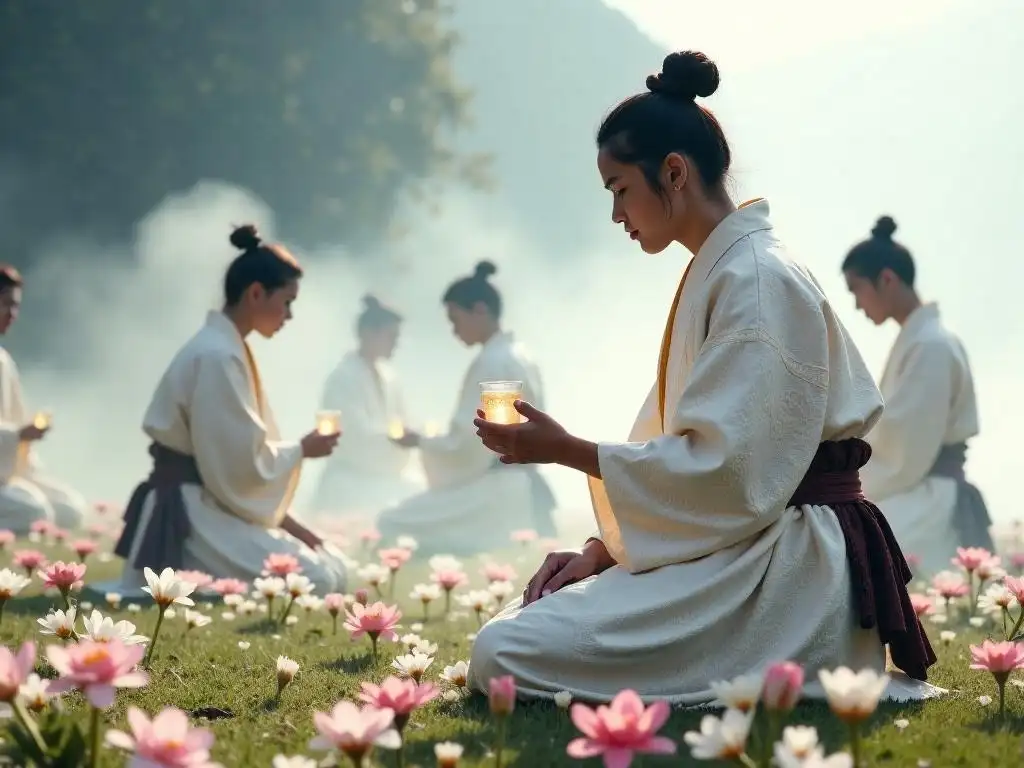
Introduction to Zen Principles in Samurai Life
Zen Buddhism played a pivotal role in shaping the daily lives of samurai during Japan's feudal era. Rooted in the Buddhist tradition, Zen emphasizes direct experience, meditation, and mindfulness, which resonated deeply with the samurai's pursuit of discipline and self-mastery. The samurai, as warriors and noblemen, sought not only to excel in martial skills but also to cultivate a profound understanding of their inner selves.
Key Principles of Zen Influencing Samurai:
- Mindfulness: The practice of being fully present in the moment, which enhanced focus during combat and everyday tasks.
- Simplicity: An appreciation for simplicity in all aspects of life, fostering a sense of peace and clarity.
- Transience: An acceptance of the impermanent nature of life, which encouraged samurai to live honorably and with purpose.
The integration of these Zen principles into their morning rituals facilitated a structured and meaningful start to the samurai's day, aligning their physical and mental states for the challenges ahead.
Meditation Techniques Adopted by Samurai
Meditation was an essential component of the samurai's morning rituals, providing them with a mental clarity and emotional balance necessary for both warfare and daily life. Various techniques were employed, often tailored to individual preferences and specific training regimens.
Common Meditation Practices:
- Zazen (Seated Meditation):
- Practiced in a quiet space, samurai would sit in a specific posture (usually cross-legged) and focus on their breath.
- This method helped cultivate concentration and fostered a sense of calm before engaging in the rigors of the day.
- Kinhin (Walking Meditation):
- A form of moving meditation, where samurai would walk slowly and mindfully, bringing awareness to each step.
- This practice not only served to maintain mental focus but also prepared the body for physical activities.
- Shikantaza (Just Sitting):
- A formless meditation approach where practitioners simply sit and observe thoughts without attachment.
- This technique encouraged the samurai to embrace the present moment, which was crucial for effective decision-making in battle.
By incorporating these meditation techniques into their morning routines, samurai were able to cultivate a heightened sense of awareness, enabling them to respond more effectively to the challenges they faced throughout the day.
The Impact of Zen on Daily Decision-Making
The influence of Zen Buddhism extended beyond meditation practices and permeated the samurai's decision-making processes. The principles of Zen instilled a profound sense of clarity and purpose, which informed their actions both on and off the battlefield.
Key Impacts on Decision-Making:
- Clarity of Thought: Regular meditation helped clear mental clutter, allowing samurai to approach decisions with a focused mind.
- Emotional Regulation: The acceptance of transience and the practice of mindfulness equipped samurai to manage their emotions, leading to more rational and calculated choices.
- Ethical Considerations: Zen teachings emphasized the importance of honor and integrity, guiding samurai to make decisions that aligned with their moral code and the expectations of their status.
In essence, the integration of Zen principles into their daily lives enabled samurai to navigate the complexities of their roles with grace and purpose, ensuring that their actions reflected both their warrior ethos and their commitment to personal growth.
Conclusion: The Legacy of Samurai Daily Life Rituals
The morning rituals of the samurai are not merely remnants of a bygone era; they represent a profound legacy that continues to resonate through Japanese culture and beyond. These rituals, steeped in discipline and spirituality, were pivotal in shaping the samurai's identity, instilling values of honor, loyalty, and mindfulness. As we reflect on their significance, it becomes clear that these daily practices were not only about physical preparation for the day but also about cultivating a mental state conducive to the samurai’s duties and responsibilities.
Reflection on the Importance of Rituals in Modern Context
In today's fast-paced world, the concept of rituals has evolved but remains relevant. Many individuals seek to incorporate structured activities into their daily routines to foster a sense of purpose and clarity. The samurai’s morning rituals—such as meditation, physical training, and self-reflection—serve as an inspiring model for modern practices.
- Mindfulness and Meditation: Just as samurai engaged in quiet contemplation to prepare their minds, contemporary practices like mindfulness meditation have gained popularity, promoting mental well-being and focus.
- Physical Training: The samurai’s emphasis on physical fitness is echoed in modern fitness regimes, where discipline and routine are essential for achieving personal goals.
- Ritual of Gratitude: The samurai often expressed gratitude to their ancestors and the cosmos, a practice that aligns with modern gratitude journaling, encouraging individuals to appreciate the present.
These examples illustrate how samurai daily life rituals can inform and enrich modern lifestyles, offering a framework for achieving balance and intentionality in a chaotic world.
How Samurai Morning Rituals Influence Contemporary Practices
The influence of samurai morning rituals can be observed in various aspects of contemporary life, particularly in Japan but also globally. Here are some ways these traditions have permeated modern practices:
- Cultural Ceremonies: Traditional ceremonies, such as tea ceremonies, still incorporate elements of mindfulness and respect akin to samurai rituals. The careful preparation and execution reflect the samurai's attention to detail.
- Martial Arts Training: Many martial arts disciplines, such as Kendo and Aikido, are deeply rooted in samurai traditions. Practitioners often start their training with rituals that honor the lineage and the philosophy of the samurai way of life.
- Corporate Practices: In the corporate world, the concept of kaizen (continuous improvement) echoes the samurai's pursuit of excellence through daily discipline and reflection. Companies often incorporate structured morning meetings or rituals to align teams and foster a culture of accountability.
- Personal Development: Self-improvement literature often draws from the samurai ethos, emphasizing the importance of daily rituals in cultivating discipline, focus, and resilience.
The integration of these practices into various facets of life demonstrates the enduring legacy of samurai rituals and their capacity to inspire contemporary individuals.
Additional Resources on Samurai Daily Life and Culture
For those interested in delving deeper into the daily lives of samurai and their rich cultural practices, the following resources provide valuable insights:
- Books:
- Hagakure: The Book of the Samurai by Yamamoto Tsunetomo - A classic text offering insights into the samurai's philosophy and way of life.
- The Samurai: A Brief History by Jonathan Clements - An accessible overview of the samurai's historical context and cultural impact.
- Documentaries:
- The Samurai: Warriors of Japan - A documentary that explores the history and rituals of the samurai, featuring expert interviews.
- Samurai: Behind the Blade - This film takes a closer look at the daily life and training of samurai warriors.
- Websites:
- The Samurai Archives - A comprehensive online resource dedicated to samurai history and culture.
- Edo Period Japan - Provides insights into the cultural and social aspects of the Edo period, including samurai life.
By exploring these resources, readers can gain a more profound understanding of the samurai's daily life rituals and their significance in shaping not only the past but also contemporary culture.
Suggested Readings for Further Exploration of Samurai Traditions
To deepen your understanding of the daily life rituals of samurai and the broader context of their traditions, consider exploring the following recommended readings. Each book and resource provides unique insights into the cultural, historical, and social aspects of the samurai lifestyle.
-
"Hagakure: The Book of the Samurai" by Yamamoto Tsunetomo
This classic text, written in the early 18th century, serves as a guide to the samurai code of conduct. It encompasses various aspects of their daily lives, including rituals, philosophy, and the importance of loyalty and honor.
-
"The Samurai: A Military History" by Jonathan Clements
This comprehensive account covers the evolution of samurai culture, including their daily routines and rituals. Clements provides historical context, making it easier to understand the significance of these practices within the feudal society of Japan.
-
"Samurai: The Story of a Warrior Tradition" by David A. Young
Young's work examines the samurai as a cultural symbol and delves into their daily lives, including rituals surrounding combat, training, and personal discipline. This book highlights the duality of their existence as both warriors and adherents of a strict ethical code.
-
"The Book of Five Rings" by Miyamoto Musashi
Written by one of Japan's most famous swordsmen, this text not only covers martial strategies but also offers insights into the mindset and daily practices of a samurai. Musashi emphasizes the importance of mental discipline, which was integral to their rituals.
-
"The Soul of the Samurai: Modern Translations of Three Classic Works of Zen & Bushido" by Thomas Cleary
This compilation includes translations of key texts that shape the samurai's spiritual and ethical framework. It explores how Zen Buddhism influenced their daily life rituals and overall philosophy.
-
"Bushido: The Soul of Japan" by Inazo Nitobe
Nitobe's work provides an understanding of the ethical principles that guided the samurai. It is essential for anyone interested in the cultural implications of samurai daily life rituals and their lasting legacy in Japanese society.
-
"Samurai Women: The Japanese Feminine in a Historical Context" by Christine de Pizan
This book offers a unique perspective on the roles of women within samurai society. It touches on the daily life rituals of both samurai men and women, providing a more comprehensive view of the cultural practices of the era.
These readings will not only enhance your knowledge of samurai daily life rituals but also provide a broader understanding of their significance in Japanese history and culture. Whether you are a history enthusiast or a casual reader, these resources are invaluable for anyone looking to explore the rich tapestry of samurai traditions.
Frequently Asked Questions
What were the key components of the Samurai's morning rituals?
The morning rituals of the Samurai typically included meditation, physical training, and spiritual practices to prepare themselves mentally and physically for the day.
How did these rituals influence Samurai culture?
These rituals were crucial in shaping the discipline and ethos of the Samurai, reinforcing their commitment to honor, loyalty, and self-control.
Were morning rituals the same for all Samurai?
While some common elements existed, the morning rituals could vary based on social status, region, and individual schools of thought, leading to unique practices among different Samurai.
How did the morning rituals reflect the Samurai's values?
The morning rituals emphasized self-discipline, inner peace, and a strong sense of duty, all of which were essential values in Samurai society, fostering a deep sense of purpose.
Can modern practices be traced back to Samurai daily life rituals?
Yes, many modern practices in Japan, such as meditation and martial arts, have roots in Samurai daily life rituals, showcasing the lasting influence of their cultural heritage.
Final Reflection: Embracing the Wisdom of Samurai Daily Life Rituals
The daily life rituals of the Samurai are not merely historical remnants; they resonate profoundly with our contemporary quest for balance and purpose. In a world that often feels chaotic and fast-paced, the Samurai's commitment to discipline, mindfulness, and intentionality serves as a powerful reminder of the importance of cultivating our own daily practices. The rituals they embraced were not just routines; they were pathways to self-mastery and inner peace, offering us a blueprint for navigating our modern lives with clarity and focus.
The influence of Samurai daily life rituals extends far beyond the pages of history, shaping cultural values and personal philosophies across generations. In our current society, where distractions abound and the pace of life can be overwhelming, the Samurai's dedication to ritualistic practices encourages us to pause, reflect, and reconnect with our core values. As the philosopher and Samurai, Yamamoto Tsunetomo, once said, The way of the Samurai is found in death.
This profound statement urges us to live each day with intention, reminding us that embracing our mortality can lead to a more meaningful existence.
As we conclude our exploration of the Samurai's morning rituals, I invite you to reflect on your own daily practices. What rituals can you cultivate to bring more mindfulness and purpose into your life? Whether it's through meditation, journaling, or simply taking a moment to appreciate your surroundings, consider how you can embody the spirit of the Samurai in your everyday routine. By integrating these lessons into our lives, we can forge a deeper connection with ourselves and the world around us, ultimately leading to a more fulfilling and harmonious existence.
Elevate Your Morning: Embrace the Samurai Way!
Thank you for diving into the intriguing world of Samurai morning rituals! You've uncovered the essence of discipline and intentional living that made these warriors extraordinary. Now, it's your turn to harness that inspiration and transform your own mornings.
- Start your day with a mindful morning ritual: Whether it’s meditation, physical activity, or reflective writing, select a practice that resonates with your aspirations and dedicate yourself to it.
- Explore the philosophy of the Samurai: Delve into their values and beliefs to enhance your understanding—consider incorporating some of these principles into your own life.
- Share your journey: Connect with our community by showcasing your morning ritual on social media or in the comments below. Motivate others to embark on their own journeys!
What new routine will you embrace this week that could redefine your mornings in the spirit of the Samurai?