
The Evolution of Japanese Sauces: Soy Sauce and Beyond

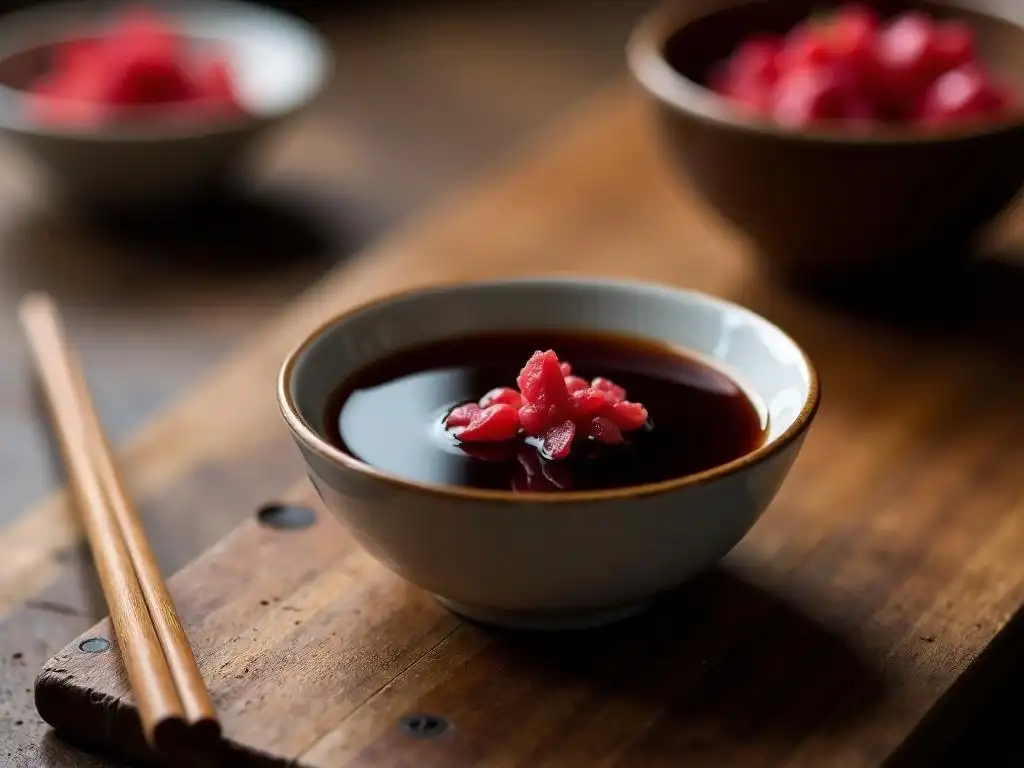
Welcome to Feudal Japan History, where we invite you to embark on an intriguing journey through the captivating tapestry of Japan’s feudal era. Dive deep into the rich historical, cultural, and societal aspects that shaped this remarkable period. In today’s exploration, we unravel the fascinating history and usage of Japanese sauces, including the beloved soy sauce, and how these culinary staples reflect the daily life and social fabric of feudal Japan. What secrets do these sauces hold? Join us as we uncover the flavors that have transcended time and continue to influence Japanese cuisine today. Your adventure awaits!
Introduction to Japanese Sauces History and Usage
The history of Japanese sauces is a fascinating journey that intertwines with the broader narrative of Japan's culinary traditions. From the ancient practices of fermentation to the sophisticated flavors that define modern Japanese cuisine, sauces are an integral part of this evolution.
This article delves into the rich tapestry of Japanese sauces history and usage, exploring how these condiments have shaped and been shaped by the cultural and societal changes throughout Japan's feudal era and beyond. Understanding the origins and transformations of sauces such as soy sauce, miso, and others provides valuable insights into daily life and the culinary practices that have been passed down through generations.
Overview of Japanese Culinary Traditions
Japanese cuisine is renowned for its emphasis on seasonality, simplicity, and the natural flavors of ingredients. Key principles of Japanese culinary traditions include:
- Umami: Often referred to as the "fifth taste," umami is a fundamental component in many Japanese sauces, enhancing the overall flavor profile of dishes.
- Balance: Dishes are crafted to achieve a harmonious balance of flavors, colors, and textures, with sauces playing a crucial role in this synergy.
- Presentation: The aesthetic aspect of food is highly valued, and sauces are often used not only for flavor but also for visual appeal.
These traditions have been influenced by various factors, including geography, climate, and historical events, leading to a diverse array of sauces that complement Japan's unique ingredients.
Importance of Sauces in Japanese Cuisine
Sauces are not merely condiments in Japanese cuisine; they are vital components that elevate dishes to new heights. They contribute to:
- Flavor Enhancement: Sauces like soy sauce and ponzu add depth and complexity, making dishes more enjoyable.
- Culinary Versatility: Different sauces cater to various cooking methods and ingredients, providing endless possibilities for creativity in the kitchen.
- Cultural Significance: Many sauces have historical and cultural roots, representing regional specialties and traditional practices.
Understanding the role of sauces is essential for appreciating Japanese cuisine as a whole, as they embody the principles and philosophies that define this culinary art.
The Historical Roots of Japanese Sauces
The development of Japanese sauces can be traced back to ancient times, reflecting the country's evolving culinary landscape.
Early Influences on Japanese Sauces
Japanese sauces were heavily influenced by ancient Chinese culinary practices. The introduction of fermentation techniques and seasoning methods laid the groundwork for the creation of sauces such as soy sauce. Additionally:
- Shōyu: The earliest forms of soy sauce emerged in Japan around the 7th century, evolving from Chinese recipes.
- Miso: Another key sauce, miso has roots in ancient Japan and was used as both a condiment and preservative.
These early influences set the stage for the rich variety of sauces that would develop over the centuries.
The Role of Trade in Sauce Development
Trade played a pivotal role in the evolution of sauces in Japan. As Japan engaged in trade with other countries, particularly during the Edo period (1603-1868), new ingredients and culinary techniques were introduced. Notable developments include:
- Introduction of Western Ingredients: The arrival of Dutch traders brought new flavors, leading to the adaptation of sauces to include ingredients like vinegar and spices.
- Cultural Exchange: Interactions with neighboring countries facilitated the exchange of culinary ideas, further enriching the diversity of sauces.
This dynamic exchange contributed to the refinement and innovation of Japanese sauces, making them distinct from their origins.
Key Historical Events Impacting Japanese Sauces
Several historical events significantly impacted the evolution of Japanese sauces, including:
- The Meiji Restoration (1868): This period marked Japan's rapid modernization and opened the country to Western influences, leading to the introduction of new sauces and flavors.
- Post-World War II Era: The reconstruction and globalization of Japan brought about new culinary trends, including the fusion of traditional sauces with international cuisines.
These events not only shaped the sauces themselves but also influenced how they are perceived and used in contemporary Japanese cooking. Understanding these historical contexts enriches our appreciation of Japanese sauces and their continued significance in today's culinary landscape.
Soy Sauce: The Cornerstone of Japanese Sauces
Soy sauce, or shoyu, stands as a hallmark of Japanese culinary tradition, revered not just for its flavor but also for its historical and cultural significance. A staple seasoning in Japanese cuisine, soy sauce is made through the fermentation of soybeans, wheat, salt, and water. This fermentation process not only develops its umami-rich flavor but also a complex aroma that enhances a wide array of dishes. The versatility of soy sauce allows it to be used as a marinade, dipping sauce, or cooking ingredient, making it an essential component of Japanese cooking.
The introduction of soy sauce to Japan is believed to have occurred during the Nara period (710-794 AD), primarily influenced by Chinese culinary practices. Over the centuries, soy sauce evolved into various regional styles, each with distinct flavor profiles and uses. As a reflection of Japan's agricultural practices and the local palate, soy sauce has become more than just a condiment; it embodies the meticulous attention to detail and craftsmanship that characterize Japanese cuisine.
Origins of Soy Sauce in Japan
The origins of soy sauce in Japan can be traced back to the introduction of similar fermented sauces from China. Historical records suggest that the earliest forms of soy sauce, known as jiang, were brought to Japan via trade routes. By the time of the Heian period (794-1185), Japanese artisans began adapting the production methods to incorporate local ingredients and preferences.
The first documented reference to soy sauce in Japan appears in the 7th century, but it wasn't until the Kamakura period (1185-1333) that it became widely popular. The production of soy sauce evolved further during the Muromachi period (1336-1573), when the brewing process was refined, leading to the creation of what we recognize today as shoyu.
Varieties of Soy Sauce: Shoyu, Tamari, and More
Japanese soy sauce comes in several varieties, each offering unique flavors and characteristics. The primary types include:
- Shoyu: The most common type, made from a mixture of soybeans and wheat. It is typically characterized by its balanced flavor and rich aroma.
- Tamari: Often gluten-free, tamari is made primarily from soybeans with little to no wheat. It has a thicker consistency and a deeper flavor, making it a favorite for dipping sauces and marinades.
- Usukuchi: A lighter soy sauce that is saltier than regular shoyu, often used in dishes where a darker color would be undesirable.
- Saishikomi: A double-fermented soy sauce that provides an intense flavor and is often used in high-end culinary applications.
These diverse varieties reflect regional preferences and cooking styles, contributing to the rich tapestry of Japanese cuisine.
Cultural Significance of Soy Sauce
Soy sauce holds a revered place in Japanese culture, symbolizing the essence of umami, the fifth taste that enhances the flavors of food. Beyond its culinary uses, it embodies the principles of balance and harmony that are central to Japanese aesthetics. The production of soy sauce is traditionally viewed as an art form, with many families passing down their unique recipes and brewing techniques through generations.
In Japanese households, soy sauce is often a centerpiece at meals, representing not just nourishment but also a connection to heritage and tradition. It plays a crucial role in seasonal festivals and ceremonies, highlighting its importance in the social fabric of Japanese life. As such, soy sauce is not merely an ingredient; it is a cultural artifact reflecting Japan's history and values.
Beyond Soy Sauce: Other Traditional Japanese Sauces
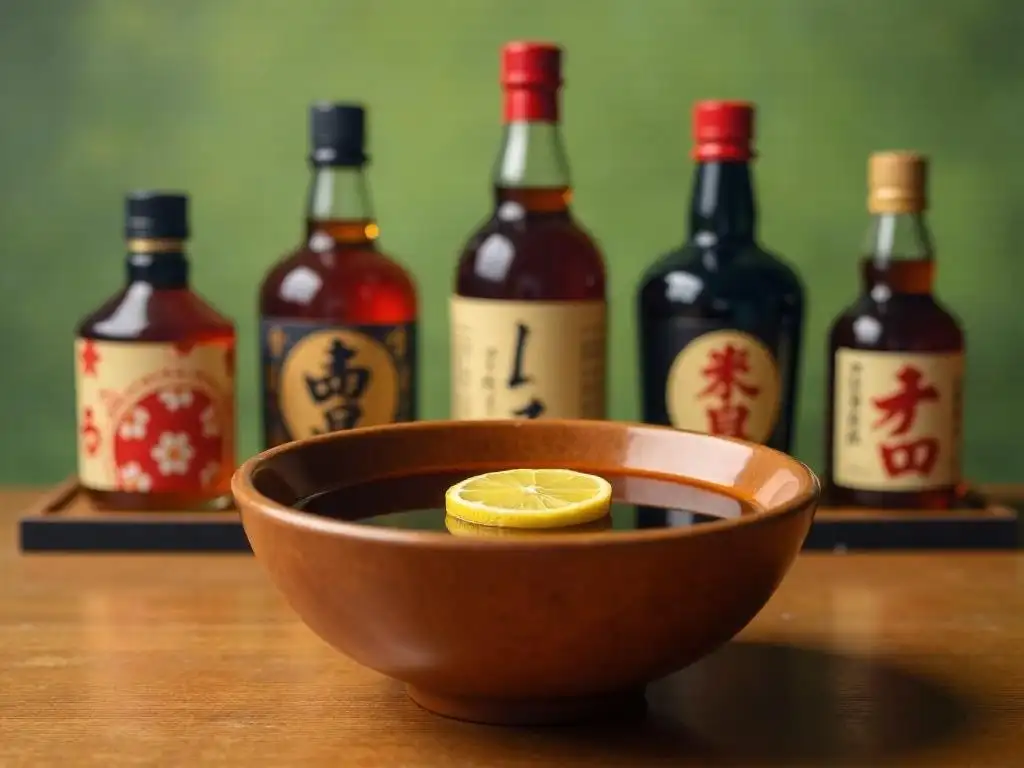
While soy sauce is often considered the cornerstone of Japanese sauces, there exists a diverse array of other traditional sauces that enrich the culinary landscape. Each sauce has its unique flavor profile and application, contributing to the overall complexity of Japanese cuisine.
Miso: The Fermented Paste and Its Uses
Miso, a fermented soybean paste, is another critical ingredient in Japanese cooking. With origins dating back over a thousand years, miso is made by fermenting soybeans with salt and a specific type of mold called koji. The resulting product can vary in flavor, color, and texture, ranging from sweet and light (white miso) to rich and salty (red miso).
Miso is used in a variety of dishes, most notably in miso soup, which is a staple in Japanese households. Additionally, it serves as a marinade for fish and meats, a seasoning for vegetables, and a base for sauces and dressings. Its versatility and health benefits, including probiotics, make it an essential component of a balanced diet.
Mirin: Sweet Rice Wine and Its Culinary Role
Mirin is a sweet rice wine that plays a vital role in Japanese cuisine, often used to add depth and sweetness to dishes. Made by fermenting glutinous rice, mirin has a lower alcohol content than sake, making it suitable for cooking. It contributes a subtle sweetness that balances savory flavors in various dishes like teriyaki and sukiyaki.
Mirin also acts as a glaze, giving dishes a beautiful sheen. Its unique flavor profile enhances the umami taste of ingredients, making it an indispensable sauce in traditional Japanese cooking.
Ponzu: The Citrus Soy Sauce Hybrid
Ponzu is a refreshing sauce that combines soy sauce with citrus juice, typically yuzu, lemon, or lime, along with vinegar and mirin. This zesty condiment adds a bright, tangy flavor to dishes and is often used as a dipping sauce for sashimi, shabu-shabu, and salads.
The balance of sweetness, acidity, and umami in ponzu makes it a versatile sauce that enhances the flavors of both raw and cooked foods. As Japanese cuisine continues to evolve, ponzu remains a beloved staple, showcasing the innovative spirit of culinary tradition.
Regional Variations in Sauce Usage
Japan's diverse geography and rich cultural tapestry have fostered a multitude of regional variations in sauce usage, particularly in relation to soy sauce and other traditional condiments. Each region boasts its unique culinary practices, influenced by local ingredients, climate, and historical interactions with neighboring cultures. This intricate web of local customs not only reflects the flavors of the land but also highlights the deep-rooted significance of sauces in Japanese cuisine.
Different Types of Soy Sauce Across Japan
Soy sauce, or shoyu, is perhaps the most iconic Japanese condiment, and its varieties are as varied as the regions that produce them. The main types of soy sauce found across Japan include:
- Koikuchi: The most commonly used soy sauce, characterized by its balanced flavor and dark color. It is produced throughout Japan.
- Usukuchi: A lighter soy sauce, predominantly used in the Kansai region, known for its saltiness and delicate flavor, making it ideal for seasoning dishes without darkening their color.
- Tamari: Originating from the Chubu region, this soy sauce is made with little to no wheat, making it a popular choice for gluten-free diets. It has a rich, full-bodied flavor.
- Shiro: A white soy sauce, mainly produced in the Aichi Prefecture, it is known for its light color and mild taste, often used in dishes where a subtle flavor is desired.
Each type of soy sauce brings its unique qualities to various dishes, showcasing the regional preferences and culinary philosophies of Japan.
Regional Specialty Sauces and Their Cultural Context
Beyond soy sauce, Japan is home to a variety of regional specialty sauces that highlight local ingredients and culinary traditions. For instance:
- Yuzu Kosho: A spicy citrus paste from Kyushu, made with yuzu citrus and green or red chili peppers, often served with grilled fish and meats.
- Miso: While not a sauce in the traditional sense, miso varies significantly across regions, such as the sweet red miso from Nagoya, which is used in local specialties like hitsumabushi (grilled eel).
- Nasu Dengaku Sauce: Originating from the Kanto region, this sweet miso glaze is commonly used on grilled eggplant and reflects the region's love for umami-rich flavors.
These specialty sauces are not only integral to the regional cuisines but also often carry cultural significance, connecting generations and preserving local culinary heritage.
The Influence of Local Ingredients on Sauce Flavor Profiles
The flavor profiles of Japanese sauces are deeply influenced by the local ingredients available in each region. For example:
- In coastal areas, the abundance of seafood leads to the incorporation of ingredients like kombu (kelp) and dried bonito flakes into sauces, enhancing umami.
- In agricultural regions, local produce such as shiso leaves, yuzu, and various types of mushrooms are often integrated into sauces, providing distinct flavors that reflect the land’s bounty.
- Seasonal ingredients also play a crucial role, with sauces adapting to highlight the freshest offerings of each season, such as using fresh bamboo shoots in spring or persimmons in autumn.
This strong connection between local ingredients and sauce production not only enhances the culinary experience but also promotes sustainability by encouraging the use of what is readily available.
The Modern Adaptation of Japanese Sauces
As global culinary trends evolve, so too do Japanese sauces. The modern adaptation of these traditional condiments has seen them take on new forms and uses, expanding their relevance in contemporary cuisine.
Fusion of Traditional and Contemporary Cooking
Modern chefs are increasingly blending traditional Japanese sauces with global flavors and cooking techniques. This fusion can be seen in dishes such as sushi burritos or ramen burgers, where soy sauce is combined with ingredients like sriracha or truffle oil, creating unique flavor profiles that appeal to a broader audience. The use of ponzu sauce, a citrus-based condiment, has also gained popularity in various fusion dishes, showcasing the versatility of traditional sauces beyond their original contexts.
Global Popularity of Japanese Sauces
Japanese sauces have transcended their cultural origins and gained global popularity, largely due to the rise of Japanese cuisine outside Japan. Sushi restaurants, izakayas, and ramen shops around the world frequently utilize soy sauce, miso, and teriyaki, introducing these flavors to new audiences. This growing interest has led to increased demand for authentic Japanese sauces, prompting manufacturers to adapt and export traditional recipes to meet the global palate.
Innovations in Sauce Production and Usage
The modern culinary landscape has also spurred innovations in the production and usage of Japanese sauces. Advances in food technology have enabled the development of new fermentation processes, leading to quicker and more efficient production methods while maintaining traditional flavors. Additionally, the rise of health-conscious consumers has prompted the creation of low-sodium and organic versions of classic sauces, catering to dietary preferences without compromising taste. Innovative packaging and marketing strategies have further expanded the reach of these sauces, making them accessible to home cooks and chefs alike.
Through these adaptations and innovations, Japanese sauces continue to evolve, ensuring their place in both traditional and modern culinary practices.
The Future of Japanese Sauces
As we look ahead, the future of Japanese sauces is poised to evolve, integrating traditional practices with modern culinary trends. Globalization and the rise of fusion cuisine have introduced new ingredients and techniques that are influencing the way Japanese sauces are made and used. While classic sauces like soy sauce, miso, and ponzu remain staples in Japanese kitchens, innovative versions are emerging, such as organic and artisanal variants that cater to health-conscious consumers. Furthermore, the exploration of plant-based and gluten-free alternatives is gaining traction, reflecting a broader shift towards inclusivity in culinary practices.
Sustainability in Sauce Production
Sustainability is becoming increasingly important in the production of Japanese sauces. As awareness grows regarding environmental impacts, many manufacturers are adopting eco-friendly practices. This includes sourcing ingredients locally to reduce carbon footprints, utilizing organic farming methods, and implementing waste-reduction strategies in production processes. For example, some soy sauce producers are now fermenting in smaller batches to minimize waste and enhance flavor profiles. Additionally, initiatives to use sustainable packaging are on the rise, with companies moving towards biodegradable or recyclable materials, thus making a positive contribution to environmental conservation.
Trends in Japanese Sauce Consumption
Trends in Japanese sauce consumption are shifting, especially in urban areas where diverse culinary influences converge. There is a noticeable increase in the use of traditional sauces in non-Japanese dishes, showcasing their versatility. For instance, soy sauce is being integrated into marinades for grilled meats, salad dressings, and even as a condiment for international cuisines.
Furthermore, the popularity of Japanese cuisine worldwide has led to a greater appreciation for authentic sauces, prompting consumers to seek high-quality, artisanal products. Health trends are also influencing consumption patterns, with a rising interest in low-sodium and naturally brewed sauces that emphasize flavor without compromising health.
Preserving Traditional Techniques in Modern Cuisine
In the face of modernization, preserving traditional techniques in Japanese sauce production is essential. Craftspeople and chefs alike are committed to maintaining the art of fermentation, which is fundamental to many sauces. Workshops and culinary schools are increasingly offering classes that highlight these age-old methods, ensuring that the knowledge is passed down to future generations. Additionally, many chefs are incorporating traditional sauces into contemporary dishes, demonstrating that these flavors can enhance modern cuisine while honoring the past. This blend of old and new not only respects the cultural heritage but also keeps the culinary landscape dynamic and exciting.
Conclusion: The Enduring Legacy of Japanese Sauces
The legacy of Japanese sauces is one steeped in history, culture, and innovation. From the humble beginnings of soy sauce to the diverse range of condiments available today, these sauces have played a crucial role in shaping Japanese cuisine. Their ability to adapt and evolve while maintaining a connection to tradition speaks to their significance in both domestic and global culinary contexts.
Reflection on the Importance of Japanese Sauces in Culinary History
Japanese sauces are not merely condiments; they are a reflection of the country’s agricultural practices, regional ingredients, and culinary philosophies. Their historical significance is evident in how they have enhanced dishes, preserved food, and served as a means of cultural expression. The intricate fermentation processes and the balance of flavors found in these sauces illustrate the depth of knowledge and craftsmanship that has been honed over centuries. As culinary enthusiasts continue to explore and appreciate these flavors, the importance of Japanese sauces in culinary history remains profound.
Final Thoughts on the Evolution of Japanese Sauces
The evolution of Japanese sauces is an ongoing journey that bridges the past and the future. As global culinary landscapes continue to change, Japanese sauces adapt while still honoring their rich heritage. This dynamic evolution not only preserves the traditional essence of these sauces but also invites new interpretations and uses in modern cuisine. The future promises exciting developments in flavor, sustainability, and culinary creativity, ensuring that Japanese sauces will continue to be celebrated and enjoyed for generations to come.
References for Further Reading on Japanese Sauces History and Usage
To deepen your understanding of the history and usage of Japanese sauces, a variety of resources are available, including books, articles, and online platforms that provide valuable insights into this culinary tradition.
Recommended Books and Articles
-
"Japanese Cooking: A Simple Art" by Shizuo Tsuji
This comprehensive guide offers an in-depth look at Japanese cooking techniques, including the pivotal role of sauces like soy sauce and miso. The author provides historical context alongside practical recipes, making it a perfect blend of theory and application.
-
"The Book of Miso" by William Shurtleff and Akiko Aoyagi
This book delves into the history and varieties of miso, a key ingredient in many Japanese sauces. It explores its nutritional benefits, production methods, and diverse uses in Japanese cuisine, providing an extensive perspective on this essential condiment.
-
"Japanese Sauces: A Complete Guide" by Katsuji Tanabe
An essential read for anyone interested in Japanese cuisine, this book covers a wide range of sauces, detailing their origins, ingredients, and culinary applications. It includes recipes that highlight the versatility of these sauces.
-
Articles in "Japan Today" and "Nippon.com"
These platforms frequently publish articles that discuss various aspects of Japanese cuisine, including the evolution of sauces. They provide contemporary insights that connect historical practices with modern trends in Japanese cooking.
Online Resources and Documentaries on Japanese Cuisine
-
NHK World: "Japanese Food: The Authentic Taste"
This documentary explores traditional Japanese food, including segments dedicated to the sauces that enhance flavors in Japanese dishes. It presents interviews with chefs and local artisans, providing a rich context for the cultural significance of these sauces.
-
"The History of Japanese Cuisine" - YouTube Channel
This channel features a series of videos that explore the diverse history of Japanese food, including episodes focused on the development of essential sauces like soy sauce. The visual format makes it engaging and informative.
-
Websites like "Just One Cookbook" and "Japanese Cooking 101"
These websites offer a wealth of information on Japanese cooking techniques and recipes, including sections dedicated to sauces. They often include historical notes and tips on how to use these sauces in everyday cooking.
-
"Kikkoman's Official Website"
Kikkoman, a leading soy sauce manufacturer, provides a historical overview of soy sauce production, as well as recipes and usage tips. Their resources reflect the evolution of soy sauce within Japanese cuisine, offering a commercial perspective on its significance.
These resources will not only enhance your knowledge of Japanese sauces but also inspire you to explore the rich culinary heritage of Japan further. Whether through academic literature or engaging documentaries, each reference presents a unique angle on the significance of sauces in Japanese cuisine.
- Introduction to Japanese Sauces History and Usage
- The Historical Roots of Japanese Sauces
- Soy Sauce: The Cornerstone of Japanese Sauces
- Beyond Soy Sauce: Other Traditional Japanese Sauces
- Regional Variations in Sauce Usage
- The Modern Adaptation of Japanese Sauces
- The Future of Japanese Sauces
- Conclusion: The Enduring Legacy of Japanese Sauces
- References for Further Reading on Japanese Sauces History and Usage
Frequently Asked Questions
What is the significance of soy sauce in Japanese cuisine?
Soy sauce is a fundamental condiment in Japanese cooking, known for its rich umami flavor. It has been used for centuries and plays a crucial role in enhancing the taste of various dishes.
Are there other traditional Japanese sauces besides soy sauce?
Yes, there are several traditional sauces in Japan, including miso, teriyaki sauce, and ponzu. Each has its own unique flavor profile and usage in different dishes.
How has the production of Japanese sauces evolved over time?
The production methods of Japanese sauces have evolved significantly, transitioning from traditional fermentation techniques to more modern processes, which has influenced both flavor and availability.
What role do sauces play in Japanese culinary culture?
Sauces are essential in Japanese cuisine, often used to balance flavors and enhance the presentation of dishes. They are deeply intertwined with cultural practices and dining etiquette.
Where can I learn more about the history of Japanese sauces?
For a comprehensive exploration of Japanese sauces history and usage, the article "The Evolution of Japanese Sauces: Soy Sauce and Beyond" provides an in-depth analysis of their development and significance in culinary practices.
Final Reflection: The Rich Tapestry of Japanese Sauces and Their Enduring Legacy
The evolution of Japanese sauces is not just a culinary journey; it is a reflection of cultural identity and tradition that remains profoundly relevant today. As we explore the history and usage of these sauces, we uncover the intricate connections between food, culture, and community. The way these flavors have adapted and transformed over centuries speaks volumes about resilience and creativity in the face of change.
Culturally, Japanese sauces have influenced not only the culinary landscape of Japan but have also made significant inroads into global cuisine. The delicate balance of umami, sweetness, and acidity found in these sauces has inspired chefs and home cooks alike, fostering a deeper appreciation for Japanese culinary arts worldwide. Food is not just what we eat; it is a reflection of who we are.
This sentiment encapsulates the essence of how Japanese sauces serve as a bridge between tradition and modernity, enriching our dining experiences and inviting us to explore new flavors.
As you reflect on the rich history and diverse applications of Japanese sauces, consider how you can incorporate these flavors into your own culinary practices. Embrace the opportunity to experiment with these sauces, allowing them to inspire your creativity in the kitchen. Whether you are a seasoned chef or a curious home cook, let the lessons of tradition and innovation guide you as you explore the vast world of flavors that Japanese sauces offer.
Unleash Your Culinary Journey with Japanese Sauces!
Thank you for taking the time to explore the fascinating world of Japanese sauces with us! We hope you’ve discovered the rich history and culinary significance behind staples like soy sauce and its flavorful counterparts. Ready to bring that knowledge into your kitchen? Here are some exciting ways to dive deeper!
- Start experimenting with your own homemade Japanese sauce: Try creating a simple blend of soy sauce or venture into making teriyaki sauce to elevate your dishes.
- Share your culinary creations on social media using #FeudalJapanFlavors. Inspire others by showcasing your dishes and unique sauce recipes!
- Join local or online cooking classes to learn traditional Japanese cooking techniques that incorporate these versatile sauces. Engaging with a community can enhance your culinary skills and knowledge.
What sauce will you try first, and how will it transform your next meal? We’d love to hear about your experience!