
The Forgotten Fleets: Exploring Japan’s LesserKnown Naval Forces

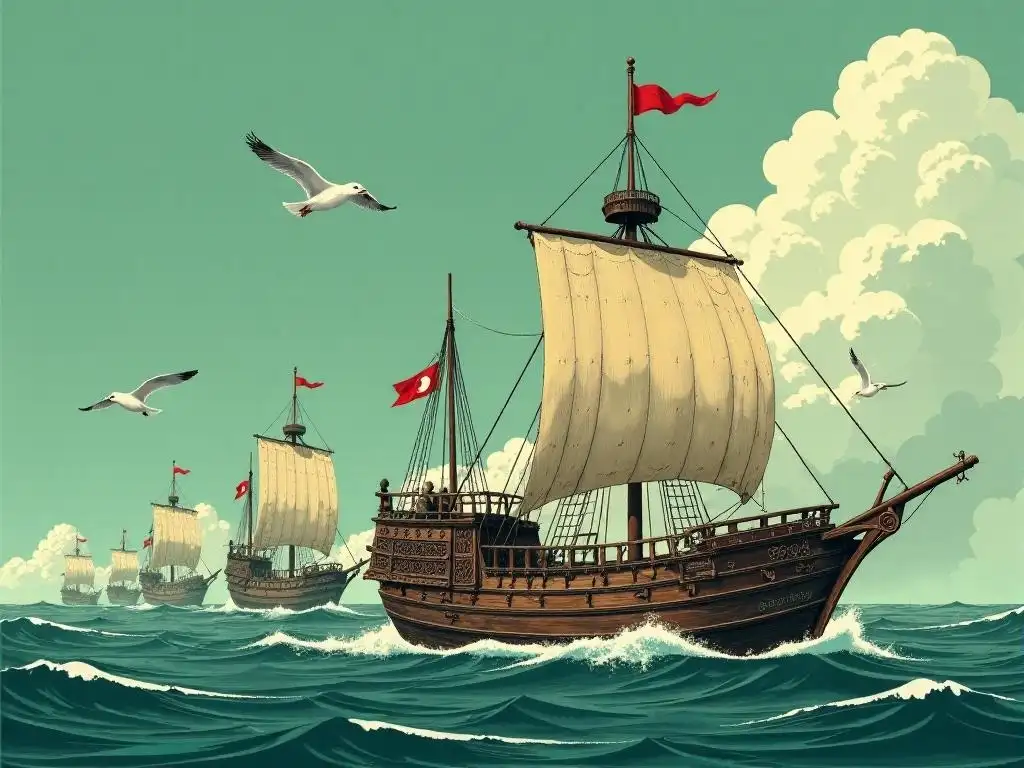
Welcome to Feudal Japan History! Prepare to embark on a captivating journey through the intricacies of Japan's feudal era, where history, culture, and society intertwine. In our latest article, “The Forgotten Fleets: Exploring Japan’s Lesser-Known Naval Forces,” we delve into the maritime legacies often overlooked in historical narratives. What secrets do these naval forces hold, and how did they shape the tides of Japan’s feudal conflicts? Join us as we unlock the mysteries of the past, revealing stories that will leave you eager to discover more about this fascinating period.
- Introduction to Japan’s Feudal Era Naval Forces
- The Development of Japan's Naval Forces in the Feudal Era
- Major Players in the Feudal Naval Landscape
- Exploring Japan’s Lesser-Known Naval Fleets
- Key Battles Involving Japan’s Lesser-Known Naval Forces
- Cultural and Societal Impacts of Naval Forces in Feudal Japan
- Conclusion: The Legacy of Japan’s Forgotten Naval Fleets
- References and Suggested Further Reading
-
Frequently Asked Questions
- What were the main features of Japan's feudal era naval forces?
- How did naval tactics evolve during the feudal era in Japan?
- What role did the samurai play in Japan's naval forces?
- What impact did Japan's lesser-known naval forces have on trade?
- How did the feudal system influence the development of naval forces in Japan?
- Final Reflection: Rediscovering Japan's Hidden Naval Legacy
- Unveil the Secrets of Japan's Naval Legacy!
The feudal era of Japan, spanning from the 12th to the 19th centuries, is often characterized by its iconic samurai culture, land-based conflicts, and the rise and fall of powerful clans. However, an equally significant yet frequently overlooked aspect of this period is the evolution and impact of Japan's naval forces. While the exploits of the samurai on land have captured the imagination of historians and the public alike, the maritime strategies and naval capabilities of feudal Japan reveal a complex and dynamic arena of warfare that played a crucial role in shaping the nation’s history.
This article delves into the lesser-known naval forces of Japan during the feudal era, exploring their development, operations, and contributions to Japan's military history. By examining these forgotten fleets, we uncover the intricacies of naval warfare that were essential to the supremacy of various clans and the protection of Japan's shores. Through an expert-driven exploration, we aim to shed light on this often-neglected facet of Japan's maritime legacy, enriching our understanding of the broader historical narrative.
Japan's naval history during the feudal era can be traced back to the Kamakura period (1185-1333), when the emergence of the samurai class coincided with the need for naval warfare. Notably, the Genpei War (1180-1185) marked the first significant conflict involving naval battles, where the Taira and Minamoto clans vied for control. The Taira clan, in particular, developed a formidable navy, utilizing large ships known as "atakebune."
Throughout the Muromachi period (1336-1573), piracy became rampant, with the Wokou (Japanese pirates) threatening coastal settlements. This led to the need for stronger naval defenses and the establishment of maritime trade routes. The introduction of Western naval technology in the late 16th century, particularly during the Sengoku period, transformed Japan's naval capabilities, enabling the construction of larger and more powerful vessels.
| Period | Key Developments |
|---|---|
| Kamakura | Emergence of samurai naval forces, Genpei War |
| Muromachi | Rise of piracy, establishment of coastal defenses |
| Sengoku | Introduction of Western naval technology |
| Edo | Consolidation of naval power under the Tokugawa shogunate |
While the grand narratives often celebrate the well-documented fleets of prominent clans, such as the famous Mitsubishi naval forces or the Tokugawa shogunate's maritime endeavors, the lesser-known naval forces played a pivotal role in Japan's military maritime landscape. These fleets were often composed of regional lords and local fishermen-turned-warriors who formed alliances and engaged in naval skirmishes that could significantly alter the power dynamics of the time.
The contributions of these lesser-known forces include:
- Local Defense: Many smaller clans relied on their naval capabilities to protect their territories from external threats, including pirate raids and rival clans.
- Trade and Diplomacy: Lesser-known naval forces were crucial for maintaining trade routes, facilitating diplomatic missions, and engaging in cultural exchanges with neighboring countries, such as Korea and China.
- Adaptation and Innovation: These forces often utilized unique tactics and ship designs that reflected their specific regional needs and resources, contributing to the overall evolution of Japanese naval warfare.
In understanding these elements, we gain a deeper appreciation for the complexity of Japan's feudal naval history and the crucial role played by all factions, not just the most celebrated ones. By exploring the dynamics of these forgotten fleets, we uncover the rich tapestry of maritime history that shaped Japan's identity and its interactions with the world.
The development of Japan's naval forces during the feudal era was a complex and gradual process shaped by various historical events, cultural influences, and technological advancements. Unlike other nations that heavily relied on large-scale naval fleets, Japan's approach to naval warfare was often characterized by smaller, agile vessels that suited its coastal geography and focused on various forms of maritime conflict.
The evolution of naval warfare techniques in feudal Japan can be traced through several notable periods, each contributing to the refinement of tactics and strategies used by Japan's naval forces.
- Early Maritime Conflicts:
- The Heian period (794-1185) saw the emergence of piracy and coastal raiding, with warriors utilizing small boats for quick strikes against rival clans and foreign invaders.
- Notable events, such as the Genpei War, illustrated the importance of naval engagements, as both the Taira and Minamoto clans sought control over key waterways.
- The Mongol Invasions:
- The Mongol invasions of 1274 and 1281 marked a significant turning point in naval warfare. The Japanese used their knowledge of local waters to launch surprise attacks and ultimately relied on the kamikaze (divine winds) to thwart the Mongol fleets.
- These invasions prompted the Japanese to enhance their naval tactics, focusing on defensive strategies that leveraged their familiarity with the maritime environment.
- The Sengoku Period:
- During the Sengoku period (1467-1603), naval warfare became more organized, with clans like the Miyoshi and Shimazu building larger fleets and employing coordinated strategies in battles.
- The introduction of fire ships—vessels laden with combustible materials—added a new dimension to naval battles, enabling commanders to disrupt enemy formations effectively.
- The Rise of the Tokugawa Shogunate:
- With the establishment of the Tokugawa Shogunate in 1603, the emphasis shifted towards consolidating power, leading to a period of relative peace. Consequently, naval forces were utilized mainly for trade protection and coastal defense, rather than large-scale combat operations.
Key Maritime Technologies of the Feudal Period
The technological advancements in maritime engineering during the feudal era played a crucial role in shaping Japan's naval forces. Here are some key technologies that defined this period:
- Ship Design:
- Japanese ships, known as atakebune, were primarily constructed from local woods, featuring a flat bottom and shallow draft, which allowed for easy navigation in coastal waters and rivers.
- The introduction of larger cargo vessels during the late feudal era facilitated trade and troop transport, enhancing Japan's logistical capabilities.
- Weaponry and Armament:
- Naval vessels were equipped with archery platforms and spear throwers, which allowed warriors to engage enemies from a distance.
- The emergence of cannons in the late 16th century marked a pivotal shift in naval armament, as these weapons began to be mounted on ships, changing naval dynamics significantly.
- Navigation Techniques:
- Japanese navigators utilized celestial navigation, along with knowledge of ocean currents and tides, to enhance their maritime voyages. This expertise was crucial for both trade and warfare.
- The use of maps and charts developed during this period improved route planning and strategic positioning during naval conflicts.
The evolution of naval warfare techniques and the development of maritime technologies during Japan's feudal era illustrate a rich tapestry of innovation and adaptation. These lesser-known facets of Japan's naval forces not only speak to the resilience and ingenuity of its warriors but also highlight the significance of maritime power in shaping the nation's history.
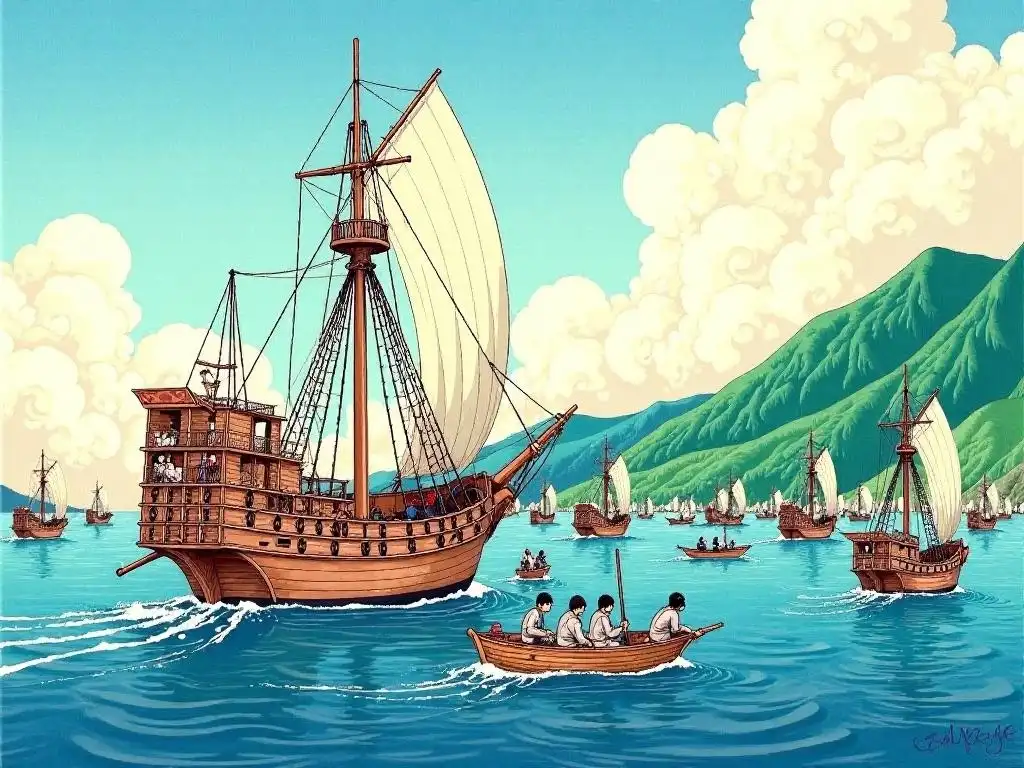
In the feudal era of Japan, naval forces played a significant role in the military strategies of various clans and the overall dynamics of power. While the samurai are often associated with land warfare, their maritime activities were crucial in shaping Japan's naval history. Understanding the major players in this landscape provides insight into the complexities of naval warfare during this period.
The samurai, traditionally recognized as elite warriors on land, also adapted their combat skills for naval engagements. Their involvement in naval warfare can be characterized by several key aspects:
- Training and Adaptation: Many samurai underwent training not only in swordsmanship but also in maritime tactics. They learned to navigate and fight aboard ships, thus extending their warrior ethos to the seas.
- Ship Design and Armament: The samurai contributed to the development of specialized vessels, such as the atakebune, which were large, flat-bottomed ships designed for both transport and combat. These ships were equipped with various weapons, including archery platforms and cannon-like devices.
- Naval Strategy: Samurai leaders often employed innovative strategies that combined traditional land tactics with naval maneuvers. For instance, they utilized formations that maximized their archery and close combat capabilities during boarding actions.
The samurai’s dual role as both land and naval warriors reflects the fluidity of military tactics in the feudal Japan era, showcasing their adaptability and strategic thinking.
Several prominent clans emerged as significant naval powers during Japan's feudal era. Each clan contributed uniquely to the evolution of naval warfare and left a mark on Japan's maritime history.
The Minamoto Clan and Their Naval Initiatives
The Minamoto clan was a pivotal player in early feudal Japan, particularly during the Genpei War (1180-1185) against the Taira clan. Their naval initiatives included:
- Forming Alliances: The Minamoto formed key alliances with coastal provinces, securing resources and support for their naval operations.
- Innovative Tactics: They employed tactics such as surprise attacks and flanking maneuvers, which were instrumental in their naval victories.
- Development of Naval Bases: The clan established bases along crucial waterways, enabling rapid mobilization and supply routes for their fleets.
These strategies not only solidified the Minamoto’s power but also showcased the importance of naval control in securing territorial dominance.
The Taira Clan’s Maritime Dominance
Contrasting with the Minamoto, the Taira clan emerged as a formidable naval power prior to the Genpei War. Their maritime dominance can be attributed to:
- Strong Naval Fleet: The Taira maintained a well-equipped navy, with ships that could engage in both coastal and open-sea battles.
- Control of Trade Routes: By dominating key maritime trade routes, the Taira clan significantly influenced economic activities, further enhancing their military capabilities.
- Cultural Influence: The Taira clan also promoted maritime culture through literature and storytelling, emphasizing the romanticized image of naval warfare in Japanese society.
Their legacy in naval warfare remains significant, demonstrating how control over the seas could translate into broader socio-political power.
The Influence of the Ashikaga Shogunate on Naval Power
The Ashikaga Shogunate (1336-1573) marked a transformative period for Japan's naval forces. Their influence can be summarized as follows:
- Centralization of Naval Operations: The Ashikaga established centralized control over various clans, leading to more coordinated naval operations and strategies.
- Promotion of Maritime Commerce: By encouraging trade with foreign nations, particularly with the Ming dynasty of China, the Ashikaga shogunate welcomed advancements in naval technology and strategy.
- Naval Warfare as a Political Tool: The shogunate utilized naval power to assert dominance over rival clans, deploying fleets as instruments of diplomacy as well as warfare.
This period signified a shift in how naval forces were perceived and utilized, laying the groundwork for future maritime endeavors in Japan.
The exploration of Japan's lesser-known naval forces reveals a rich tapestry of military history, intricately woven by the actions and strategies of various clans during the feudal era. Understanding the roles played by the samurai, as well as the notable clans and shogunate influences, highlights the significant yet often overlooked aspect of naval warfare in Japan's past.
The Ikko-Ikki, a formidable group of militant Buddhist sects during the late Muromachi period, played a significant role in Japan’s feudal era naval forces. Originating from the Jodo Shinshu sect, the Ikko-Ikki were primarily based in the Kanto and Hokuriku regions. Their influence extended beyond land battles, as they developed a naval presence to protect their interests and engage in conflicts against rival clans.
The Ikko-Ikki's naval engagements were characterized by their innovative tactics and use of small, agile ships known as sampans. These vessels allowed them to conduct raids and ambushes along the coasts and rivers, significantly impacting local power dynamics. One notable conflict was the Battle of Kizu, where the Ikko-Ikki faced off against the Ashikaga shogunate. Their naval maneuvers enabled them to exploit the river's geography, showcasing their strategic prowess.
Key Naval Tactics and Strategies
- Hit-and-Run Tactics: The Ikko-Ikki often employed guerrilla warfare strategies at sea, swiftly attacking enemy vessels and retreating before a counterattack could be mounted.
- Use of Fire Ships: They utilized fire ships to spread chaos and destruction among enemy fleets, a tactic that proved effective in several naval engagements.
- Cooperative Alliances: The Ikko-Ikki formed alliances with local lords and other factions, enhancing their naval capabilities through shared resources and intelligence.
The Role of Merchant Fleets in Feudal Japan
Merchant fleets were pivotal to the economy and military logistics of feudal Japan, serving as the backbone of trade and commerce during this era. These fleets were comprised of various types of vessels designed for transporting goods efficiently across Japan's inland seas and coastal waters.
The merchant marine not only facilitated the exchange of commodities such as rice, silk, and metals but also contributed to the naval forces by providing essential resources for warfare. During times of conflict, merchant vessels were often repurposed for military use, demonstrating their dual role in society.
Economic Impact of Trade and Commerce on Naval Forces
The prosperity of merchant fleets directly influenced the naval capabilities of feudal Japan. As trade flourished, so did the need for protection against piracy and rival factions. This led to several key developments:
- Investment in Naval Technology: Increased revenue from trade allowed merchants to invest in better ships and naval technology, enhancing their defensive and offensive capabilities.
- Formation of Guilds: Merchant guilds emerged, pooling resources to protect their interests and organize naval defenses. These guilds played a crucial role in coordinating efforts to fend off threats.
Notable Merchant Naval Battles
Several significant naval battles involved merchant fleets, highlighting their importance in the broader context of Japan's feudal era naval forces.
- The Battle of Taira: A decisive engagement where merchant fleets defended their trade routes against raiders, showcasing the impact of commerce on naval warfare.
- The Battle of Hirado: Involving both merchant and pirate vessels, this battle underscored the tensions between commerce and piracy in the waters surrounding Japan.
These battles exemplify how merchant fleets were not just passive participants in the economy but active players in the naval warfare of the feudal era, often shaping the outcomes of conflicts through their strategic engagements.
The history of naval warfare during the Japan feudal era is not solely defined by the well-documented exploits of prominent clans like the Minamoto and the Taira. Numerous lesser-known naval forces played crucial roles in shaping the maritime landscape of Japan. This section highlights significant battles and conflicts involving these often-overlooked fleets, shedding light on their strategic importance and the tactics employed.
The Battle of Dan-no-ura: A Detailed Analysis
The Battle of Dan-no-ura, fought in 1185, is a seminal moment in Japan's feudal naval history. This decisive confrontation marked the end of the Genpei War, a pivotal conflict between the Taira and Minamoto clans. Here’s a closer examination of the battle's dynamics:
- Location: The battle took place in the Shimonoseki Strait, a strategically vital waterway connecting the Seto Inland Sea with the East China Sea.
- Forces Involved: The Taira fleet, composed of approximately 500 ships, faced off against the Minamoto forces, which numbered around 300 vessels. Despite being outnumbered, the Minamoto navy was well-coordinated and adept at utilizing their smaller, faster ships.
- Tactics: The Minamoto employed a combination of archery and ramming tactics, capitalizing on their superior maneuverability. In contrast, the Taira relied on their larger ships, which were equipped for boarding actions.
- Outcome: The battle culminated in a catastrophic defeat for the Taira, leading to the clan's eventual downfall. Many Taira warriors, including the young Emperor Antoku, perished in the conflict, marking a significant shift in power towards the Minamoto clan.
The implications of this battle extended beyond the immediate loss; it signified the rise of samurai power and the establishment of the Kamakura Shogunate, fundamentally altering the course of Japanese history.
While the Battle of Dan-no-ura is often highlighted, other lesser-known naval conflicts also played vital roles in the feudal era. These skirmishes, though not as grand in scale, contributed to the tactical evolution of naval warfare in Japan.
- The Battle of Yashima (1184): Preceding Dan-no-ura, this battle saw the Minamoto forces engaging the Taira near the island of Yashima. The Minamoto's use of surprise and superior tactics allowed them to disrupt Taira supply lines, showcasing the importance of naval intelligence.
- Kōbō Daishi’s Naval Expeditions: In the 9th century, Kōbō Daishi (Kūkai) led various naval missions to promote Buddhism. His interactions with maritime trade routes highlight the dual role of naval forces in both warfare and cultural exchange.
These conflicts, while overshadowed by more famous battles, underscore the complexity of Japan's feudal naval landscape, demonstrating the interplay between military might and cultural influence.
The Role of Piracy in Feudal Naval Warfare
Piracy was a significant yet often romanticized aspect of naval warfare during the Japan feudal era. Various pirate factions, known as "Wokou," engaged in raiding coastal settlements and trading vessels. Here are some key points regarding their impact:
- Economic Disruption: Wokou piracy disrupted trade routes, causing significant economic strain on coastal regions. This forced feudal lords to develop naval defenses, leading to innovations in shipbuilding and naval tactics.
- Political Alliances: Many feudal lords employed pirates as mercenaries, forming temporary alliances to bolster their naval strength. This practice blurred the lines between legitimate warfare and piracy, complicating feudal relationships.
- Cultural Legacy: The tales of these pirates contributed to the development of Japanese folklore and literature, with many stories romanticizing their exploits and adventures on the high seas.
Understanding the role of piracy provides insight into the chaotic nature of feudal naval warfare and the socio-political dynamics that influenced naval strategies.
Coastal Defense Strategies Against Invasions
As maritime threats evolved, so too did the coastal defense strategies employed by feudal lords. Here are several key aspects of these defensive measures:
- Fortifications: Coastal castles and watchtowers were built to monitor maritime activities and provide early warnings against invading fleets. Notable examples include the castles of Matsuyama and Kumamoto, which were strategically positioned along key waterways.
- Naval Drills and Training: Feudal lords invested in training their samurai in naval warfare, emphasizing the importance of preparedness. Regular naval drills ensured that troops could effectively respond to invasions, employing tactics that maximized their limited resources.
- Alliances and Diplomacy: Coastal lords often sought alliances with neighboring clans to bolster their defensive capabilities. This cooperative approach allowed for a more unified defense against larger invading forces, particularly during periods of Mongol incursions in the late 13th century.
Through these strategies, Japan's feudal lords adapted to the evolving threats of naval warfare, demonstrating resilience in the face of external pressures and shaping the maritime defense landscape of the era.
These discussions illustrate the multifaceted nature of Japan's feudal naval forces, emphasizing their contributions beyond the well-documented battles. By examining these lesser-known conflicts and strategies, we gain a deeper understanding of the complexities of naval warfare during this pivotal period in Japanese history.
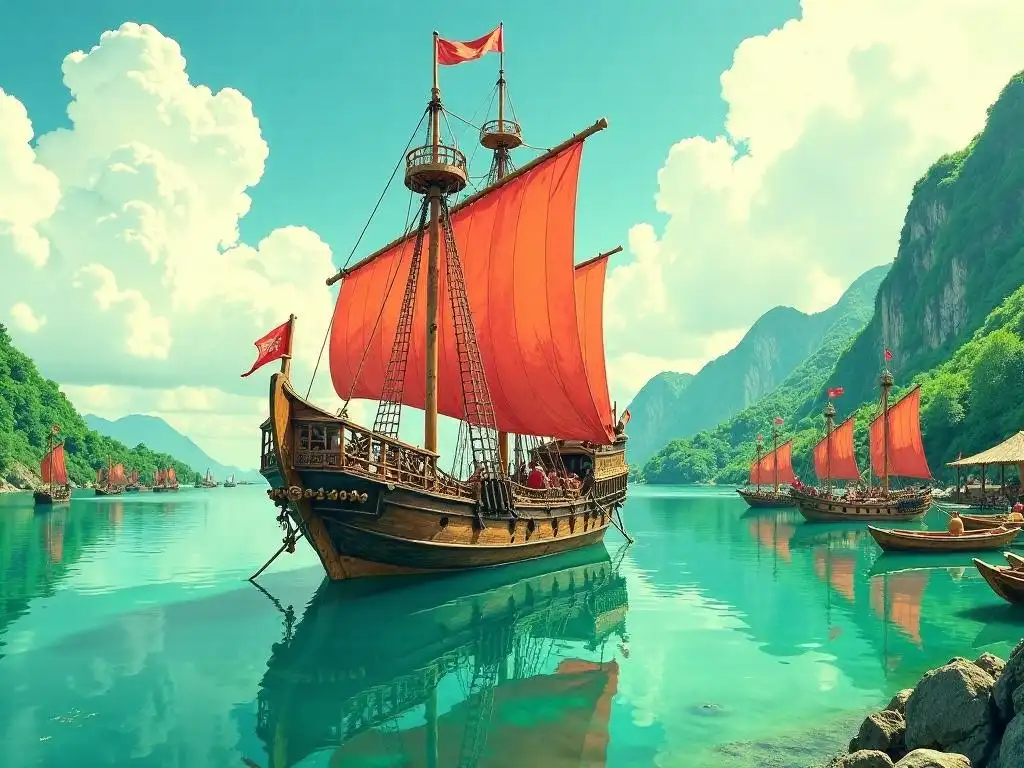
Naval warfare during the Japan feudal era significantly influenced various aspects of Japanese culture. This impact is evident in literature, art, and even the societal norms of the time. The battles fought on the water not only shaped military tactics but also inspired a rich tapestry of cultural expressions.
One of the most notable cultural influences was the emergence of narrative poetry and epic tales. Works such as "The Tale of the Heike" recount the struggles between the Taira and Minamoto clans, emphasizing naval battles as pivotal moments in Japan's history. These stories not only served to memorialize the valor of warriors but also to instill a sense of national pride among the populace.
Similarly, visual arts were deeply impacted. Artists began to depict naval engagements, often portraying the grand ships and the chaos of battle with vivid colors and intricate details. The use of woodblock printing during the Edo period enabled mass production of these artworks, allowing the tales of naval valor to reach a wider audience.
Moreover, naval warfare influenced the development of martial arts. Techniques for ship-to-ship combat and naval boarding actions contributed to the evolution of various fighting styles, which later became an integral part of the samurai code and the broader martial culture in Japan.
The literary landscape of feudal Japan is rich with works that draw inspiration from naval conflicts. Not only did these narratives recount historical events, but they also conveyed deeper themes of honor, sacrifice, and the transient nature of life—central tenets of the samurai ethos.
- Epic Narratives: Texts like "The Tale of the Heike" serve as foundational literature that blends history with fiction, illustrating the emotional and moral dilemmas faced by warriors during naval confrontations.
- Poetic Forms: The haiku and tanka forms often captured the essence of battles at sea, encapsulating both the beauty and brutality of nature intertwined with human conflict.
In visual arts, the ukiyo-e prints became a popular medium to illustrate naval battles. Artists like Hokusai and Hiroshige produced works that not only showcased the dramatic scenes of warfare but also celebrated the maritime culture of Japan. These prints often depicted majestic ships battling against fierce waves, symbolizing the struggle of man against nature.
The societal structure of feudal Japan played a crucial role in the effectiveness and development of naval forces. A robust network of support existed, encompassing various classes and professions that contributed to maritime operations.
The Role of Fishermen and Sailors in Feudal Society
Fishermen and sailors were integral to the naval infrastructure in feudal Japan. Often overlooked in historical accounts, these individuals formed the backbone of naval logistics and operations.
- Fishermen: They were not only providers of food but also skilled navigators who understood the coastal waters and currents. Their expertise was vital during conflicts, as they helped supply ships and offered insights into local maritime geography.
- Sailors: These individuals, often recruited from coastal villages, were essential for manning ships during naval engagements. Their experience in handling vessels and their knowledge of sailing techniques were crucial for the success of naval forces.
In addition to their practical roles, fishermen and sailors held a unique societal status. They were often respected for their skills and bravery, particularly in coastal communities where their contributions were directly tied to survival and defense.
Overall, the collaboration of various societal segments—including the samurai class, fishermen, and sailors—created a formidable naval force that played a significant role in shaping Japan's feudal history. The cultural and societal impacts of these naval forces continue to resonate in Japan's collective memory, influencing modern perceptions of its maritime heritage.
The legacy of Japan's lesser-known naval forces during the feudal era is rich and multifaceted, embodying a period where maritime strategy played a crucial role in the power dynamics of the region. Despite their often-overlooked status in historical narratives, these fleets contributed significantly to both military campaigns and the cultural exchange that shaped Japan's development. The unique ships, tactics, and the seafaring traditions of various clans provide a glimpse into an era that was as much about naval prowess as it was about land-based conflicts.
As we reflect on this legacy, it becomes evident that understanding these naval forces allows us to appreciate the complexity of Japan's feudal society. Their role in trade, diplomacy, and warfare not only influenced local power structures but also established connections with other regions, which were pivotal in shaping Japan's historical trajectory. By recognizing and studying these fleets, we honor the contributions of those who navigated the treacherous waters of Japan's coasts and overseas, often underappreciated in mainstream historical accounts.
The preservation of naval history, particularly relating to Japan’s feudal era naval forces, is essential for several reasons:
- Cultural Heritage: Understanding the naval forces of feudal Japan enriches our knowledge of cultural practices and traditions. Many aspects of Japanese culture, including art, literature, and folklore, were influenced by maritime activities and the stories of these fleets.
- Military Strategy: Studying the strategies employed by feudal naval forces can provide insights into historical military tactics that remain relevant today. For instance, the use of specific ship designs, formations, and naval logistics can inform modern naval strategies.
- Economic Impact: The naval forces were instrumental in trade, both within Japan and with neighboring countries. Their role in facilitating commerce, managing resources, and establishing trade routes is a significant part of Japan’s economic history.
- Environmental Awareness: As we explore the maritime history of Japan, there is an opportunity to learn about the relationship between humans and the sea, fostering a broader understanding of environmental stewardship and sustainable practices.
Preserving this history involves not only academic research but also public engagement through museums, exhibitions, and educational programs that can bring these narratives to life for future generations.
The study of Japan’s feudal naval forces is a vast field ripe for further exploration. Future research directions may include:
- Archaeological Studies: Investigating shipwrecks and remnants of ancient naval vessels can provide tangible evidence of maritime technology and shipbuilding techniques used during the feudal era. Underwater archaeology has the potential to uncover new artifacts that could reshape our understanding of naval operations.
- Comparative Analyses: Conducting comparative studies between Japan’s naval forces and those of contemporary maritime powers in Asia could reveal shared technologies and tactics, as well as unique adaptations to local conditions.
- Cultural Interactions: Researching the interactions between Japan’s naval forces and other cultures—such as the Chinese, Korean, and Southeast Asian civilizations—can illuminate the influences that shaped naval warfare and trade practices.
- Digital Humanities: Utilizing digital tools to analyze historical texts, maps, and documents can aid in reconstructing maritime routes and understanding the broader context of naval engagements.
- Interdisciplinary Approaches: Collaborating with experts in fields such as anthropology, environmental science, and economics can lead to a more holistic understanding of the naval forces' impact on Japanese society during the feudal era.
As we delve deeper into the history of these fleets, we will continue to uncover the layers of complexity that define Japan’s maritime heritage, ensuring that the legacy of its feudal naval forces remains a vibrant part of the historical narrative.
References and Suggested Further Reading
To gain a comprehensive understanding of Japan’s feudal era naval forces, it is essential to delve into academic research that explores the intricacies of naval warfare during this period. Here are some key resources:
- Journal Articles:
- Naval Warfare in Feudal Japan: Tactics and Strategies by Takashi Yamamoto. This article provides an analysis of the strategies employed by various clans during naval confrontations.
- The Role of the Samurai in Naval Conflicts by Hiroshi Nakagawa. It discusses the influence of samurai culture on naval operations and the evolution of maritime tactics.
- Theses and Dissertations:
- The Maritime History of Japan's Feudal Period by Aiko Sato, a comprehensive dissertation that examines the development of naval forces from the Heian period through the Edo period, focusing on logistics and fleet organization.
- Conference Proceedings:
- Proceedings from the International Conference on East Asian Maritime History often contain relevant papers that explore the naval history of Japan within the broader context of East Asian maritime practices.
Recommended Books and Articles for Deeper Understanding
For those interested in a more narrative-driven exploration of Japan’s feudal naval forces, the following books and articles provide rich insights:
- Books:
- "Samurai and the Sea: The History of Japan's Naval Forces": by Michael Lewis. This book details the evolution of Japan's naval capabilities and the critical role of the samurai in maritime conflicts.
- "The Ships of the Samurai: The Development of Japanese Naval Warfare": by Katsuhiro Yamamoto. It covers shipbuilding techniques, naval architecture, and the strategic innovations that defined Japanese naval forces during the feudal era.
- Articles:
- The Forgotten Fleets: An Analysis of Japan's Lesser-Known Naval Forces published in the Journal of Military History. This article offers a detailed examination of the various lesser-known fleets and their contributions to naval warfare.
- Piracy and Naval Warfare in Feudal Japan by Haruto Watanabe, which investigates the relationship between piracy and the naval forces employed by different feudal lords.
- Online Resources:
- The Japanese Naval History Archive provides digitized documents and accounts detailing naval battles and fleet compositions during the feudal era.
- The Asia Maritime Studies Institute offers a collection of papers focused on the maritime strategies employed by feudal Japan.
These resources will help to enhance your understanding of the complexities surrounding Japan's feudal era naval forces and their significance in the broader landscape of military history.
Frequently Asked Questions
Japan's feudal era naval forces were characterized by small, agile vessels and a focus on coastal defense. They played a crucial role in regional conflicts and trade protection.
During the Japan feudal era, naval tactics evolved to include hit-and-run strategies and the use of fire ships. These tactics were essential for securing strategic waterways and enhancing maritime dominance.
The samurai were not only land warriors but also served as naval commanders and soldiers. Their leadership and martial skills were vital in coordinating naval operations during key battles.
The lesser-known naval forces significantly impacted trade by ensuring safe passage for merchant ships and protecting trade routes from piracy and foreign threats, thus boosting the economy during the feudal era.
The feudal system influenced naval forces by promoting regional lords (daimyos) to build and maintain their fleets. This decentralization led to a variety of naval strategies and alliances among different clans.
The exploration of Japan's lesser-known naval forces during the feudal era is not just a historical inquiry; it is a vital reminder of the complexities and nuances that shape a nation’s maritime identity. In a world where the narratives of power often overshadow the contributions of the less prominent, understanding these forgotten fleets allows us to appreciate the multifaceted nature of Japan's naval history. The significance of these forces extends beyond mere military might; they reflect the cultural, social, and political dynamics of their time, reminding us that every story has layers waiting to be uncovered.
The impact of Japan's feudal naval forces continues to resonate in contemporary discussions about maritime strategy and cultural heritage. As we navigate the waters of modern geopolitics, the lessons learned from these historical fleets can inform our understanding of naval diplomacy and regional cooperation. The words of historian John Keegan resonate here: The history of war is the history of mankind.
This perspective invites us to consider how the legacies of the past shape our present and future, urging us to recognize the importance of every player in the grand narrative of history.
As we conclude this exploration of Japan's forgotten fleets, I invite you to reflect on the broader implications of this history in your own life. Consider how the stories of the overlooked can inspire you to seek out hidden narratives in your surroundings, whether in your community or within your personal journey. Embrace the call to action by becoming a steward of history, sharing these lesser-known tales, and fostering a deeper understanding of the diverse forces that have shaped our world. Let us honor the past by keeping its stories alive, ensuring that no fleet remains forgotten.
Thank you for diving into the fascinating world of Japan's lesser-known naval forces! Your curiosity has unlocked valuable insights into a remarkable yet often overlooked chapter of history. Now, let's take the next step in your exploration of this captivating topic.
Here’s how you can deepen your knowledge and engage with this rich maritime history:
- Dive Deeper: Visit our website to read more about specific events or battles involving these fleets. This will enhance your understanding and connection to Japan’s naval past.
- Join the Conversation: We encourage you to share your thoughts or questions in the comments section below! Engaging with fellow history enthusiasts can reveal new perspectives and insights.
- Discover More: Explore a variety of articles on feudal Japan's military strategies and shipbuilding techniques, which have significantly shaped the maritime landscape over the centuries.
What aspect of Japan's naval history surprises you the most, and why do you think it remains less discussed today?