
Daily Life of a Samurai in Rural vs. Urban Settings: A Study in Contrast

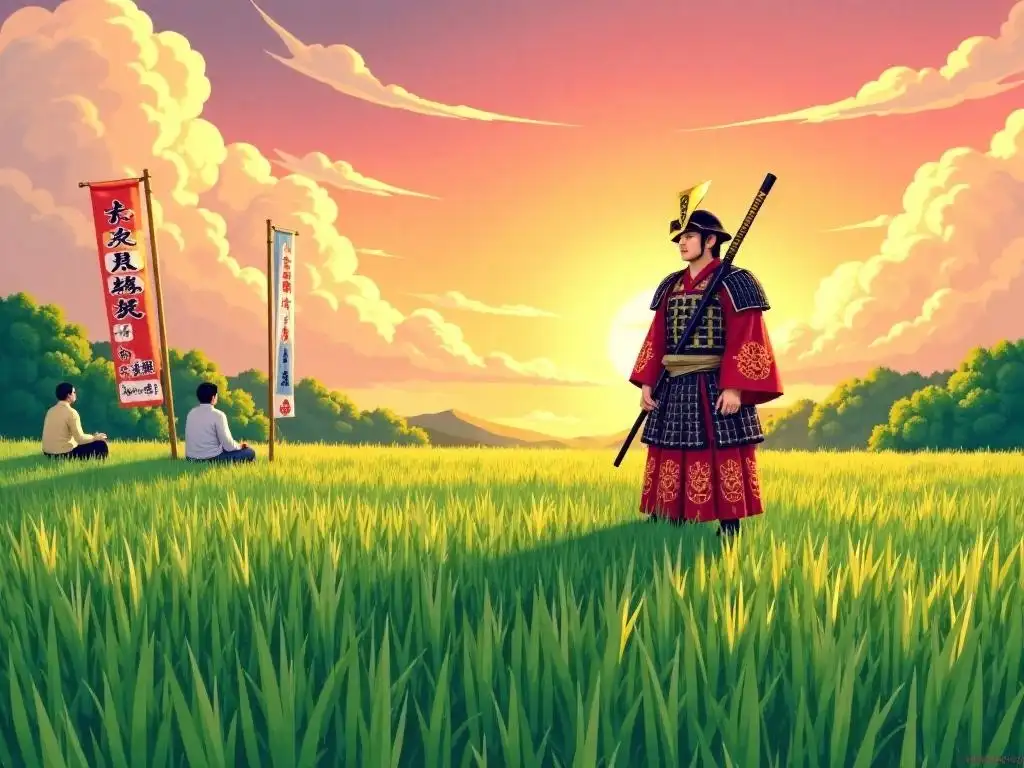
Welcome to Feudal Japan History, where we invite you to embark on a captivating journey through Japan’s feudal era. Discover the intricate tapestry of historical, cultural, and societal dynamics that shaped this fascinating period. In our featured article, "Daily Life of a Samurai in Rural vs. Urban Settings: A Study in Contrast," we delve into the striking differences in the daily lives of samurai across varying landscapes.
What challenges did they face in the bustling cities compared to the tranquil countryside? Join us as we unravel these contrasts and ignite your curiosity about the samurai's unique existence. Prepare to explore the nuances that defined their world!
- Introduction to Samurai Daily Life Differences
- Rural Samurai Life: A Closer Look
- Urban Samurai Life: A Closer Look
- Comparing Rural vs. Urban Samurai Life
- The Impact of Setting on Samurai Identity
- Conclusion: Understanding the Contrast in Samurai Daily Life
-
Frequently Asked Questions
- What are the main differences in samurai daily life between rural and urban settings?
- How did the social status of samurai influence their daily routines?
- What cultural aspects were emphasized in the daily life of samurai?
- How did the environmental factors shape samurai life in different settings?
- In what ways did the feudal system impact samurai daily life?
- Final Reflection: Embracing the Contrasts of Samurai Daily Life
- Dive Deeper into the World of Samurai Life!
Introduction to Samurai Daily Life Differences
The daily life of a samurai in feudal Japan is a fascinating tapestry woven from the threads of culture, duty, and social status. This article delves into the contrasting experiences of samurai living in rural versus urban settings, highlighting how their environments shaped their roles, responsibilities, and lifestyles. As we explore the differences in samurai daily life, we will uncover the intricate relationship between their social obligations and the unique characteristics of their surroundings, revealing a nuanced understanding of this iconic warrior class.
Overview of Samurai Culture in Feudal Japan
The samurai were not merely warriors; they were also custodians of a rich cultural heritage that emphasized loyalty, honor, and discipline. Rooted in the Bushido code, which translates to "the way of the warrior," samurai held a pivotal role in Japanese society from the 12th century until the Meiji Restoration in the late 19th century. This code dictated not only their conduct in battle but also their everyday interactions and moral obligations.
Key aspects of samurai culture include:
- Loyalty: The samurai served their lords (daimyō) with unwavering loyalty, often placing their lord's interests above their own.
- Honor: Maintaining one's honor was paramount; this often led to the practice of seppuku, or ritual suicide, in the face of disgrace.
- Education: Many samurai were well-educated and practiced arts such as calligraphy, poetry, and swordsmanship, reflecting the duality of their roles as both warriors and scholars.
In both urban and rural settings, these cultural tenets influenced samurai daily life, shaping their routines and interactions with others.
Importance of Setting in Samurai Daily Life
The setting in which a samurai lived significantly impacted their daily life, responsibilities, and social interactions. In urban settings, such as Kyoto or Edo (modern-day Tokyo), samurai were often engaged in administrative and political duties, living in a more structured environment that offered access to cultural experiences. Here, they might participate in:
- Court life: Involvement in the political intrigues and ceremonial duties of the court.
- Cultural activities: Engagement in arts, tea ceremonies, and other cultural pursuits that marked urban life.
Conversely, samurai in rural areas faced a different reality. Their daily lives were predominantly centered around agricultural responsibilities and local governance, with a focus on:
- Land management: Overseeing agricultural production and ensuring the welfare of the peasantry.
- Military readiness: Preparing for potential conflicts and maintaining order within their domain.
Understanding these distinctions is crucial to grasping how environmental factors shaped samurai identity and daily existence, revealing a deeper narrative within the broader scope of feudal Japan's history.
Rural Samurai Life: A Closer Look
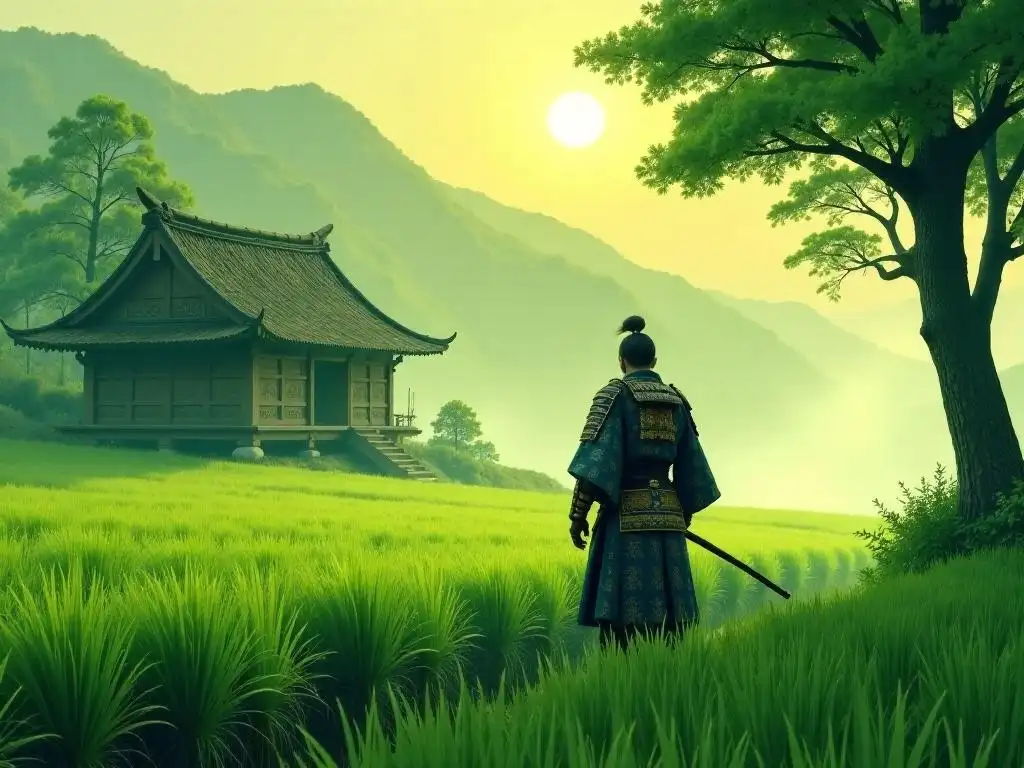
Daily Routine of a Rural Samurai
The daily life of a rural samurai was distinctly shaped by the rhythms of the agrarian landscape, which dictated both their responsibilities and leisure activities. Unlike their urban counterparts, rural samurai often engaged more directly with the land and the people who cultivated it. Their days were structured around the necessities of agricultural life, while still adhering to the samurai code of conduct, or Bushido.
Morning Rituals and Practices
Rural samurai typically began their day before dawn. The sound of roosters crowing heralded the start of daily rituals, which included meditation and physical training. The morning often commenced with a brief period of quiet reflection, where samurai would meditate on their responsibilities and duties. This was followed by physical exercises, such as sword practice or martial arts training, ensuring they maintained their combat skills.
- Meditation: A pivotal practice for mental clarity and focus.
- Physical Training: Involves swordsmanship and martial arts to uphold warrior skills.
After their rituals, many samurai would assist in household chores or engage with their family members in preparing for the day’s work. This balance of spiritual and physical readiness was crucial for a samurai living in a rural setting, where the line between warrior and farmer often blurred.
Agricultural Responsibilities
Rural samurai not only held military responsibilities but were also tasked with the management of agricultural lands. They often oversaw the peasants who worked the fields, ensuring that crops were planted, tended, and harvested efficiently. This involvement in agriculture was essential, as it provided the economic foundation for their status and allowed them to maintain their lifestyle.
Key agricultural responsibilities included:
- Land Management: Supervising the cultivation and maintenance of rice and other crops.
- Tax Collection: Ensuring the collection of taxes in the form of grain or other goods from peasants.
- Defense of Resources: Protecting agricultural lands from bandits or rival samurai, which required them to remain vigilant and combat-ready.
The dual role of warrior and landowner emphasized the importance of agricultural productivity in the samurai's daily life, setting them apart from urban samurai who were more focused on courtly duties and warfare.
Social interactions in rural settings were deeply rooted in community and familial ties. The samurai’s role extended beyond that of a mere warrior; they were also community leaders, tasked with maintaining order and providing for their subjects.
Family Life and Relationships
Family life for rural samurai revolved around the cultivation of both land and relationships. Marriages were often arranged, fostering alliances between families and strengthening social ties. The samurai’s wife typically managed the household and would be involved in agricultural tasks, contributing to the family's economic stability.
- Family Structure: Often included extended family members, promoting a strong support network.
- Child Rearing: Emphasis was placed on educating children in both martial skills and ethical conduct, preparing them for their future roles.
Rural samurai were expected to embody the values of loyalty and honor, instilling these virtues in their children and ensuring the family legacy continued.
Bonds with Peasants and Farmers
The relationship between rural samurai and the peasants who worked their land was complex. While samurai held authority over the peasants, their survival and status were intrinsically linked to the agricultural productivity of those communities.
- Mutual Dependence: Samurai depended on peasants for sustenance, while peasants relied on samurai for protection and stability.
- Civic Duties: Samurai often mediated disputes among peasants, serving as judges and enforcers of local laws.
Through these interactions, a social fabric was woven that highlighted the interdependence of classes during feudal Japan, showcasing the nuanced differences in samurai daily life across rural and urban settings. This bond not only reinforced the samurai's authority but also cultivated a sense of loyalty among the peasant class, essential for maintaining peace and order in rural communities.
Cultural Activities and Traditions in Rural Areas
Cultural activities and traditions in rural areas during the feudal era were deeply intertwined with the daily lives of samurai. Unlike their urban counterparts, rural samurai often engaged in activities that reflected the agrarian lifestyle prevalent in the countryside. Their cultural practices were marked by a strong connection to nature, community, and the seasons. This relationship fostered a range of traditions, from agricultural festivals to martial training, which were crucial for both personal development and social cohesion.
In these rural settings, samurai not only fulfilled their military obligations but also took on roles as local leaders, mediators, and protectors of the community. This duality encouraged a lifestyle that emphasized both martial prowess and cultural refinement. Activities such as poetry recitation, calligraphy, and tea ceremonies were common, providing samurai with opportunities to cultivate their artistic skills while maintaining their warrior ethos.
Additionally, rural samurai played a vital role in preserving local customs and traditions, often participating in and leading community events that celebrated the changing seasons, harvests, and religious observances. These cultural activities were essential for maintaining a sense of identity and continuity within the rural samurai class.
Festivals and Celebrations
Festivals and celebrations served as important markers of community life in rural samurai society. These events often revolved around agricultural cycles, with rice planting and harvest festivals being particularly significant. The Rice Planting Festival (taue), for instance, was a time of communal effort and celebration, where samurai, farmers, and villagers came together to pray for bountiful crops. This festival included rituals, games, and performances that strengthened community bonds.
Another notable celebration was the Obon Festival, which honored ancestral spirits. During this time, samurai families would participate in rituals such as lantern lighting and dances to welcome the spirits of their ancestors back to the physical world. This event not only reinforced familial ties but also allowed samurai to reflect on their duty to uphold their family’s honor and legacy.
In addition to agricultural festivals, the samurai also engaged in traditional martial arts tournaments during festive occasions. These events showcased their skills and provided a platform for samurai to demonstrate their strength, honor, and connection to their martial heritage, further solidifying their status within the community.
Role of Religion and Spirituality
Religion and spirituality played a crucial role in the daily lives of rural samurai, influencing their values, ethics, and cultural practices. Shintoism and Buddhism were the predominant religious influences, with many rituals and beliefs reflecting a deep respect for nature and the divine. Rural samurai often frequented local shrines and temples, participating in ceremonies that sought blessings for protection and prosperity.
The practice of Zen Buddhism was particularly significant among samurai, as it emphasized discipline, meditation, and the pursuit of enlightenment. Many samurai engaged in meditation practices, allowing them to cultivate mental clarity and focus. This spiritual discipline was not only beneficial for personal growth but also enhanced their martial skills, leading to a more profound understanding of the samurai code, or Bushido.
Moreover, the intertwining of spirituality and daily life was evident in the way samurai approached their responsibilities. They believed that fulfilling their duties with honor and integrity was a form of spiritual expression. This belief system encouraged them to act as protectors of their communities, fostering a sense of responsibility that transcended mere obligation.
The role of religion and spirituality in rural samurai life was multifaceted, shaping their cultural identity and guiding their interactions with the community and the environment. Through festivals, rituals, and personal practices, rural samurai maintained a close connection to their spiritual beliefs, which were integral to their daily existence.
Urban Samurai Life: A Closer Look
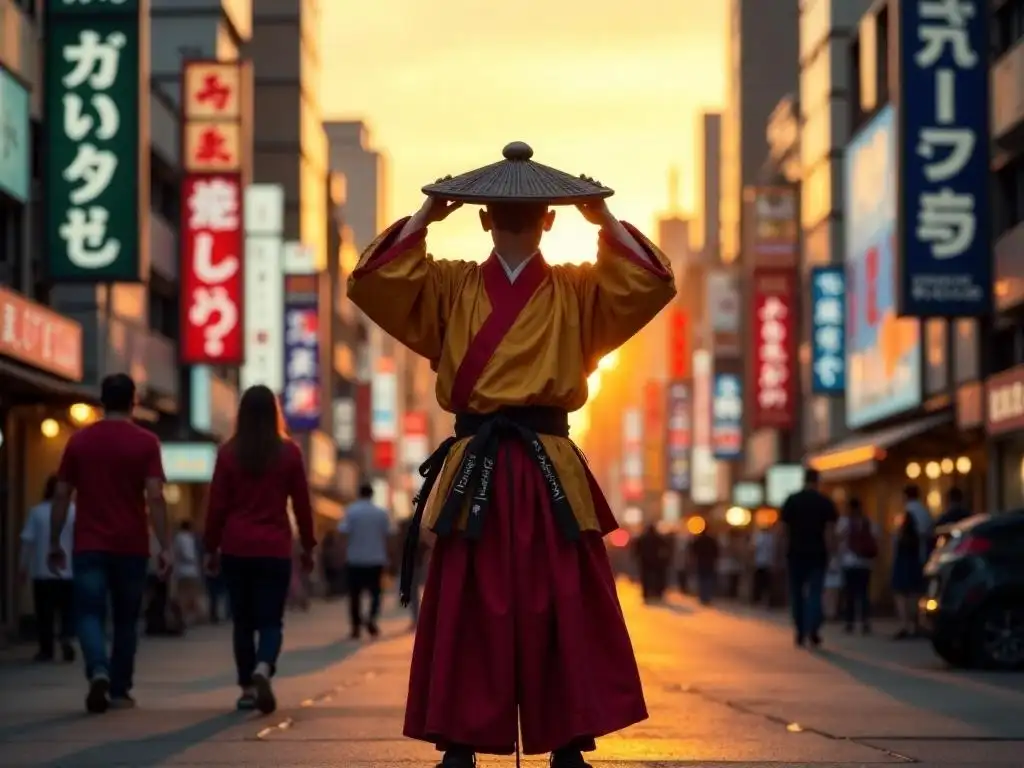
Daily Routine of an Urban Samurai
Urban samurai life was marked by a structured daily routine that balanced martial responsibilities with civic duties. Unlike their rural counterparts, urban samurai often lived in castle towns, where they were expected to uphold the law and maintain order. Their day typically began early, reflecting a disciplined lifestyle that aligned with the samurai ethos.
Morning Rituals and Practices
In the early morning hours, an urban samurai would engage in various rituals that served both practical and spiritual purposes. These often included:
- Meditation and Prayer: A crucial part of the morning routine, samurai would spend time meditating or praying to their family deities, seeking guidance and focus for the day ahead.
- Physical Training: Many samurai dedicated time to honing their martial skills, practicing sword techniques or engaging in other physical activities that maintained their readiness for combat.
- Breakfast: A typical breakfast might consist of rice, miso soup, and pickled vegetables, providing the necessary sustenance for a day filled with duties.
This structured start to the day set a tone of discipline and purpose that was essential for an urban samurai's role in society.
Responsibilities in the Castle Town
Urban samurai had a unique set of responsibilities that often revolved around the governance of the castle town. Their duties included:
- Law Enforcement: Urban samurai acted as law enforcers, ensuring that the rules of the domain were upheld. They patrolled the streets, intervening in disputes, and maintaining public order.
- Administrative Tasks: Many samurai were involved in the local administration, handling matters such as tax collection and land management, which required a degree of literacy and bureaucratic skill.
- Participation in Ceremonies: Urban samurai often attended and participated in various public ceremonies, reinforcing their status in society and serving as role models for the common people.
This combination of martial and civic duties distinguished urban samurai from their rural counterparts, who focused more on agrarian responsibilities and direct combat.
The urban setting provided samurai with a rich tapestry of social interactions that were less prevalent in rural areas. These interactions were essential for forging alliances and maintaining their status within the hierarchical structure of society.
Networking and Alliances
Urban samurai cultivated relationships with other samurai, officials, and influential figures, which were crucial for advancing their personal and familial interests. Key aspects of their networking included:
- Formal Gatherings: Samurai often participated in feasts and gatherings, where they could build alliances and discuss matters of mutual interest.
- Strategic Marriages: Alliances were often solidified through marriage, allowing families to strengthen ties and enhance their social standing.
- Political Engagement: Involvement in local politics was common; samurai would attend council meetings and engage in discussions that shaped the governance of the town.
These networking opportunities were vital for an urban samurai's career and status, as they navigated a landscape of complex social hierarchies.
Relationships with Merchants and Artisans
Urban samurai also interacted frequently with merchants and artisans, which played a significant role in their daily life. These relationships were characterized by:
- Economic Exchange: Samurai often relied on merchants for goods and services, establishing a symbiotic relationship where both parties benefited from trade.
- Cultural Exchange: As patrons of the arts, samurai would commission works from artisans, fostering a cultural environment that encouraged artistic expression and development.
- Social Status: While samurai were of higher social rank than merchants, they often depended on the economic prowess of these classes to support their lifestyle, leading to an intricate dance of social dynamics.
The daily life of an urban samurai was characterized by a blend of martial discipline, civic responsibility, and complex social interactions, distinguishing them from their rural counterparts and highlighting the unique aspects of samurai daily life differences in urban settings.
Cultural Activities and Traditions in Urban Areas
Urban samurai life was marked by a rich tapestry of cultural activities and traditions that significantly differed from their rural counterparts. In cities like Edo, the cultural epicenter of feudal Japan, samurai often engaged in a variety of social and artistic pursuits that reflected the sophistication of urban life. These activities were not merely pastimes; they were essential for maintaining status and connecting with the elite circles of society.
One prominent aspect of urban culture was the practice of tea ceremonies, known as chanoyu. Samurai participated in these meticulously choreographed events, which emphasized aesthetics, discipline, and social harmony. The tea ceremony was not just about drinking tea; it was a means of cultivating relationships and demonstrating refinement. Urban samurai also enjoyed attending festivals, where they could showcase their martial skills in public displays, further enhancing their reputation.
In addition, urban settings provided access to various forms of entertainment, from kabuki theater performances to poetry recitals. This exposure to art and culture was instrumental in shaping the samurai's worldview and enhancing their cultural literacy. As patrons of the arts, samurai often commissioned works from renowned artists, thereby playing a crucial role in the cultural landscape of their time.
Entertainment and Leisure Activities
Urban samurai had a wide array of entertainment and leisure activities at their disposal, allowing them to unwind from the rigorous demands of their warrior lifestyle. One of the most popular forms of entertainment was attending kabuki theater, characterized by its vibrant performances and elaborate costumes. Samurai often frequented theaters not only to enjoy the shows but also to network with fellow samurai and influential merchants.
Another favored leisure activity was participating in hanami, the cherry blossom viewing tradition. This seasonal event involved gathering with friends and family under blooming sakura trees, where they would share food, drink sake, and engage in poetic recitations. Such gatherings fostered camaraderie and provided a respite from daily obligations.
Additionally, urban samurai partook in martial arts training, which served both as physical conditioning and a form of entertainment. Schools specializing in various fighting techniques provided an opportunity for samurai to hone their skills while socializing with peers. The competitive spirit of these activities reinforced their martial identity and camaraderie among the ranks.
Influence of Arts and Literature
The urban samurai's engagement with arts and literature significantly influenced their daily lives and identity. With access to a plethora of literary works, samurai cultivated a deep appreciation for poetry, particularly haiku and waka. These forms of poetry not only allowed samurai to express their emotions but also served as a medium for philosophical reflection, often focusing on themes of nature, impermanence, and the warrior's code.
Moreover, urban samurai frequently patronized artists and writers, contributing to the flourishing of the ukiyo-e genre, which depicted scenes of everyday life, landscapes, and portraits of beautiful women. This art form became a visual representation of urban culture and ideals, significantly impacting samurai aesthetics.
The influence of literature extended beyond poetry; samurai were also drawn to historical narratives and tales of valor, which inspired their own sense of honor and duty. Works such as The Tale of the Heike provided narratives that resonated with their warrior ethos, reinforcing the importance of loyalty, bravery, and the transient nature of life.
The arts and literature played a pivotal role in shaping the lives of urban samurai. Their involvement in cultural activities not only enriched their personal lives but also contributed to the larger cultural fabric of feudal Japan, creating a unique experience distinct from the rural samurai's existence.
Comparing Rural vs. Urban Samurai Life
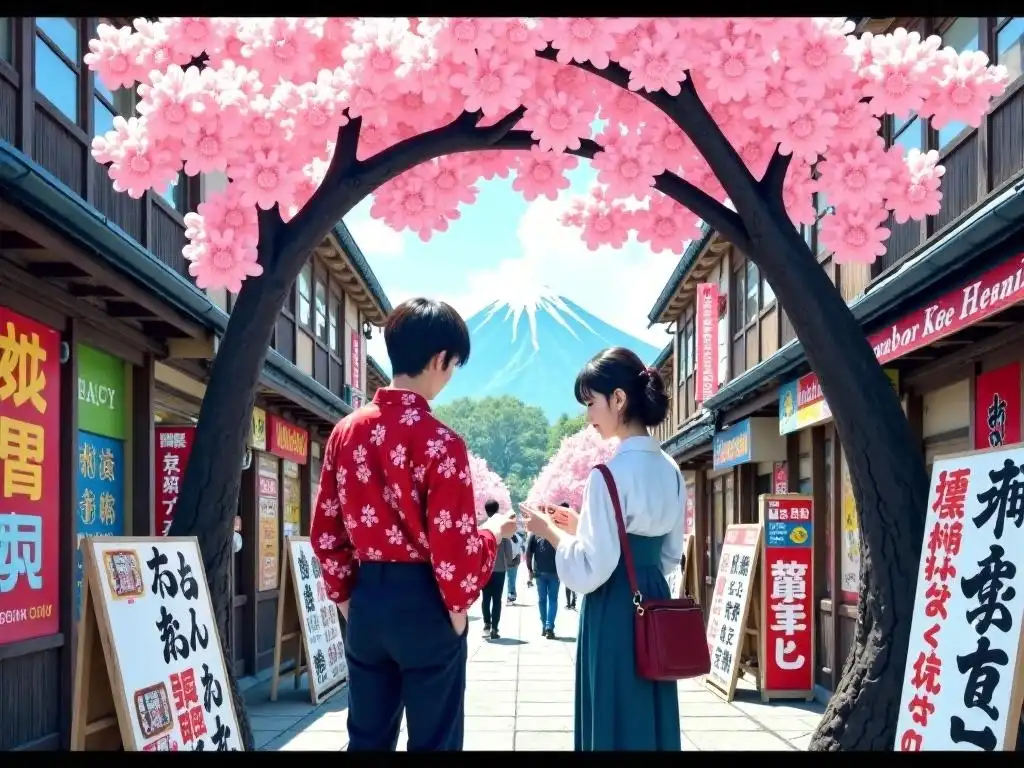
The daily life of samurai in feudal Japan exhibited significant differences depending on whether they resided in rural or urban settings. These distinctions not only influenced their routines but also shaped their social interactions and cultural practices. By examining these variances, we gain a deeper understanding of the samurai class and the societal structures they inhabited.
Key Differences in Daily Routines
The daily routines of samurai varied markedly between rural and urban environments, influenced by the availability of resources, societal expectations, and the nature of their duties.
- Rural Samurai:
- Agricultural Responsibilities: Many rural samurai were also landowners and engaged in agricultural practices. This involved overseeing farming activities, managing laborers, and partaking in seasonal harvests. Their day often began at dawn with physical work in the fields.
- Self-Sufficiency: In rural areas, samurai were expected to be more self-reliant. They often cultivated their own food, which necessitated a hands-on approach to both farming and animal husbandry.
- Community Engagement: Rural samurai participated actively in local governance and community affairs. Their days included attending to local disputes and contributing to the welfare of their villages.
- Urban Samurai:
- Administrative Duties: In contrast, urban samurai primarily focused on administrative and military roles within the castle towns. Their mornings were often filled with meetings, reports, and strategizing military campaigns.
- Cultural Patronage: Urban samurai were typically more engaged in the arts and culture. They frequented theaters, participated in poetry readings, and often supported artisans and scholars.
- Structured Schedule: The urban samurai’s day was more structured, often dictated by the rhythm of the city, with scheduled times for martial training, study, and social engagements.
The social dynamics of samurai in rural and urban settings revealed distinct relationships and community structures that affected their interactions and social standing.
- Rural Samurai:
- Community-Oriented: Relationships in rural settings were often more familial and community-oriented. Rural samurai maintained close ties with peasant families, which fostered a sense of loyalty and mutual aid.
- Limited Class Interaction: In the countryside, class distinctions were less pronounced. Rural samurai worked alongside peasants, which often led to more egalitarian relationships compared to the rigid hierarchies found in urban areas.
- Urban Samurai:
- Formal Hierarchies: Urban samurai navigated a more complex social hierarchy, characterized by formal relationships and protocols. They interacted frequently with other samurai as well as the ruling class, leading to competitive dynamics.
- Networking and Alliances: Urban samurai often engaged in strategic networking, forming alliances through marriages and social gatherings. This reinforced their status and influence within the city.
Cultural Variations: Traditions and Practices
The cultural practices and traditions of samurai also differed significantly between rural and urban environments, reflecting the diverse influences of their respective settings.
- Rural Samurai:
- Traditional Festivals: Rural samurai participated in local festivals that were deeply rooted in agrarian customs, celebrating harvests and seasonal changes. These events fostered community spirit and cultural continuity.
- Martial Training: Training often focused on practical skills necessary for defense against bandits or rival clans, incorporating both martial arts and horsemanship.
- Urban Samurai:
- Refined Aesthetics: Urban samurai were exposed to a broader array of cultural influences, leading to a greater appreciation for aesthetics, literature, and art. They participated in tea ceremonies, calligraphy, and other refined practices.
- Public Performances: The urban setting provided access to various public performances, including kabuki and Noh theater, enriching their cultural experiences and allowing for greater social engagement.
The differences in samurai daily life across rural and urban settings are marked by distinct routines, social dynamics, and cultural practices. Understanding these contrasts provides insight into the complexity of samurai society and its adaptation to various environments during Japan's feudal era.
The Impact of Setting on Samurai Identity
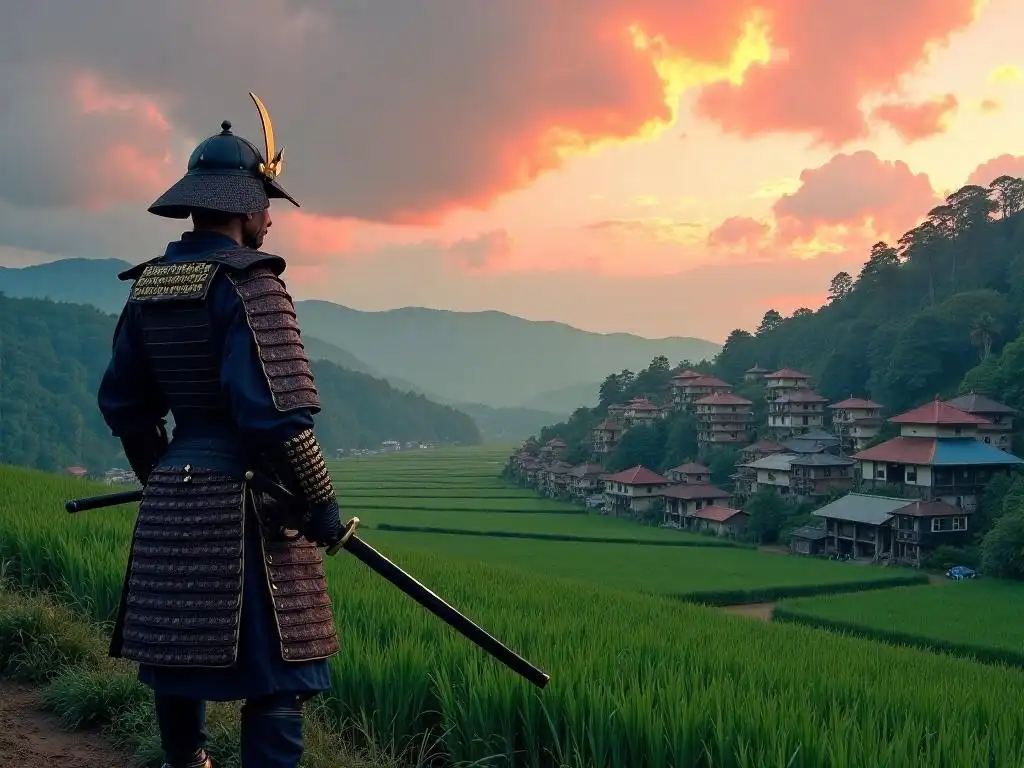
The identity of a samurai was profoundly influenced by their environment, whether they were situated in the bustling urban centers or the tranquil rural landscapes of feudal Japan. These distinct settings not only shaped daily routines but also impacted the samurai's values, social interactions, and overall outlook on life. Understanding these differences provides a clearer picture of how samurai daily life varied significantly based on geographic and social contexts.
How Environment Shapes Samurai Values and Beliefs
In urban settings, samurai were typically exposed to a more cosmopolitan lifestyle, interacting with merchants, artisans, and other social classes. This environment fostered a sense of adaptability and pragmatism among samurai, as they navigated the complexities of urban governance and commerce. The following aspects highlight how the urban setting influenced samurai values and beliefs:
- Social Hierarchy: Urban samurai often had to negotiate their status within a more diverse social hierarchy, which included wealthy merchants and influential clan leaders. Their interactions with these groups could lead to a more fluid understanding of social power dynamics.
- Cultural Exchange: Urban centers, such as Edo (modern-day Tokyo), were melting pots of culture. Samurai here were more likely to engage in arts, literature, and even theater, leading to a broader appreciation of aesthetics and intellectual pursuits.
- Economic Engagement: Many samurai in cities participated in economic activities, such as land management or trade. This involvement not only supplemented their income but also instilled a sense of responsibility towards the economic stability of their communities.
Conversely, samurai in rural settings maintained a more traditional and rigid adherence to the bushido code, which emphasized loyalty, honor, and martial prowess. The rural environment fostered values such as:
- Self-Sufficiency: Rural samurai were often responsible for agricultural production, which instilled a deep sense of connection to the land and a reliance on hard work and farming skills.
- Community Bonds: In smaller communities, samurai played crucial roles as leaders and protectors, reinforcing their identity as guardians of the people and the land. Their relationships with neighboring peasants were often more personal and direct.
- Spiritual Connection: The serene landscapes of rural Japan allowed for introspection and a closer relationship with nature, which many samurai viewed as a spiritual journey essential for personal growth and honor.
Reflections on Honor and Duty in Different Settings
Honor and duty were central tenets of samurai life, but their interpretation and expression varied significantly between urban and rural settings.
In urban areas, the concept of honor often encompassed public reputation and social standing. Samurai were expected to maintain a façade of dignity and strength, which involved:
- Public Displays: Urban samurai frequently engaged in public rituals and ceremonies that demonstrated their commitment to honor and duty. These could include participating in festivals or showing loyalty to their lords through elaborate displays of fealty.
- Conflict Resolution: Disputes in cities were often settled through negotiation or formal dueling, emphasizing the importance of maintaining one's reputation while also adhering to social norms.
In contrast, rural samurai's honor was more closely tied to personal integrity and the well-being of their community. Their sense of duty was tangible and deeply rooted in:
- Protection of the Land: Rural samurai were tasked with defending their territories from bandits or rival clans. Their honor was linked to the safety and prosperity of the villagers they protected.
- Mentorship and Leadership: They often took on roles as mentors for younger samurai and local leaders, reflecting a duty to cultivate the next generation of warriors and uphold traditional values.
This dichotomy illustrates that while the samurai shared a common code, the expression of honor and duty was distinctly molded by their surroundings, leading to a rich tapestry of samurai daily life differences that contributed to the broader socio-cultural landscape of feudal Japan.
Conclusion: Understanding the Contrast in Samurai Daily Life
The daily life of samurai varied significantly between rural and urban settings, influenced by factors such as social status, occupation, and the surrounding environment. Understanding these differences provides insight into the broader social dynamics of feudal Japan and the evolving role of the samurai class.
Summary of Key Differences
In examining the samurai daily life differences between rural and urban environments, several key distinctions emerge:
- Occupational Roles:
- Urban Samurai: Often served as bureaucrats, advisors, or members of the city guard. Their duties were closely tied to the governance and administration of the domain.
- Rural Samurai: Primarily engaged in agricultural duties, overseeing farming operations, and ensuring the productivity of the land. They often acted as local leaders, mediating disputes among villagers.
- Lifestyle and Living Conditions:
- Urban Settings: Samurai lived in residences that reflected their status, with access to amenities and a vibrant social scene. They engaged in cultural pursuits such as tea ceremonies, poetry, and the arts.
- Rural Settings: Living conditions were more modest, often in simple homes. The focus was on community involvement and daily agricultural work, with social activities centered around festivals and local traditions.
- Social Interactions:
- In Cities: Samurai interacted with a diverse range of classes, from merchants to artisans, fostering a dynamic social environment characterized by commerce and cultural exchange.
- In the Countryside: Interaction was primarily with fellow samurai and peasants, leading to a more hierarchical and structured community life.
- Cultural Practices:
- Urban Samurai: Engaged in the cultivation of arts and refinement, participating in activities that promoted their status and cultural knowledge.
- Rural Samurai: Focused on practical skills and rituals connected to agriculture and local traditions, maintaining a sense of duty to their land and people.
The contrast in samurai daily life underscores the adaptability of the samurai class, as they navigated the demands of their environments while upholding their code of honor and duty.
The Legacy of Samurai in Rural and Urban Contexts
The legacy of samurai in both rural and urban contexts is significant in understanding Japanese history. The differences in their daily lives reflect broader societal structures and cultural values that have shaped modern Japan.
- Influence on Modern Society:
- The urban samurai's role in administration laid the groundwork for Japan's bureaucratic systems, while the rural samurai's connection to land management influenced contemporary agricultural practices and local governance.
- Cultural Heritage:
- Elements of samurai culture, such as martial arts, tea ceremonies, and traditional crafts, continue to thrive today, often with roots traced back to the distinctions between rural and urban practices.
- Symbol of Honor and Duty:
- Regardless of their setting, samurai were idealized as figures of loyalty and honor, and their legacy serves as a touchstone for Japanese identity, influencing literature, film, and popular culture.
The study of samurai daily life differences across rural and urban settings not only enriches our understanding of the samurai class but also highlights how historical contexts shape cultural legacies that endure through the ages.
Frequently Asked Questions
What are the main differences in samurai daily life between rural and urban settings?
In urban areas, samurai often engaged in administrative duties and lived in more structured environments, while those in rural settings focused on agricultural practices and had closer ties to local communities.
The social status of samurai significantly influenced their roles; higher-ranking samurai enjoyed greater leisure time and political responsibilities, while lower-ranking samurai often had to engage in manual labor or local governance.
What cultural aspects were emphasized in the daily life of samurai?
Daily life for samurai was deeply rooted in cultural practices, including the tea ceremony, martial arts training, and adherence to Bushido, which governed their ethics and behaviors.
How did the environmental factors shape samurai life in different settings?
Environmental factors, such as availability of resources and geographic location, greatly influenced samurai activities; urban samurai had access to trade and commerce, whereas rural samurai were more focused on self-sufficiency.
In what ways did the feudal system impact samurai daily life?
The feudal system dictated the hierarchy and obligations of samurai, requiring them to serve their lords and maintain loyalty, which shaped their lifestyle and interactions within both urban and rural contexts.
Final Reflection: Embracing the Contrasts of Samurai Daily Life
The exploration of the daily life of samurai in rural versus urban settings reveals profound insights into the complexities of their existence and the values they upheld. In today's fast-paced world, where the balance between tradition and modernity often feels precarious, understanding these historical contrasts can illuminate our own lives. The samurai's disciplined routines and their connection to both nature and society serve as a reminder of the importance of grounding ourselves in our values amidst the chaos of contemporary life.
Cultural and social landscapes are continually shaped by the legacies of those who came before us, and the samurai's dual existence is a testament to adaptability and resilience. The differences in their daily lives reflect broader themes of identity, community, and the pursuit of honor. As we navigate our own paths, we can draw inspiration from the samurai's commitment to their roles, whether in the serene countryside or the bustling city. The ultimate aim of the samurai is not to die, but to live with honor.
This quote encapsulates the essence of their daily struggles and triumphs, urging us to reflect on how we approach our own lives.
As you ponder the contrasts between rural and urban samurai life, consider how these lessons can be applied to your own daily existence. Embrace the dualities in your life—whether they be between work and leisure, tradition and innovation, or solitude and community. Reflect on how you can cultivate a sense of purpose and honor in your daily actions, just as the samurai did. Let their legacy inspire you to find balance and meaning in the modern world, reminding you that every day is an opportunity to live with intention and integrity.
Dive Deeper into the World of Samurai Life!
Thank you for taking the time to explore the intriguing contrasts of samurai life in both rural and urban settings. You've gained valuable insights into their daily experiences, and now it’s time to translate that knowledge into action!
Here are a few steps you can take to further your journey into the fascinating history of the samurai:
- Join a local history group or online forum dedicated to feudal Japan—share what you've learned and connect with fellow enthusiasts.
- Visit a nearby museum or historical site that showcases samurai artifacts; immerse yourself in their culture firsthand.
- Create a personal project—whether it’s a blog, art piece, or presentation—that reflects your newfound understanding of the samurai lifestyle.
As you explore these rich experiences, consider this: How can the values and principles of the samurai resonate in our modern lives today? We invite you to share your thoughts!