
The Role of Armor in Samurai Identity and Warfare

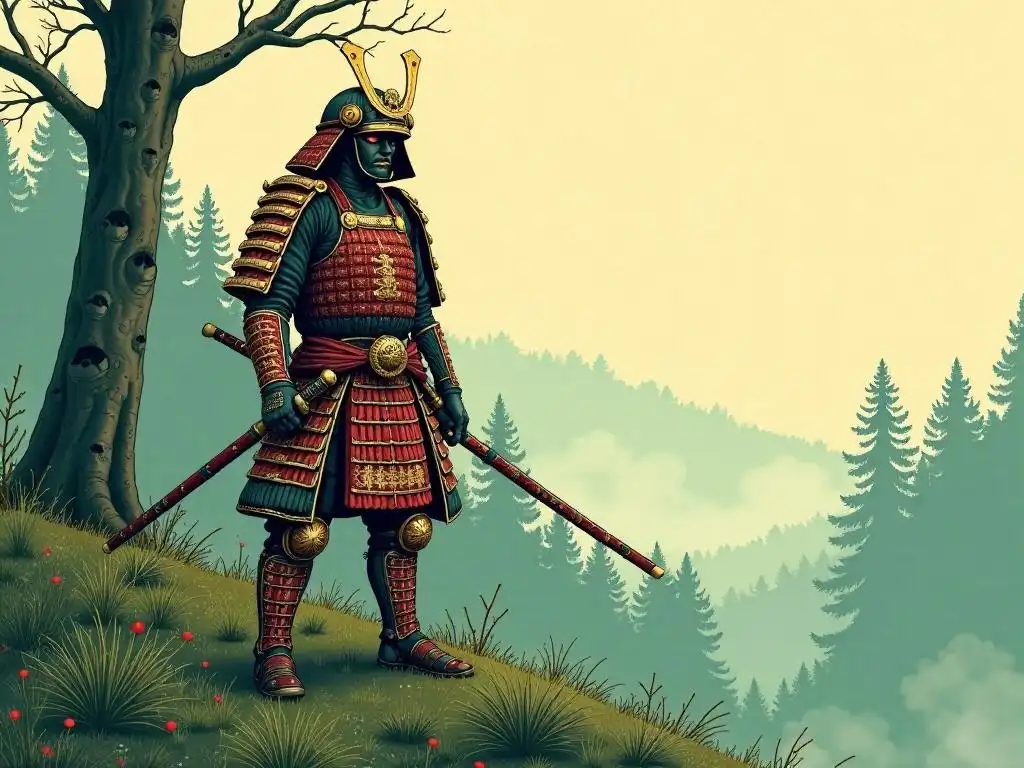
Welcome to Feudal Japan History, where we embark on a captivating journey through the intricacies of Japan’s feudal era. Delve into the rich tapestry of historical, cultural, and societal aspects that defined this remarkable period. In our featured article, we unravel the profound significance of samurai armor in warfare—a symbol of honor, identity, and skill. Discover how these intricate designs not only protected the warriors but also embodied their very essence. Are you ready to explore the powerful connection between armor and the samurai's role on the battlefield? The story awaits!
Introduction to Samurai Armor Significance in Warfare
The significance of samurai armor in warfare extends far beyond its functional purpose of protection in battle; it serves as a powerful symbol of identity, status, and cultural heritage within the context of feudal Japan. For the samurai, armor was not merely a defense against enemy weapons but also a representation of their honor, skill, and loyalty. This article delves into the multifaceted role of samurai armor, exploring its impact on warfare, its cultural implications, and how it shaped the very identity of the samurai throughout Japan's feudal era.
Overview of Samurai Culture and Identity
Samurai culture was deeply rooted in the principles of Bushido, the way of the warrior, which emphasized virtues such as loyalty, honor, and courage. Armor played a pivotal role in embodying these values, acting as a visible manifestation of a samurai's commitment to their lord and their martial prowess.
- Symbol of Status: The design, craftsmanship, and materials of samurai armor often reflected the wearer's social rank and wealth. Elaborate armor with intricate embellishments signified higher status, while simpler designs indicated lower ranks.
- Personalization: Each samurai often personalized their armor with unique colors and crests, further reinforcing their identity and familial lineage.
- Cultural Significance: Armor also held cultural importance, often being adorned with motifs and symbols that conveyed messages about the samurai's character and beliefs.
Importance of Armor in Samurai Warfare
In the heat of battle, samurai armor was crucial for several reasons:
- Protection: The primary function of armor was to protect the samurai from injuries and death. Constructed from materials such as iron, leather, and silk, the design evolved to provide maximum mobility while ensuring safety.
- Psychological Warfare: The sight of a well-armored samurai could instill fear in enemies and boost the morale of allies. The elaborate designs and colors served to intimidate opponents.
- Tactical Advantage: Different styles of armor were developed to suit various combat scenarios, providing samurai with the necessary flexibility and defense depending on the type of warfare they were engaged in.
Historical Evolution of Samurai Armor
The evolution of samurai armor reflects the changing dynamics of warfare and the influence of cultural exchanges over centuries.
Early Forms of Samurai Armor
The origins of samurai armor can be traced back to the Heian period (794-1185), where the first forms were simple and primarily focused on functionality. Early armor was often made of leather and textile, designed to offer basic protection while allowing for mobility on the battlefield.
- Type of Armor: The earliest armors were known as hōzō, made with layered cloth and leather, which provided minimal defense but significant flexibility.
- Adaptation: As warfare evolved, samurai began to adopt elements from neighboring cultures, leading to changes in armor design.
Development of Armor through Different Periods
As Japan transitioned through various historical periods, the design and function of samurai armor underwent significant transformations:
- Kamakura Period (1185-1333): The introduction of metal armor, such as dō (chest armor), allowed for better protection.
- Muromachi Period (1336-1573): The sode (shoulder guards) and kabuto (helmets) became more intricate, highlighting status and craftsmanship.
- Edo Period (1603-1868): Armor became more ceremonial, reflecting the samurai's role as a warrior and administrator in a time of relative peace.
Influence of Foreign Techniques on Samurai Armor Design
The design of samurai armor was not static; it was influenced significantly by foreign techniques and materials:
- Chinese and Korean Influences: The introduction of metalworking techniques from China and Korea greatly enhanced the durability and sophistication of samurai armor.
- Trade and Cultural Exchange: Interaction with European traders in the 16th century brought new materials and design ideas, leading to further innovations in armor.
Through this exploration of samurai armor, we can gain insight into how these elements shaped the identity of the samurai and their approach to warfare, intertwining functionality with cultural significance in a complex historical narrative.
Types of Samurai Armor and Their Functions
Samurai armor, known as "yōkō", was both a protective gear and a symbol of status, reflecting the complexity of warfare in feudal Japan. The primary types of armor include:
- O-yoroi: This was the traditional armor worn during the Heian period, characterized by its large plates and layering. O-yoroi was designed for cavalry, providing substantial protection while allowing for mobility.
- Do-maru: Emerging in the late Sengoku period, this armor featured a more streamlined design, wrapping around the body and often including a distinctive collar. Its lightweight nature made it ideal for foot soldiers, enhancing agility in battle.
- Hara-ate: This component served as a protective skirt, safeguarding the thighs and hips, which were vulnerable during combat.
- Kabuto: The helmet, often ornate, not only protected the head but also represented the warrior's clan and status through elaborate designs and crests.
Each type of armor had specific functions, balancing protection with mobility, depending on the battlefield requirements and the warrior's role.
Key Components of Samurai Armor
The effectiveness of samurai armor relied on several critical components, each playing a vital role in both defense and identity:
- Do (Body Armor): The main torso piece, often crafted from iron or leather and lacquered to resist damage. It provided essential protection against sword strikes and arrows.
- Sode (Shoulder Guards): These plates protected the shoulders while allowing for arm movement, crucial for wielding weapons effectively.
- Kote (Armored Sleeves): Made from chain mail or layered fabric, kote safeguarded the arms without sacrificing flexibility.
- Suneate (Shin Guards): Protecting the lower legs, these were often made of iron and designed to be lightweight for ease of movement.
- Tachi (Sword): While not part of the armor itself, the tachi was often paired with it, symbolizing the samurai's readiness for battle.
The combination of these elements created a functional yet symbolic representation of the samurai's martial prowess and status.
Variations in Armor Styles Across Regions and Clans
The design and style of samurai armor varied significantly across different regions and clans, reflecting local resources, warfare tactics, and cultural influences:
- Kanto Region: Here, armor often featured bold colors and intricate designs, influenced by the powerful clans that dominated the area. The armor was designed for both protection and display.
- Kansai Region: Armor from this region tended to be more practical, with an emphasis on mobility and agility, reflecting the strategic needs of the battles fought there.
- Clans: Each clan had distinct armor styles, often featuring unique symbols and motifs that represented their identity. For example, the Takeda clan was known for its distinctive red armor, while the Uesugi clan favored a more subdued palette.
These regional and clan-specific characteristics not only catered to the practicalities of warfare but also fostered a sense of identity and pride among the samurai.
Symbolism of Samurai Armor in Identity
Samurai armor transcended mere functionality; it was a profound symbol of identity, status, and the warrior ethos that defined samurai culture.
Armor as a Status Symbol in Samurai Society
In samurai society, armor served as a powerful status symbol. The quality, design, and embellishments of armor indicated a warrior's rank and clan affiliation. High-ranking samurai often wore elaborately decorated armor adorned with clan crests and distinctive colors, signifying their noble lineage and valor. The possession of superior armor not only enhanced a samurai's battlefield presence but also conveyed respect and authority in both martial and societal contexts.
- Cultural Significance: During ceremonies and festivals, samurai would don their armor to showcase their heritage and martial prowess, reinforcing their social standing.
- Psychological Warfare: The impressive sight of a well-armored samurai could intimidate opponents, thus playing a psychological role in warfare.
The Relationship Between Armor and Bushido Code
The connection between samurai armor and the Bushido code—the ethical and moral framework guiding samurai behavior—was significant. Armor represented not only the warrior's readiness for battle but also their commitment to honor, loyalty, and courage, key tenets of Bushido.
- Readiness for Sacrifice: A samurai adorned in armor was a visual testament to their readiness to defend their lord and uphold their honor, embodying the idea of self-sacrifice for the greater good.
- Moral Responsibility: The armor's design often reflected the samurai's dedication to their code, emphasizing that they were not just warriors but also guardians of peace and justice.
Personalization of Armor and Individual Identity
Personalization of armor was a crucial aspect of a samurai's identity. Many samurai would customize their armor to reflect personal beliefs, achievements, and aspirations. This individuality added a layer of personal significance to the armor, making it a unique expression of the warrior's character.
- Insignias and Crests: Many samurai included family crests or personal symbols on their armor, which served both as a mark of pride and a means of identification in battle.
- Custom Designs: Some warriors would opt for specific colors or patterns that held personal meaning or were considered auspicious, further emphasizing their individuality within the samurai hierarchy.
This personalization not only reinforced the samurai's unique identity but also strengthened the bond between the warrior and their armor, making it an integral part of their legacy.
The Role of Armor in Samurai Warfare Strategies
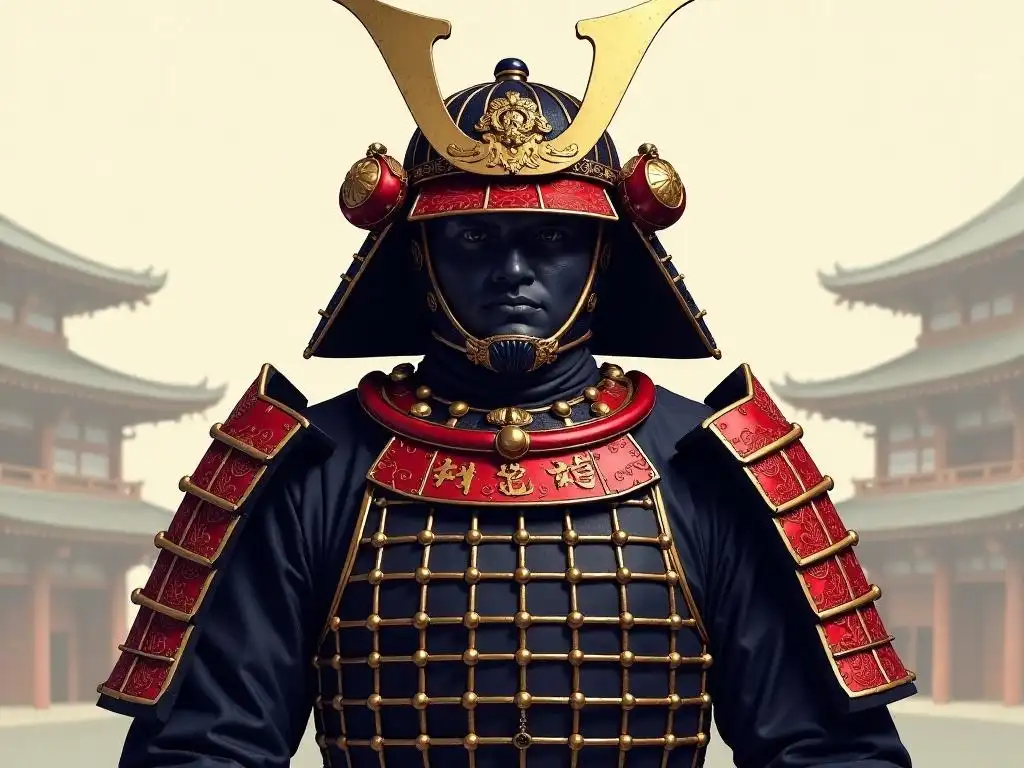
The significance of samurai armor extends far beyond its physical protective capabilities; it plays a crucial role in shaping the strategies employed by samurai warriors during combat. Samurai armor, known as yoroi, was meticulously designed not only to defend against blades and arrows but also to enhance mobility and allow for effective maneuvering on the battlefield. The armor's layered construction contributed to a balance between protection and agility, enabling samurai to engage in both close-quarter combat and mounted warfare.
The distinct styles of armor, such as the ō-yoroi for mounted samurai and dō-maru for foot soldiers, were tailored to their respective combat roles. This specialization meant that samurai could adapt their strategies based on the armor they donned. For instance, those equipped with lighter armor could execute faster strikes and evasive maneuvers, while heavily armored samurai could withstand intense assaults, thus altering the dynamics of battle. The visual intimidation factor of samurai armor, often adorned with clan symbols and intricate designs, also played a strategic role, as it instilled fear in opponents and inspired confidence among allies.
Armor and Its Impact on Combat Techniques
The design of samurai armor significantly influenced combat techniques throughout Japan's feudal era. The armor's structure allowed for a diverse range of movements, which samurai capitalized on during fighting. For example, the kabuto (helmet) featured a crest that could be angled for better visibility, while the dō (chest armor) was crafted to allow for bending and twisting motions essential for swordplay.
Additionally, the use of armor affected formations and tactics. Samurai often fought in groups, using their armor to create a formidable front line. The tachi and later katana swords, combined with the protective gear, enabled a style of fighting that emphasized swift strikes and tactical retreats. The armor's weight and balance also influenced how samurai trained, as they would practice with their armor to ensure they could maintain speed and precision even under the added burden.
Psychological Effects of Armor on Samurai and Enemies
The psychological impact of samurai armor was profound, affecting both the wearer and their adversaries. For samurai, their armor served as a symbol of honor and status, reinforcing their identity as elite warriors. The elaborate designs and personal embellishments were not merely aesthetic; they conveyed the samurai's lineage and achievements, fostering pride and a sense of duty when donning the armor.
Conversely, the sight of a fully armored samurai charging into battle could intimidate enemies, often leading to a psychological advantage. The fear of facing a well-equipped samurai could disrupt enemy formations and morale, sometimes leading to premature retreats or surrender. This dynamic, combined with the samurai's reputation for skill and bravery, reinforced the armor's role as a weapon of psychological warfare.
Case Studies of Notable Battles Involving Samurai Armor
Examining specific historical battles reveals how samurai armor influenced warfare outcomes. One notable example is the Battle of Nagashino in 1575, where the use of gunpowder weapons marked a turning point in samurai warfare. The samurai, traditionally reliant on close combat, adapted their tactics and armor to counter the threat of firearms.
During the battle, the samurai wore armor designed to provide better mobility while still offering protection against bullets. This adaptation allowed them to employ hit-and-run tactics effectively. Despite facing a technologically superior force, the samurai's strategic use of armor and tactics played a critical role in their eventual victory.
Another significant battle is the Siege of Osaka in the early 17th century, where the samurai armor was essential for both defense and offense. The heavily fortified castles required samurai to don robust armor that could withstand long sieges, allowing them to hold their ground against larger forces, showcasing the dual role armor played in both protection and tactical advantage.
Modern Interpretations of Samurai Armor
Samurai armor continues to capture the imagination and influence modern interpretations of warrior culture. Its intricate designs and craftsmanship have led to a renewed interest in historical accuracy among enthusiasts, collectors, and filmmakers. Today, replicas of samurai armor are crafted with the same attention to detail as the original pieces, serving as educational tools and items of cultural significance.
The preservation of samurai armor in museums allows contemporary audiences to appreciate its artistry and historical context. Exhibitions often highlight the evolution of armor styles and their roles in warfare, providing insight into the samurai's identity and the cultural importance of these artifacts.
The Influence of Samurai Armor on Contemporary Culture
The legacy of samurai armor transcends mere historical curiosity; it has profoundly influenced contemporary culture. The aesthetic elements of samurai armor can be seen in various forms of art, fashion, and design. Modern clothing lines incorporate samurai motifs, while artists draw inspiration from the armor's intricate patterns and symbolism.
Moreover, the values associated with samurai, such as honor, discipline, and loyalty, have permeated modern narratives. These themes resonate in literature, film, and video games, where samurai armor symbolizes the enduring spirit of the warrior class. By connecting past traditions with present-day ideals, samurai armor continues to inspire and shape cultural expressions worldwide.
Armor in Popular Media and Its Representation of Samurai Identity
In popular media, samurai armor frequently serves as a powerful symbol of identity and honor. Films such as "The Last Samurai" and anime series like "Samurai Champloo" depict samurai armor not only as protective gear but as a representation of the samurai's ethos. These portrayals emphasize themes of sacrifice, loyalty, and the struggle between tradition and modernity.
Video games, too, have embraced the imagery of samurai armor, often allowing players to don various styles that reflect historical accuracy or artistic interpretation. Titles like "Ghost of Tsushima" highlight the significance of armor in gameplay mechanics and storytelling, reinforcing the samurai's identity as both a warrior and a cultural icon.
Through these various mediums, samurai armor remains a potent symbol of the samurai's enduring legacy, encapsulating the values and narratives that define this iconic warrior class. The fascination with samurai armor persists, ensuring that its significance in warfare and culture continues to resonate through generations.
Conclusion: The Lasting Significance of Samurai Armor in Warfare and Identity
The significance of samurai armor transcends mere protection in battle; it embodies the very essence of samurai identity and cultural heritage. From its intricate designs to its functional innovations, samurai armor played a pivotal role in shaping the warrior class's ethos and their effectiveness in warfare. As we delve into the lasting impact of samurai armor, it becomes evident that these artifacts are not only military tools but also symbols of honor, status, and the evolving nature of Japanese society.
Summary of Key Points
- Cultural Symbolism: Samurai armor served as a representation of the samurai’s social status and adherence to bushido, the way of the warrior. Its aesthetic elements conveyed messages about the wearer's lineage and moral standing.
- Technological Advancements: The development of armor technology, such as the use of lighter materials and modular designs, reflected the changing tactics and battlefield requirements throughout Japan’s feudal era. This adaptability allowed samurai to maintain effectiveness against various foes.
- Ritual and Identity: Beyond practicality, armor was deeply entwined with samurai rituals and identity. Donning armor was a ceremonial act that reinforced loyalty and readiness for battle, intertwining personal pride with the collective honor of the samurai class.
- Influence on Modern Japan: The legacy of samurai armor continues to influence modern Japanese culture, from martial arts to fashion. Its historical significance resonates through festivals, museums, and popular media, keeping the spirit of the samurai alive in contemporary society.
The Enduring Legacy of Samurai Armor in Japanese History
Samurai armor has left an indelible mark on Japanese history, serving as a tangible link to the samurai era. Its legacy is preserved in various forms, including art, literature, and martial traditions. The armor's influence can be seen in the following ways:
- Cultural Heritage: Today, samurai armor is revered as a national treasure, representing Japan's rich cultural history. Museums across the country exhibit exquisite examples of armor, attracting scholars and tourists alike.
- Martial Arts and Traditions: Many Japanese martial arts, such as kendo and iaido, are steeped in the traditions of the samurai. The principles of honor, discipline, and respect for one’s opponent are rooted in the samurai ethos, which is also reflected in the ceremonial use of armor during practice and competitions.
- Artistic Expression: The intricate designs and craftsmanship of samurai armor have inspired countless artists and craftsmen through the ages. This continued appreciation for the aesthetic qualities of armor fosters a deeper understanding of samurai culture and its values.
- Cinematic and Literary Representations: Samurai armor has been immortalized in films, literature, and anime, captivating audiences worldwide. These portrayals often highlight the romanticized ideals of the samurai, contributing to a global fascination with this unique warrior class.
The significance of samurai armor in warfare and identity is profound and multifaceted. It serves as a reminder of a time when honor and valor defined a warrior’s life and continues to resonate through Japan’s cultural landscape today.
- Introduction to Samurai Armor Significance in Warfare
- Historical Evolution of Samurai Armor
- Types of Samurai Armor and Their Functions
- Symbolism of Samurai Armor in Identity
- The Role of Armor in Samurai Warfare Strategies
- Modern Interpretations of Samurai Armor
- Conclusion: The Lasting Significance of Samurai Armor in Warfare and Identity
Frequently Asked Questions
What was the primary purpose of samurai armor in warfare?
Samurai armor was designed to provide protection in battle while allowing for mobility. It played a crucial role in ensuring survival during combat, making it significant in warfare.
How did samurai armor reflect the identity of its wearer?
Samurai armor was not only functional but also a symbol of status and identity. Unique designs and decorations indicated a samurai's rank and conveyed their heritage in society.
What materials were commonly used to create samurai armor?
Samurai armor was typically made from materials such as iron, leather, and silk. These materials were chosen for their ability to provide protection while being lightweight enough for agility in battle.
How did the design of samurai armor evolve over time?
The design of samurai armor evolved to incorporate new technologies and battle tactics. As warfare changed, armor became more sophisticated, reflecting advancements in protection and aesthetics.
What role did samurai armor play in Japanese culture beyond warfare?
Beyond its use in battle, samurai armor is a significant part of Japanese cultural heritage. It symbolizes the spirit and values of the samurai class, influencing art, literature, and modern Japanese identity.
Final Reflection: The Enduring Significance of Samurai Armor in Warfare and Identity
The exploration of samurai armor significance in warfare reveals a profound connection between identity and the tools of battle. Today, as we navigate a world increasingly defined by cultural exchanges and historical reinterpretations, the legacy of samurai armor continues to resonate. It serves not only as a symbol of martial prowess but also as a testament to the values of honor, discipline, and artistry that defined the samurai class. The intricate designs and functional aspects of armor remind us that warfare is not merely about conflict but also about the stories and identities woven into the fabric of history.
The impact of samurai armor extends beyond the battlefield, influencing contemporary culture and art. The aesthetic beauty and functional design of these armors have inspired countless artists, filmmakers, and historians. As we witness a resurgence of interest in samurai culture, it is essential to recognize how these artifacts shape our understanding of honor and identity in modern society. Armor is not just a protection; it is a reflection of the soul of the warrior.
This quote encapsulates the idea that the significance of samurai armor transcends its physical form, embodying the spirit of those who wore it and the ideals they upheld.
As we reflect on the lessons of samurai armor, I invite you to consider how the values it represents—courage, integrity, and respect—can be applied in your own life. In a world that often feels fragmented, let us draw inspiration from the samurai's commitment to their principles and the artistry of their craft. Embrace the challenge of forging your identity with intention and honor, and remember that the armor we wear today may not be physical but is equally significant in shaping who we are and how we engage with the world around us.
Unveil the Legacy of Samurai Armor Today!
Thank you for diving into the fascinating world of samurai armor and its profound impact on Japanese identity and warfare. You've uncovered the intricate relationship between craftsmanship and culture—now it's time to take that knowledge further!
Here are a few empowering steps you can take next:
- Visit local museums or explore virtual exhibits to see samurai armor up close and appreciate the artistry behind its creation.
- Engage in discussions with friends or fellow history enthusiasts by sharing captivating stories about the symbolism and significance of samurai armor in battle.
- Participate in online communities dedicated to Japanese history to expand your knowledge and connect with others who share your enthusiasm.
What aspect of samurai culture intrigues you the most, and how do you plan to explore it further?