
The Cataclysmic Encounter at the Battle of Mikatagahara: Lessons in Strategy

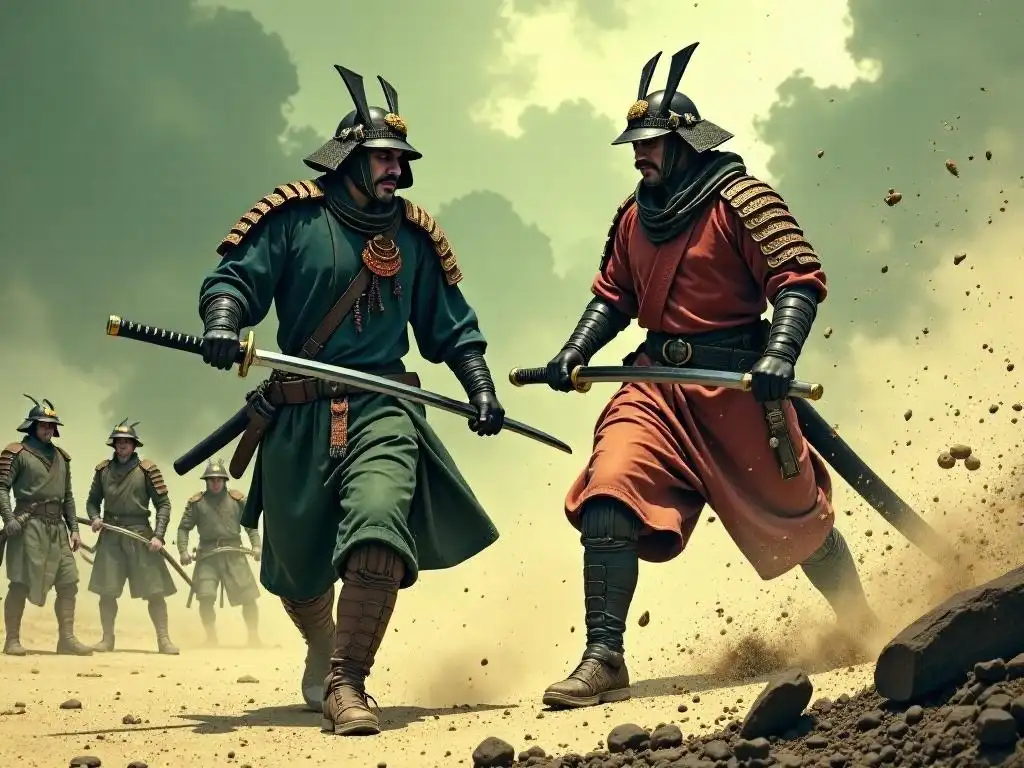
Welcome to Feudal Japan History! Dive into the captivating world of Japan's feudal era, where every battle tells a story and every strategy shapes a nation's destiny. In this exploration, we unravel the intricacies of the Battle of Mikatagahara, a pivotal clash that not only defined a moment in history but also offers timeless lessons in strategy. Prepare to be enthralled as we dissect the tactics employed during this cataclysmic encounter, inviting you to reflect on how these insights resonate even today. Join us on this journey through time and discover what lies behind the curtain of military genius!
- Introduction to the Battle of Mikatagahara
- Key Players in the Battle of Mikatagahara
- The Prelude to the Battle of Mikatagahara
- The Battle of Mikatagahara: A Strategic Breakdown
- Lessons in Strategy from the Battle of Mikatagahara
- Comparative Analysis of Strategies in Feudal Japan
- The Aftermath of the Battle: Implications for Future Conflicts
- Conclusion: Enduring Lessons from the Battle of Mikatagahara
- References and Further Reading on Feudal Japan's Military History
-
Frequently Asked Questions
- What was the significance of the Battle of Mikatagahara?
- What strategies were employed during the Battle of Mikatagahara?
- How did the Battle of Mikatagahara affect feudal Japan's military tactics?
- What can modern leaders learn from the Battle of Mikatagahara?
- Where can I find more information about the Battle of Mikatagahara and its lessons?
- Final Reflection: Embracing the Strategic Lessons of Mikatagahara
- Embrace the Lessons of Mikatagahara!
Introduction to the Battle of Mikatagahara
The Battle of Mikatagahara, fought in 1573, stands as a pivotal event in Japan's Sengoku period, a time characterized by political upheaval and relentless military conflict. This encounter not only exemplifies the profound shifts in power dynamics among feudal lords but also serves as a rich source of strategic lessons that continue to resonate in military studies today. Commanders and scholars alike analyze the tactics and decisions made during this battle, uncovering insights that extend beyond the battlefield into the realms of leadership and strategy.
In this article, we will delve into the complexities surrounding the Battle of Mikatagahara, exploring its historical context, the significance it held within the broader scope of feudal Japan, and the strategic lessons that can still be applied in contemporary military analysis. By examining the motivations of the key players involved and the consequences of the battle, we aim to provide a comprehensive understanding of this cataclysmic encounter that shaped the course of Japanese history.
Overview of the Historical Context
The Battle of Mikatagahara unfolded during a time when Japan was fragmented into numerous warring states, each vying for dominance. The conflict was primarily between the forces of Takeda Shingen, one of the most formidable warlords of the era, and Uesugi Kenshin, another prominent figure known for his military prowess.
- Political Landscape:
- The Sengoku period (1467–1603) was marked by:
- Constant warfare
- Shifting alliances
- The rise and fall of various daimyō (feudal lords)
- The Sengoku period (1467–1603) was marked by:
- Key Figures:
- Takeda Shingen:
- Renowned for his cavalry tactics
- Sought to expand his territory in Shinano and beyond
- Uesugi Kenshin:
- Celebrated as a master strategist
- Aimed to defend his lands in Echigo against rival factions
- Takeda Shingen:
The confrontation at Mikatagahara arose from escalating tensions between these two powerful clans, culminating in a clash that would demonstrate the effectiveness of strategic innovation in warfare.
Significance of the Battle in Feudal Japan
The Battle of Mikatagahara is not merely a military engagement but a profound lesson in strategy that offers critical insights into leadership, tactical maneuvering, and the impacts of terrain on battle outcomes.
- Tactical Innovations:
- The battle showcased the importance of:
- Cavalry mobility: Takeda's cavalry charges were a decisive aspect of his military strategy.
- Terrain utilization: The location of Mikatagahara influenced the tactics employed by both leaders.
- The battle showcased the importance of:
- Legacy:
- Despite the ultimate outcome favoring Uesugi Kenshin, the lessons drawn from this encounter have been studied extensively by military historians. Key takeaways include:
- The significance of adaptability in strategy
- The importance of intelligence and reconnaissance in planning
- Despite the ultimate outcome favoring Uesugi Kenshin, the lessons drawn from this encounter have been studied extensively by military historians. Key takeaways include:
The Battle of Mikatagahara thus serves as a critical case study within military history, illustrating how the decisions made in the heat of conflict can have far-reaching consequences, not only affecting the immediate outcome but also shaping the future of feudal Japan.
Key Players in the Battle of Mikatagahara
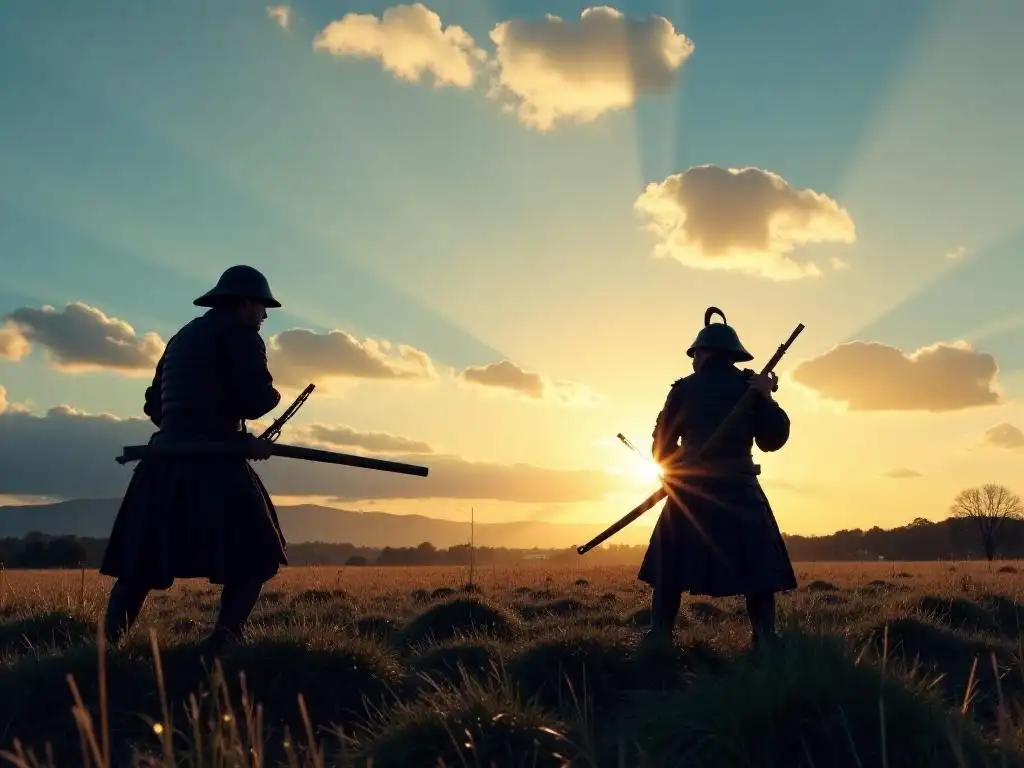
Tokugawa Ieyasu: The Strategist
Tokugawa Ieyasu, one of the most significant figures in Japanese history, played a pivotal role in shaping the outcome of the Battle of Mikatagahara. Born in 1543, he became known for his strategic acumen and his ability to forge alliances. Ieyasu was a master of patience, often opting for a long-term strategy over immediate confrontation. His leadership during the battle exemplified his approach to warfare, where he emphasized the importance of battlefield positioning and the morale of his troops.
At Mikatagahara, Ieyasu faced a formidable opponent in Uesugi Kenshin. Despite being significantly outnumbered, Ieyasu relied on his well-trained army and their ability to adapt to the battlefield's conditions. He understood the terrain's advantages and used them to create defensive positions that would maximize his forces' effectiveness. Ieyasu's strategic foresight was evident in his decision to retreat at a critical moment, preserving his forces for future engagements rather than risking total annihilation.
Key aspects of Ieyasu's strategy included:
- Preparation and Intelligence: Gathering information about Uesugi's movements and troop strength.
- Flexibility in Tactics: Adapting to the fluid dynamics of battle, changing formations quickly as the situation required.
- Morale Management: Ensuring his troops remained motivated, even in the face of overwhelming odds.
Uesugi Kenshin: The Opponent
Uesugi Kenshin, often referred to as the "Dragon of Echigo," was a legendary warlord known for his military prowess and chivalric code. Born in 1530, he was a contemporary of Tokugawa Ieyasu and became one of his most formidable adversaries. Kenshin's reputation as a brilliant military strategist was well-earned, as he often employed innovative tactics that caught his opponents off guard.
During the Battle of Mikatagahara, Kenshin commanded a larger force, which he believed would overwhelm Ieyasu's troops. His approach was characterized by aggressive tactics and a strong emphasis on cavalry units, which he used effectively to exploit weaknesses in enemy lines. Kenshin was known for his rapid strikes, aiming to disrupt the enemy's formation and seize the initiative.
Some elements of Kenshin's military strategy included:
- Cavalry Dominance: Utilizing his cavalry to outmaneuver Ieyasu's forces.
- Psychological Warfare: Leveraging his reputation and the fear it instilled in his opponents to gain an advantage.
- Rapid Engagement: Initiating attacks quickly to maintain pressure on Ieyasu's forces.
Analysis of Their Military Strategies
The Battle of Mikatagahara serves as a profound study in contrasting military strategies. Both Tokugawa Ieyasu and Uesugi Kenshin showcased different approaches that ultimately influenced the battle's outcome.
| Strategy Aspect | Tokugawa Ieyasu | Uesugi Kenshin |
|---|---|---|
| Forces | Smaller, well-disciplined army | Larger, more diverse force |
| Tactics | Defensive positioning and retreat strategy | Aggressive cavalry maneuvers |
| Terrain Utilization | Exploited terrain for defensive advantage | Attempted to outflank using mobility |
| Psychological Approach | Maintained troop morale through leadership | Used reputation to intimidate opponents |
The key lesson in strategy from the Battle of Mikatagahara lies in the importance of adaptability and the effective use of terrain. While Kenshin's aggressive tactics initially seemed advantageous, Ieyasu's strategic retreat and positioning allowed him to survive and regroup for future conflicts. This battle illustrates that success in warfare is not solely determined by the size of one's forces but rather by the effectiveness of strategy, adaptability, and the psychological state of the troops involved.
The Battle of Mikatagahara stands as a testament to the strategic genius of both Tokugawa Ieyasu and Uesugi Kenshin, providing enduring lessons in military strategy that resonate even in modern contexts.
The Prelude to the Battle of Mikatagahara
The Battle of Mikatagahara, fought in 1573, stands as a pivotal moment in Japan's Sengoku period, encapsulating the tumultuous political landscape and military strategies that characterized the era. This battle was not merely a clash of arms but a manifestation of the broader dynamics of power, alliances, and tactical innovations that shaped feudal Japan. Understanding the prelude to this confrontation is essential to extracting the lessons in strategy that emerged from it.
Political Climate Leading Up to the Conflict
The political climate leading to the Battle of Mikatagahara was characterized by fragmentation and intense rivalry among various feudal lords (daimyōs). The late 16th century was marked by the decline of the Ashikaga shogunate, which had failed to maintain order, leading to the rise of powerful regional leaders vying for dominance. Notably, two key figures emerged: Uesugi Kenshin and Takeda Shingen, whose ongoing rivalry set the stage for the conflict.
- Uesugi Kenshin: Known as the "Dragon of Echigo," Kenshin was a formidable military strategist and leader, commanding loyalty from his vassals and instilling fear in his enemies. His ambition to expand his territory and influence was a driving force behind his military campaigns.
- Takeda Shingen: Renowned for his cavalry tactics, Shingen's rule over the Takeda clan in Kai Province made him a significant power player. His strategic mindset and resource management were instrumental in establishing his reputation on the battlefield.
The Battle of Mikatagahara was influenced by the shifting loyalties and regional conflicts that defined this period. Local alliances and conflicts among smaller clans often dictated the actions of larger daimyōs, leading to a web of political intrigue that could shift overnight.
A notable aspect of the political climate was the involvement of the Tokugawa clan, led by Tokugawa Ieyasu, who sought to consolidate power in the region. Ieyasu's strategic decisions, including alliances and betrayals, played a critical role in shaping the battlefield dynamics. As these factions maneuvered politically, the stage was set for the impending clash at Mikatagahara.
Strategic Alliances and Their Impact on the Battle
Strategic alliances were pivotal in determining the outcome of the Battle of Mikatagahara. The alliances formed by the various clans not only influenced troop movements but also affected morale and resource allocation. Understanding these alliances provides valuable insights into the strategic lessons gleaned from the battle.
- The Uesugi-Takeda Rivalry: The longstanding conflict between Uesugi and Takeda was exacerbated by their respective alliances. While Uesugi Kenshin sought to gather allies to counter Takeda Shingen's advances, Shingen's reputation attracted various daimyōs eager to support a strong leader. This rivalry set the tone for the battle, highlighting the importance of understanding enemy alliances.
- Role of the Tokugawa Clan: Tokugawa Ieyasu, who initially allied with Takeda, sought to leverage this relationship to strengthen his own position. However, shifting loyalties soon came into play. Ieyasu's eventual support for Uesugi Kenshin during the battle reflects the fluid nature of alliances during this period, emphasizing the need for adaptability in strategy.
- Local Clans and Their Allegiances: Smaller clans also played significant roles in the battle. Their allegiances could tip the scales in favor of one side or the other. For instance, the support of local clans for Uesugi or Takeda often depended on past grievances or promises of protection, illustrating the complex interplay of personal loyalty and strategic necessity.
The interplay of these alliances showcases a key lesson in military strategy: the necessity of understanding the broader political landscape and capitalizing on alliances to achieve strategic objectives. The outcome of the Battle of Mikatagahara was not solely determined by the battlefield tactics employed but also by the intricate web of alliances that influenced troop morale and logistical support.
The prelude to the Battle of Mikatagahara is marked by a complex tapestry of political maneuvering and strategic alliances that set the groundwork for the conflict. The lessons learned from this encounter extend beyond mere combat tactics, emphasizing the significance of political awareness and alliance-building in feudal Japan's military strategies.
The Battle of Mikatagahara: A Strategic Breakdown
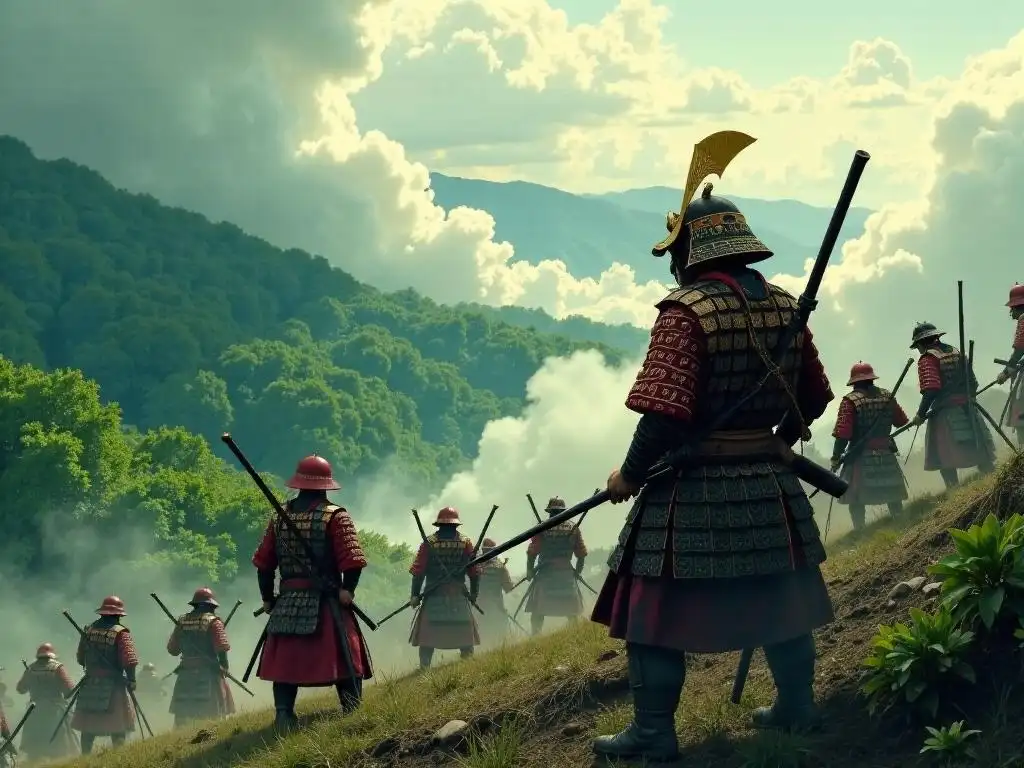
The Battle of Mikatagahara, fought in 1573 during Japan's Sengoku period, serves as a profound example of military strategy and its implications on the outcomes of conflicts. This engagement saw the forces of Takeda Shingen clash with those of Uesugi Kenshin, marking a pivotal moment in feudal Japan's tumultuous history. The battle is often analyzed not only for its immediate consequences but also for the strategic lessons it imparts, particularly regarding troop movements, decision-making, and the effective use of terrain.
Initial Movements and Tactical Decisions
The initial phases of the Battle of Mikatagahara were characterized by rapid troop movements and aggressive strategies from both commanders. Takeda Shingen initiated the conflict by advancing swiftly toward the Uesugi-held territory, aiming to catch his adversary off guard. Shingen’s forces, numbering around 25,000, employed a strategy of speed and surprise, which was a hallmark of his military approach.
- Uesugi Kenshin's Response: Kenshin, aware of Takeda's reputation for swift assaults, prepared his troops defensively. His army, approximately 20,000 strong, was strategically positioned on elevated terrain, which offered a significant advantage in terms of visibility and control over the battlefield.
- Communication and Intelligence: Both commanders relied heavily on their scouts and horsemen to gather intelligence about enemy movements. Effective communication was crucial, as it allowed them to adapt their strategies dynamically. For instance, Kenshin’s timely decision to fortify his position at Mikatagahara exemplified proactive strategic thinking that would come to define the battle’s early stages.
The initial contact saw Takeda forces attempting to encircle their opponents, a tactic that required meticulous coordination and execution. However, Kenshin’s adept maneuvering and counter-attacks disrupted Takeda’s plans, demonstrating how tactical decisions can significantly alter the course of a battle.
Key Turning Points during the Battle
As the battle progressed, several key turning points emerged that showcased the fluidity of military engagements and the importance of adaptive strategies.
- The Flanking Maneuver: One of the most critical moments was when Uesugi forces executed a successful flanking maneuver against Takeda's left wing. This unexpected assault not only caught Takeda off-guard but also led to significant casualties, demonstrating the effectiveness of flexible tactics in response to enemy formations.
- Morale and Psychological Warfare: The psychological aspect of warfare played a vital role in the battle. As Takeda troops began to falter under Uesugi's persistent attacks, their morale plummeted. Effective leadership by Kenshin, including inspiring speeches and visible engagement on the front lines, rallied his men and intensified their resolve, showcasing how morale can be a decisive factor in battle outcomes.
- Weather Conditions: The weather also became a pivotal element. As the battle unfolded, rain began to fall, creating muddy conditions that hampered movement for Takeda's cavalry, a core component of their fighting strategy. This environmental factor highlighted the necessity of considering external conditions in military planning and execution.
The Role of Terrain in Military Strategy
The terrain of Mikatagahara itself significantly influenced the strategies employed by both sides. The battle took place in a hilly region, which provided natural advantages for the defending Uesugi forces.
- High Ground Advantage: Uesugi Kenshin’s positioning on elevated ground allowed his troops to maximize their defensive capabilities. The high ground provided better visibility and a tactical advantage in terms of artillery and archery, crucial elements in Sengoku-era warfare.
- Obstacle Navigation: The rugged terrain also complicated movements for Takeda forces, particularly their cavalry. This underscored an essential lesson in military strategy: understanding and utilizing terrain can be as critical as troop strength and composition.
- Strategic Retreats: In the face of mounting losses, Takeda Shingen’s eventual decision to retreat was also influenced by the terrain. Recognizing that continuing the fight in unfavorable conditions would lead to greater losses, Shingen's withdrawal was a strategic choice rooted in a comprehensive understanding of the battlefield's geography.
The Battle of Mikatagahara illustrates that successful military strategy is not solely about offensive maneuvers but also about the adept utilization of terrain, psychological warfare, and the ability to adapt to changing circumstances. The lessons drawn from this encounter continue to resonate in military studies today, emphasizing the importance of comprehensive strategic planning and execution in the face of adversity.
Lessons in Strategy from the Battle of Mikatagahara
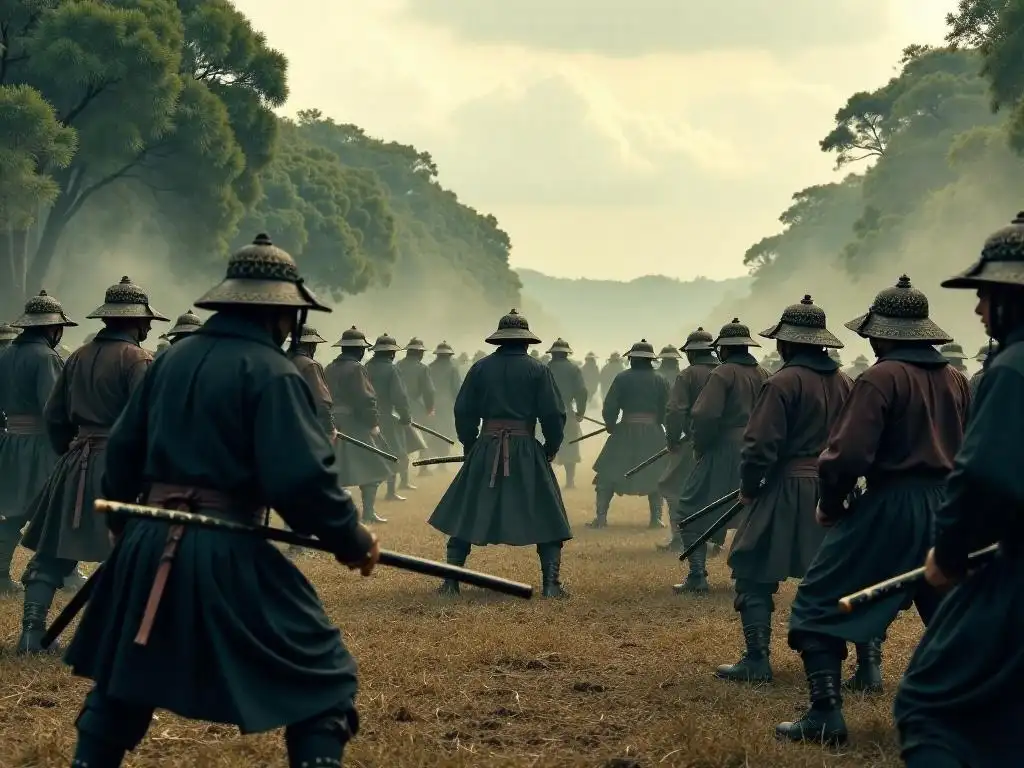
The Battle of Mikatagahara, fought in 1573 during the Sengoku period, serves as a pivotal example of military strategy that continues to resonate through history. This clash between the forces of Takeda Shingen and Uesugi Kenshin not only highlighted the importance of tactical decisions but also underscored critical lessons in strategy that can be applied to modern warfare. Through a detailed analysis of the events leading up to and during the battle, we can extract several crucial lessons that have shaped military thought.
Importance of Intelligence and Reconnaissance
One of the foremost lessons from the Battle of Mikatagahara is the paramount importance of intelligence and reconnaissance. Both Takeda Shingen and Uesugi Kenshin employed scouts and spies to gather information about each other's movements and plans. However, the effectiveness of this intelligence varied significantly.
- Effective Use of Scouts: Takeda's scouts were instrumental in providing real-time updates about the Uesugi forces' positions. This allowed Shingen to position his troops strategically, anticipating the enemy's maneuvers.
- Counterintelligence Operations: On the flip side, Uesugi Kenshin's forces operated under a veil of secrecy, utilizing feints and deceptive tactics to mislead Takeda about their true intentions. This highlights the necessity of not only gathering information but also ensuring its reliability.
The battle demonstrated that accurate intelligence can be a decisive factor in warfare. Leaders who invest in reconnaissance and understand their enemy's capabilities can make informed decisions that tilt the scales in their favor.
The Role of Adaptability in Warfare
Adaptability emerged as another critical lesson from the Battle of Mikatagahara. The ability to adjust tactics in response to changing battlefield conditions is essential for achieving victory.
- Flexible Command Structures: Uesugi Kenshin's forces exemplified adaptability by quickly reorganizing their formations in response to Takeda's aggressive tactics. This enabled them to counterattack effectively, despite being initially caught off guard.
- Dynamic Tactics: Both generals demonstrated the importance of being able to shift strategies on the fly. Takeda's initial thrusts were met with effective countermeasures from Kenshin, who employed surprise attacks and rapid troop movements to regain the initiative.
The rapid changes in the nature of the battle underscored that a rigid adherence to a pre-set plan can lead to disaster. Successful commanders must remain vigilant and ready to pivot based on the evolving circumstances of the conflict.
Utilizing Terrain to Gain Advantage
The utilization of terrain played a crucial role in the outcome of the Battle of Mikatagahara, illustrating how geographical features can dictate the flow of battle.
- Natural Barriers and Strategic Locations: Takeda Shingen adeptly used the natural landscape to his advantage, positioning his troops on elevated ground, which offered a tactical edge in terms of visibility and defense.
- Influence of Geography on Maneuvers: Uesugi Kenshin also recognized the importance of terrain and sought to exploit flanking routes. This maneuverability allowed him to engage Takeda's forces from multiple angles, complicating their defensive efforts.
The battle serves as a reminder that understanding and leveraging terrain can significantly influence the outcome of military engagements. Commanders who can read the land and use it to enhance their strategic options are often the ones who emerge victorious.
The Battle of Mikatagahara provides timeless lessons in military strategy, particularly in the realms of intelligence, adaptability, and terrain utilization. These principles remain relevant not only in historical analysis but also in contemporary strategic thought, emphasizing the enduring nature of warfare's fundamental elements.
Comparative Analysis of Strategies in Feudal Japan
The Battle of Mikatagahara serves as a pivotal case study in understanding the military strategies employed during Japan’s feudal era. By examining this battle in relation to other significant confrontations, we can glean essential insights into the strategic mindset of the period. This analysis will highlight both the similarities and divergences in tactics, shedding light on the evolution of warfare in feudal Japan.
Battle of Mikatagahara vs. Other Key Battles
The Battle of Mikatagahara, fought in 1573, is often compared to other notable conflicts such as the Battle of Okehazama (1560) and the Battle of Nagashino (1575). Each of these battles demonstrates distinct strategic decisions that defined the outcomes and set precedents for future warfare.
| Battle | Key Strategies | Outcome |
|---|---|---|
| Battle of Mikatagahara | Effective use of terrain, ambush tactics, and cavalry flanking maneuvers. | Victory for Tokugawa Ieyasu despite numerical disadvantage. |
| Battle of Okehazama | Surprise attack and rapid movement against a larger army. | Oda Nobunaga's decisive victory against Imagawa Yoshimoto. |
| Battle of Nagashino | Innovative use of firearms in a defensive position. | Tokugawa Ieyasu and Nobunaga's coalition victory over Takeda. |
In Mikatagahara, Tokugawa Ieyasu's forces, although outnumbered, utilized the terrain to their advantage, employing ambush tactics that highlighted the importance of strategic positioning. This contrasts with the surprise maneuver seen in Okehazama, where Oda Nobunaga capitalized on an unexpected assault to overcome a much larger force.
The implementation of firearm tactics at Nagashino marked a shift in military technology and strategy, showcasing how feudal battles evolved with the introduction of new warfare methods. The differences in approaches across these battles illustrate the adaptive nature of feudal Japanese warfare.
Common Tactical Themes and Divergences
In analyzing the tactics from these battles, several common themes emerge, alongside notable divergences:
- Terrain Utilization
- Common Theme: Commanders consistently sought to leverage the terrain for tactical advantages.
- Example: At Mikatagahara, Ieyasu's forces utilized the hilly landscape for ambushes, while at Nagashino, the Takeda cavalry struggled against the defensive positions fortified by Nobunaga’s troops.
- Numerical Disadvantages
- Common Theme: Many commanders faced larger opposing forces, prompting innovative strategies to compensate.
- Example: Oda Nobunaga’s tactics in Okehazama were based on speed and surprise, while Ieyasu’s strategies at Mikatagahara focused on guerrilla-style engagements.
- Cavalry and Infantry Integration
- Common Theme: The coordination between cavalry and infantry was crucial for success.
- Example: The flanking maneuvers at Mikatagahara showcased effective cavalry use, similar to the cavalry charges seen in Nagashino, albeit with differing outcomes due to the advancing technology.
- Adaptation to Technological Changes
- Divergence: The introduction of firearms at Nagashino marked a significant shift in how battles were fought, unlike the predominantly melee engagements characteristic of Mikatagahara and Okehazama.
The strategies employed during the Battle of Mikatagahara reveal not only the tactical ingenuity of feudal leaders but also the shared principles that governed military thought throughout the era. By studying these battles collectively, we can draw valuable lessons in strategy that continue to resonate in the analysis of military history today.
The Aftermath of the Battle: Implications for Future Conflicts
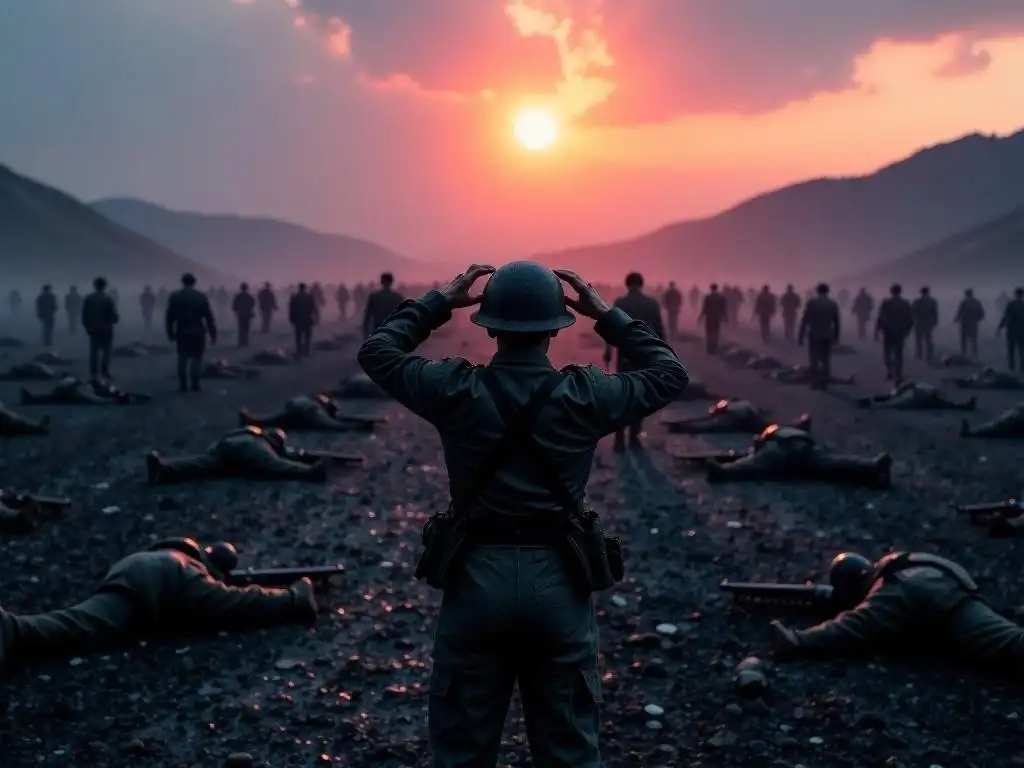
The Battle of Mikatagahara was not only a significant military engagement in feudal Japan but also a turning point that influenced the trajectory of warfare strategies in the region. The aftermath of this battle led to critical changes in military leadership and strategy, shaping the course of the Warring States period and beyond.
Changes in Military Leadership and Strategy
Following the defeat of the Takeda clan at Mikatagahara, a notable shift in military leadership occurred. The battle revealed the importance of adaptable command and the need for a more strategic approach to troop deployment and battlefield tactics.
- Emergence of New Leaders: The defeat forced the Takeda to reconsider their leadership structure. The clan had to rely on more versatile commanders who could respond dynamically to battlefield conditions rather than adhering strictly to traditional tactics.
- Tactical Innovations: The battle highlighted the effectiveness of utilizing terrain and mobility. Future commanders began employing guerilla tactics and hit-and-run strategies, which became essential in the fluid battle environment of the Warring States period.
- Integration of Firearms: As the era progressed, the need to adapt to changing technologies became evident. The lessons learned from Mikatagahara prompted leaders to experiment with the incorporation of firearms, leading to a transformation in combat approaches that would define later conflicts.
The changes in leadership and strategy post-Mikatagahara illustrate the necessity for evolution in military thought. While the Takeda clan suffered a setback, their adversaries, particularly the Oda and Tokugawa clans, capitalized on these lessons, refining their strategies and solidifying their power in subsequent battles.
Long-term Effects on the Warring States Period
The implications of the Battle of Mikatagahara extended far beyond immediate military tactics; they influenced the broader socio-political landscape of the Warring States period.
- Shift in Power Dynamics: The defeat of the Takeda clan marked a significant shift in power dynamics among the warring factions. The Oda and Tokugawa clans gained momentum, leading to their eventual dominance in the region.
- Strengthening of Alliances: The fallout from the battle fueled the necessity for alliances. Weaker clans sought to band together against stronger foes, leading to a complex web of alliances that characterized the latter parts of the Warring States period.
- Cultural Reflections: The battle and its aftermath prompted cultural reflections on warfare, honor, and strategy. Literature and art began to depict the heroism and tragedy of the conflict, influencing the collective memory of the period.
- Foundation for Unification: Ultimately, the lessons learned at Mikatagahara laid the groundwork for the unification of Japan under the Tokugawa shogunate. The strategies and alliances formed in this tumultuous period were instrumental in establishing a centralized government that would last for over two centuries.
The aftermath of the Battle of Mikatagahara serves as a crucial case study in understanding the evolution of military strategy during feudal Japan and highlights how individual battles can reverberate throughout history, shaping future conflicts and political landscapes.
Conclusion: Enduring Lessons from the Battle of Mikatagahara
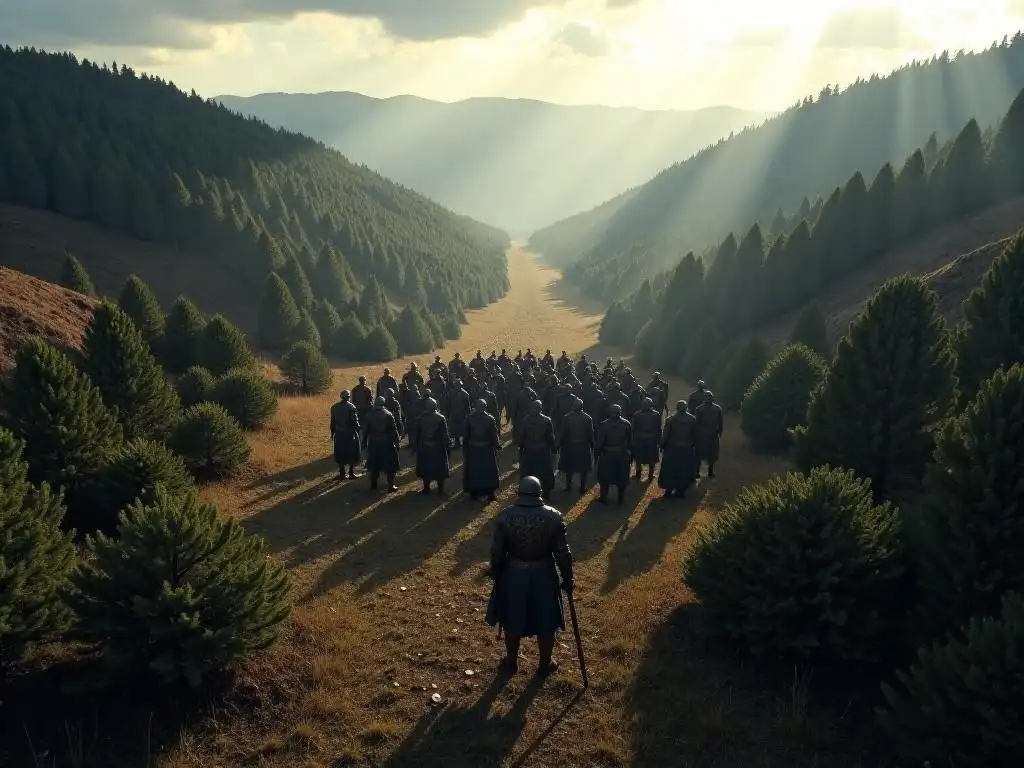
The Battle of Mikatagahara, fought in 1573 during the Sengoku period, remains a pivotal event in Japan’s military history. This clash not only showcased the tactical acumen of its participants but also imparted timeless lessons in strategy that resonate even today. Understanding these insights provides a deeper appreciation of military strategy, illustrating how historical encounters can inform contemporary practices.
Summary of Strategic Insights
The Battle of Mikatagahara offers a wealth of strategic insights that are still applicable in modern military discussions. Here are some key lessons derived from this encounter:
- Terrain Utilization:
- The battle highlighted the significance of terrain in shaping the outcome of military engagements. Takeda Shingen’s forces effectively used the natural landscape to their advantage, demonstrating the critical need for commanders to analyze and leverage their surroundings.
- Intelligence and Deception:
- The use of misinformation and deception played a crucial role in the battle. The Takeda employed feints to mislead the opposing forces, showcasing the effectiveness of psychological tactics in warfare. Modern military operations often emphasize the importance of intelligence gathering and the deliberate use of misinformation to achieve strategic advantages.
- Adaptability and Flexibility:
- The fluid dynamics of the battle underscored the necessity for troops to be adaptable in the face of changing circumstances. The ability to shift tactics and respond to an evolving battlefield is a quality that remains essential for modern military leaders.
- Leadership and Morale:
- The impact of leadership on troop morale was palpable during the battle. Takeda Shingen’s charismatic leadership inspired his soldiers, while the loss of morale among the opposing forces contributed to their defeat. This highlights the enduring importance of strong leadership in maintaining troop cohesion and resolve.
Relevance of Mikatagahara in Modern Military Studies
The strategic lessons drawn from the Battle of Mikatagahara continue to be relevant in modern military studies for several reasons:
- Case Studies in Military Academies:
- Military academies around the world often analyze historical battles like Mikatagahara to educate future leaders on effective strategy and tactics. The battle serves as a case study in understanding how historical contexts can shape military decisions.
- Integration of Historical and Contemporary Strategies:
- The principles observed in Mikatagahara, such as terrain analysis, deception, and leadership, are integrated into contemporary military doctrine. Modern strategies often draw parallels to historical conflicts, emphasizing the cyclical nature of warfare.
- Multi-Domain Operations:
- As military operations evolve to encompass land, air, and cyber domains, the lessons from Mikatagahara regarding coordination and flexibility become increasingly relevant. Understanding how ancient battles were conducted can provide insights into modern multi-domain operational strategies.
- Cultural and Psychological Dimensions:
- The cultural implications of leadership and morale observed in the battle can be studied in contemporary contexts, where the psychological components of warfare play a critical role in combat effectiveness and troop performance.
The Battle of Mikatagahara not only stands as a significant historical event but also serves as a wellspring of strategic insights. These lessons remain instrumental for military leaders and strategists, ensuring that the wisdom of the past continues to inform the future of warfare.
References and Further Reading on Feudal Japan's Military History
Suggested Books and Articles
-
"Samurai Warfare: The Battle of Mikatagahara"
This book offers an in-depth analysis of the tactics employed during the Battle of Mikatagahara. The author, Dr. Hiroshi Takeda, discusses the strategic decisions made by both sides and their long-term implications on samurai warfare.
-
"The Rise and Fall of the Samurai" by E. J. Harrison
Harrison provides a comprehensive overview of the samurai class, including pivotal battles like Mikatagahara. The book examines how military strategies evolved during the feudal era and the influence of significant encounters on Japanese history.
-
"Warriors of Japan: The Samurai" by John E. Dower
This article delves into the cultural context of the samurai and their military strategies. Dower highlights the importance of the Battle of Mikatagahara as a case study for understanding the broader themes of loyalty, honor, and warfare in feudal Japan.
-
"The Battle of Mikatagahara: A Turning Point in Japanese History"
This scholarly article analyzes the tactical maneuvers and battlefield decisions made by Takeda Shingen and his opponents. It includes maps and diagrams to illustrate key moments in the battle, providing readers with a visual understanding of the strategies used.
-
"Feudal Japan: Military Strategy and the Samurai"
This comprehensive text discusses various battles throughout feudal Japan, with a dedicated chapter on Mikatagahara. It emphasizes the lessons learned from the battle and how they shaped future military engagements.
Online Resources for Deeper Understanding of Japanese Battles
-
Japan's Historical Military Archives
This online database offers a wealth of primary sources, including battle reports, strategic maps, and samurai codes that provide context to battles like Mikatagahara. Researchers can access original documents that inform the understanding of military strategies employed during the feudal era.
-
The Samurai History Podcast
This podcast features episodes dedicated to key battles in Japanese history, including the Battle of Mikatagahara. Experts discuss the strategies and outcomes, providing an engaging auditory experience for those looking to deepen their knowledge.
-
Interactive Maps of Feudal Japan Battles
Various websites offer interactive maps that allow users to explore the geographic and strategic elements of key battles, including Mikatagahara. These tools help visualize troop movements and the terrain, enhancing the understanding of military tactics.
-
Feudal Japan Military History Forums
Online forums dedicated to the discussion of feudal Japan provide a platform for enthusiasts and scholars to share insights and resources. Engaging with a community can lead to discovering lesser-known strategies and interpretations of battles.
-
YouTube Channels on Japanese History
Channels such as "History of Japan" and "The Samurai Chronicles" provide visual storytelling of battles, including Mikatagahara. These resources often include expert interviews and detailed analyses of military strategies, making complex concepts more accessible.
Frequently Asked Questions
What was the significance of the Battle of Mikatagahara?
The Battle of Mikatagahara was a pivotal conflict during Japan's feudal era, showcasing the tactical ingenuity and strategic lessons that can be learned from historical battles.
What strategies were employed during the Battle of Mikatagahara?
The battle featured hit-and-run tactics and the effective use of terrain, which emphasized the importance of adaptability in military strategy.
How did the Battle of Mikatagahara affect feudal Japan's military tactics?
The lessons learned from the Battle of Mikatagahara influenced future military strategies, highlighting the need for flexibility and intelligence gathering in combat scenarios.
What can modern leaders learn from the Battle of Mikatagahara?
Modern leaders can draw parallels between the strategic decisions made during the battle and contemporary leadership challenges, emphasizing the value of critical thinking and resource management.
Where can I find more information about the Battle of Mikatagahara and its lessons?
For a comprehensive exploration of the Battle of Mikatagahara, including its historical context and strategic insights, visit the Feudal Japan History website for in-depth articles and analyses.
Final Reflection: Embracing the Strategic Lessons of Mikatagahara
The Battle of Mikatagahara stands as a pivotal moment in history, illustrating the profound impact of strategy in warfare. In today's fast-paced world, where decisions often carry significant consequences, the lessons derived from this historic encounter resonate more than ever. The ability to adapt, anticipate, and execute a well-thought-out strategy can mean the difference between success and failure, not just on the battlefield but in our everyday lives.
The influence of the Battle of Mikatagahara extends beyond its immediate historical context; it serves as a timeless reminder of the complexities of strategy in both military and civilian arenas. The principles of adaptability and foresight that emerged from this battle continue to shape contemporary discussions on leadership and decision-making. As Sun Tzu wisely noted, In the midst of chaos, there is also opportunity.
This quote encapsulates the essence of strategic thinking, urging us to find clarity and purpose even in turbulent times.
As we reflect on the lessons from the Battle of Mikatagahara, I invite you to consider how these insights can be applied in your own life. What strategies can you develop to navigate your personal and professional challenges? Embrace the spirit of adaptability and foresight, and remember that every encounter, whether in business, relationships, or personal growth, offers a unique opportunity to refine your approach and emerge victorious. Let the lessons of Mikatagahara inspire you to cultivate a mindset of strategic thinking and resilience as you face the battles of your own life.
Embrace the Lessons of Mikatagahara!
Thank you for diving into the fascinating encounters at the Battle of Mikatagahara! You've gained valuable insights into strategic thinking and the complexity of historical conflicts. Now, it's time to take these lessons and apply them to your own journey.
- Reflect on your strategies: Identify an area in your life where you can implement a new approach inspired by the lessons of Mikatagahara.
- Share your thoughts: Engage in discussions about these strategies with friends or in online history forums.
- Explore further: Investigate additional resources or books about feudal strategies to deepen your understanding.
How can you leverage historical strategies to overcome a current challenge you’re facing? We encourage you to share your insights below!