
The Influence of Religion on Weapon Design in Feudal Japan

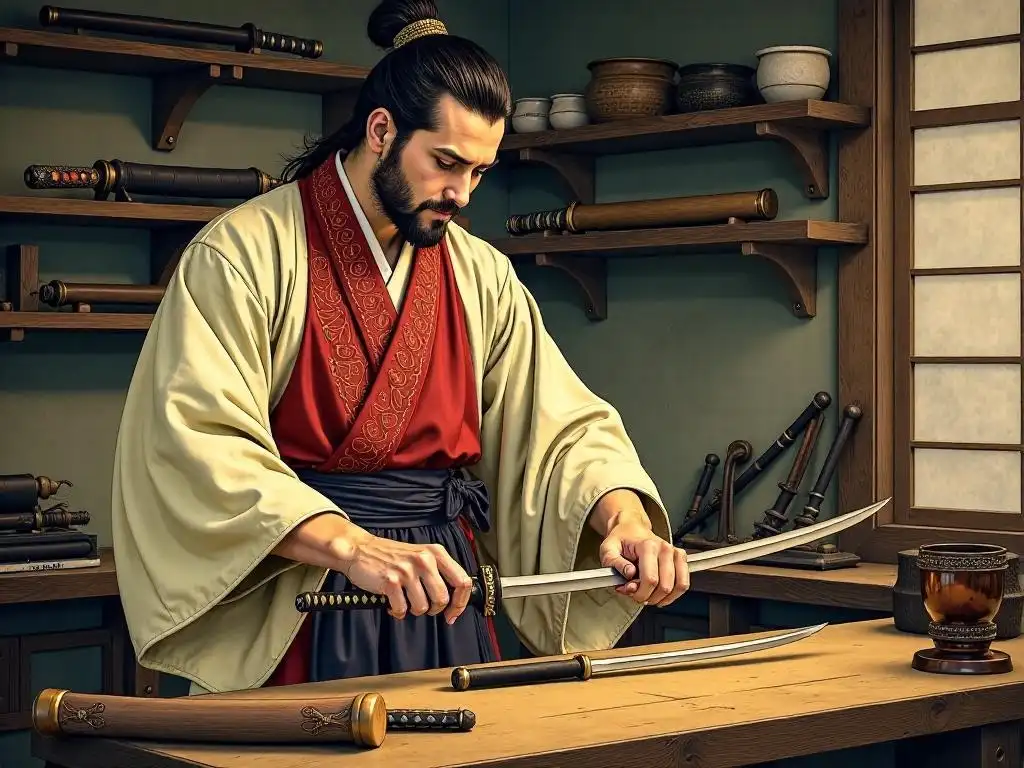
Welcome to Feudal Japan History, where we delve deep into the fascinating tapestry of Japan's feudal era. Here, you’ll uncover the intricate relationship between religion and weapon design, exploring how spiritual beliefs shaped the very tools of warfare in this unique period. What profound influences did the divine have on the craftsmanship of weaponry?
As we embark on this journey through time, prepare to discover the captivating intersections of faith and combat that defined an era. Stay curious, and let the exploration of our latest article, "The Influence of Religion on Weapon Design in Feudal Japan," guide you through this enthralling narrative.
Introduction to Religion and Weapon Design in Japan
The interplay between religion and weapon design in feudal Japan is a fascinating topic that reveals much about the cultural, spiritual, and societal dimensions of this era. Religion was not merely a personal belief system; it significantly shaped the ethos of samurai warriors, influenced military strategies, and informed the aesthetics and functionality of weapons. This article delves into how Shintoism, Buddhism, and Confucianism contributed to the development and design of weaponry during Japan's feudal period, illustrating the profound impact of spiritual beliefs on martial culture.
Overview of Feudal Japan’s Military Context
Feudal Japan, spanning from the 12th to the 19th centuries, was marked by a highly stratified society where the samurai class held significant power and influence. The military context of this period was characterized by:
- Warring States: Constant conflicts among clans, particularly during the Sengoku period (1467-1603), necessitating advanced weaponry and strategic innovations.
- Weaponry Evolution: The period saw the transition from traditional weapons like the katana to firearms such as matchlocks, which were introduced in the 16th century.
- Cultural Fusion: Interactions with foreign traders and missionaries brought new ideas and technologies, including changes in weapon design influenced by religious beliefs.
Importance of Religion in Japanese Culture
Religion in Japan was integral to daily life and societal structure, influencing various aspects, including:
- Moral Conduct: Religious teachings guided the behavior of samurai, instilling values such as loyalty, honor, and discipline.
- Rituals and Symbolism: Many weapons were adorned with religious symbols, reflecting the belief that spiritual protection would enhance their effectiveness.
- Cultural Identity: Religion helped forge a unique Japanese identity, with its own distinct philosophies and moral frameworks that shaped military practices.
Historical Background of Religion in Feudal Japan
To understand the influence of religion on weapon design in feudal Japan, it is essential to explore the three main religious traditions that played critical roles during this period: Shintoism, Buddhism, and Confucianism.
Shintoism: The Indigenous Faith and Its Impact
Shintoism, as Japan's indigenous religion, significantly influenced the culture and military practices of the time. Key aspects include:
- Kami Worship: The belief in kami, or spirits, who inhabited natural elements, fostered a deep respect for nature, which influenced the materials and aesthetics of weaponry.
- Rituals for Protection: Weapons were often blessed in Shinto ceremonies to ensure victory in battle, reflecting the belief that spiritual favor could impact physical outcomes.
- Symbolic Representation: The katana, for instance, was not only a weapon but also a sacred object, embodying the samurai's connection to their ancestors and the divine.
Buddhism: The Spiritual Influence on Samurai Ethics
Buddhism introduced a complex spiritual framework that shaped the ethics and philosophies of the samurai. Its contributions include:
- The Concept of Impermanence: Understanding the transient nature of life influenced samurai decisions in battle, often leading to a more profound respect for life and death.
- Zen Buddhism: The emphasis on meditation and mindfulness improved a warrior's focus and precision, directly impacting their martial skills and weapon handling.
- Aesthetic Value: The principles of simplicity and beauty in Buddhist art often translated into the design of weapons, where form and function harmonized.
Confucianism: Philosophical Underpinnings and Military Conduct
Confucianism provided a moral and ethical framework that influenced the conduct of samurai and the design of weaponry:
- Hierarchical Structure: Emphasizing loyalty to superiors, Confucian ideals reinforced the samurai's duty to their lords, often reflected in the craftsmanship of the weapons they wielded.
- Ritual and Governance: Confucian teachings inspired the development of formal military codes, which dictated the ethical use of weapons and warfare.
- Cultural Values: The integration of Confucian values into military training and weapon design fostered a culture of discipline and respect, essential for maintaining order in a feudal society.
In exploring these religious influences, we gain a comprehensive understanding of how deeply intertwined belief systems were with the evolution of weapon design in feudal Japan, shaping not only the tools of war but also the very fabric of samurai identity.
The Role of Religion in Shaping Weapon Design
Religion played a pivotal role in the weapon design of feudal Japan, intertwining spiritual beliefs with the practical aspects of warfare. The samurai, as the warrior class, not only engaged in battle but also adhered to a strict code of conduct influenced by Zen Buddhism, Shintoism, and Confucianism. These religious beliefs shaped their understanding of honor, duty, and the spiritual significance of weapons.
The samurai viewed their weapons as extensions of their spirit. This belief led to the incorporation of religious symbols and practices into the crafting of weapons. Blacksmiths, often considered artisans of great reverence, would invoke deities during the forging process, believing that their prayers would imbue the weapons with protective qualities and enhance their effectiveness in battle. This fusion of craftsmanship and spirituality resulted in weapons that were not only effective in combat but also held deep meaning for their owners.
Symbolism in Weaponry: Spiritual Significance
The symbolism embedded in Japanese weaponry reflects much of the rich tapestry of spiritual beliefs prevalent during the feudal era. For example, the use of specific materials, such as tamahagane steel, was not merely a practical choice; it was believed to be a divine gift from the earth. The act of forging itself was often seen as a ritual, with the blacksmith acting as a mediator between the physical and spiritual worlds.
Moreover, many weapons featured designs that carried significant spiritual weight. The tsuba (handguard) of a katana, for instance, might be adorned with motifs of dragons, phoenixes, or other mythological creatures, each symbolizing different virtues such as strength, rebirth, or protection. Such decorations served not only as aesthetic enhancements but also as reminders of the spiritual beliefs that guided the wielder's actions in battle.
Protective Amulets and Religious Artifacts in Weaponry
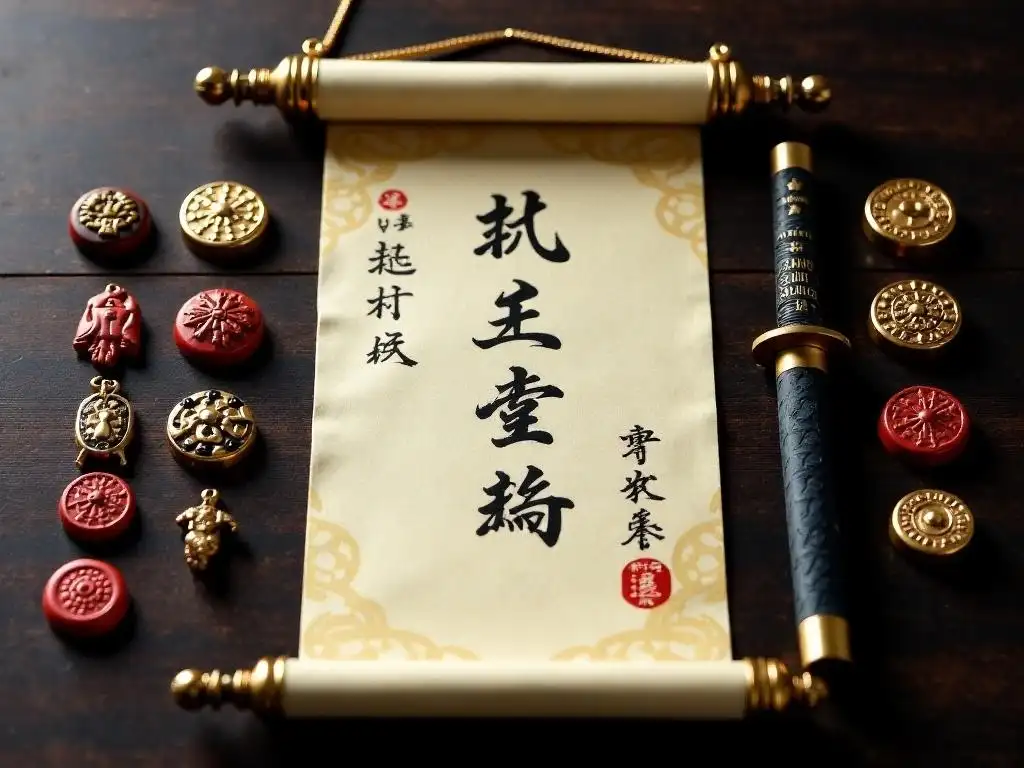
In feudal Japan, it was common for warriors to carry protective amulets and religious artifacts alongside their weapons. These items were believed to offer divine protection during combat and were often blessed by priests or monks. For instance, a small charm inscribed with sutras might be attached to the hilt of a sword or hung around the neck of a warrior, serving as a spiritual talisman that invoked the guardianship of the deities.
Additionally, the practice of incorporating religious elements into weaponry extended to the decoration and personalization of weapons. Many samurai would engrave their swords with symbols or phrases from Buddhist scriptures, enhancing the weapon's spiritual significance and aligning the warrior's intentions with their faith.
Rituals and Ceremonies Surrounding Weapons
Rituals and ceremonies surrounding weapons played a crucial role in the feudal Japanese military culture. Before a battle, samurai often engaged in purification rituals to cleanse themselves and their weapons of any negative influences. This process typically involved the sprinkling of salt or the recitation of prayers, reinforcing the connection between the warrior, their weapon, and the divine.
Furthermore, the process of presenting a new weapon was often marked by a formal ceremony, where the weapon was blessed by a spiritual leader. This ceremony not only symbolized the weapon's readiness for battle but also reaffirmed the samurai's commitment to their values and the divine principles guiding their actions. Such rituals underscored the belief that the success of a warrior in battle was not solely dependent on skill but also on the spiritual alignment between the warrior and their weapon.
Case Studies of Religious Influence on Specific Weapons
Tachi and Katana: Spiritual Elements in Blade Forging
The tachi and katana, two of the most revered types of swords in Japan, embody significant spiritual elements in their forging process. The tachi, characterized by its curved blade and longer length, was often associated with the samurai's nobility and martial prowess. The forging of a tachi involved the careful selection of materials and meticulous craftsmanship, where blacksmiths would invoke the blessings of the kami (deities) to ensure the sword's effectiveness and spiritual integrity.
In the case of the katana, the process was similarly steeped in religious significance. The ritualistic practices surrounding the katana's creation included the purification of the forge and the blacksmith's prayers for success in battle. The katana became a symbol of the samurai's soul, and many believed that it would carry the spirit of its wielder even after their death, reinforcing the weapon's deep spiritual connection.
Naginata: The Hybrid Weapon and Its Sacred Associations
The naginata, a pole weapon with a curved blade, serves as a fascinating example of religious influence in weapon design. Traditionally associated with the female warrior class, the onna-bugeisha, the naginata was not only a practical weapon but also held sacred associations. Its design allowed for both slashing and thrusting, embodying the dual nature of femininity and strength.
In various religious contexts, the naginata was linked to the goddess Kannon, the deity of mercy and compassion. Images of Kannon often depicted her wielding a naginata, symbolizing the balance of power and compassion. This connection reinforced the idea that the weapon was not merely a tool for destruction but also a means of safeguarding life and promoting harmony.
Yari: The Spear and Its Connection to Divine Warfare
The yari, or spear, represents another significant aspect of religious influence on weapon design in feudal Japan. The yari was often associated with the divine, particularly in the context of warfare and strategy. It was believed that the spear could channel the warrior's intentions and act as a conduit for divine power during battle.
In many cases, the yari was adorned with religious symbols or flags that invoked the protection of deities. The practice of attaching these symbols to the spearhead was meant to ensure victory and safeguard the warrior's spirit. Additionally, historical accounts suggest that the yari was used in ceremonial contexts, further solidifying its role as a sacred weapon within the martial tradition of Japan.
The Influence of Religion on Armor Design
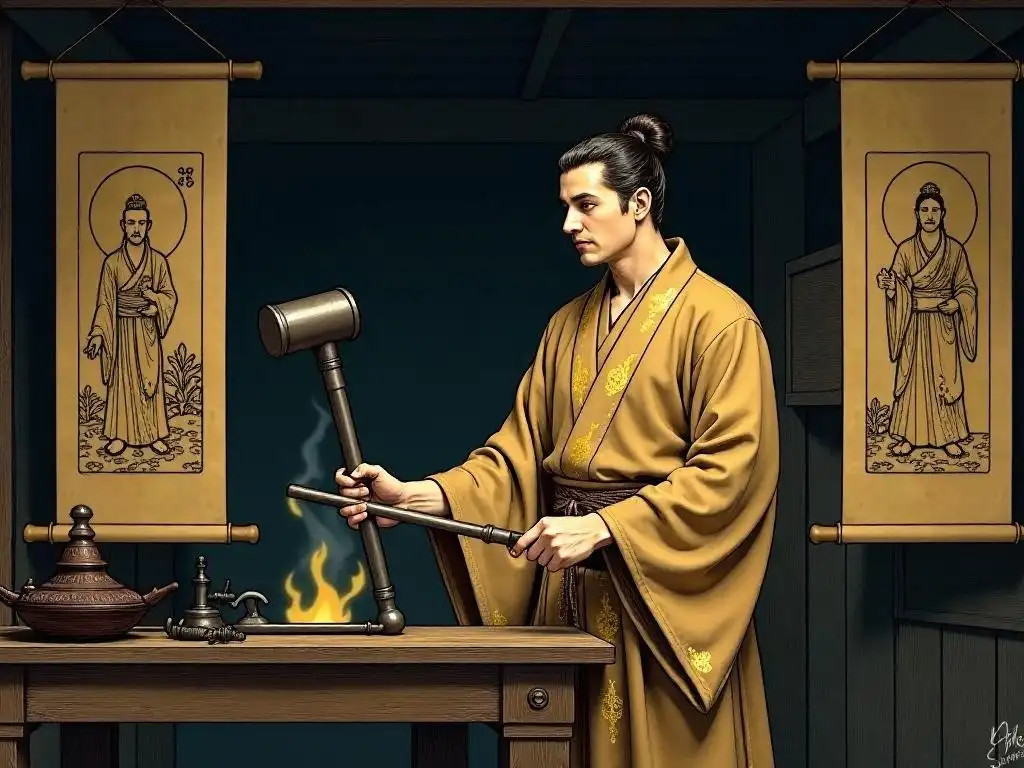
Throughout the feudal era in Japan, the interplay between religion and armor design was profound, shaping not only how armor was constructed but also its symbolic significance in warfare. Samurai armor (yoroi) was not merely a protective gear but also a reflection of the warrior’s beliefs and spiritual values. This section examines how various religious influences, particularly Buddhism and Shintoism, manifested in the design and embellishment of samurai armor.
Spiritual Embellishments in Samurai Armor
The samurai's armor often featured intricate spiritual embellishments that served both aesthetic and protective roles. Many pieces were adorned with motifs derived from Buddhist iconography, such as lotus flowers and images of deities, which symbolized purity, enlightenment, and protection against evil. The use of materials like silk for adornments often carried religious significance; for instance, the color red was associated with protection and strength in Shinto beliefs.
Moreover, amulets and talismans were commonly integrated into armor design. These small objects, often inscribed with prayers or protective symbols, were believed to ensure the wearer’s safety in battle. Some samurai even commissioned specific pieces of armor that bore inscriptions or symbols of deities they personally revered, creating a unique expression of faith through their combat gear.
The Role of Religious Symbols in Protection and Warfare
Religious symbols played a crucial role in shaping the samurai's identity and purpose on the battlefield. For instance, the use of the katana, often seen as a sacred weapon, was imbued with spiritual significance. It was believed that the blade was not just a tool for combat but a conduit for the samurai's spirit, reflecting their moral and ethical principles. The intricate tsuba (handguard) of the katana would often feature motifs from Shinto or Buddhist traditions, reinforcing the idea that the weapon was an extension of the warrior’s soul.
Additionally, the ceremonial aspects of warfare in feudal Japan were deeply intertwined with religious rituals. Before battles, samurai would often seek the blessings of deities or perform purification rites, believing that divine favor would enhance their chances of victory. This connection between spirituality and martial prowess meant that the design of armor was not only functional but also a means of invoking divine protection.
Comparative Analysis of Armor Across Different Religious Influences
The influence of religion on armor design varied across different regions and periods in feudal Japan. In areas with strong Buddhist influences, such as Kamakura and Muromachi periods, armor often showcased elaborate designs that reflected Buddhist philosophy. This included the incorporation of imagery related to the six realms of existence, symbolizing the samurai's journey toward enlightenment.
In contrast, regions with a predominant Shinto influence tended to emphasize simplicity and nature in their armor designs. Symbols drawn from nature, such as waves or mountains, reflected the Shinto belief in the sacredness of the natural world. This comparison highlights how religious beliefs directly influenced not just the aesthetics but also the philosophies behind the armor design, shaping the identity of the samurai within their cultural context.
Conclusion: The Enduring Legacy of Religion on Japanese Weaponry
The impact of religion on weapon design in feudal Japan extends beyond mere aesthetics; it embodies the spiritual and cultural ethos of the samurai. The intricate relationship between spirituality and martial practice created a unique fabric of beliefs that influenced not only how weapons were designed but also how they were perceived and utilized on the battlefield.
Summary of Key Points on Religion and Weapon Design in Japan
- Spiritual Symbolism: Armor was often embellished with religious symbols, reflecting the samurai's personal beliefs and enhancing their spiritual connection to their weaponry.
- Protective Beliefs: Amulets and talismans were integrated into armor design, signifying the importance of divine protection in warfare.
- Cultural Variations: Different regions exhibited distinct religious influences in armor design, showcasing the diversity of beliefs across feudal Japan.
Future Implications for Understanding Feudal Japanese Military History
Understanding the influence of religion on weapon design offers valuable insights into the broader context of feudal Japanese society. It highlights how spirituality shaped not only military practices but also social hierarchies and personal identity. As scholars continue to explore this intersection, future research may further illuminate the complexities of how cultural beliefs influenced the evolution of weaponry and armor in Japan, contributing to a more nuanced understanding of its military history.
References
Key Texts and Sources on Religion and Weapon Design in Feudal Japan
-
"The Sword and the Mind" by J. W. T. E. Hutton
This book explores the deep connection between the samurai’s weaponry, particularly the katana, and the philosophical underpinnings influenced by Buddhism and Shintoism. Hutton delves into how these spiritual beliefs shaped the aesthetics and functionality of Japanese swords.
-
"Warriors of Japan: The Samurai, The Shogun and The Rise of the Warrior Class" by David E. H. Hughes
Hughes offers an extensive overview of Japan's military history, emphasizing how religion influenced strategic decisions and weaponry. The author provides insights into how the samurai's adherence to Zen Buddhism affected their approach to combat and weapon design.
-
"The Art of the Japanese Sword" by Donald J. LaRocca
This text serves as an authoritative reference on the craftsmanship of Japanese swords, detailing how religious rituals and beliefs were integrated into the sword-making process. LaRocca discusses the spiritual significance of various sword elements, influencing design and symbolism.
-
"Japanese Swordsmanship: Technique and Practice" by Donn F. Draeger
Draeger’s work illustrates the practical aspects of weapon design in relation to the spiritual training of warriors. The text connects religious practices with the development of martial techniques, emphasizing the role of Shinto beliefs in shaping weapon functionality.
Recommended Further Reading on Military History in Feudal Japan
-
"The Samurai: A Military History" by Stephen Turnbull
This comprehensive account of samurai warfare covers various aspects of military history, including how religious beliefs informed the development of military strategy and weaponry. Turnbull provides a detailed narrative that connects the samurai's spiritual life with their martial practices.
-
"A History of Japan: From Stone Age to Superpower" by Kenneth G. Henshall
Henshall’s extensive history of Japan includes discussions on how religion influenced various societal elements, including weapon design throughout the feudal period. This book is essential for understanding the broader historical context.
-
"The Culture of the Samurai: The Role of Religion and Philosophy in Feudal Japan" by Richard P. H. G. Hurst
This work examines the cultural context of the samurai, focusing on how religious philosophies shaped their identity and weaponry. Hurst’s analysis of the intertwined nature of culture and military practices offers valuable insights for understanding this era.
-
"Japanese Warfare: A History" by Karl F. Friday
Friday’s book provides a thorough examination of the evolution of Japanese military practices, including how religious ideologies influenced weapon design and combat strategies. It serves as a critical resource for scholars interested in the intersection of religion and military history.
- Introduction to Religion and Weapon Design in Japan
- Historical Background of Religion in Feudal Japan
- The Role of Religion in Shaping Weapon Design
- Symbolism in Weaponry: Spiritual Significance
- Protective Amulets and Religious Artifacts in Weaponry
- Rituals and Ceremonies Surrounding Weapons
- Case Studies of Religious Influence on Specific Weapons
- The Influence of Religion on Armor Design
- Conclusion: The Enduring Legacy of Religion on Japanese Weaponry
- References
- What was the role of religion in weapon design during feudal Japan?
- How did Buddhism and Shintoism impact weapon aesthetics?
- Were there specific rituals associated with weapon creation?
- How did the samurai's beliefs affect their choice of weapons?
- Did any deities influence the design of specific weapons?
Frequently Asked Questions
What was the role of religion in weapon design during feudal Japan?
Religion played a significant role in weapon design, as spiritual beliefs influenced the aesthetic and functional aspects of weapons, often incorporating symbols for protection and strength.
How did Buddhism and Shintoism impact weapon aesthetics?
Both Buddhism and Shintoism inspired the artistry of weapons, leading to the inclusion of religious symbols and mythological themes, making weapons not just tools, but also artistic expressions of faith.
Were there specific rituals associated with weapon creation?
Yes, many craftsmen engaged in rituals to bless their weapons, believing that the spiritual energy infused during creation would enhance the weapon's effectiveness in battle.
How did the samurai's beliefs affect their choice of weapons?
The samurai's beliefs, especially in honor and duty, influenced their choice of weapons, as they often preferred those that symbolized their status and spiritual connection to their ancestors.
Did any deities influence the design of specific weapons?
Yes, various deities were believed to offer protection to warriors, and weapons were often designed with their favor in mind, incorporating elements that reflected their attributes and powers.
Final Reflection: The Sacred and the Steel
The intricate relationship between religion and weapon design in feudal Japan underscores a profound truth: the tools of war are often shaped not just by necessity, but by the beliefs and values of a society. Today, as we navigate a world still grappling with the consequences of conflict, understanding this connection is more relevant than ever. The legacy of how spirituality influenced the creation of weapons in Japan serves as a reminder that the forces driving innovation are often intertwined with the cultural and ethical frameworks of their time.
The impact of this relationship extends far beyond the battlefield; it resonates through the cultural fabric of Japan and the world. The weapons crafted during this era were not merely instruments of war; they were imbued with spiritual significance, reflecting the duality of creation and destruction. As noted by historian John M. Maki, “In every sword forged, there lies the spirit of the smith, the warrior, and the divine.” This observation highlights how the interplay of faith and craftsmanship continues to influence modern interpretations of honor, duty, and the moral implications of warfare.
As we reflect on the lessons from feudal Japan, let us consider how the interplay of religion and weapon design can inspire our own lives. What beliefs shape the tools we create and the paths we choose? I invite you to explore this connection in your own context, recognizing that every action we take is influenced by our values and convictions. By understanding the past, we can forge a future that honors the lessons learned, ensuring that our creations—whether they be physical or ideological—reflect a commitment to peace, understanding, and the betterment of humanity.
Unveil the Connection: Explore the Fusion of Faith and Firepower!
Thank you for diving into the fascinating world of Feudal Japan with us! You've uncovered the intricate ties between religion and weapon design, illuminating how beliefs shaped the very tools of conflict. Now, it's time to channel that knowledge into action!
Here’s how you can deepen your understanding and engage with this captivating topic:
- Join our community forum on feudal weaponry to share your thoughts and insights with fellow enthusiasts.
- Visit a local museum or explore an online exhibit showcasing samurai armor and weaponry, rich in cultural significance.
- Write a short reflection on how contemporary beliefs influence modern technologies, and share it with us on social media!
What aspects of religion do you believe most profoundly influence weapon design in today's world?