
The Role of the Imperial Court: Balancing Power in the Muromachi Era

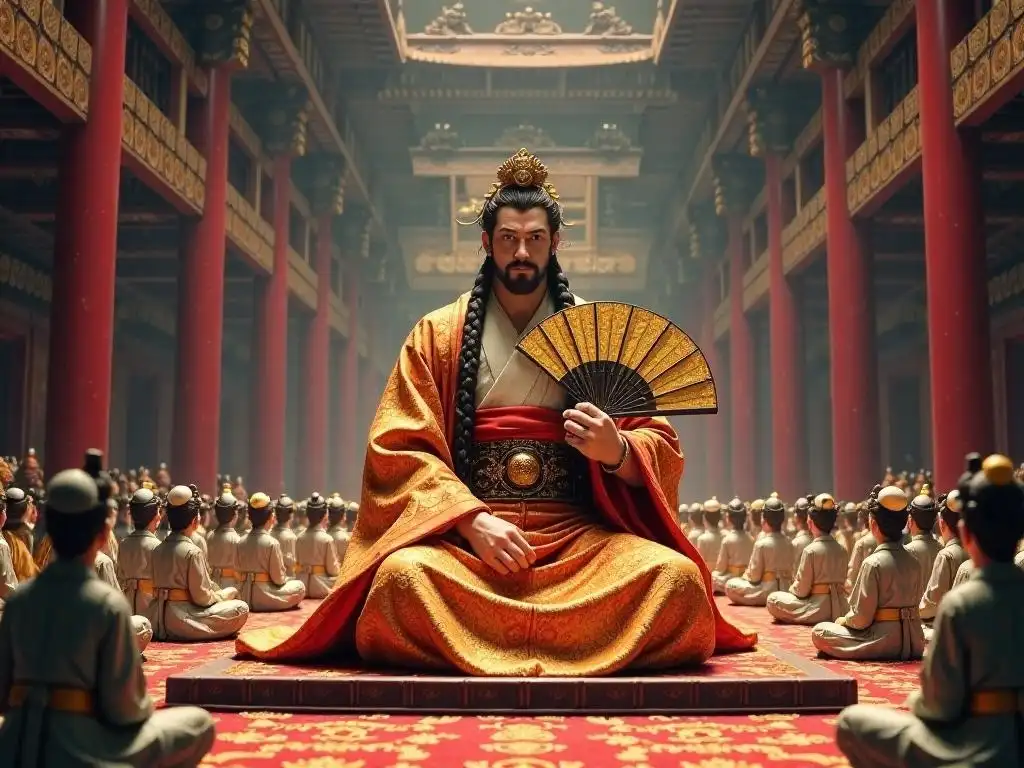
Welcome to Feudal Japan History, where we embark on a fascinating journey through the intricate tapestry of Japan's feudal era. Here, you'll uncover the dynamic interplay of power and culture that defined the Muromachi period, particularly the compelling influence of the imperial court. Our featured article, "The Role of the Imperial Court: Balancing Power in the Muromachi Era," invites you to delve deeper into how this pivotal institution navigated the shifting political landscape. Prepare to be captivated as we unveil the complexities of an era that shaped the course of Japanese history—your adventure into the past starts here!
The Muromachi era, spanning from the 14th to the 16th centuries, represents a pivotal period in Japanese history characterized by the complex interplay of power between the imperial court and military leaders, particularly the shogunate. During this time, the imperial court's influence ebbed and flowed, navigating the challenges posed by the rising power of the samurai class and the decentralized nature of governance.
Understanding the role of the imperial court in this era is essential for comprehending how power was balanced and redistributed, ultimately shaping the political landscape of feudal Japan. This exploration delves into the intricacies of the Muromachi era imperial court power, examining its governance, structure, and the significant roles it played within the broader context of Japanese society.
Introduction to the Muromachi Era
Overview of the Muromachi Period
The Muromachi Period, also known as the Ashikaga Period, is named after the Muromachi district of Kyoto, where the Ashikaga shogunate established its headquarters. This era was marked by significant political fragmentation, with various regional warlords (daimyō) vying for control. The Ashikaga shogunate, although nominally subordinate to the emperor, wielded considerable power, leading to a complex relationship with the imperial court. The era witnessed notable cultural developments, including the flourishing of Zen Buddhism, tea ceremonies, and the arts, all of which were deeply intertwined with the political climate.
Significance of the Imperial Court in Feudal Japan
The imperial court, despite its diminishing political power during the Muromachi era, remained a symbol of legitimacy and continuity in Japanese governance. It served as a cultural center, preserving traditional practices and influencing the samurai class. The court's ceremonies and rituals were vital for legitimizing the authority of the shogunate and maintaining social order. Moreover, the court's ability to grant titles and land to the military elite played a crucial role in balancing power dynamics, making it an essential player in feudal Japan's political landscape.
The Structure of the Imperial Court in the Muromachi Era
Hierarchical Organization of the Court
The imperial court during the Muromachi era was structured in a hierarchical manner, with the emperor at the apex. Below the emperor were various court officials, including the regent (shōgun) and other dignitaries, each assigned specific roles and responsibilities. This hierarchy was not only indicative of status but also reflected the intricate relationships between the court and the military leaders. Understanding this structure provides insight into how power was negotiated and maintained within the feudal system.
Key Titles and Roles within the Court
Within the imperial court, several key titles and roles were pivotal in its functioning. The most prominent figures included:
- Emperor: The symbolic figurehead of Japan, whose authority was often overshadowed by the shōgun.
- Shōgun: The military leader who held actual power, often acting on behalf of the emperor.
- Kugyō: High-ranking nobles who advised the emperor and held significant influence over court affairs.
- Sadaijin and Udaijin: Ministers responsible for various governmental functions, providing a link between the court and the shogunate.
These roles were crucial in navigating the political landscape, influencing governance, and reinforcing the legitimacy of the ruling powers.
The Influence of the Court on Governance
The influence of the imperial court on governance during the Muromachi era cannot be understated. While the shogunate held military power, the court maintained its relevance through cultural patronage and ceremonial authority. The court's ability to confer legitimacy upon the shōgun and other military leaders was vital; without the court's approval, a leader's authority could be questioned. This complex interplay of power illustrates how the imperial court, despite its limitations, remained an essential actor in the governance of feudal Japan, balancing tradition with the realities of military rule.
The Imperial Court’s Relationship with the Shogunate
The relationship between the Imperial Court and the shogunate during the Muromachi era was complex and often characterized by a delicate balance of power. While the Emperor was viewed as the symbolic and spiritual leader of Japan, the shogunate held the practical authority over military and political matters. This duality created a unique dynamic where the court sought to maintain its influence despite the rising power of the military elite.
The court's authority was traditionally derived from its historical and religious significance, which included the divine lineage of the Emperor. However, the emergence of the shogunate began to shift this perception, leading to a struggle for dominance. The Muromachi period saw the court navigating these tensions, often adjusting its strategies in response to the shoguns' growing military prowess.
The Power Dynamics Between the Court and the Shogun
During the Muromachi period, the power dynamics between the Imperial Court and the shogunate were intricate and fluid. The court, although diminished in practical power, still wielded significant influence through cultural and religious means. The shogunate, particularly under the Ashikaga clan, recognized the need to legitimize its rule by maintaining a façade of respect for the Emperor and the court.
This relationship was often marked by a series of compromises and negotiations. For instance, the shogunate would seek the Emperor's approval for military campaigns or important appointments, which in turn provided the court with a semblance of authority. However, the shogun's military strength often overshadowed these ceremonial aspects, leading to a situation where the court's influence was increasingly symbolic rather than substantive.
The court's strategies to assert its relevance included the promotion of cultural achievements and the reinforcement of its spiritual authority through religious practices. However, the ever-present threat of military might posed by the shogunate meant that the court had to tread carefully, often aligning itself with powerful families within the aristocracy to secure its position.
Case Studies of Notable Shoguns and Their Interactions with the Court
Several notable shoguns exemplify the interaction between the Imperial Court and the shogunate during the Muromachi era. One significant figure was Ashikaga Takauji, the founder of the Ashikaga shogunate. Takauji initially sought to gain legitimacy by aligning himself with the court, receiving the title of shogun from the Emperor. However, as his power grew, he increasingly marginalized the court's influence, leading to a complex relationship characterized by both cooperation and conflict.
Another significant case is that of Ashikaga Yoshimitsu, one of the most powerful shoguns of the era. Yoshimitsu understood the importance of maintaining a good relationship with the court and went to great lengths to enhance the court's prestige. He arranged for the Emperor to receive formal recognition of his authority and engaged in diplomatic gestures that reinforced the court's status. This relationship was beneficial for both parties; the court gained a measure of influence, while the shogunate bolstered its legitimacy by association.
These interactions illustrate the precarious balance that defined the Muromachi period, where shoguns had to navigate the complicated web of court politics while asserting their military dominance.
The Impact of Military Leaders on Imperial Authority
Military leaders played a crucial role in shaping the authority of the Imperial Court during the Muromachi era. The rise of the shogunate fundamentally altered the landscape of power, as military leaders increasingly assumed roles traditionally held by the court. This shift not only diluted the court's political power but also redefined the nature of authority in Japan.
Prominent military figures, such as the various regional daimyōs, often disregarded the court's authority in favor of their own ambitions. The court's inability to enforce its will in the face of military might led to a gradual erosion of its influence. Nevertheless, the court sought to adapt by aligning itself with powerful military leaders, offering legitimacy in exchange for protection and support.
This symbiotic relationship meant that while the court lost direct control over governance, it retained some degree of influence through strategic alliances. The court's role evolved from direct governance to a more ceremonial and cultural position, with military leaders recognizing the need to maintain an image of respect for the imperial institution.
Balancing Power: The Imperial Court’s Strategies
The Imperial Court employed various strategies to balance its diminished power against the rising influence of the shogunate. Recognizing the shifting dynamics, the court sought to assert its relevance through diplomatic, cultural, and political maneuvers.
Diplomatic Maneuvers to Maintain Influence
Diplomacy became a crucial tool for the Imperial Court to navigate its relationship with the shogunate. The court engaged in negotiations to secure its interests, often leveraging its historical and spiritual authority to influence political decisions. By forging alliances with powerful clans and influential daimyōs, the court aimed to create a network of support that could counterbalance the shogunate's military might.
Additionally, the court utilized ceremonial occasions, such as court rituals and festivals, to reaffirm its cultural significance. These events attracted the attention of the elite and served as a platform for the court to showcase its power, thereby maintaining its status and relevance in the political landscape.
Alliances and Rivalries within the Aristocracy
The complex web of alliances and rivalries among the aristocracy played a significant role in the court's efforts to balance power. Various noble families, each with their own ambitions, formed strategic alliances to either support or undermine the court's authority. The court's ability to navigate these relationships was vital in maintaining its influence.
For instance, the court often relied on certain powerful families to act as intermediaries with the shogunate, while also working to neutralize potential threats from rival factions. This delicate balancing act required the court to remain vigilant and adaptable, as shifting loyalties among the aristocracy could quickly alter the power dynamics.
Cultural Patronage as a Tool for Power
Cultural patronage emerged as a key strategy for the Imperial Court to assert its influence during the Muromachi era. By supporting the arts, literature, and religious institutions, the court not only enhanced its prestige but also reinforced its ideological authority. The promotion of cultural achievements allowed the court to connect with the populace and the elite, fostering a sense of shared identity anchored in imperial tradition.
The court's involvement in cultural affairs helped to legitimize its position, as artistic and religious endeavors were often viewed as extensions of imperial authority. This cultural patronage served as a counterbalance to the military dominance of the shogunate, illustrating how the court sought to maintain its relevance in a rapidly changing political landscape. Through these initiatives, the court aimed to cultivate loyalty and support from various segments of society, ensuring its survival amidst the shifting tides of power.
The Role of the Imperial Court in Society
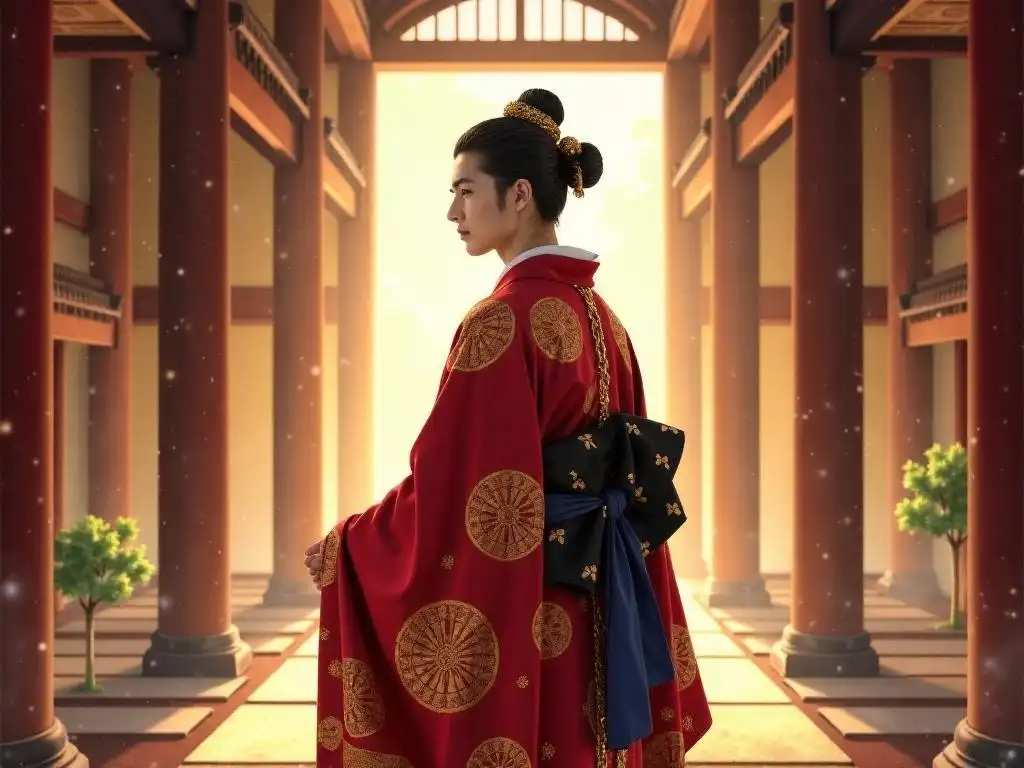
The Imperial Court during the Muromachi era (1336–1573) served as a crucial institution in Japanese society, despite the increasing power of the samurai class and regional warlords. Functioning from Kyoto, the court was not only a center of political power but also a vital cultural hub. Its influence permeated various aspects of daily life, from governance to the arts, creating a complex relationship between the court and the emerging feudal powers.
The court maintained a nominal political authority, largely symbolic, as the shogun and regional daimyos gained substantial control over military and administrative matters. However, the court's role in legitimizing the ruling powers was indispensable. The emperor's endorsement was sought by the shoguns to solidify their claims to power, demonstrating the court's continued significance in the political landscape. Thus, the court navigated its dual role of upholding traditional governance while adapting to the shifting dynamics of power.
Cultural Contributions and Their Political Implications
The Muromachi era was marked by significant cultural developments, many of which were driven by the Imperial Court. The court's patronage of the arts fostered a unique cultural identity that blended aristocratic traditions with emerging samurai values. This era saw the flourishing of various art forms, including Noh theater, ink painting, and the tea ceremony, which were deeply intertwined with the court's status and political agendas.
Culturally, the court contributed to the development of a sophisticated aesthetic that influenced the broader society. The promotion of Zen Buddhism, for instance, became a cultural bridge between the court and the samurai, as it resonated with the values of discipline and simplicity. This synergy had political implications, as the samurai class sought legitimacy through cultural refinement, often looking to the court for guidance on matters of etiquette and philosophy.
The Court’s Influence on Arts and Literature during the Muromachi Era
The Muromachi era is renowned for its rich artistic output, much of which was fostered by the Imperial Court. The court's influence on arts and literature was pivotal in shaping the cultural landscape of Japan. Notably, the emergence of Noh drama, which combined poetry, music, and dance, was supported by imperial patronage. Noh became a vehicle for expressing the complexities of human emotion and the transient nature of life, reflecting the court's philosophical leanings.
Literature also thrived during this period, with courtly writings and poetry gaining prominence. The "Tale of the Heike," for instance, exemplifies the blending of historical narrative with artistic expression, showcasing the court's role in preserving and disseminating cultural heritage. This literary tradition further reinforced the notion of the court as a custodian of Japanese culture, even as military leaders began to dominate the political sphere.
Social Hierarchy and the Court’s Position
The social hierarchy of the Muromachi era was heavily influenced by the Imperial Court's status. At the top of this hierarchy was the emperor, followed by the court nobility, known as the kuge. Below them were the samurai class and commoners, creating a complex web of social relations that defined the period. Despite the shogunate's political power, the court retained a significant role in the social order, symbolizing the continuity of tradition and cultural identity.
The court's position was characterized by its elaborate rituals and ceremonies, which reinforced its prestige. These formalities were not merely symbolic; they served to legitimize the power structures within society. For the samurai and regional leaders, maintaining ties with the court was essential for bolstering their own status and authority. Thus, the court functioned as a focal point around which social hierarchies were constructed and maintained.
Despite the Imperial Court's enduring presence, the Muromachi era was fraught with challenges that tested its authority. The rise of regional powers and the increasing autonomy of samurai leaders increasingly marginalized the court's influence, leading to a significant shift in the political landscape.
Internal Conflicts within the Court
The Imperial Court faced significant internal strife during the Muromachi era, resulting from factionalism and disputes over succession. Conflicts between rival court factions often arose, undermining the court's stability and authority. Notably, the Northern and Southern Courts (Nanboku-chō) conflict from 1336 to 1392 exemplified this turmoil, as two imperial lines competed for legitimacy, causing division and weakening the court's position.
These internal conflicts not only distracted the court from external threats but also diminished its ability to influence political affairs effectively. As factions vied for power, the court's role in governance became increasingly diminished, making it susceptible to the encroaching authority of regional warlords.
The Rise of Regional Powers and Their Effect on the Court
As the Muromachi era progressed, regional powers, particularly the daimyos, began to assert themselves more forcefully. The decentralization of power led to the establishment of autonomous domains, reducing the court's influence over the provinces. The daimyos often sought to create their own legitimacy by distancing themselves from the court, sometimes even refusing to pay homage.
This shift had profound implications for the Imperial Court, as it struggled to maintain relevance in a landscape dominated by local lordships. The court's inability to assert authority over these regional powers resulted in a significant decline in its political clout, forcing it to rely increasingly on symbolic gestures to maintain its status.
The Decline of the Imperial Court’s Influence
By the late Muromachi period, the Imperial Court's influence had significantly waned. The court's power, once a vital force in governance, became largely ceremonial. As the samurai class gained prominence, the court lost its political authority, culminating in the eventual rise of the Tokugawa shogunate in the early 17th century.
This decline was marked by a shift in governance, where military leaders effectively replaced court officials in decision-making roles. The court became increasingly isolated, with its members often relegated to cultural pursuits rather than active political engagement. Despite this, the legacy of the Imperial Court endured, influencing subsequent generations and shaping Japan's cultural and political identity long after its political power had diminished.
The Legacy of the Muromachi Era Imperial Court
The Muromachi era, spanning from approximately 1336 to 1573, marked a significant period in Japanese history where the Imperial Court played a crucial role in the cultural and political landscape of the time. Despite the rise of the shogunate and the increasing power of regional warlords (daimyō), the Imperial Court maintained its status as a symbol of legitimacy and cultural authority. This duality of power between the court and military leaders shaped the governance dynamics of the era.
The court became a center for cultural advancements, fostering the development of arts such as Noh theater, tea ceremonies, and ink painting. These cultural achievements were not merely artistic expressions; they served to reinforce the court's prestige and influence. The Muromachi period is often viewed as a time when the court's cultural contributions helped to define Japanese identity, even as political power shifted to the military elite.
Historical Perspectives on the Court’s Role in Governance
Historically, the role of the Imperial Court during the Muromachi era has been interpreted through various lenses. Scholars have debated the extent to which the court influenced governance, especially in a landscape dominated by the shogunate. Initially, the court retained considerable power, particularly in the early years of the Ashikaga shogunate. However, as military leaders consolidated their control, the court's authority began to wane.
Despite this decline, the court continued to play a pivotal role in legitimizing the actions of the shogunate. The issuance of imperial decrees and the appointment of shoguns were often ceremonial acts that underscored the court's essential function in maintaining a semblance of political order. This interplay between the court and the shogunate highlights the complex nature of governance during this period, where power was not absolute but rather a delicate balance between competing forces.
Long-term Effects on Japanese Political Structure
The legacy of the Muromachi era Imperial Court has had lasting implications on Japan's political structure. The relationship between the court and the military elites laid the groundwork for the future governance models that would emerge in Japan. While the court's political power diminished, its cultural and symbolic significance persisted, influencing subsequent political entities, including the Tokugawa shogunate.
The Muromachi period also heralded the rise of a more decentralized political framework, with local daimyōs gaining authority and autonomy. This shift contributed to the fragmentation of power, setting the stage for the tumultuous Sengoku period that followed. Ultimately, the dynamics established during the Muromachi era would inform Japan's political evolution, leading to the eventual restoration of imperial power in the Meiji period, where the court's influence was reimagined within a modern state framework.
Reflections on the Power of the Imperial Court in Modern Japan
In modern Japan, the legacy of the Imperial Court from the Muromachi era continues to resonate. The court is now primarily a ceremonial institution, yet its historical significance remains a point of reflection in discussions about governance and national identity. The symbolism of the emperor as a unifying figure persists, even as the political landscape has evolved dramatically since the Meiji Restoration.
Today, the Imperial Court's historical role as a balancing force highlights the importance of cultural heritage in shaping governance. As Japan navigates contemporary political challenges, the lessons drawn from the Muromachi era serve as a reminder of the complexities and nuances inherent in the relationship between authority and legitimacy.
Conclusion
Summary of the Imperial Court's Role in Balancing Power
The Muromachi era Imperial Court played a multifaceted role in balancing power during a transformative period in Japanese history. Despite the encroachment of military authority, the court maintained its significance through cultural contributions and legitimizing actions. The interplay between the court and the shogunate illustrates the intricate dynamics of governance, where power was constantly negotiated rather than held unilaterally.
Final Thoughts on the Muromachi Era and Its Governance Dynamics
Reflecting on the Muromachi era and its governance dynamics invites a deeper understanding of Japan’s historical trajectory. The era's complexities reveal how power structures can evolve while still preserving cultural identity and legitimacy. As modern Japan continues to grapple with its past and present, the lessons from the Muromachi period offer valuable insights into the enduring nature of political power and its relationship with cultural authority.
- Introduction to the Muromachi Era
- The Structure of the Imperial Court in the Muromachi Era
- The Imperial Court’s Relationship with the Shogunate
- Balancing Power: The Imperial Court’s Strategies
- The Role of the Imperial Court in Society
- Challenges to Imperial Authority
- The Legacy of the Muromachi Era Imperial Court
- Historical Perspectives on the Court’s Role in Governance
- Long-term Effects on Japanese Political Structure
- Reflections on the Power of the Imperial Court in Modern Japan
- Conclusion
- What was the Muromachi era known for?
- How did the imperial court influence politics during the Muromachi era?
- What challenges did the imperial court face in maintaining its power?
- How did cultural developments during the Muromachi era affect the imperial court?
- What role did the Muromachi era play in shaping future Japanese governance?
Frequently Asked Questions
What was the Muromachi era known for?
The Muromachi era (1336-1573) is characterized by a decentralized power structure where the shogunate and imperial court vied for influence over Japan's governance and culture.
How did the imperial court influence politics during the Muromachi era?
The imperial court maintained a symbolic role, often asserting its cultural authority, while actual political power was frequently held by the shoguns and regional daimyōs.
What challenges did the imperial court face in maintaining its power?
Throughout the Muromachi era, the imperial court faced challenges such as political fragmentation, the rise of military leaders, and ongoing conflicts that diminished its political influence.
How did cultural developments during the Muromachi era affect the imperial court?
The Muromachi era was a period of significant cultural growth, including the development of Noh theatre and ink painting, which enhanced the imperial court's prestige despite its waning political power.
What role did the Muromachi era play in shaping future Japanese governance?
The Muromachi era laid the groundwork for the Tokugawa shogunate, influencing the balance of power between the imperial court and military leaders, which would affect Japanese governance for centuries to come.
Final Reflection: The Enduring Legacy of the Muromachi Era Imperial Court
The intricate dynamics of the Muromachi era imperial court power continue to resonate in today's discussions about governance and authority. As we examine the delicate balance of power that characterized this historical period, we realize that the lessons learned from the past are not merely relics of history but rather essential insights that inform contemporary political structures and social hierarchies. The Muromachi era serves as a powerful reminder of how the interplay between authority and influence shapes societies, a theme that remains ever-relevant in our modern world.
The impact of the Muromachi era's imperial court extends beyond its historical confines, influencing cultural narratives and social structures even today. The complexities of power dynamics during this period have paved the way for ongoing discussions about leadership, legitimacy, and the role of tradition in governance. As historian John W. Hall aptly stated, The past is never dead. It's not even past.
This quote encapsulates the idea that the lessons of the Muromachi era are woven into the fabric of our current societal challenges, urging us to reflect on how history informs our present and future.
As we conclude our exploration of the Muromachi era imperial court power, I invite you to reflect on the balance of authority in your own life and community. Consider how the lessons of the past can guide your actions and decisions today. Whether it’s in the realms of leadership, collaboration, or personal relationships, the principles of balance and respect for diverse perspectives are timeless. Let us carry forward the wisdom of the Muromachi era, striving to create a more equitable and harmonious society, where the lessons of history inspire us to forge a better future.
Unveil the Power of the Past!
Thank you for diving into the fascinating intricacies of the **Imperial Court during the Muromachi Era**! We hope this exploration has illuminated how these dynamics shaped the course of **Japanese history**. Now, it’s your turn to engage with this rich narrative and take the next steps toward deepening your understanding and appreciation of this pivotal period.
- Join our community: Become part of our discussions on **feudal Japan**. Share your insights or questions in the comments below!
- Explore further: Delve into related articles on our site to expand your knowledge—discover how the **Imperial Court** continues to influence Japan today.
- Share your findings: Spread the word! Recommend this article to fellow history enthusiasts or on social media to ignite interest in the **Muromachi Era**.
As you reflect on the balance of power during this time, we invite you to consider: How do you think the lessons from the Muromachi Era influence contemporary leadership and governance in Japan?